


Master of Arts in Studio Art
The Florence Academy’s Master of Arts in Studio Art, with its focus on traditional methods, provides training in drawing and painting to art educators seeking to use these skill-based techniques in their classrooms.
The program is designed to develop the knowledge and skill set of MA candidates from a variety of backgrounds and levels of experience.
First and second years of the MA Program can be attended remotely or in person at St. Peter’s University, New Jersey, US. The third and final year is held at The Florence Academy of Art in Florence, Italy.

About the
MA program
The Florence Academy of Art’s Master of Arts in Studio Art is a graduate-level program focused on the development of drawing and painting through academic, observation-based methodology, with a particular emphasis on its application in art education. Designed for educators and aspiring instructors, the program provides a structured framework for acquiring both technical proficiency and the pedagogical tools necessary to teach these skills effectively.
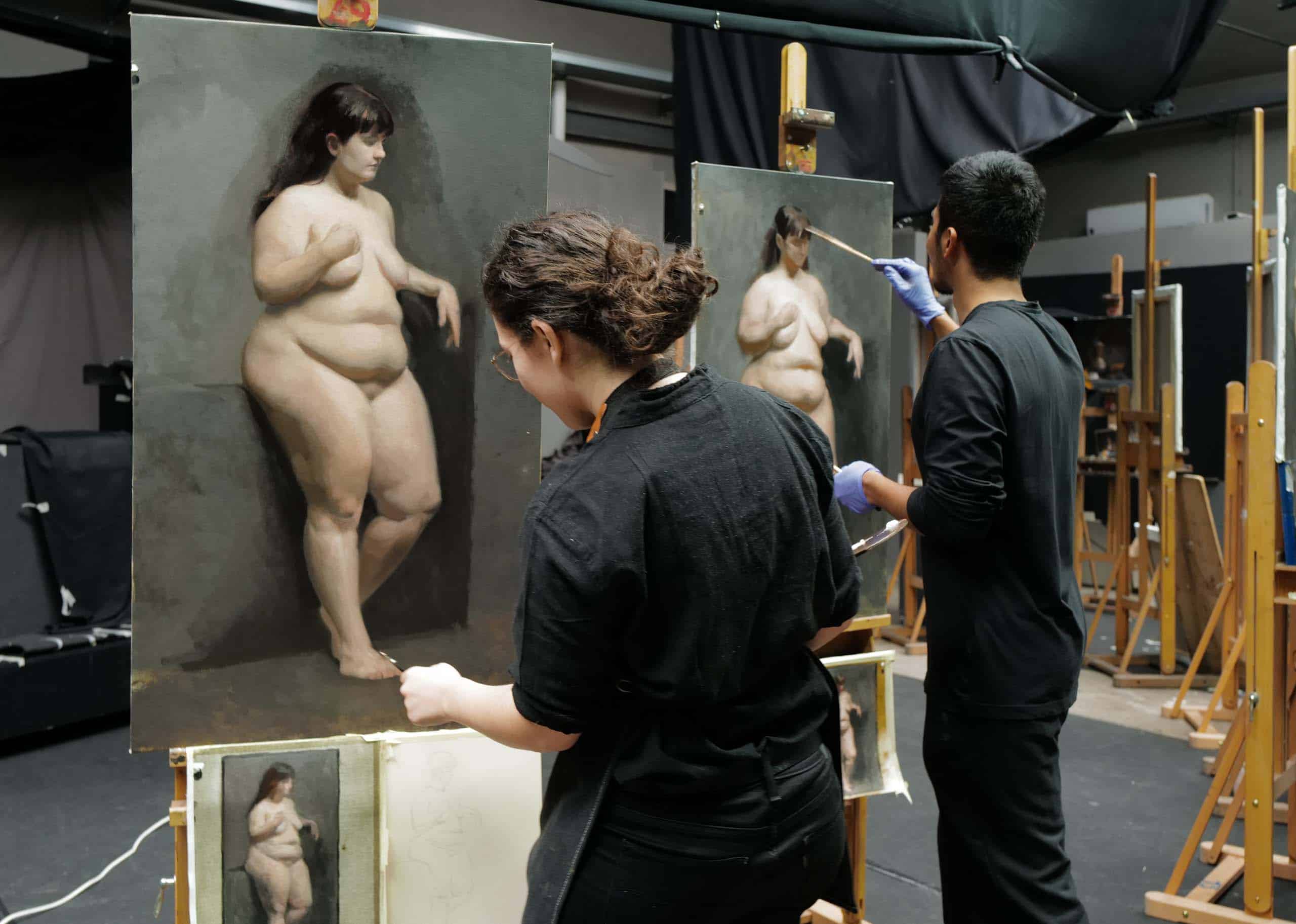
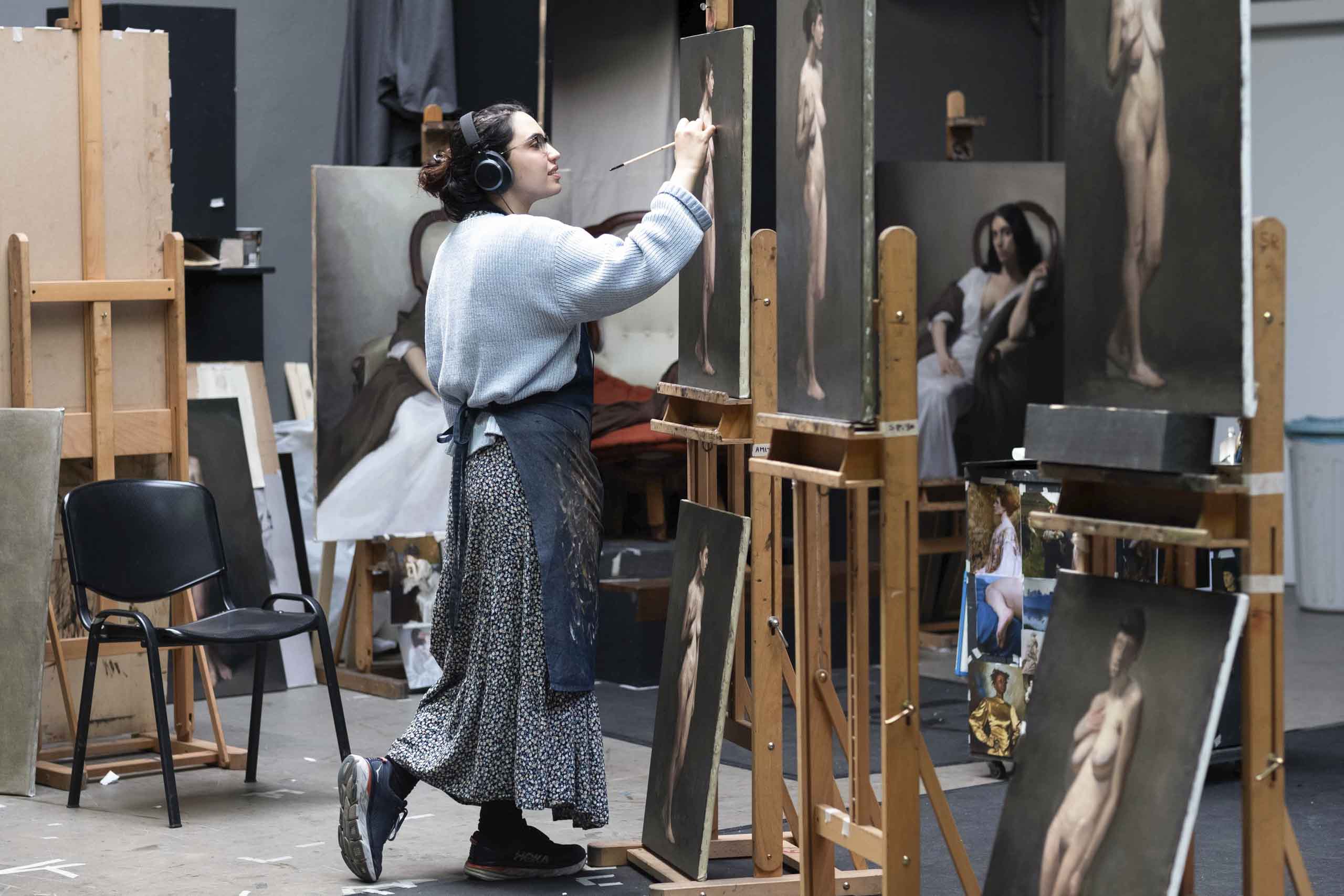
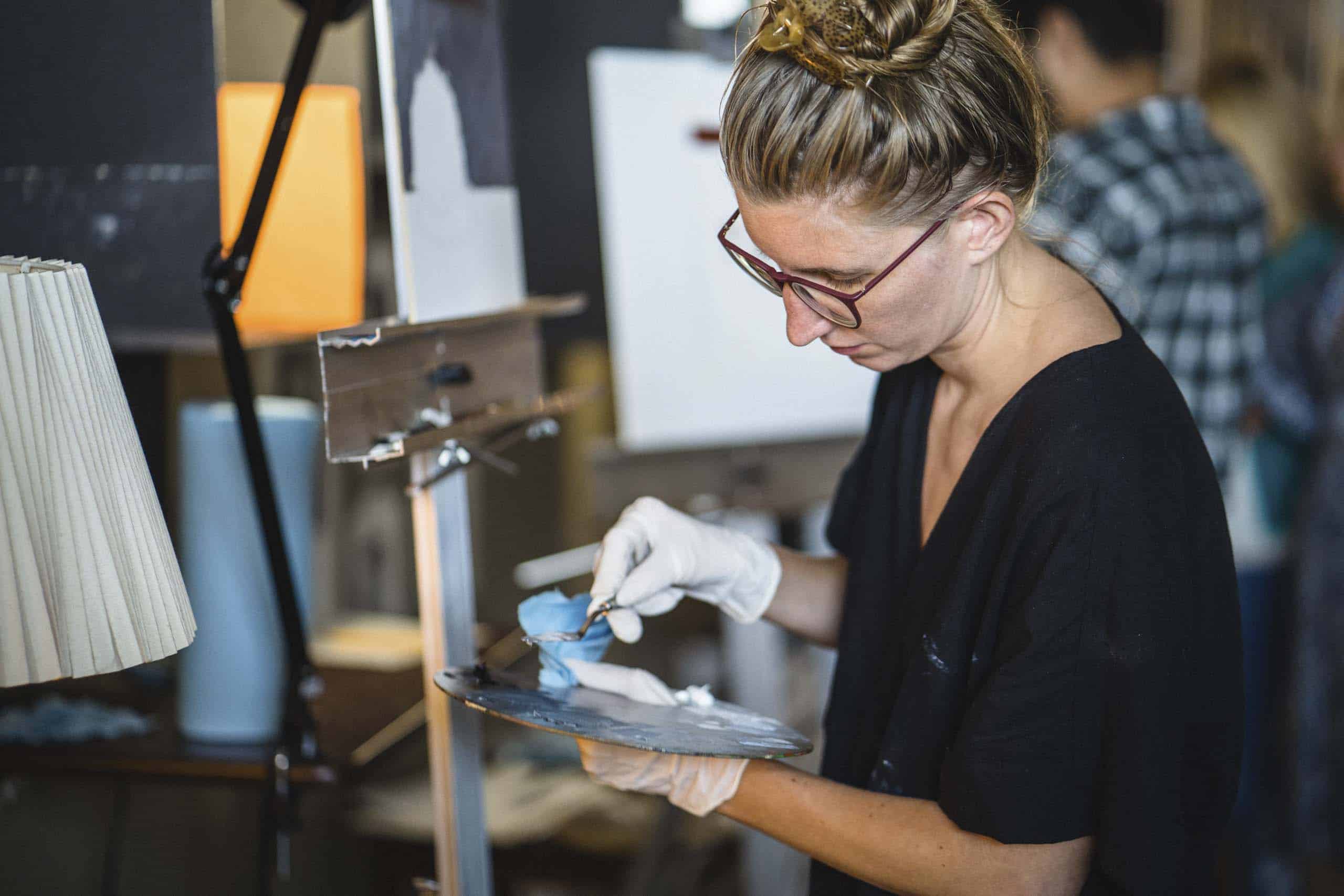
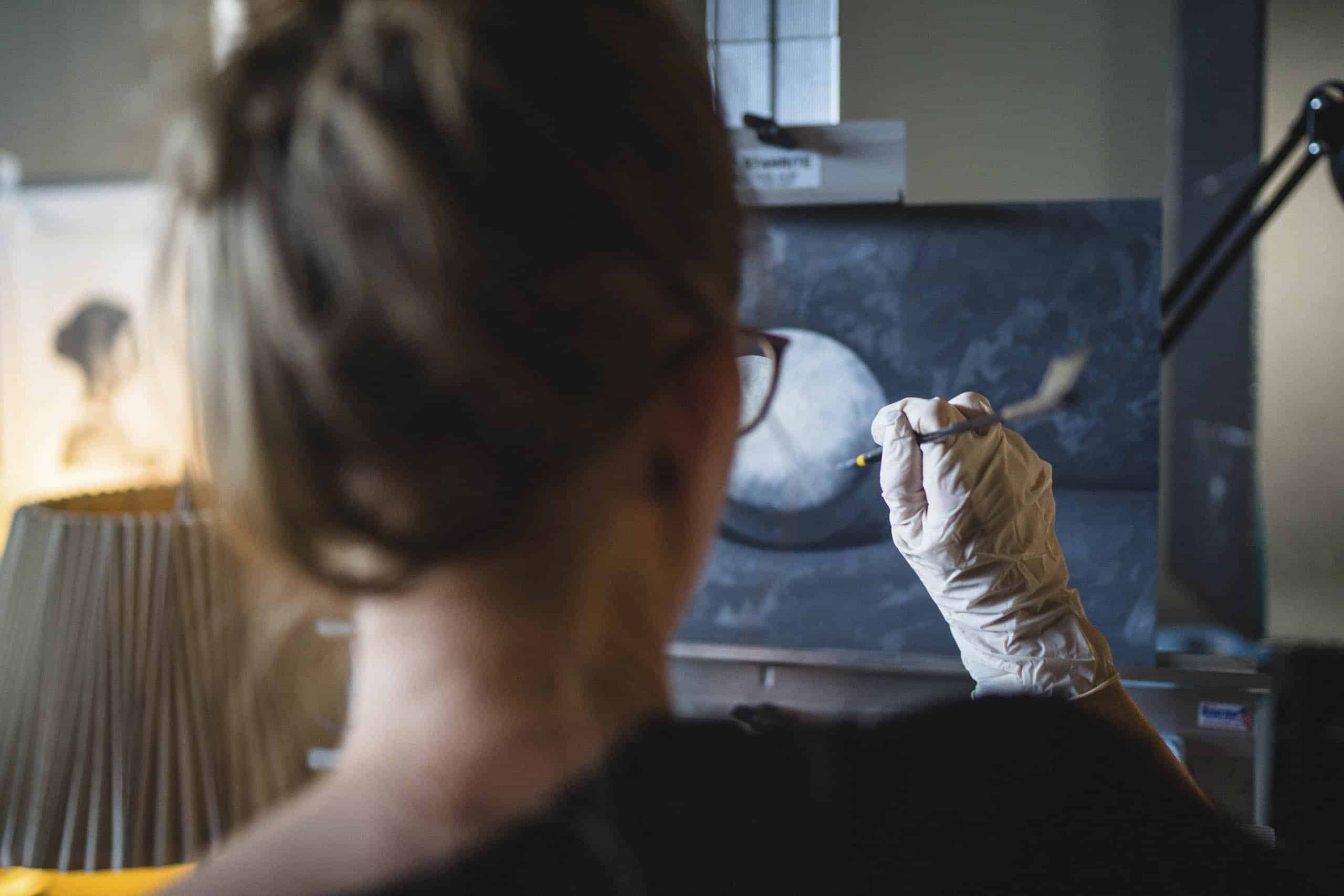
Rooted in the principles of academic training, the curriculum introduces students to a systematic approach of visual analysis, including understanding proportions, values, shape design, and edge quality, while also addressing appropriate use of materials and paint handling in the classroom. Central to the program is sustained work from life, through which students learn to translate visual experience into clear and deliberate decisions. This process is reinforced through a sequence of progressively structured exercises that guide students from foundational concepts to more complex applications in drawing and painting.
In parallel with technical development, the program places a strong emphasis on pedagogy. Participants are trained not only to acquire skills but to understand and communicate the underlying principles that support them. By breaking down complex visual problems into incremental, teachable steps, the program equips students with a practical methodology that can be applied directly in the classroom.
The curriculum of the MA Program is based on The Florence Academy of Art’s established three-year Drawing and Painting Program. It fosters the development of visual literacy, technical control, and critical artistic thinking. Graduates complete the program with the ability to apply this knowledge to their own artistic practice and the development of their students, enabling them to contribute to the ongoing continuum of artists and educators while sustaining and passing on a shared visual language.
The MA in Studio Art is a 30-credit reduced-residency Master’s degree, combining three intensive summer sessions with continued academic engagement throughout the year. Each five-week summer session consists of two courses (4 credits each), meeting Monday through Friday, as well as selected Saturdays, from 9:00 am to 4:00 pm. An additional 6 credits are completed through an Independent Study course.
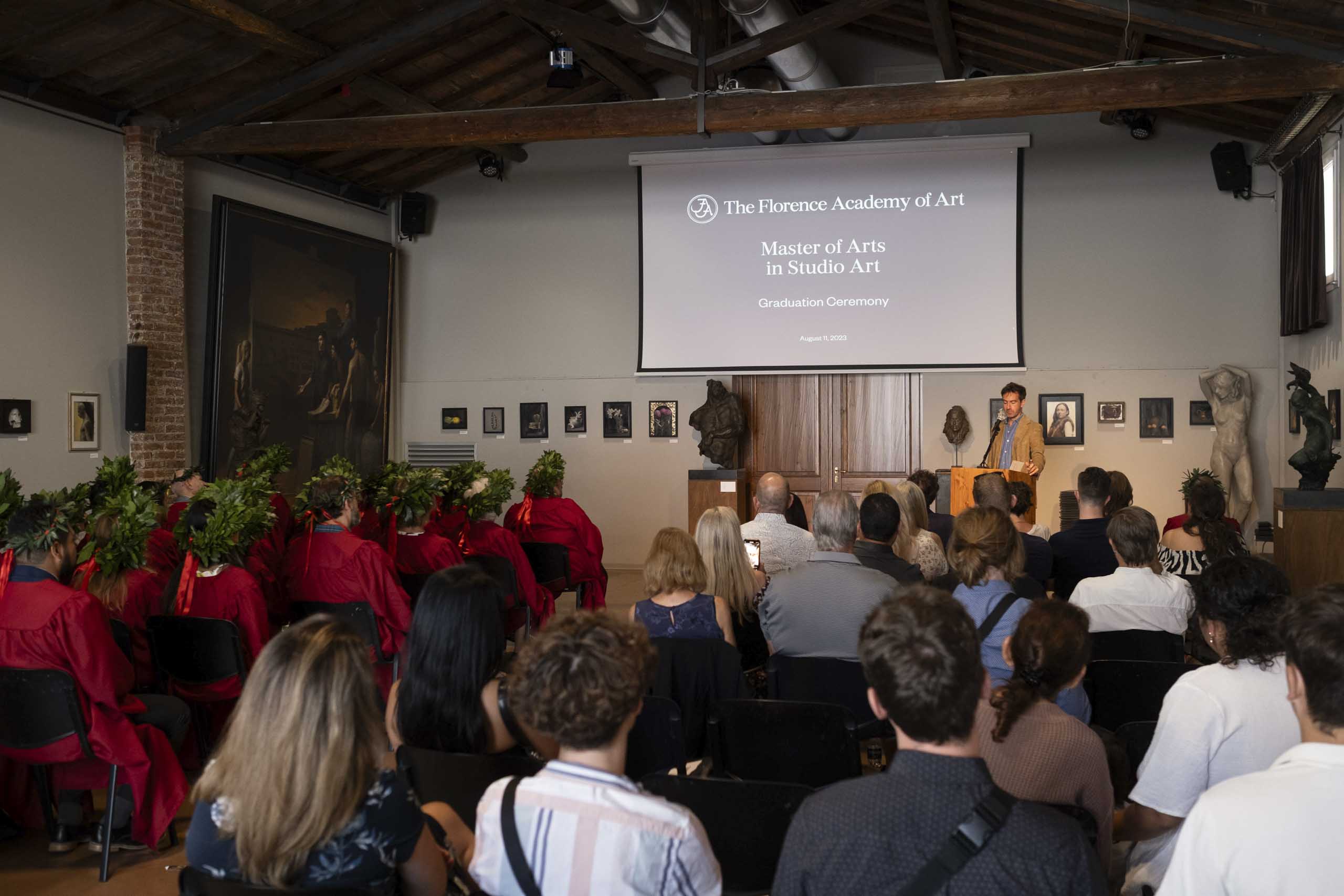
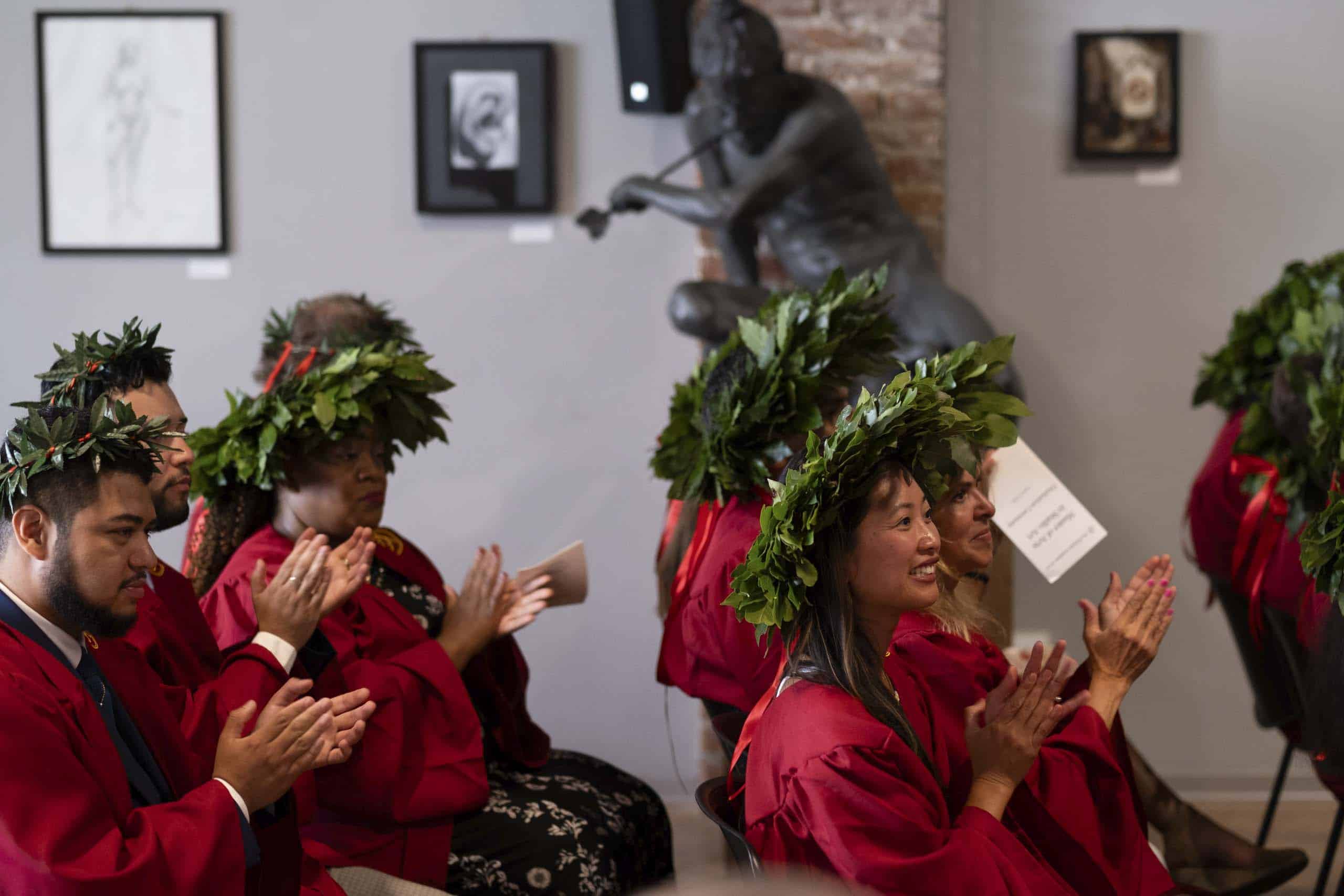
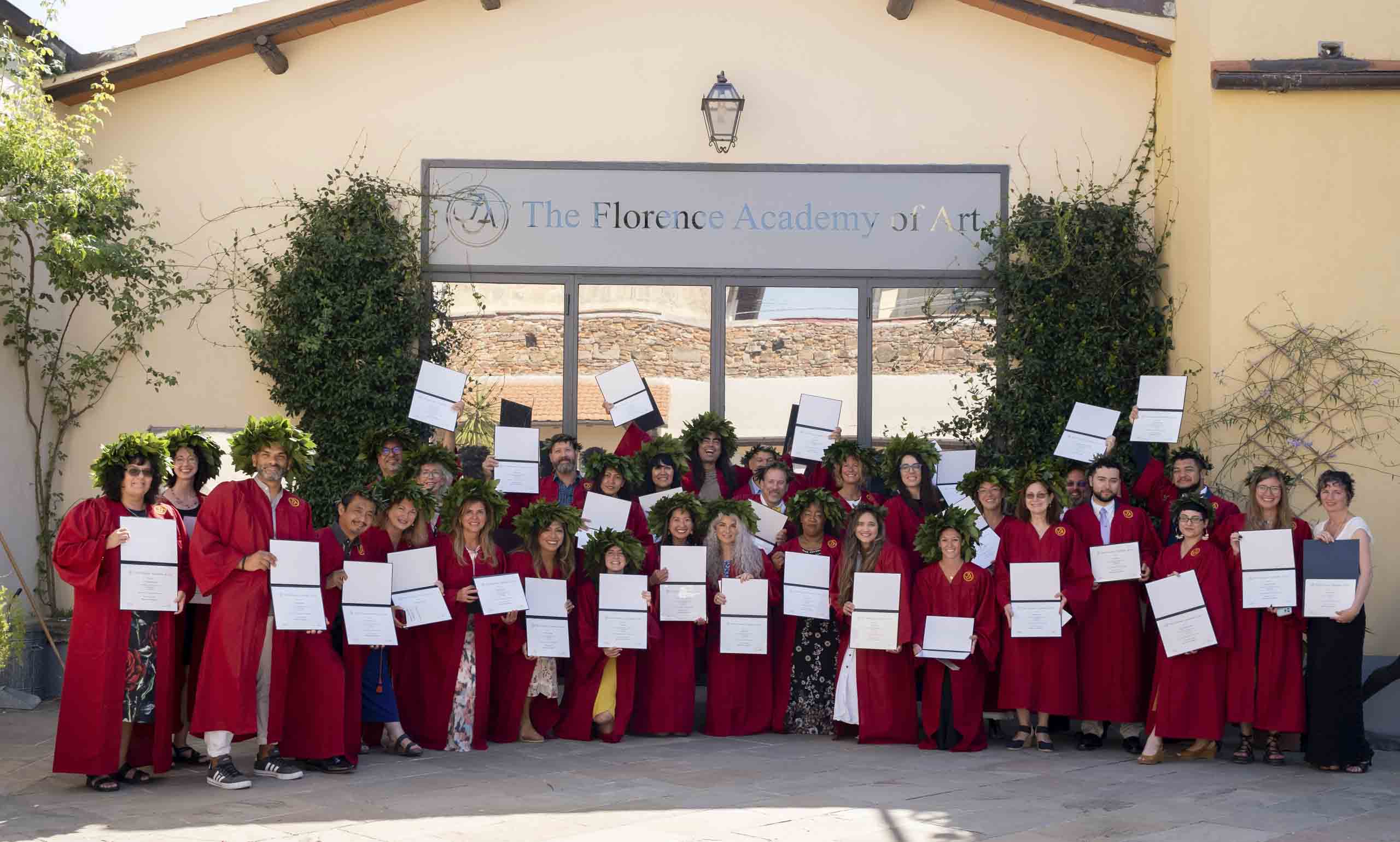
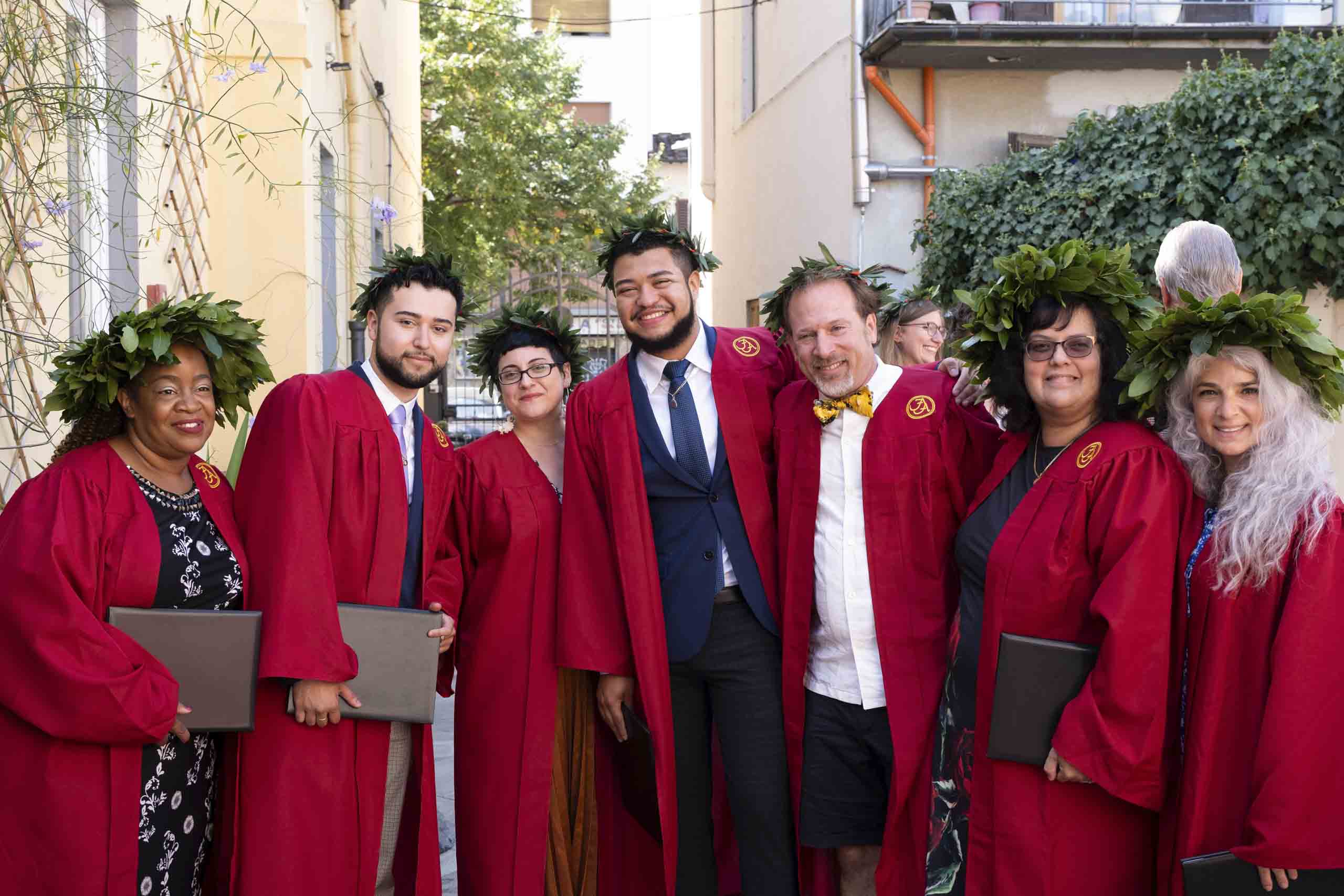
Students may attend the first two years either remotely or in person at our satellite campus in New Jersey, US, while the third and final year takes place at the FAA Campus in Florence, Italy. During their third year, participants complete a thesis project within the Academy’s structured studio environment and culminate their studies in a formal Thesis Exhibition and Graduation Ceremony.
In-Person & Remote Study
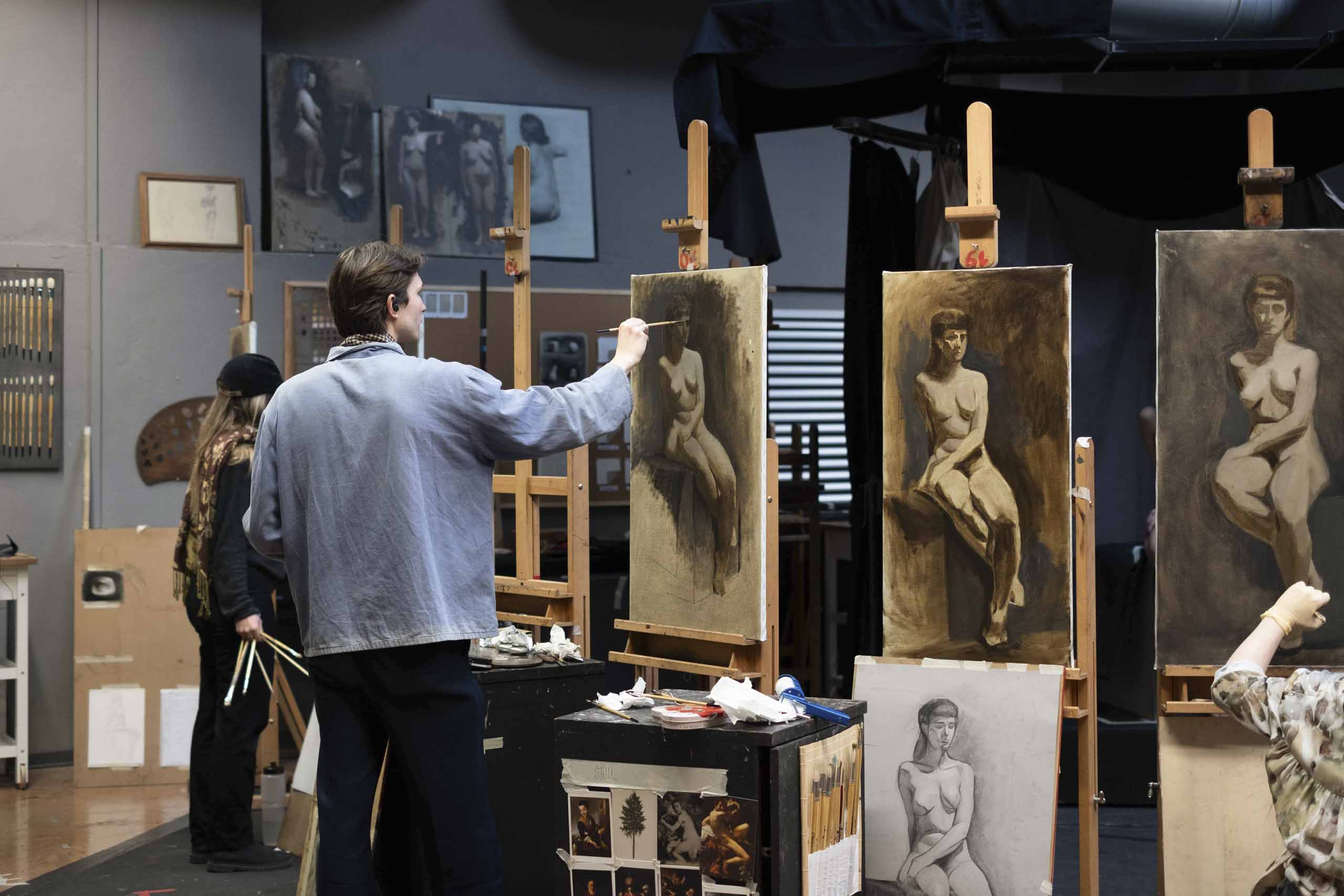
During the first and second years, candidates may choose to attend the program either in person or remotely. Remote participation is conducted synchronously, allowing students to engage in real time with faculty and peers while working from their own studios.
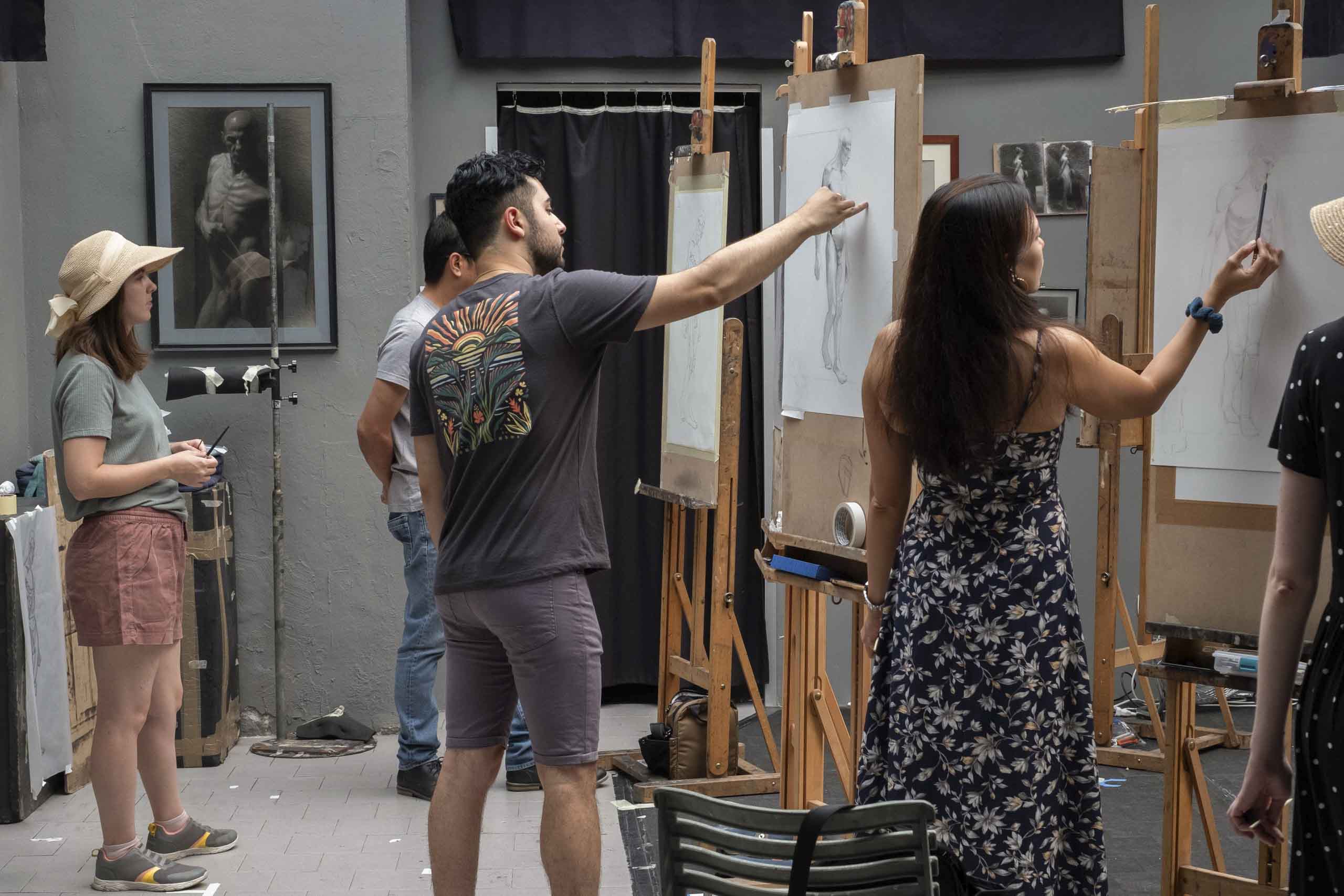
Regardless of mode of attendance, all participants follow the same curriculum, complete parallel assignments, and participate in shared critiques and discussions. Students receive ongoing feedback through both individual and group critiques, and are expected to submit works-in-progress regularly through a dedicated online platform. This structure ensures continuity of instruction and a unified cohort experience across locations.
Remote students are guided in the setup of appropriate studio environments and must have access to a computer with a webcam to participate fully in daily sessions. Technical support is available to facilitate consistent engagement throughout the program.
The third and final year is held in person at The Florence Academy of Art in Florence, Italy. This required residency represents the culmination of the program, allowing students to complete their thesis project within the Academy’s studio environment and engage directly with the artistic and historical context of Florence.
MA Curriculum: The Academic Method
The MA in Studio Art curriculum is grounded in the principles of traditional academic training, emphasizing careful observation, disciplined process, and structured progression. Great importance is placed on working from life, enabling students to build a reliable and transferable framework for drawing and painting.
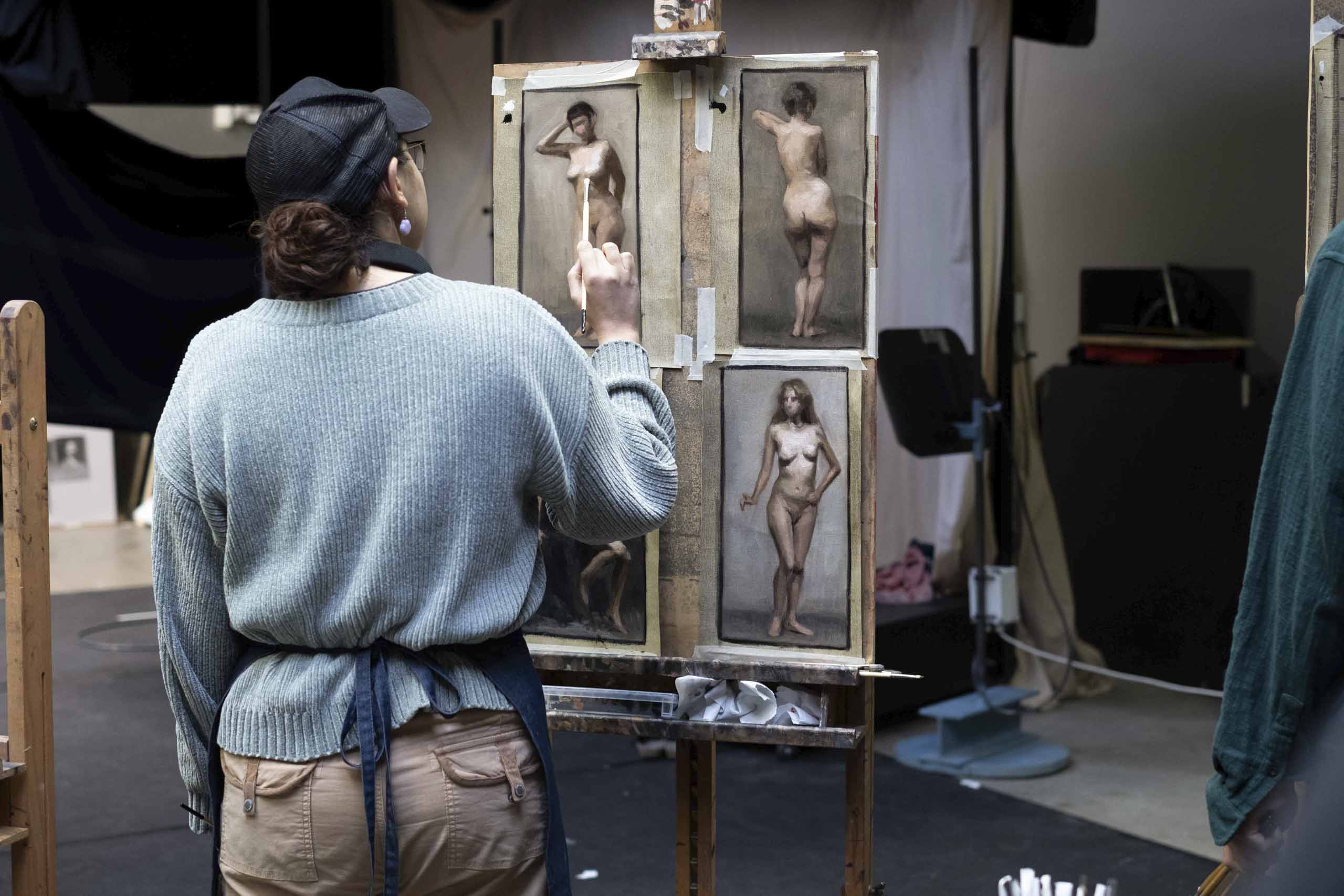
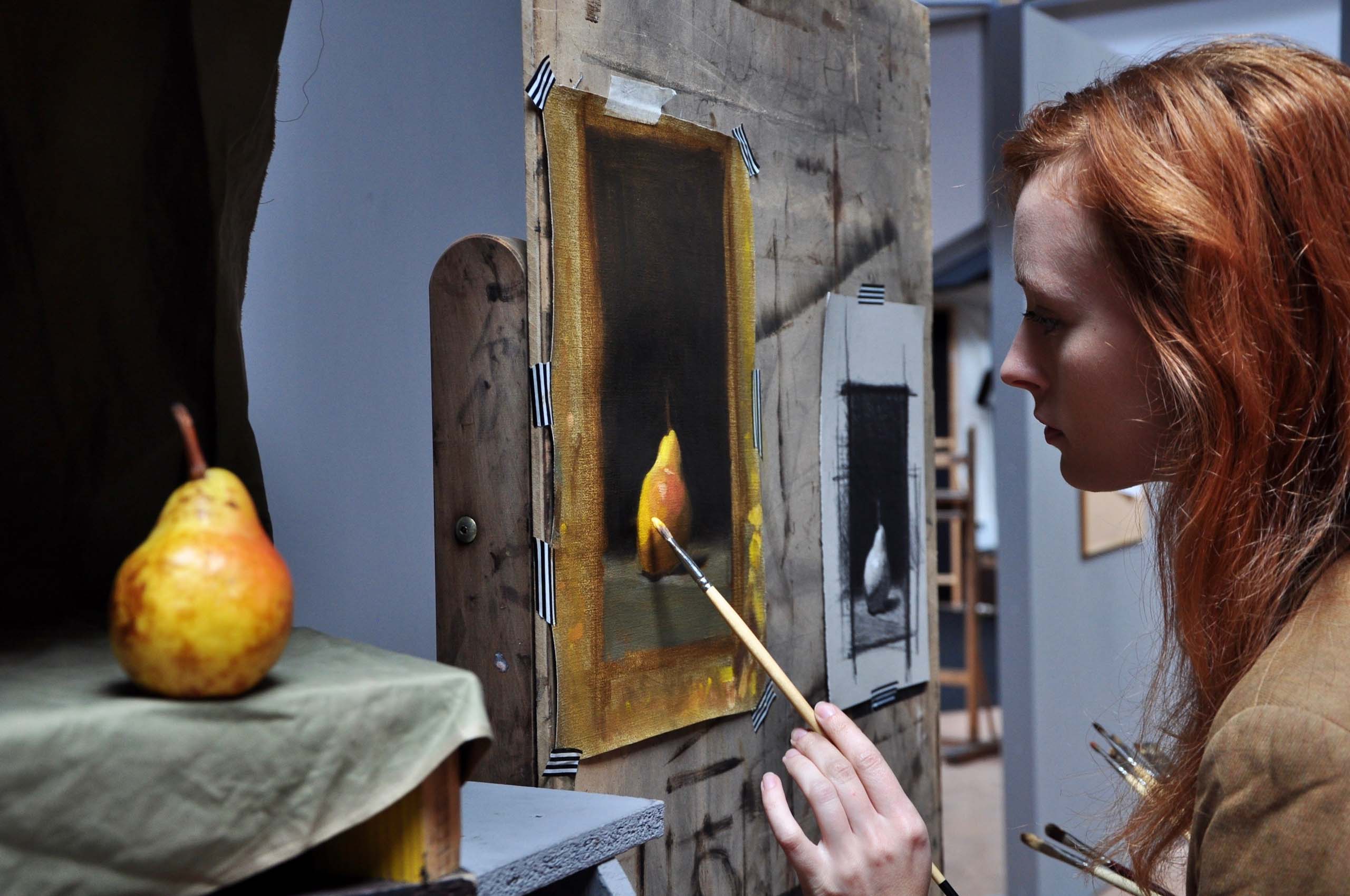
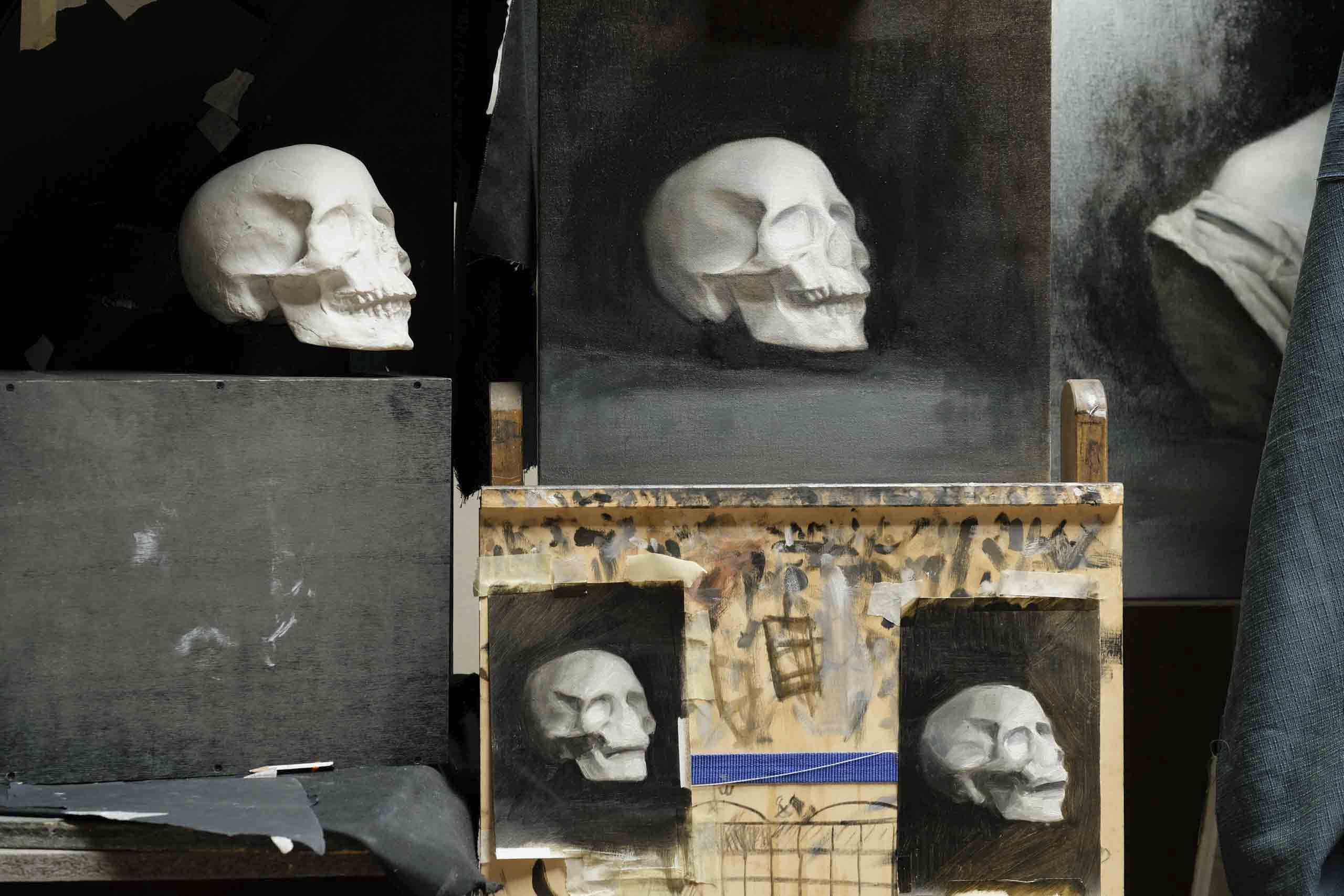
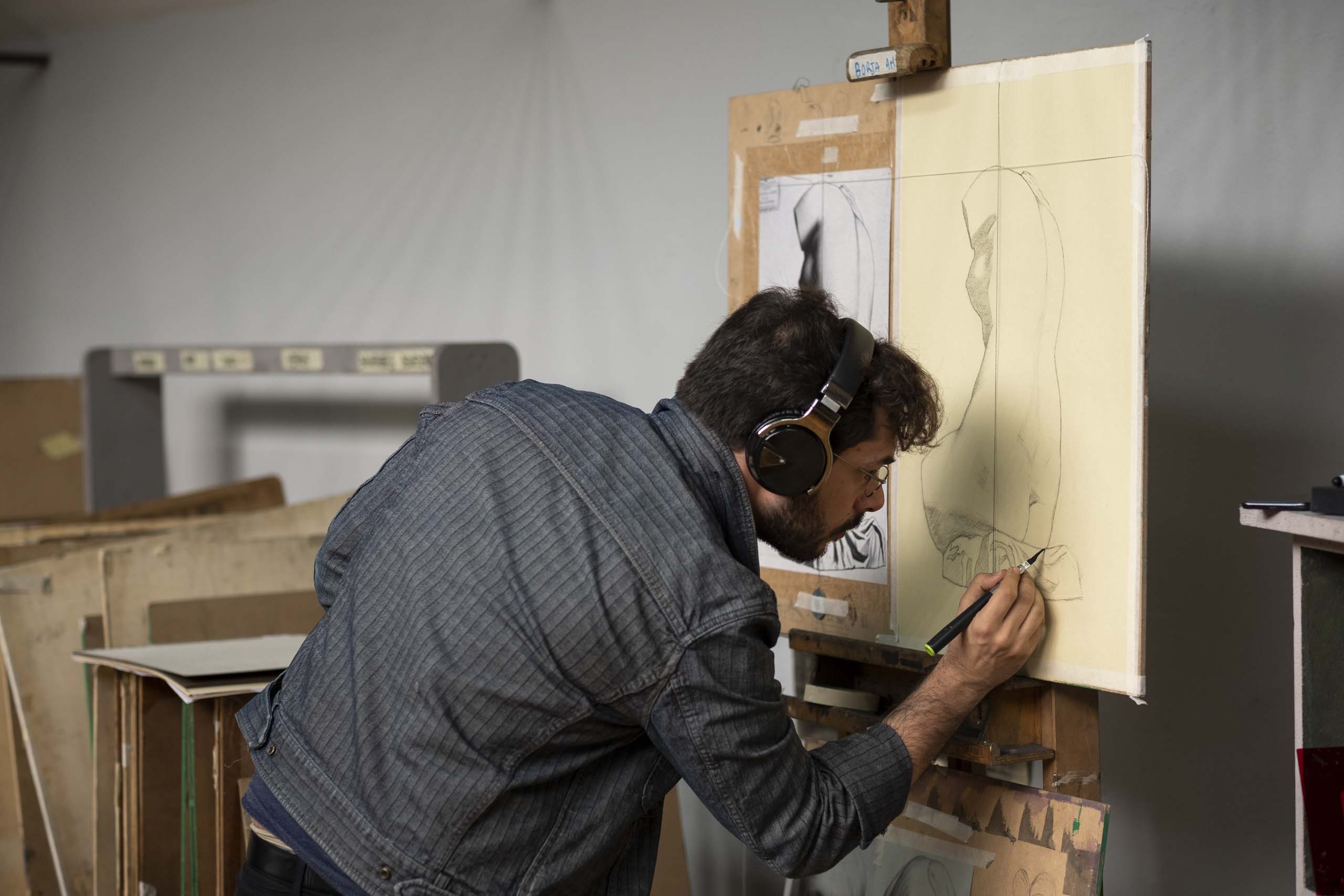
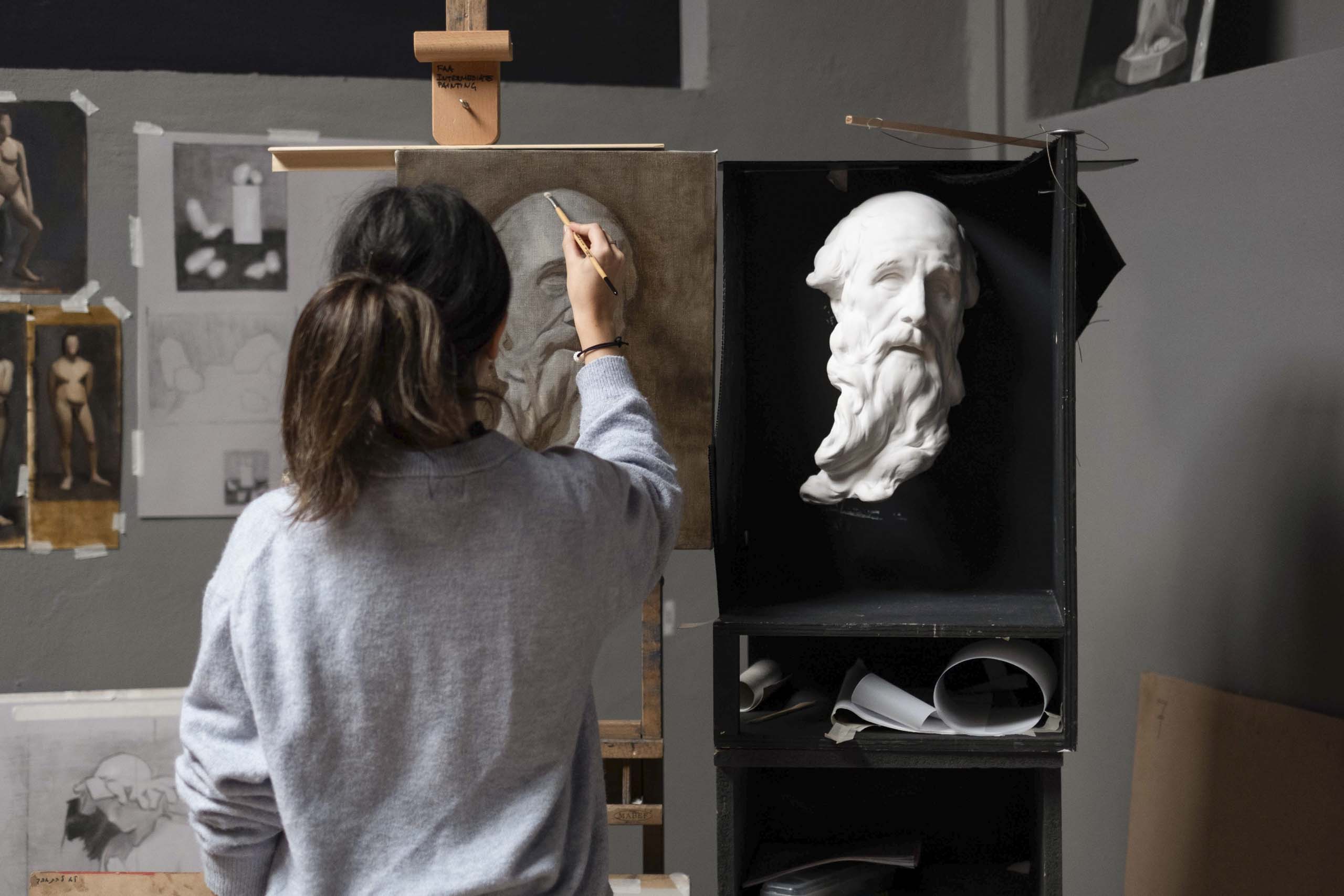
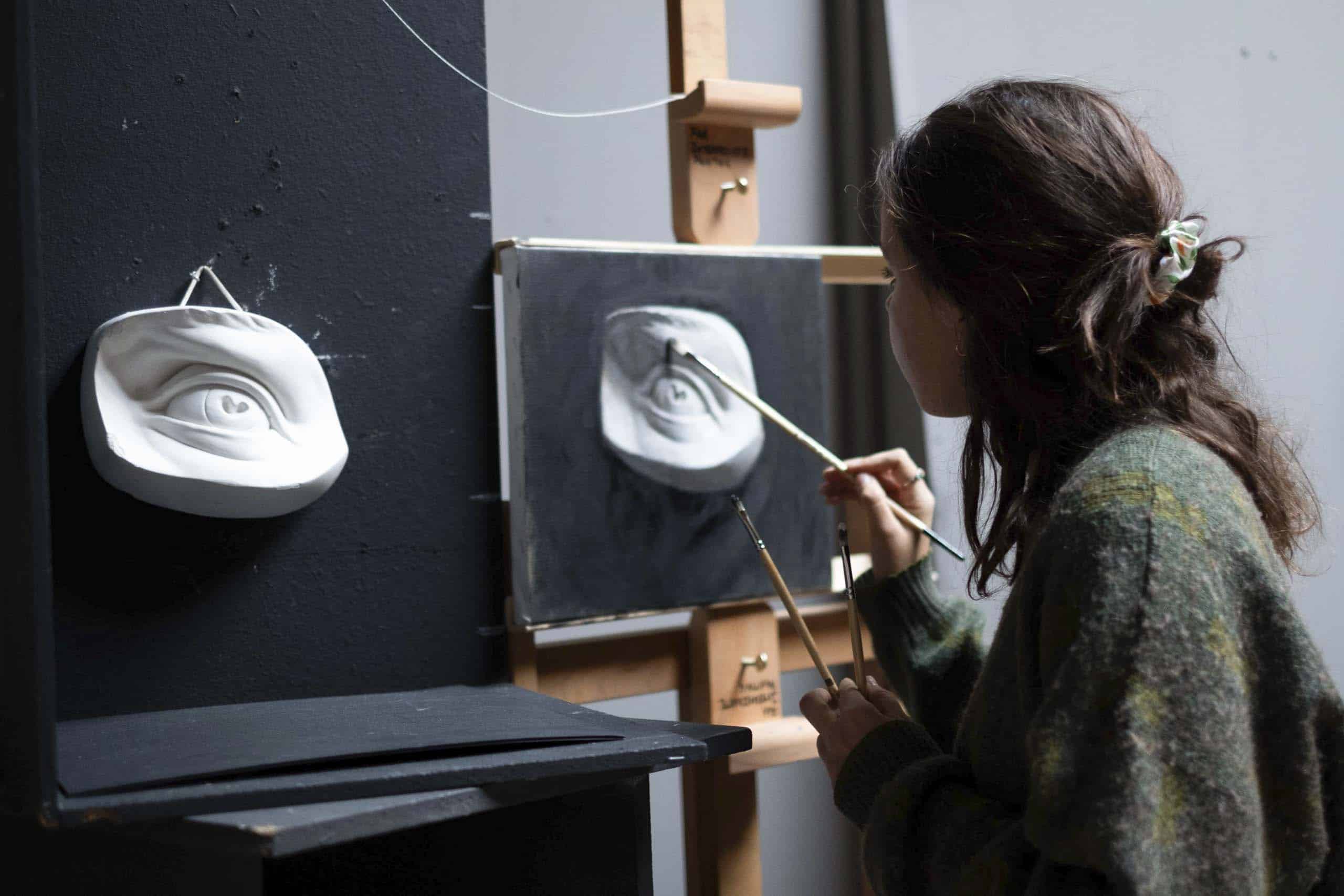
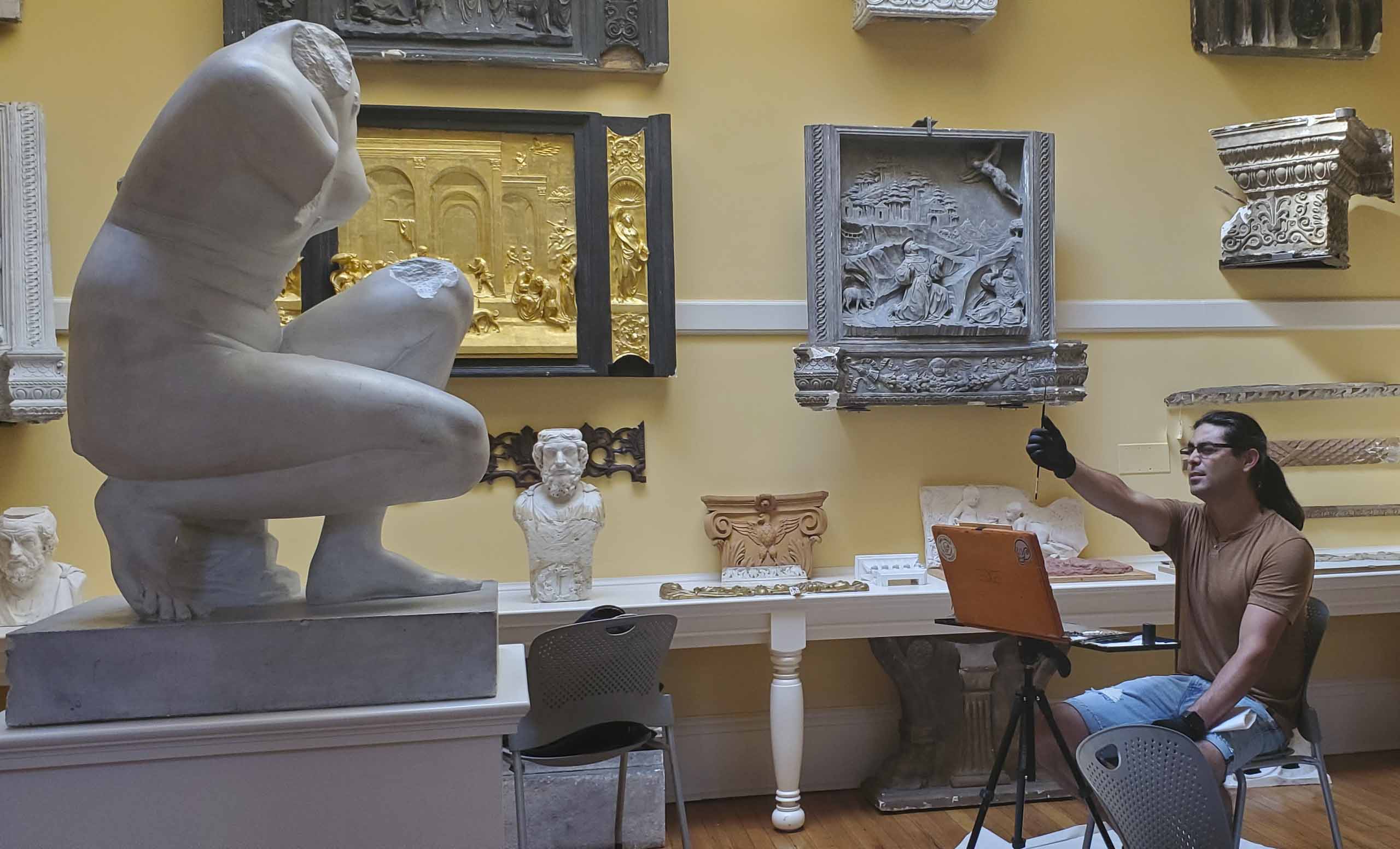
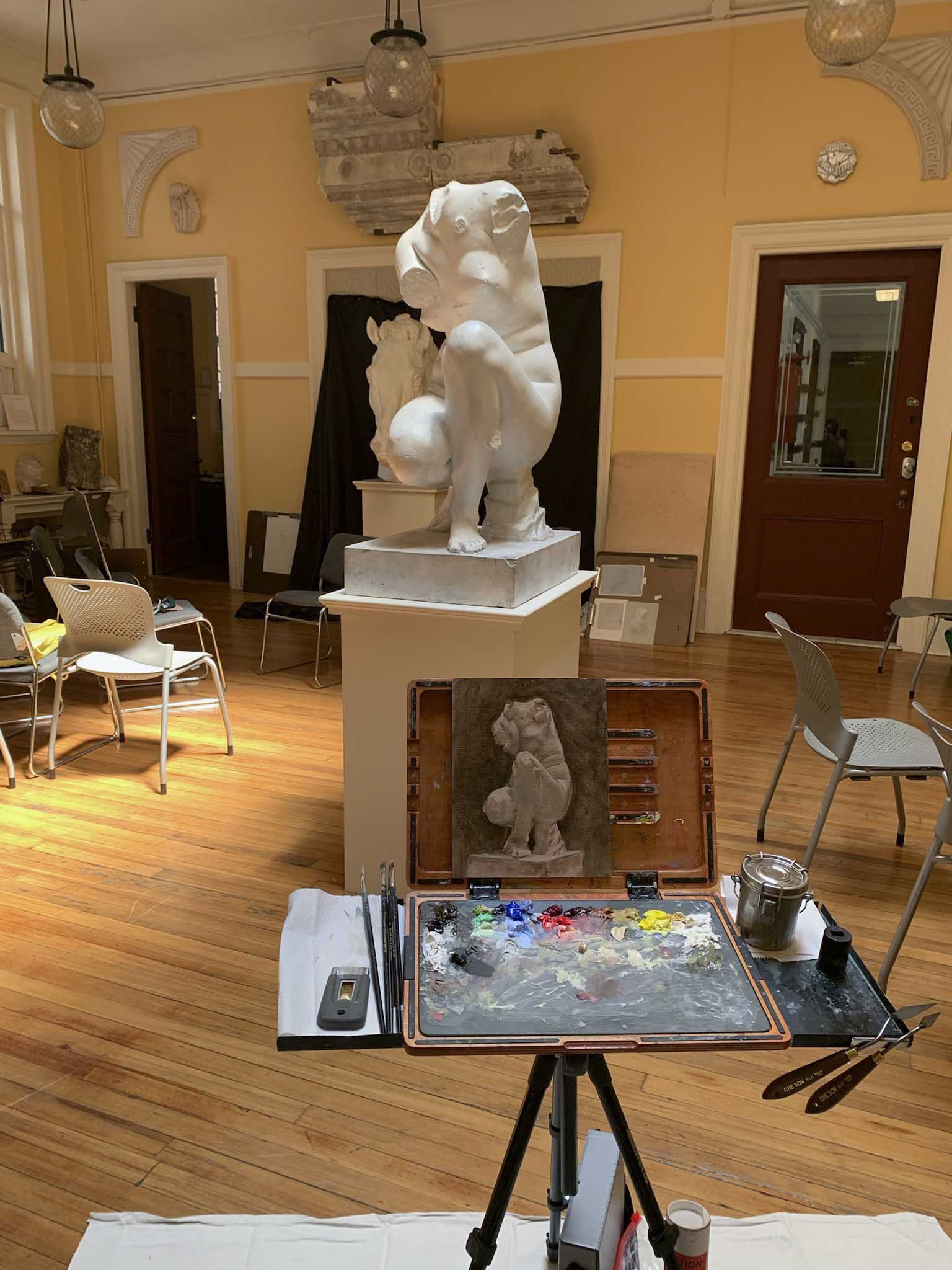
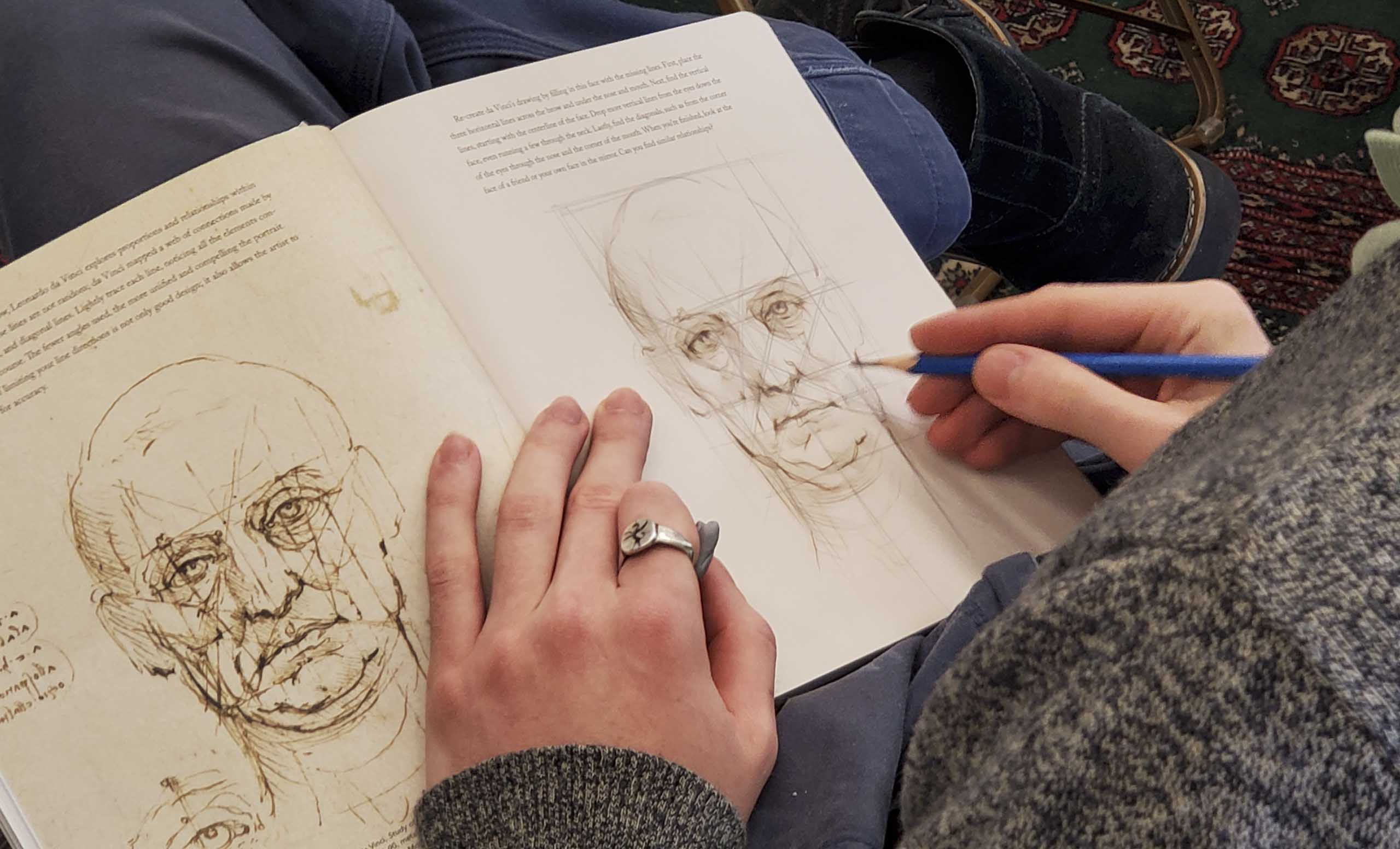
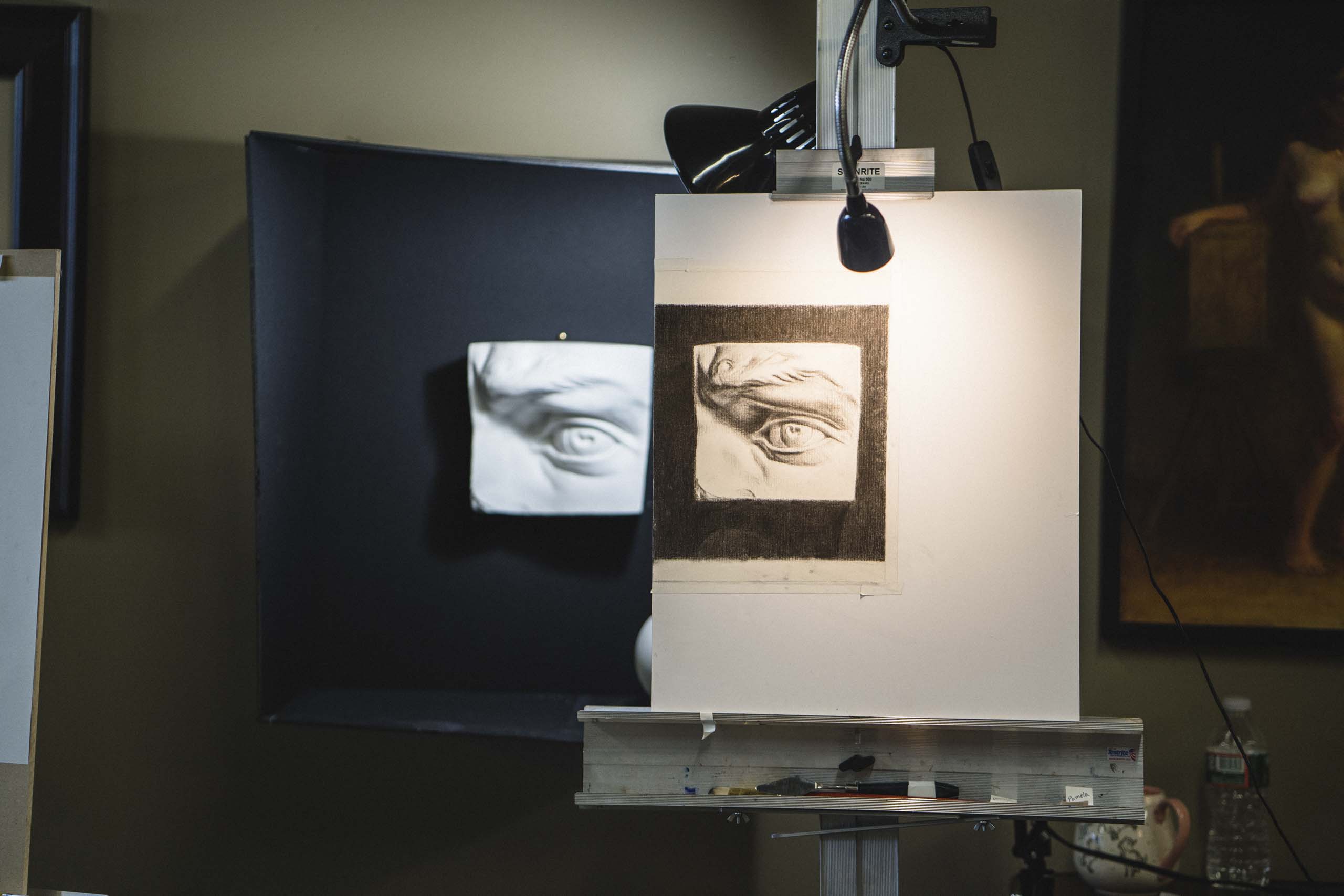
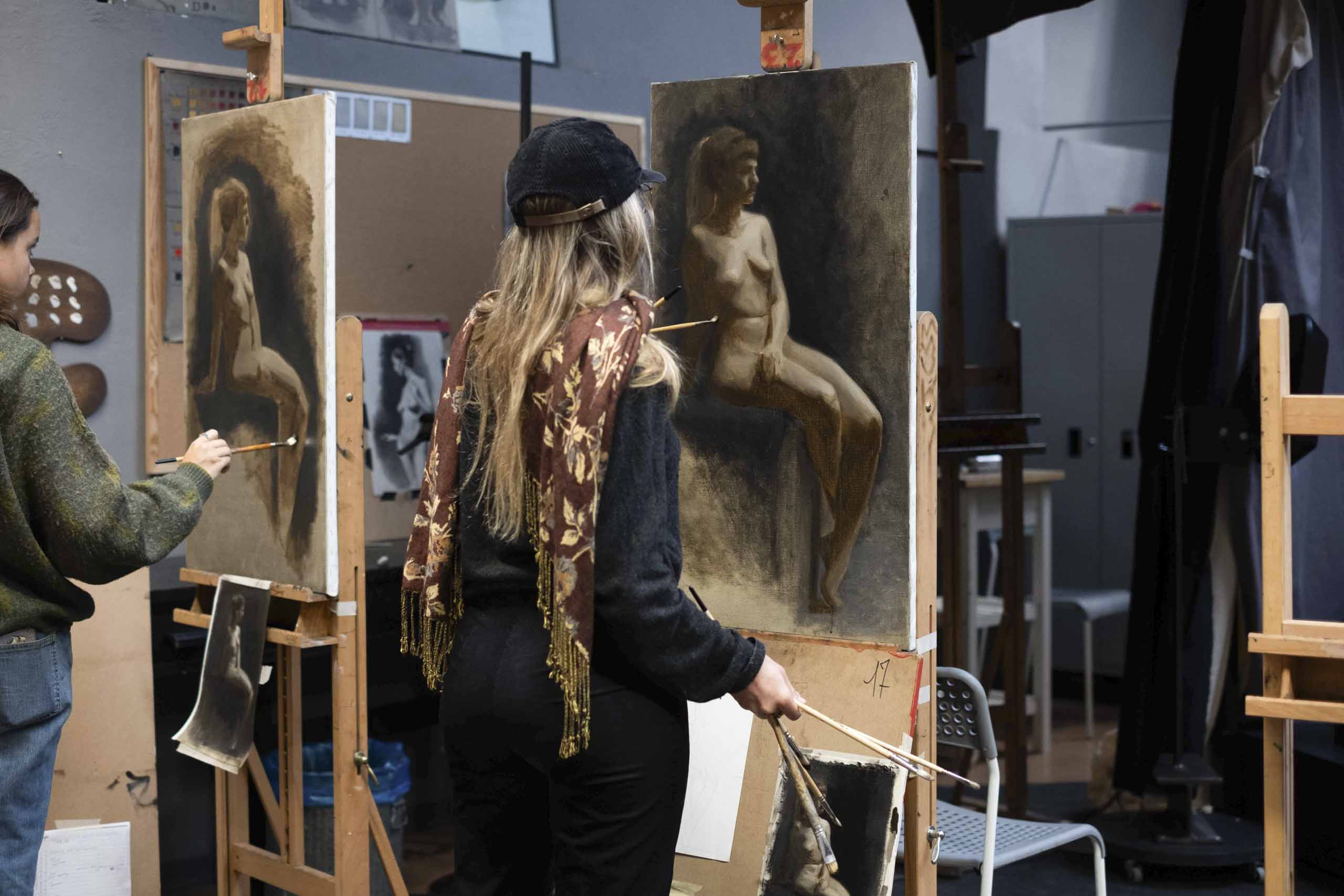
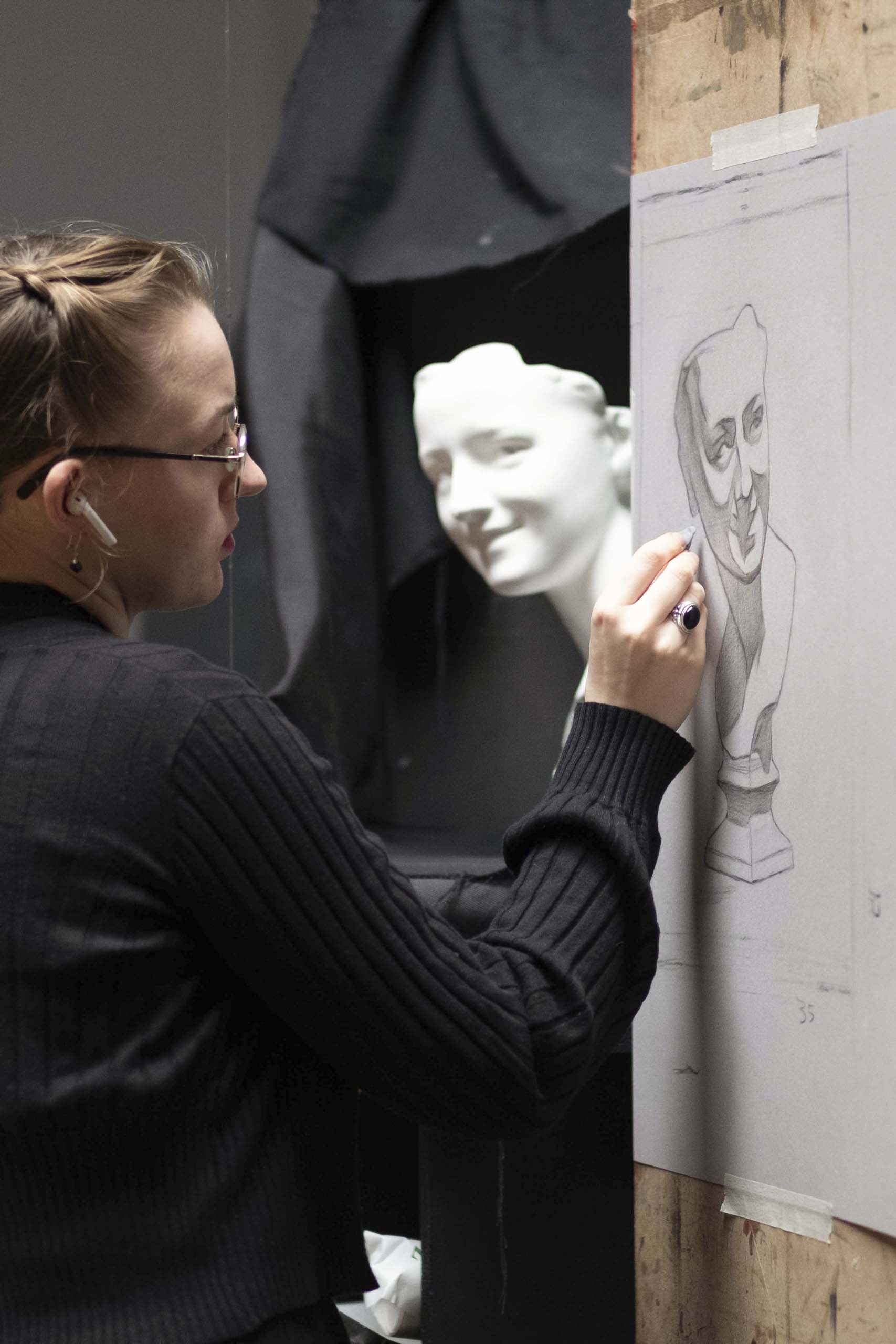
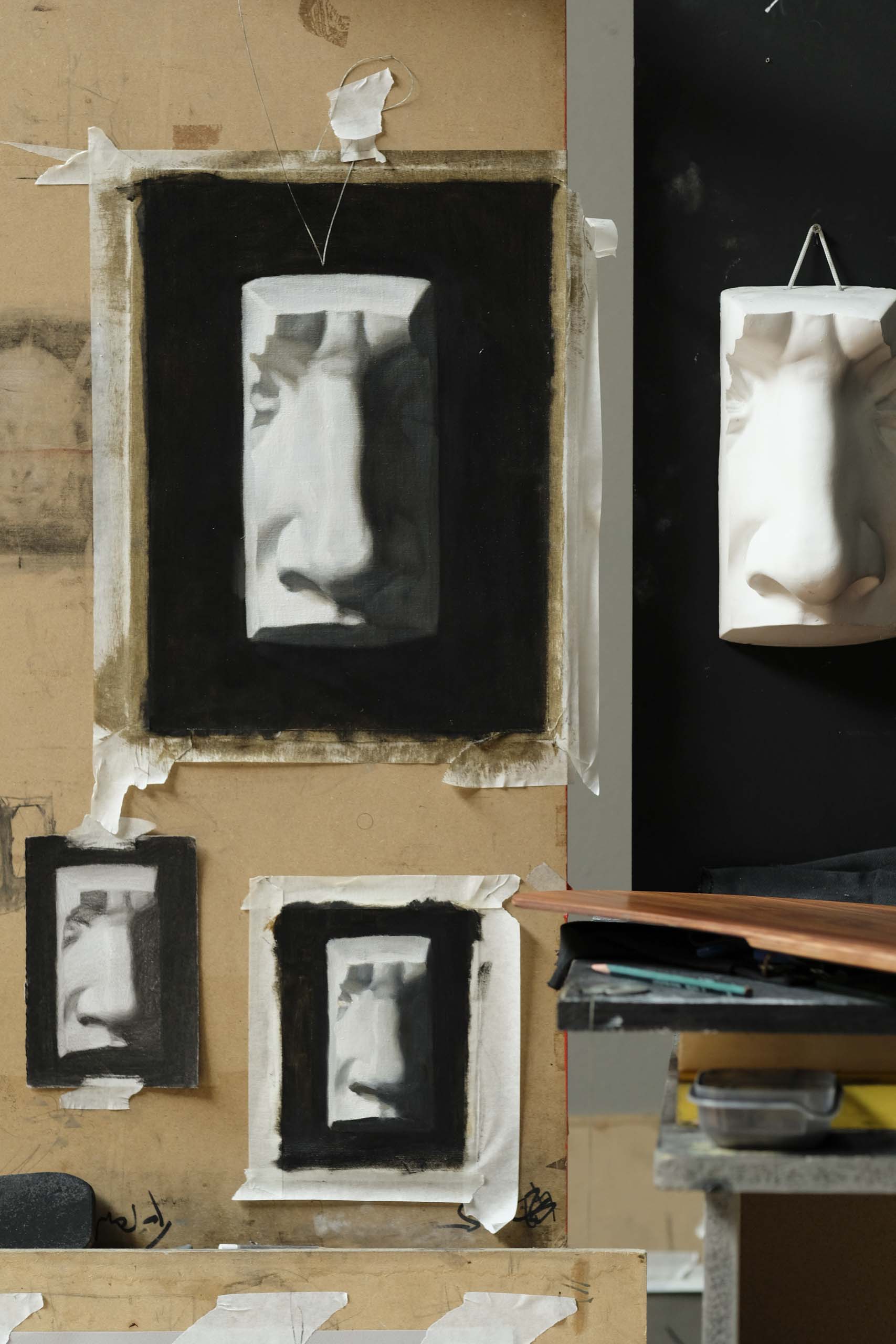
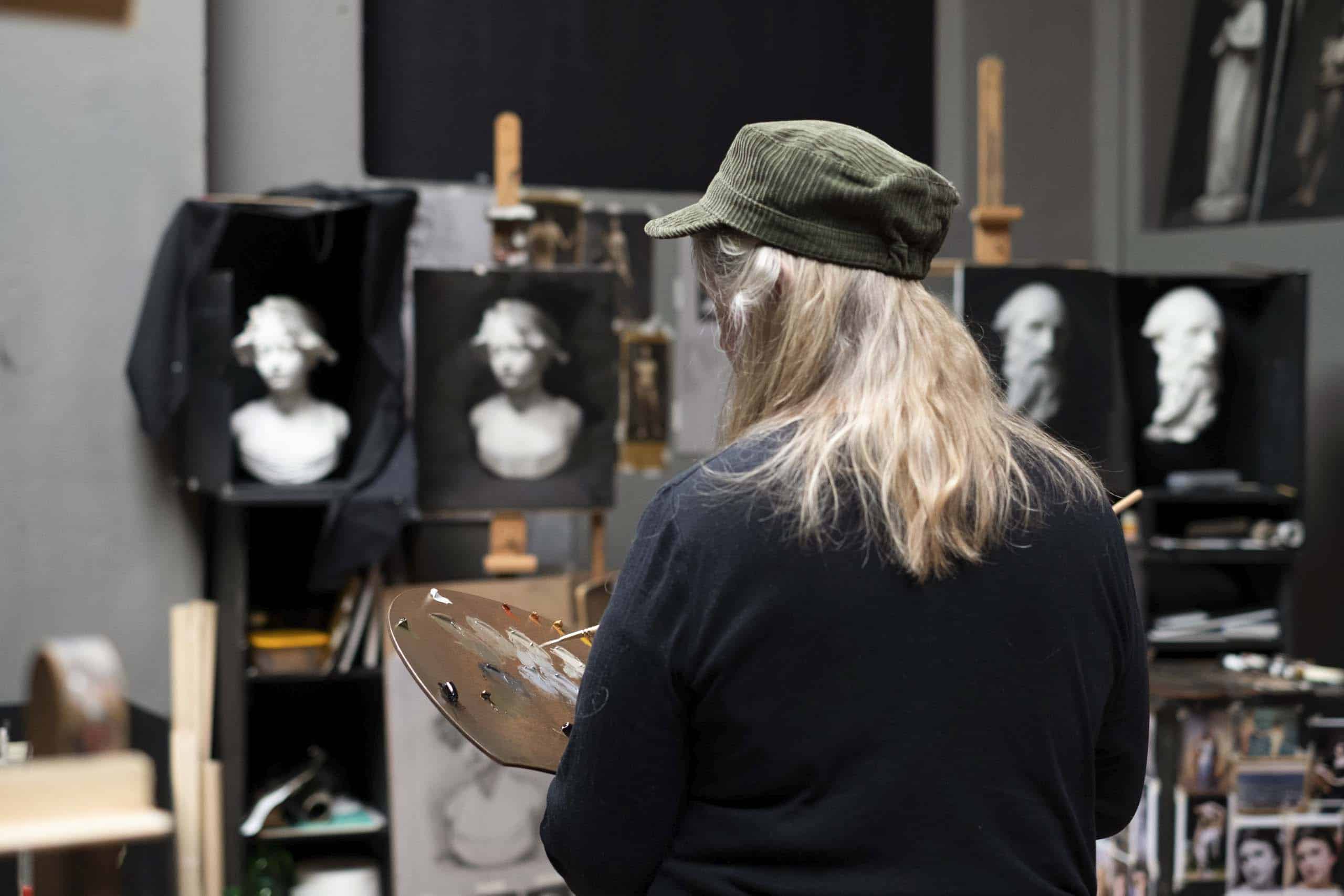
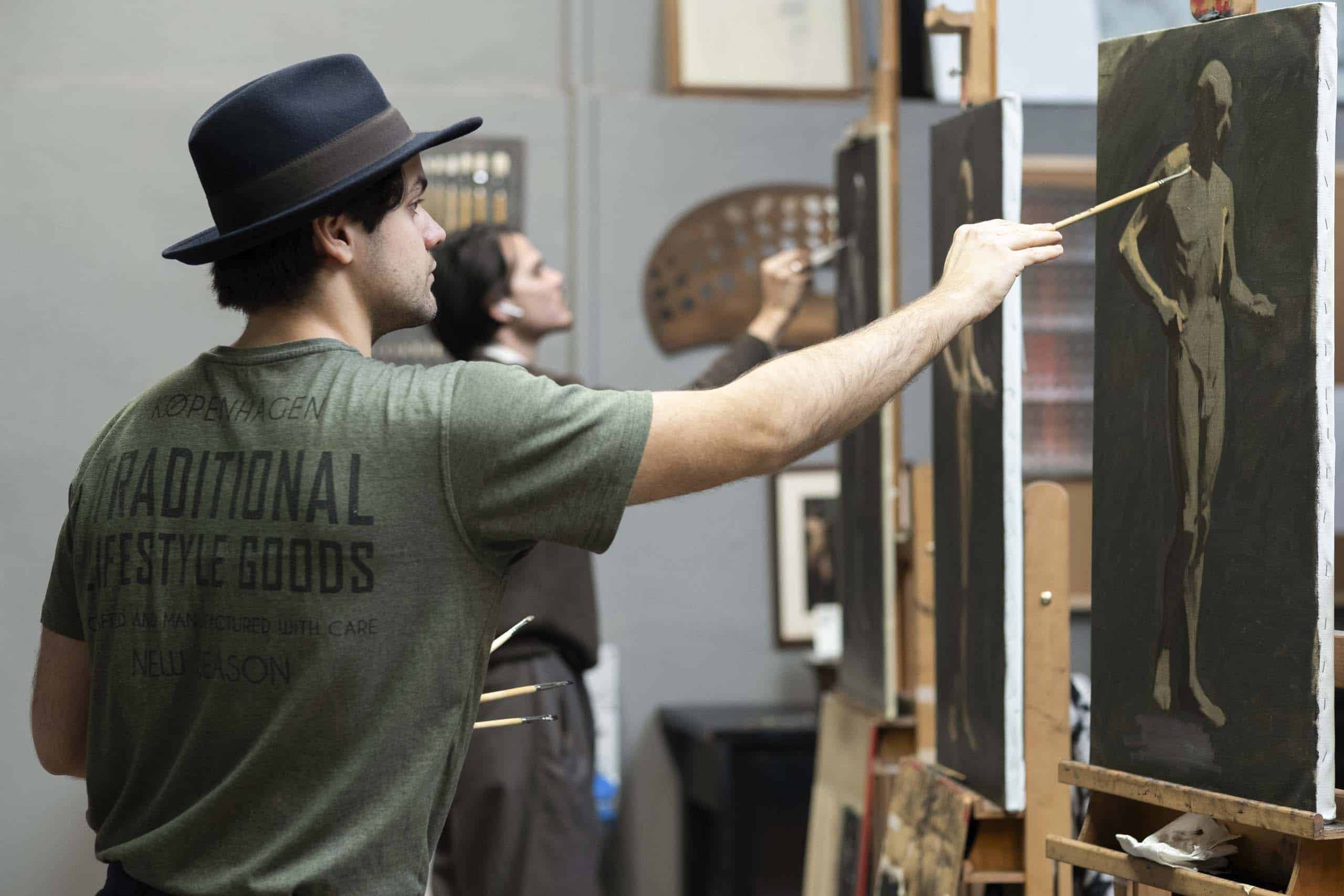
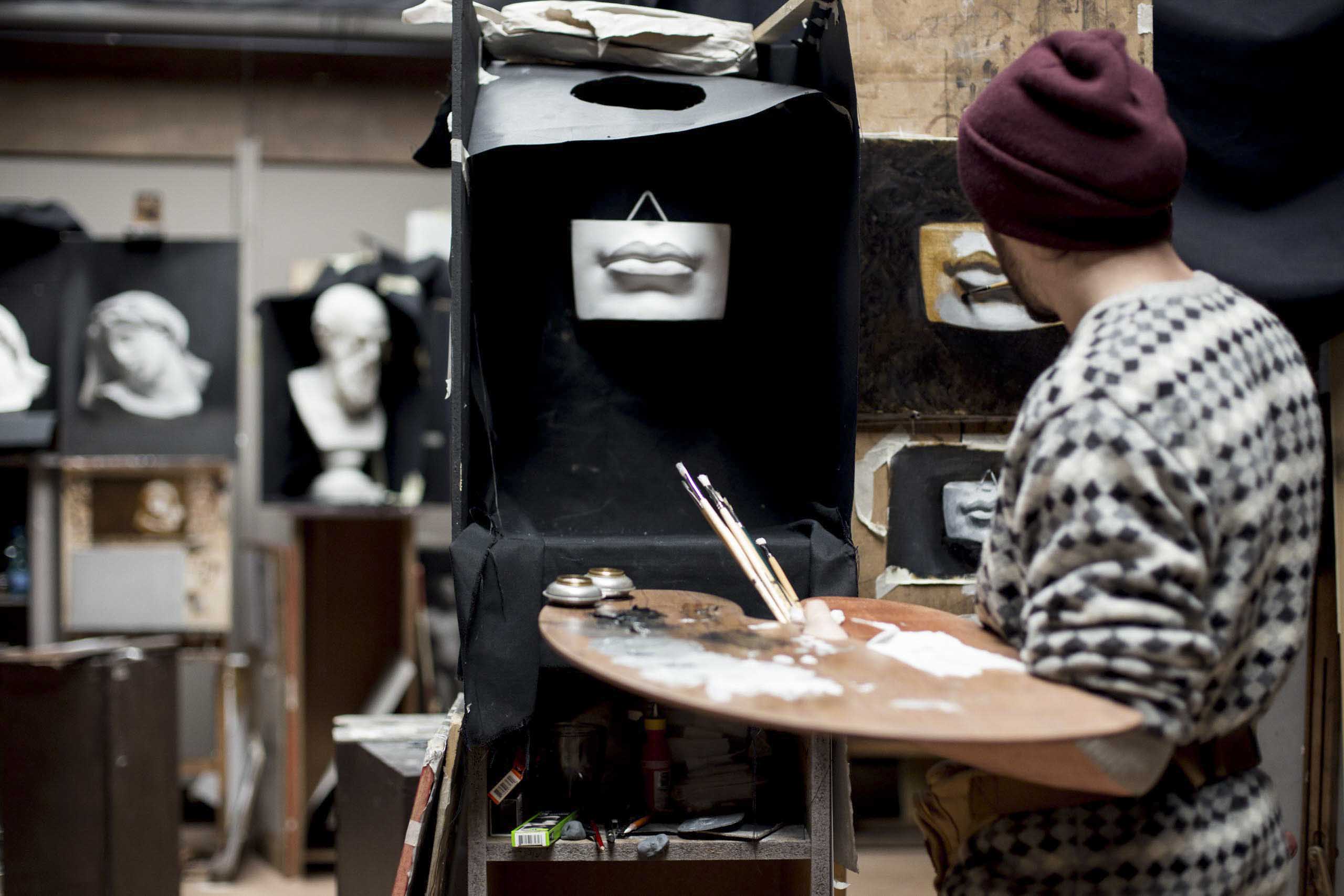
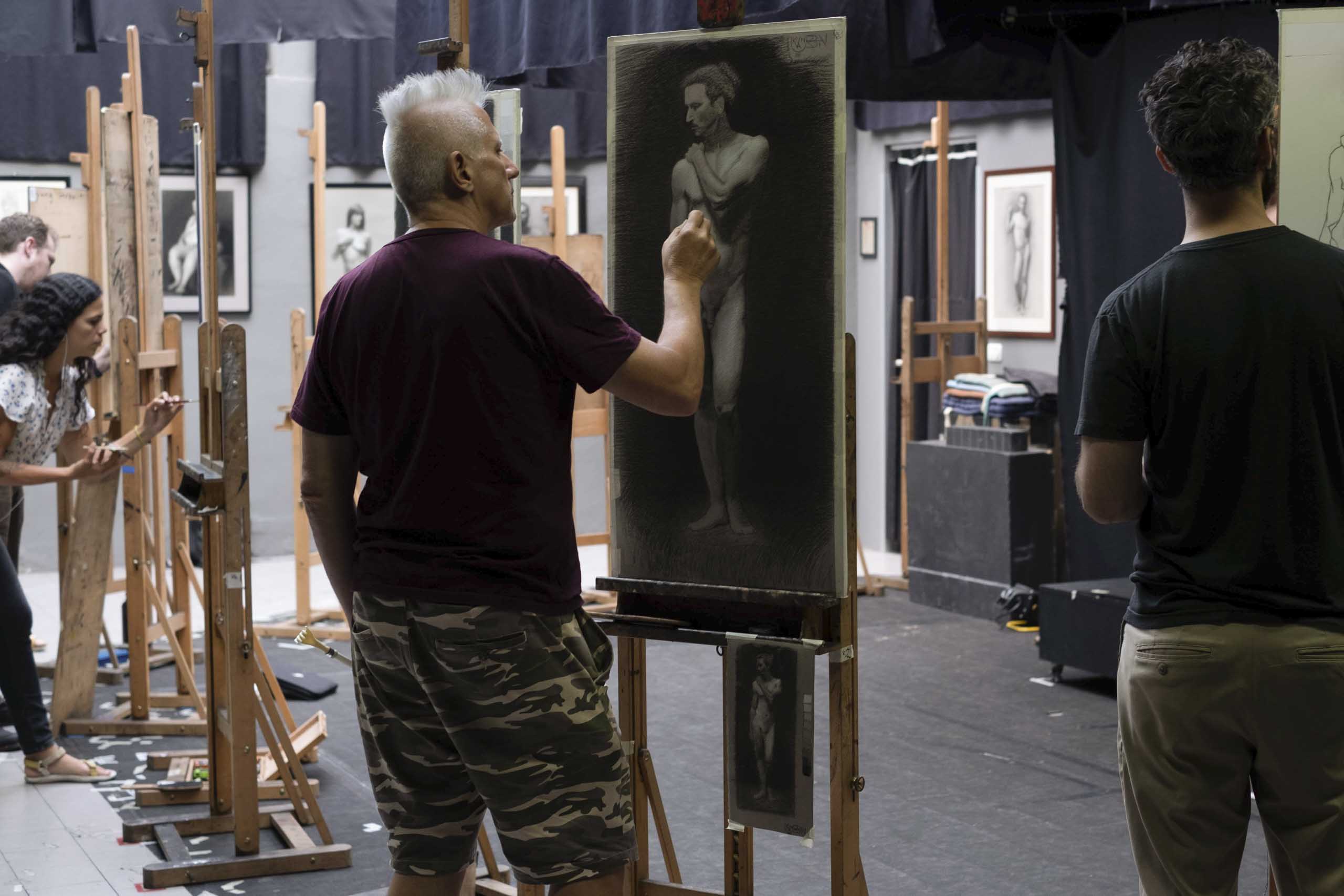
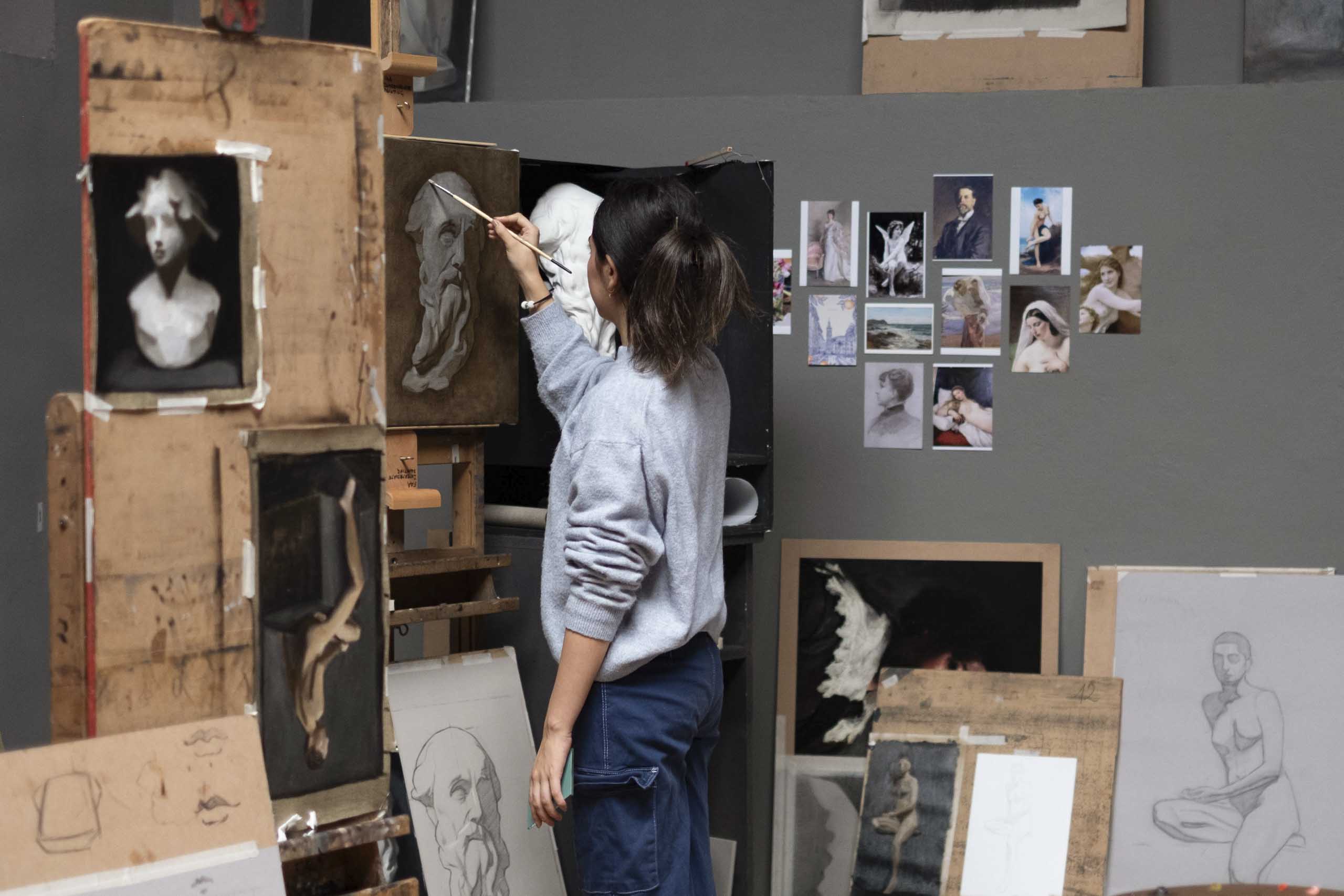
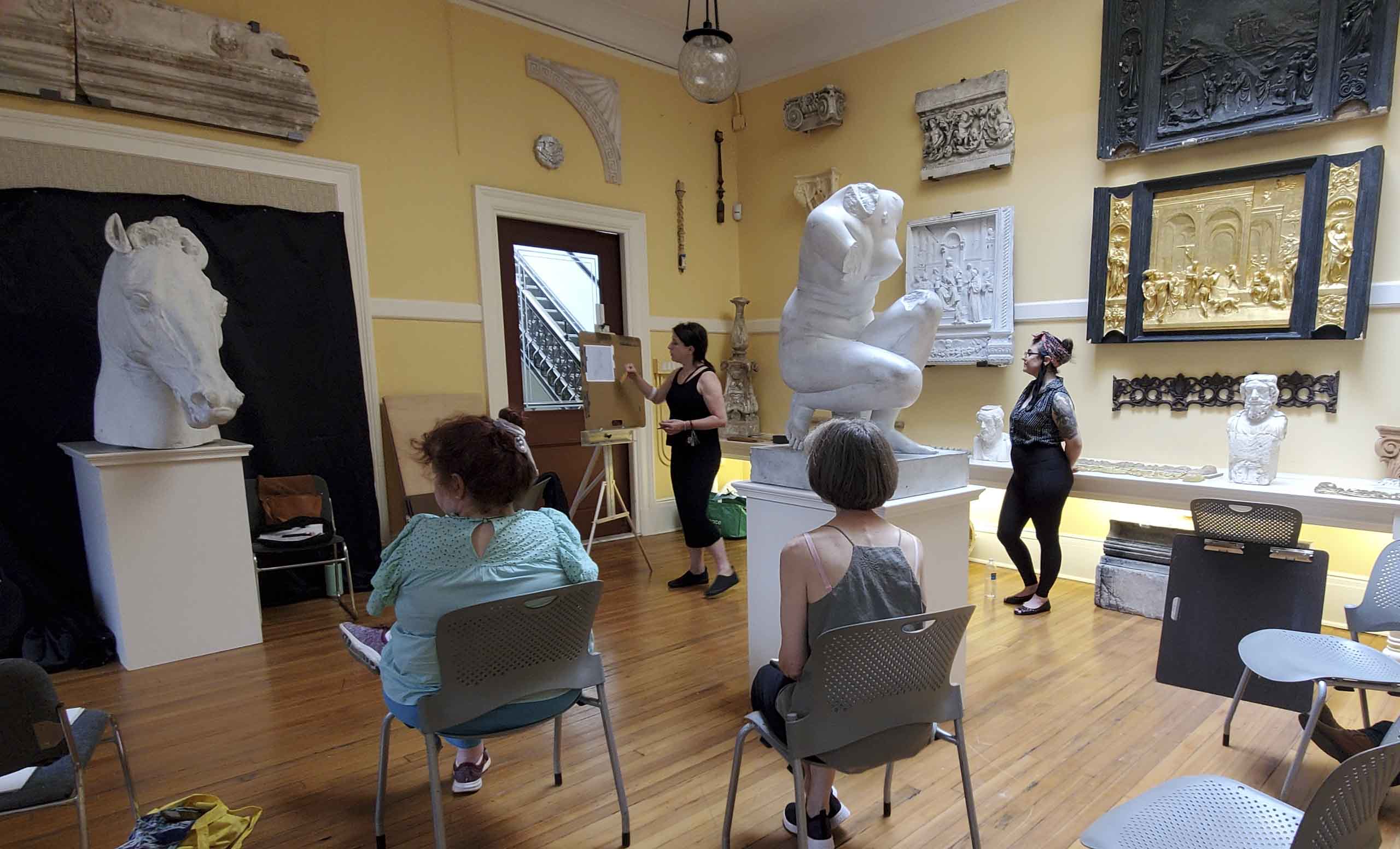
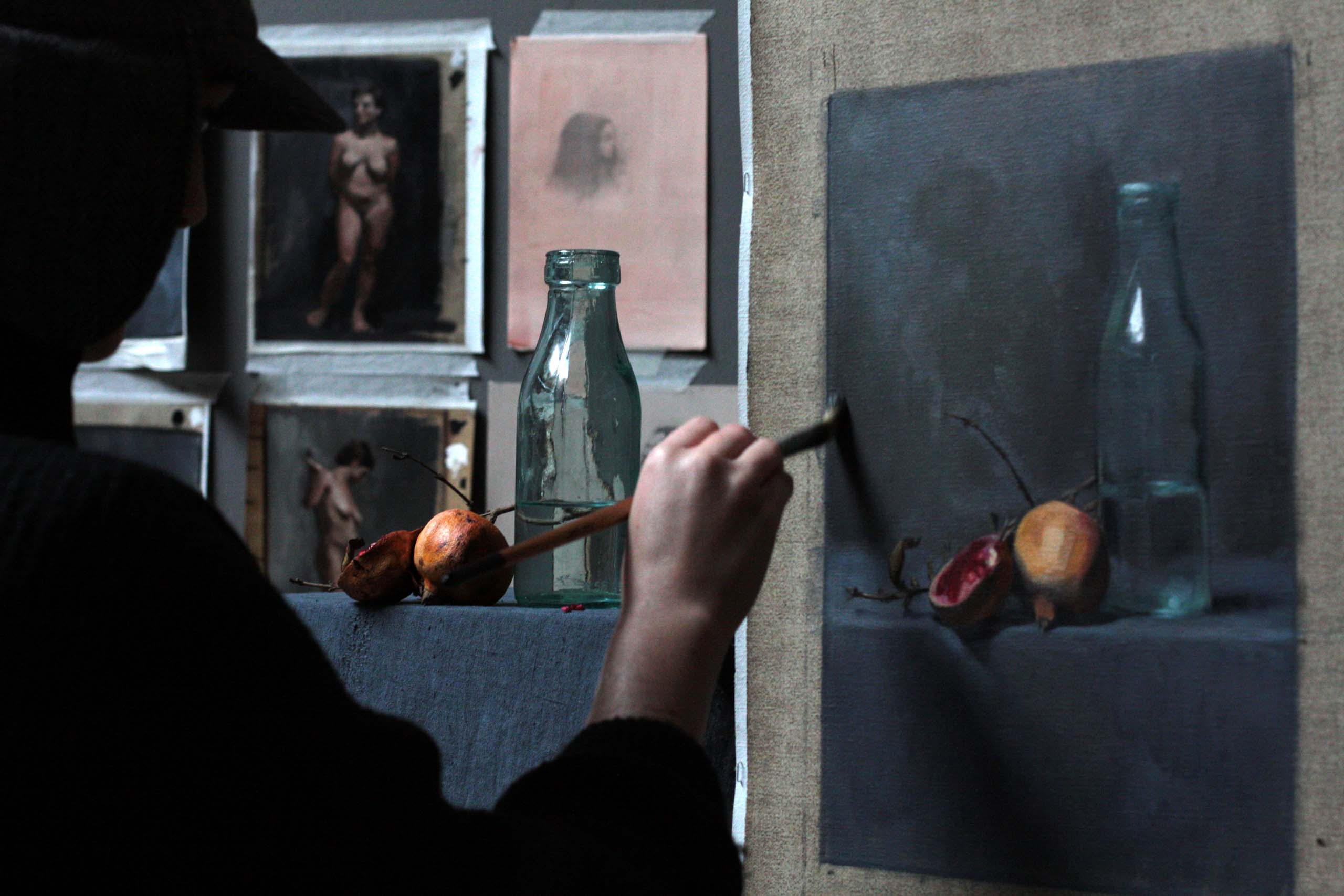
Students are trained to move from general to specific, learning to organize complex visual information into clear and deliberate decisions. While engaging with a range of subjects, students learn to apply these core principles across different genres and media. Exercises such as Bargue drawings, cast studies, still-life, and figure painting develop visual literacy, hand-eye coordination, and an understanding of the language and principles governing accurate representation. These exercises are structured tools for learning how to see, analyze, and translate form.
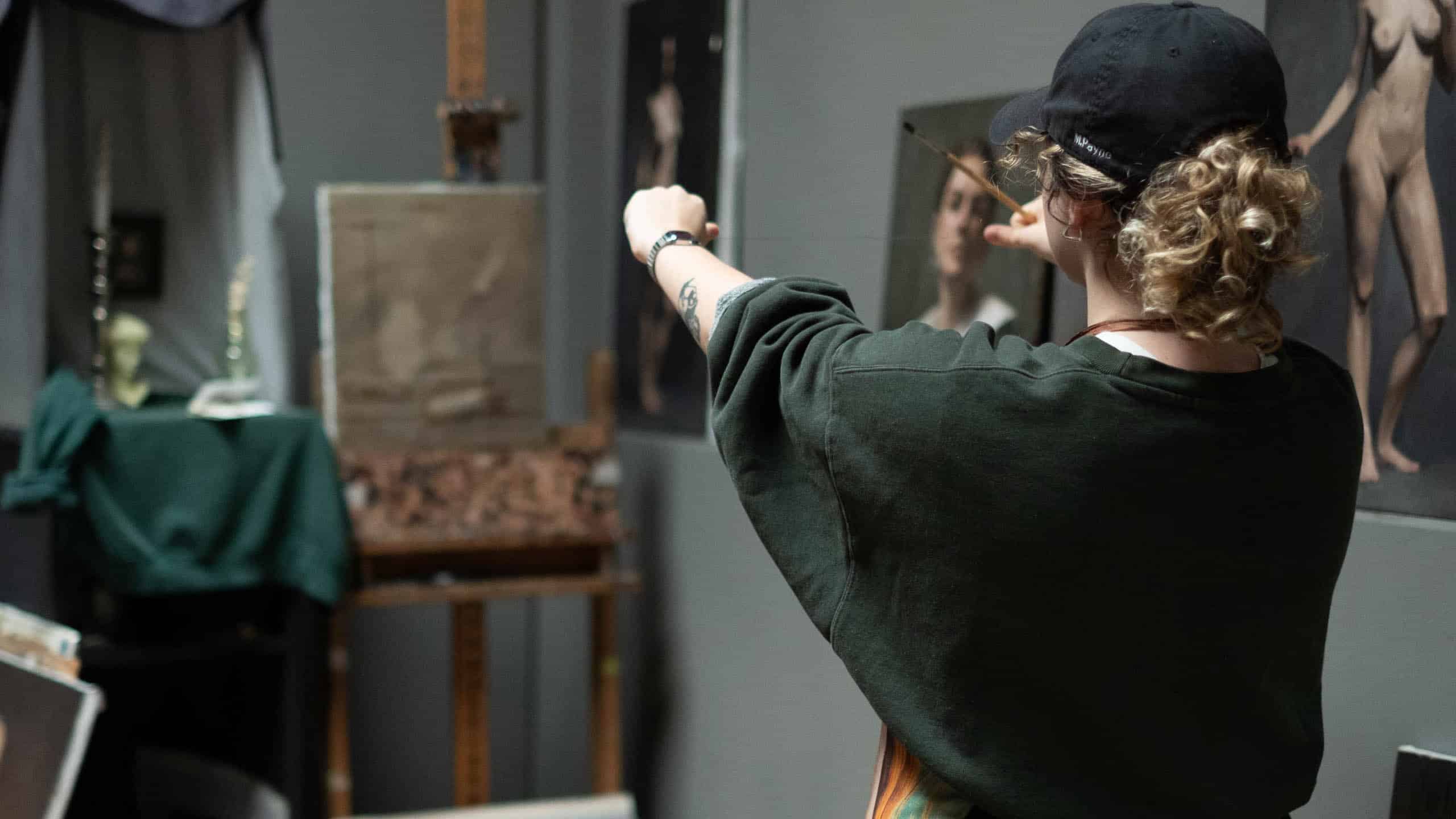
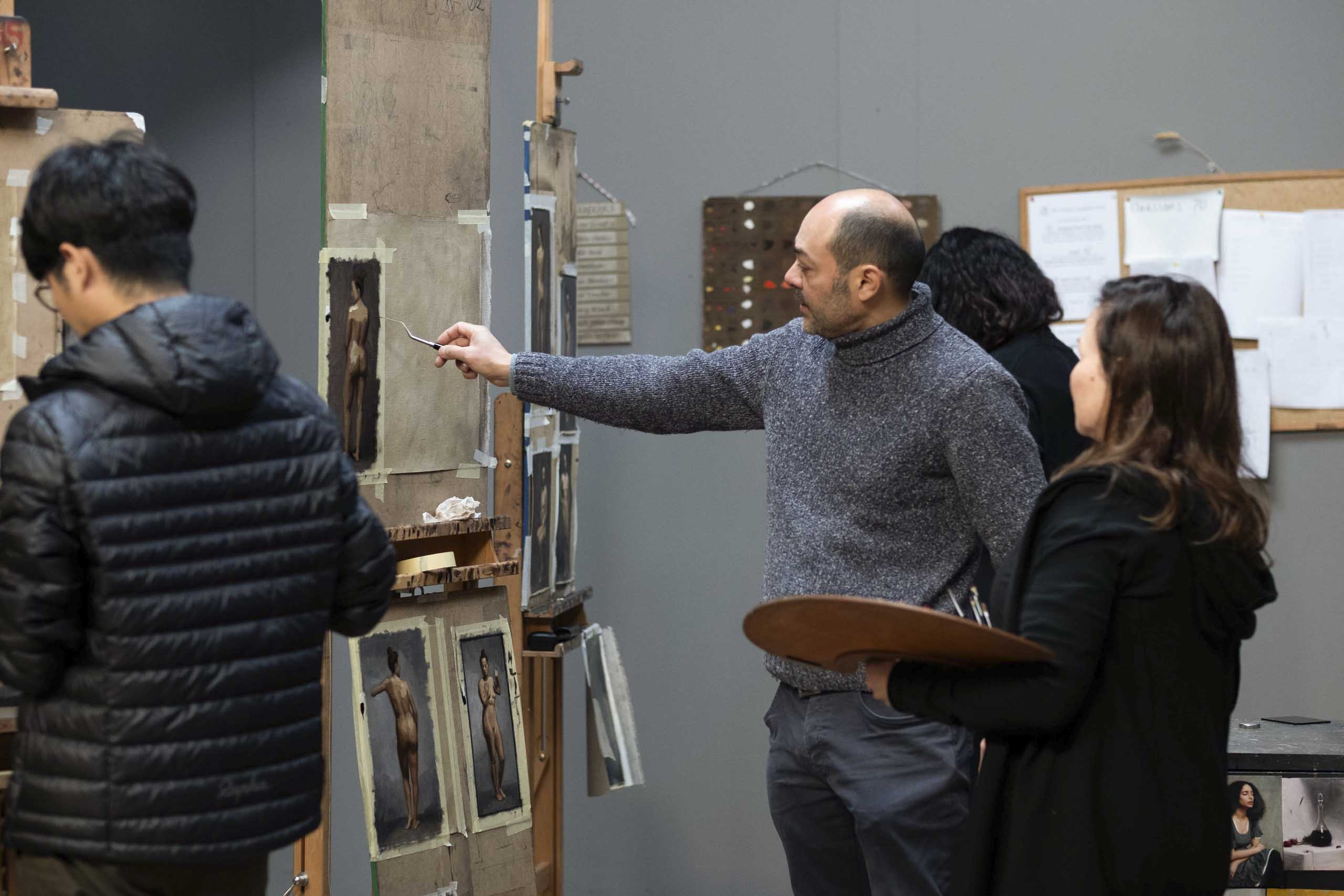
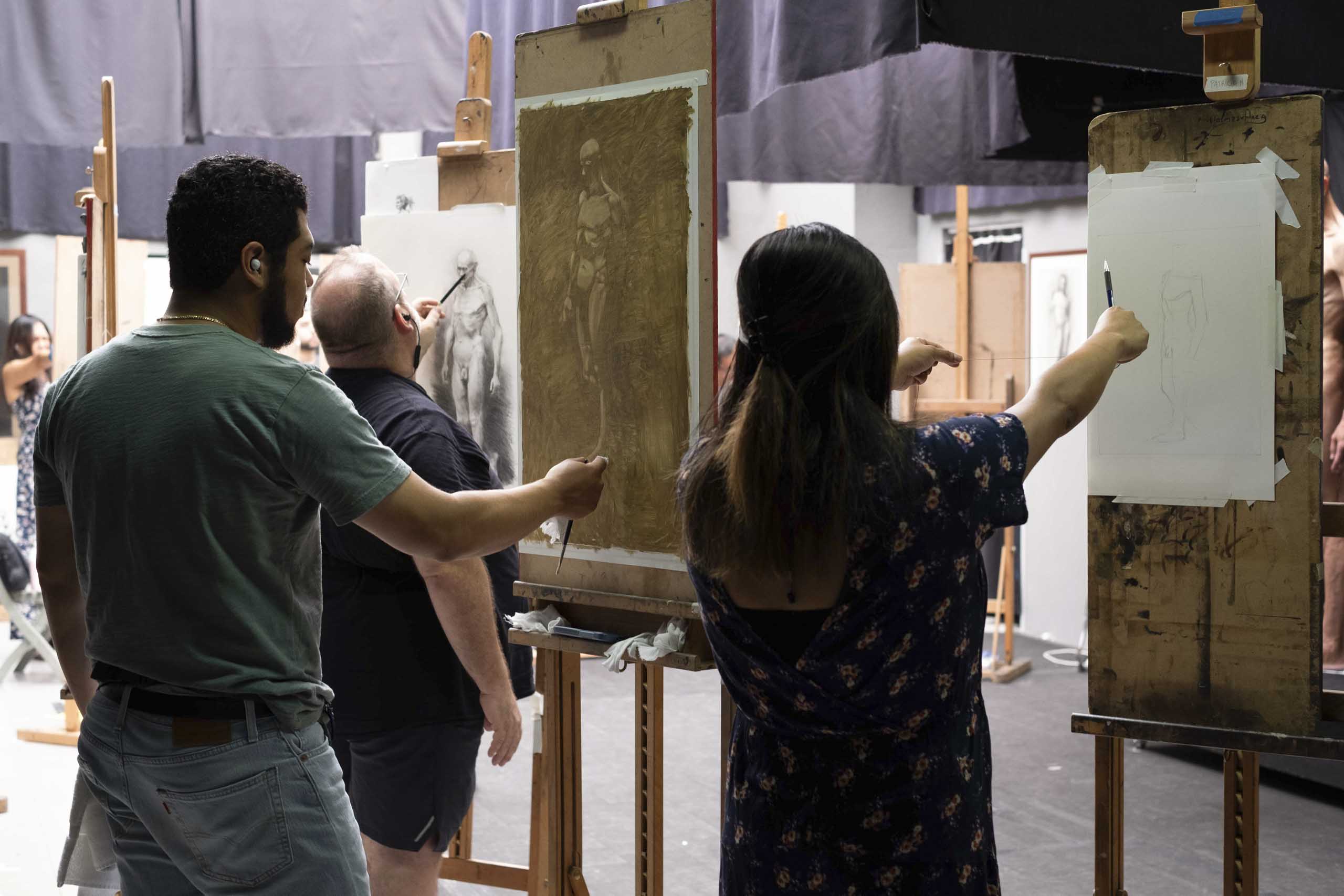
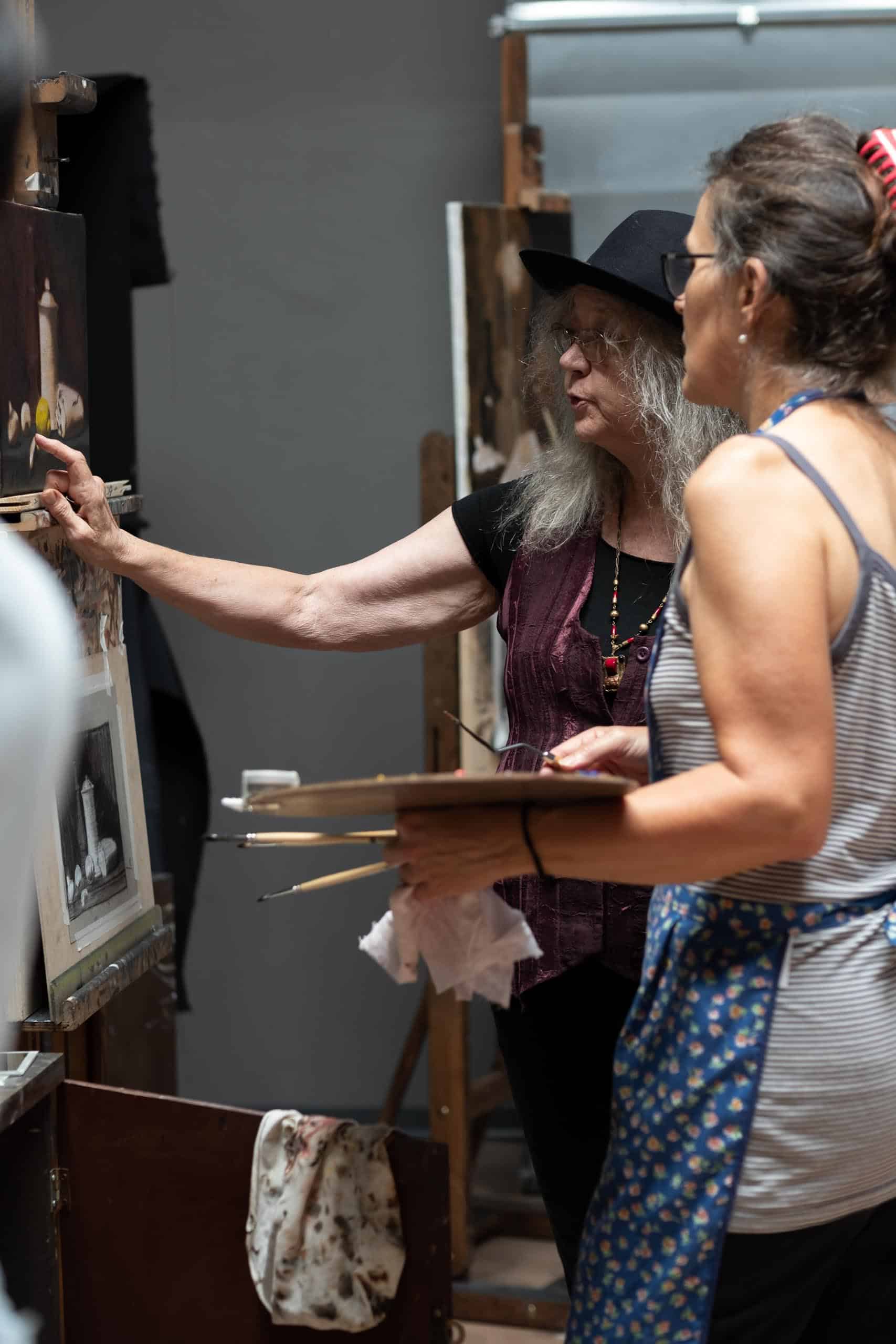
A central component of this approach is ongoing critique, which is integrated throughout the program. Students receive continuous one-on-one instruction and participate in group critiques, allowing them to refine their technical skills, deepen their observational understanding, and learn from the work of their peers. Critiques are designed as guided conversations that support individual growth and reinforce the principles of the FAA Method. This combination of structured exercises and reflective feedback ensures that students develop the ability to communicate and teach these methods effectively, as well as improve their own practices.
Year 1: Foundations
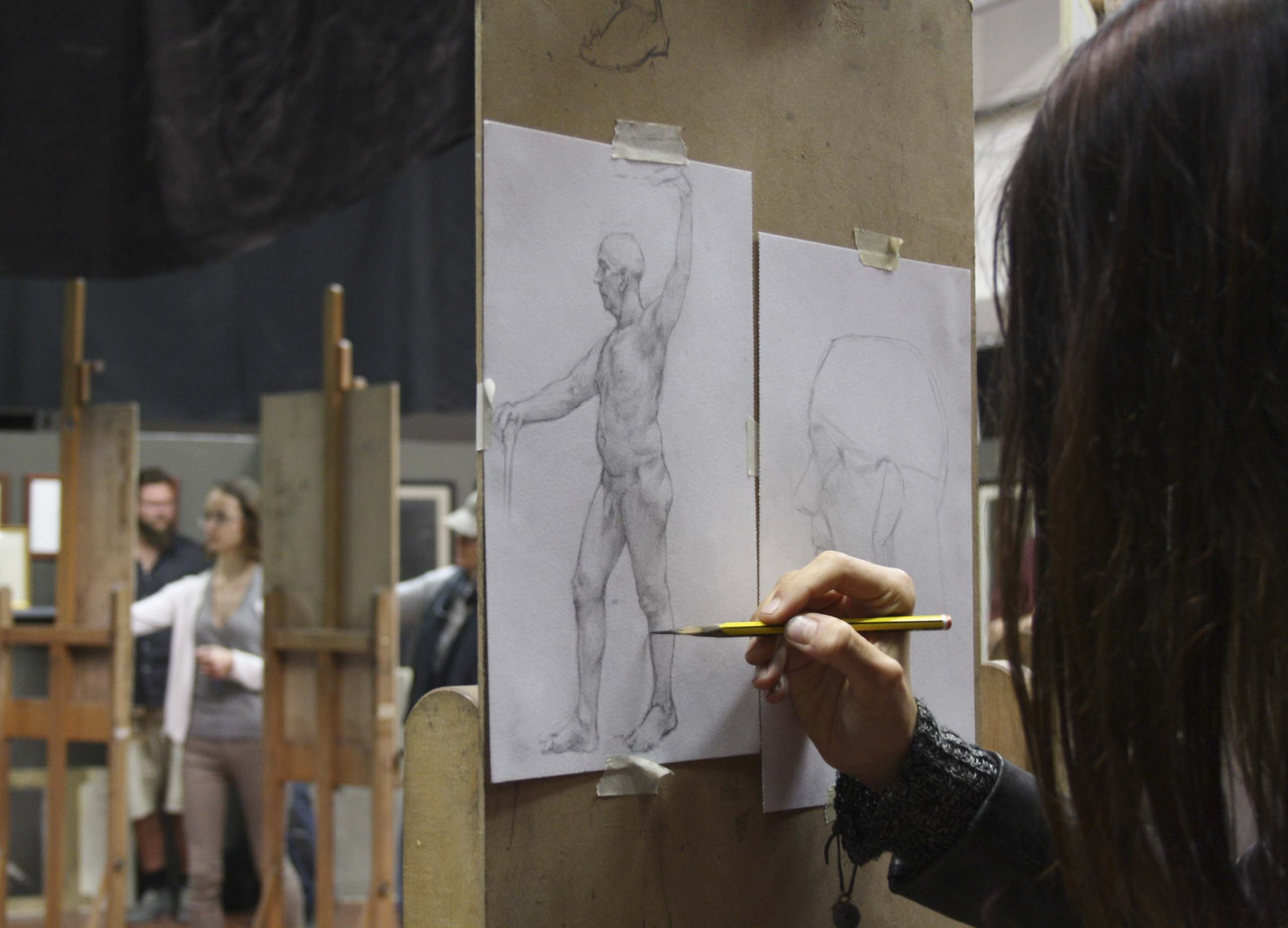
The first year establishes a foundation in observation and drawing. Students are introduced to the sight-size method of observation, through which they evaluate key concepts such as drawing accuracy and value relationships. Exercises include Bargue drawings, cast drawing, and still life, all designed to train the student to move from general impressions to specific decisions.
Year 2: Development
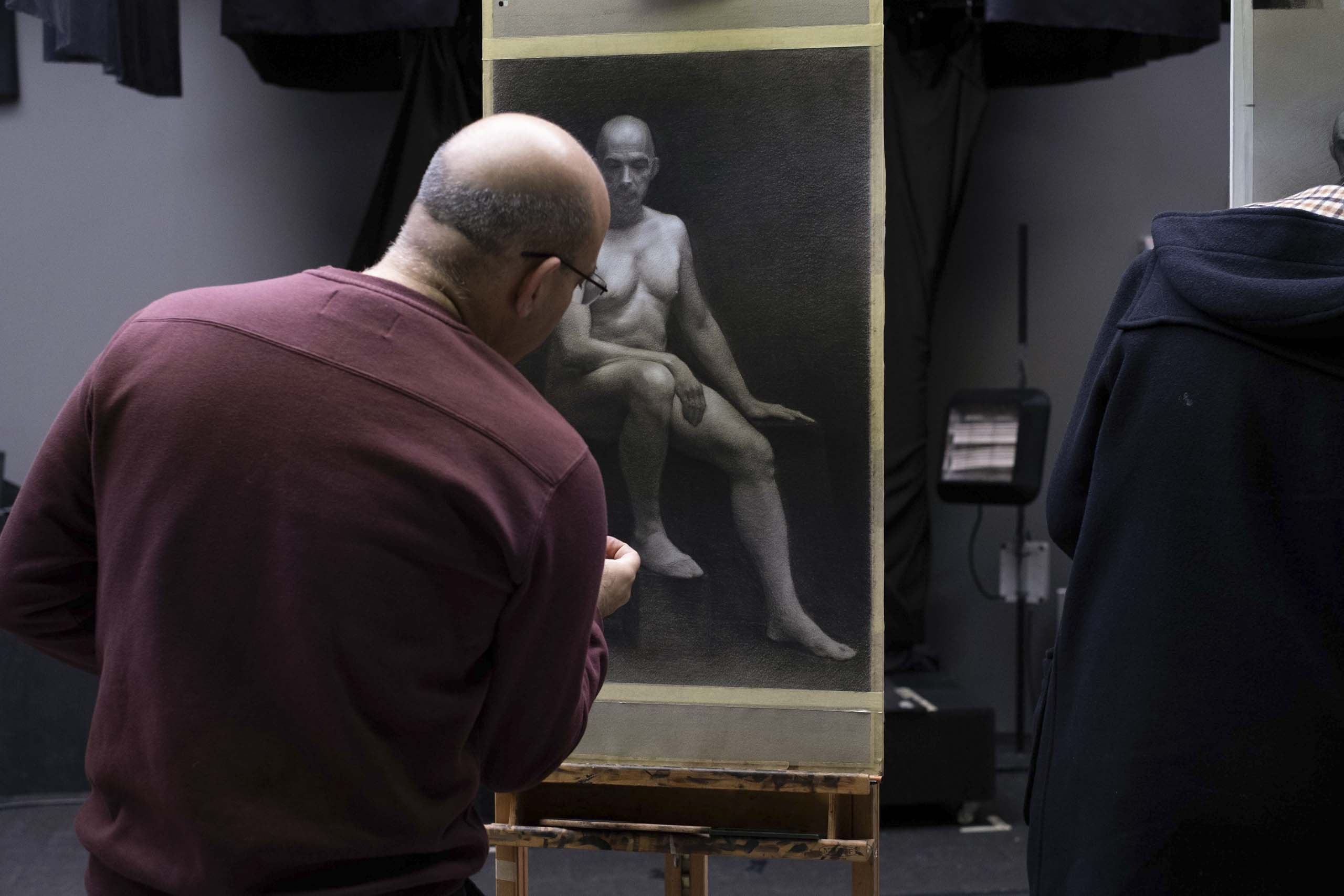
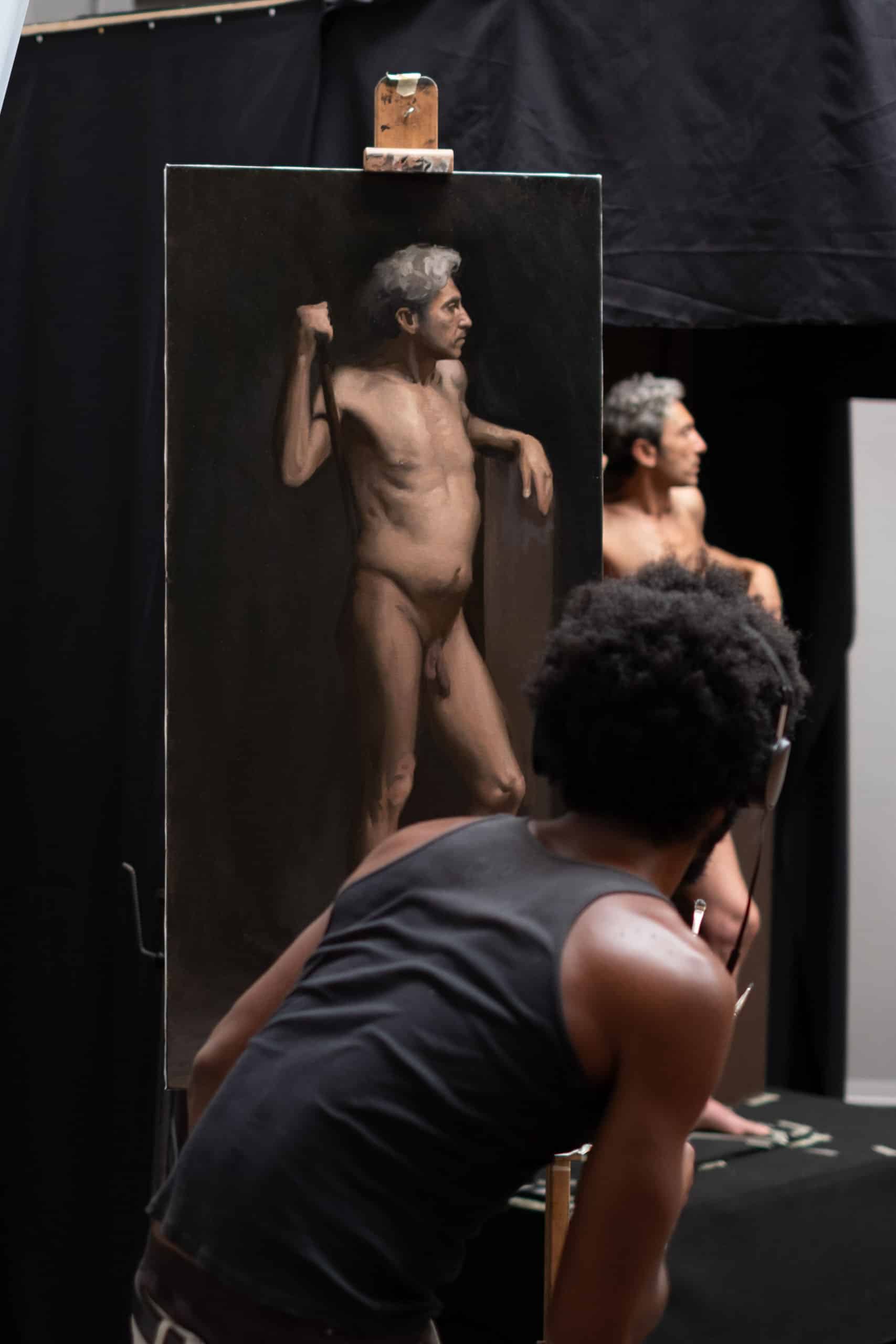
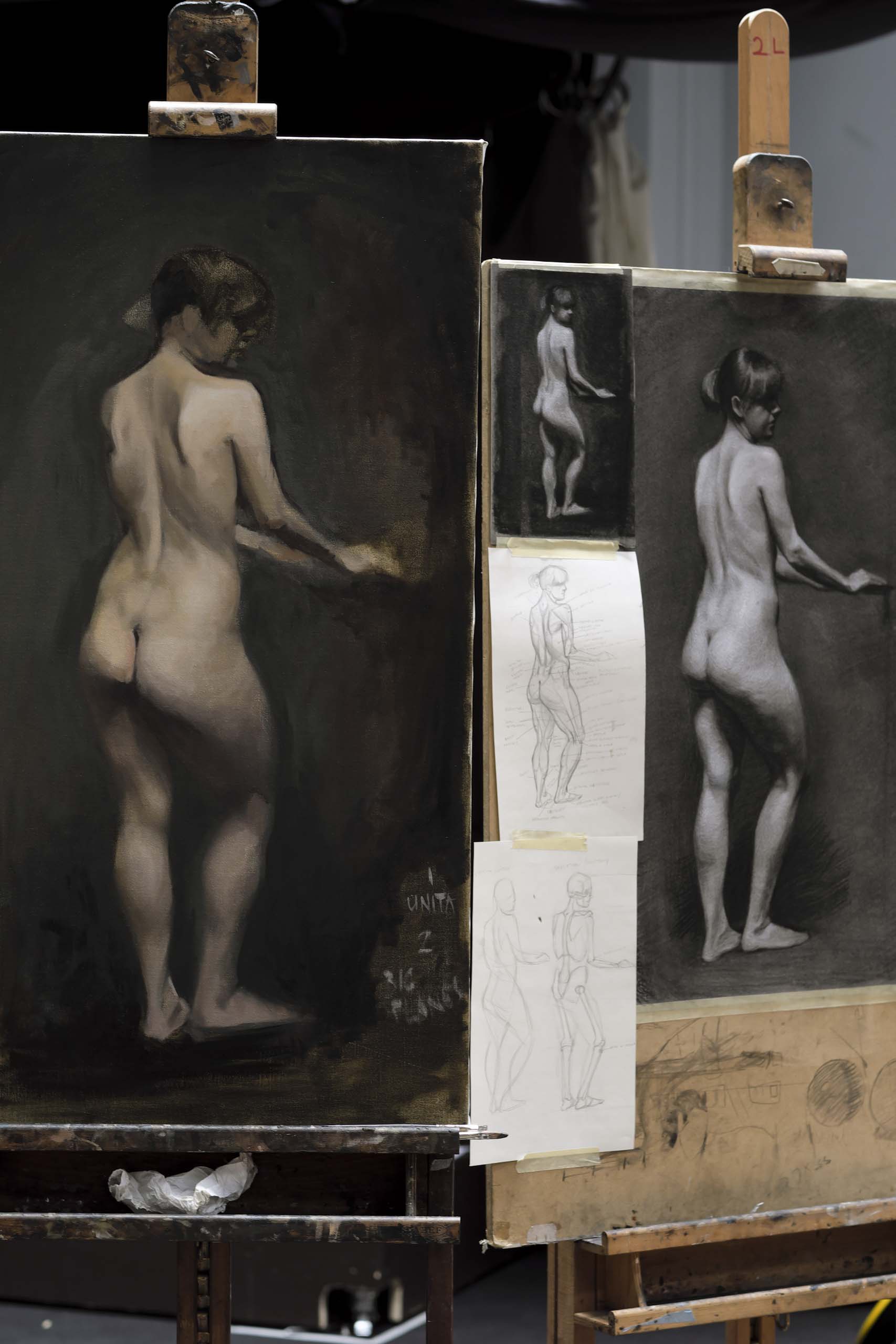
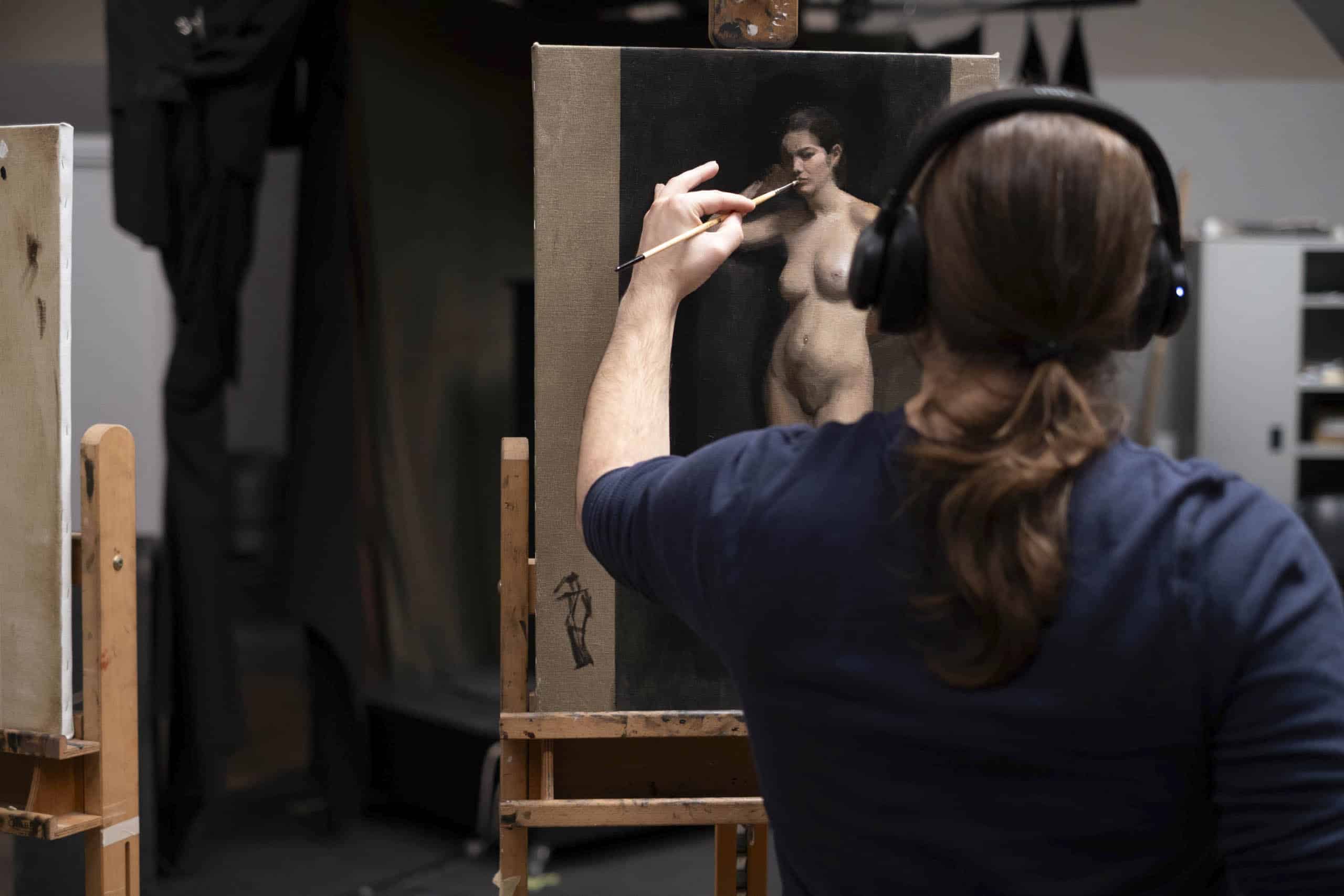
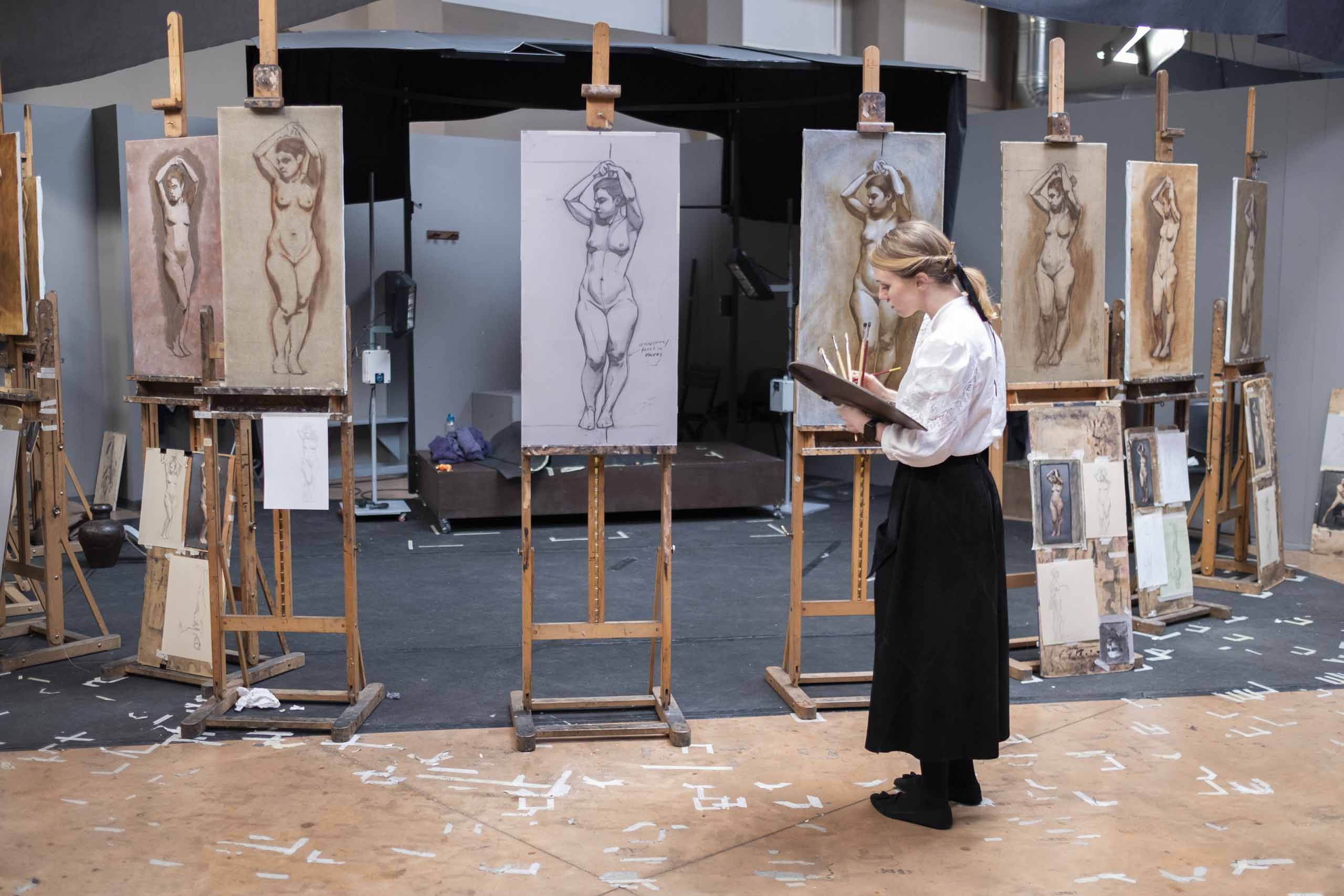
The second year builds on these foundations through more complex subject matter, particularly the human figure. Students are introduced to more specific topics such as composition, anatomy, and color, while continuing to refine their control of shape design, value relationships, and observational accuracy. Work includes portrait and figure drawing from life, master copies, and painting exercises that develop both technical skill and conceptual understanding.
Year 3: Thesis & Florence Residency
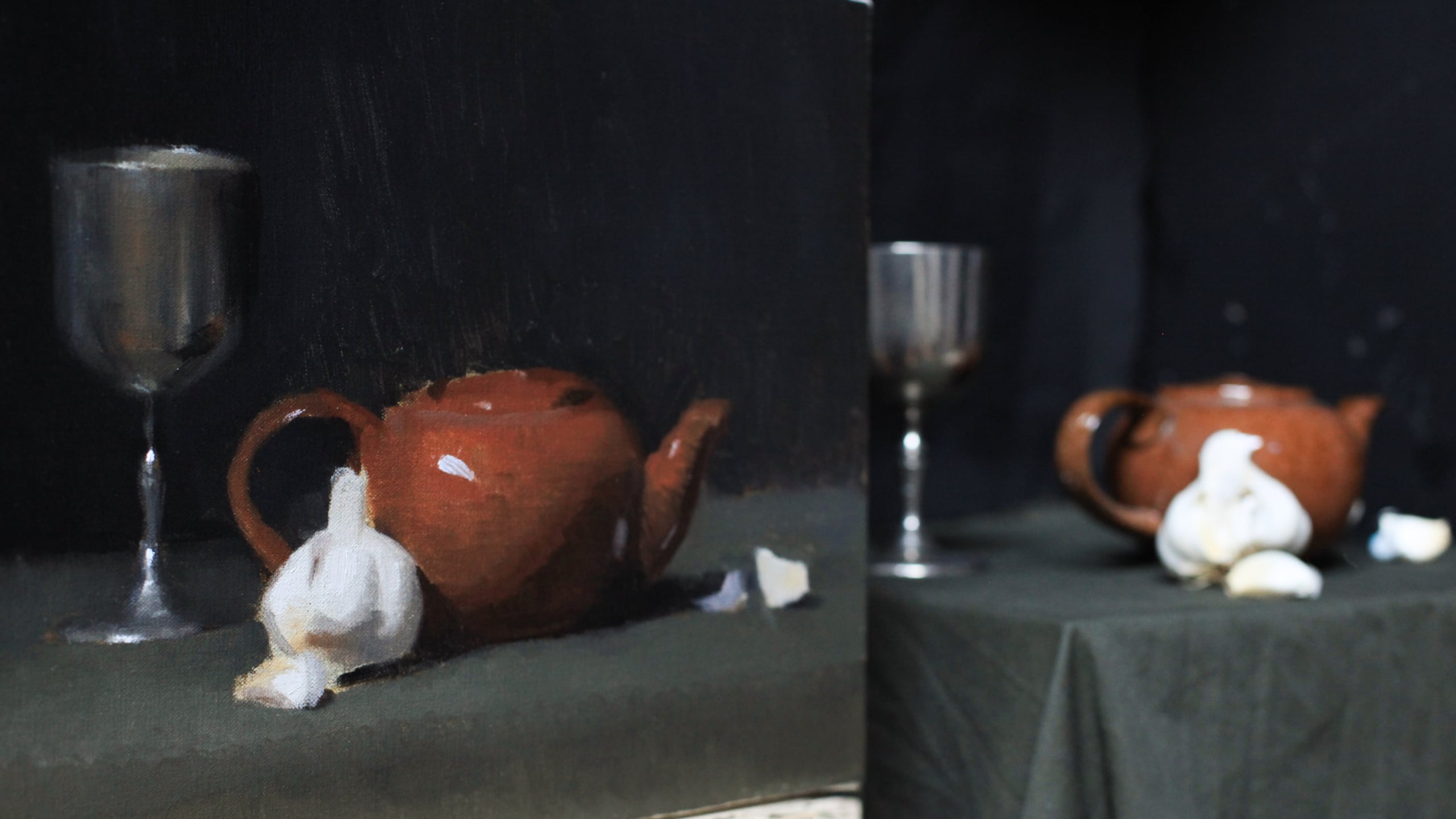
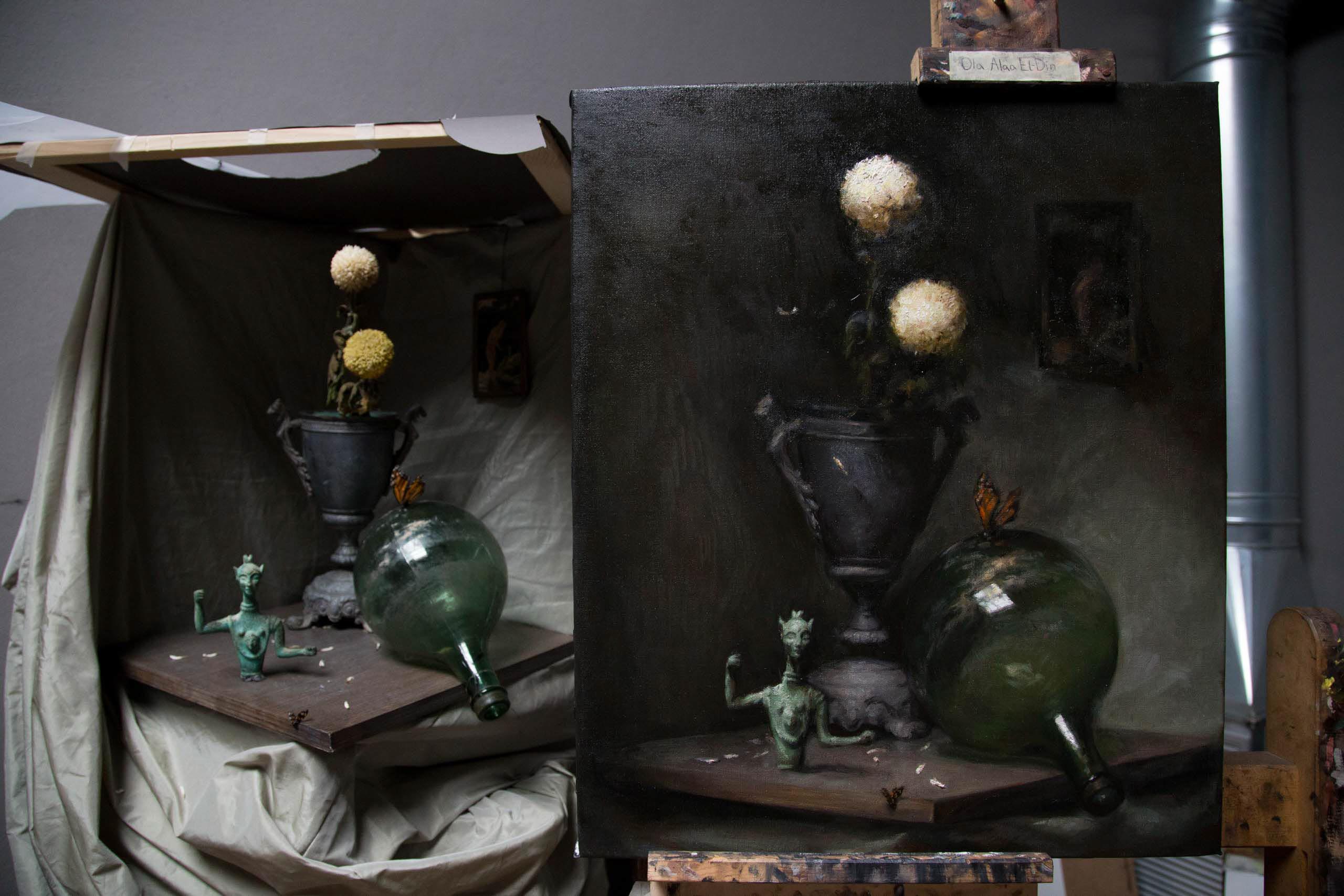
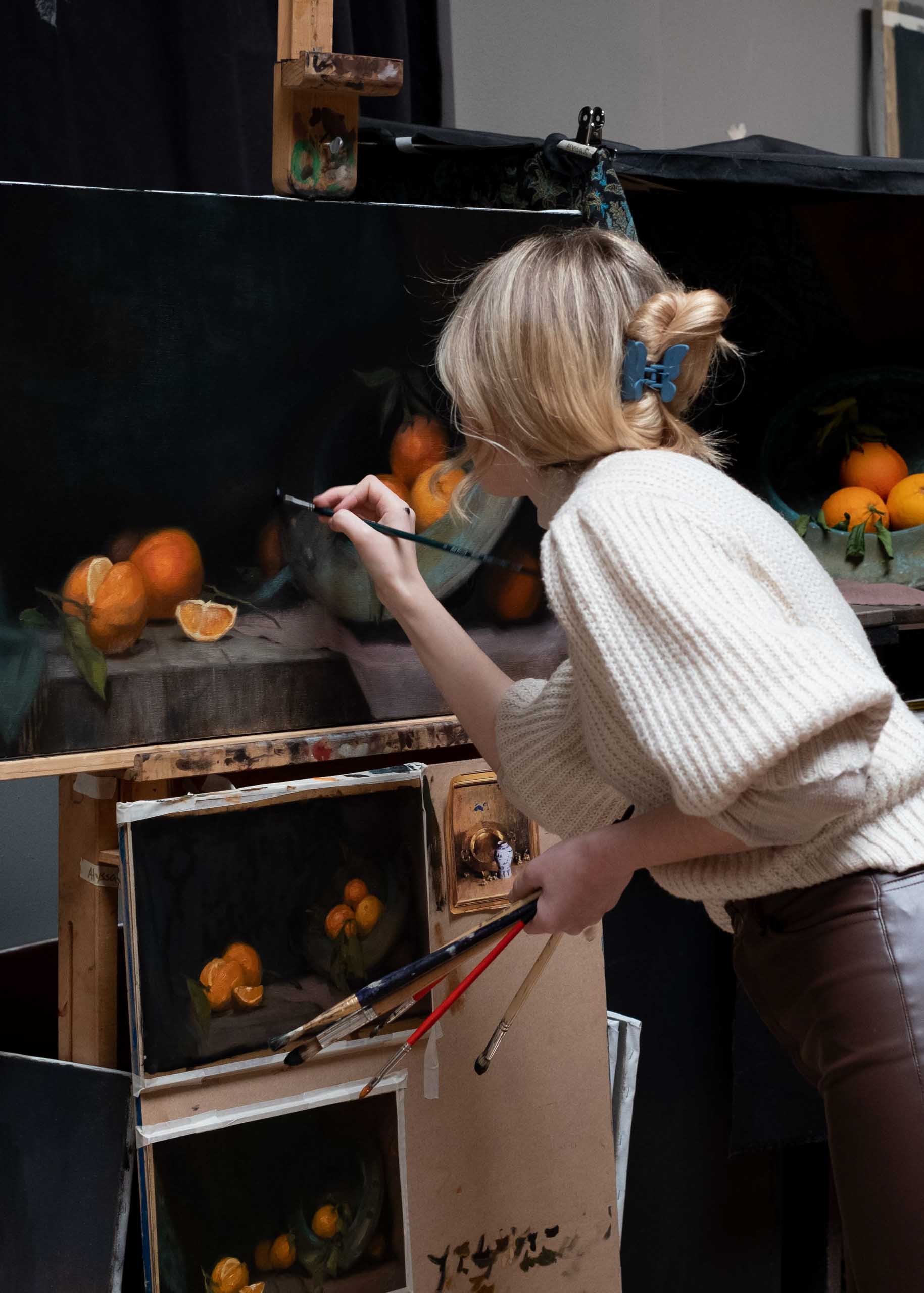
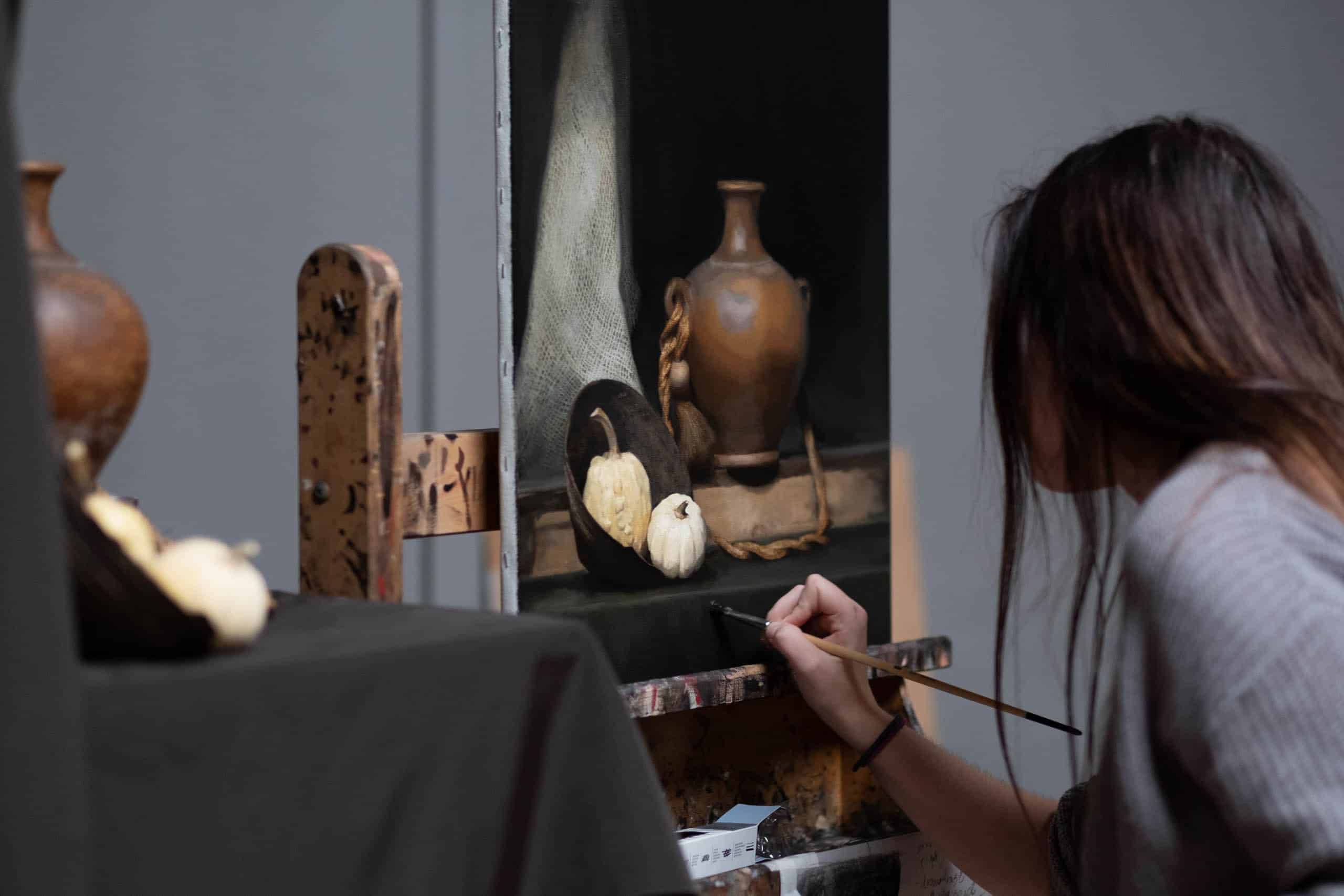
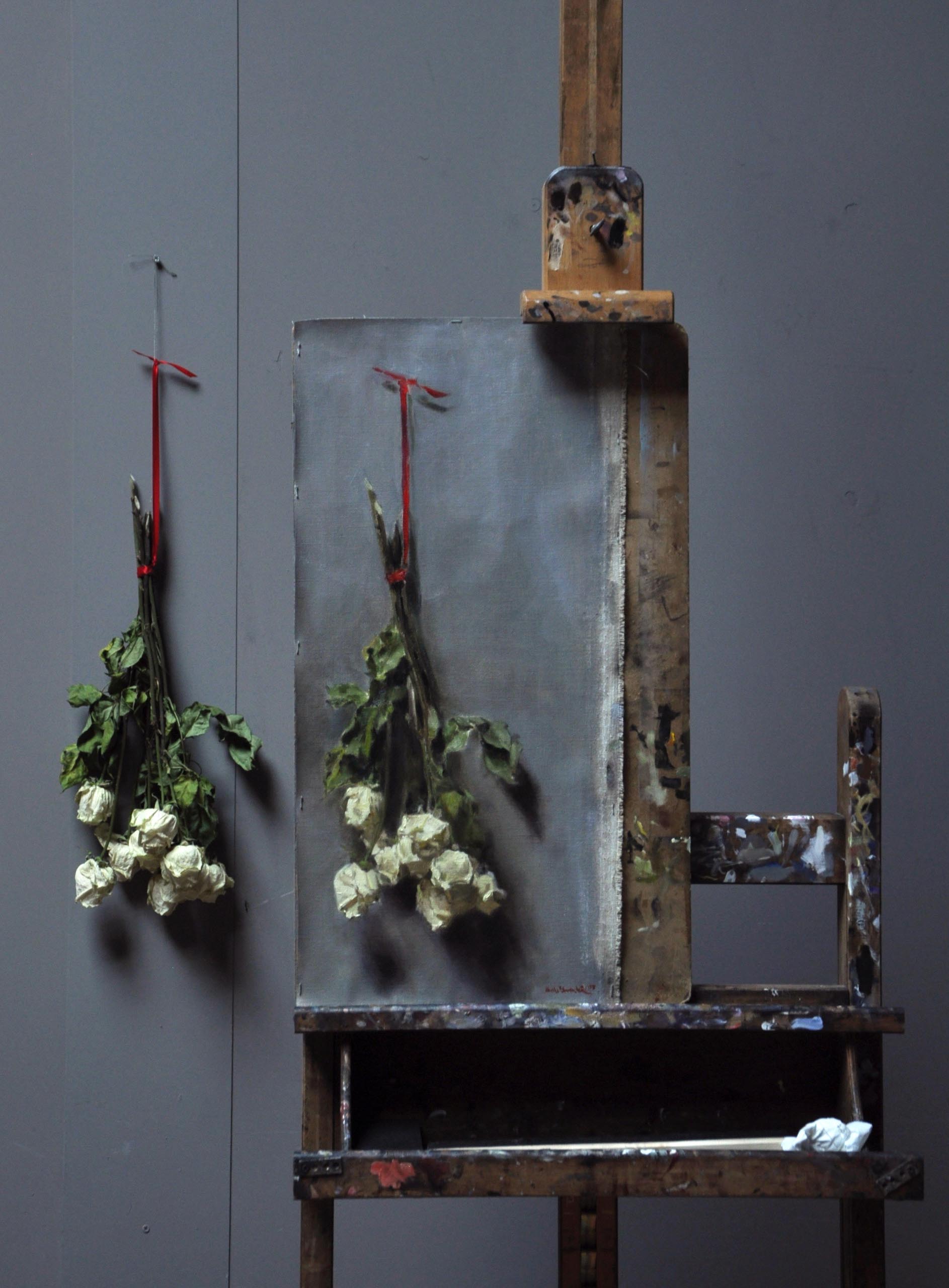
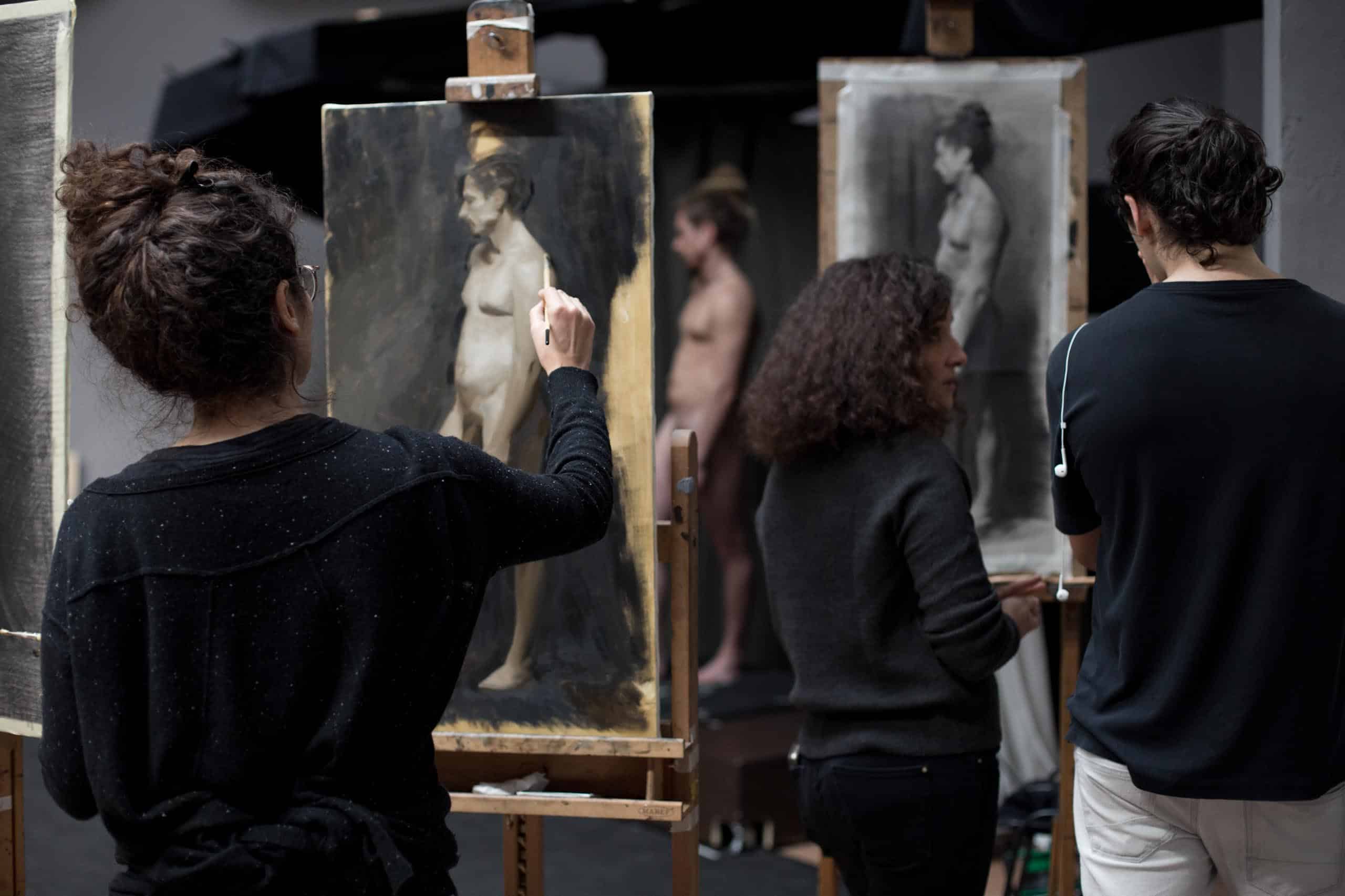
The third year takes place in Florence and serves as the culmination of the program. Students complete a thesis project, developing a still life painting from initial concept through preparatory studies to final execution. The thesis is formally presented, framed, and exhibited in the Academy’s gallery. In addition, students work extensively from the live model, further consolidating their understanding of the figure. Studying in Italy allows students to engage directly with the city’s artistic history. Going to museums and encountering beauty naturally influences the students’ work, as they look to examples from the past to learn the language of traditional realist art. In this way, the city acts as a classroom and is an integral part of the final year of study.
Teaching & Professional Development
A central objective of the MA Program is to prepare art educators to teach the Academic method effectively. Through written assignments, lesson planning, and peer critique, participants develop the ability to communicate technical concepts clearly and apply them in educational settings. The skills acquired are both practical and transferable, empowering participants to make a meaningful impact in their classrooms while also strengthening their own artistic practice. Graduates leave the program confident, capable, and equipped to inspire the next generation of artists.
For educators, the MA in Studio Art supports meaningful professional development and continued growth in their teaching practice. Graduates of our MA Program consistently report significant professional growth and achievement, advancing within their teaching careers, with a notable number receiving salary increases after completing the degree. Many have gone on to take on new responsibilities and broaden their impact within their schools and communities, reflecting the value of advanced study in shaping a dynamic and evolving career.
In addition to continued success in primary and secondary education, many alumni transition into higher education or pursue opportunities in the private sector. These career paths reflect the program’s capacity to support both sustained development and meaningful career mobility.
To learn more, visit After Graduation.
Locations & Residency
In-person instruction during the first two years takes place at the Florence Academy’s satellite campus at St. Peter’s University in Jersey City, New Jersey:
St. Peter’s University
2641 John F. Kennedy Blvd.
Jersey City, NJ 07306
All students attend their third and final summer at The Florence Academy of Art in Florence, Italy:
The Florence Academy of Art
Via Aretina 293
50136 Florence, Italy
The third-year residency in Florence is a required component of the program. Limited exceptions may be granted in cases of extenuating circumstances and are considered on a case-by-case basis.
Additional Information
The Florence Academy of Art is an accredited institutional member of the National Association of Schools of Art and Design (NASAD). Enrollment is limited to a maximum of 30 students per cohort.
Fluency in English is required, as students are expected to participate actively in critiques, discussions, and written assignments. Participants are encouraged to verify with their school districts whether the degree is eligible for pay scale advancements.