


A Living Tradition
The Florence Academy of Art attracts dedicated students from across the globe who seek the highest level of classical training. Our international reputation, rigorous curriculum, exceptional facilities, and enduring community make our school a unique place to study realism in the 21st century.
The Curriculum
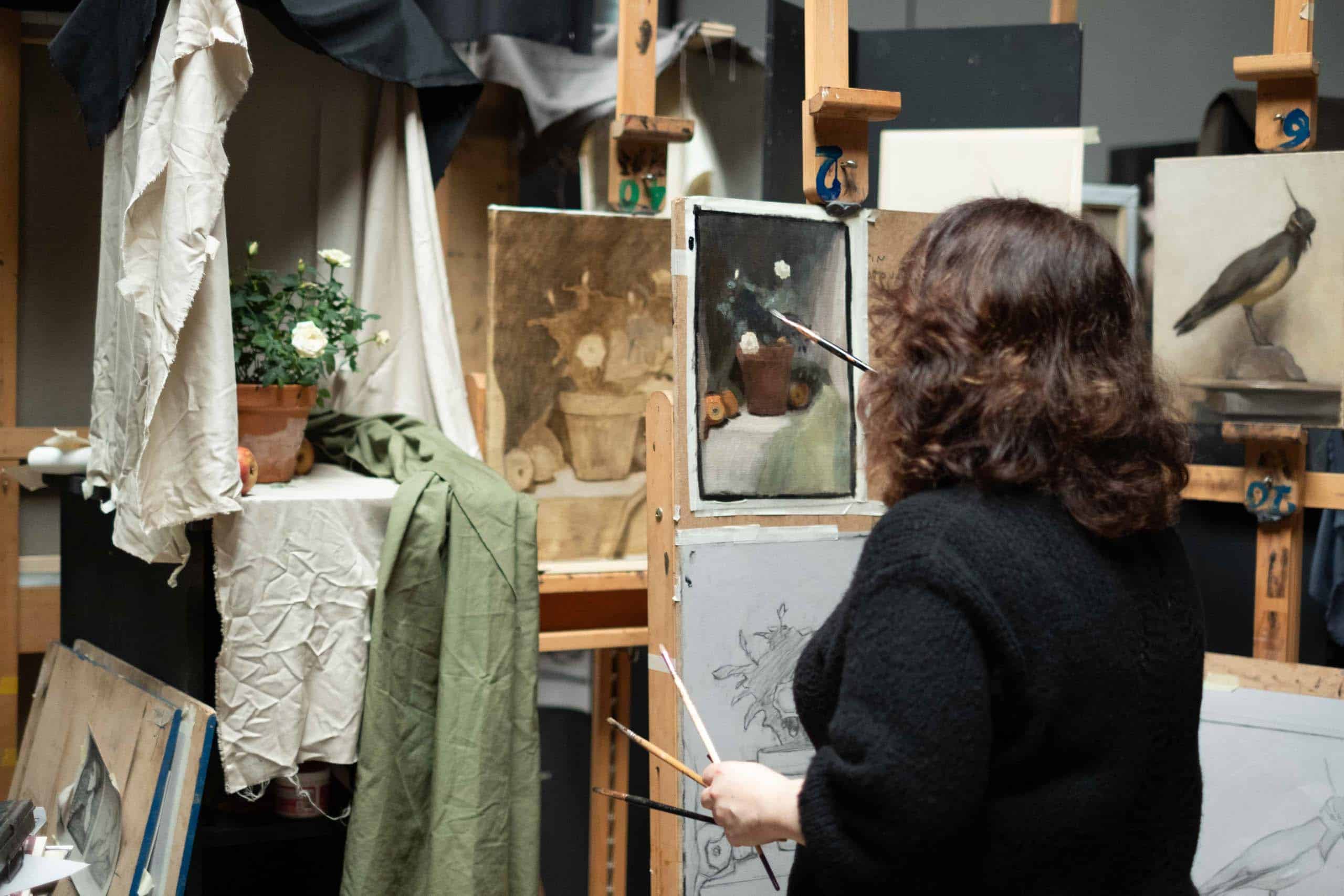
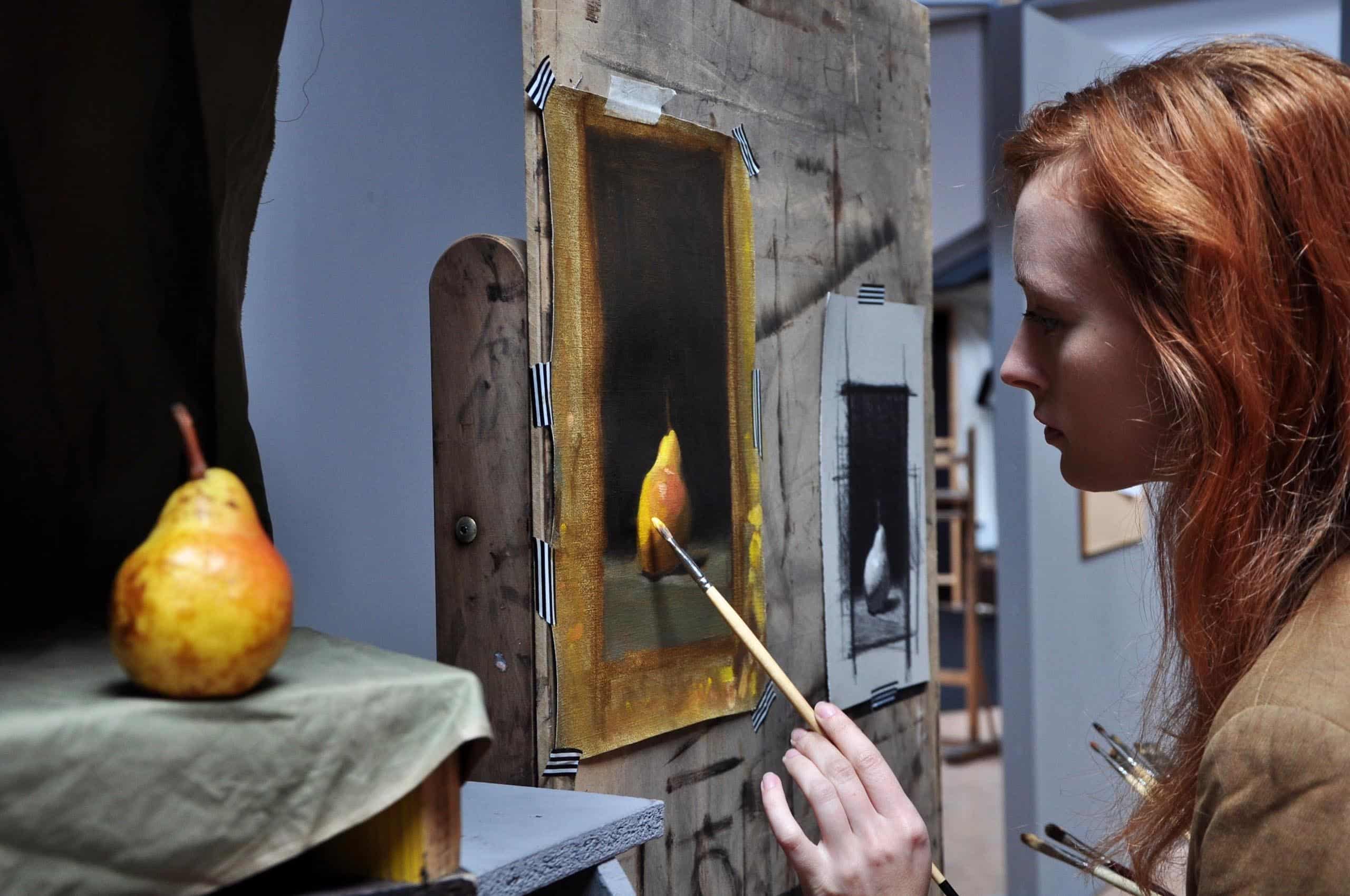
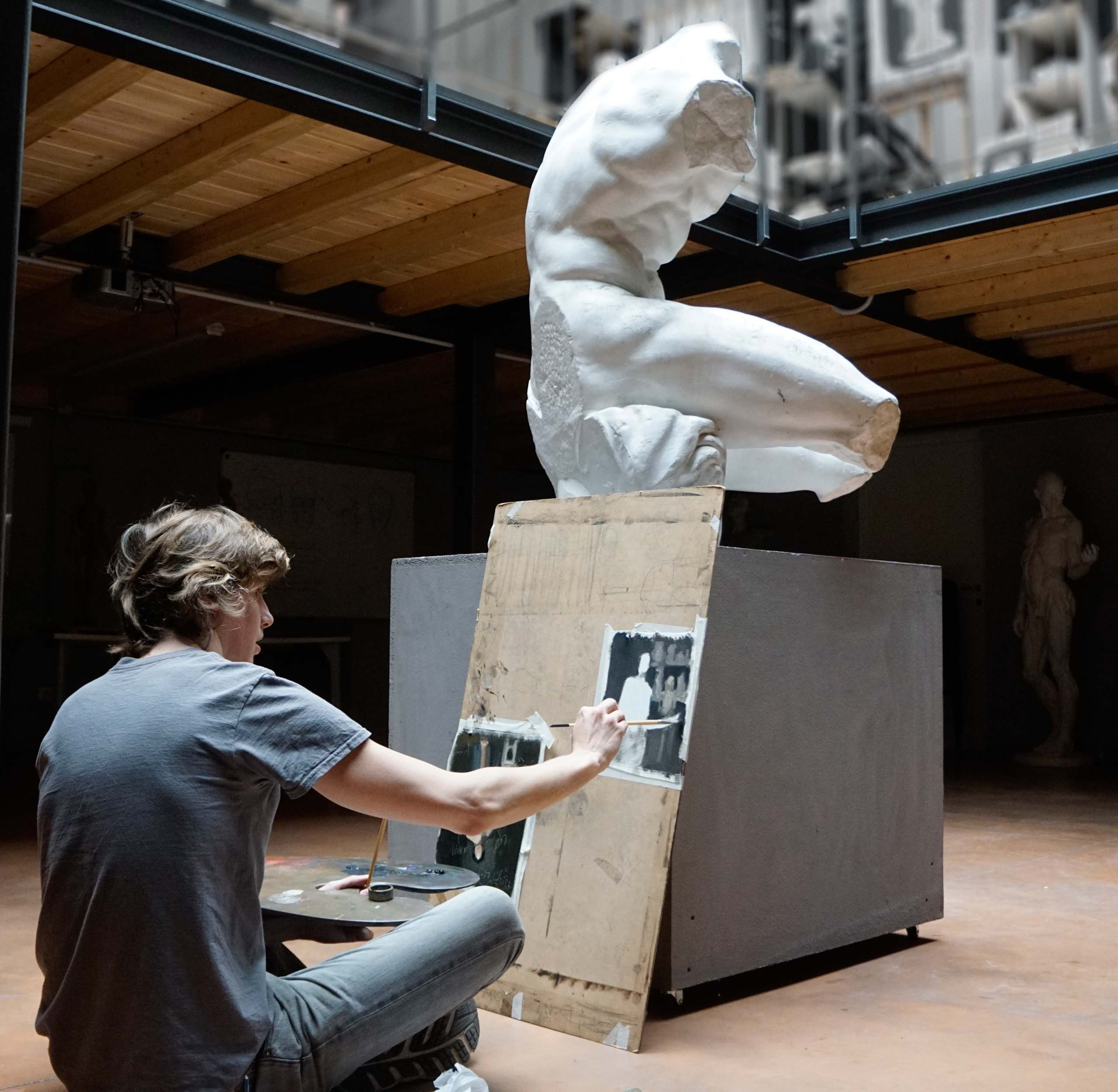
The curriculum is designed for consistent, measurable growth. Students progress step by step through projects, building a solid technical foundation before moving into increasingly complex challenges. The curriculum has been built based on the research and ideas of Founder, Daniel Graves; “I first of all envisioned a school based on the time-tested principles that had produced the great, varied body of realist art. It would not promote a specific style, but rather offer a complete classical education including humanities, art history, anatomy, ecorché, composition, and perspective, all at the service of drawing, painting, and sculpture.”
The Florence Academy of Art inspires and encourages the individual, whatever the level of talent.



Working From Life
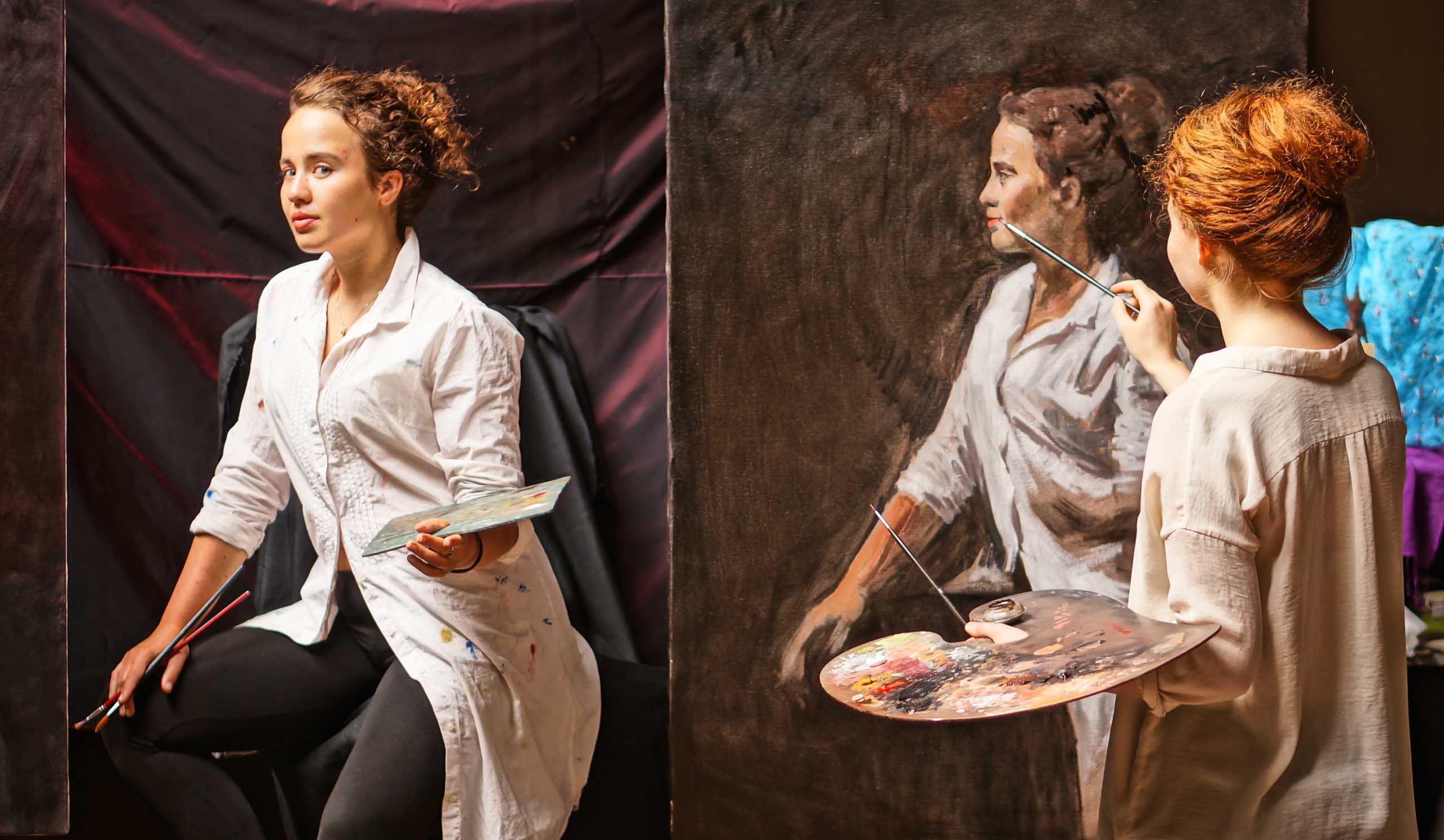
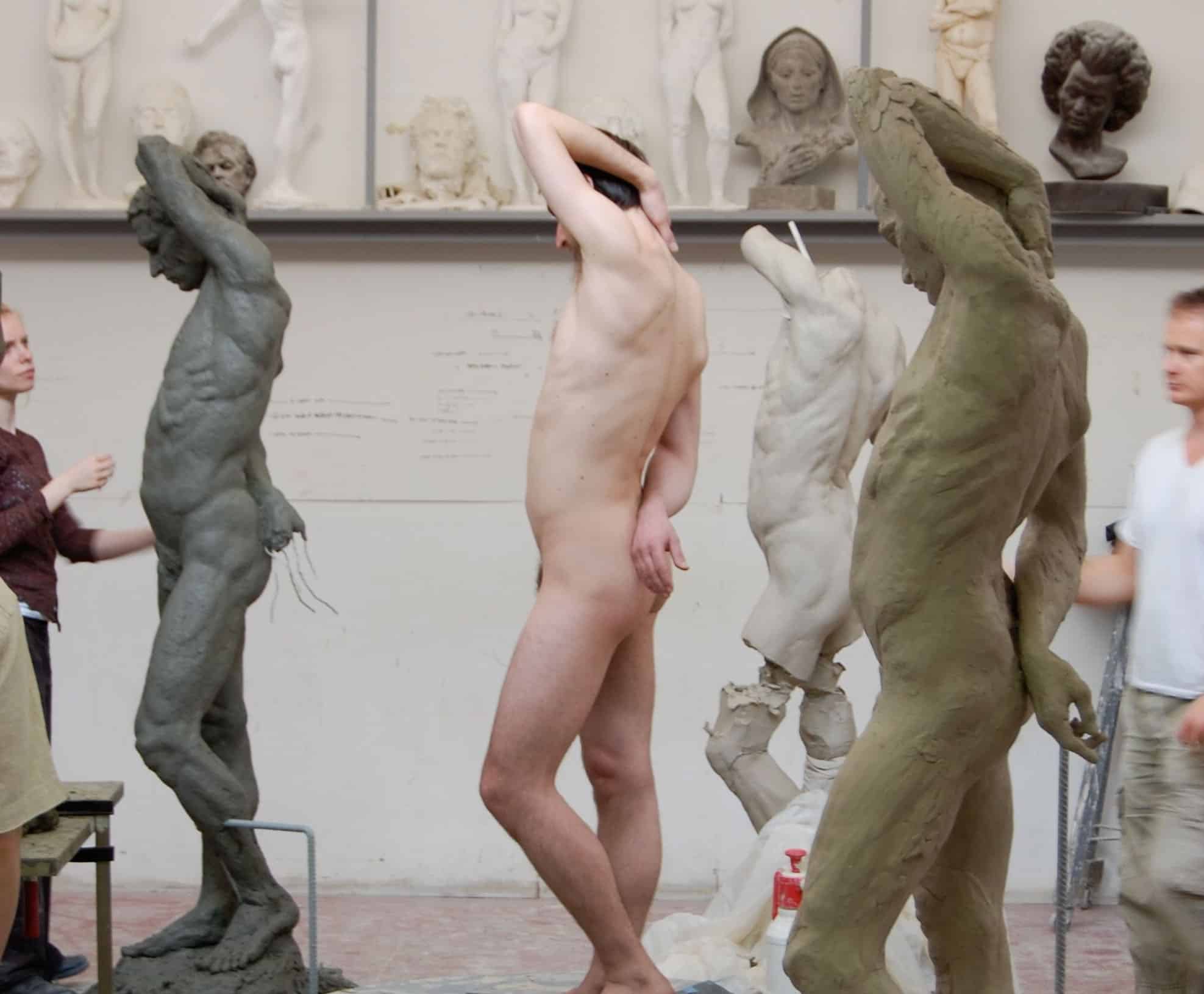
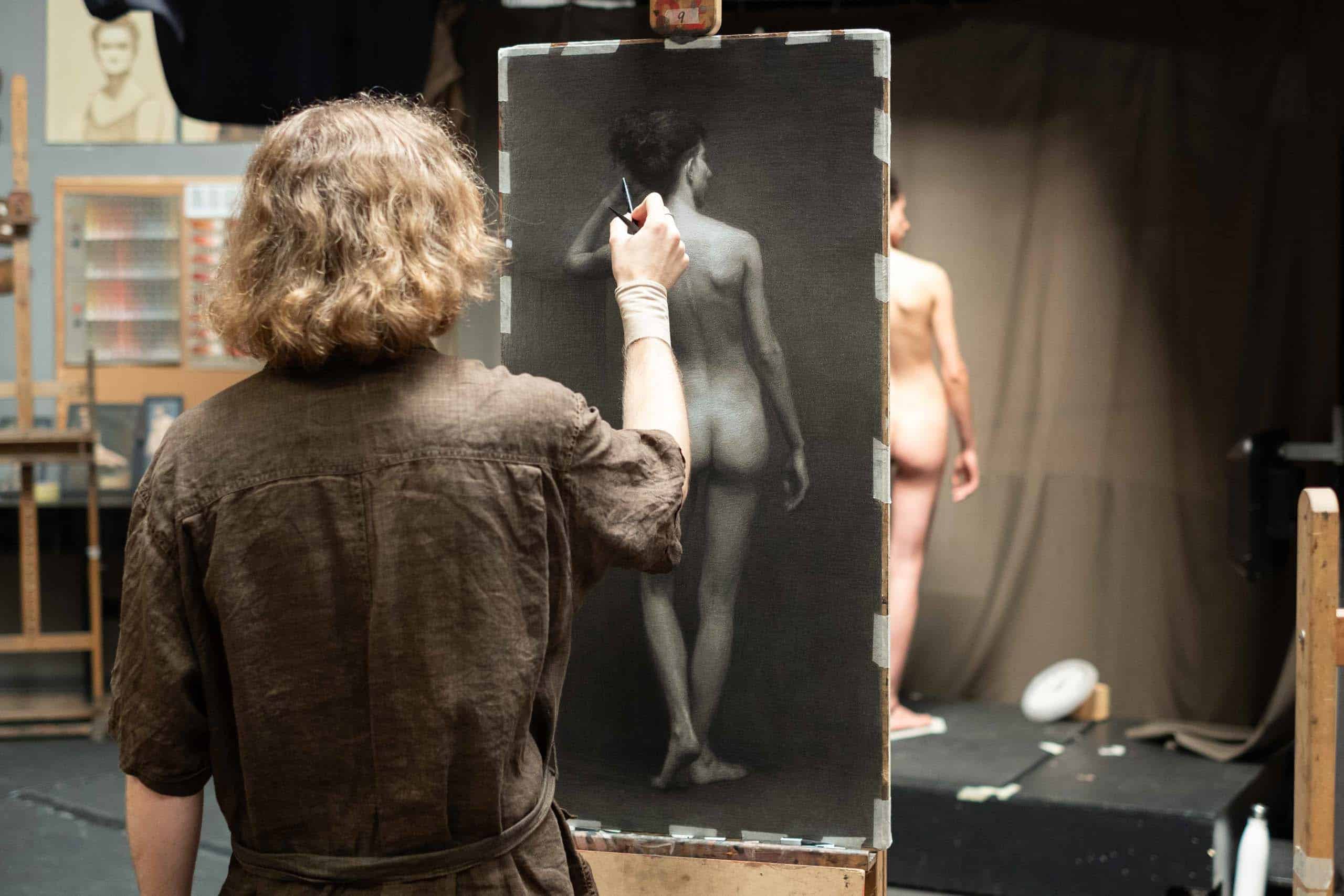
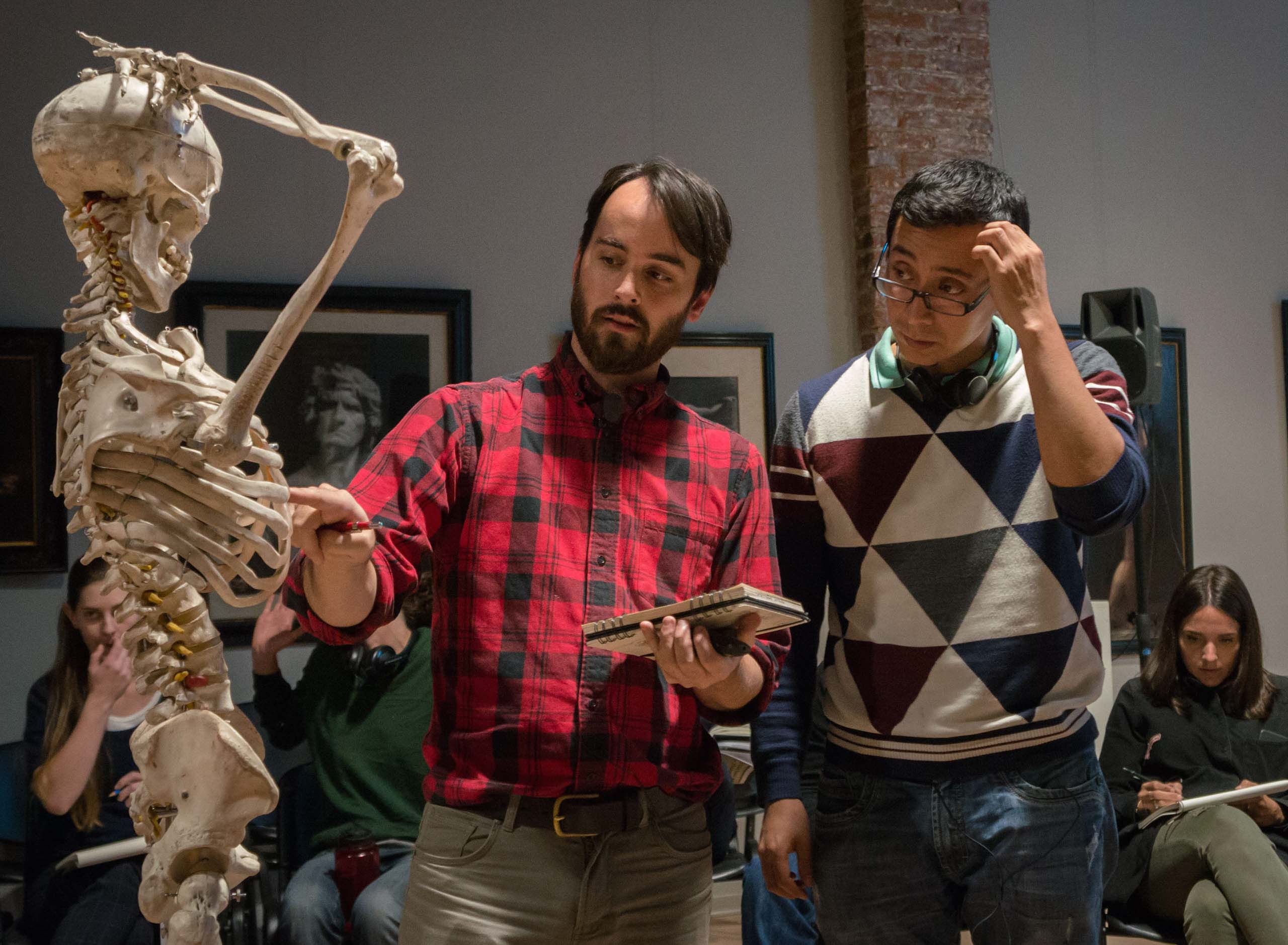
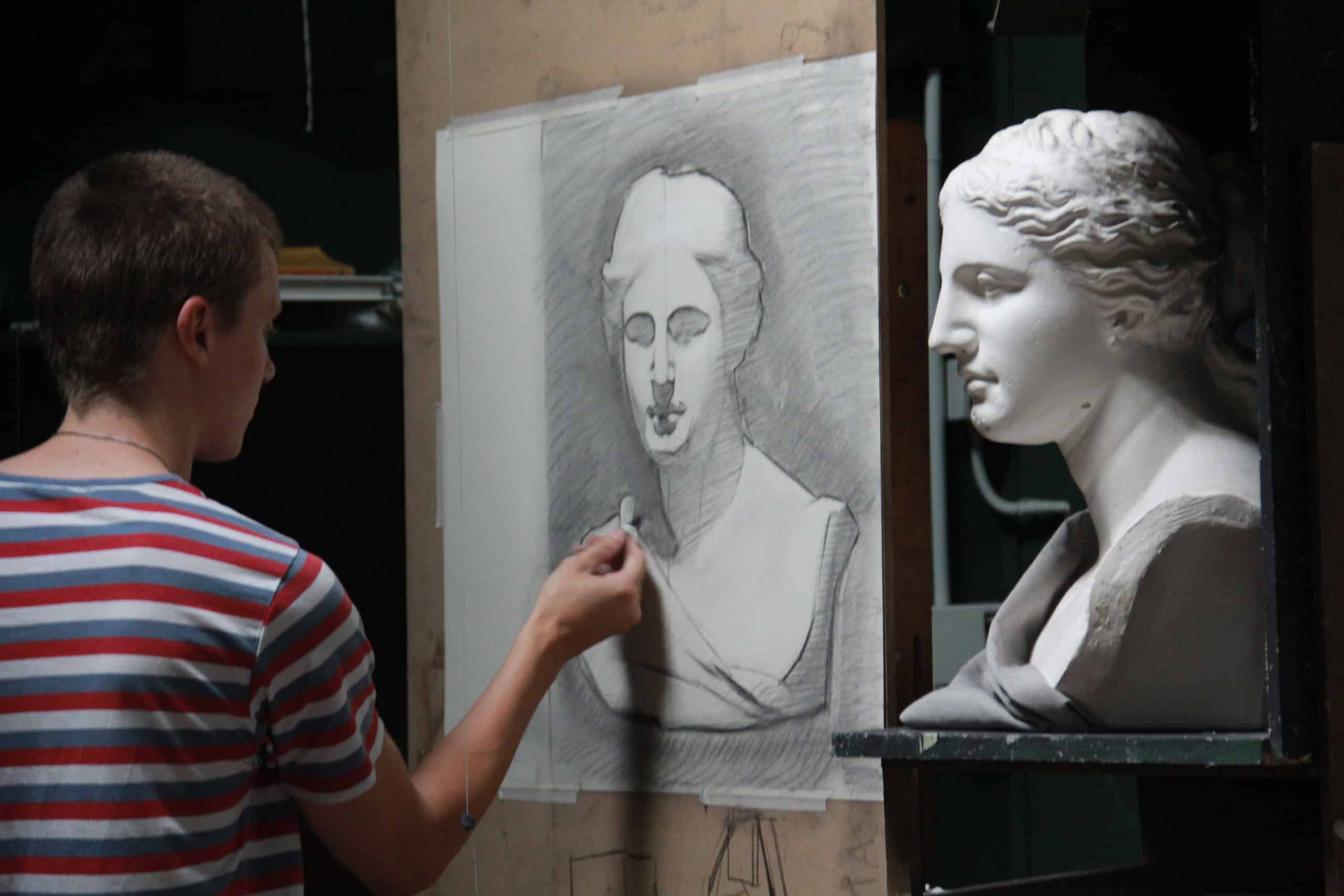
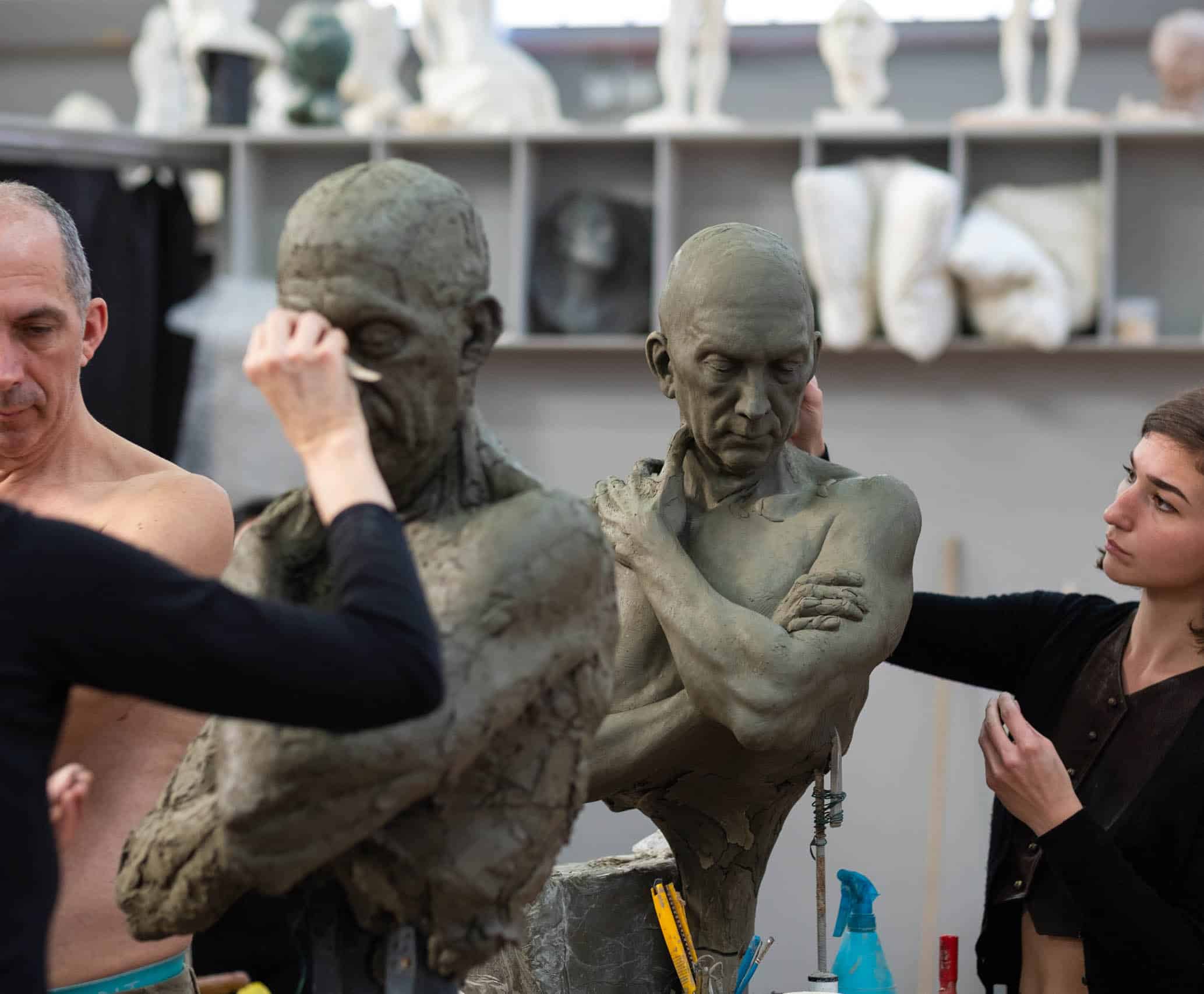
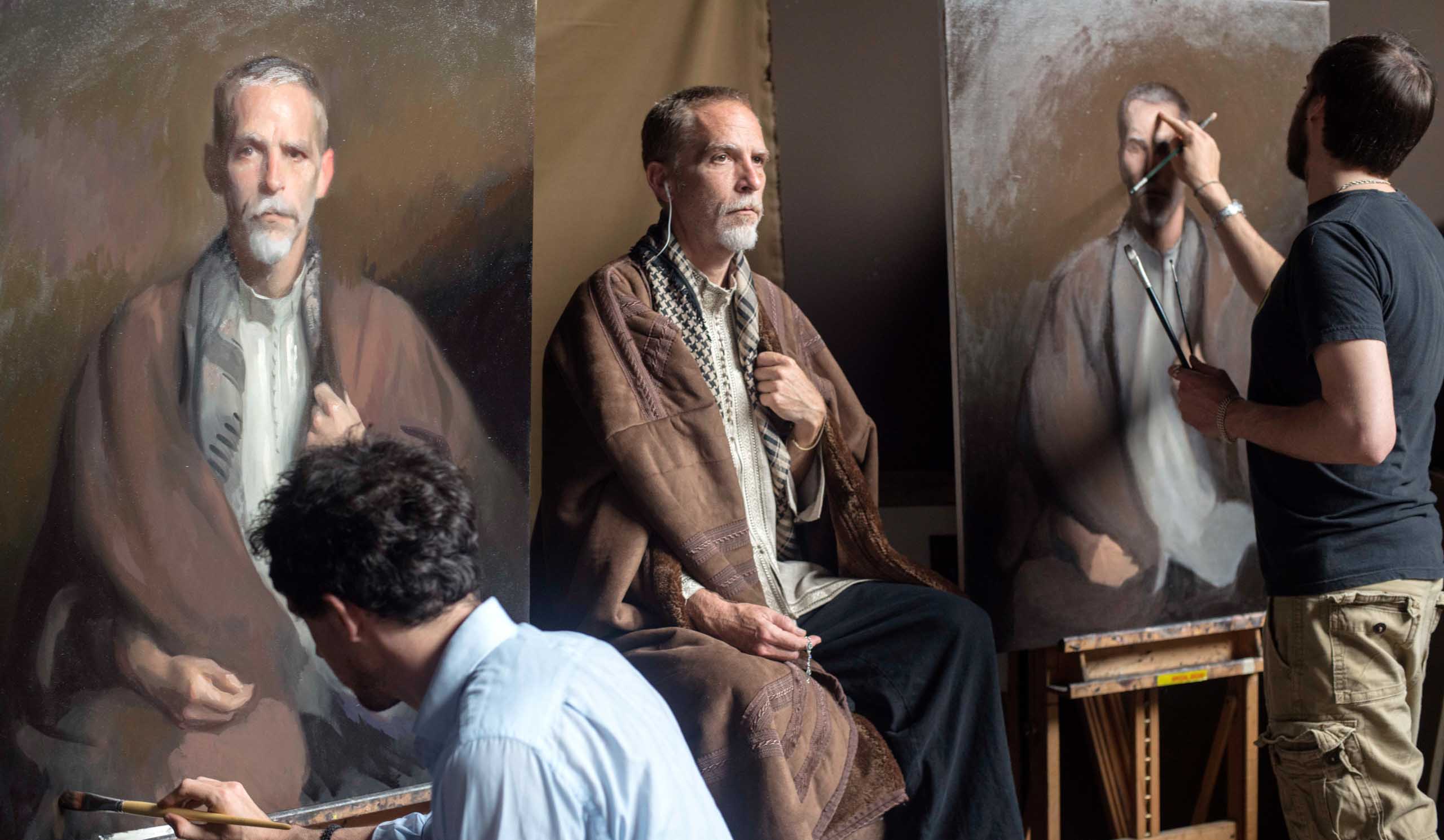
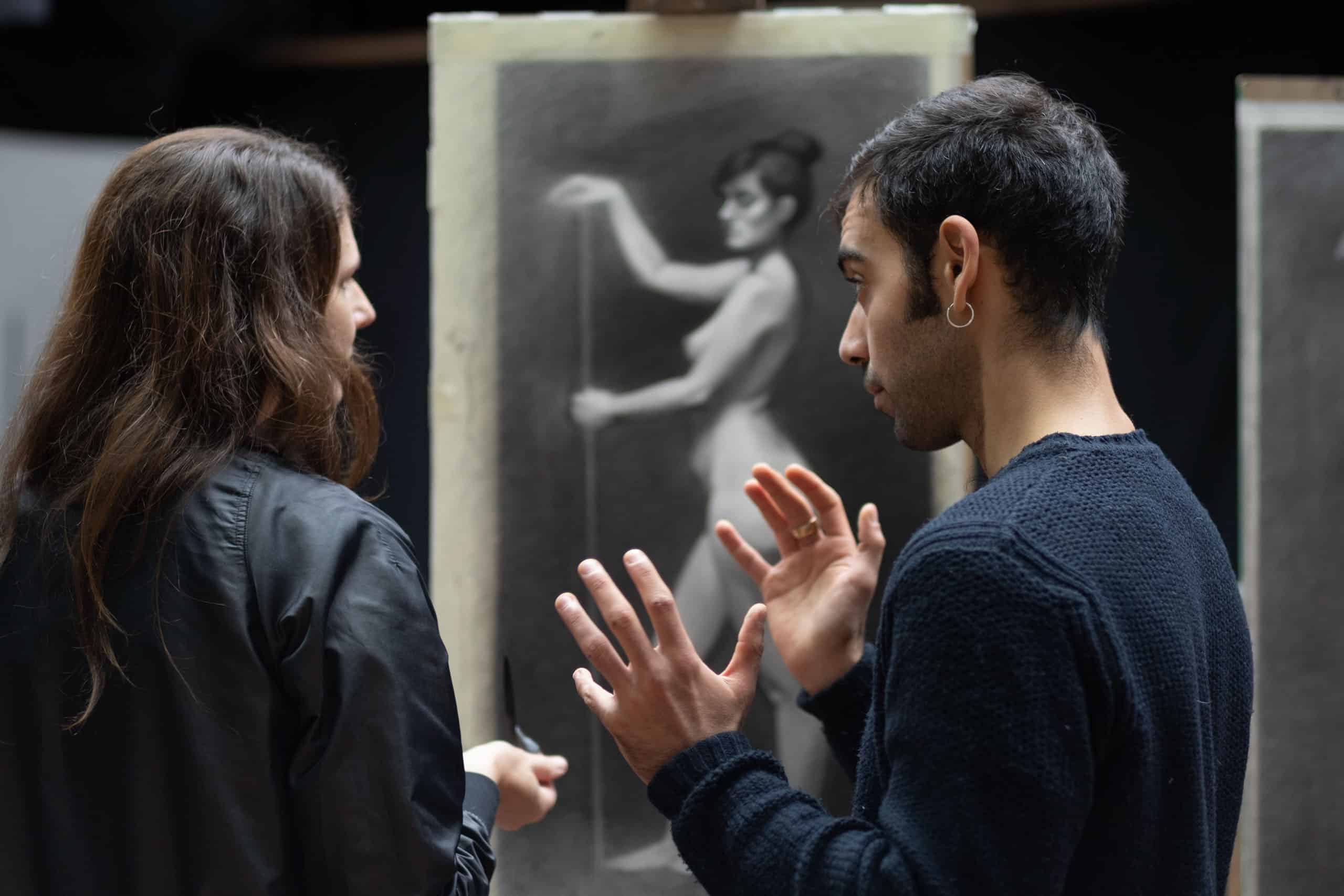
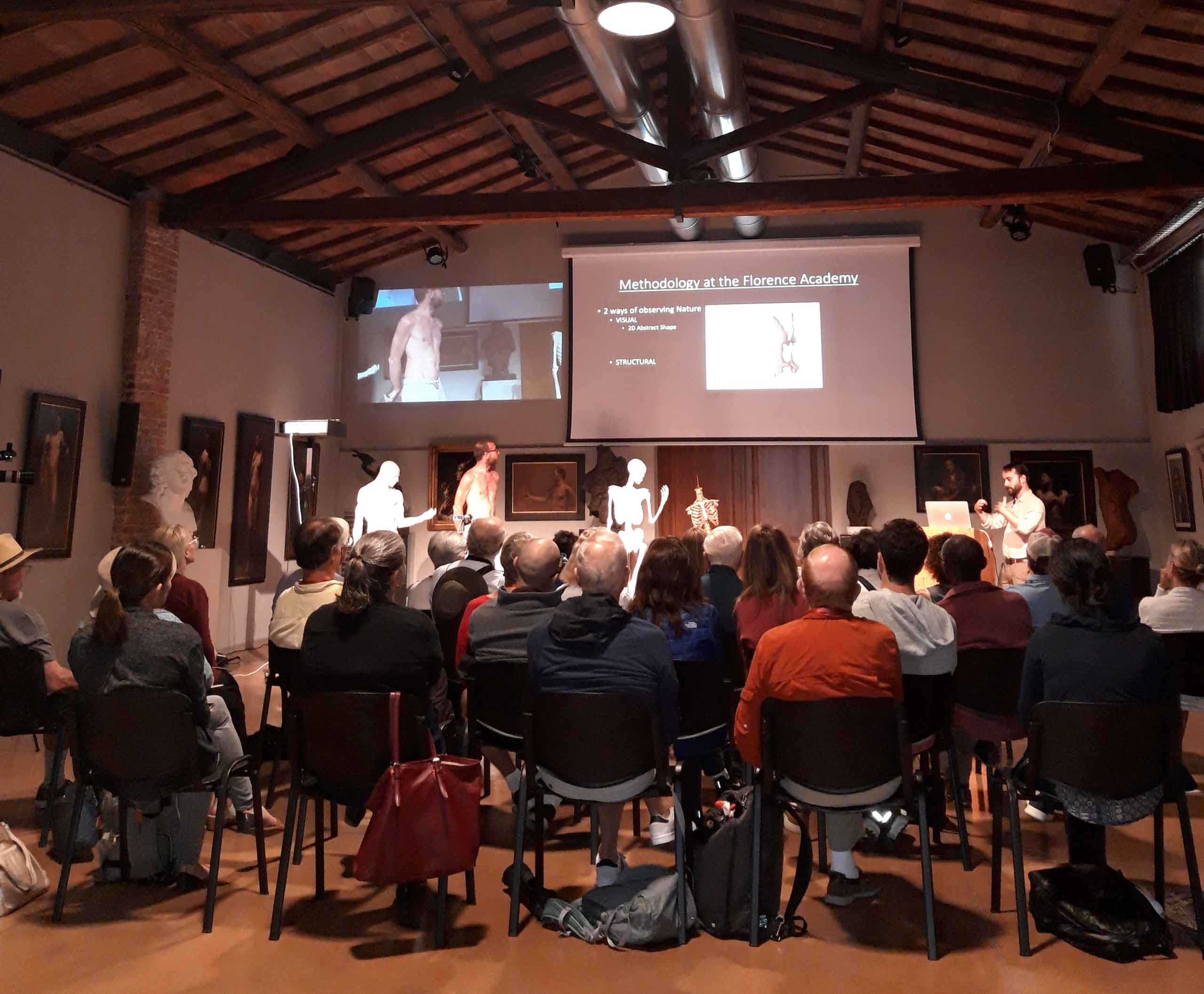
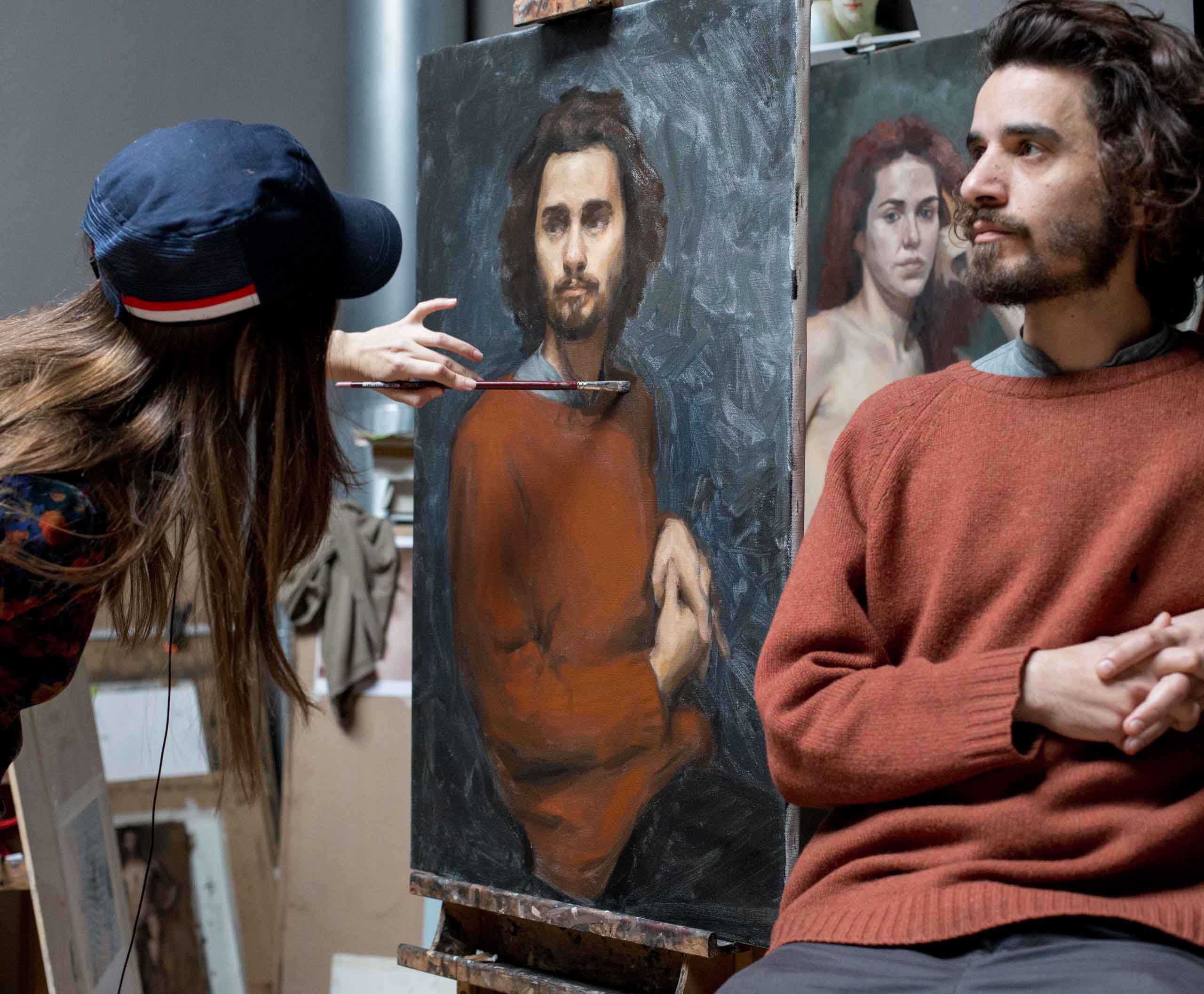
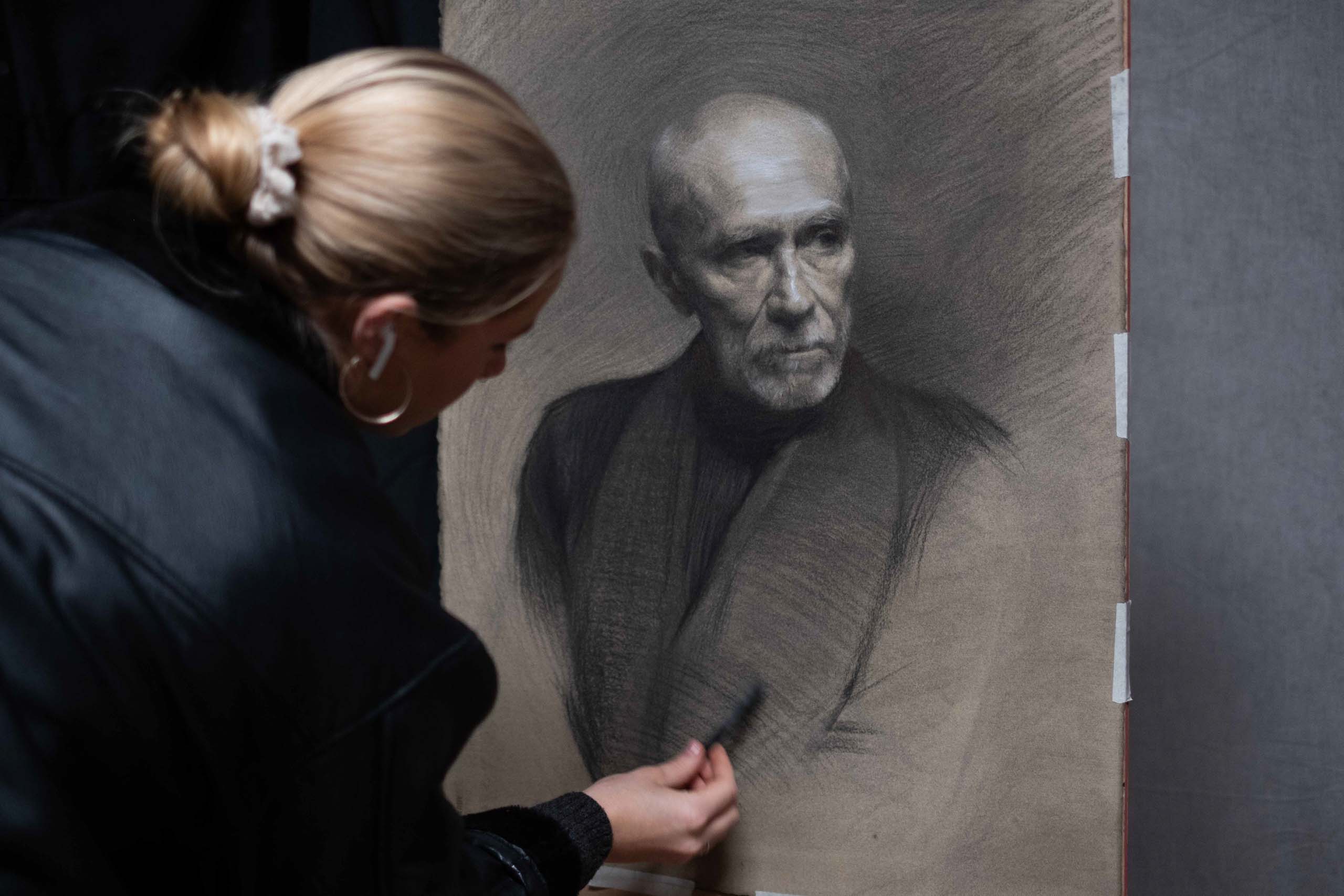
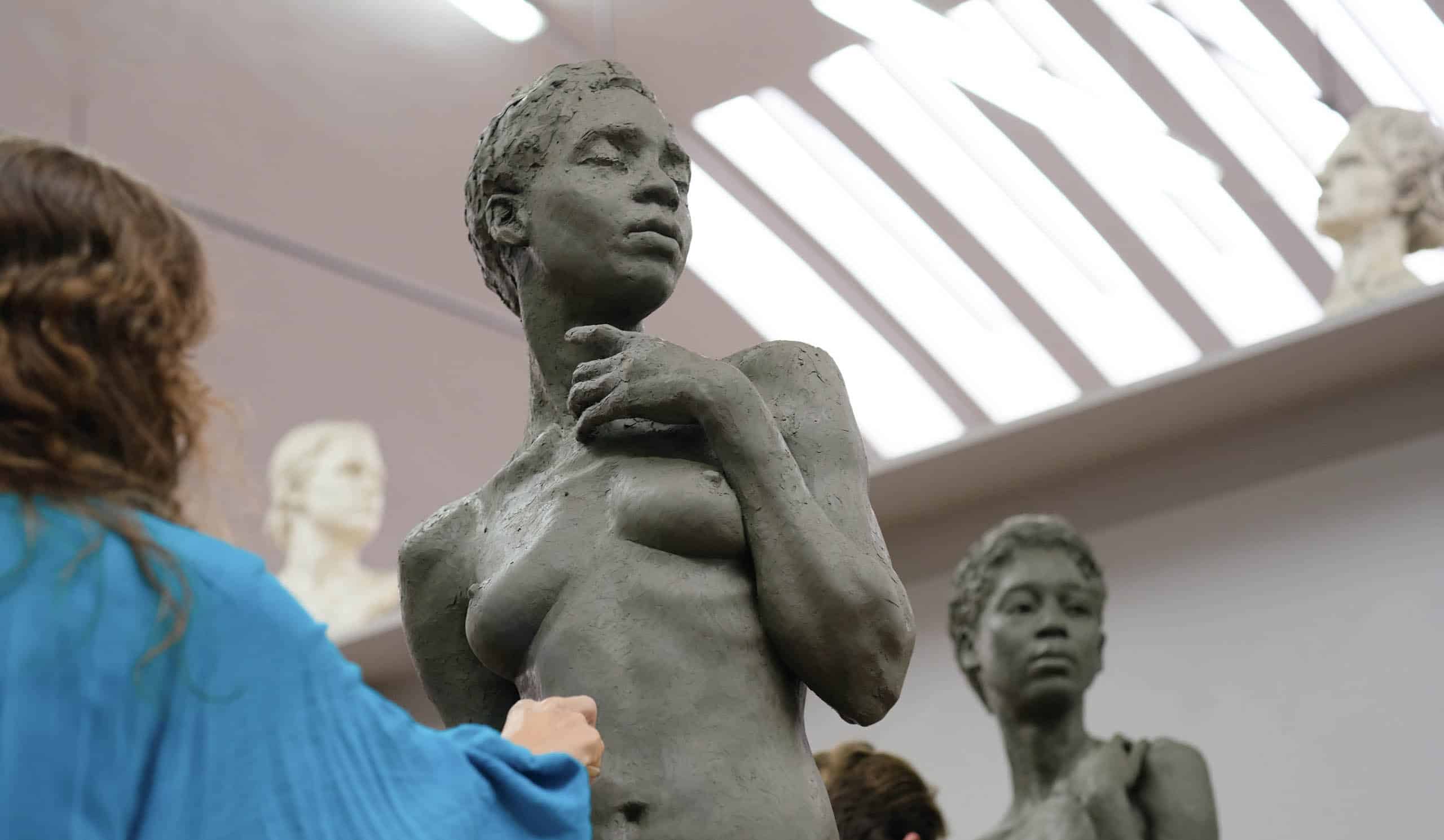
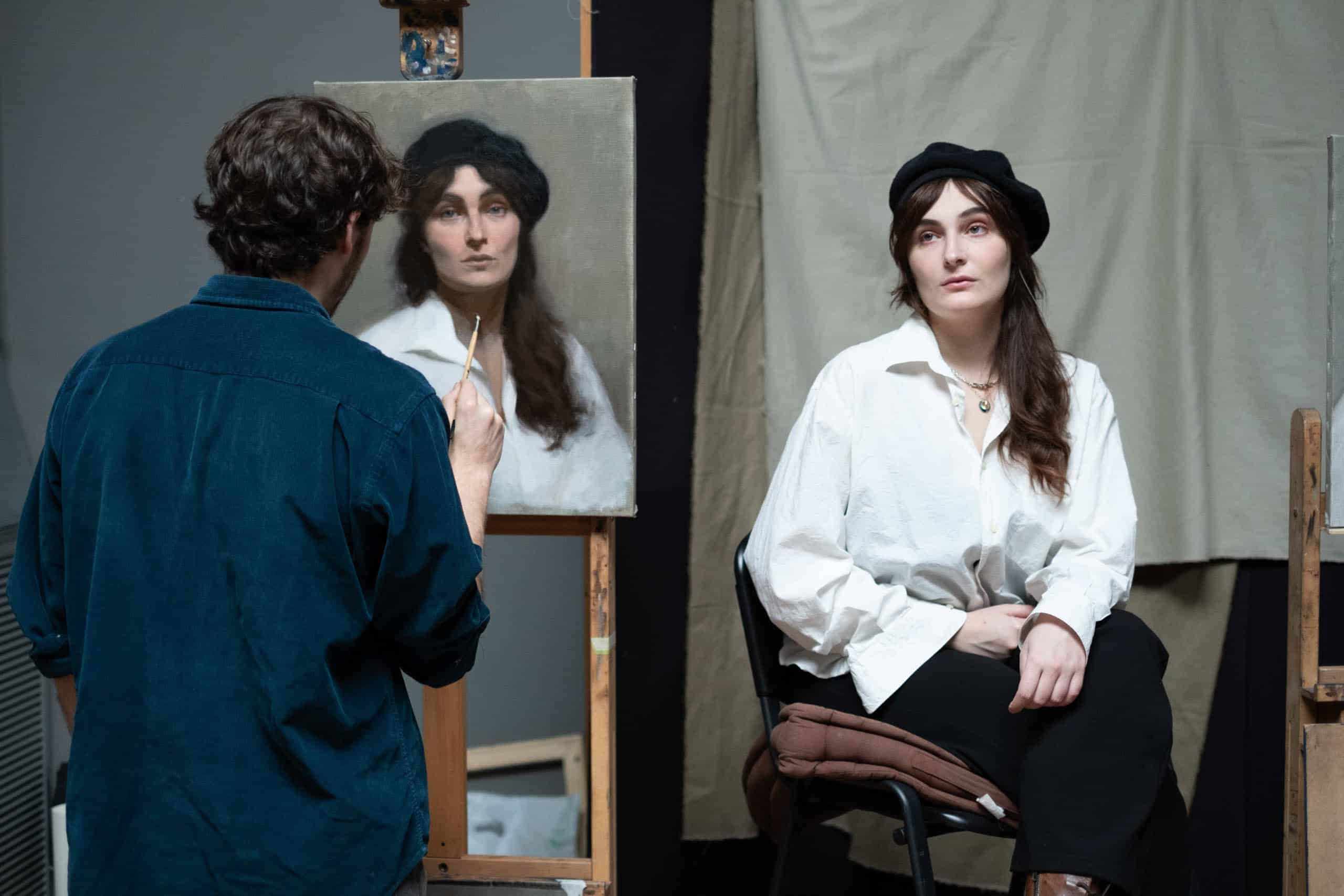
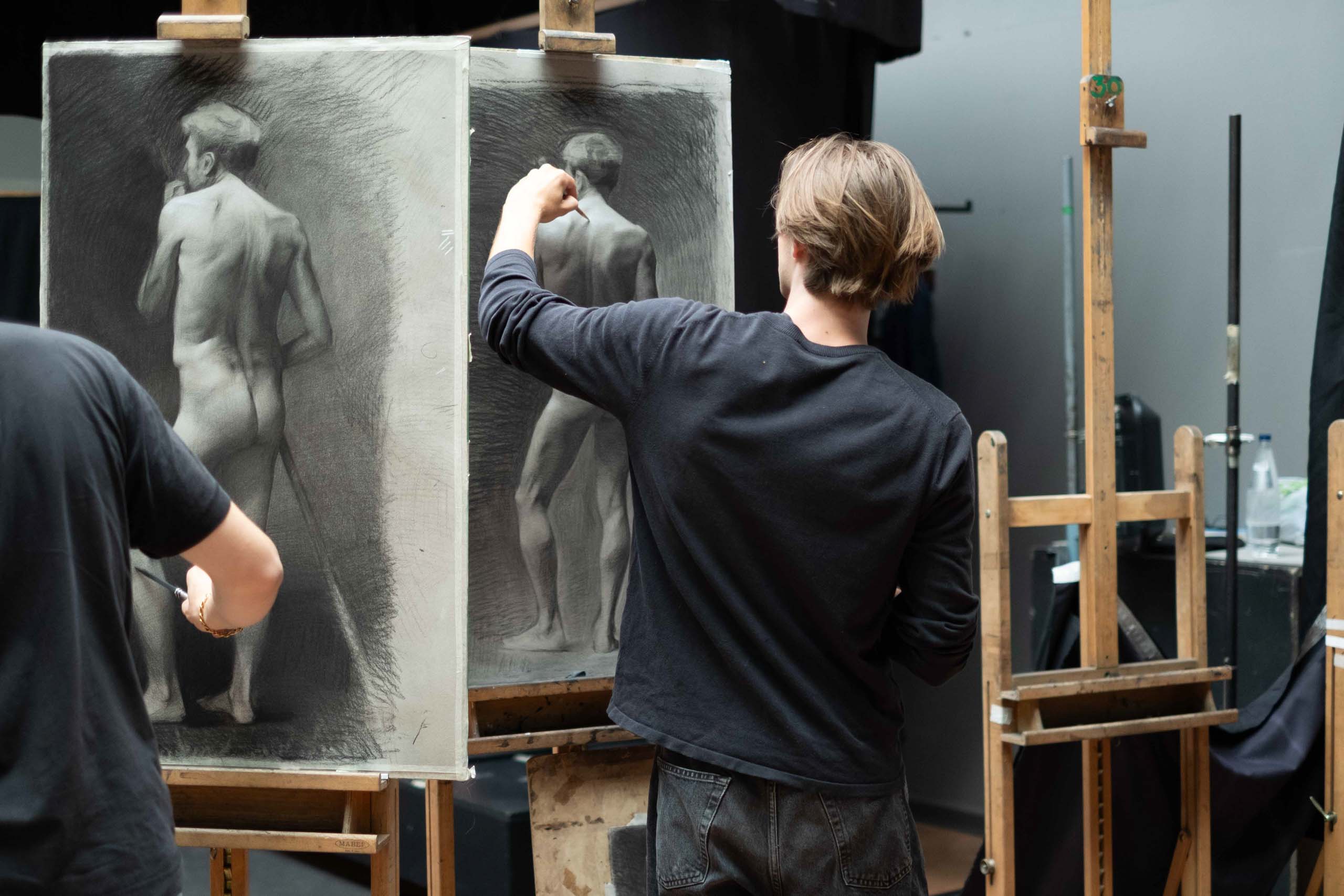
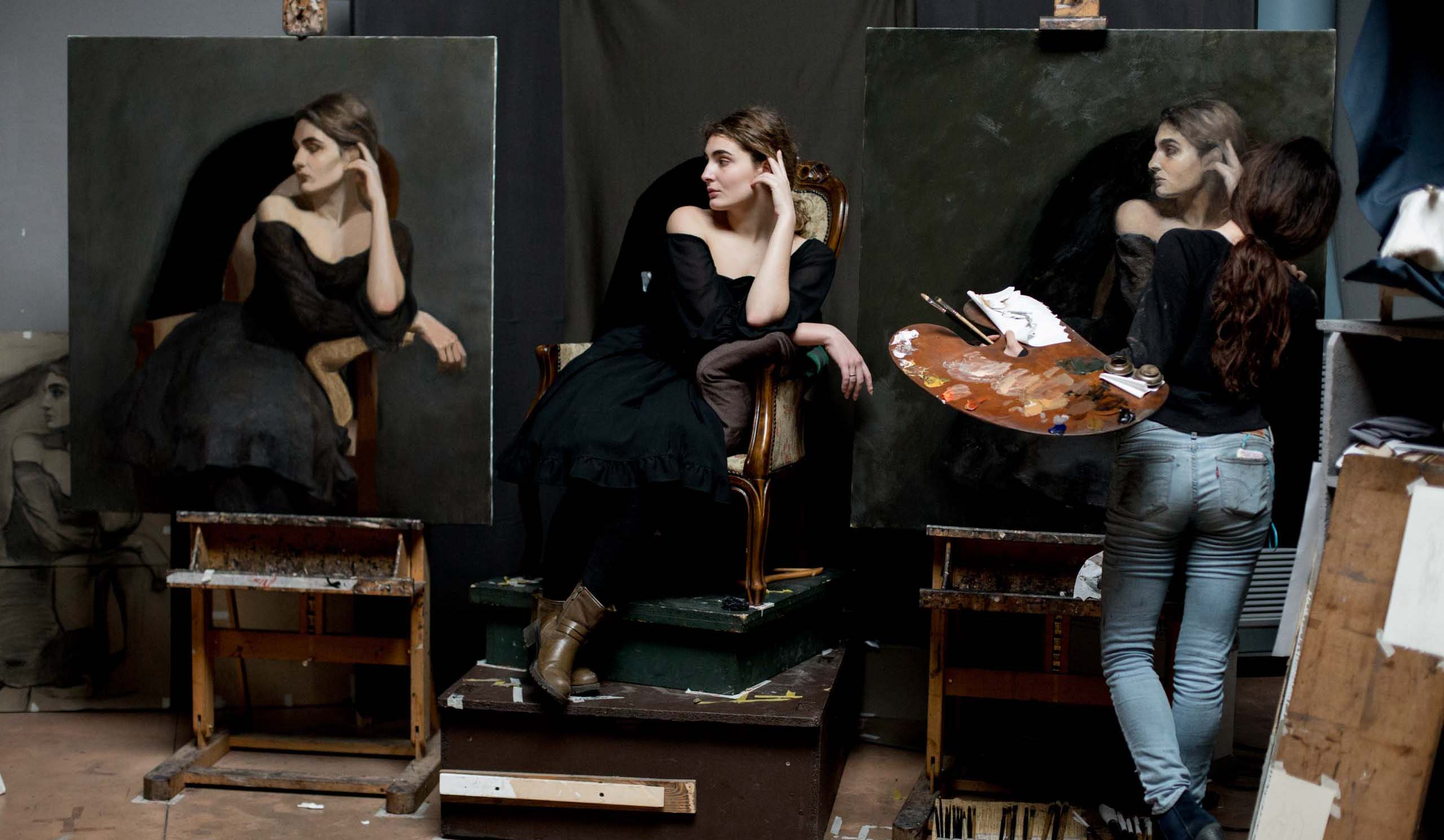
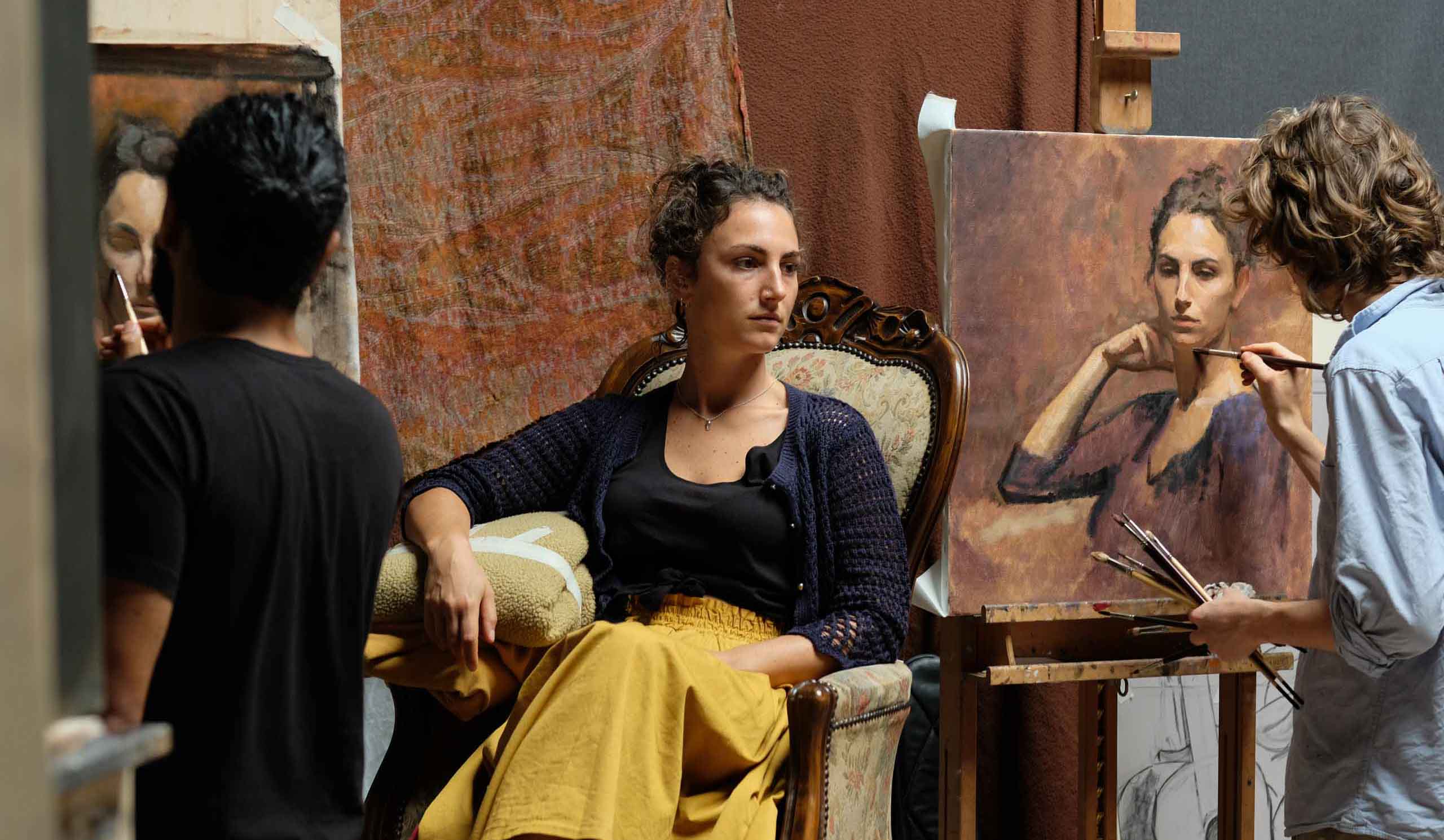
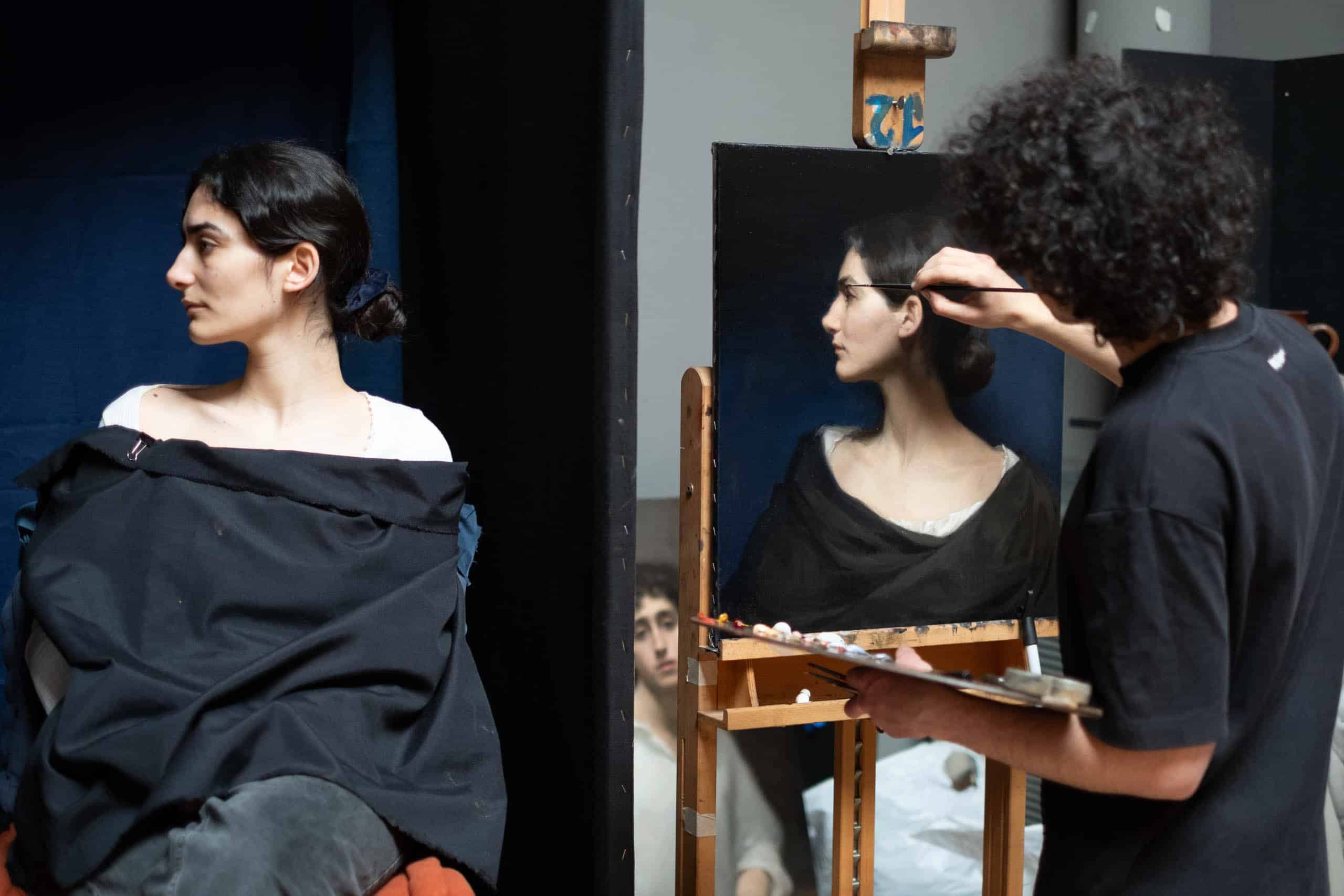
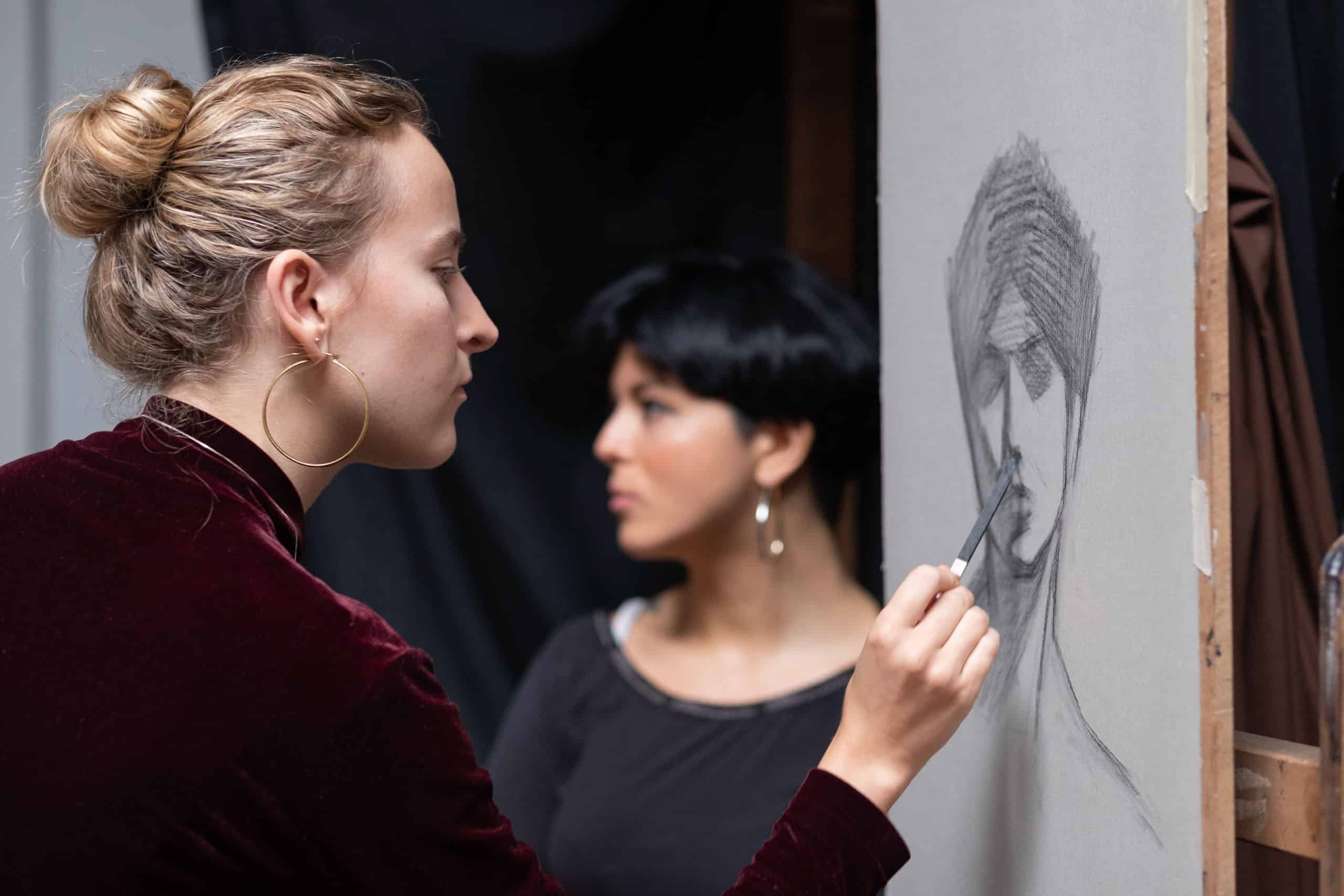
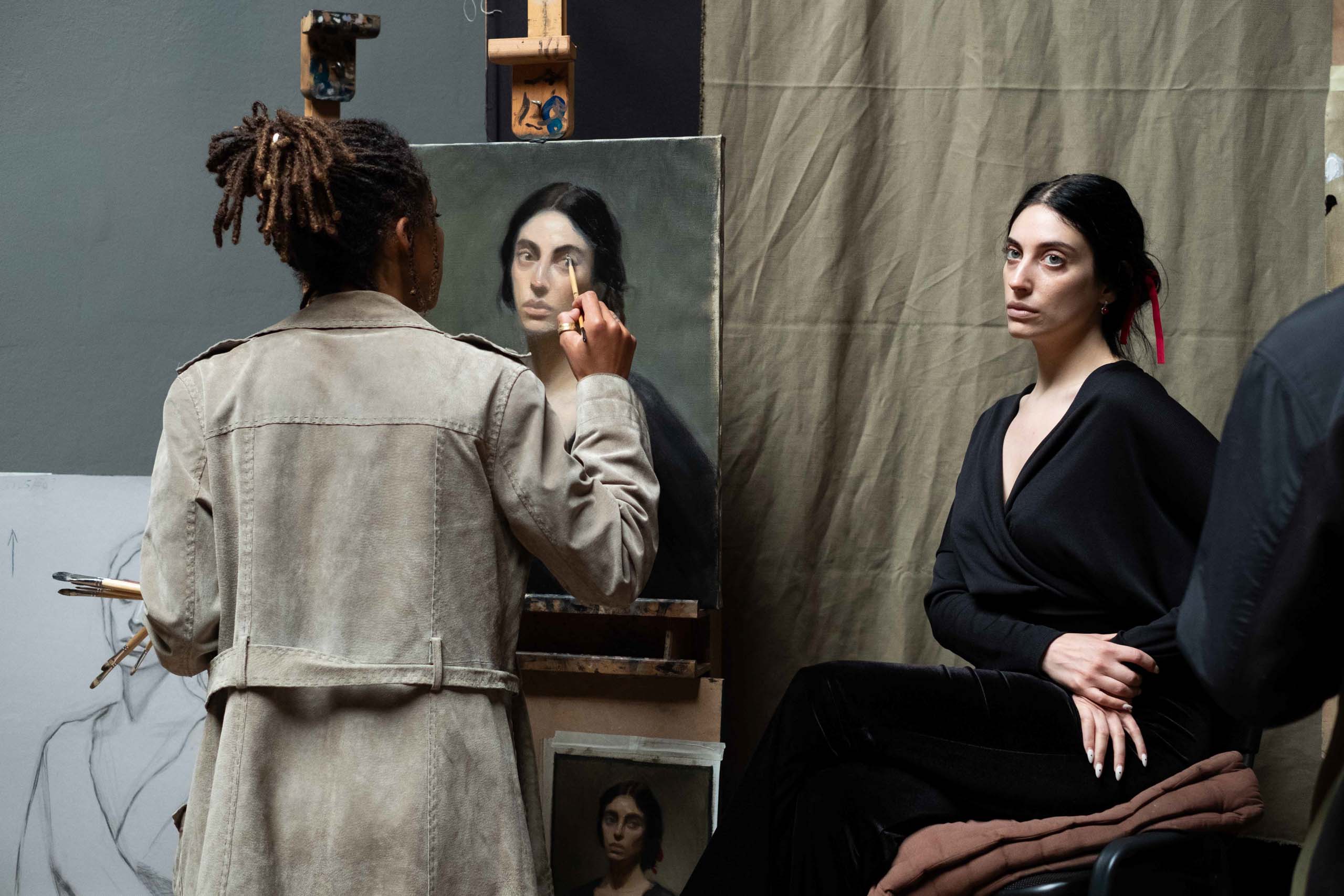
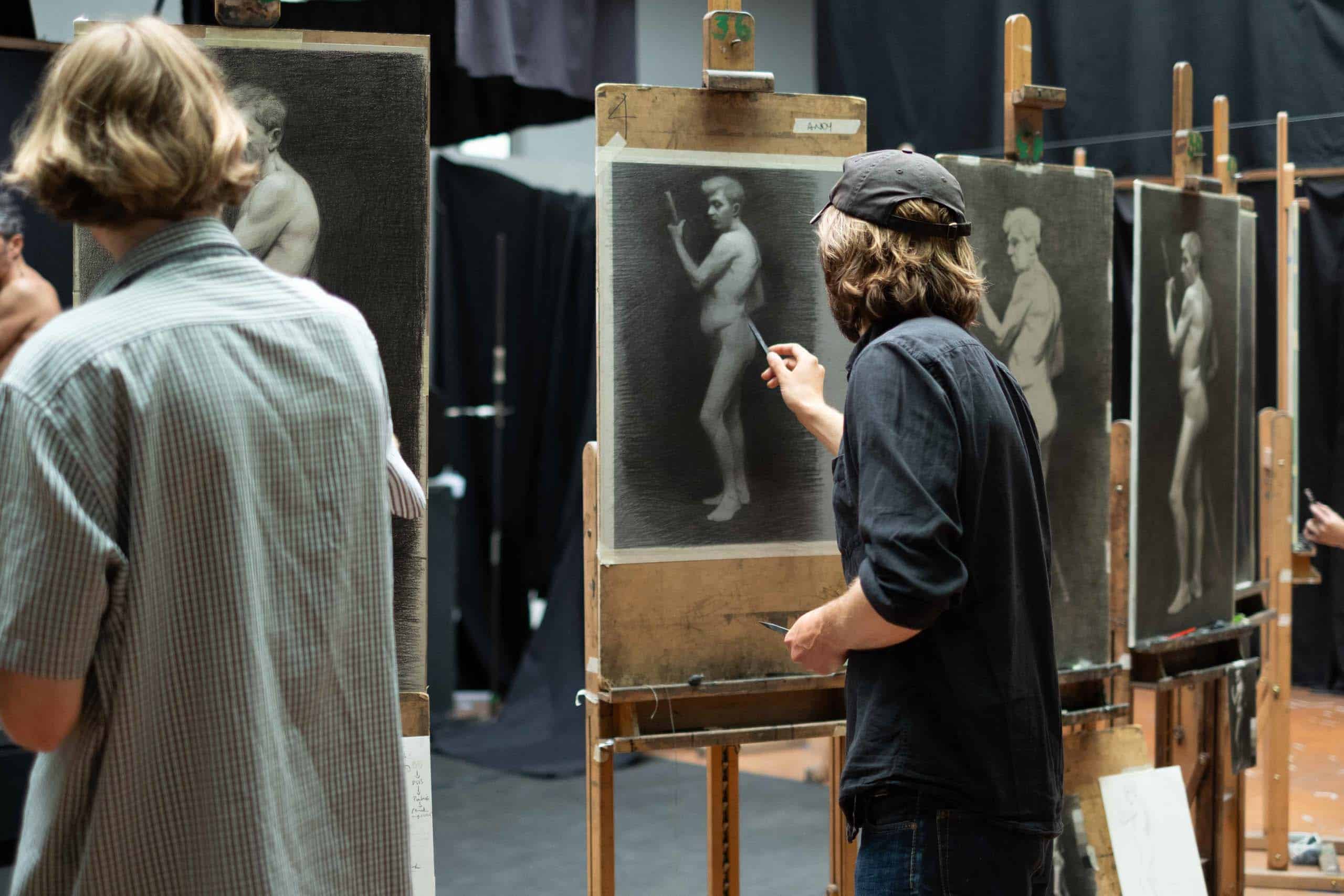
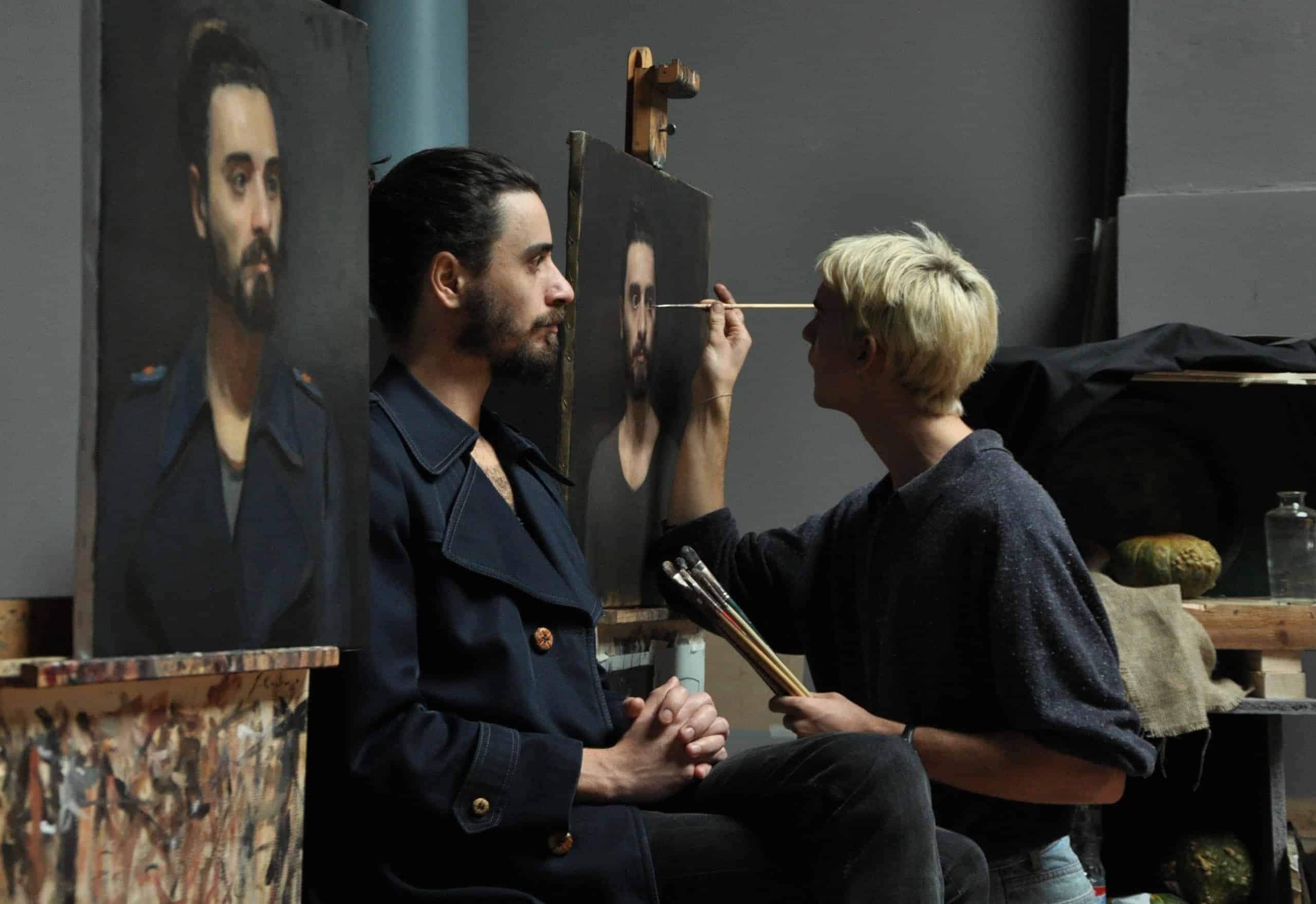
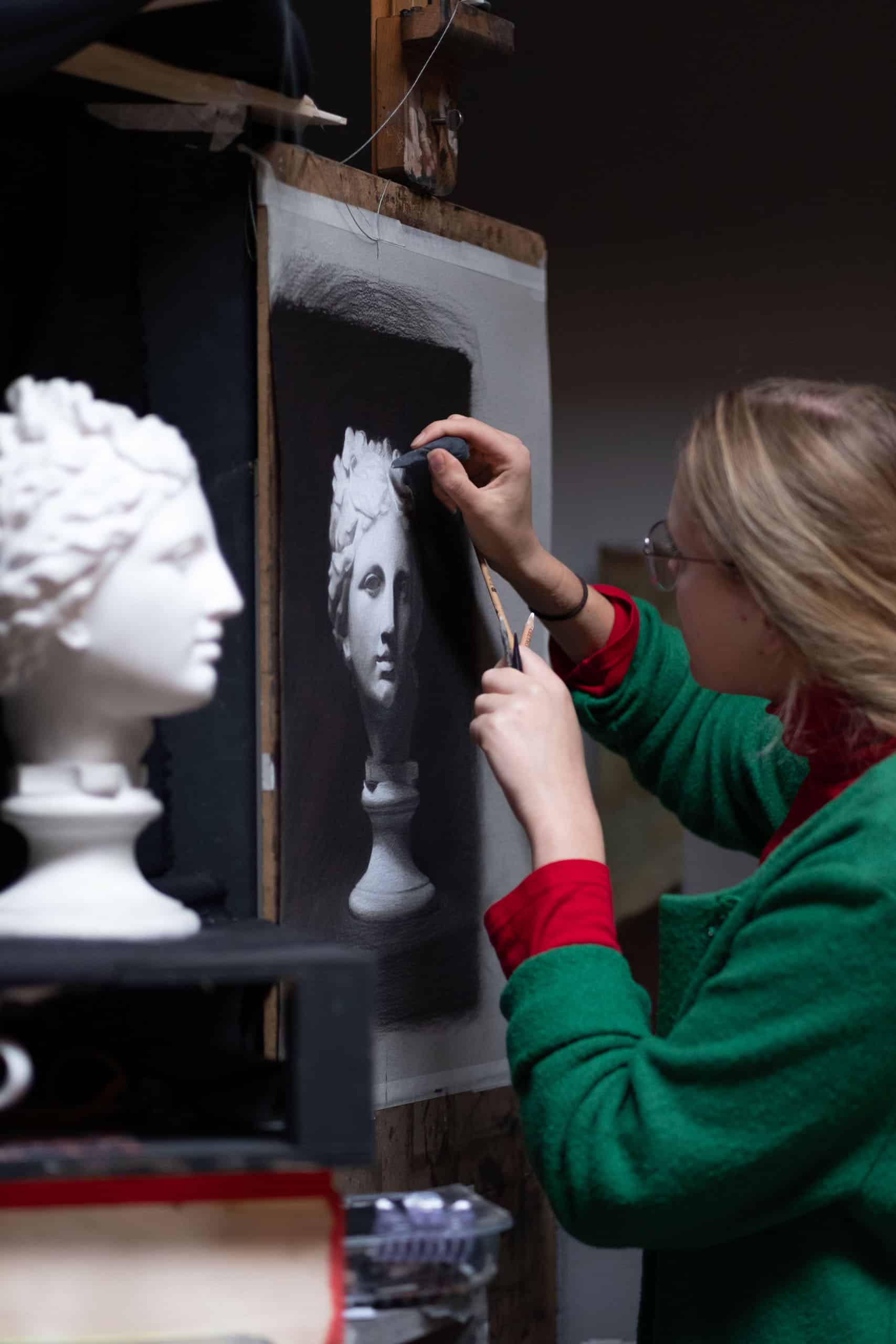
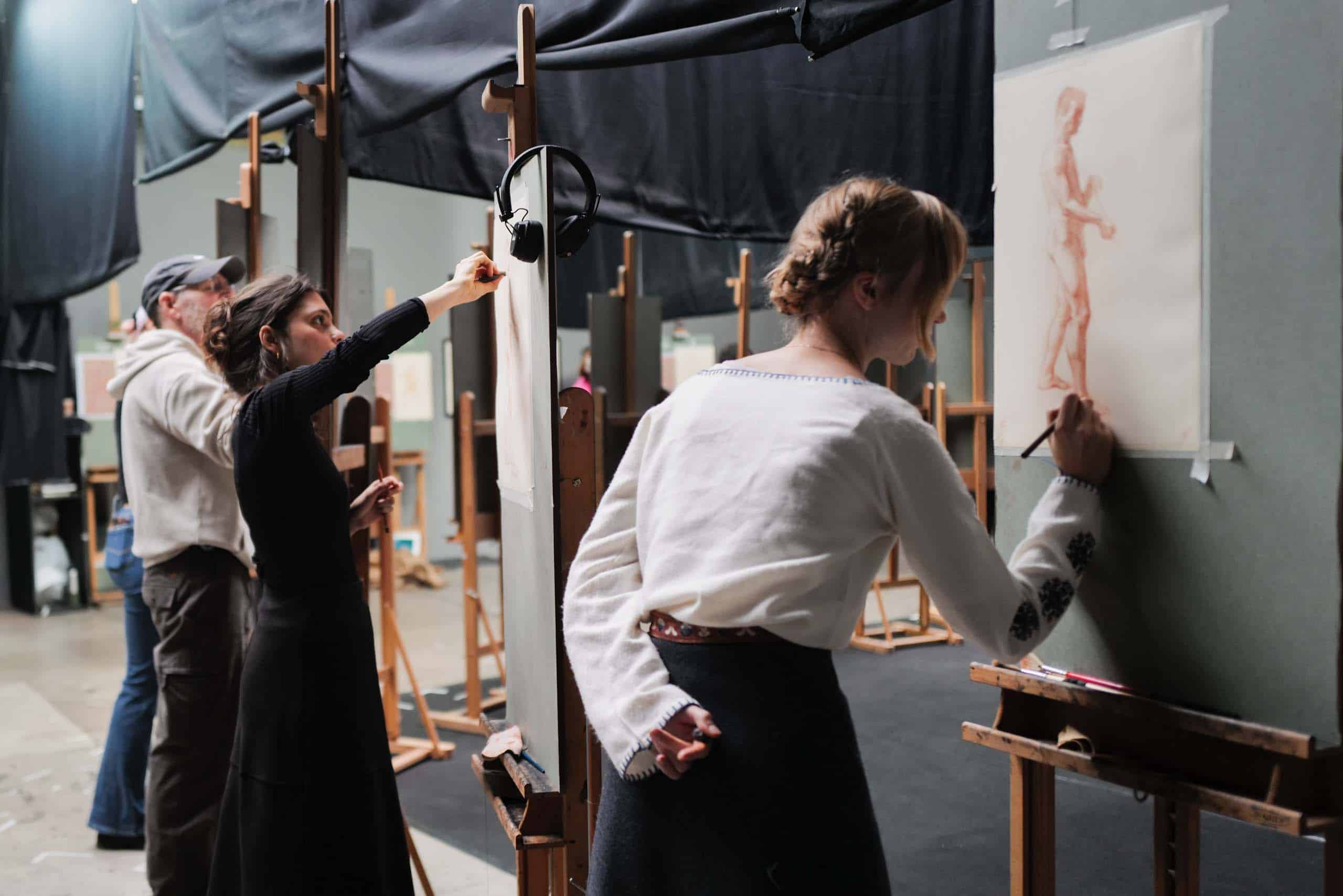
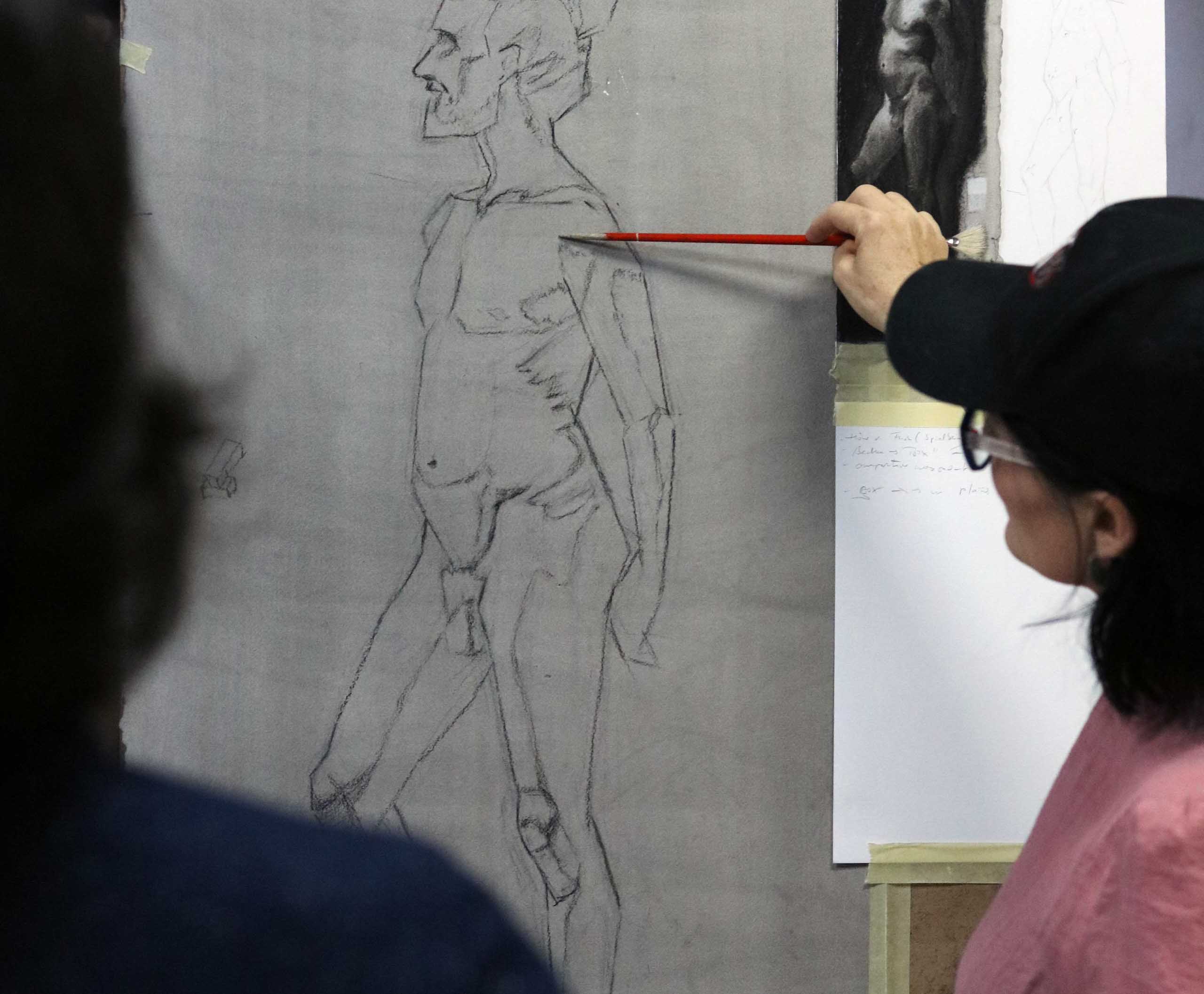
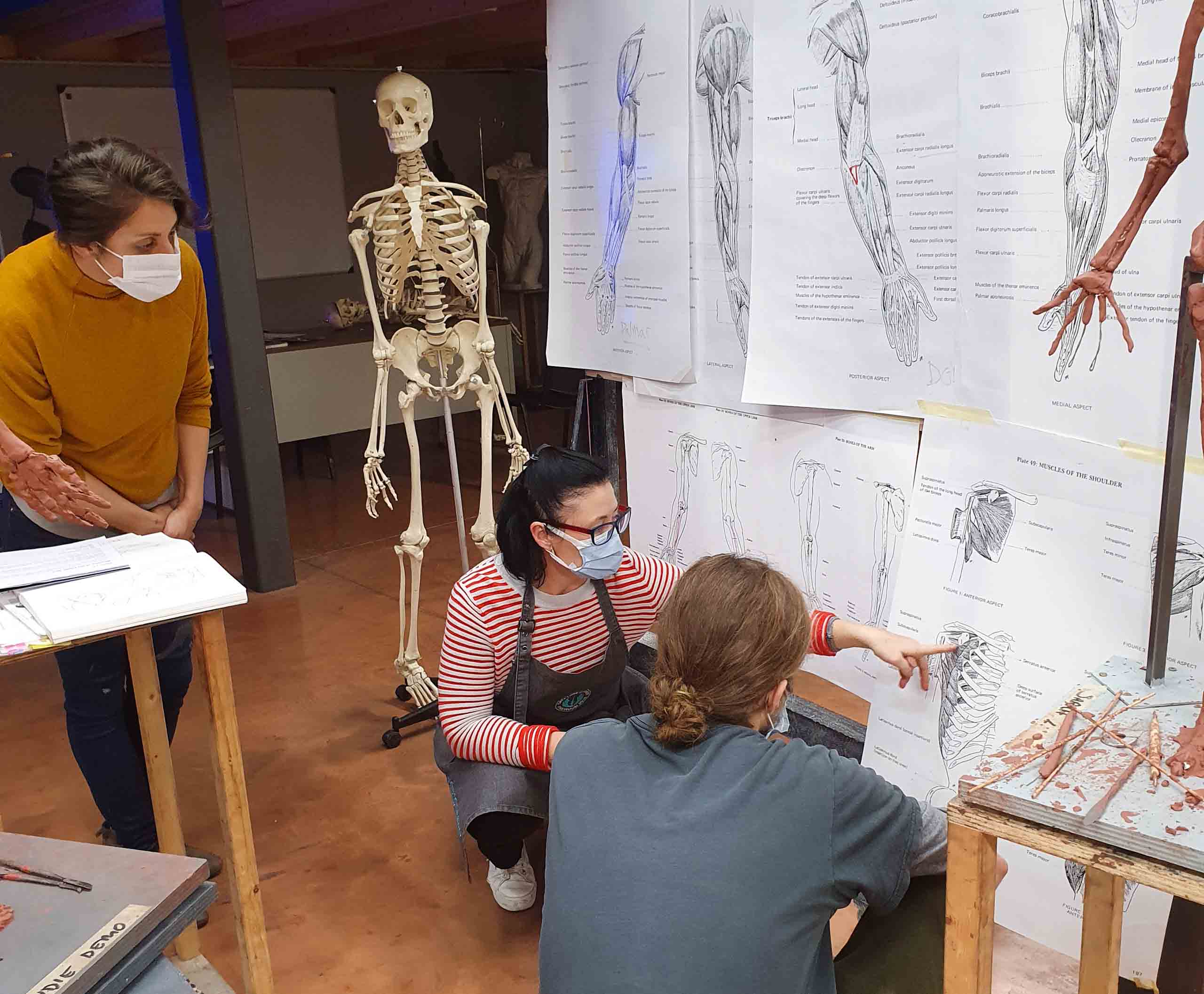
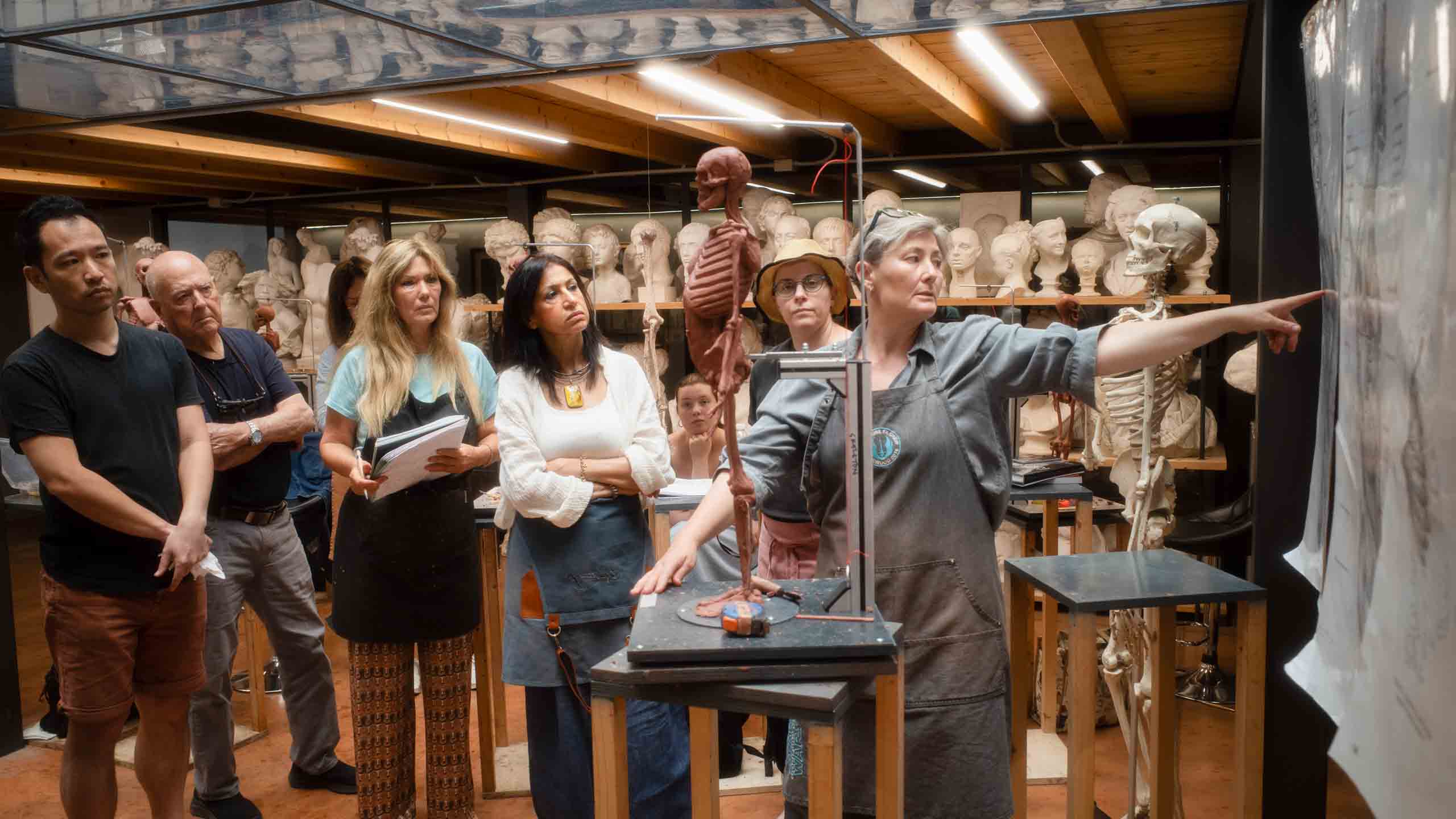
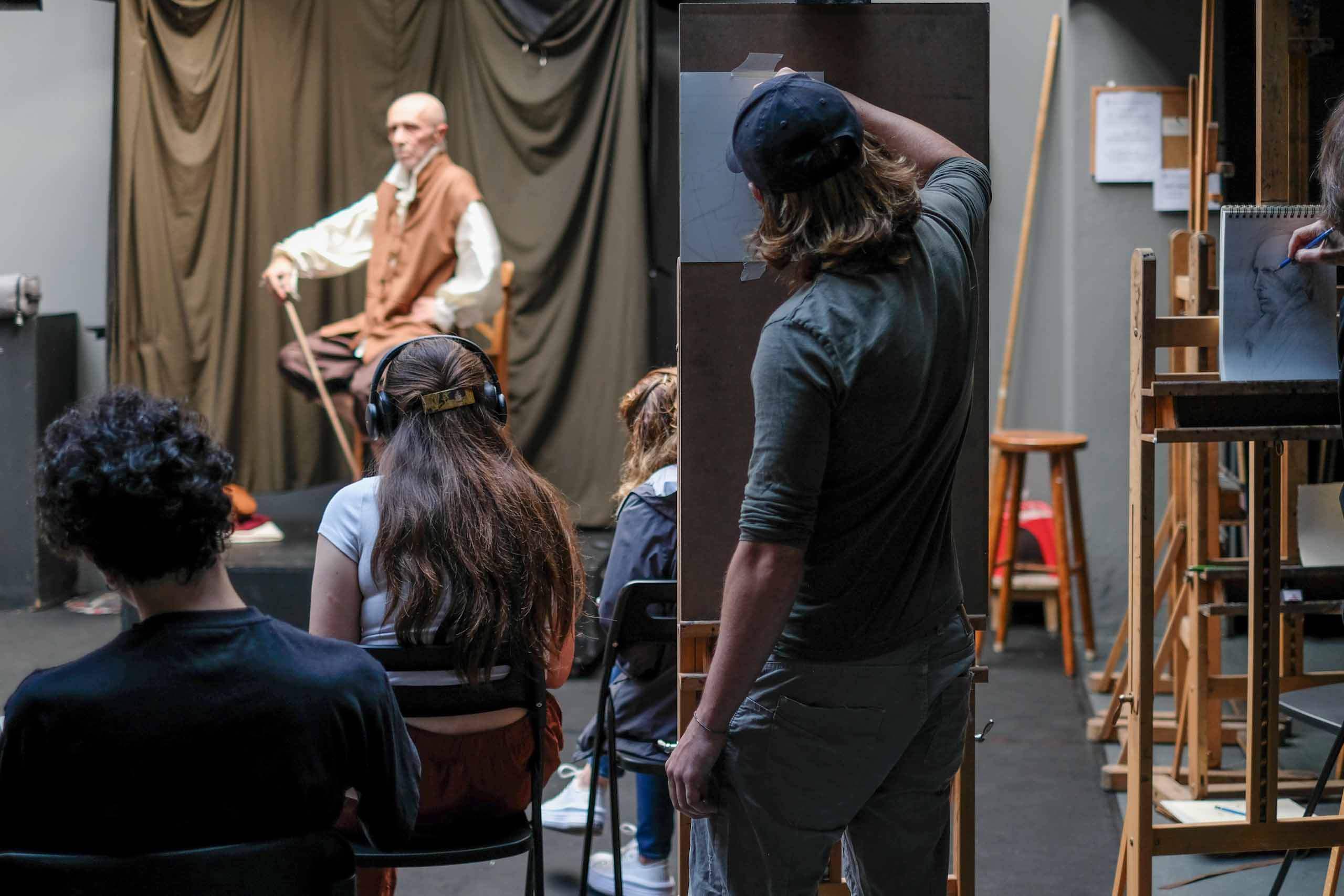
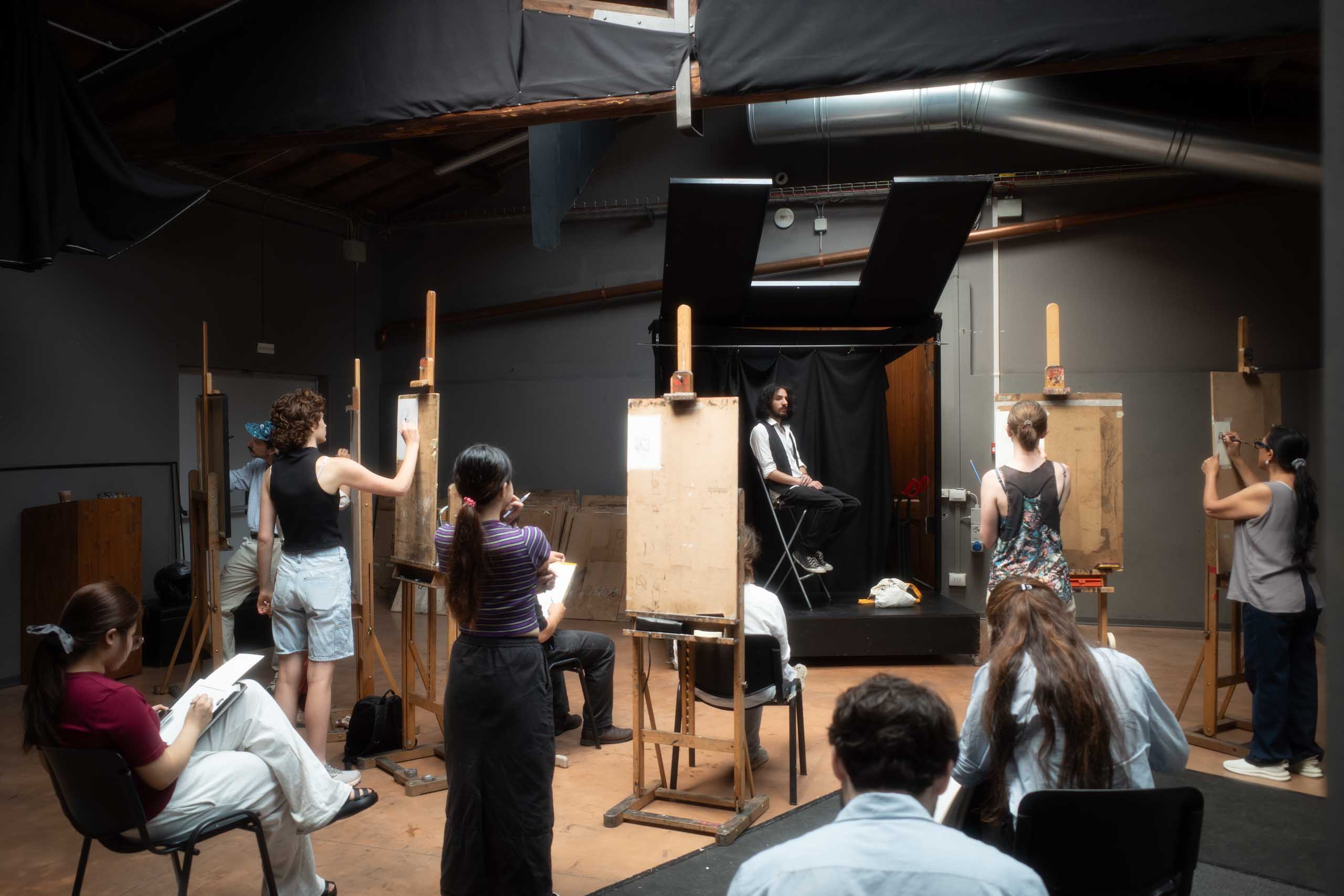
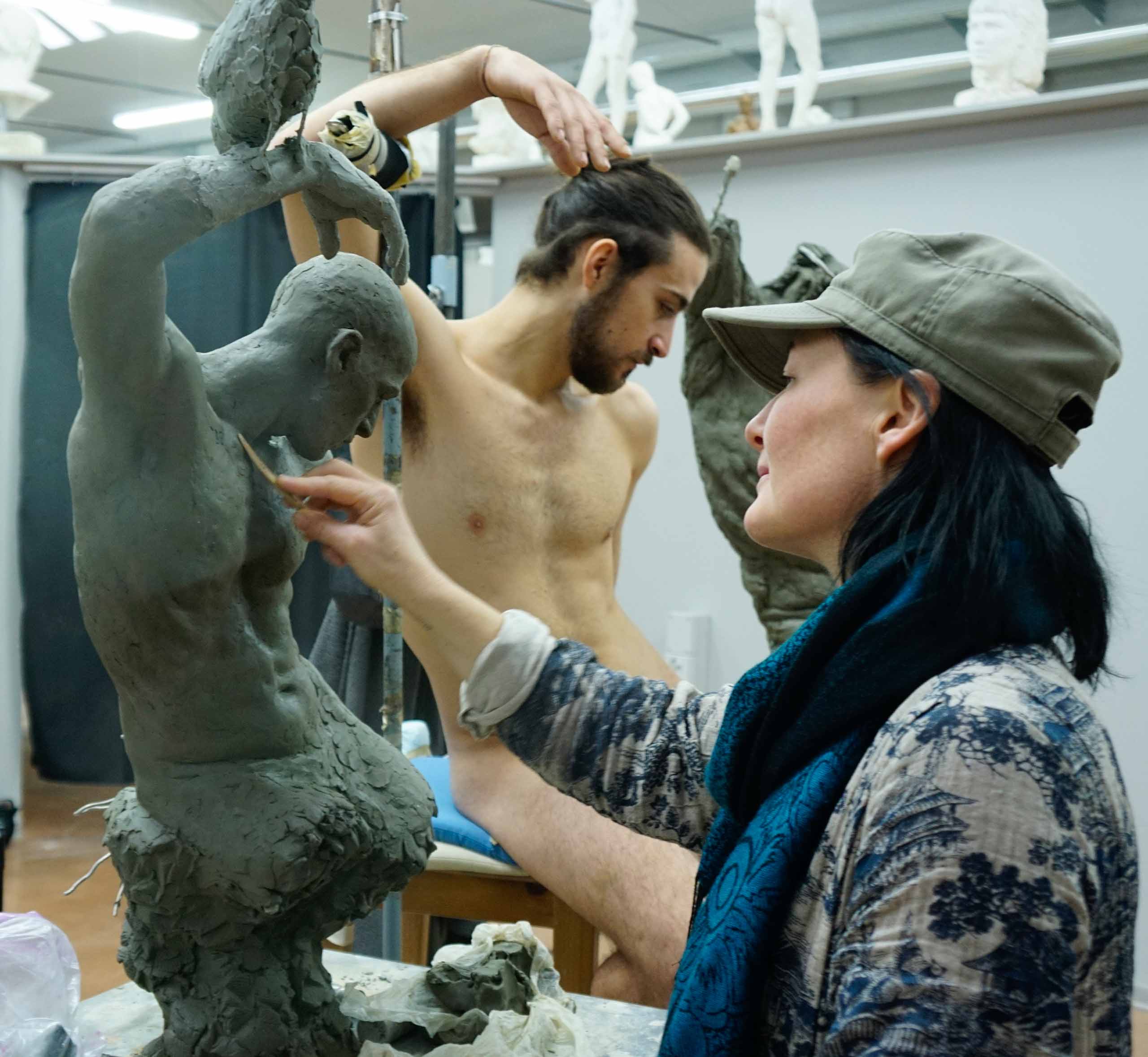
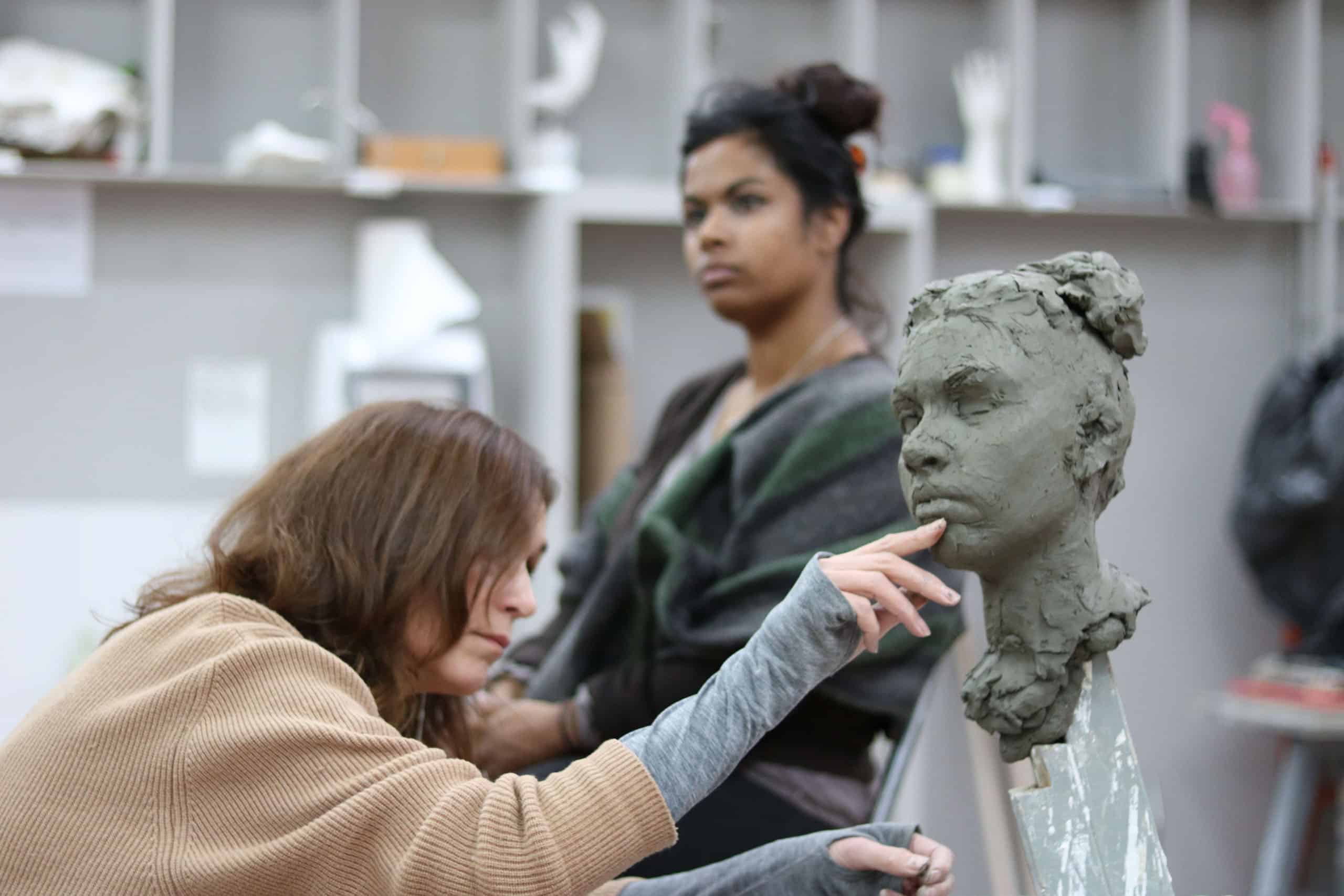
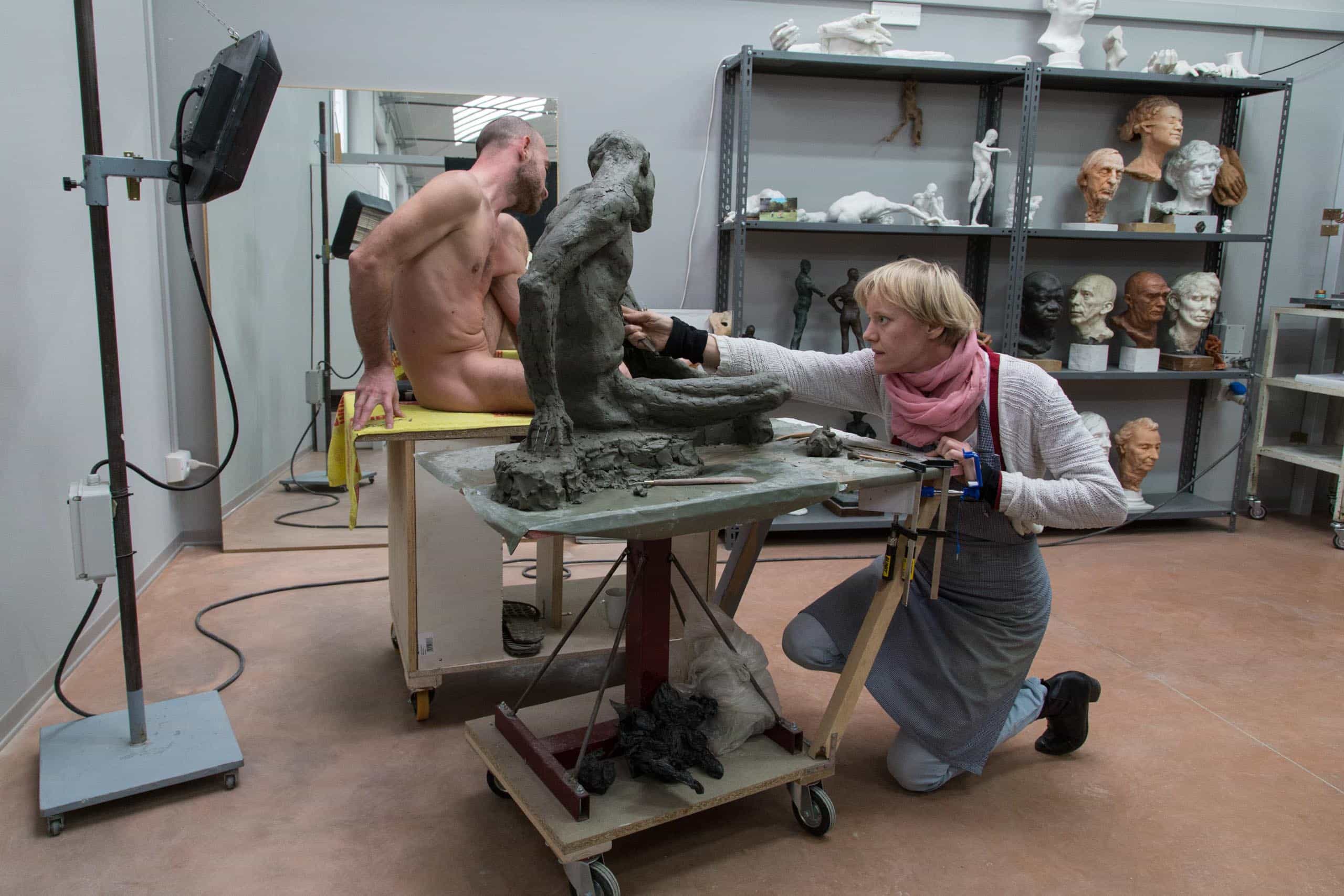
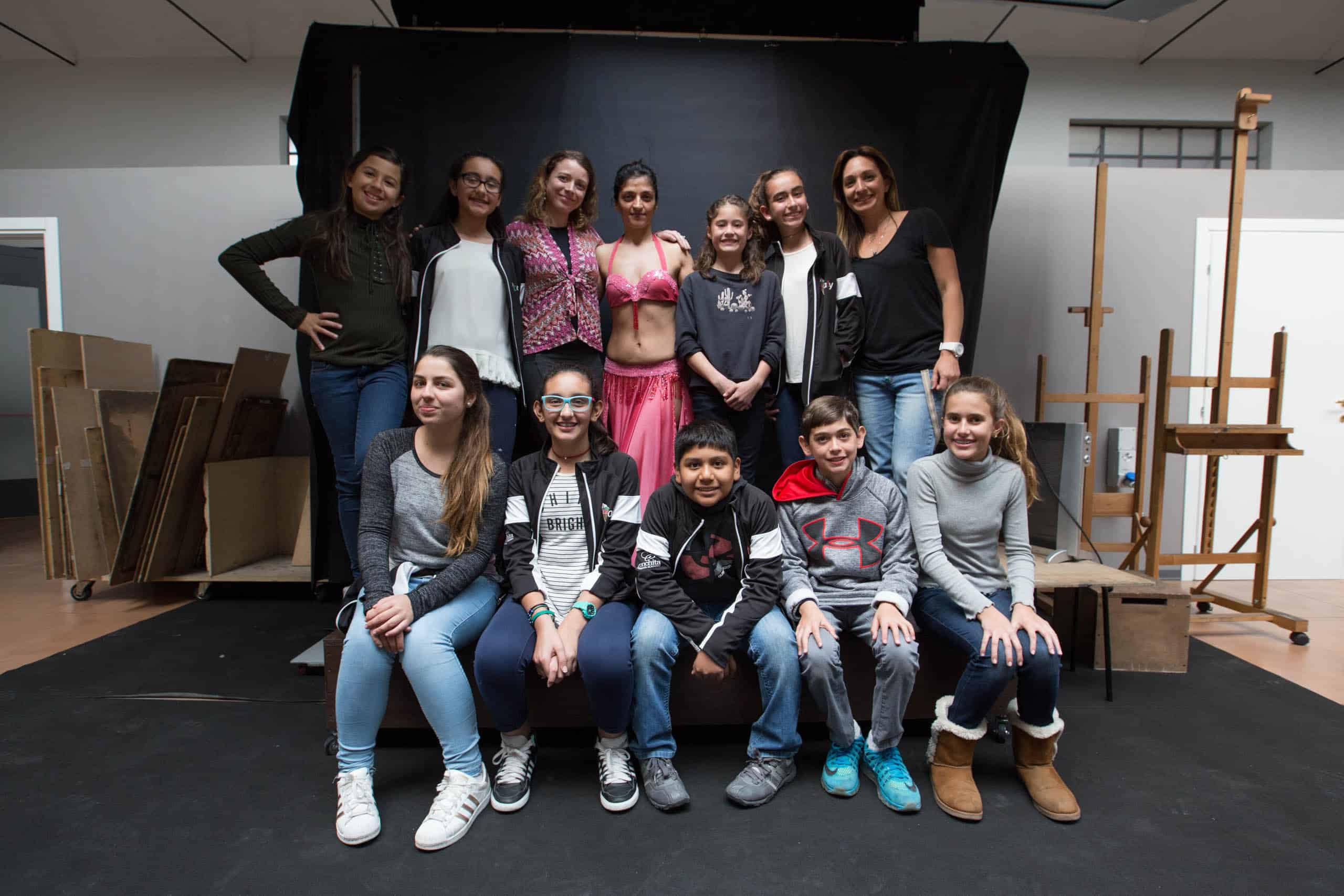
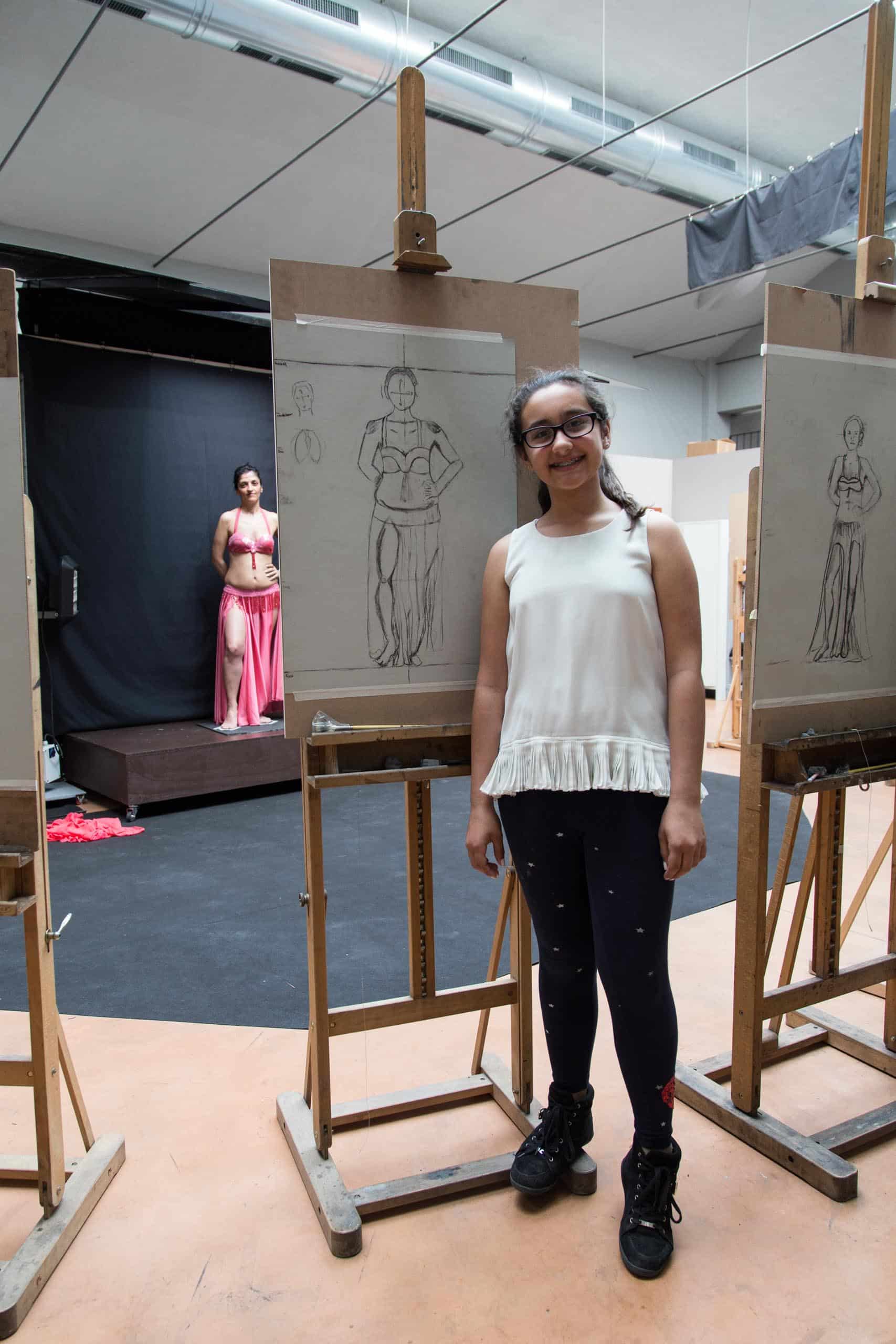
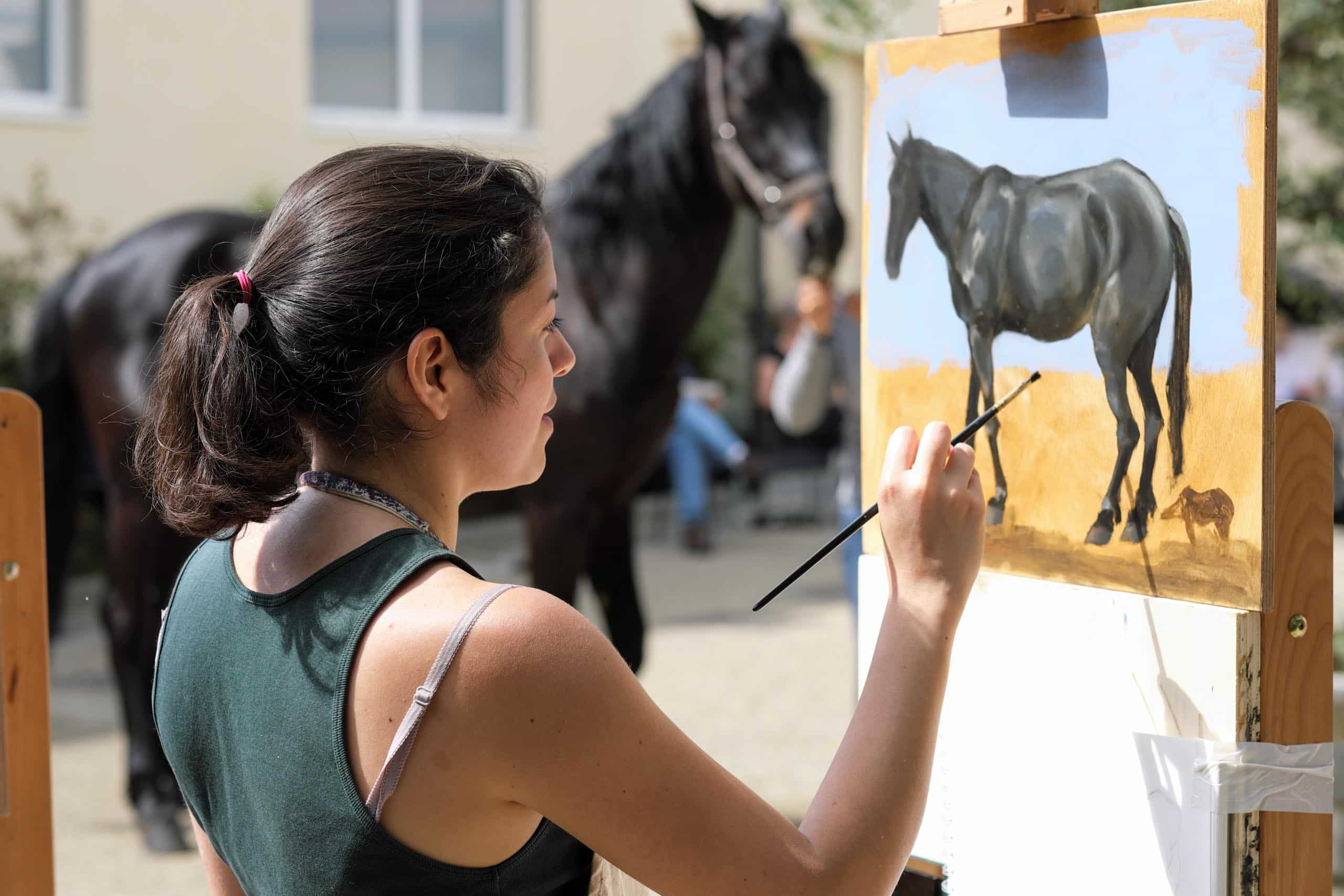
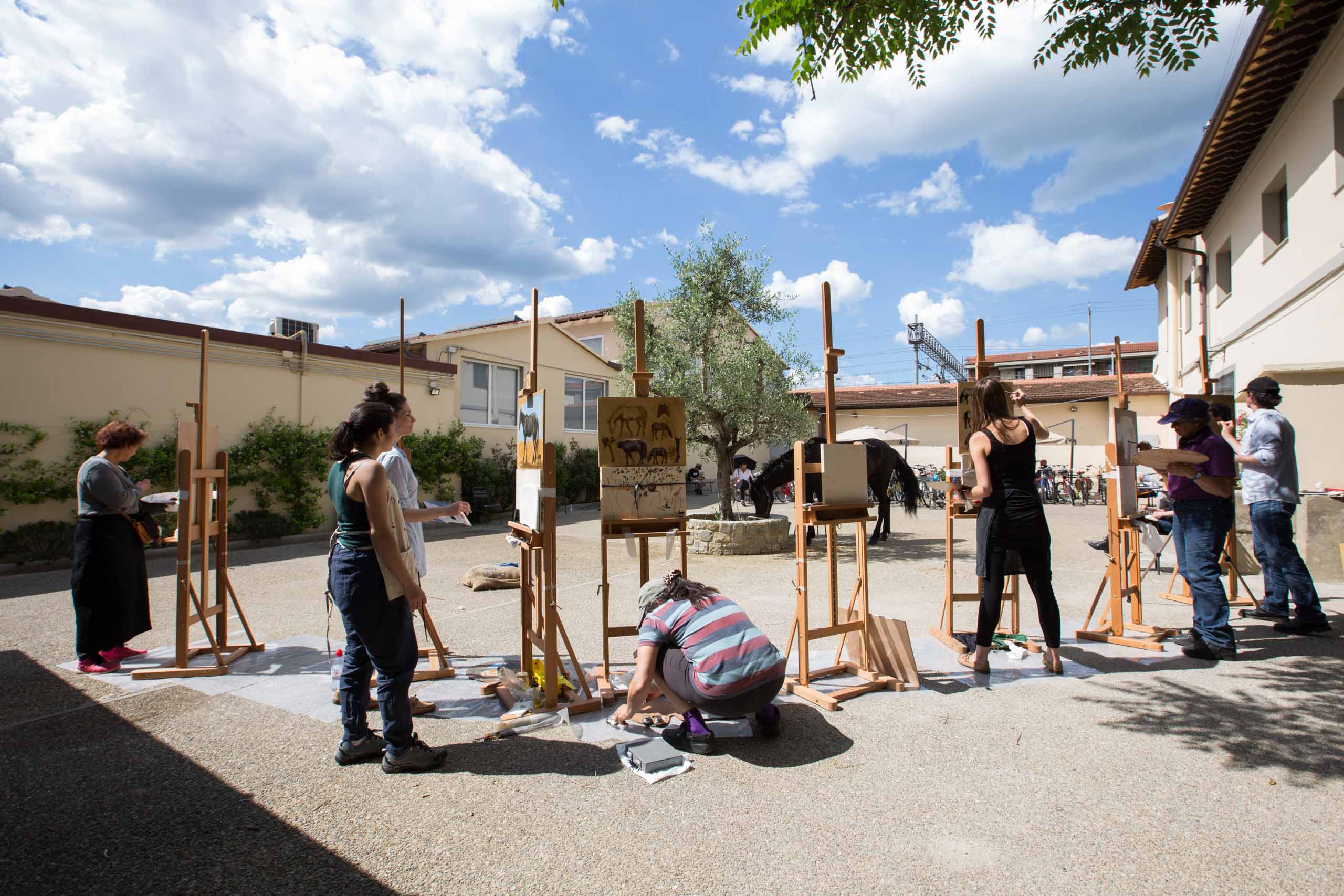
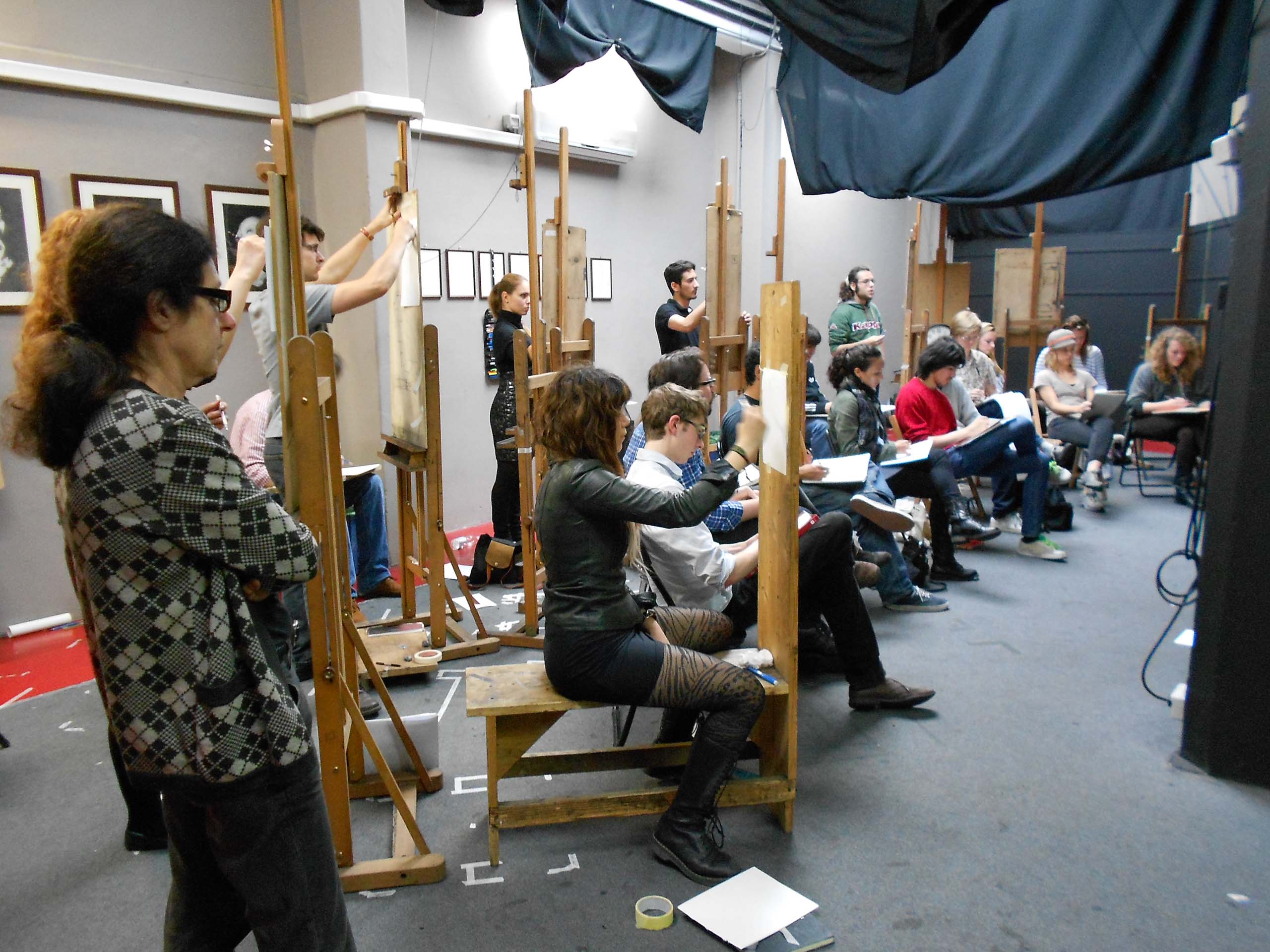
Working from life is at the heart of the FAA experience. Students can spend up to eight hours each day drawing, painting, or sculpting directly from live models, developing their skills through sustained, focused observation. The academy offers an exceptional number of hours with models, far exceeding what is typical in most art programs. Every evening of the week from Monday through Thursday, students can elect to attend extra evening drawing classes, where a model will pose for two hours. Anatomy lectures are taught with a live model present, so that students can immediately connect theoretical knowledge with their study of the living form. This means that in one week, students may work from life for up to 38 hours if they so choose. The cornerstone of every program here at the FAA is the practice of drawing from life, and each student’s learning is strengthened by their continued observations of nature. We pride ourselves on the accessibility of the live model as a resource for students at every stage of their education and in every program.
The City as a Classroom
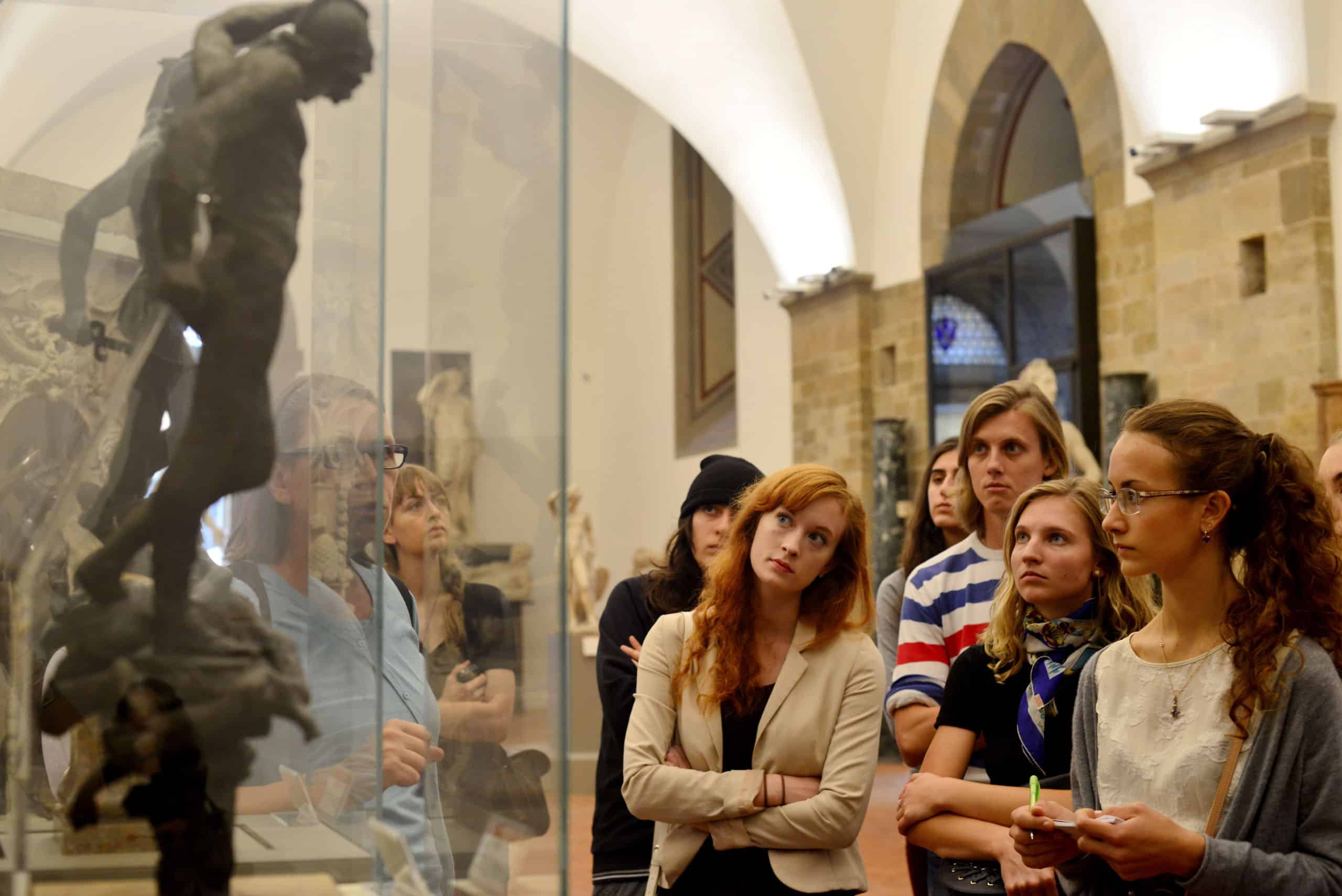
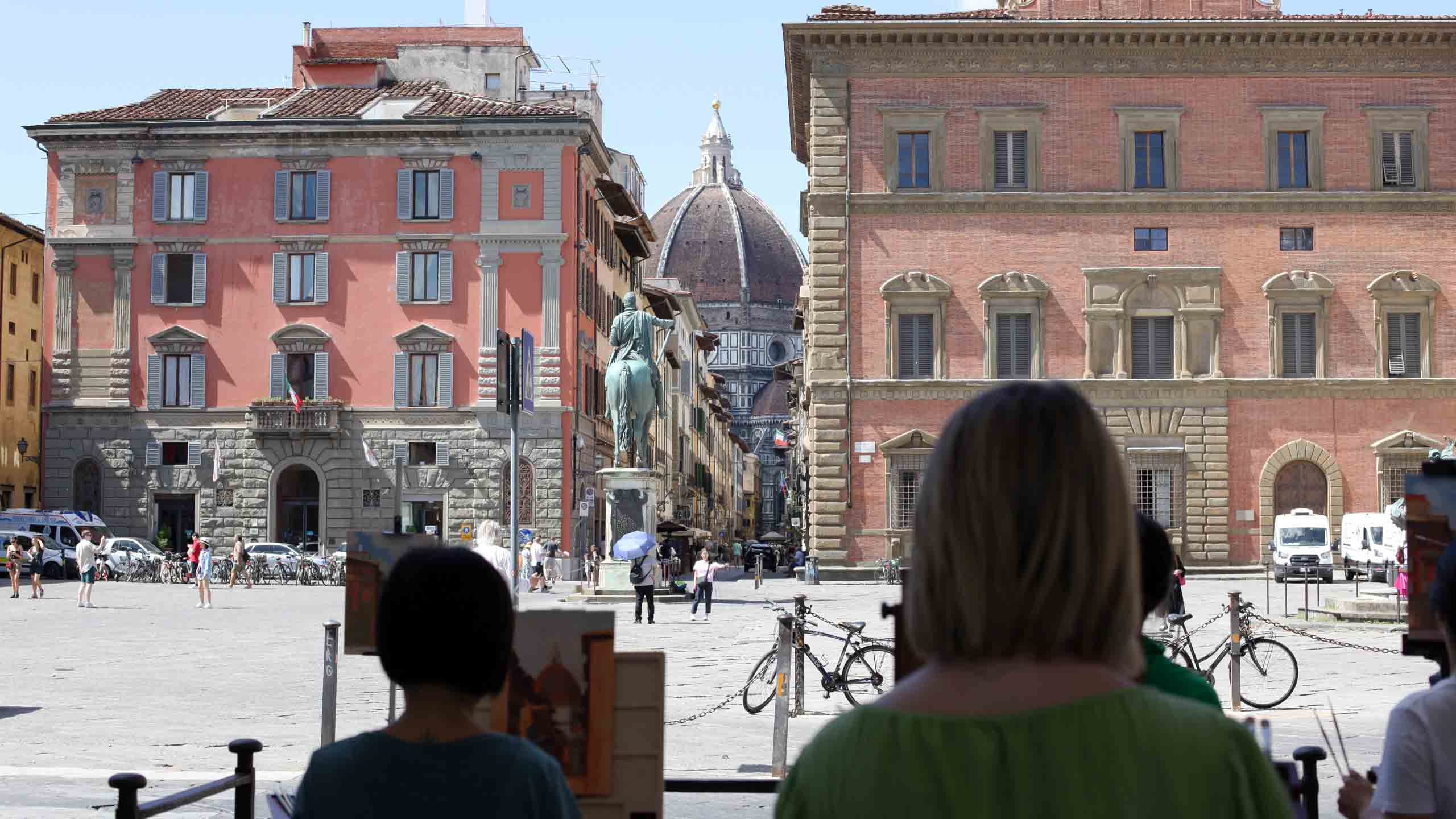
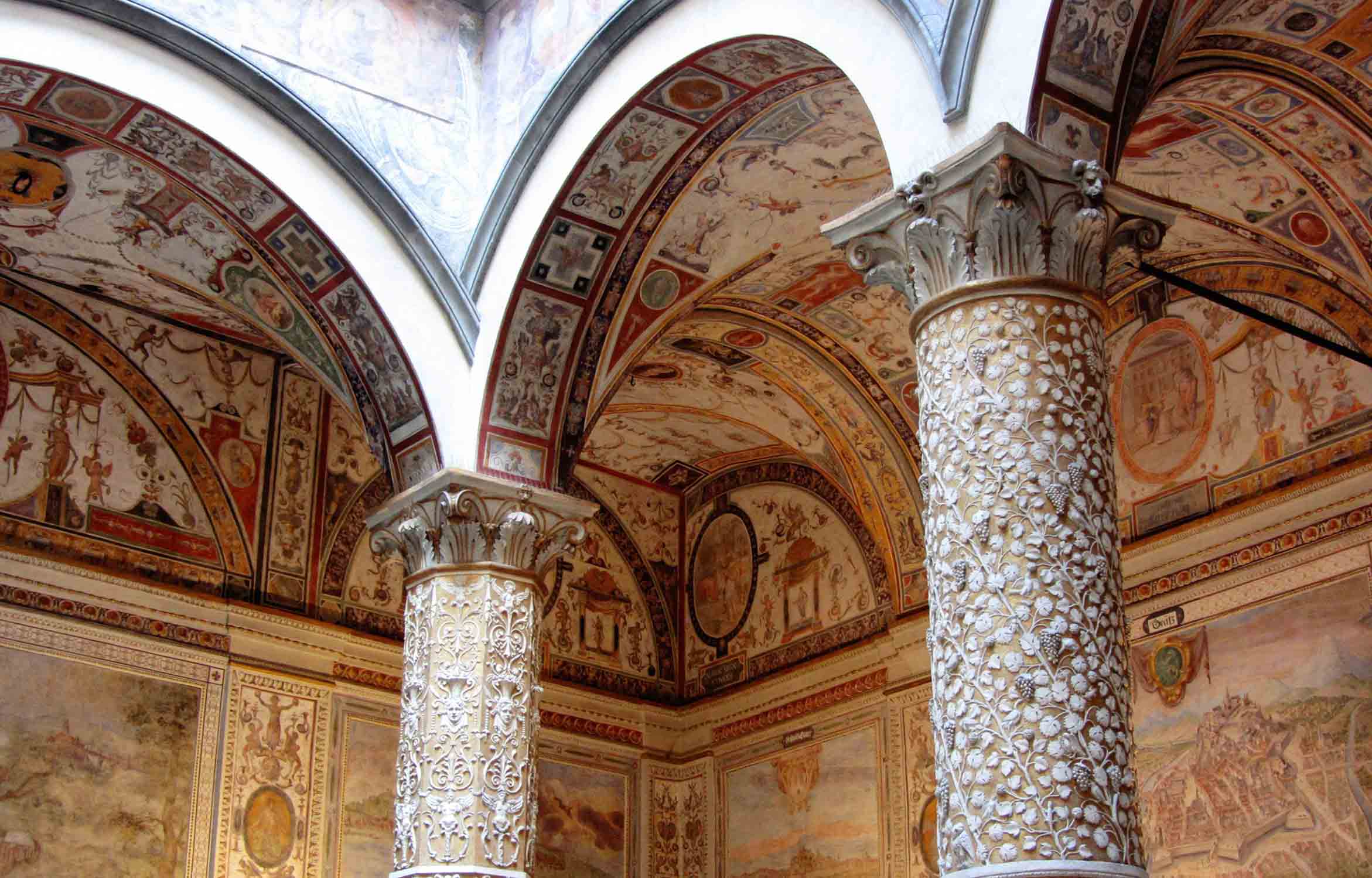
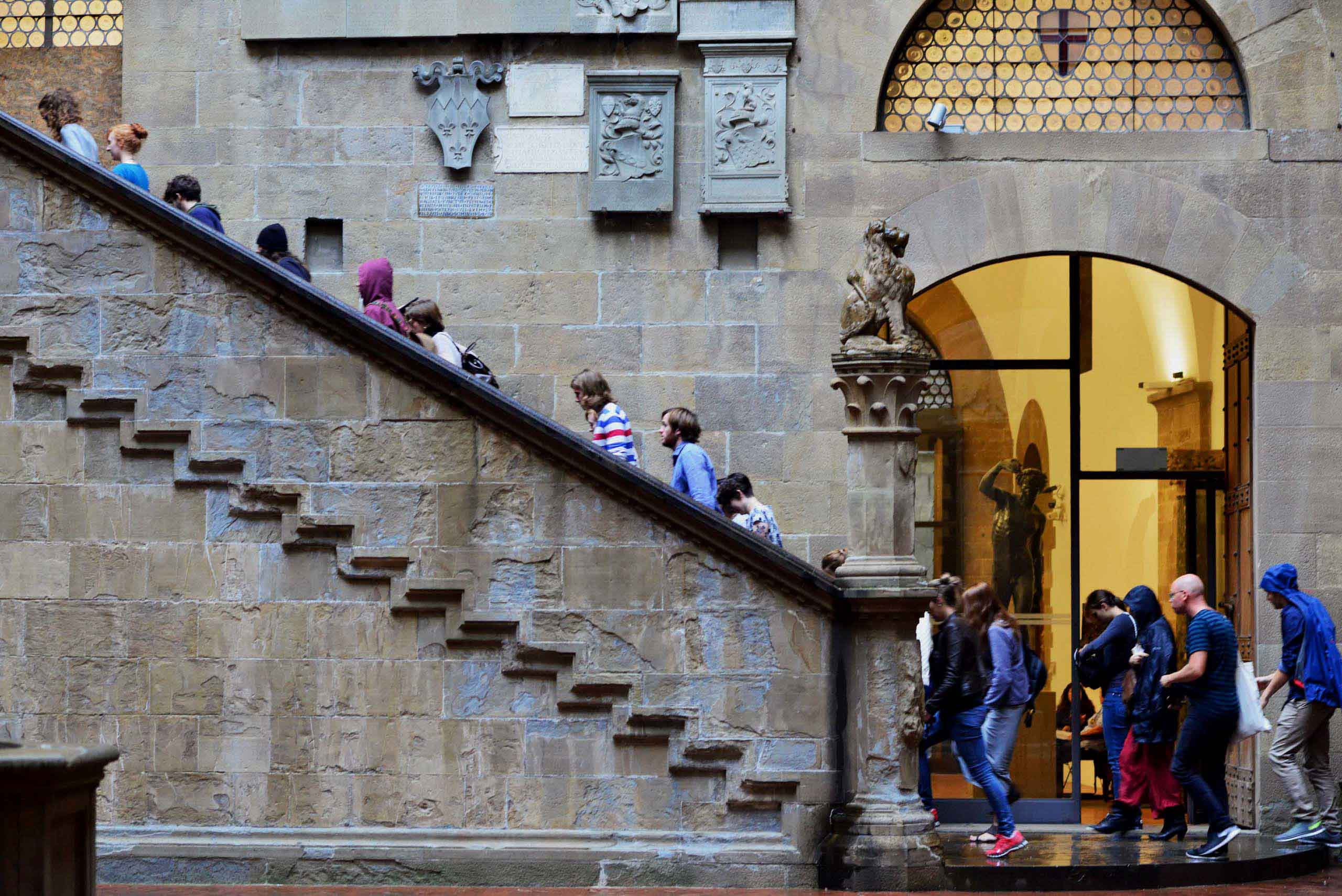
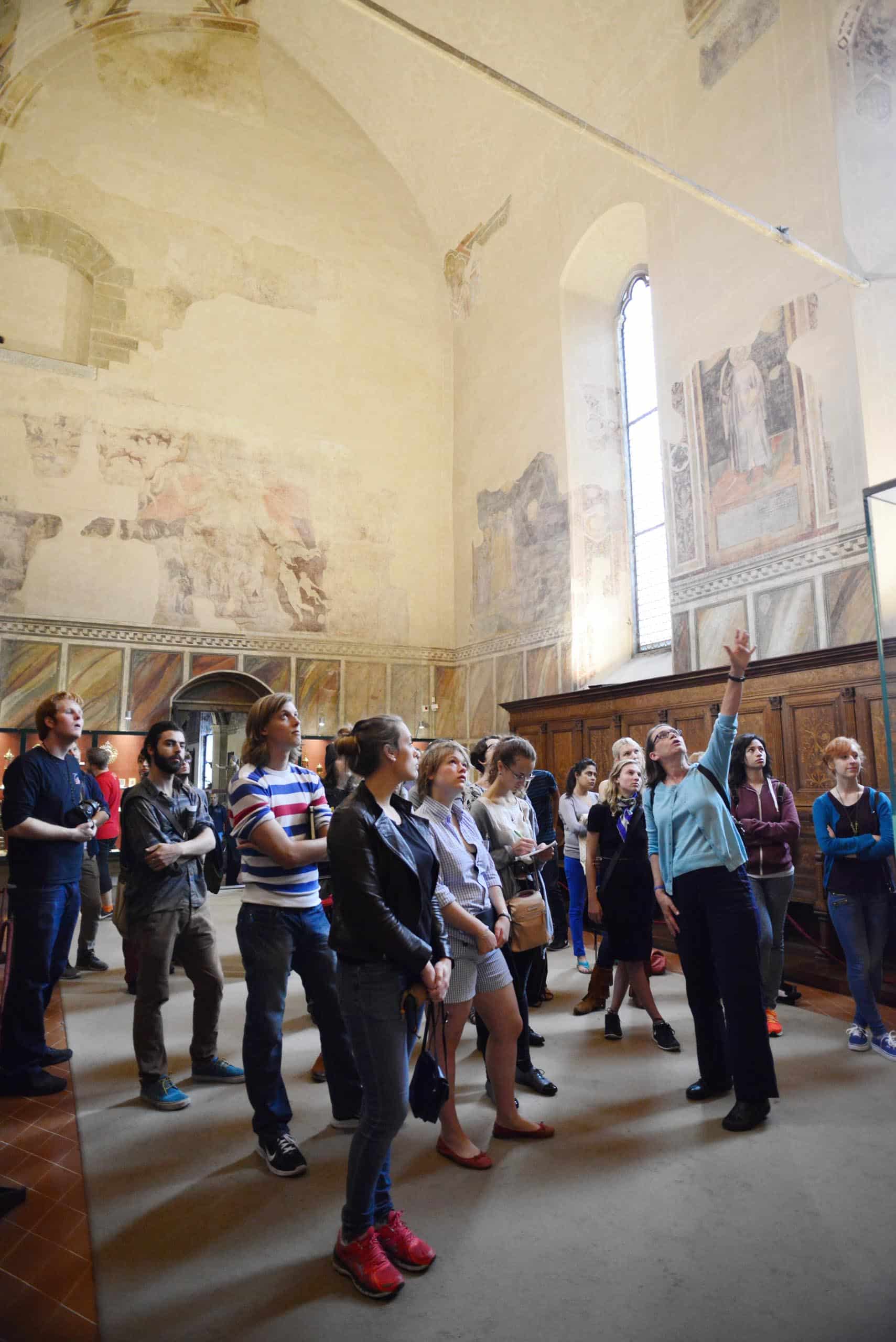
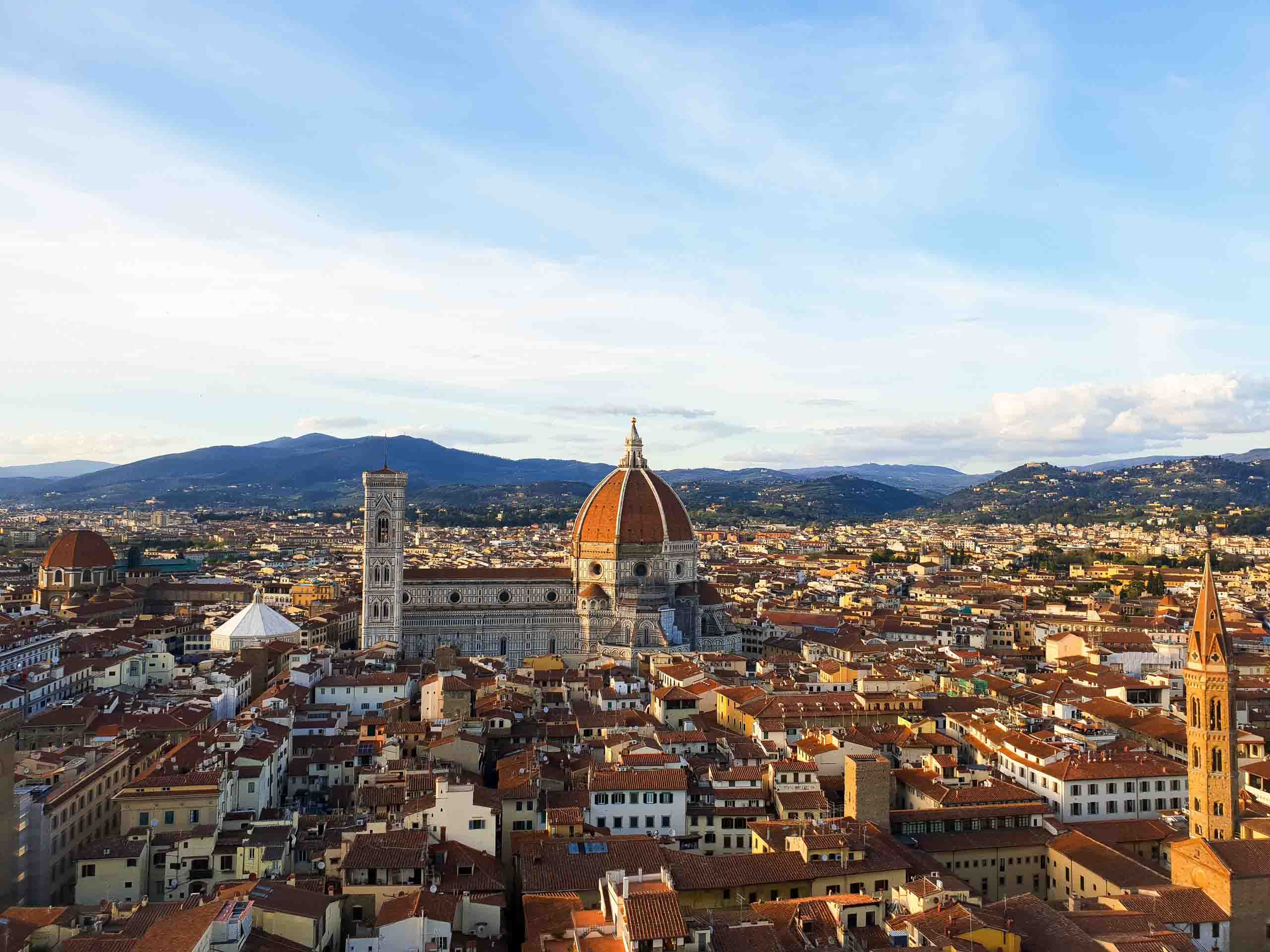
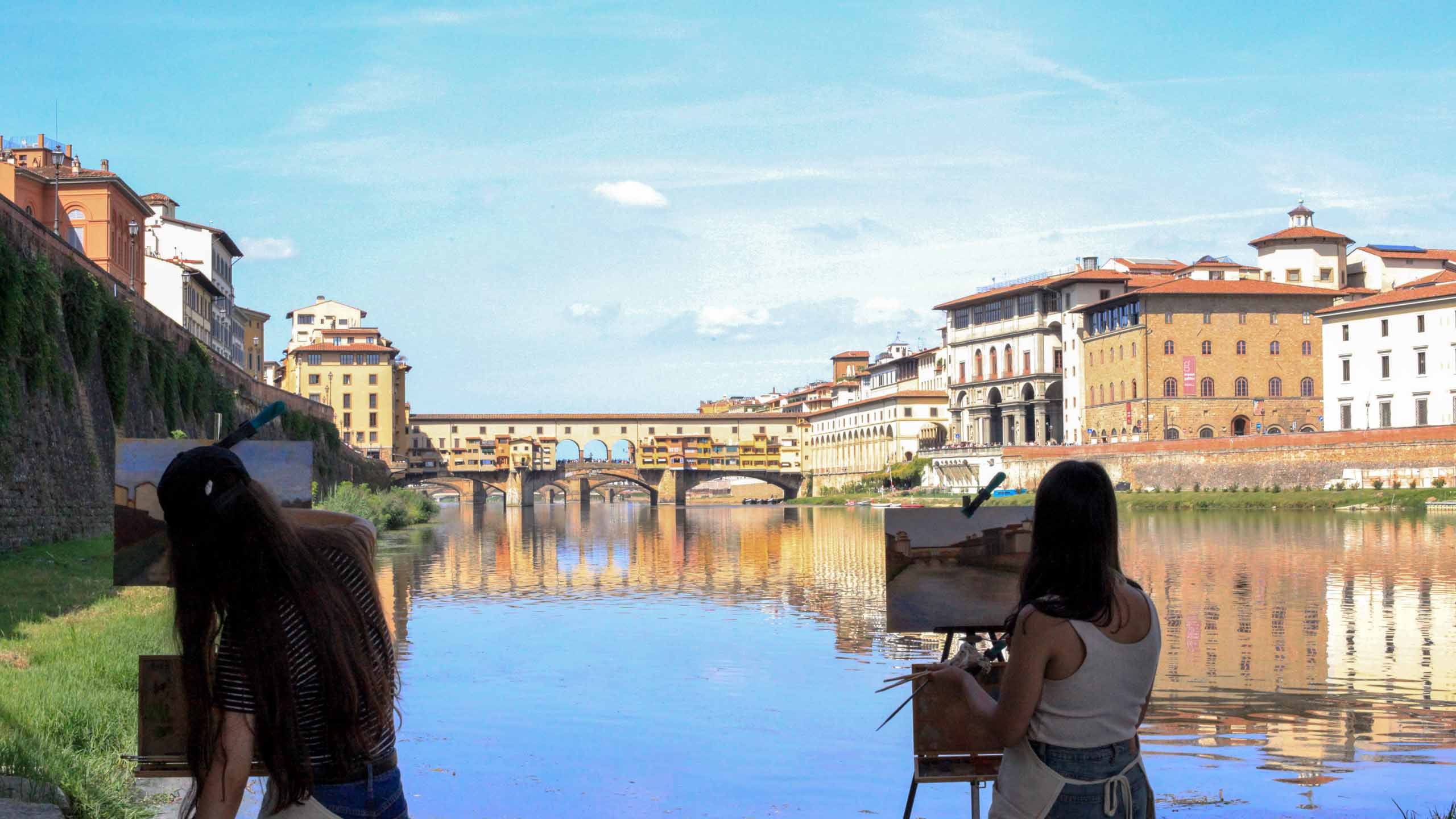
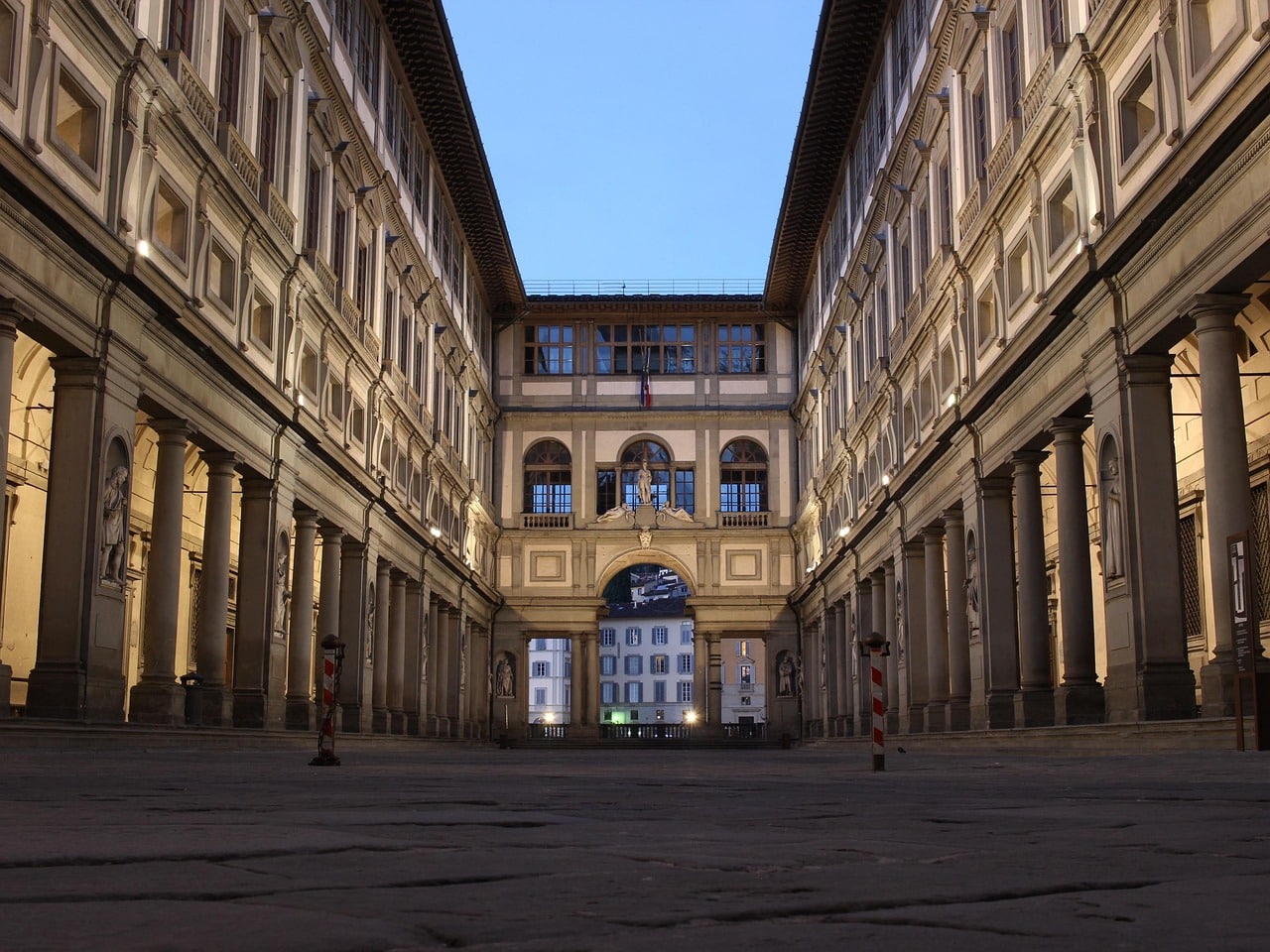
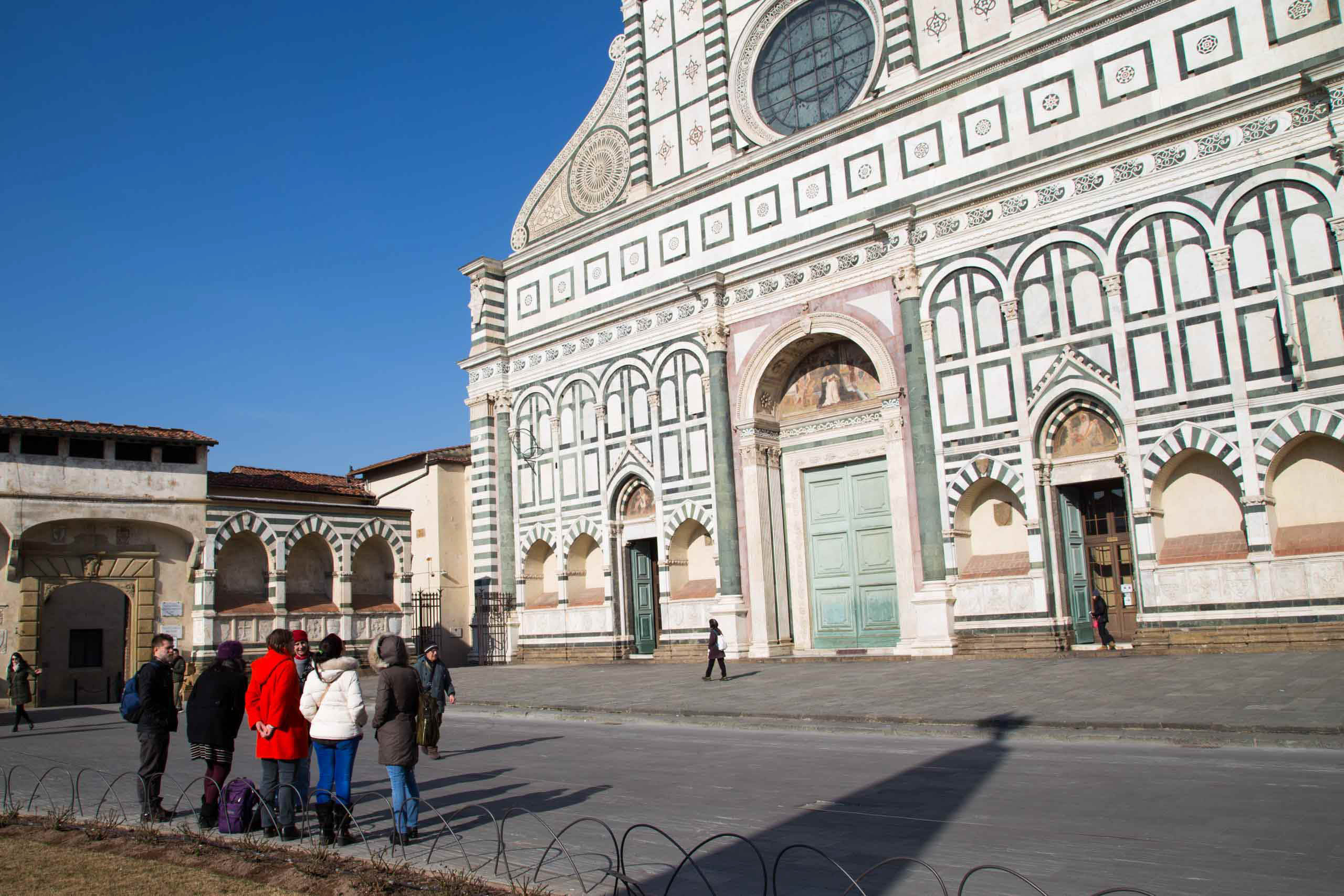
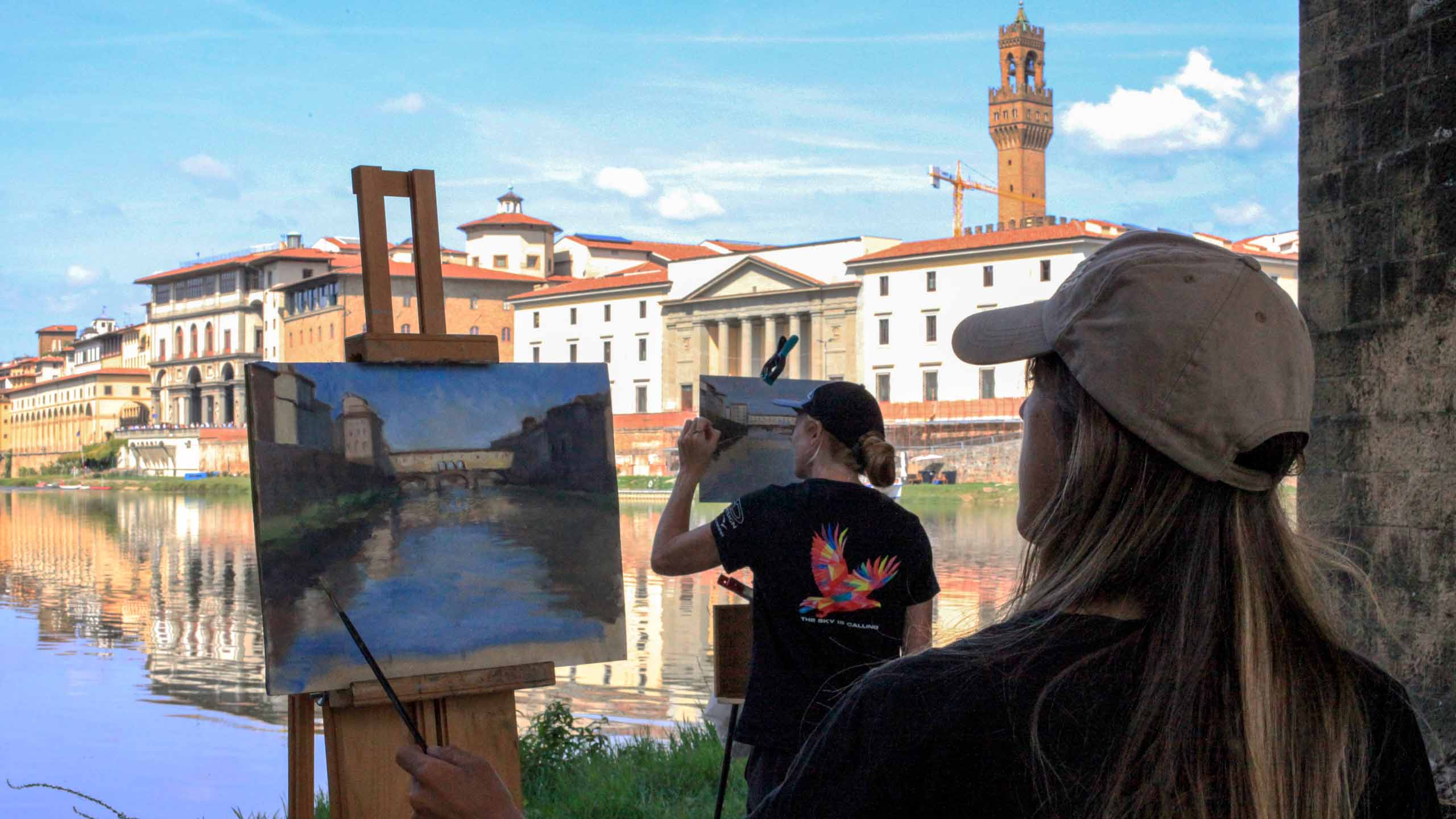
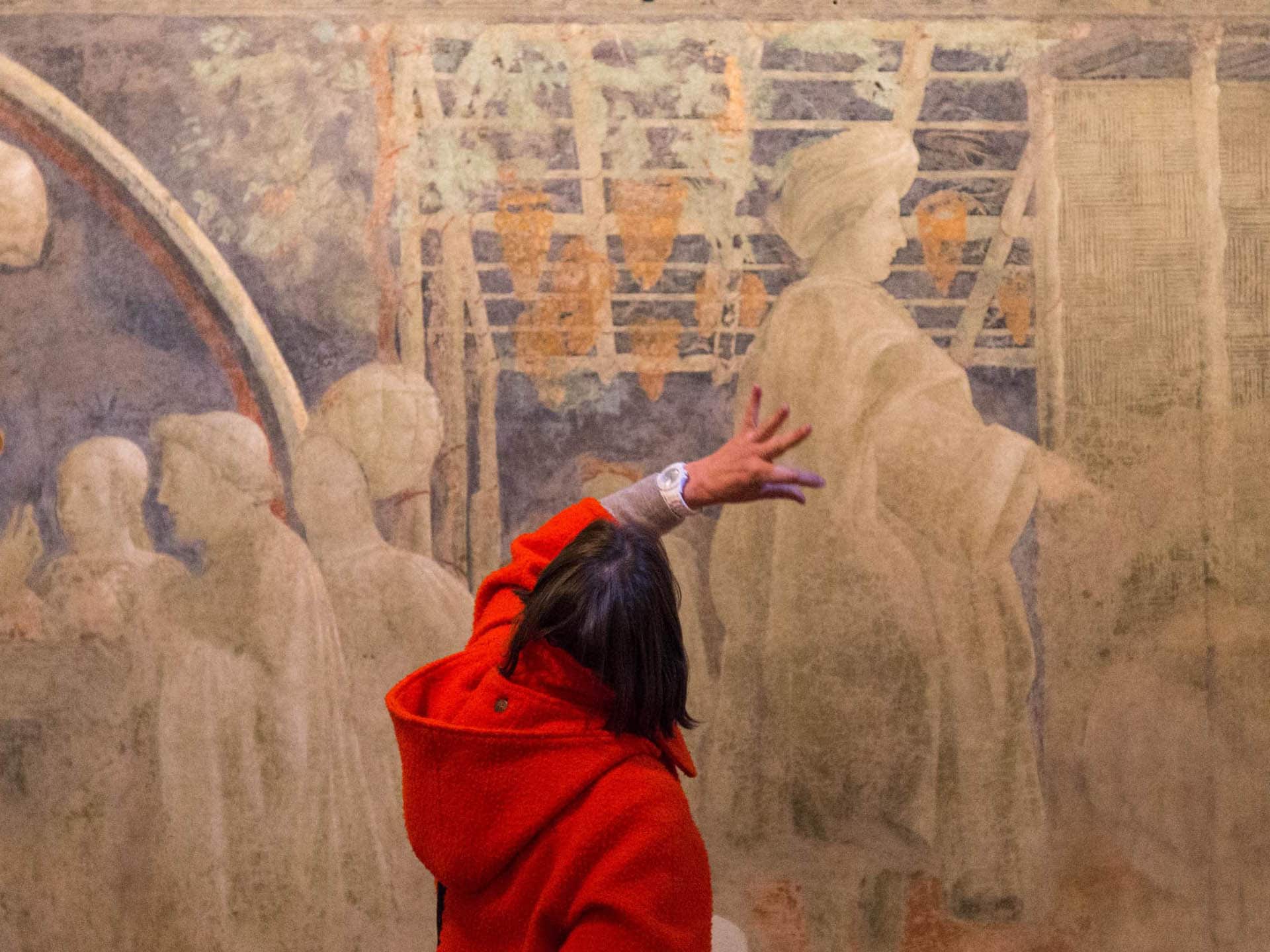
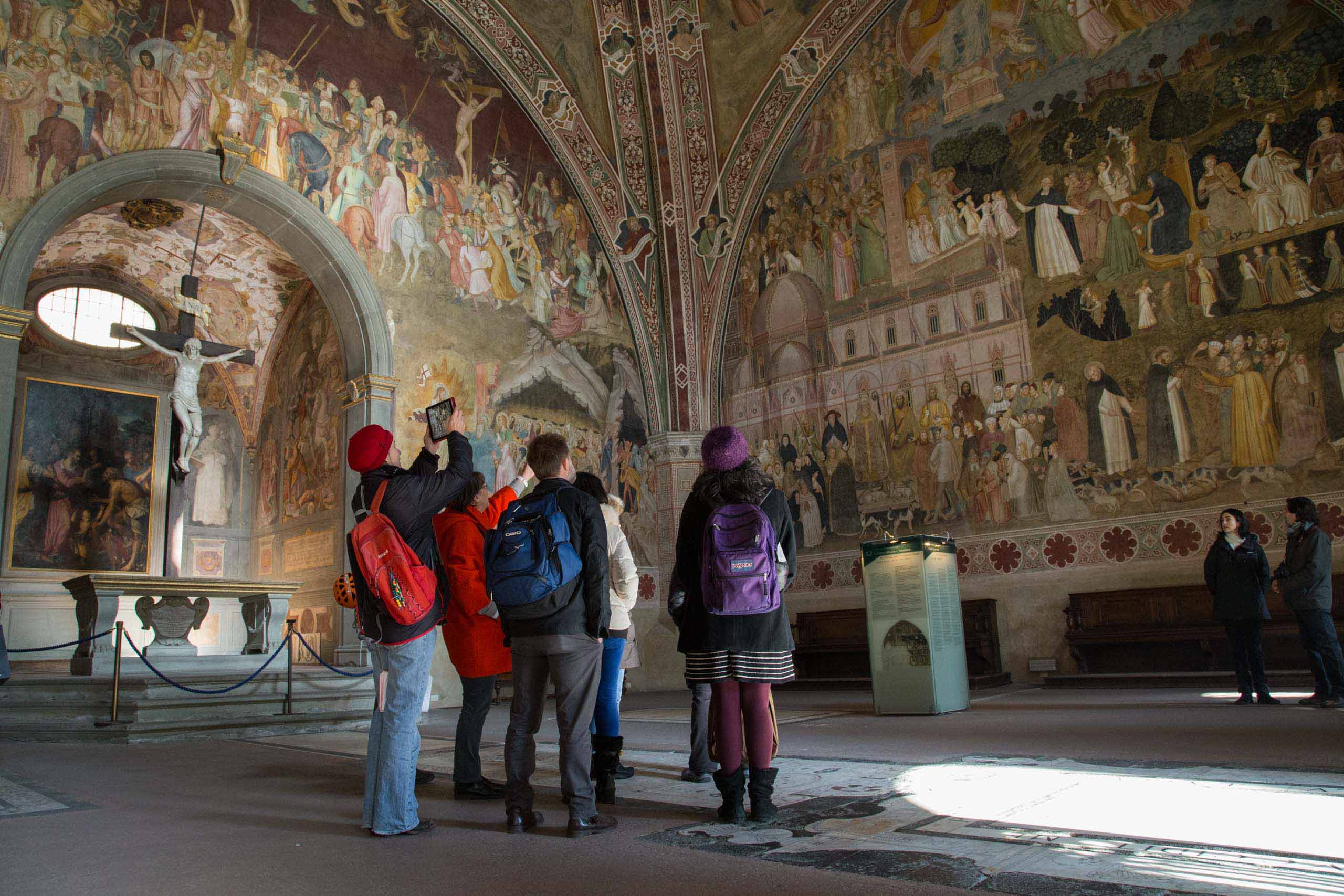
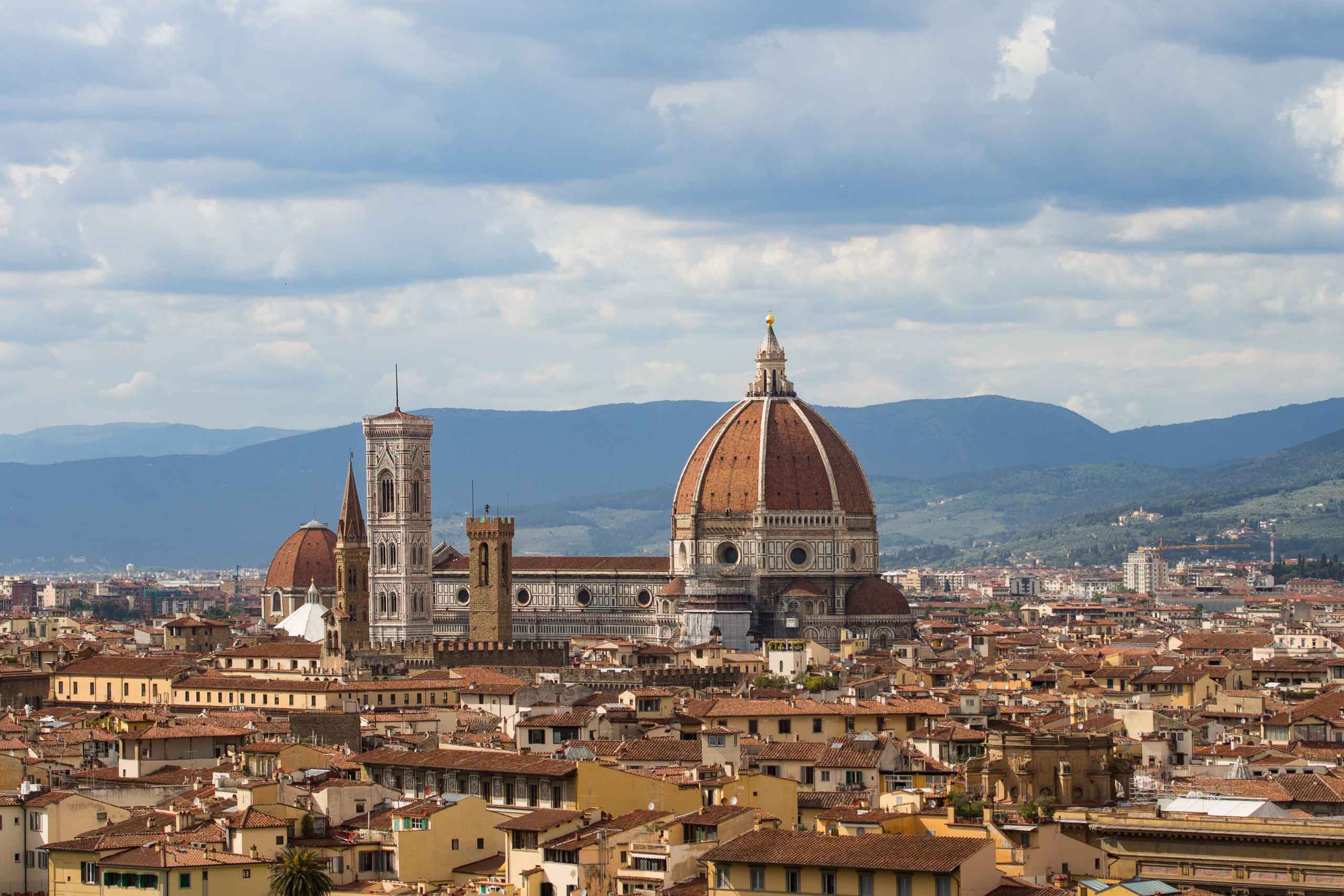
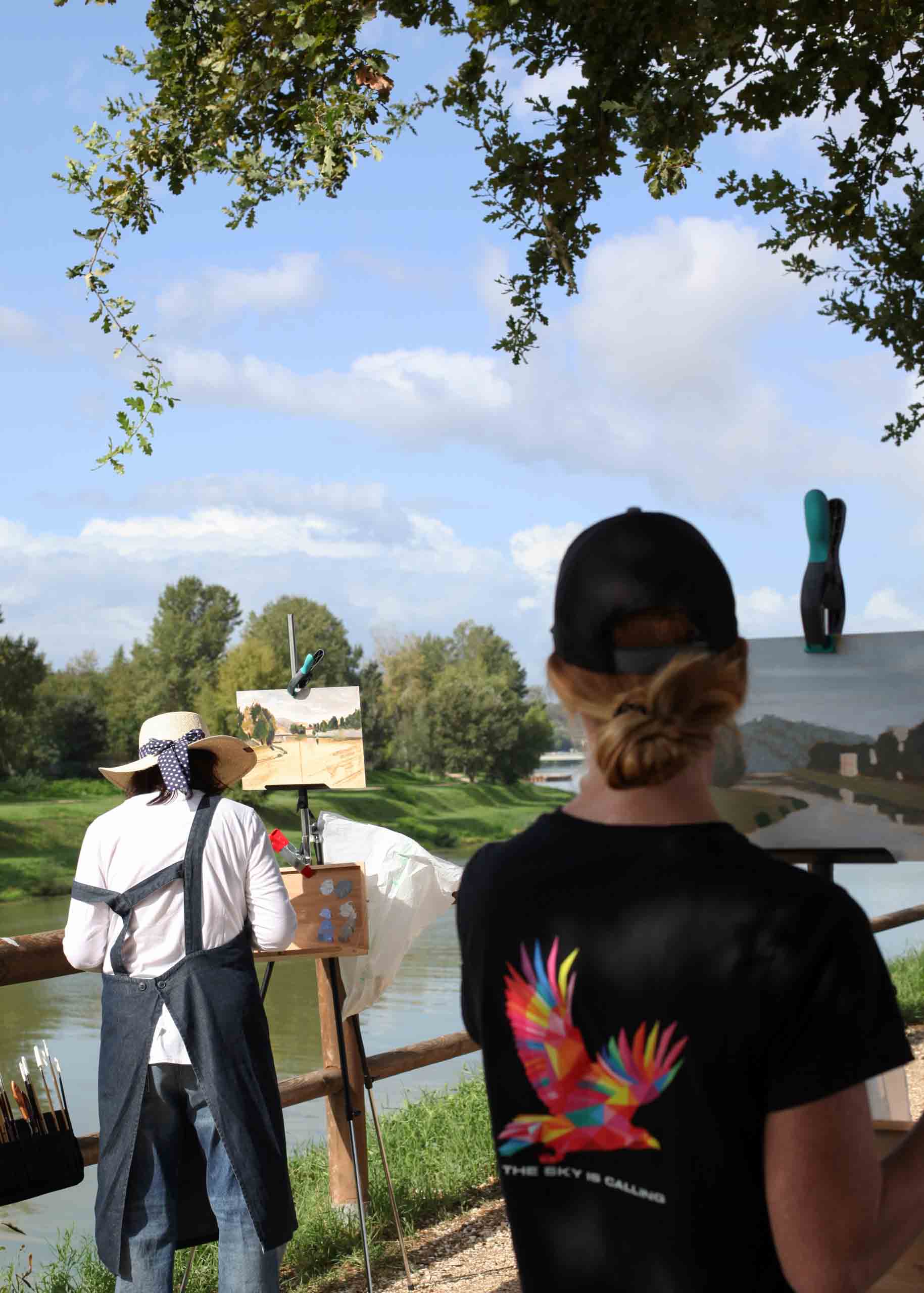
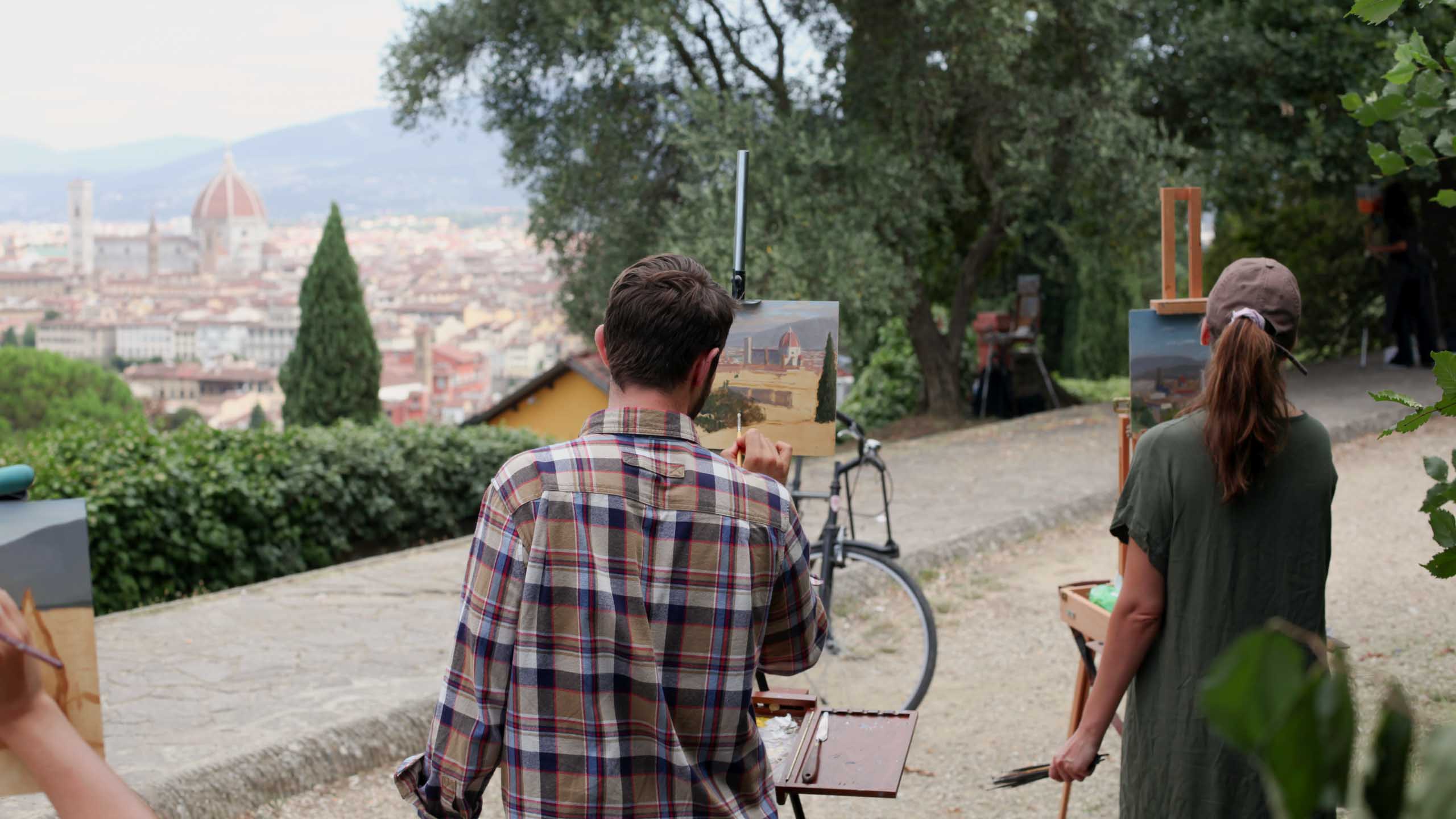
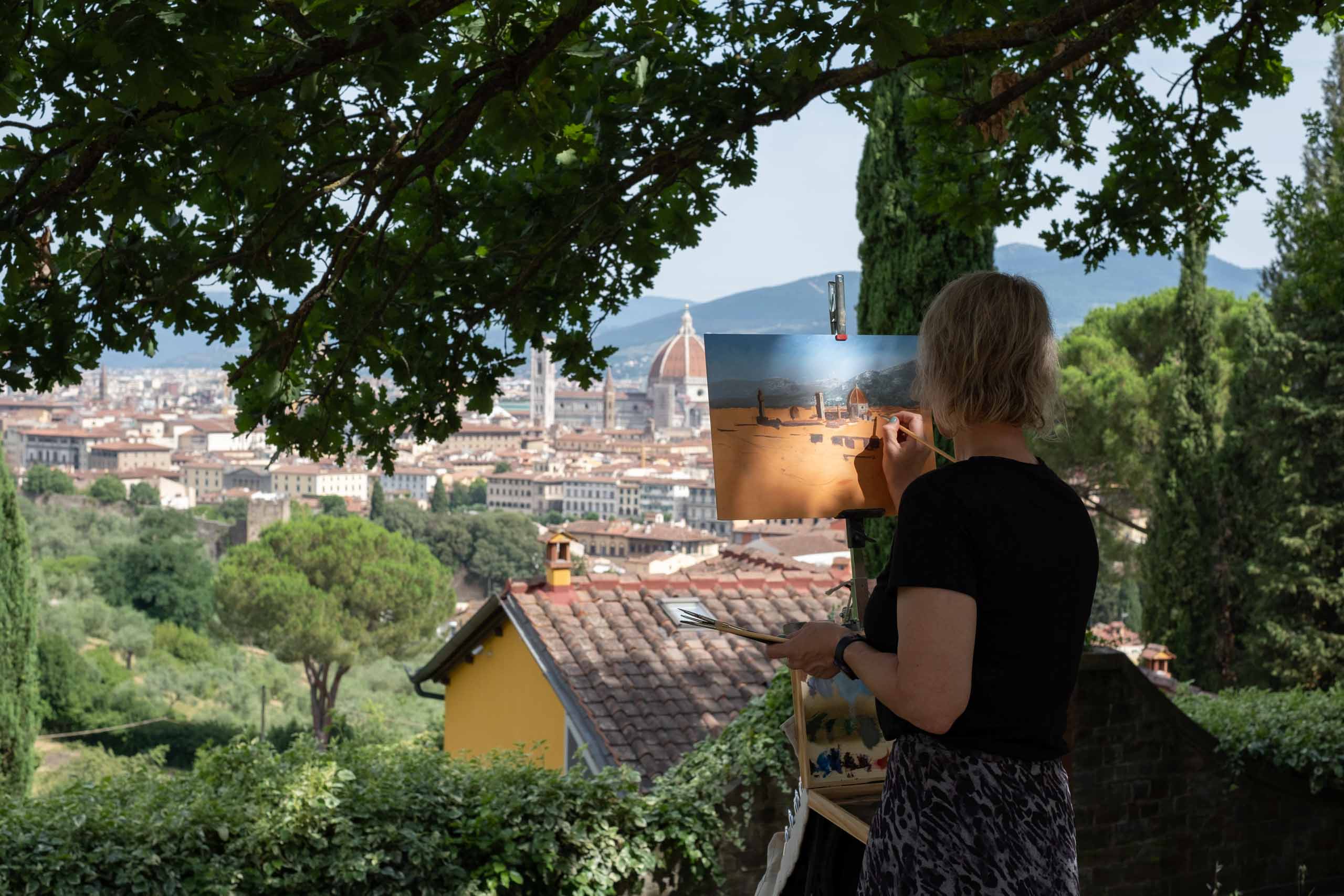
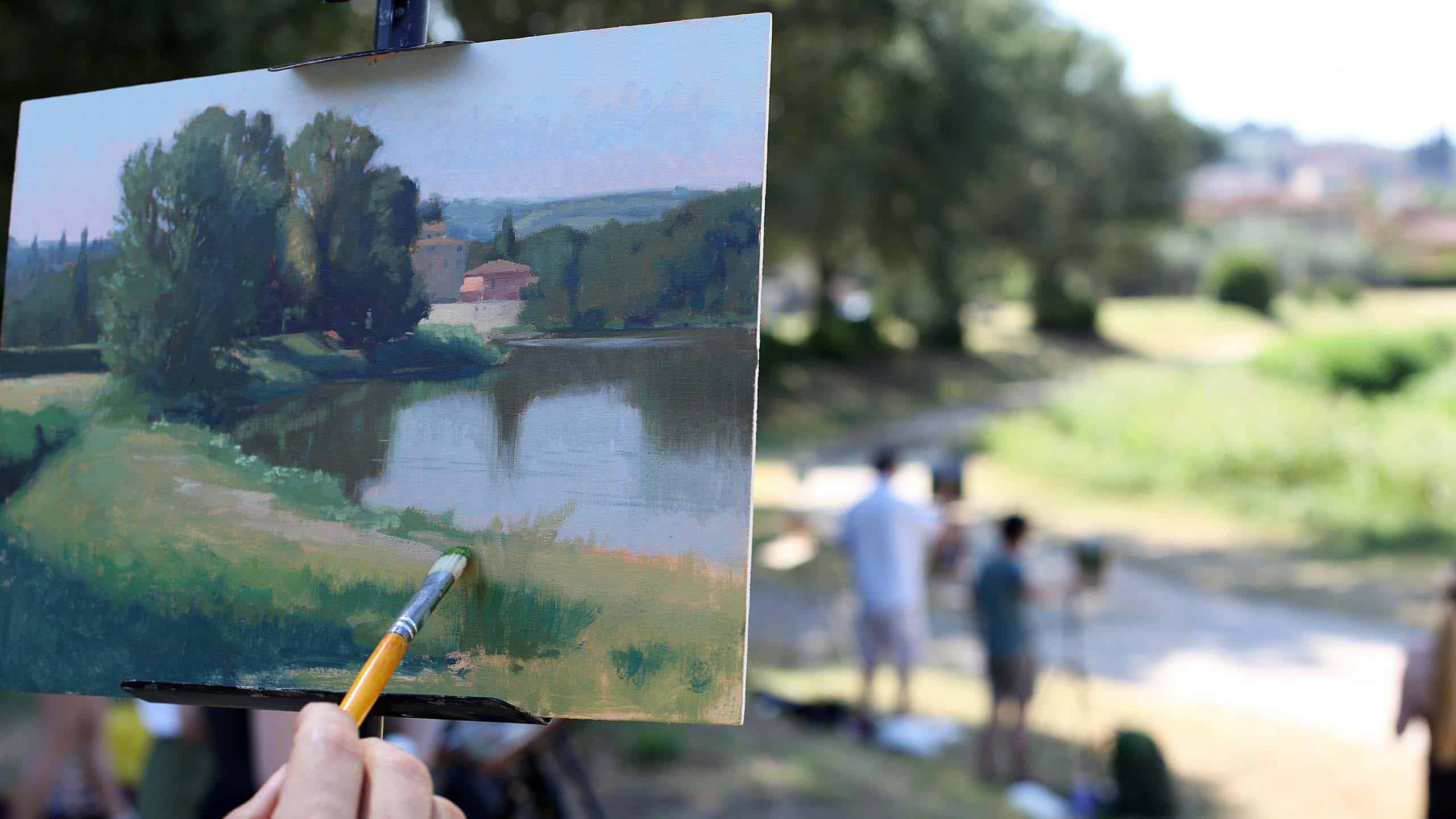
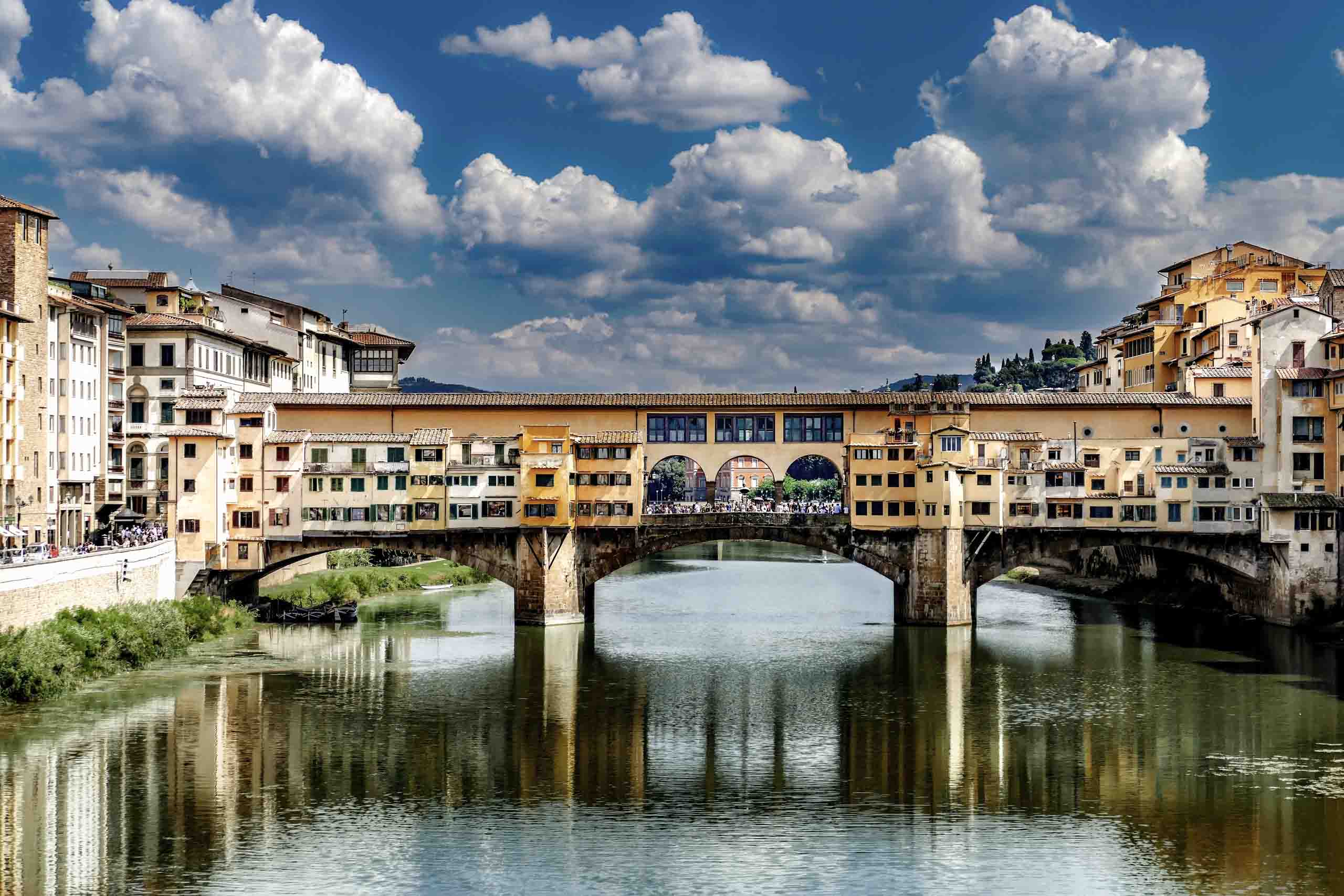
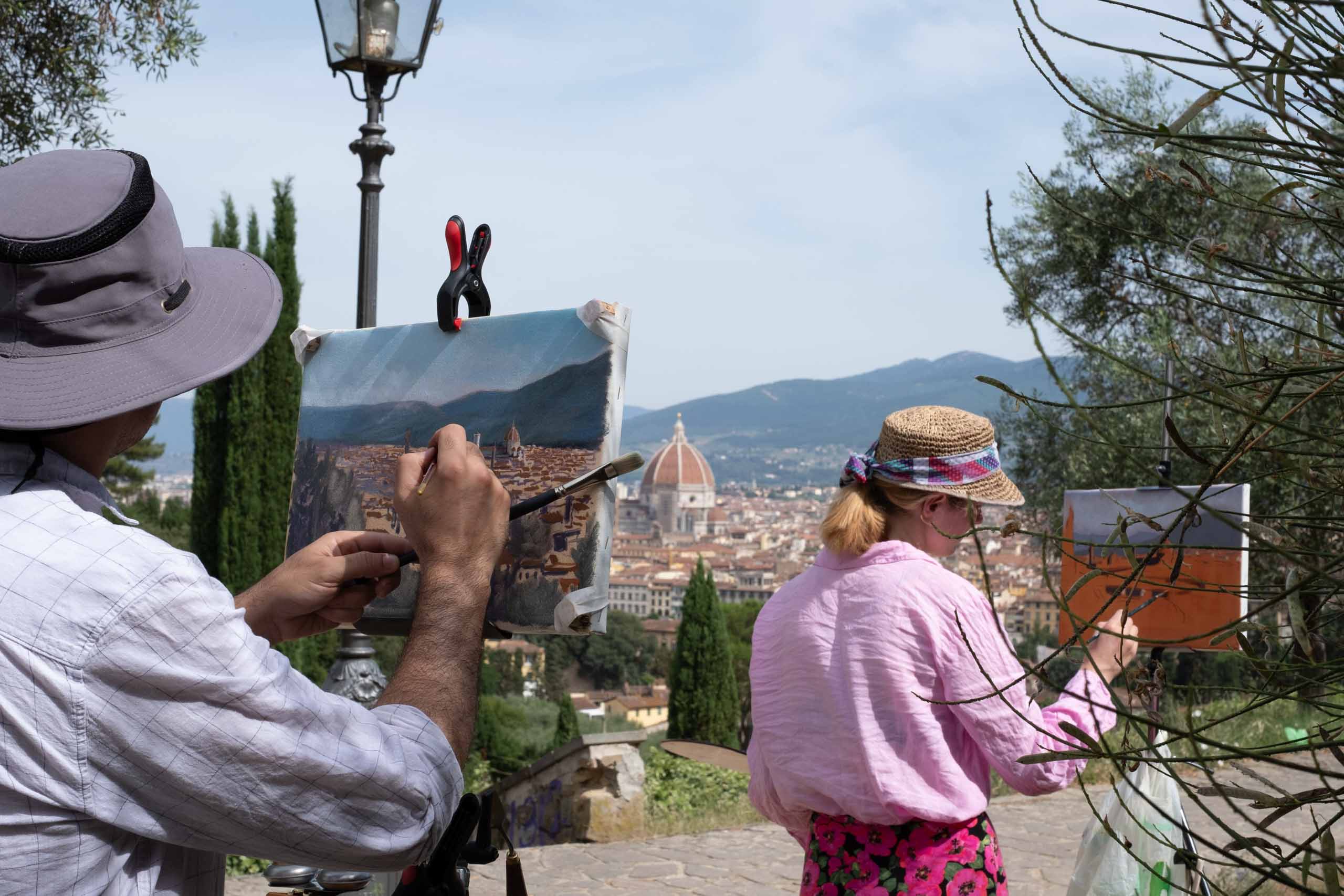
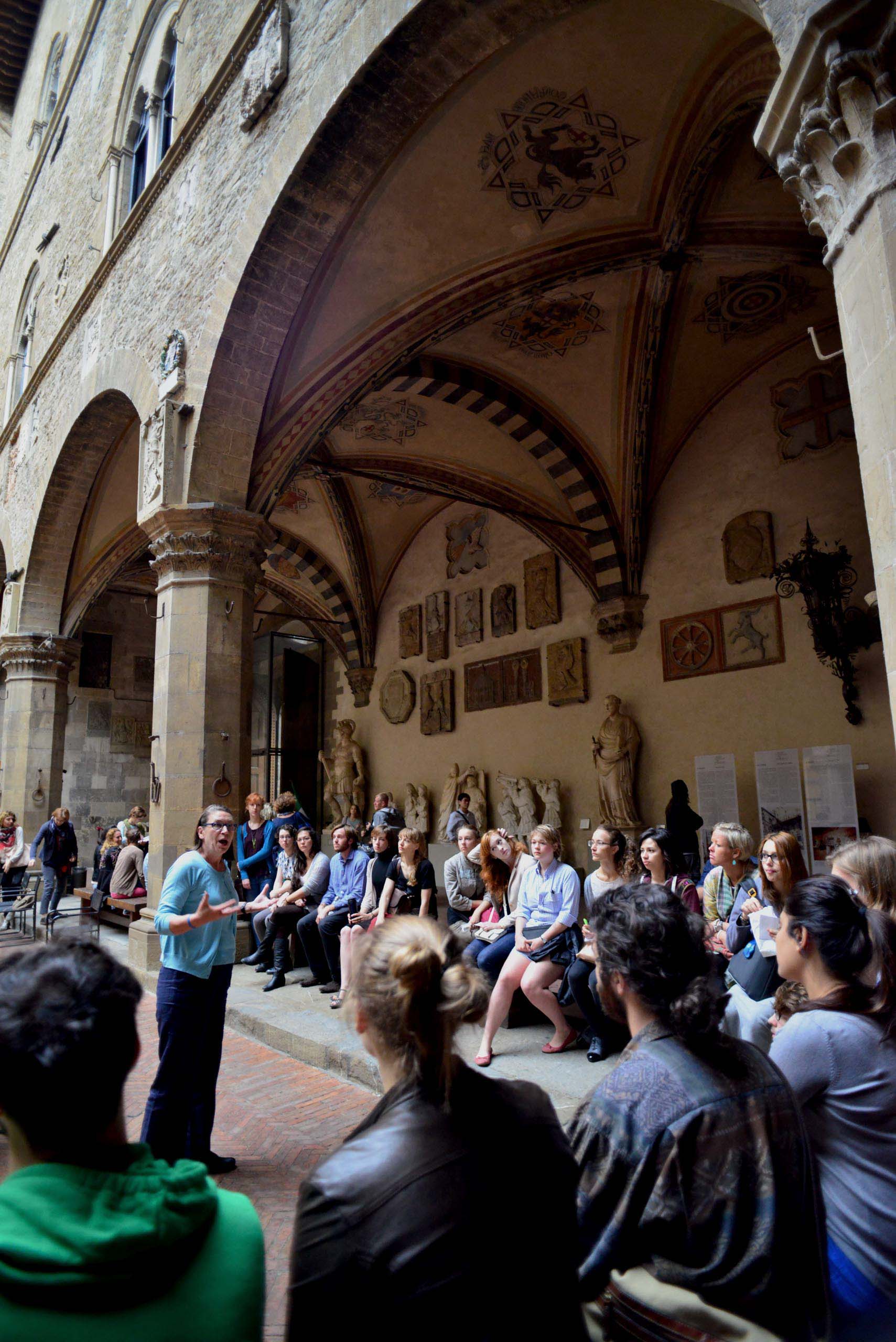
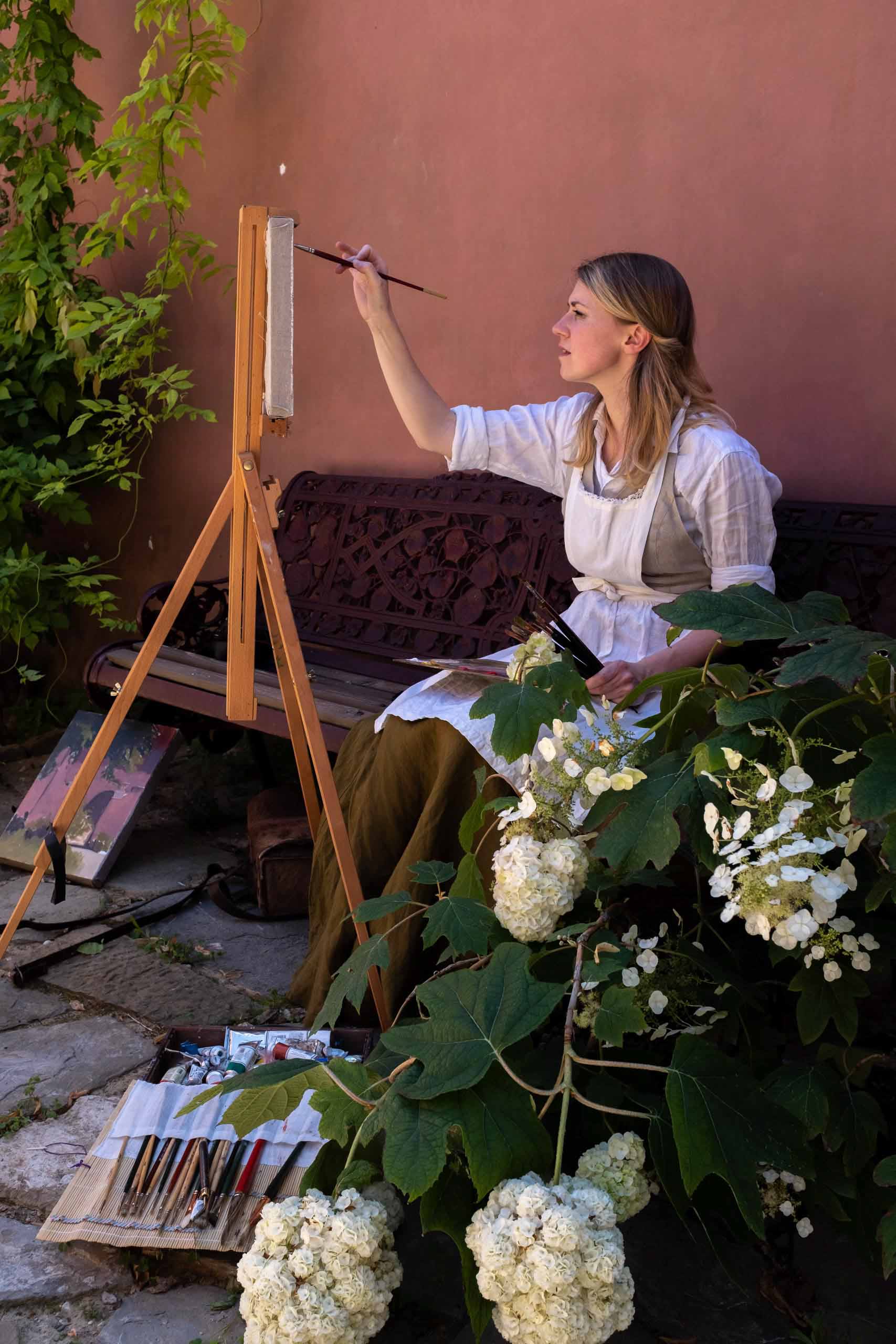
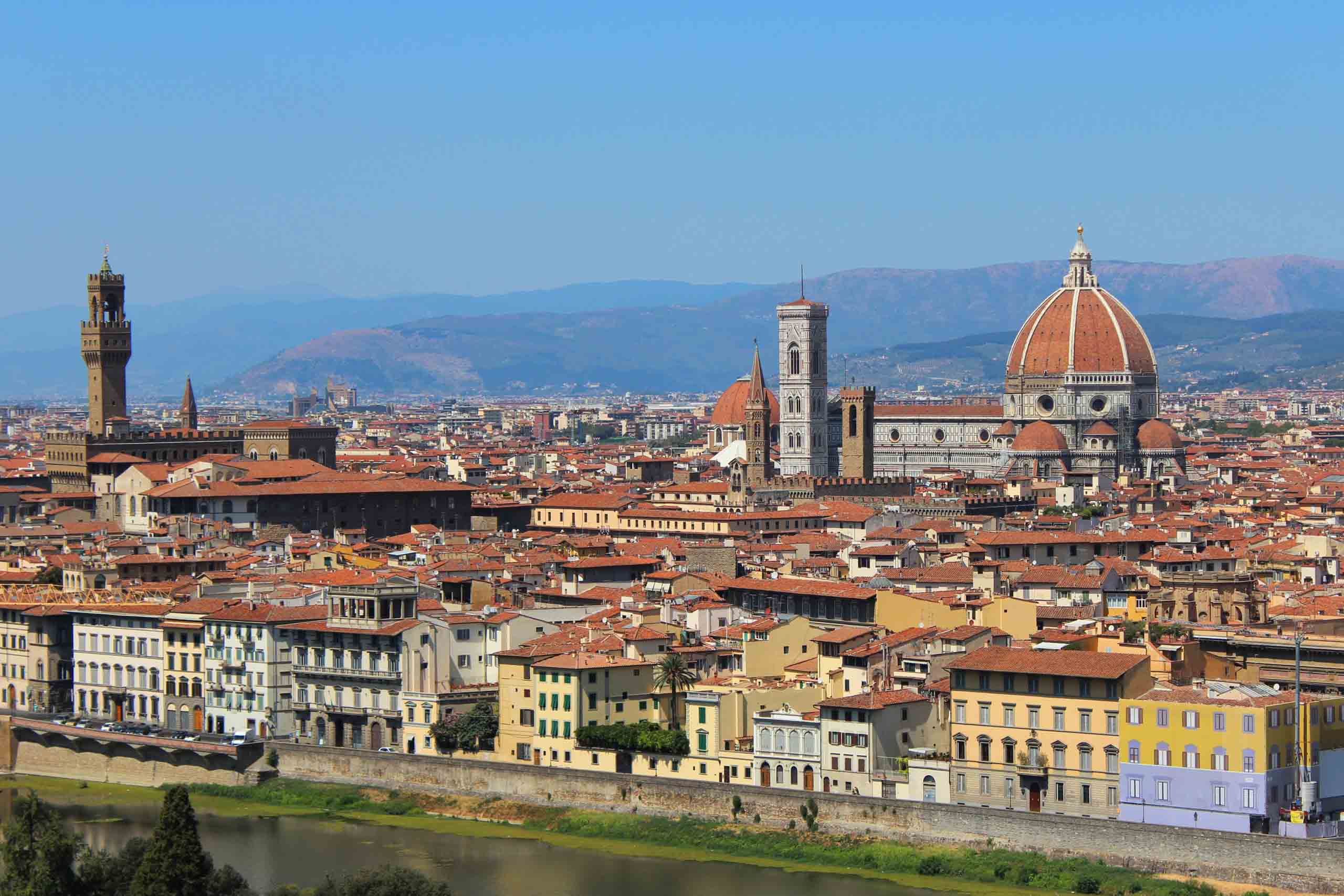
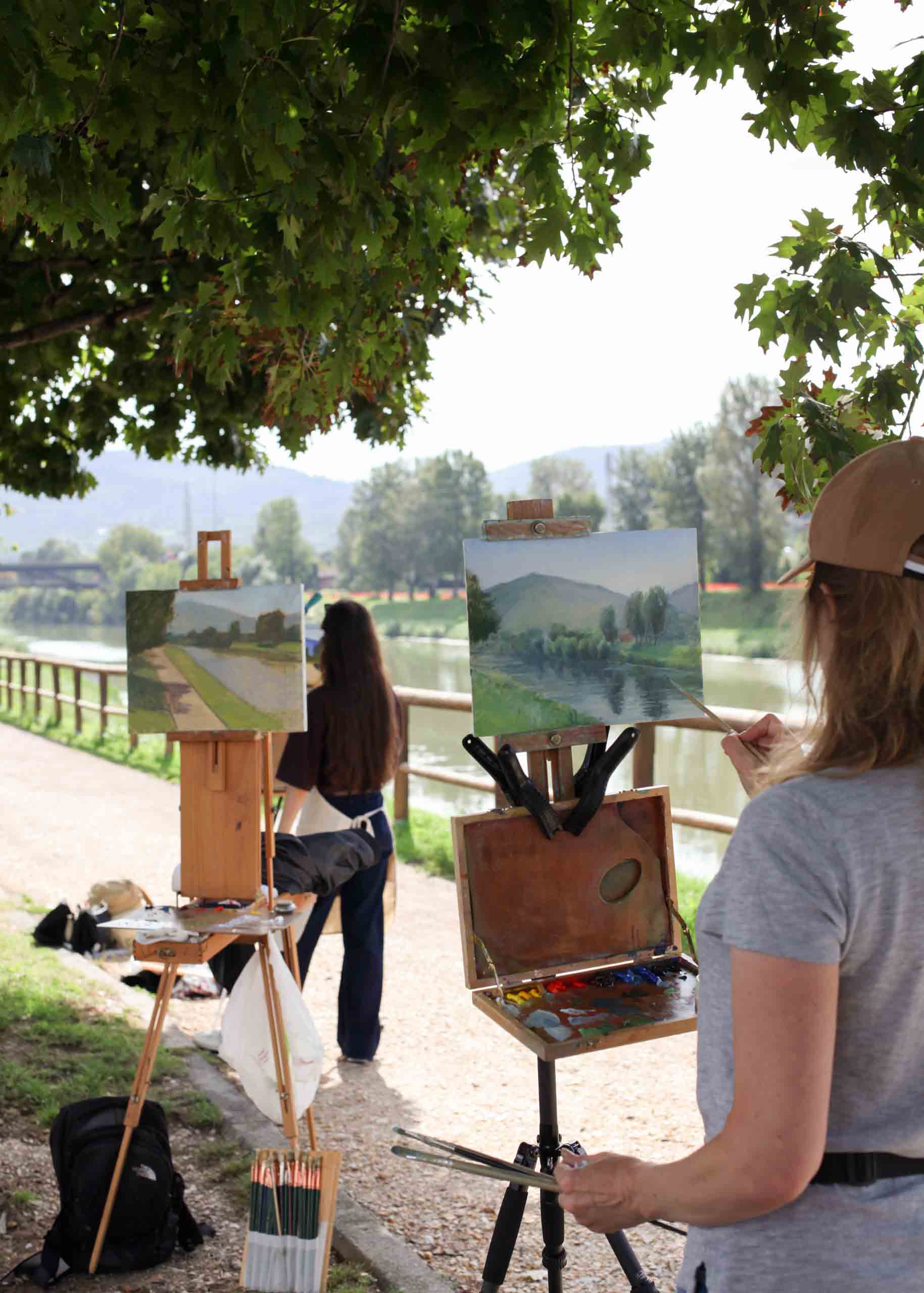
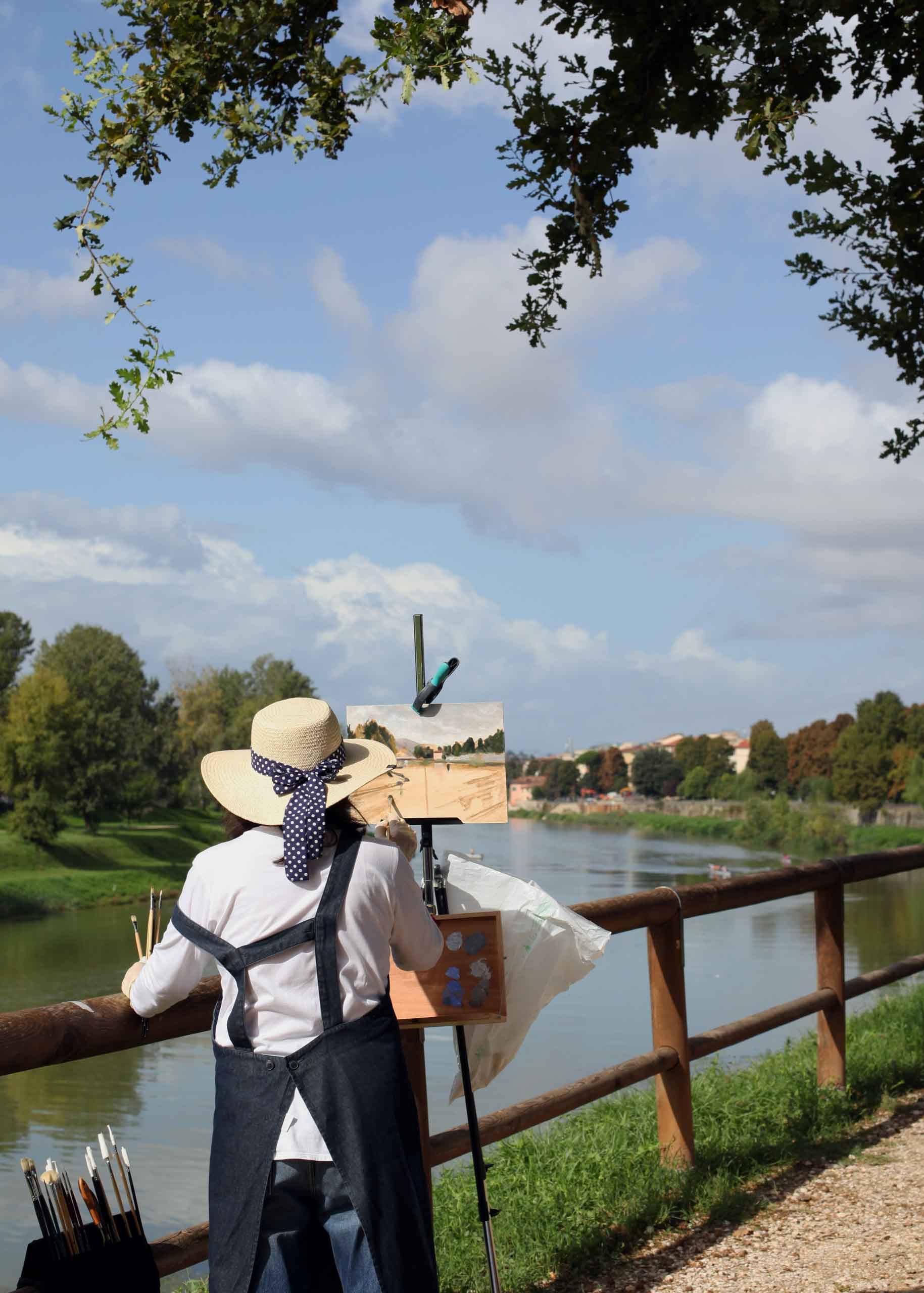
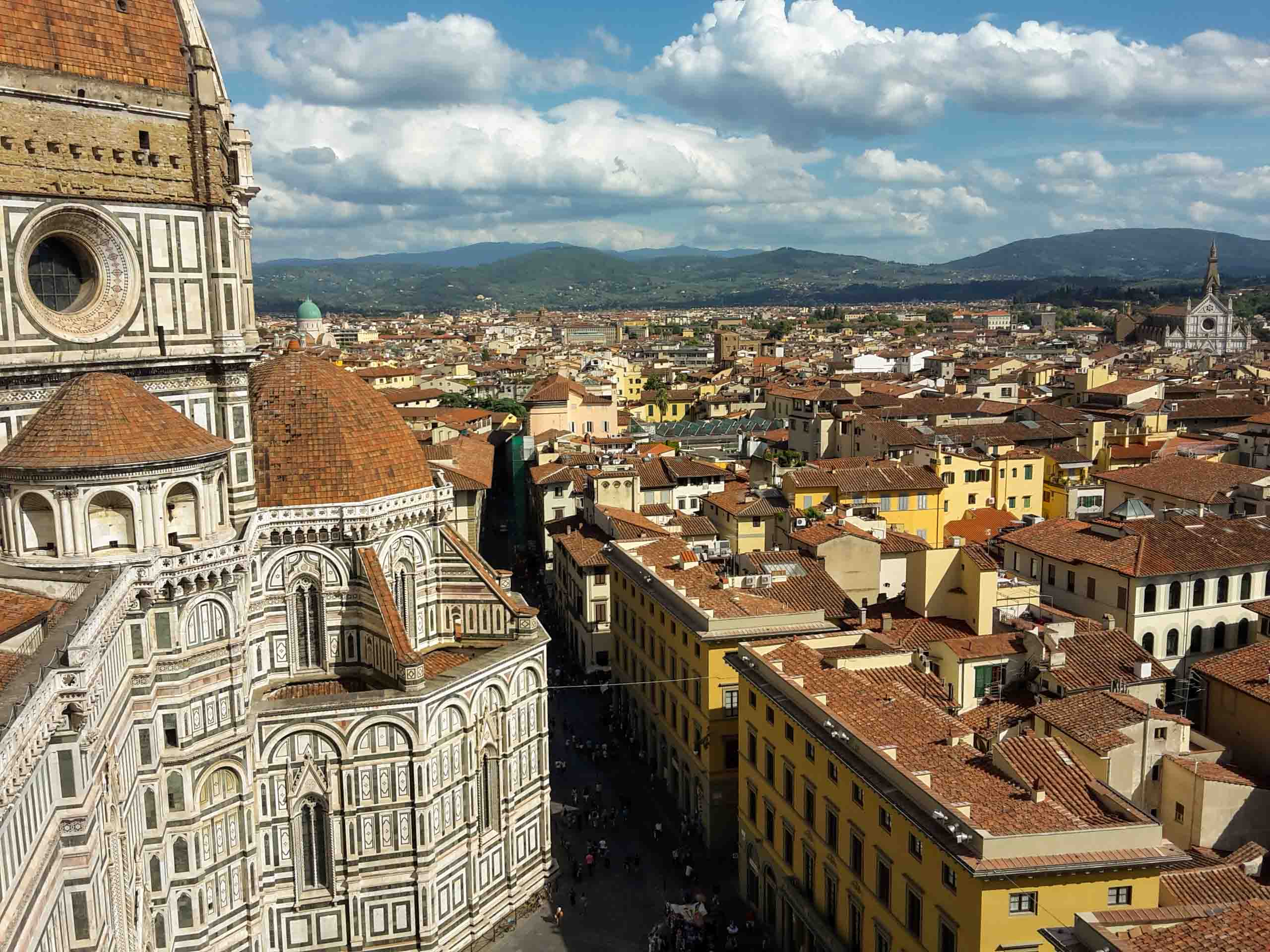
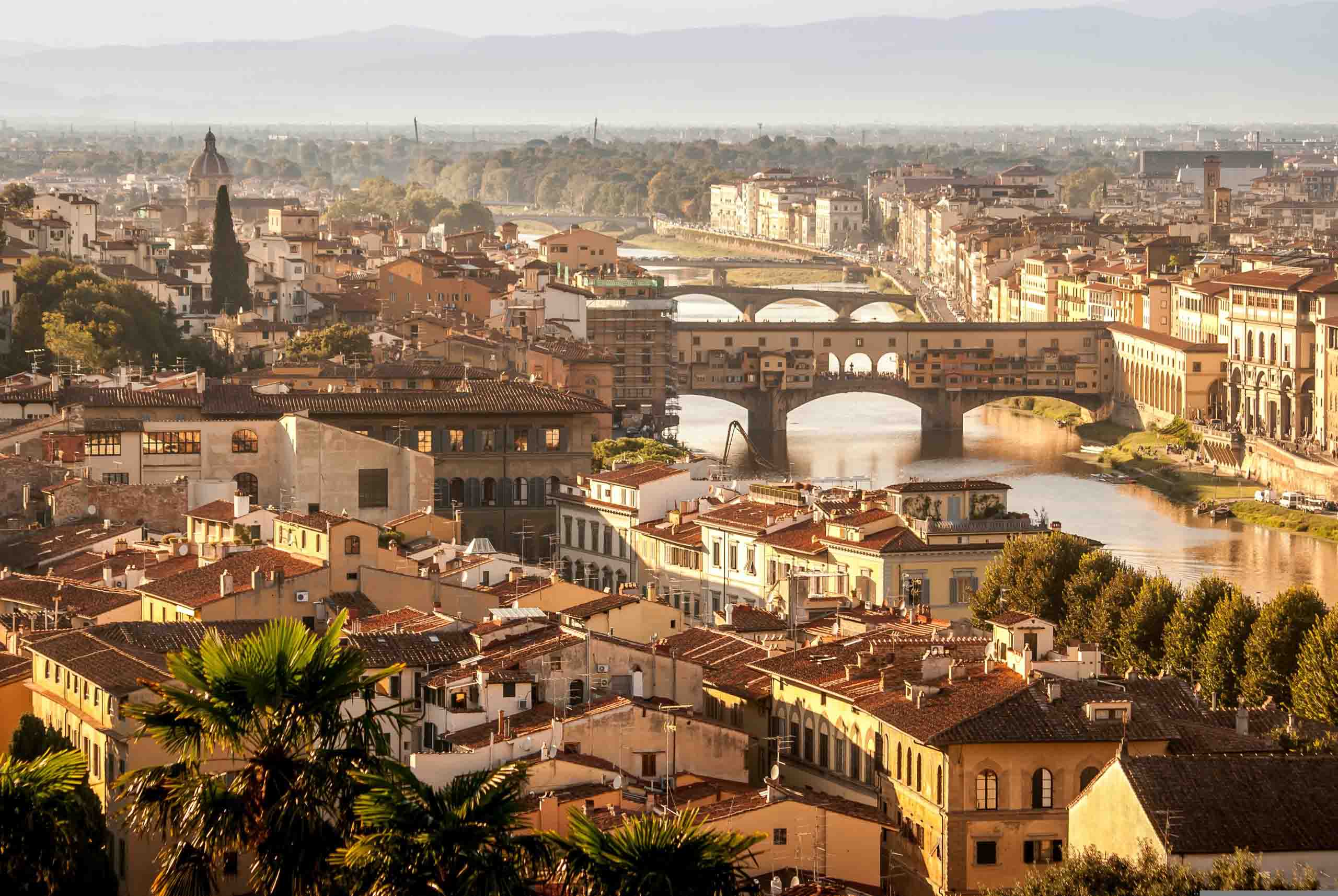
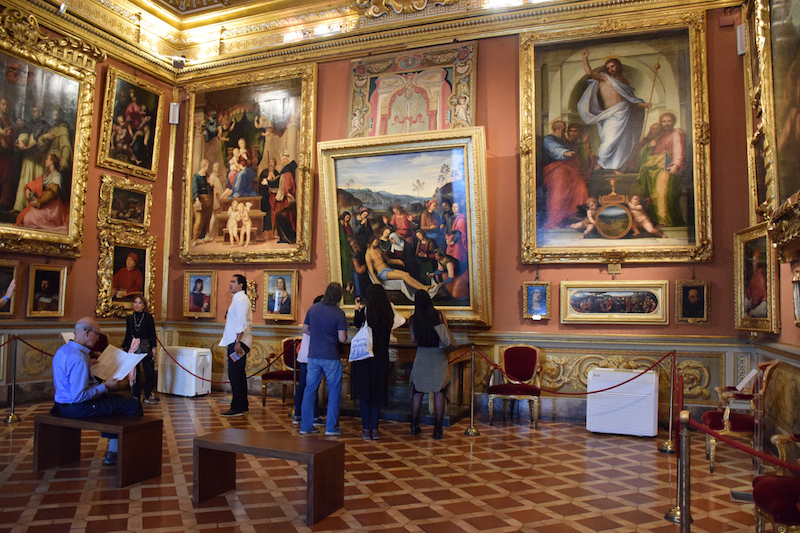
Studying in Florence means living within one of the most influential artistic centers in history. Daily encounters with museums, exhibitions, architecture, and masterworks naturally inform and elevate students’ work. FAA students benefit from discounted access to museums and exhibitions, making it easy to study original works by the masters on a regular basis. Beyond the city, the surrounding Tuscan landscape offers countless opportunities for plein air painting and direct engagement with nature.




Extracurricular activities
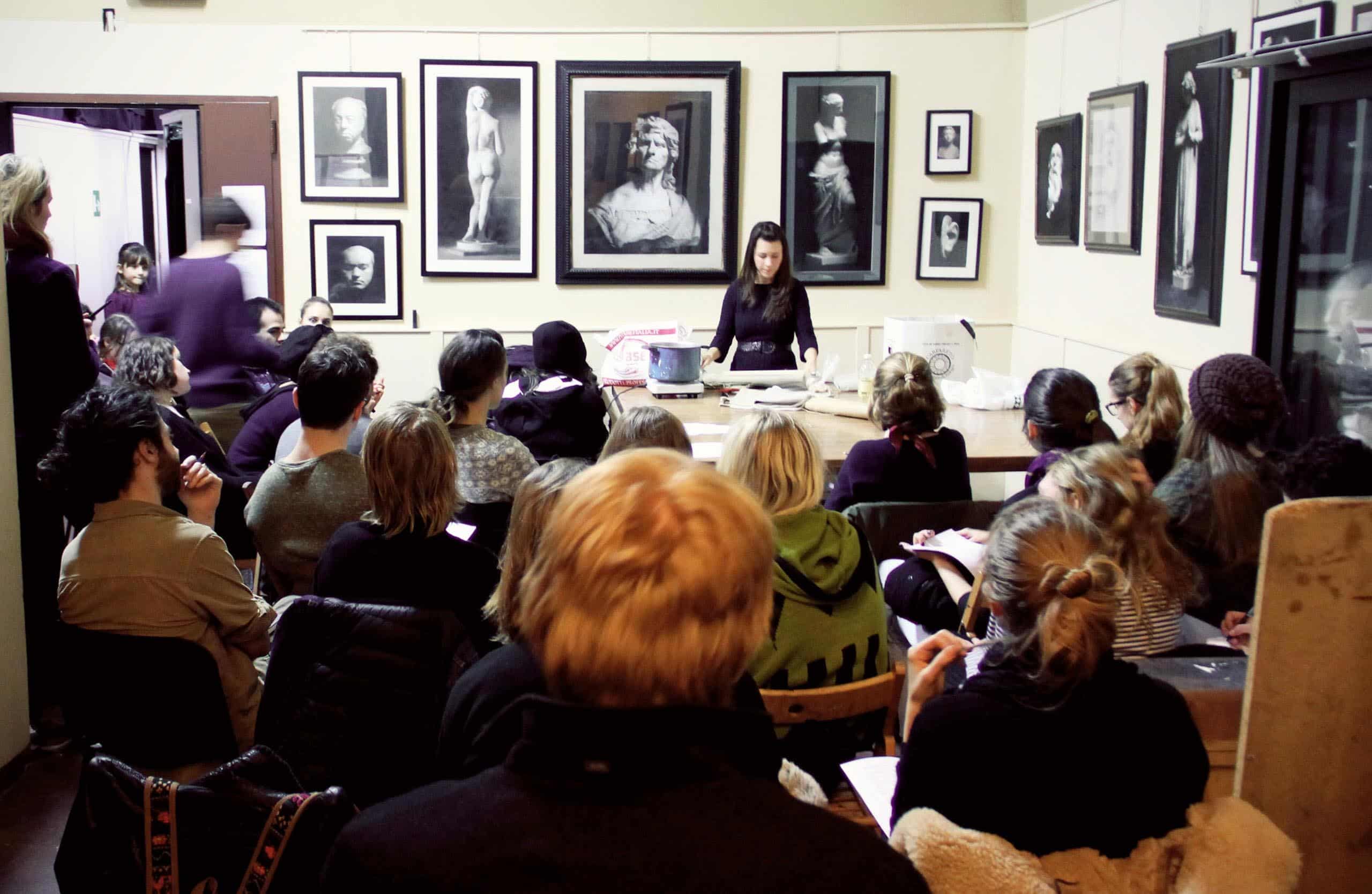
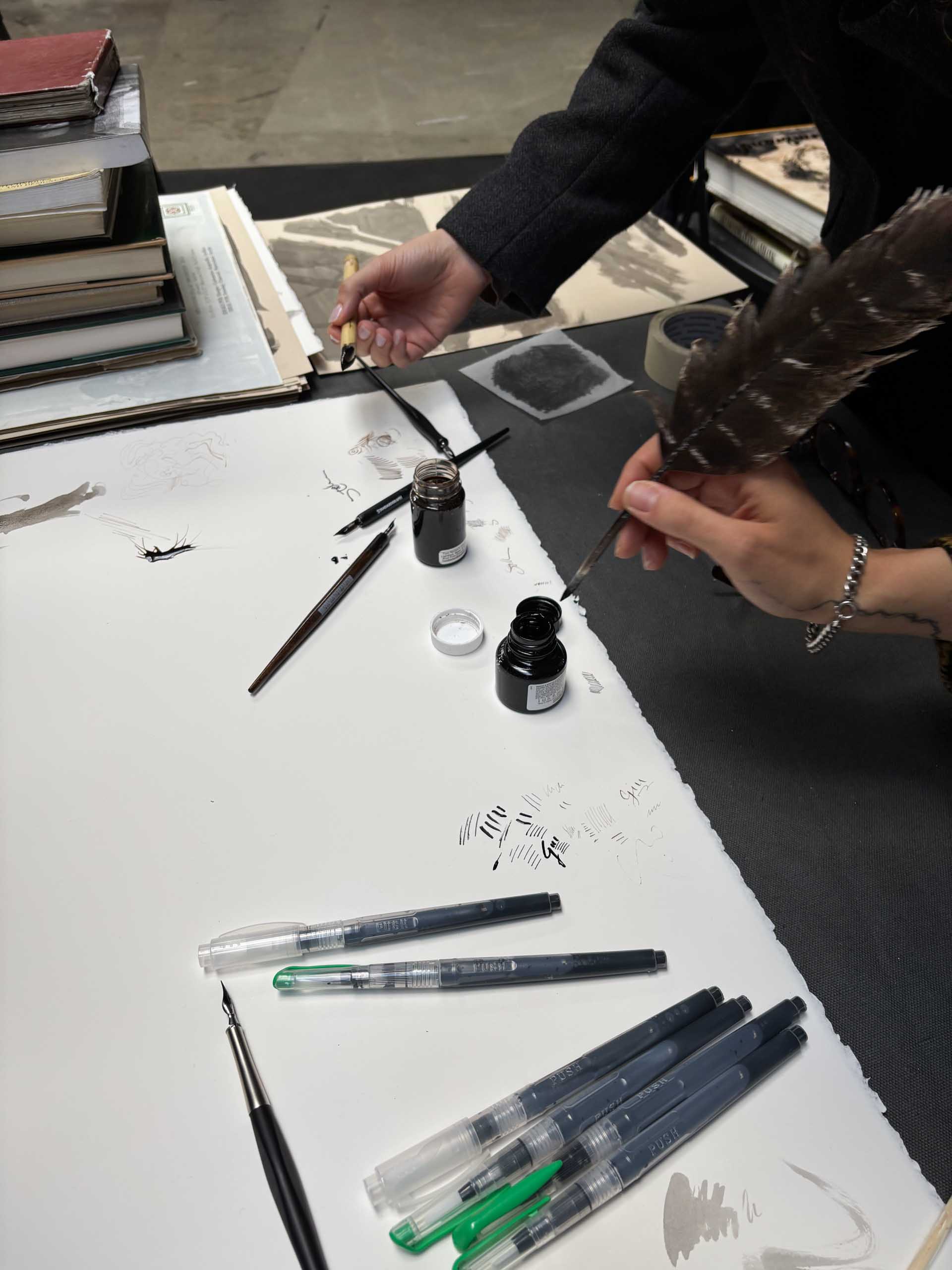
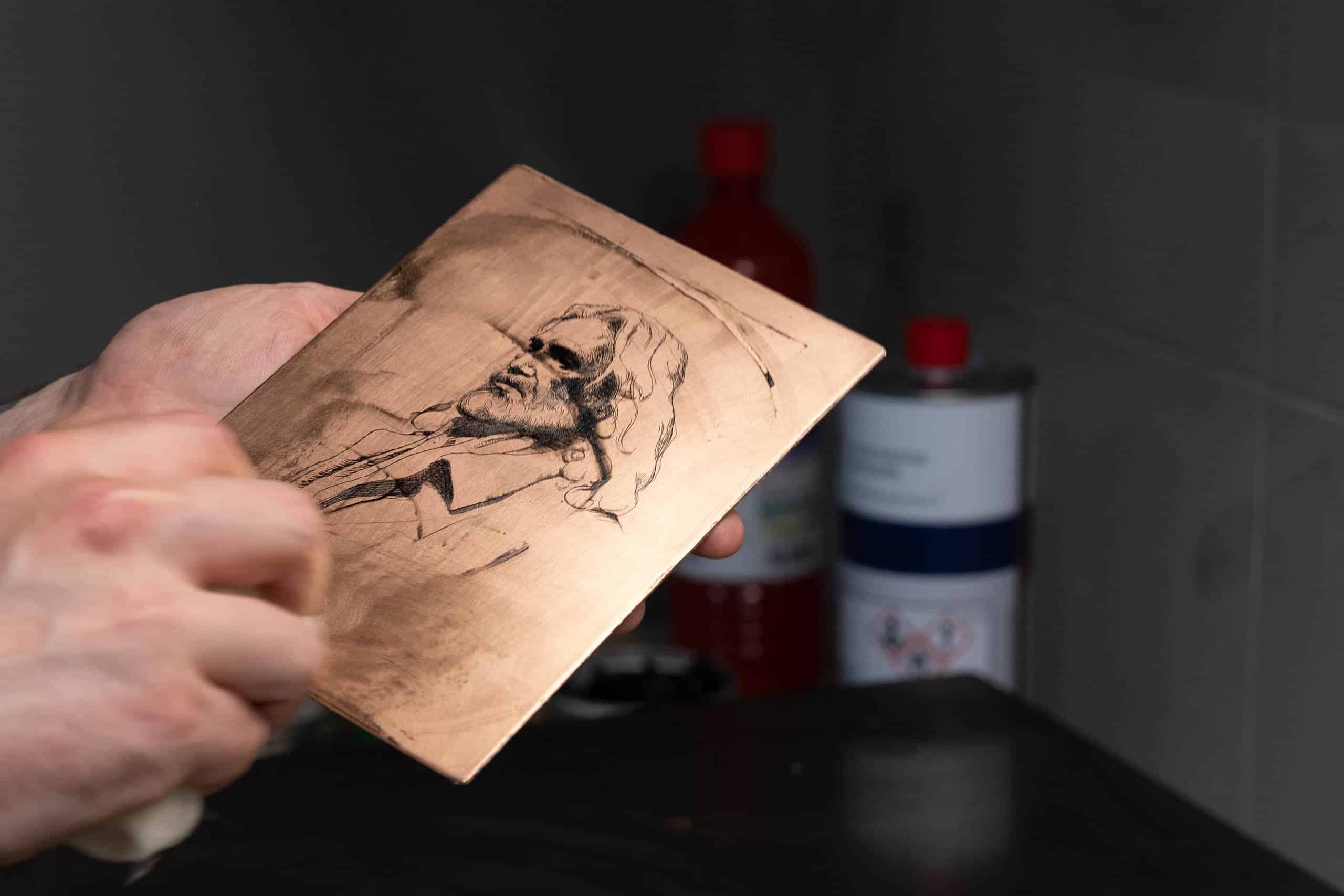
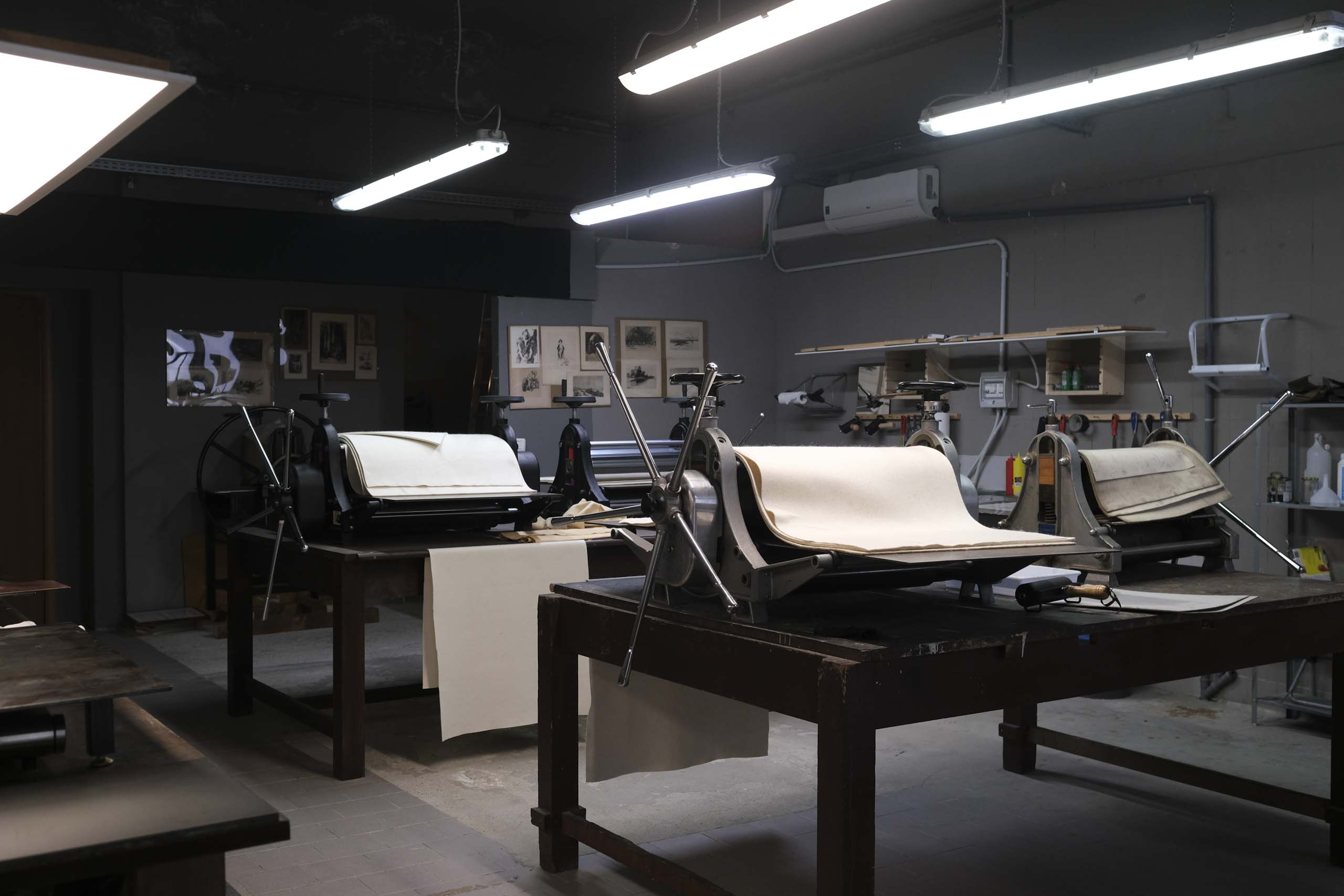
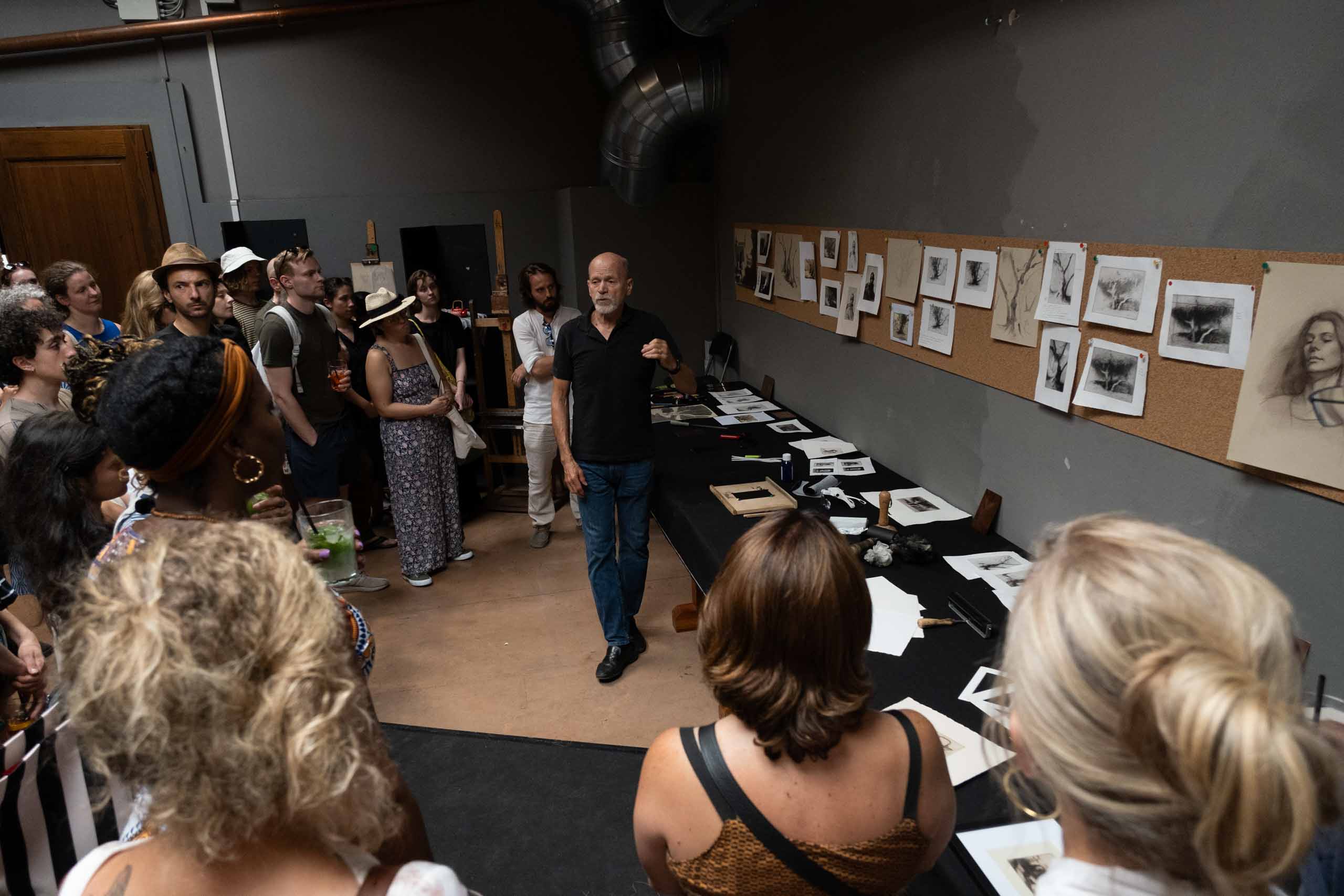
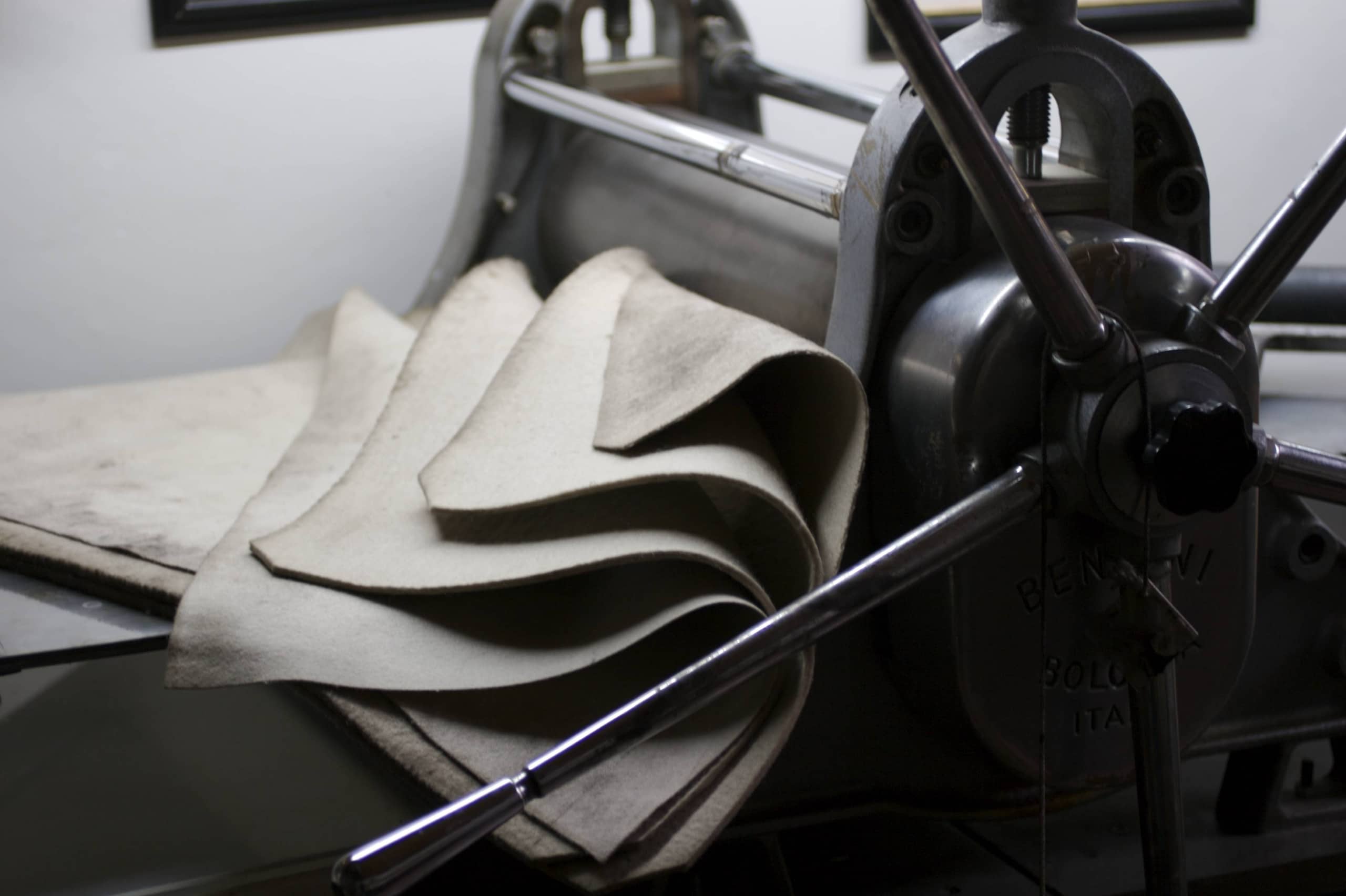
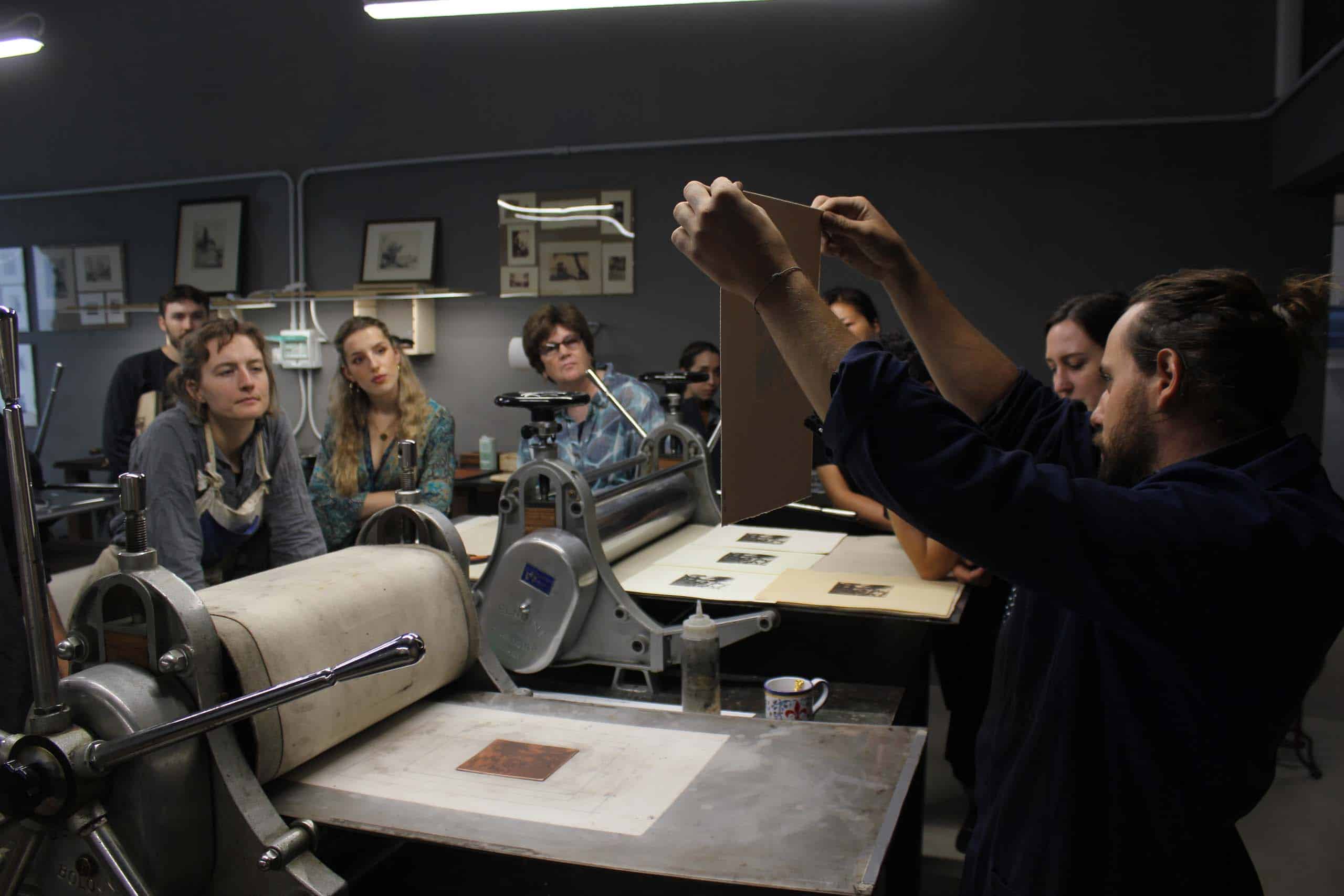
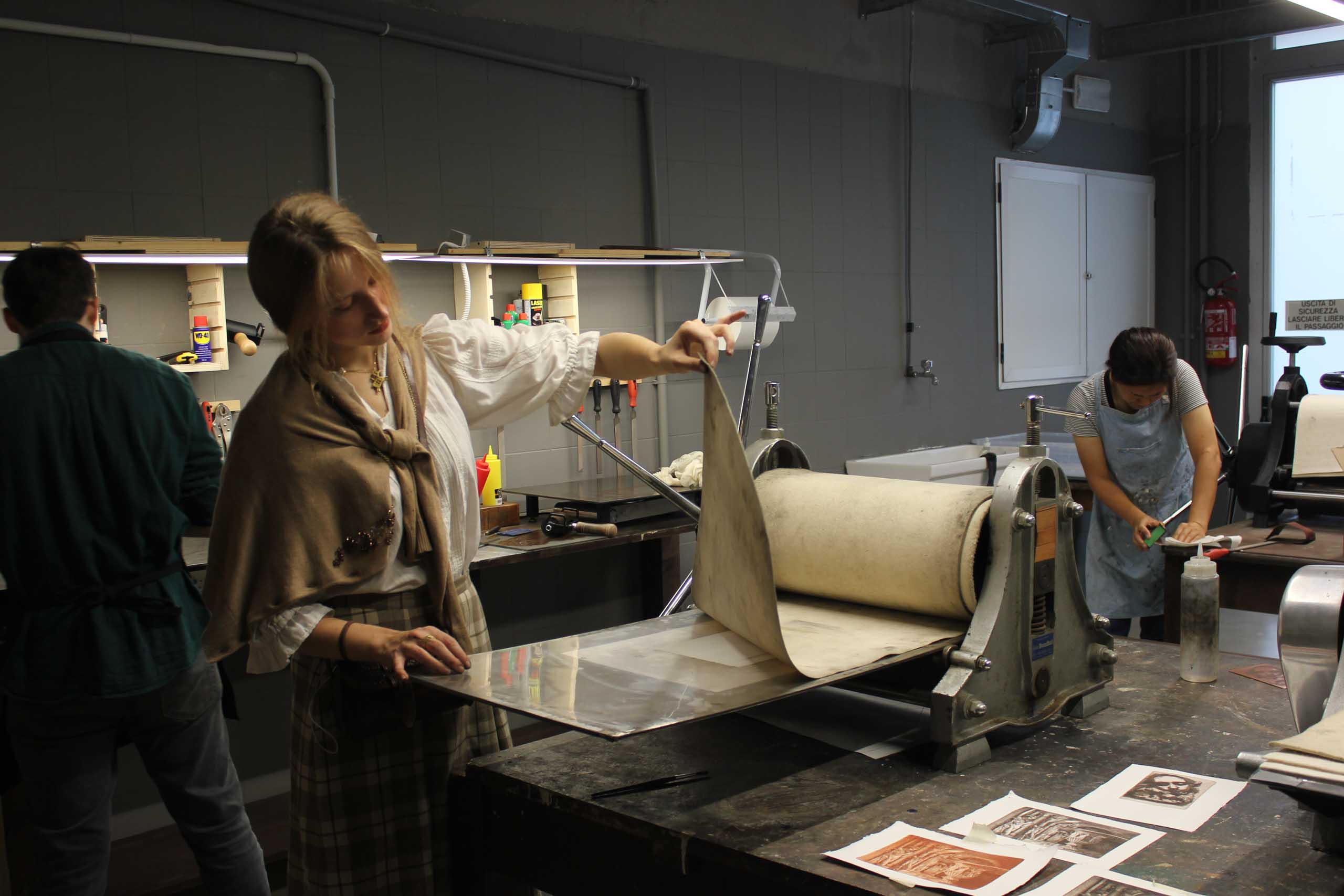
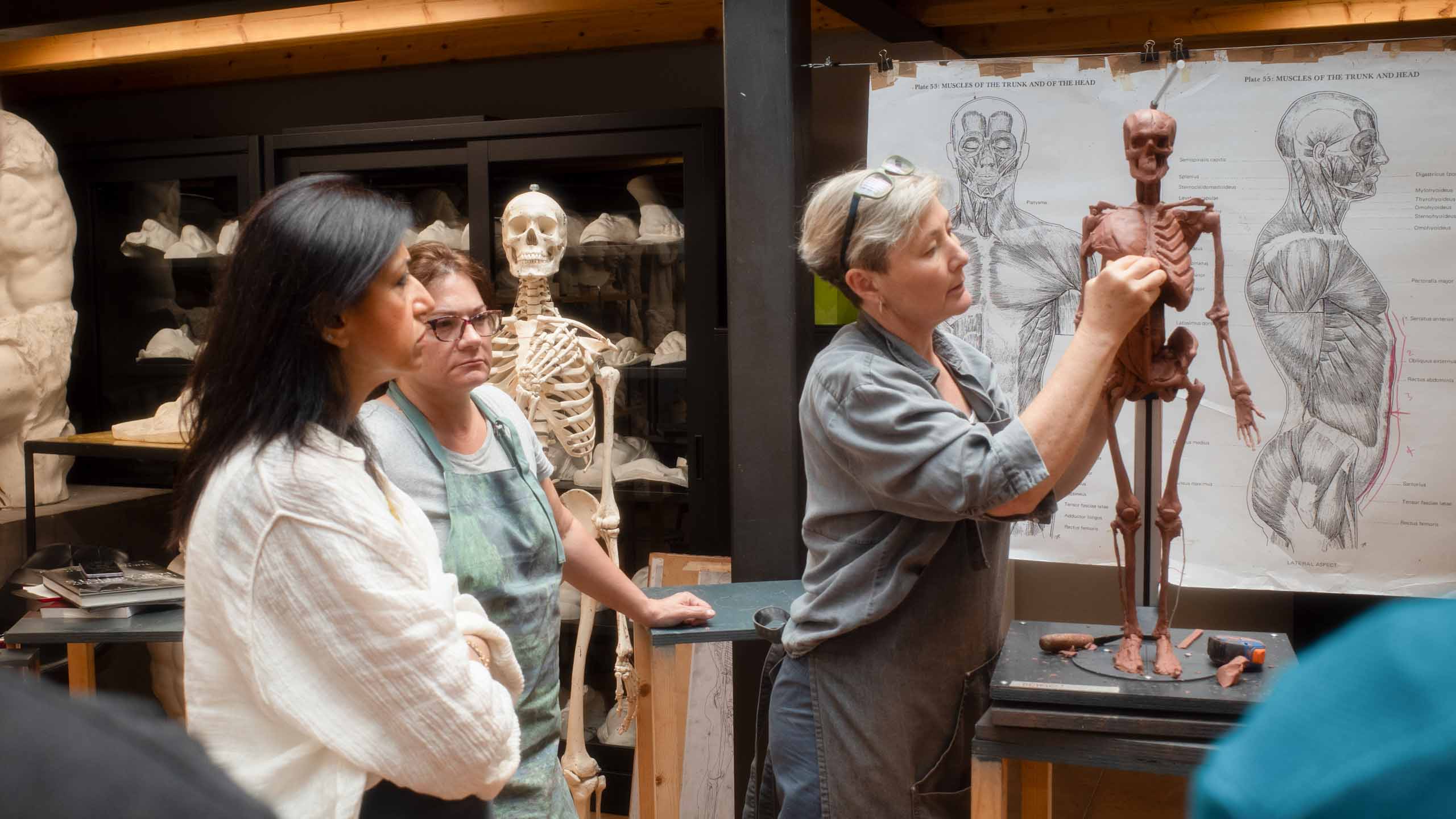
Learning at The Florence Academy of Art extends well beyond the formal curriculum, offering students in every discipline a rich variety of extracurricular activities and evening classes that support a well-rounded education. Each evening from 5–7 pm, students are welcome to attend evening drawing sessions with a live model, where they can continue their investigation of the human figure and refine their drawing skills. The Ecorché Sculpture Class is an elective course available to second and third-year students, offered as the advanced component of the Artistic Anatomy program The Living Form. Through the construction of anatomical and dynamic écorché sculptures, students deepen their understanding of human anatomy. Following an introductory training, students can further expand their visual language through etching, a discipline that sharpens the connection between hand and mind.
To learn more, visit our Electives page.

An Artistic Community
Faculty, Graduates in Residence, and Students
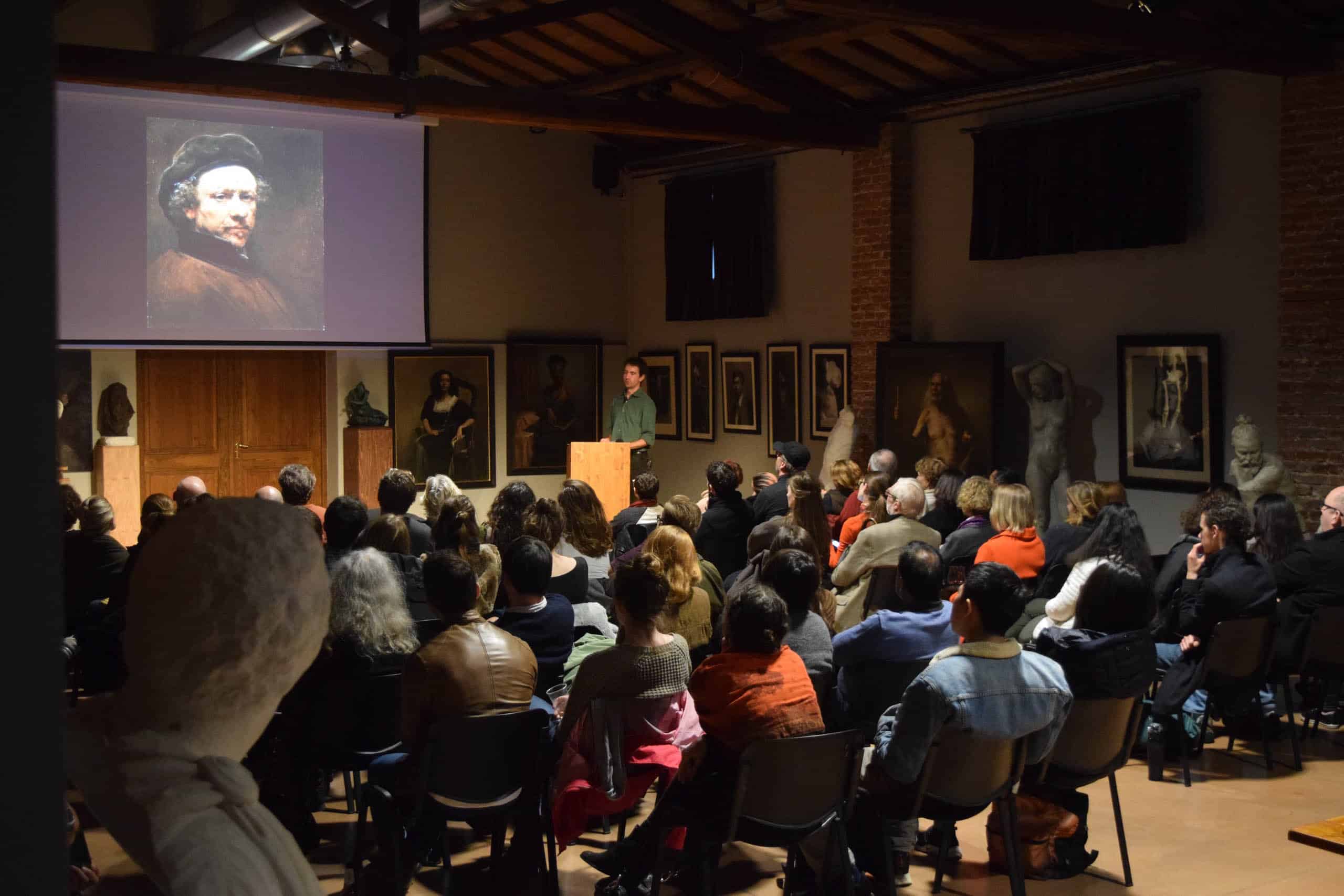
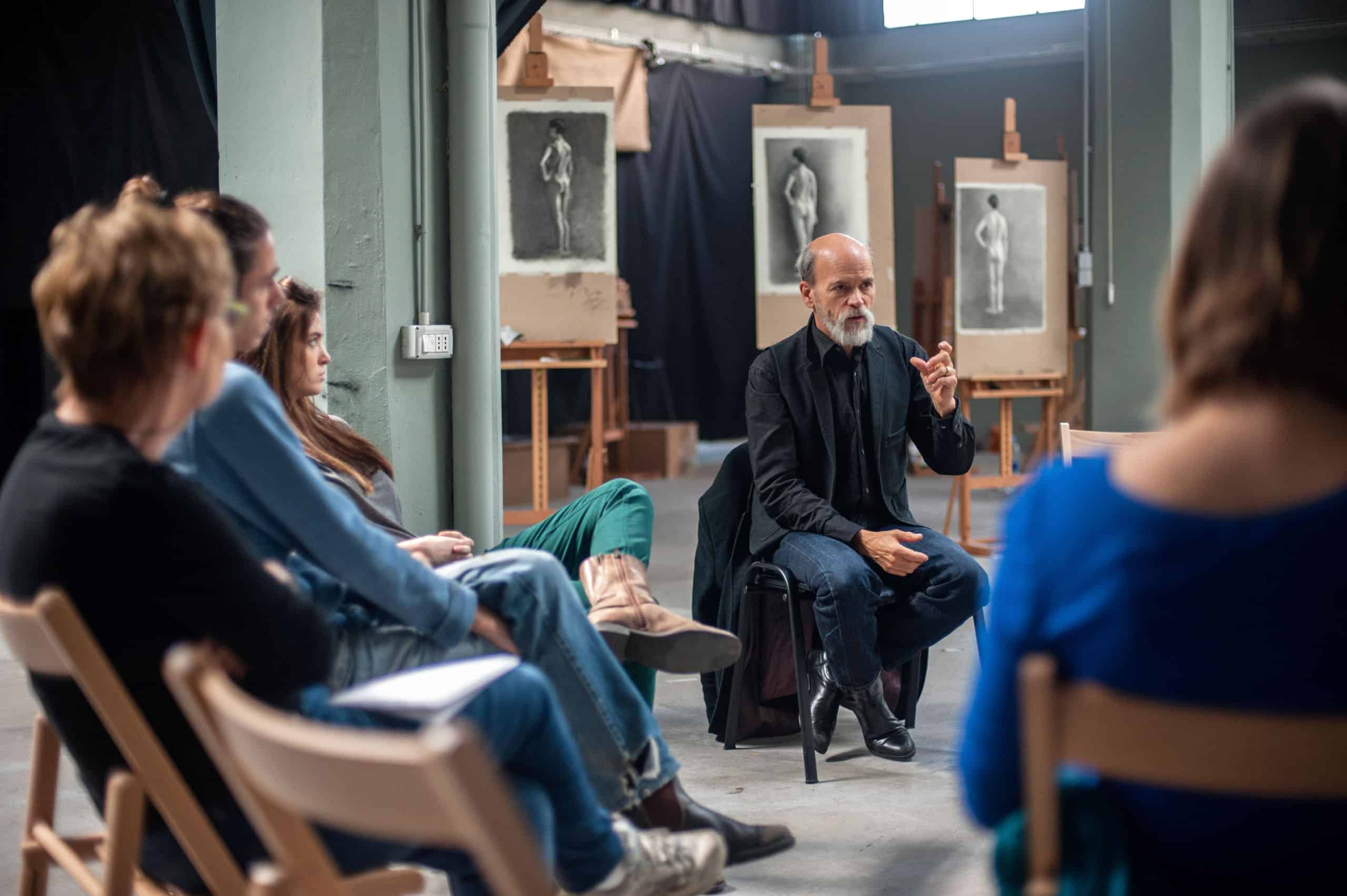
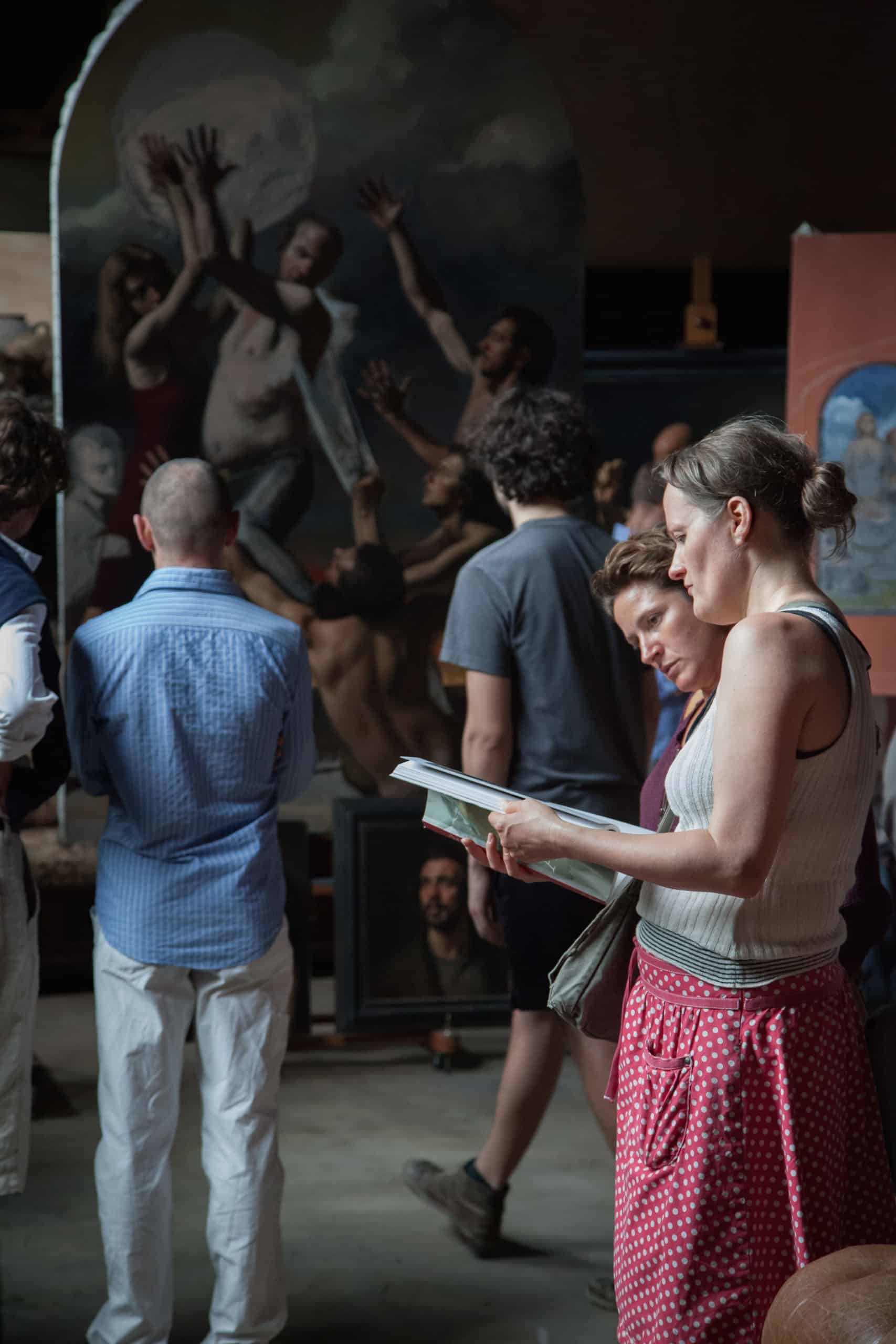
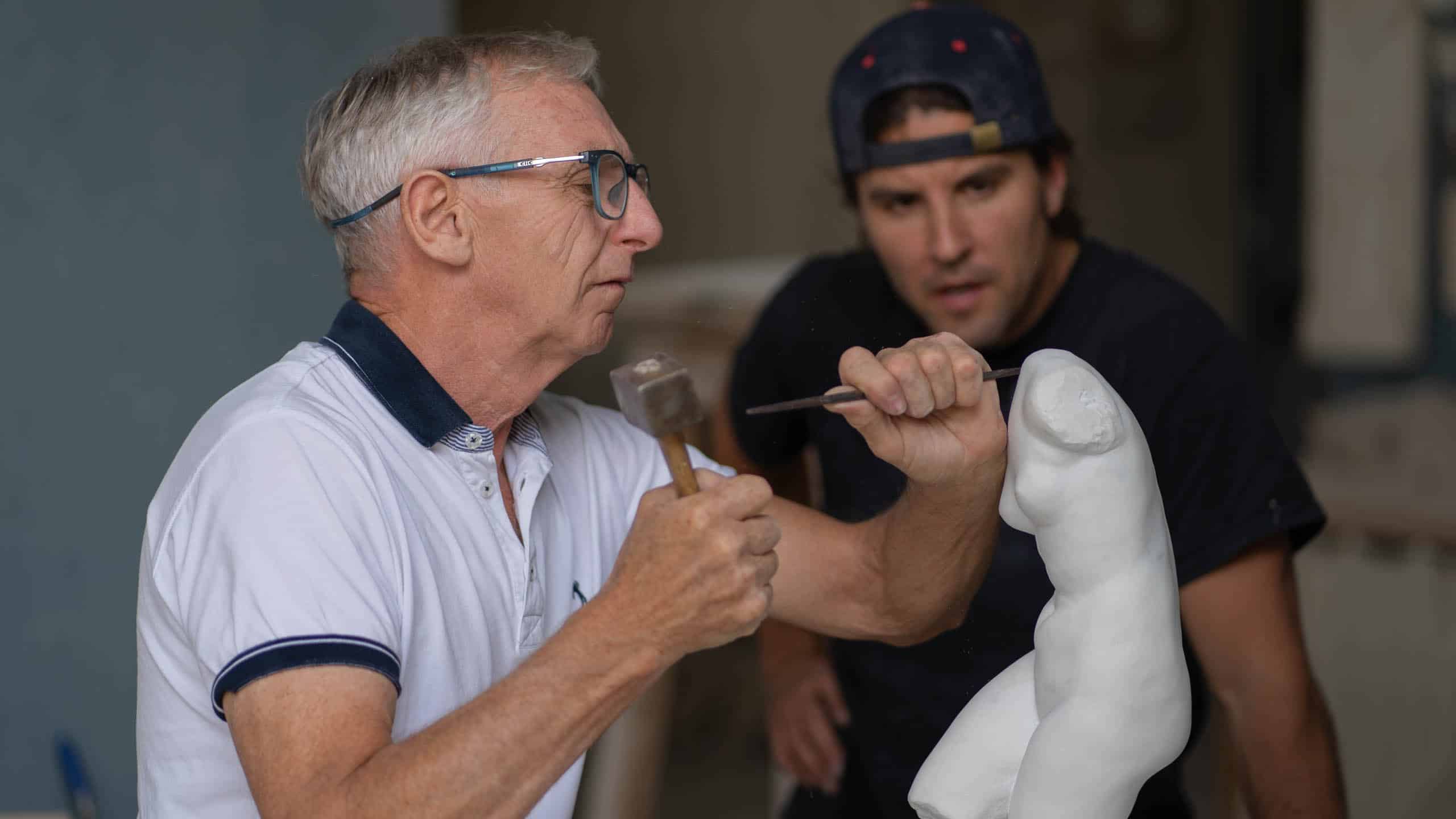
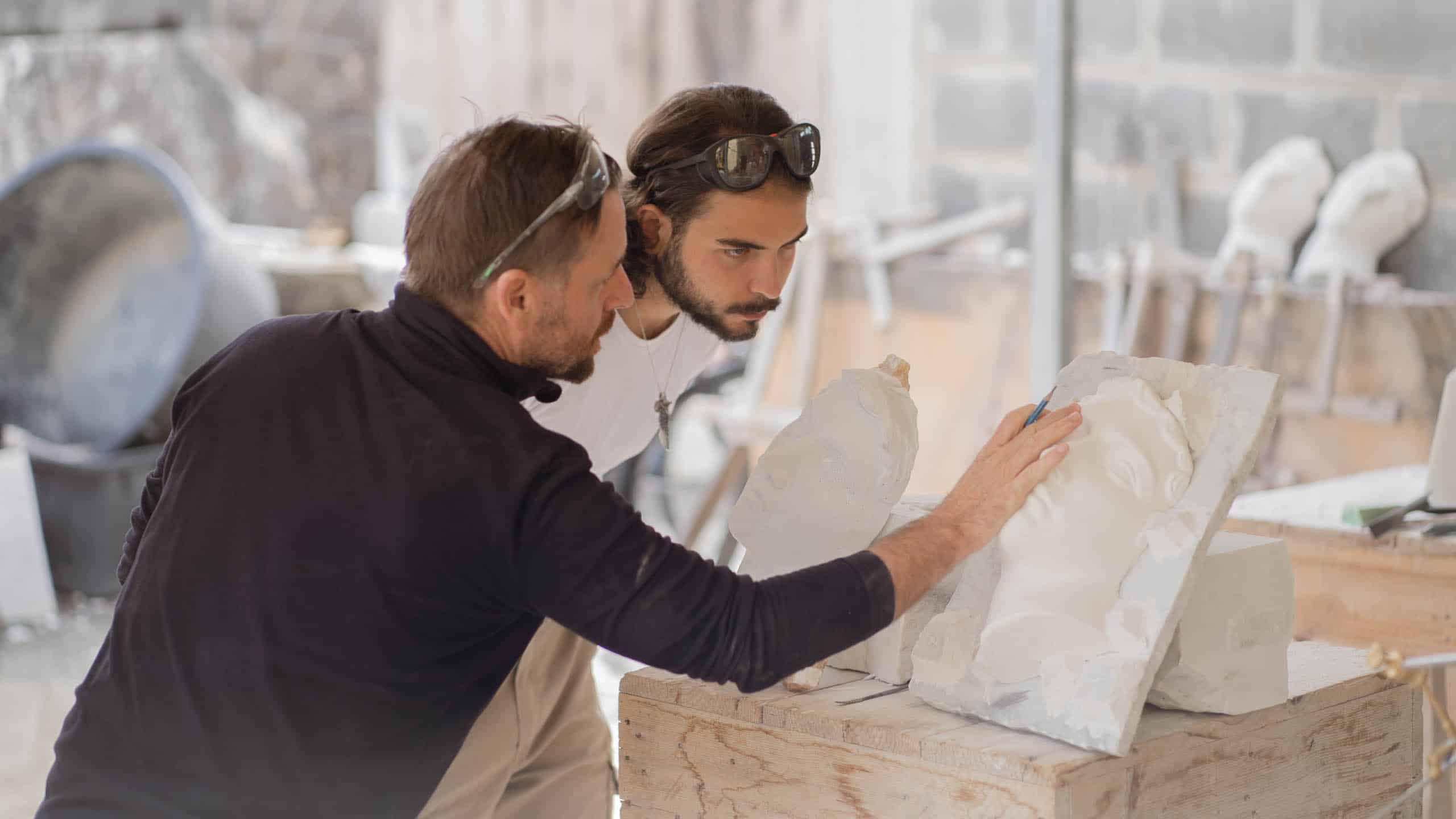
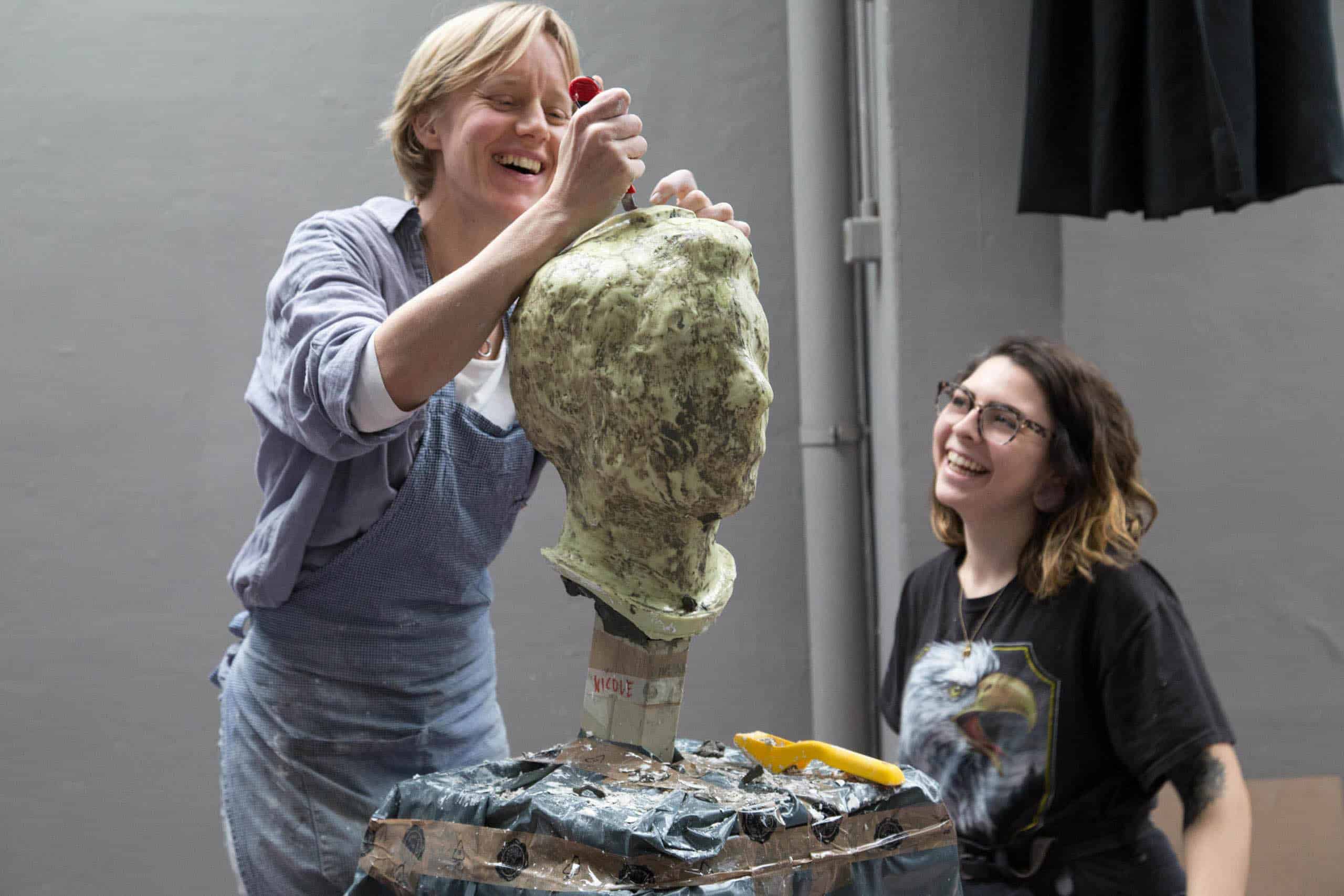
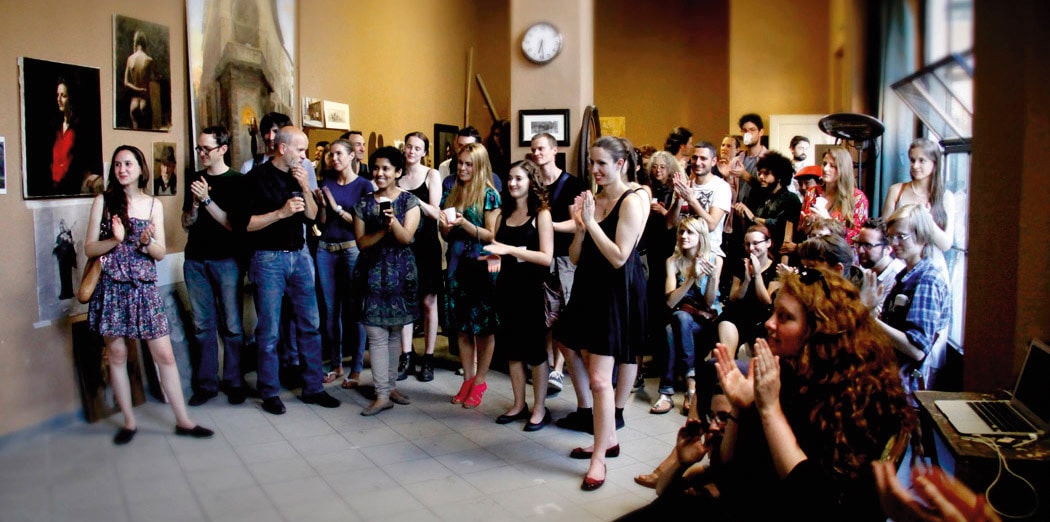
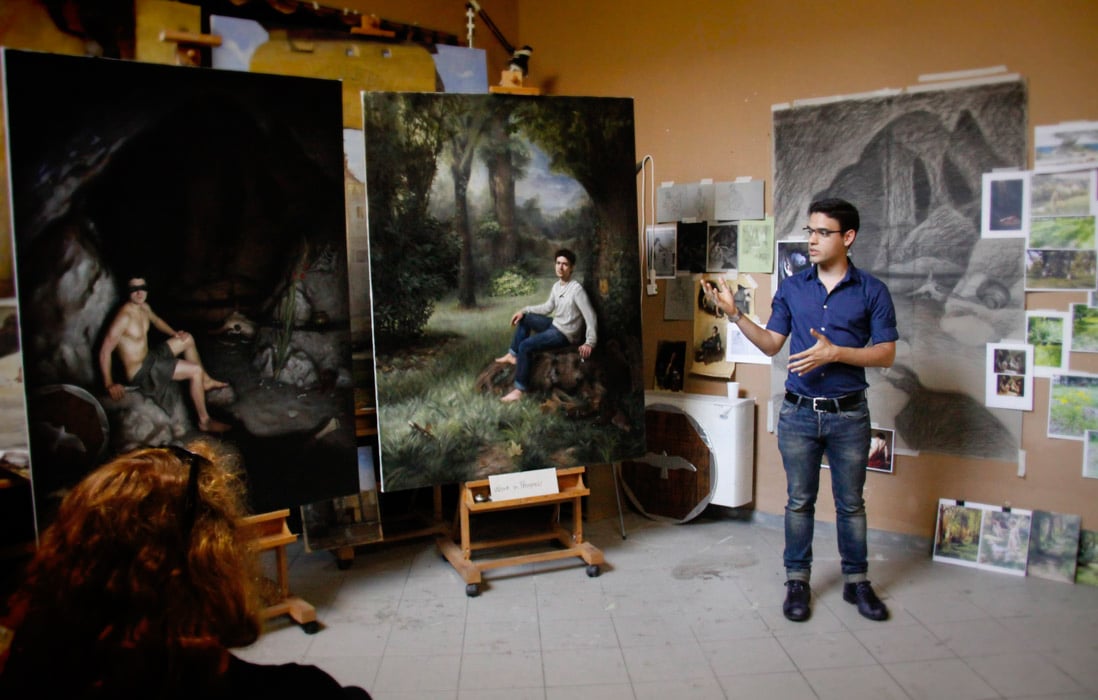
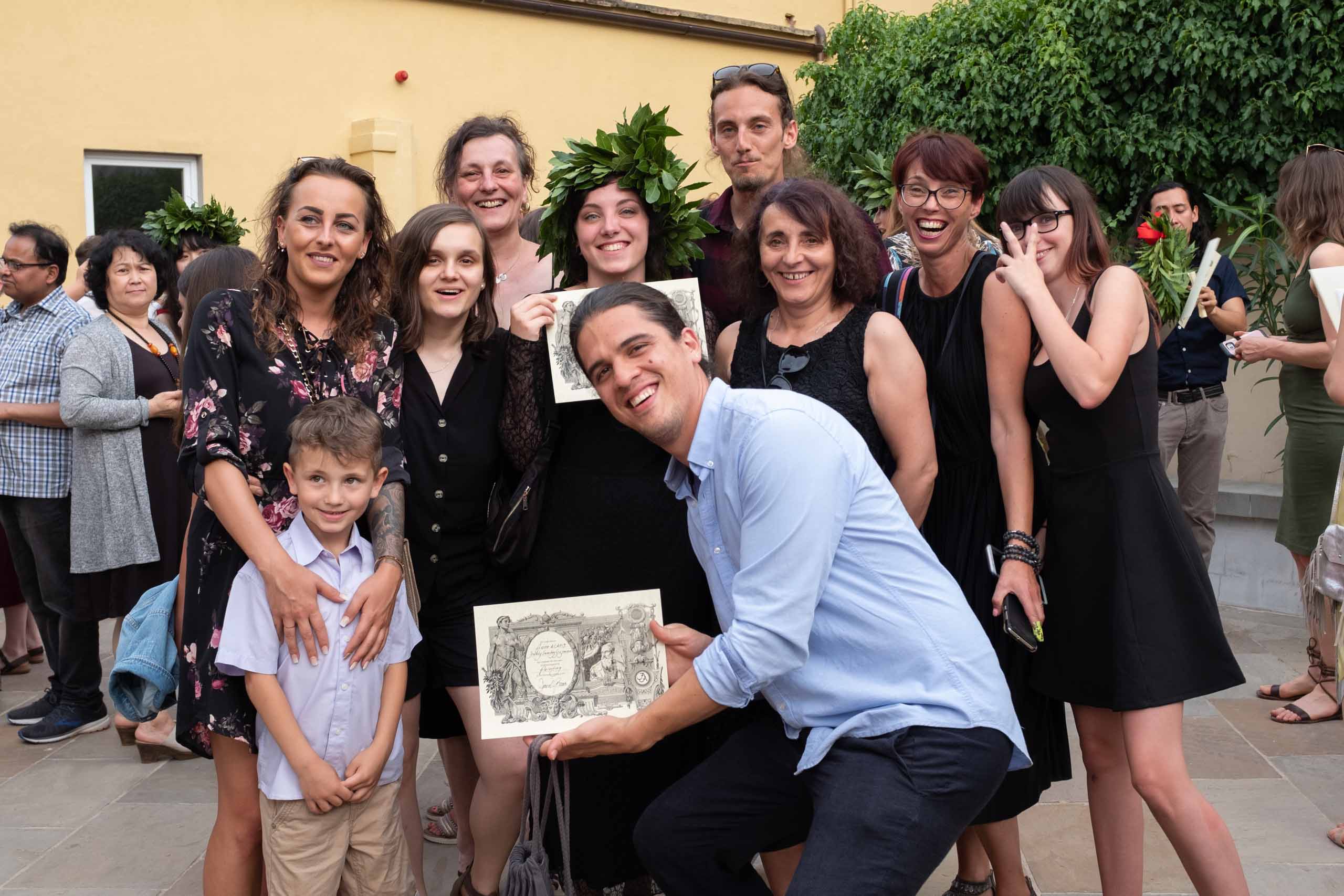
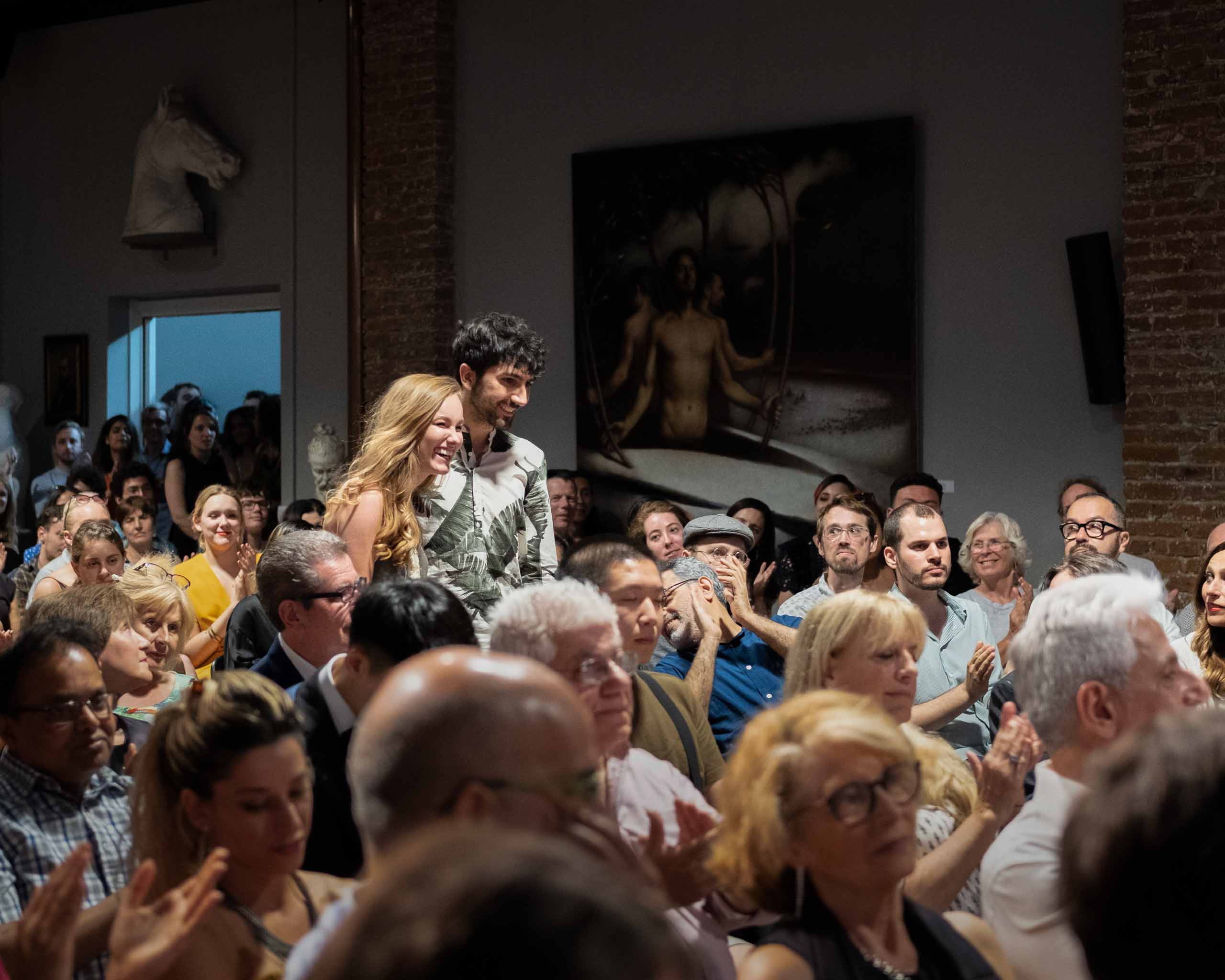
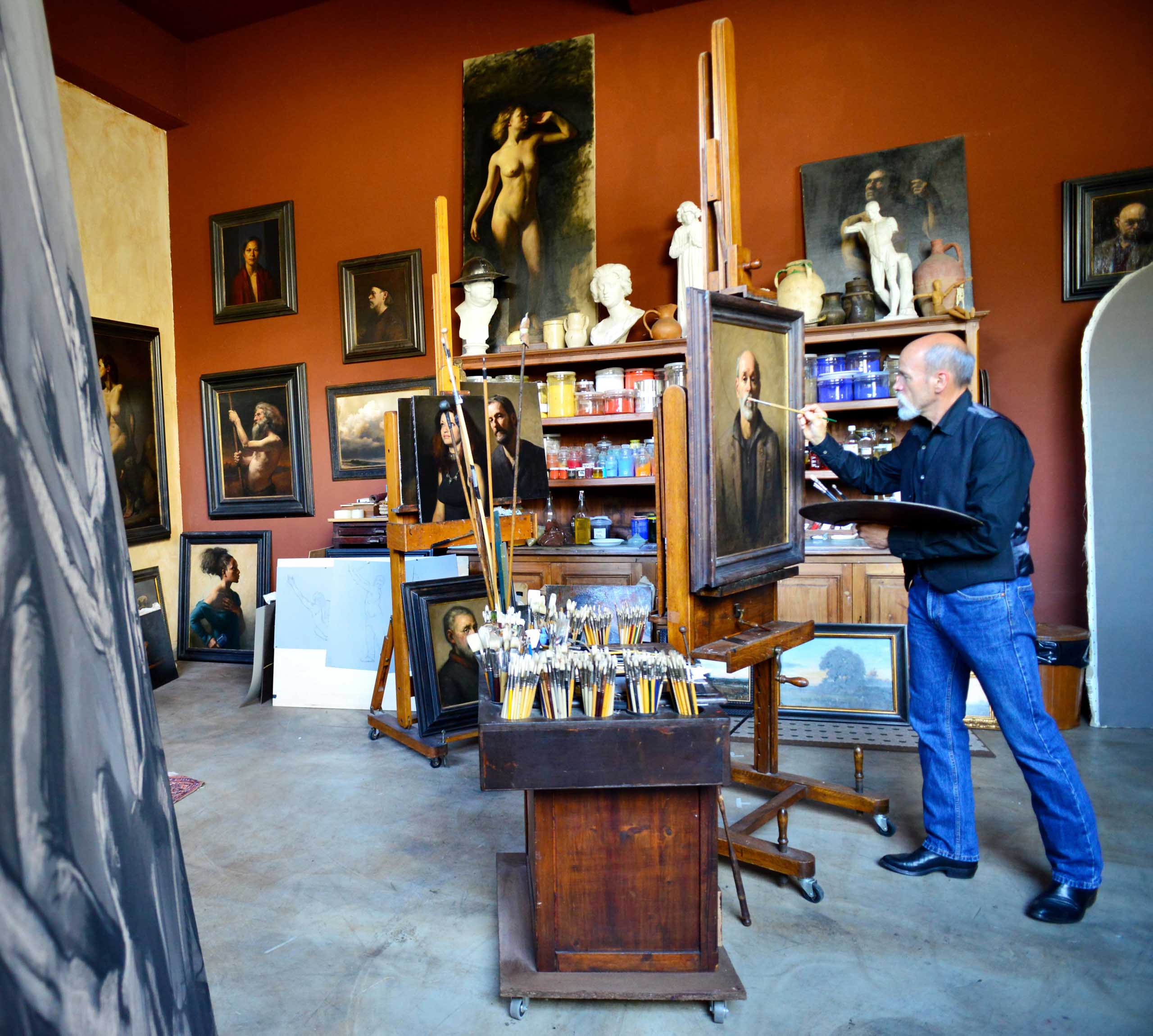
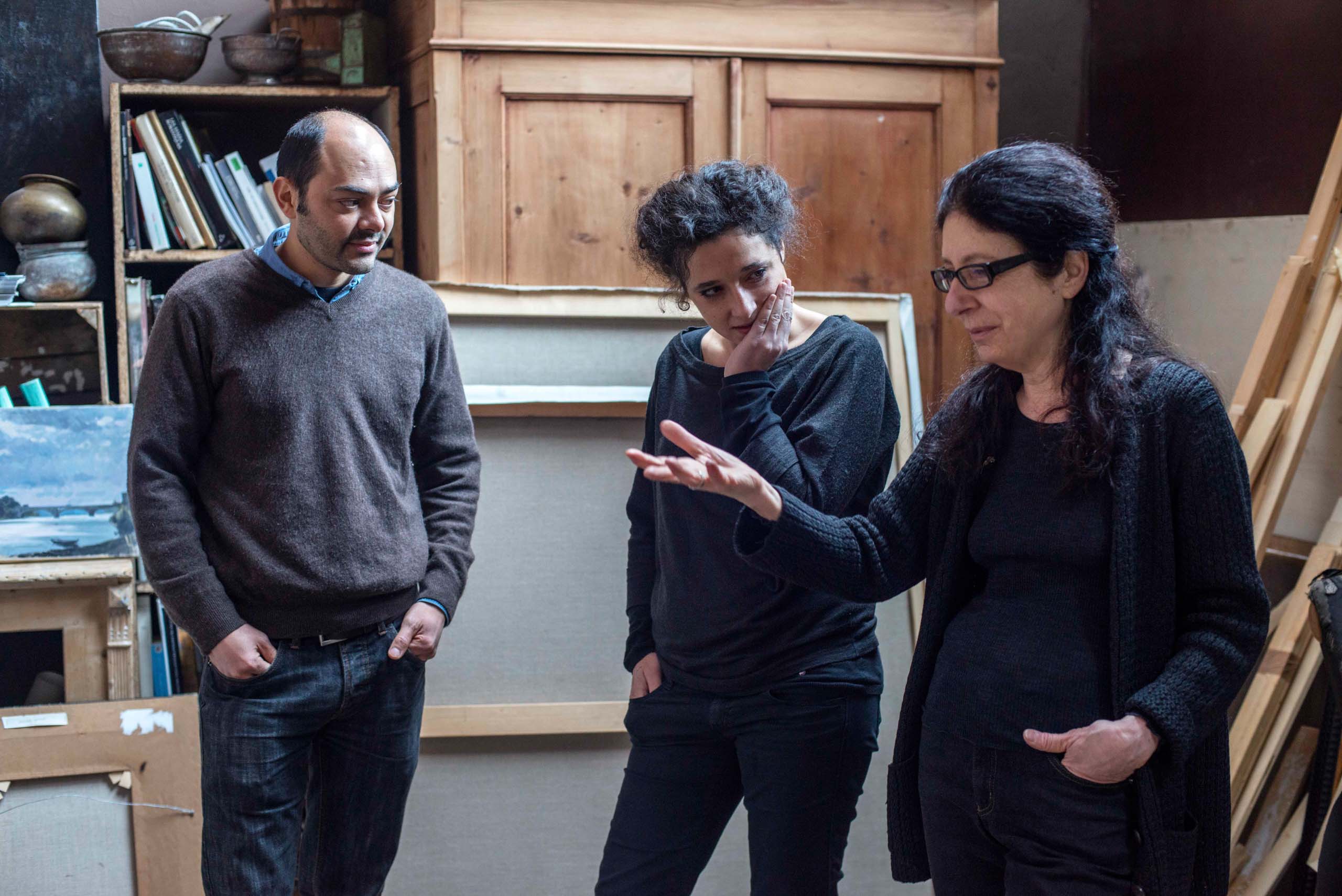
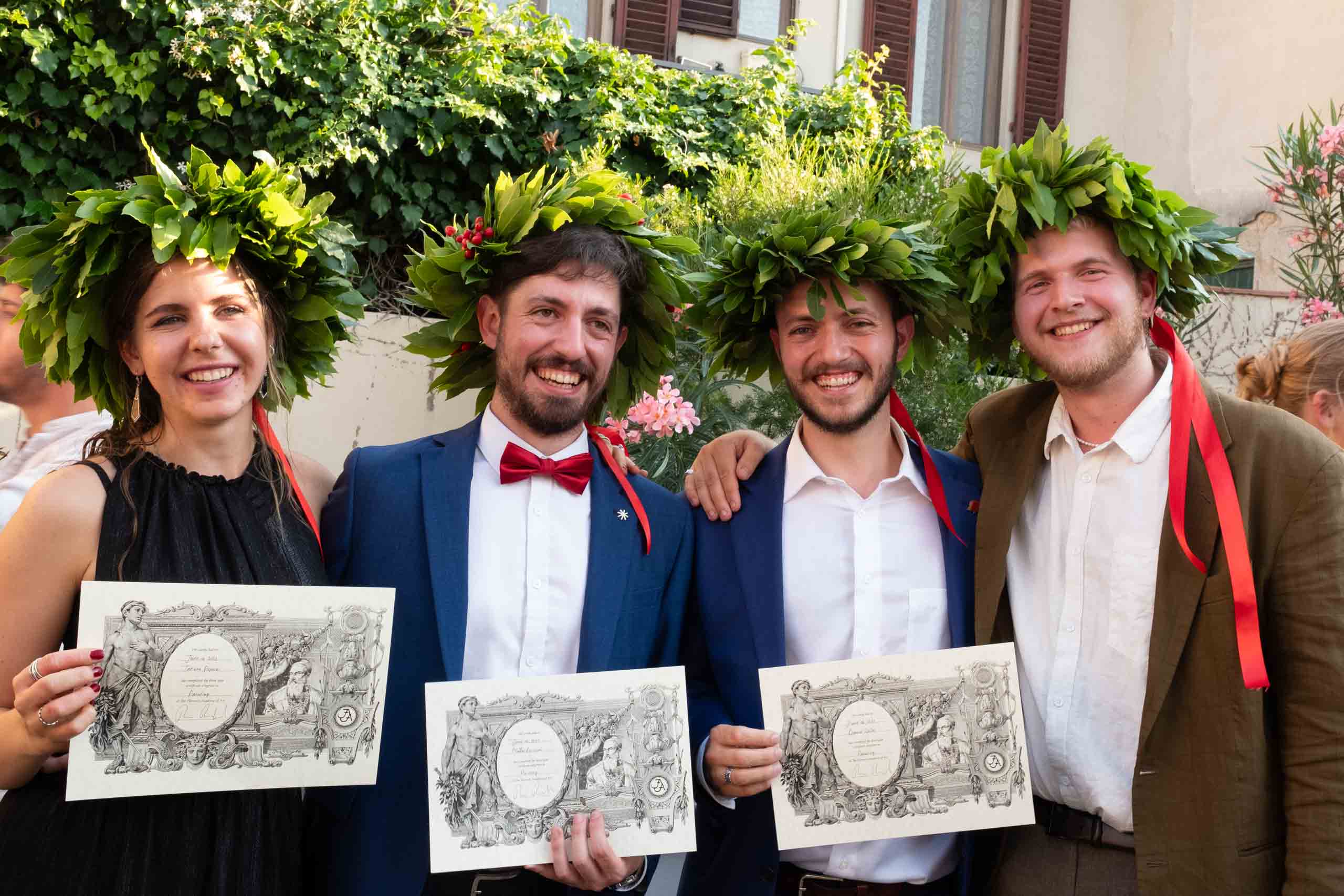
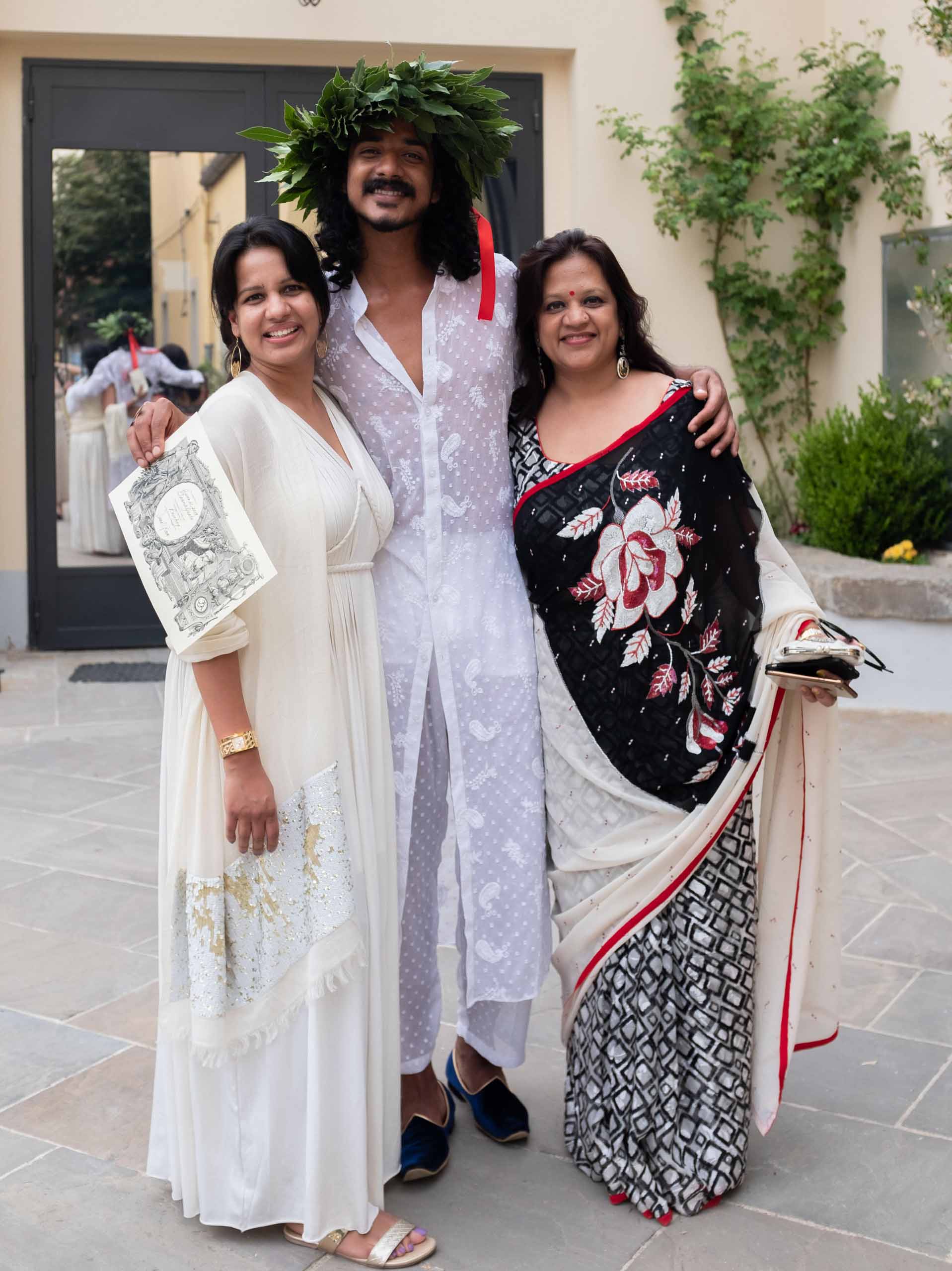
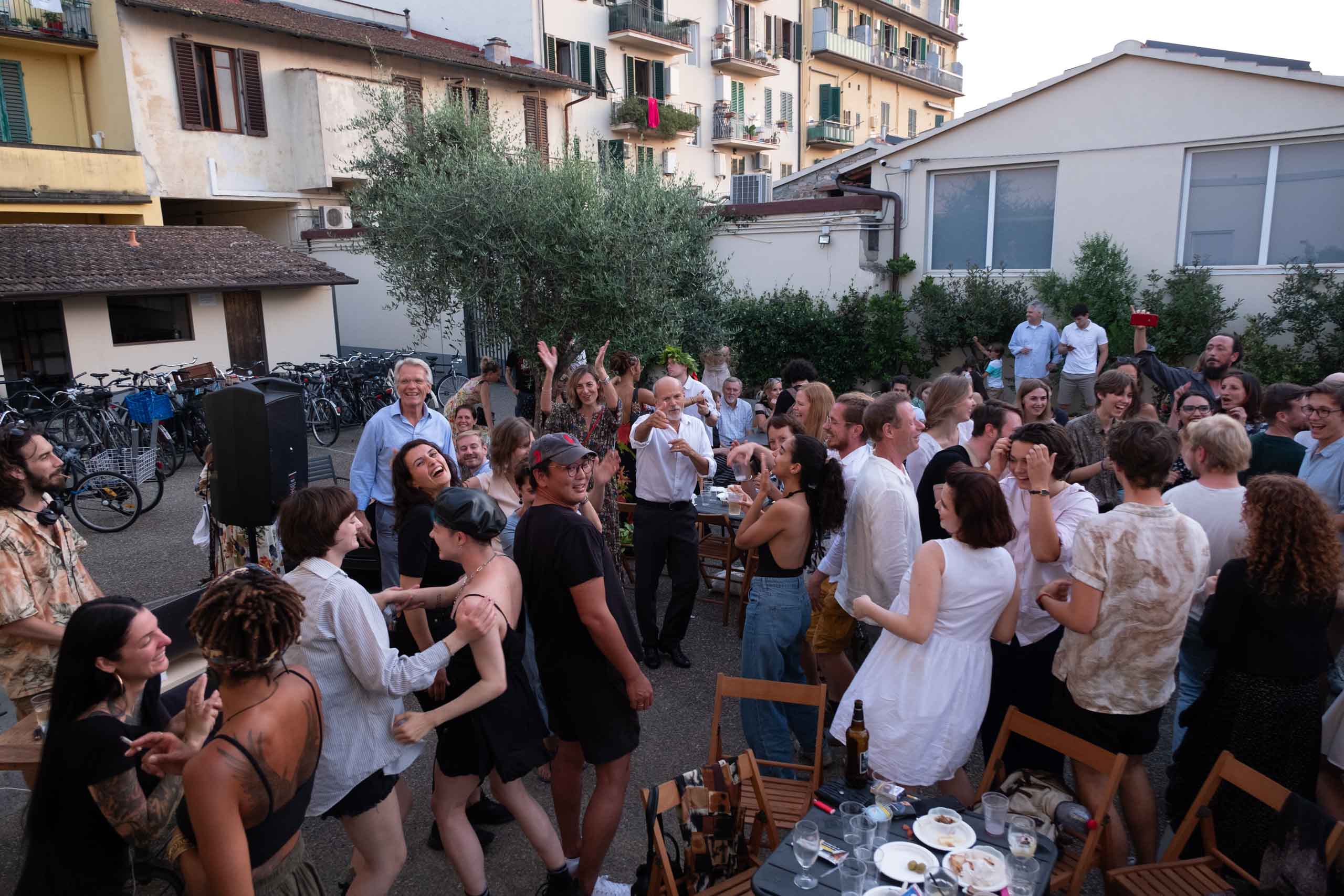
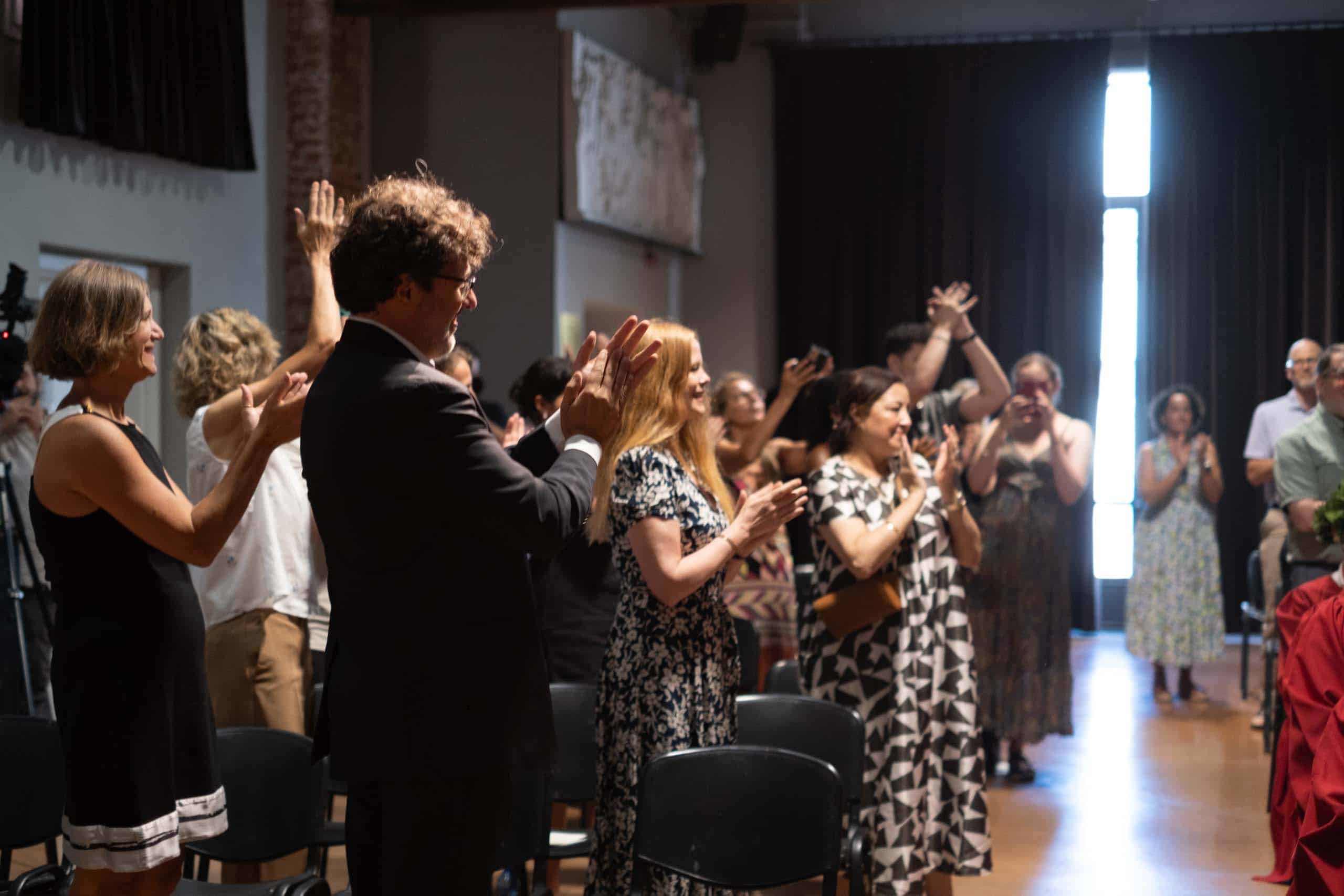
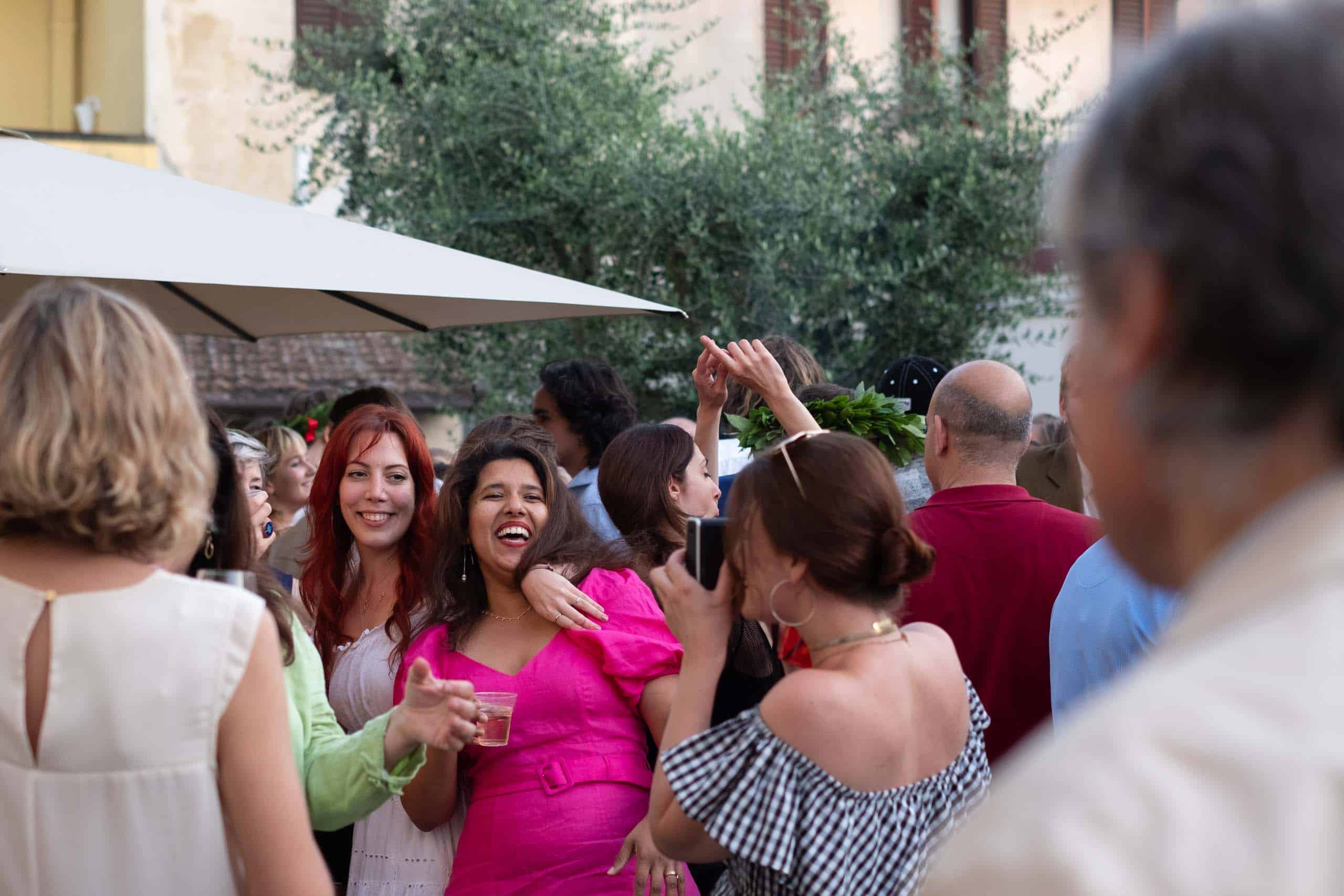
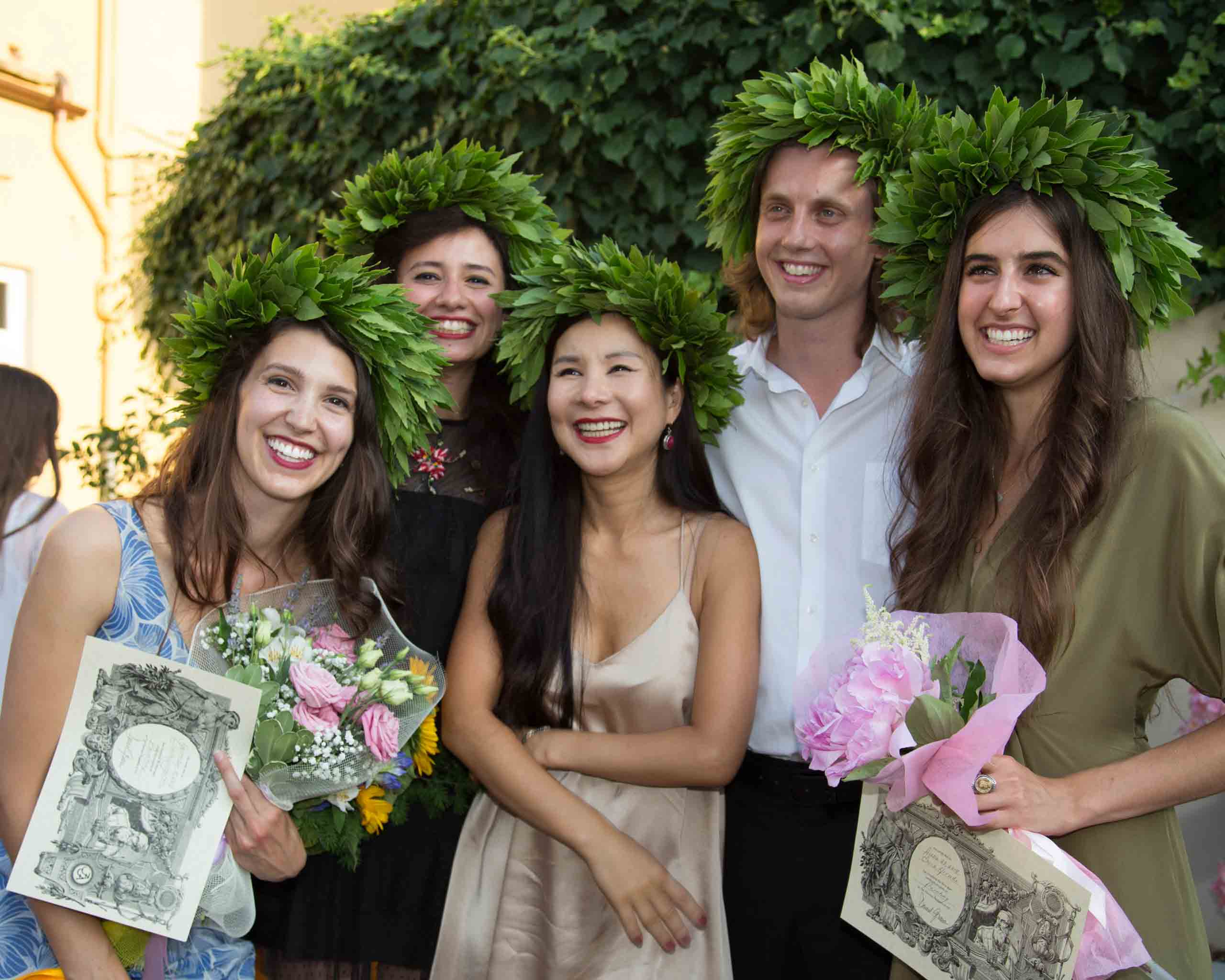
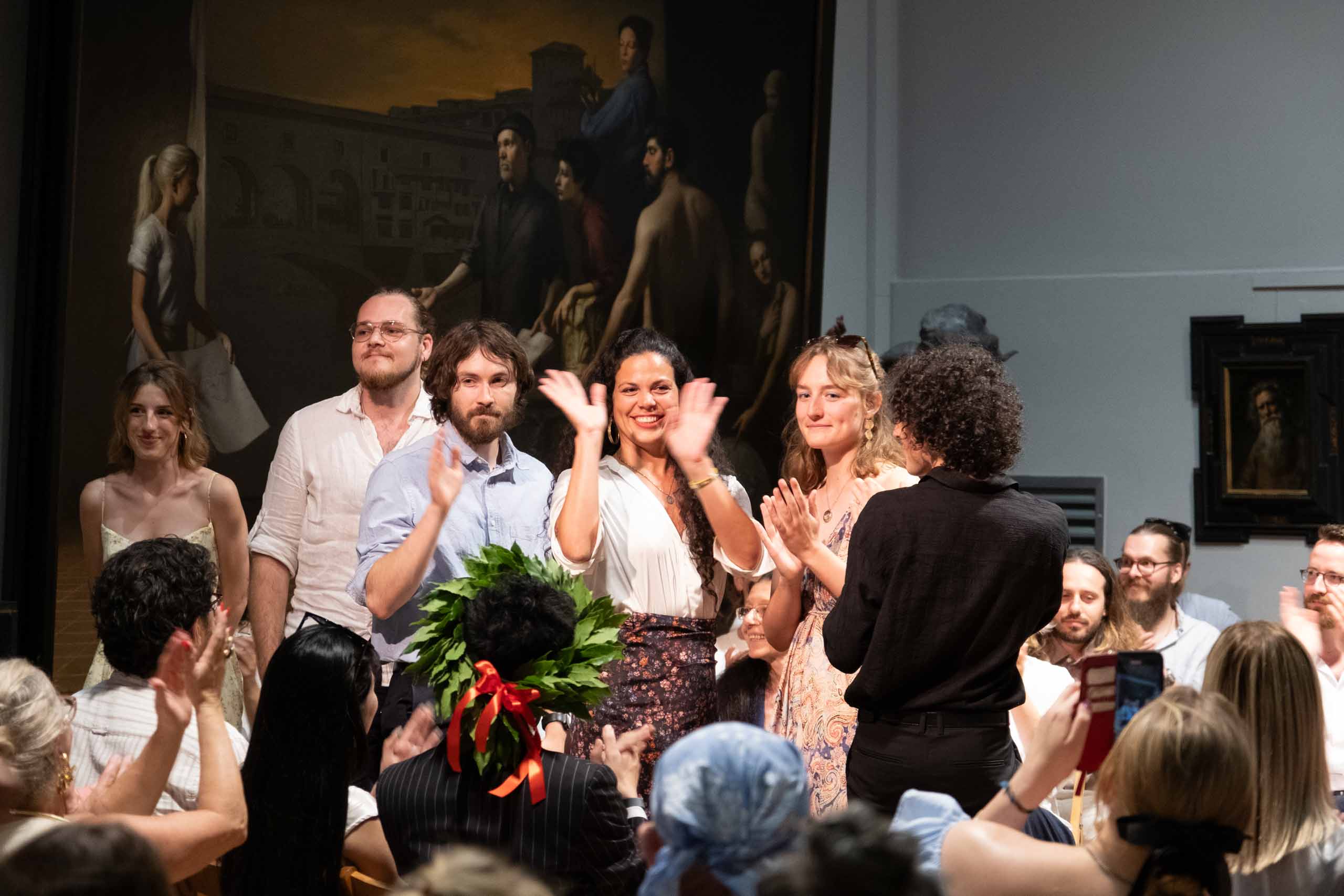
The FAA is a vibrant artistic community. Students are surrounded by peers from around the world who share a deep commitment to realist art. Several instructors maintain on-campus studios where they paint or sculpt independently. In this way, they lead by example, teaching from direct experience as working artists. Throughout the year, students have opportunities to view their instructors’ work, engage in conversations beyond the classroom, and gain insight into what it means to sustain a professional artistic practice beyond formal study. This proximity creates countless opportunities for informal mentorship, observation, and inspiration beyond scheduled instruction.
To learn more, visit our Community page.
Accreditation and Professional Recognition
Accreditation and Professional Recognition
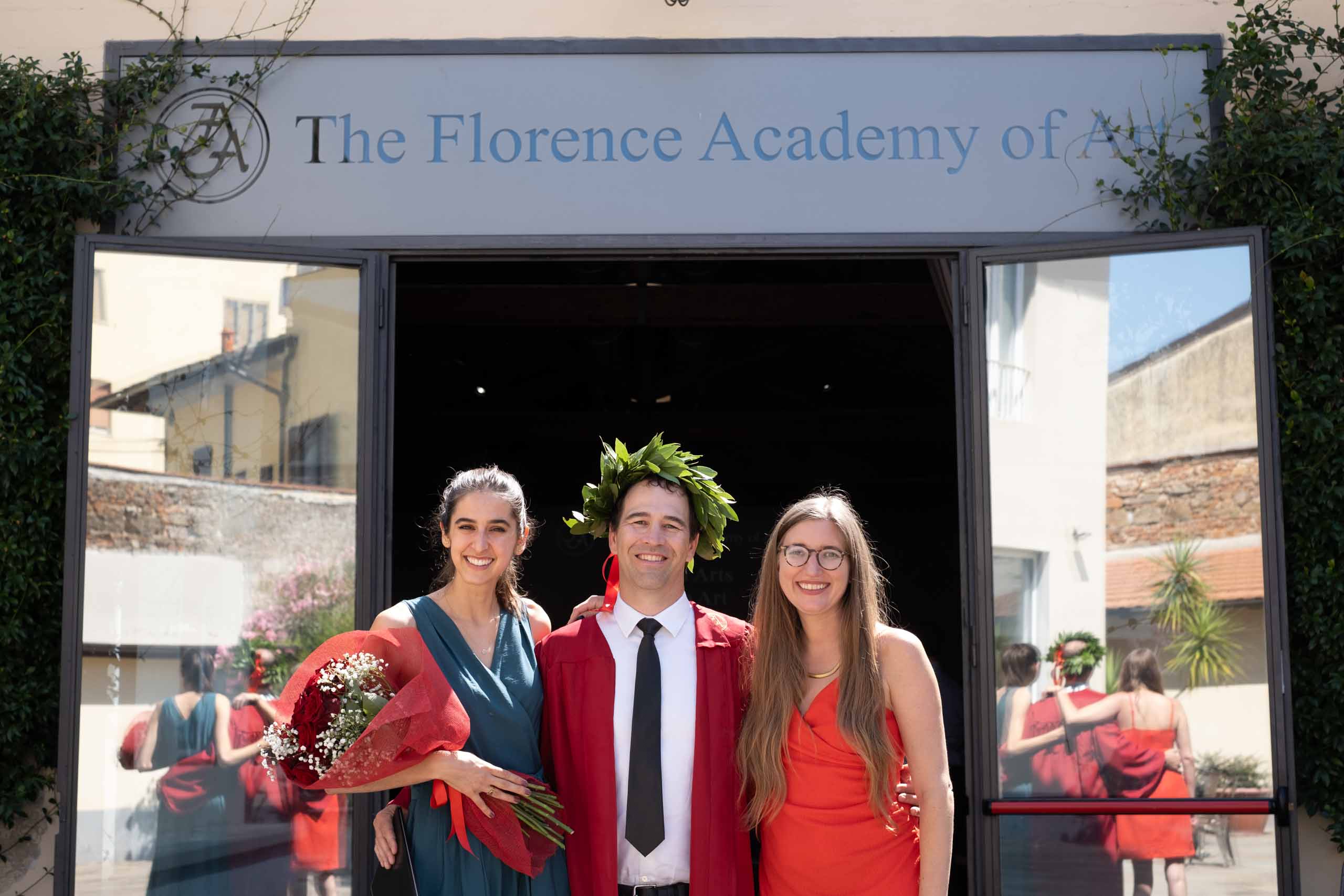
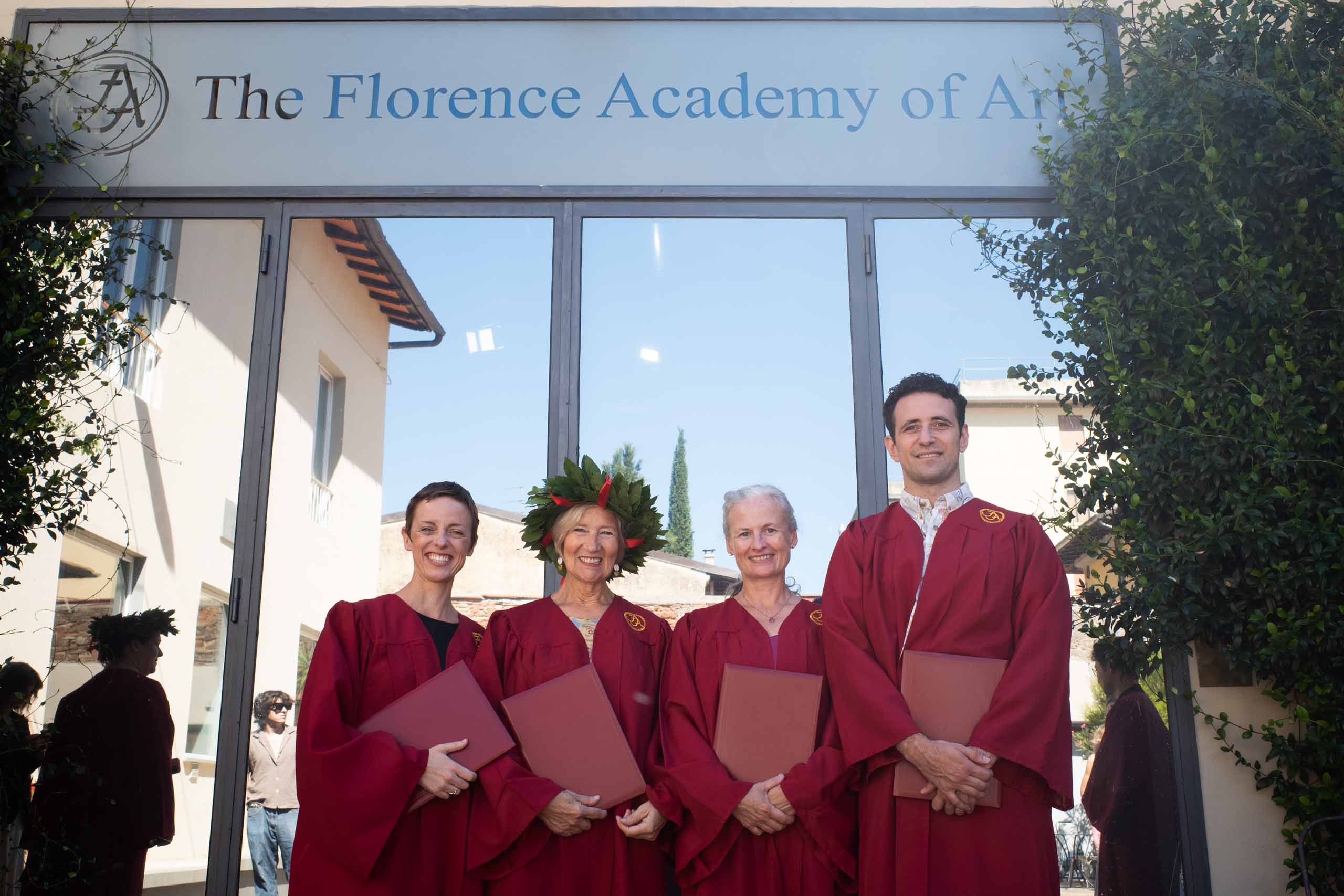
The Florence Academy of Art is accredited by NASAD, making it one of the few atelier-style schools with recognised academic status. This accreditation allows students to earn transferable credits and provides important professional and educational legitimacy, particularly for those pursuing teaching, further study, or international careers.