

Drawing & Painting
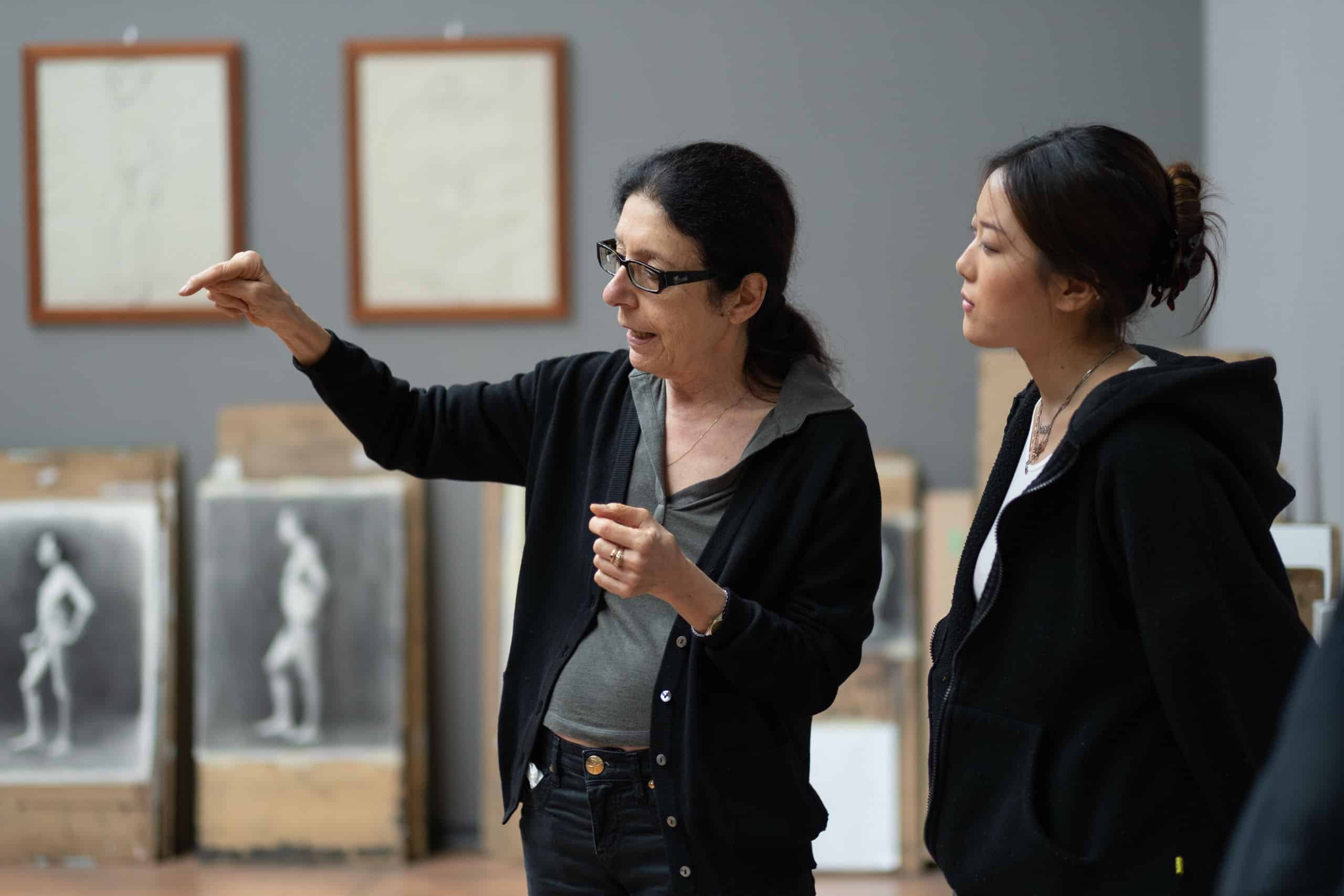
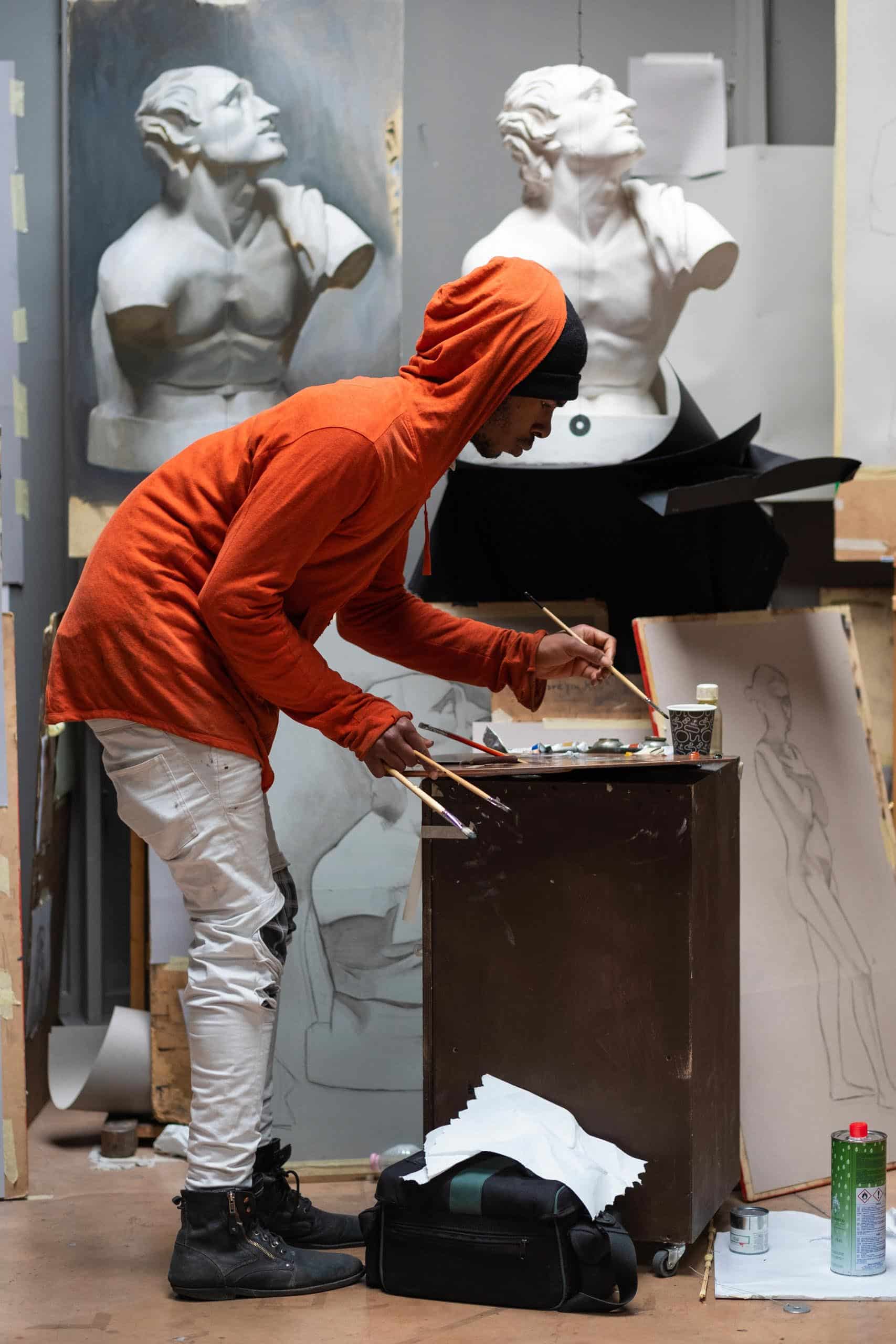
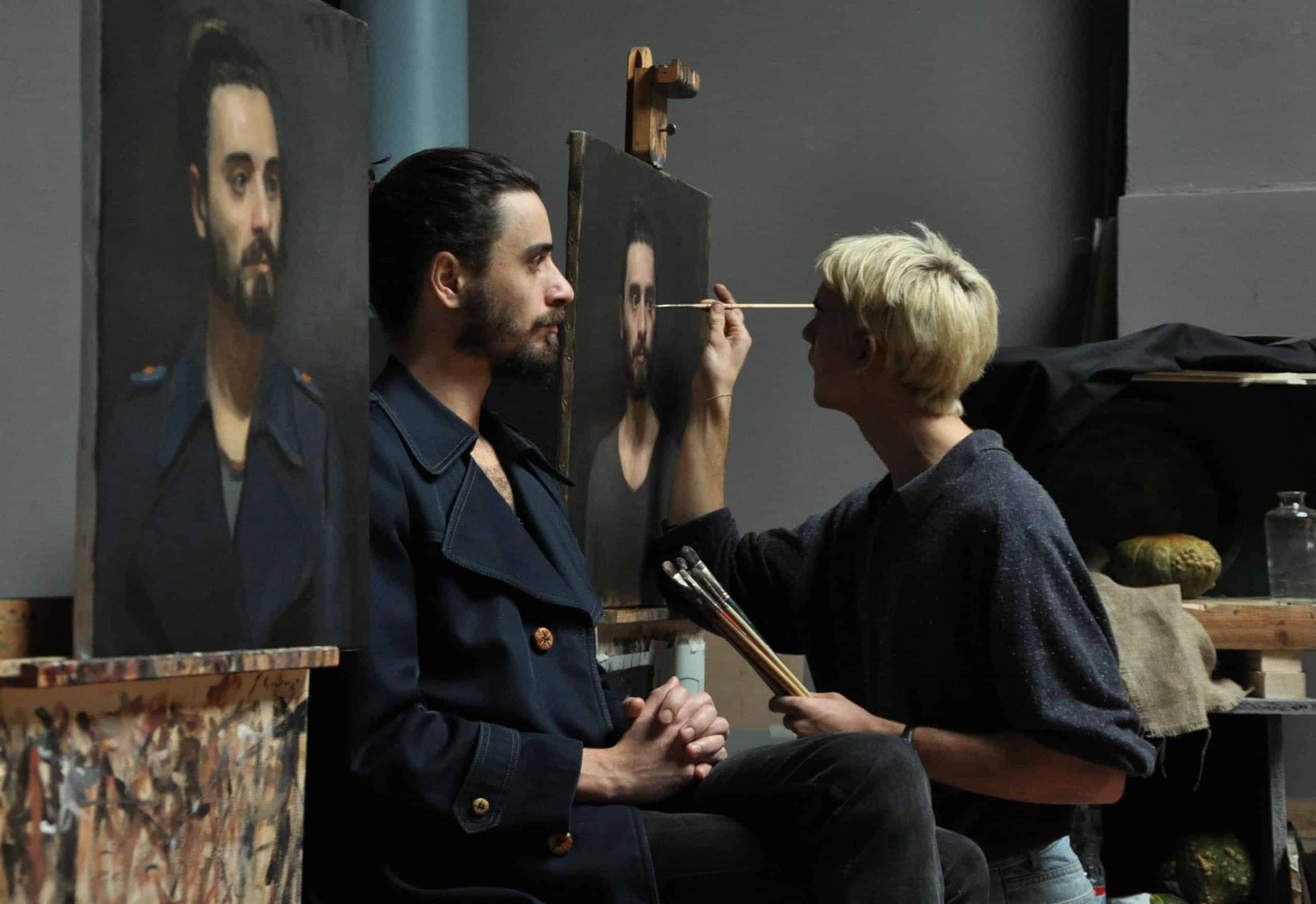
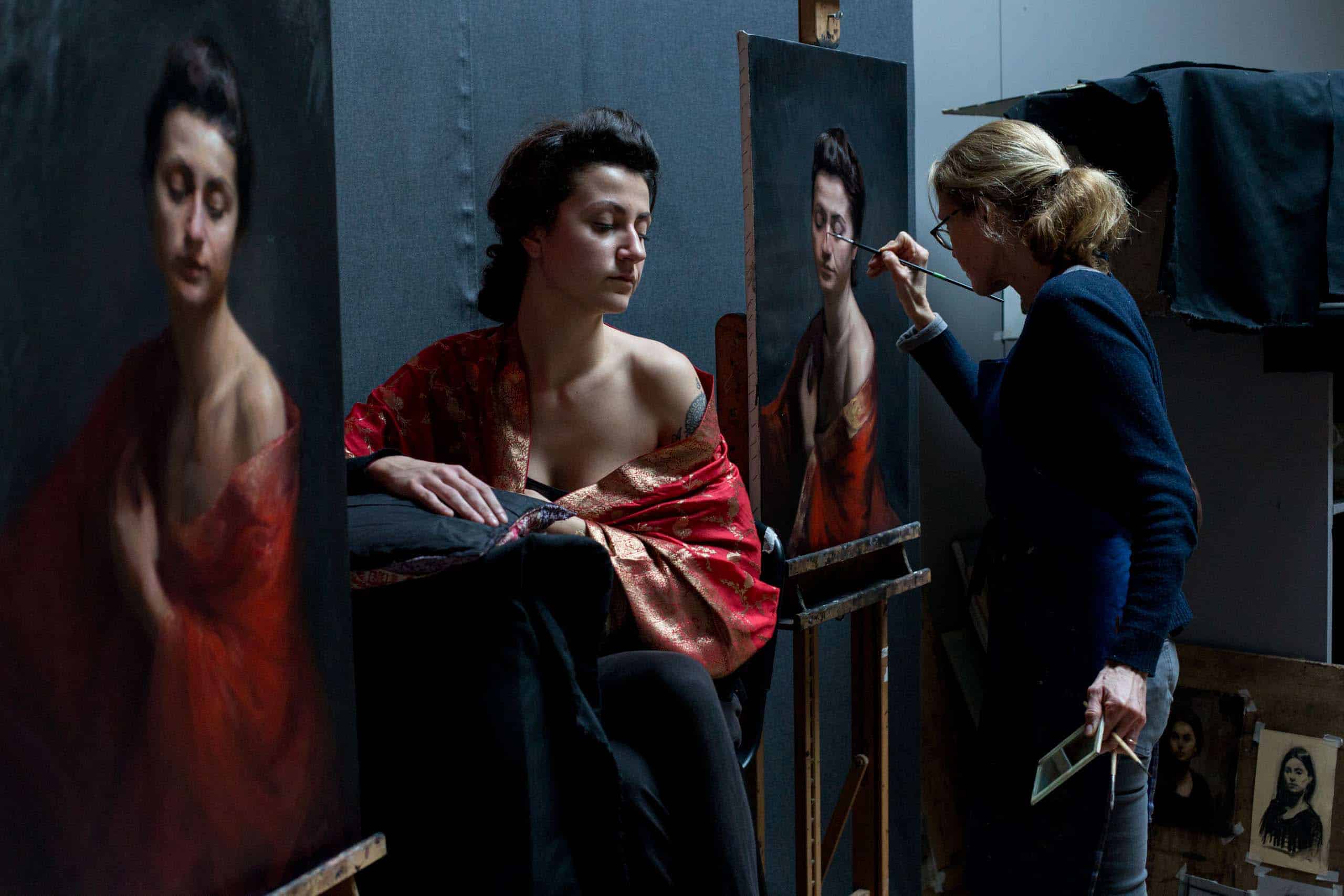
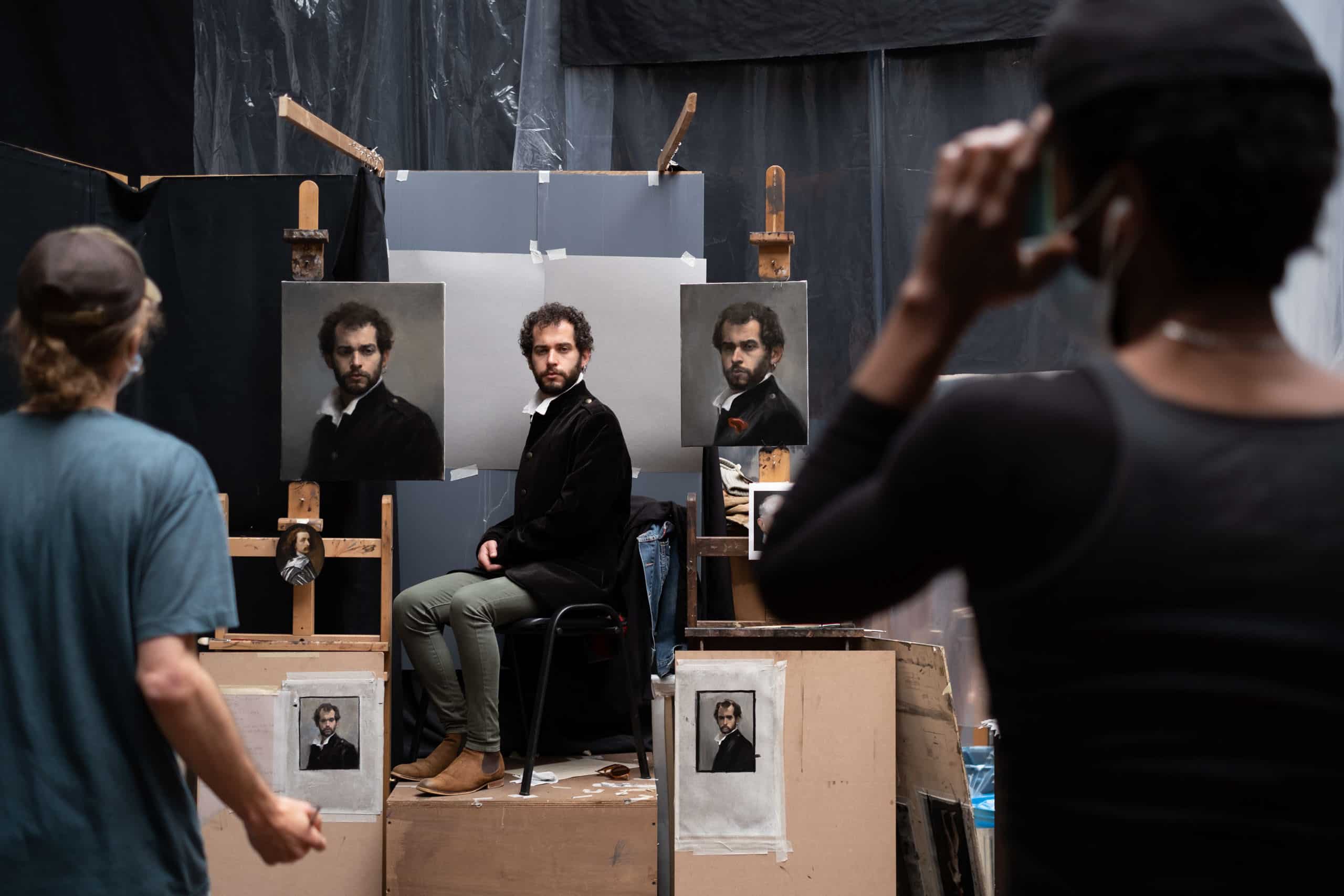
The Drawing & Painting Program is full time and requires three years to complete. Students are guided through the curriculum by faculty who are graduates of our program, and work daily from the figure, cast, portrait and still life, while attending lectures in Anatomy, Art History and Materials.
The Drawing & Painting Program is offered in Florence, Italy, and Mölndal, Sweden.

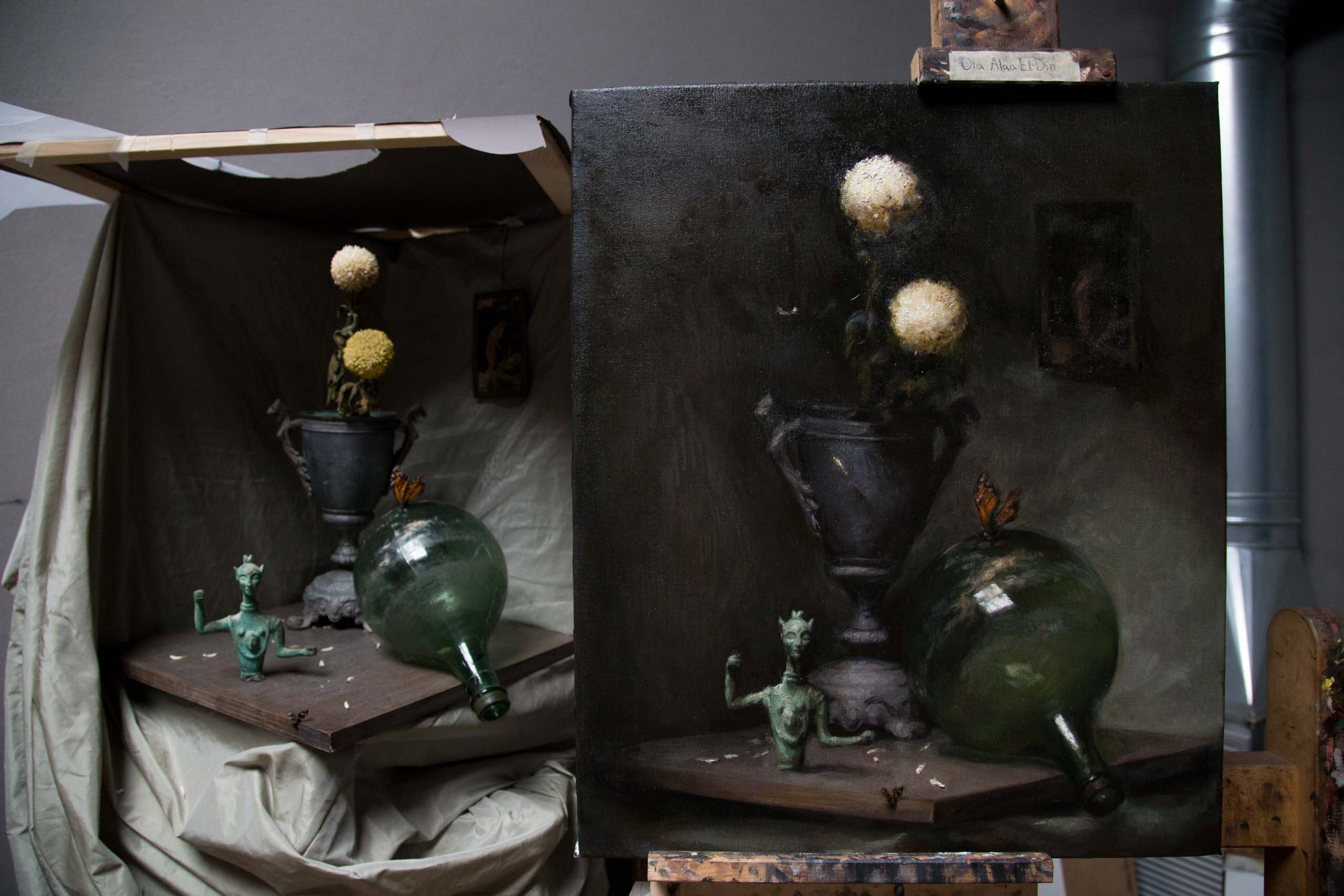
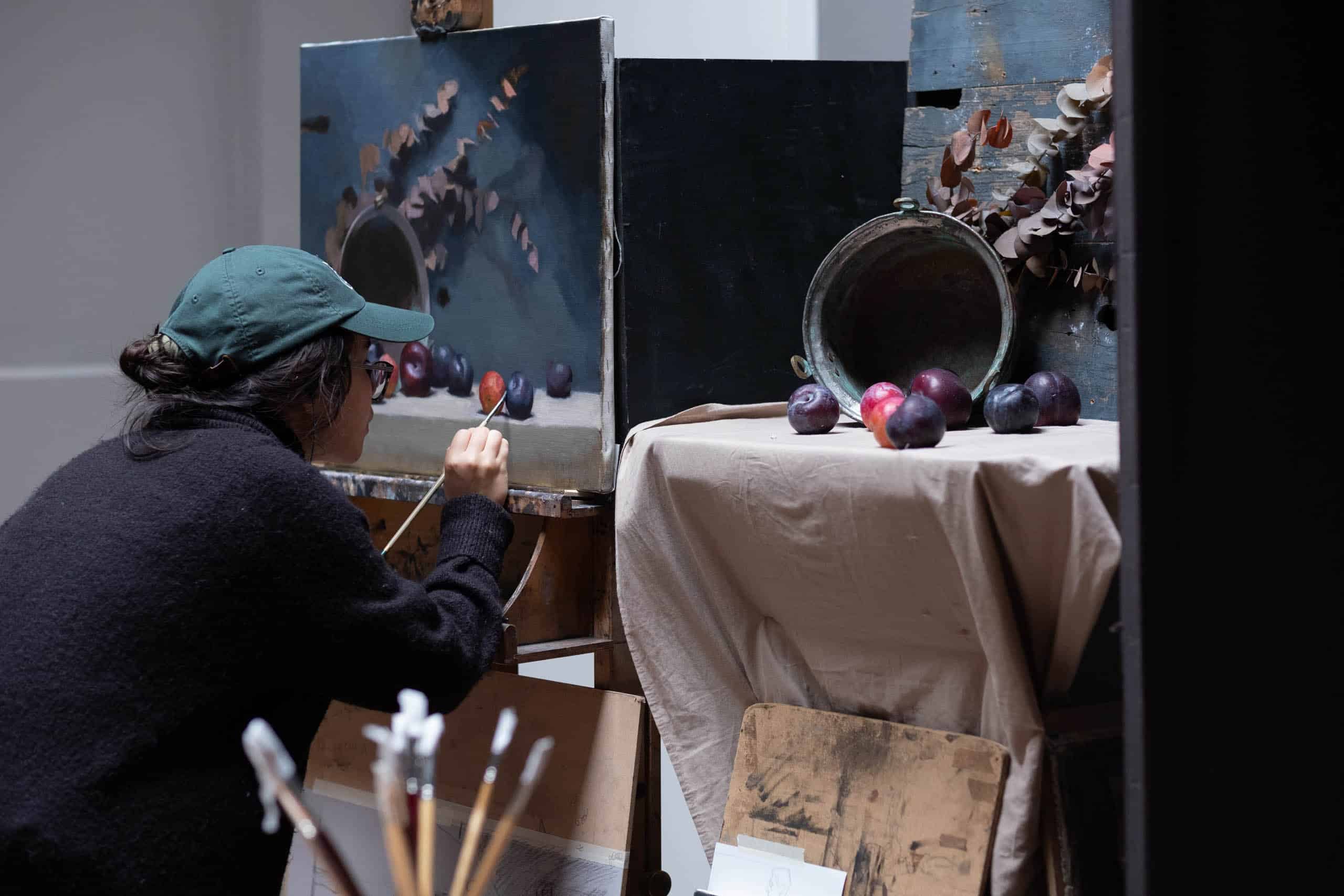
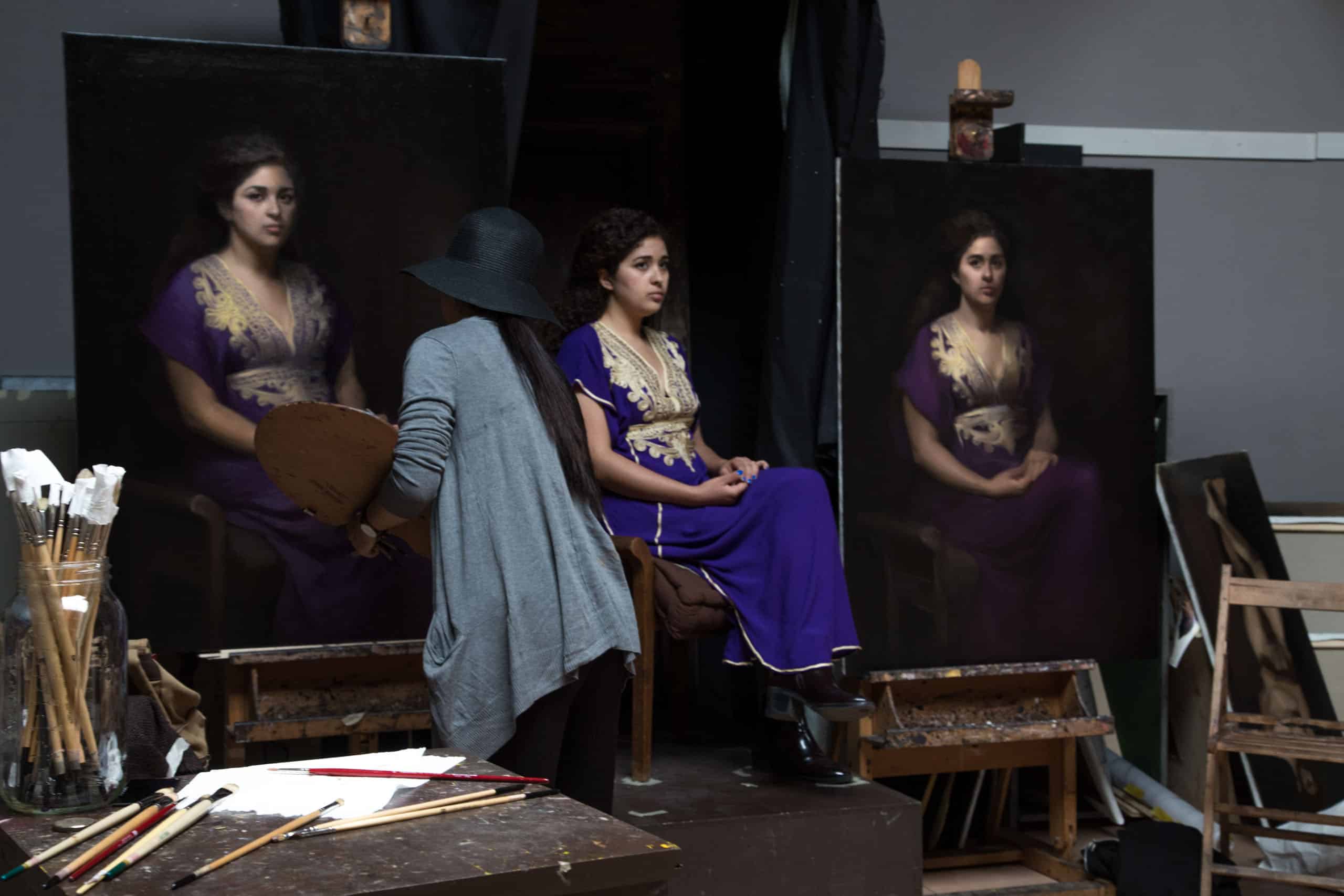
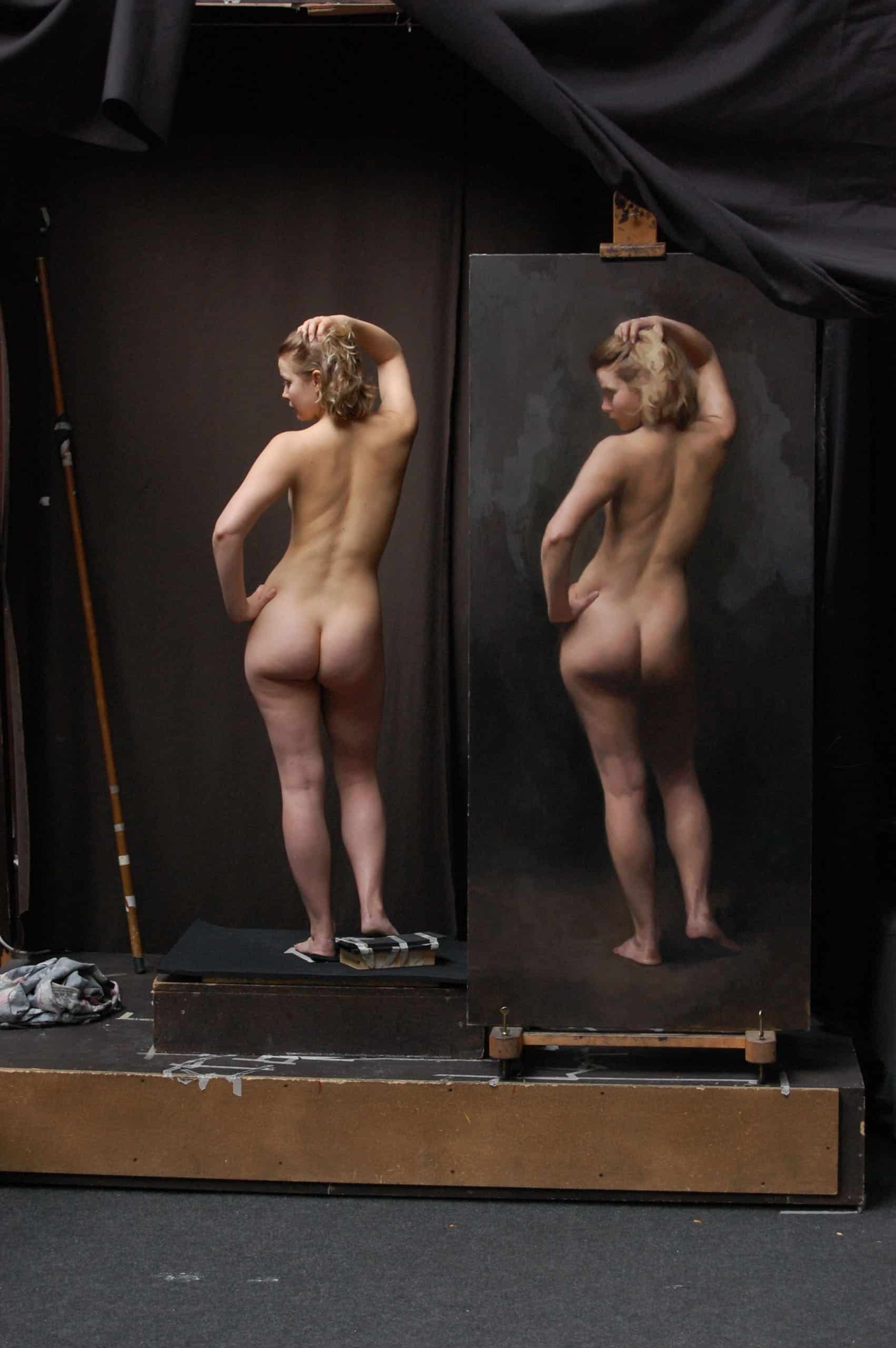
About
the Program
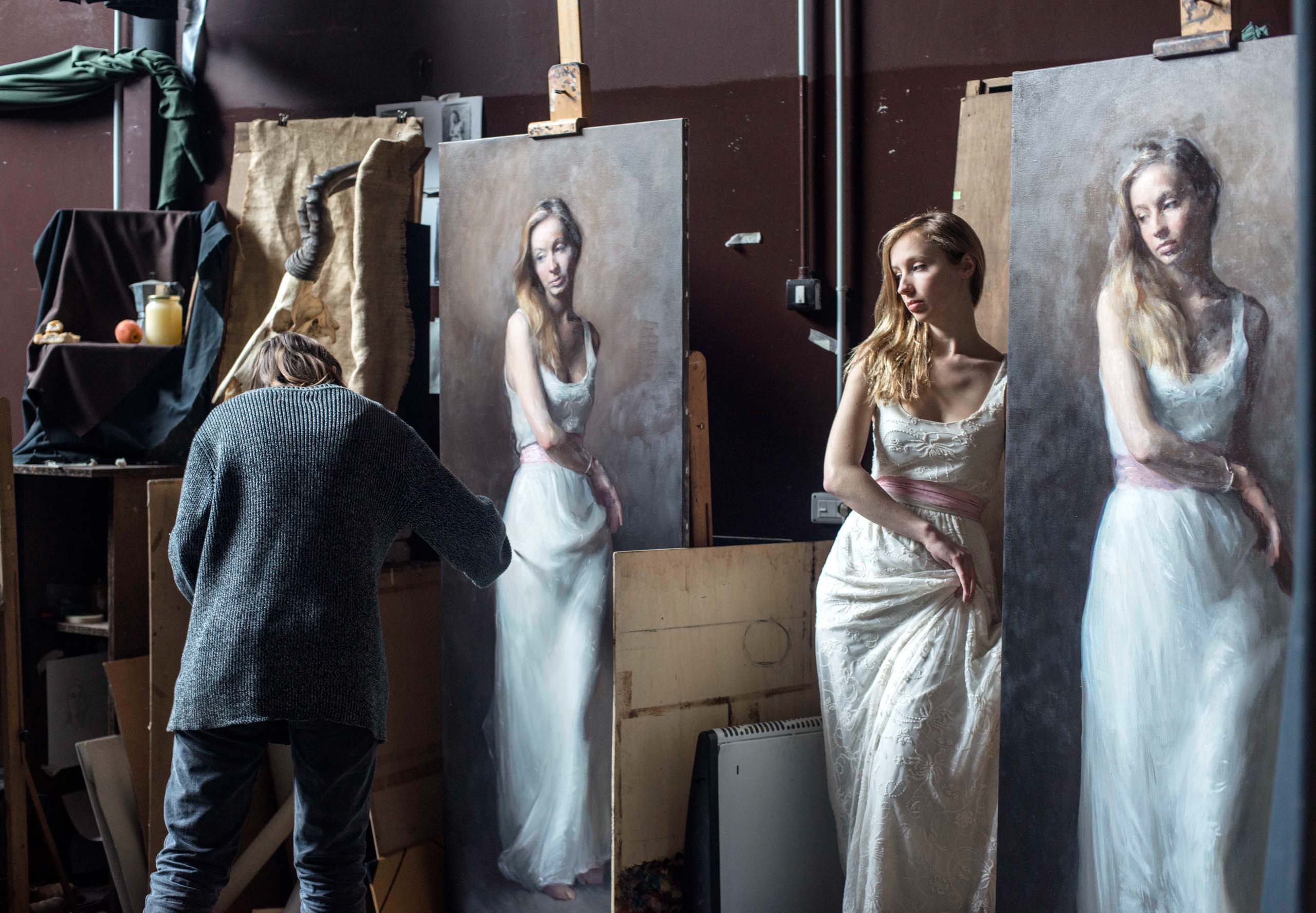
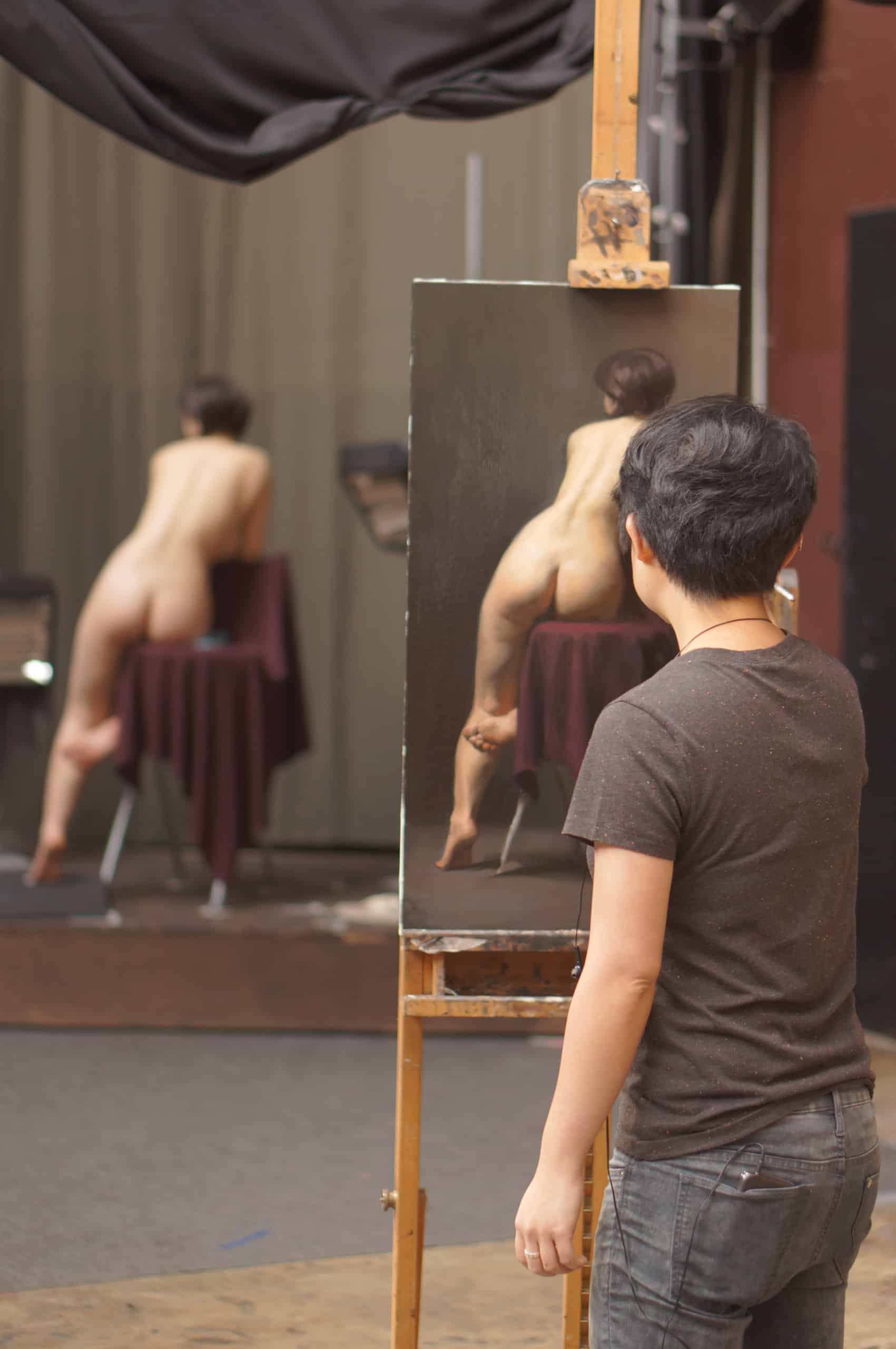
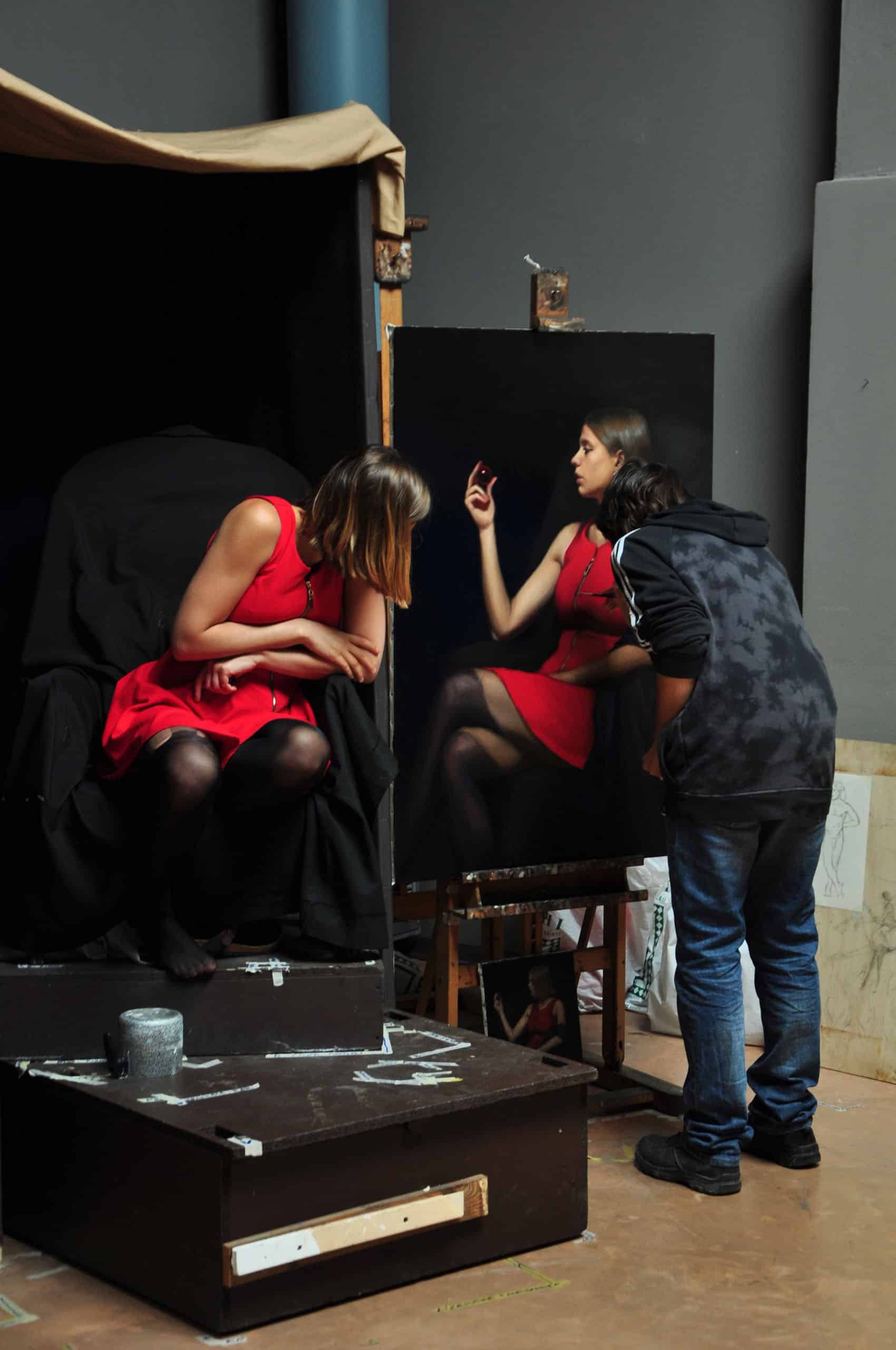
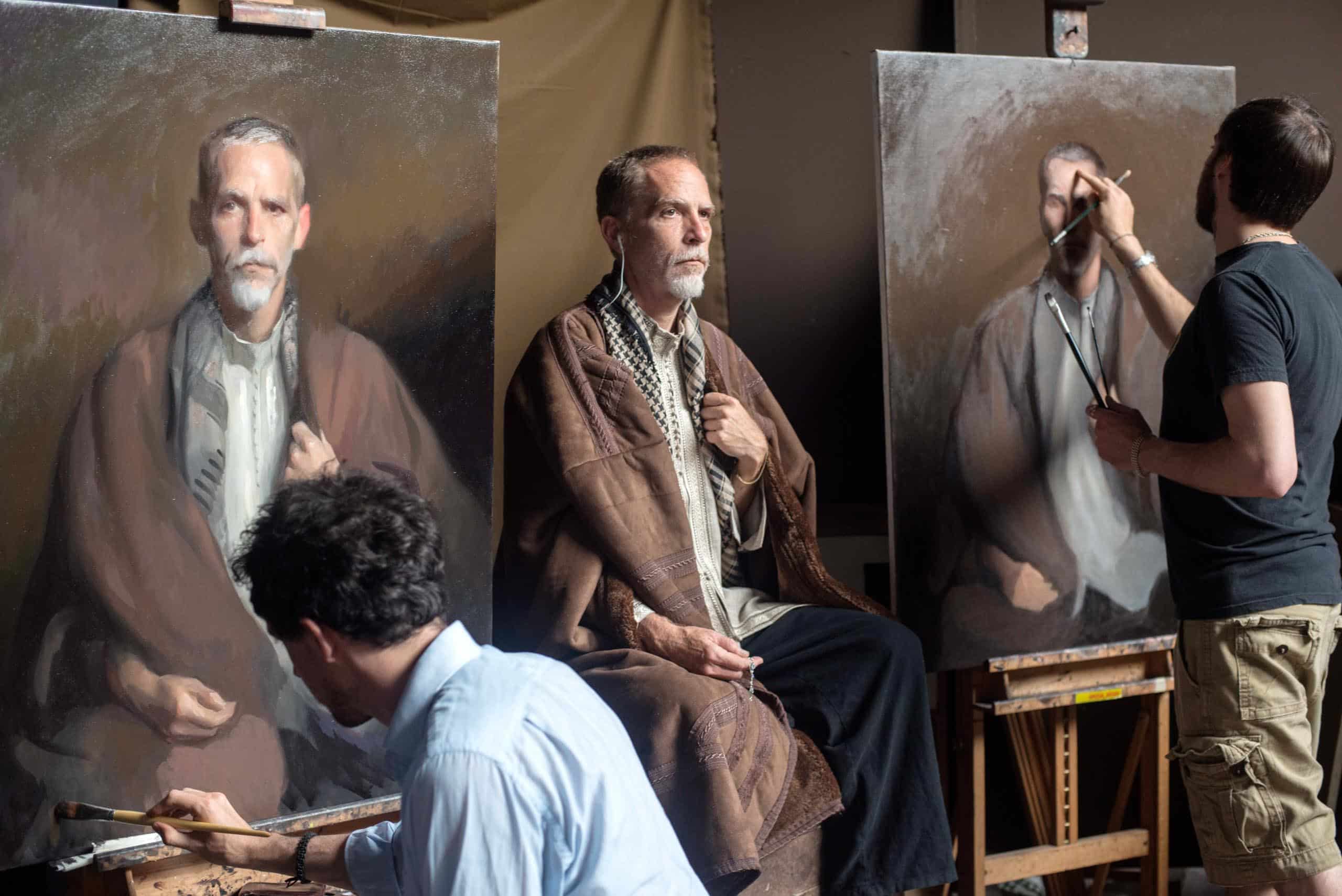
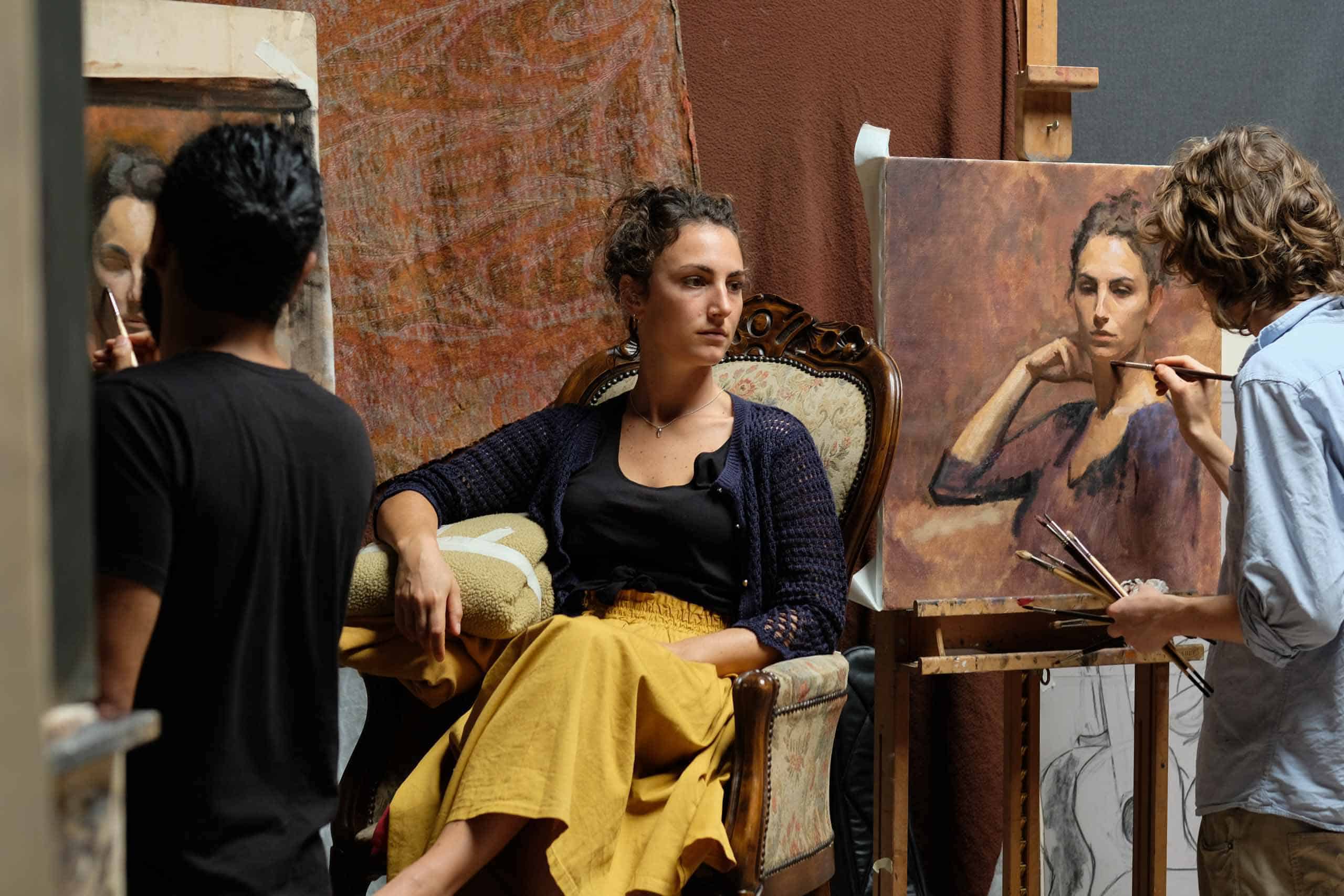
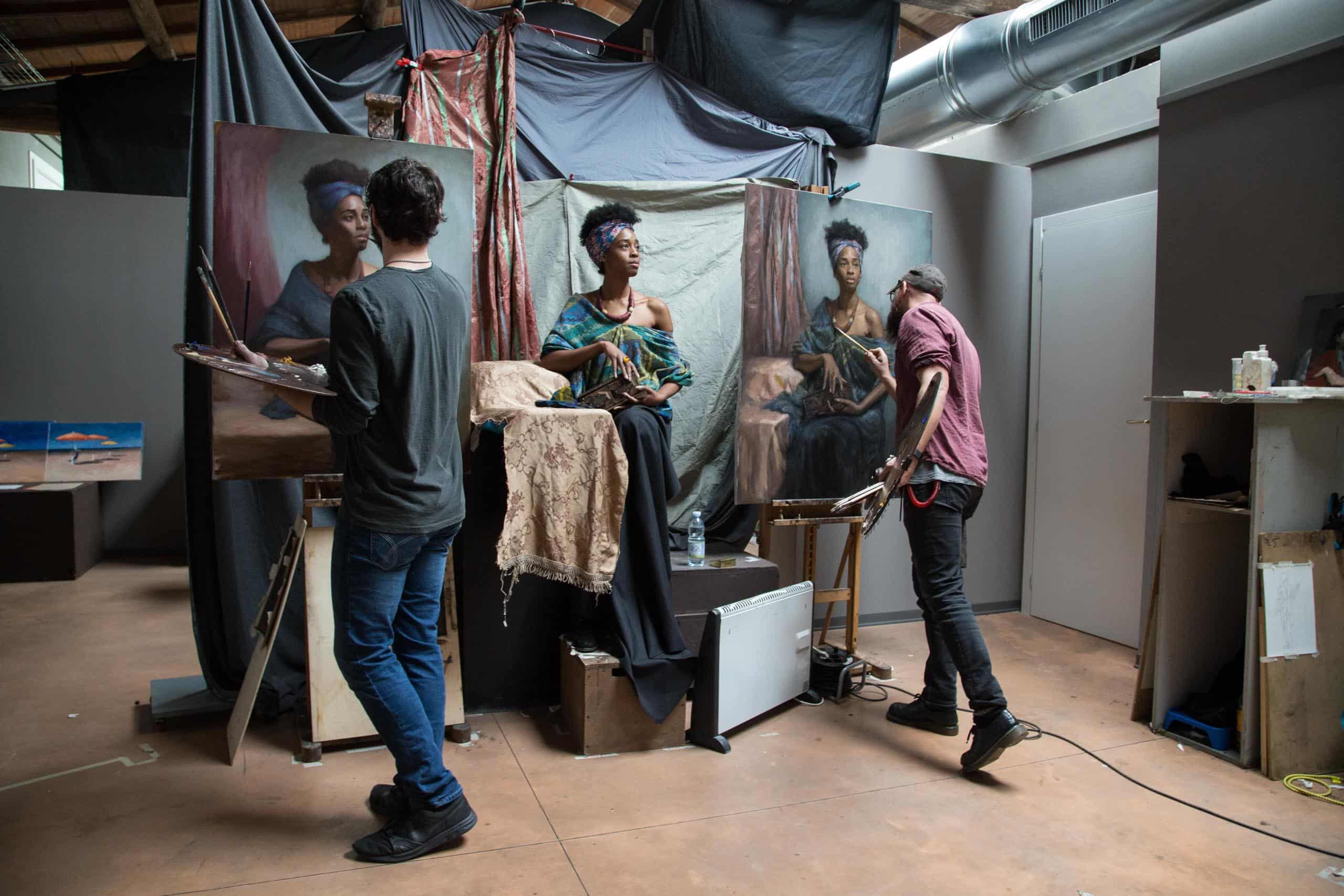
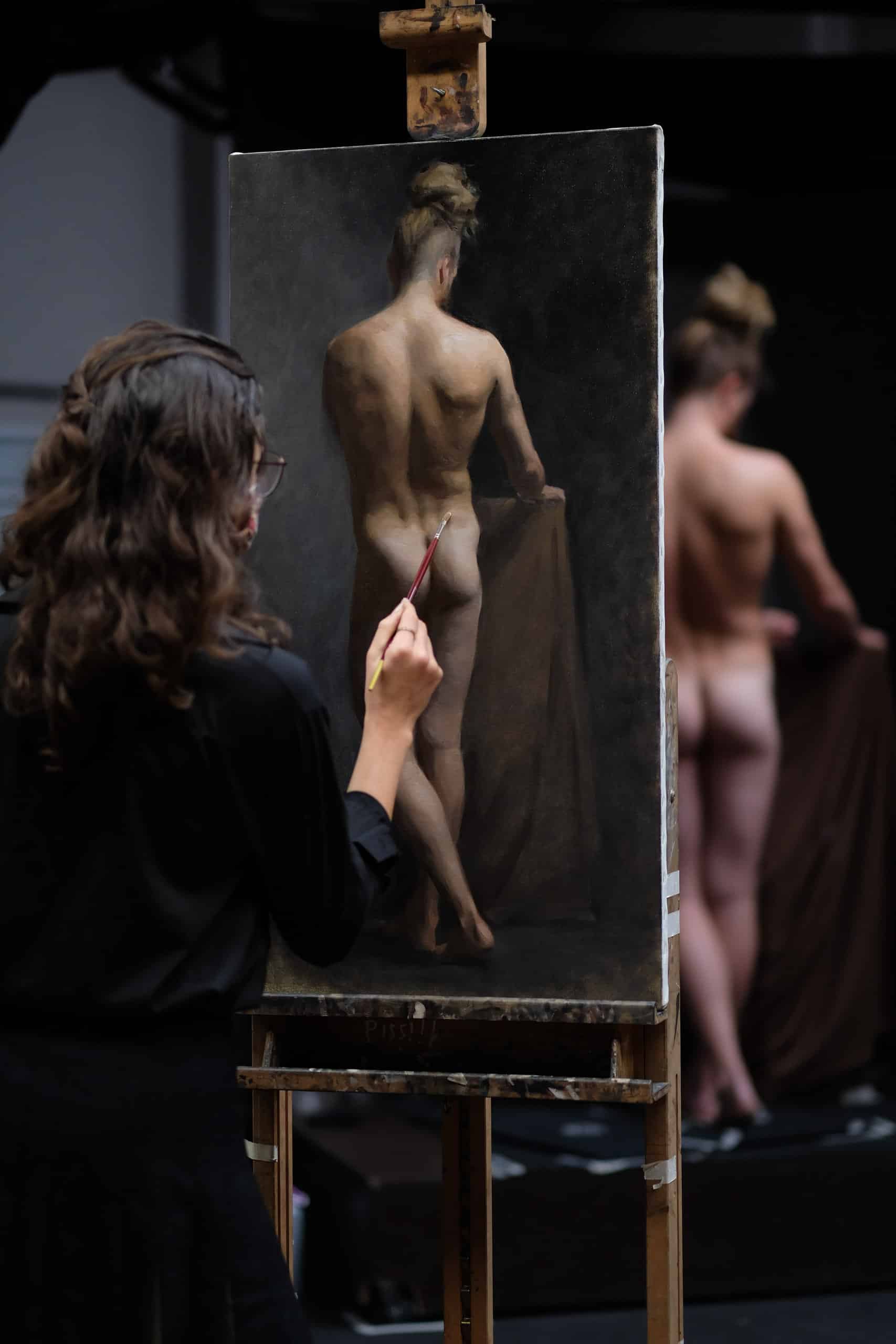
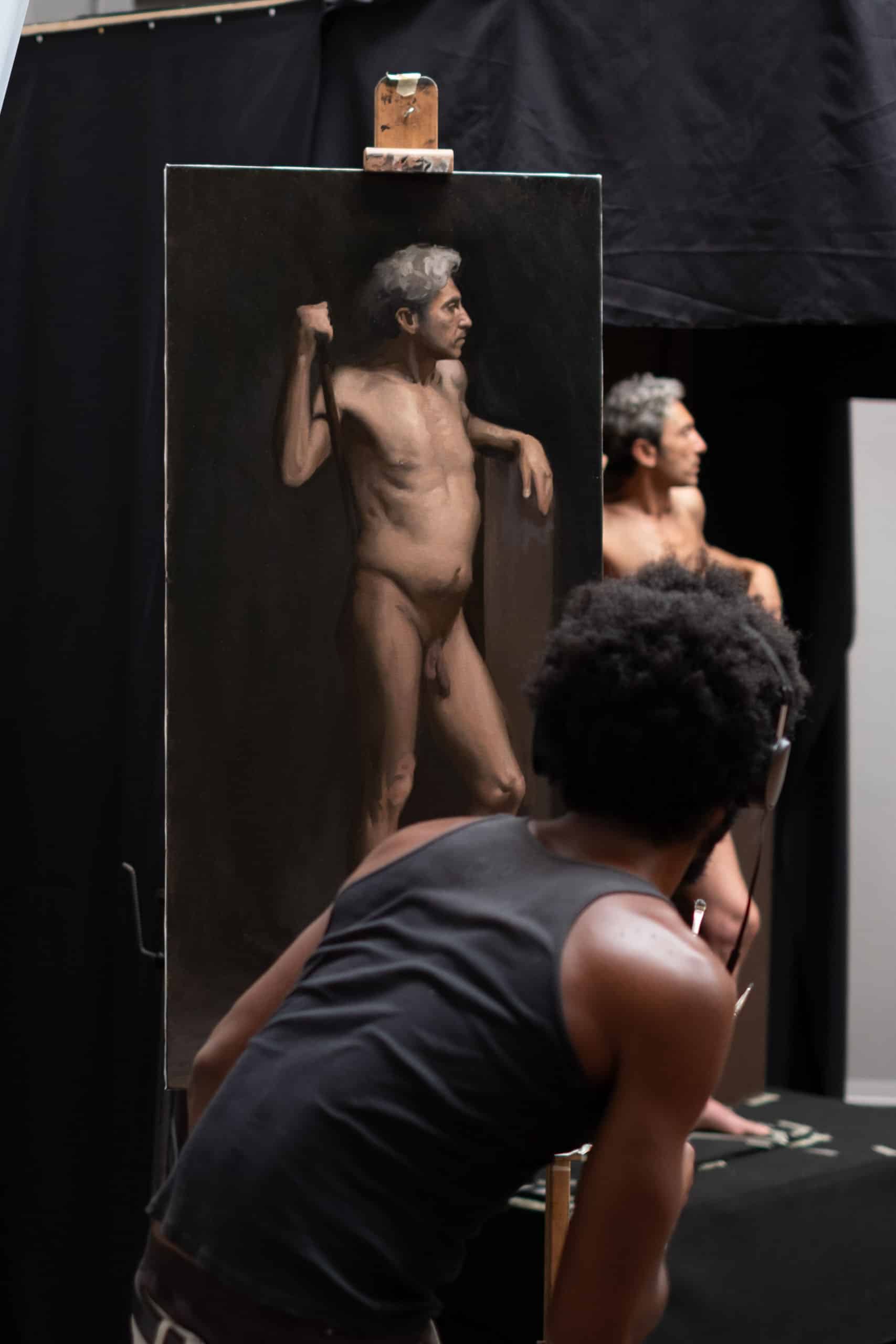
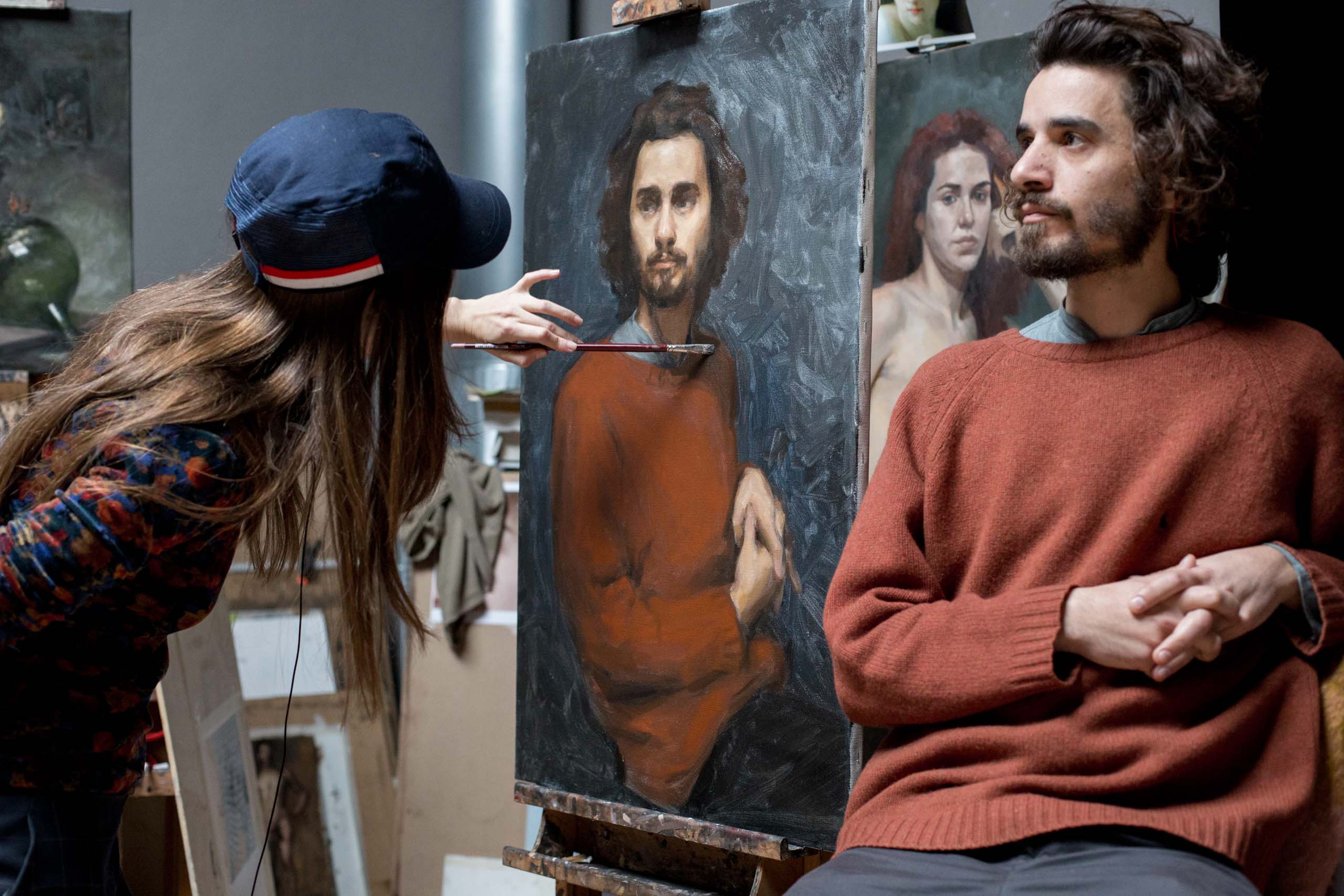
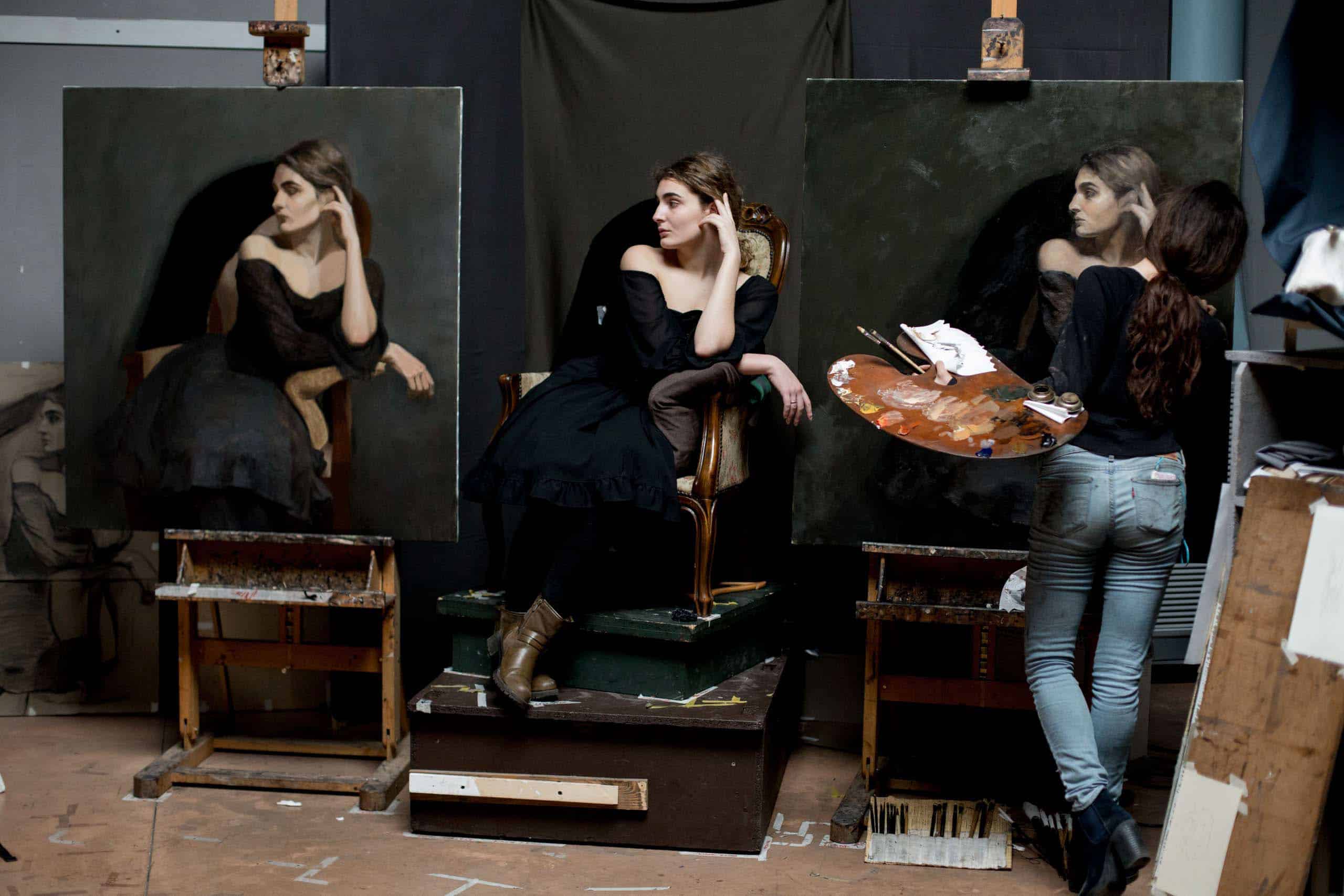
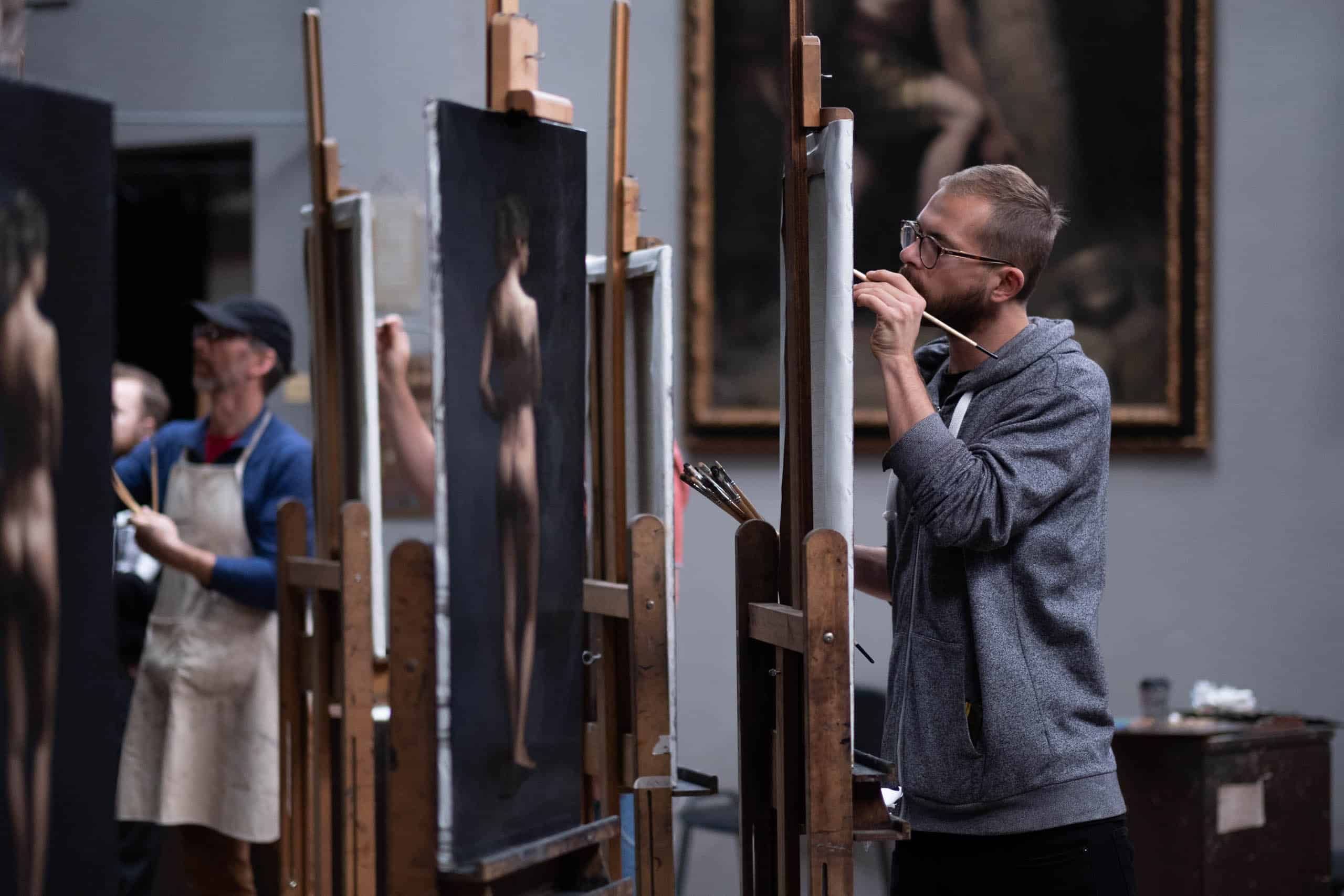
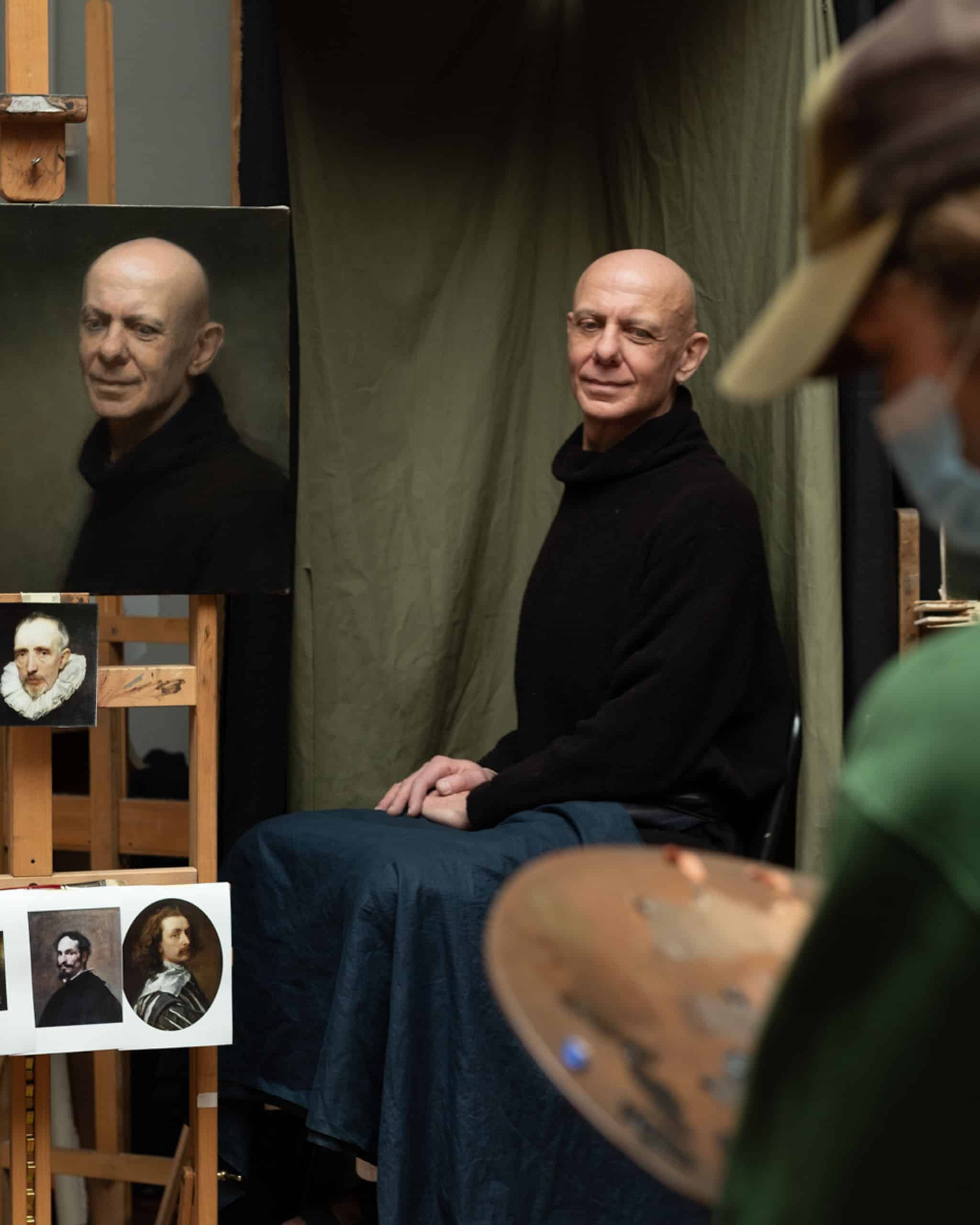
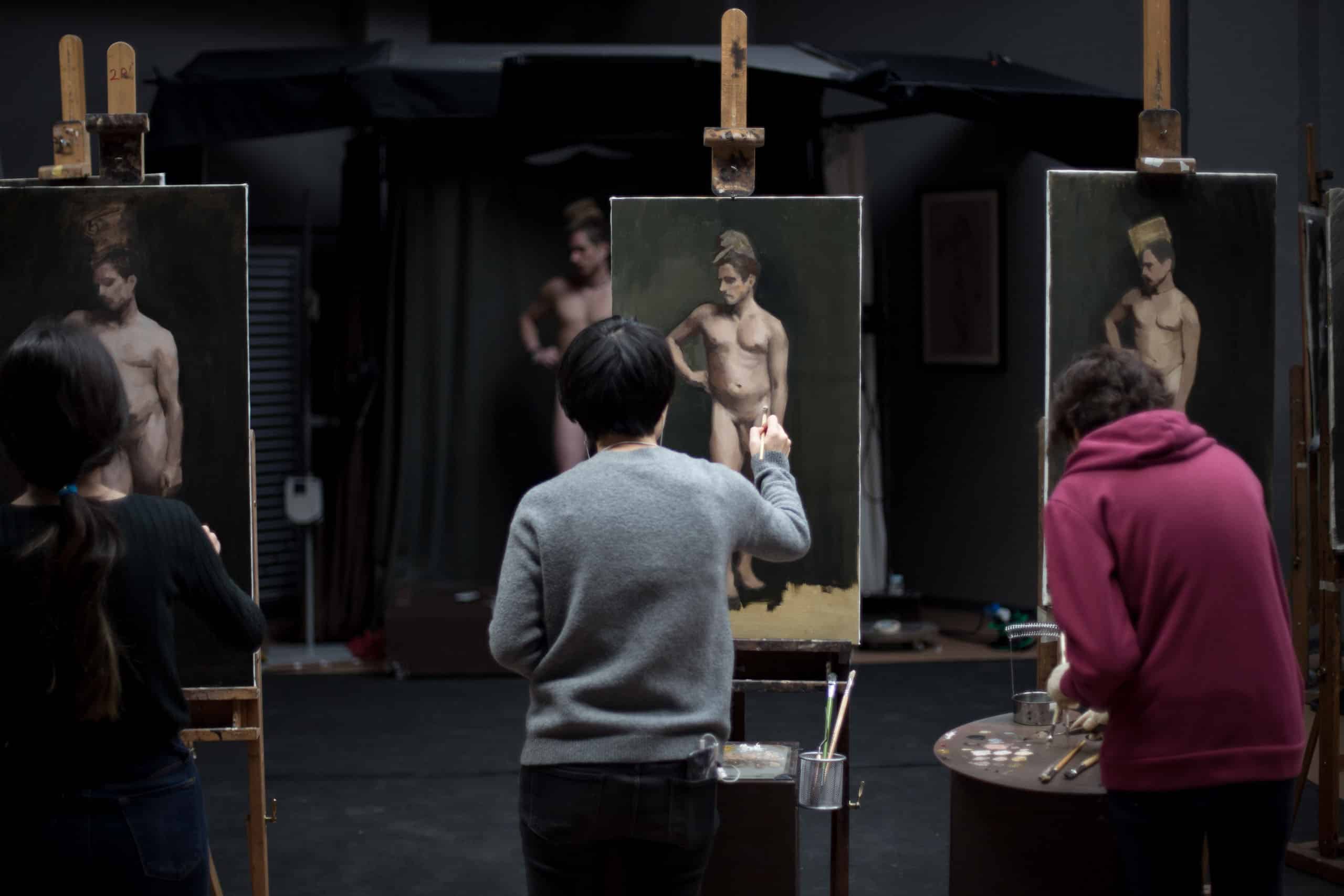
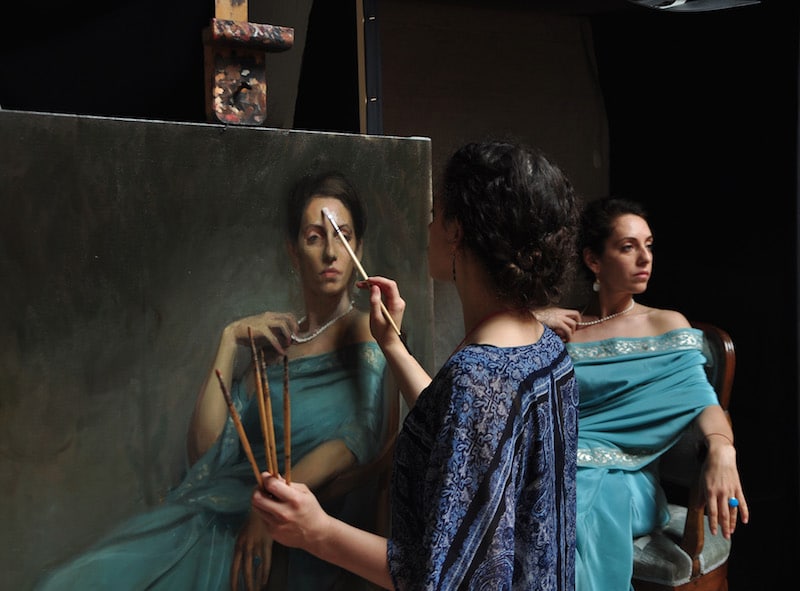
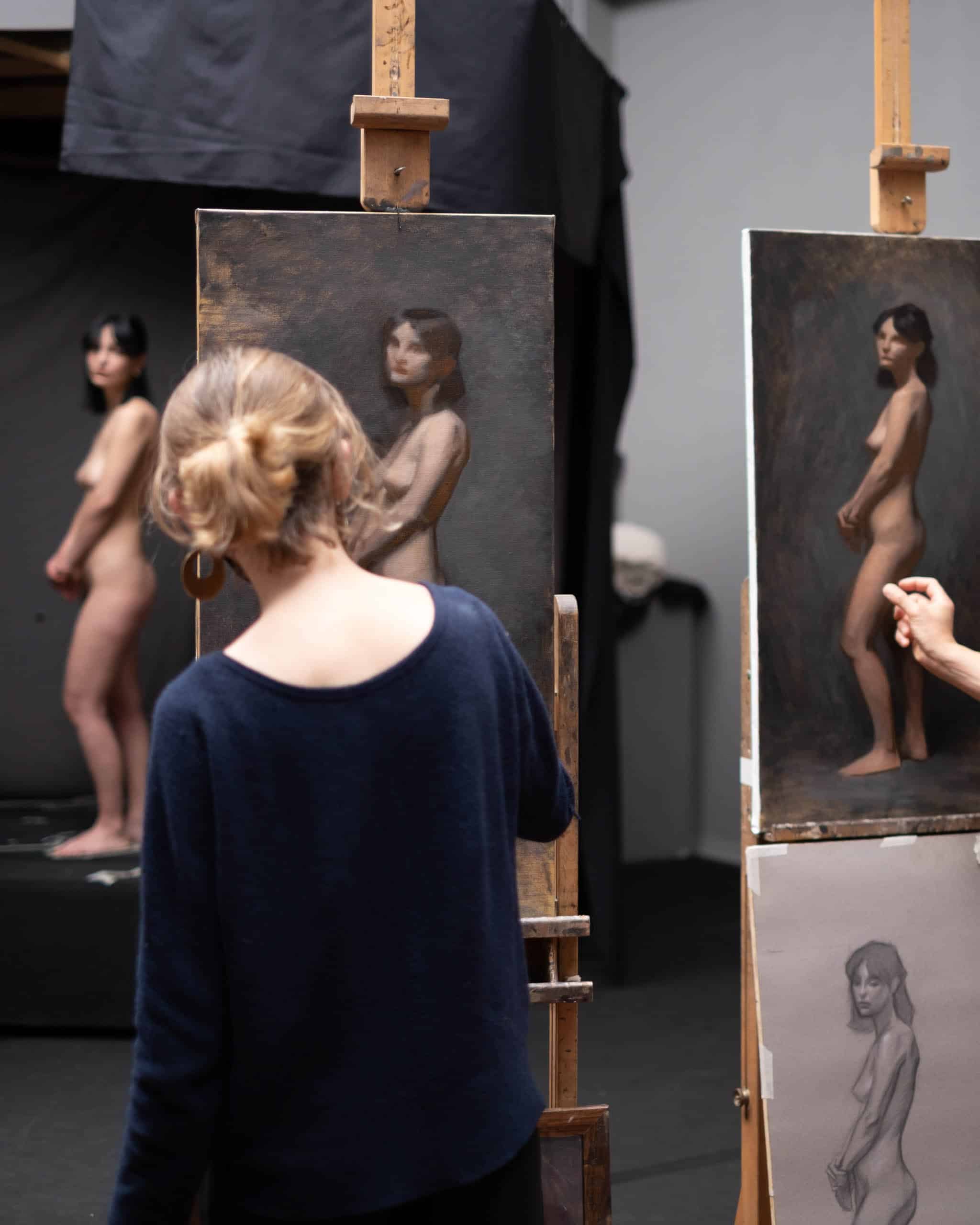
Student and graduate work is directly affected by the philosophy, teaching methodology, and physical structure of the studio in which it is created. A distinguishing characteristic of The Florence Academy of Art is that we require all our students to work from life under natural north light, in the tradition of the masters of the past whom we admire: Titian, Rembrandt, Velázquez and Sargent, to name a few. Our students do not idly copy their subjects but instead learn to translate nature in a way that is both anatomically accurate and artistically beautiful. Long poses may last three hours a day, five days a week for four or five weeks. This gives students time to work out problems and produce a competent drawing or painting. Natural light allows students to select a specific area of the painting to keep in sharp focus while peripheral areas remain out of focus, just as the eye sees in nature: there are no edges in natural light, but soft gradations of light to dark.
The sight-size method is a helpful tool, and we apply it in the early stages of the curriculum when students are learning measurement, proportion, and shadow shape. Students at the advanced levels are taught to apply comparative measurements when necessary.
The rate at which students progress through the Drawing and Painting Program varies by individual, and normally requires a minimum of three years to complete. Classes meet Monday through Friday from 9:00 am to 4:00 pm. First year drawing and sculpture students are required to attend Anatomy Lectures which are held on Monday evenings from 5:00 – 7:00 pm. Students attend additional figure drawing class one evening a week. All students are encouraged to participate in the Friday evening Art History lectures and the technical demonstrations on materials & techniques held during the academic year.
1st year
Intensive Drawing
“What we do is a craft. You have to start with whatever you’re able to do, then add to it with discipline and exercises. This classical approach is built on practice and building skills. There’s no shortcut.” – Daniel Graves, Founder
Beginning Drawing
1st year | 15 credits
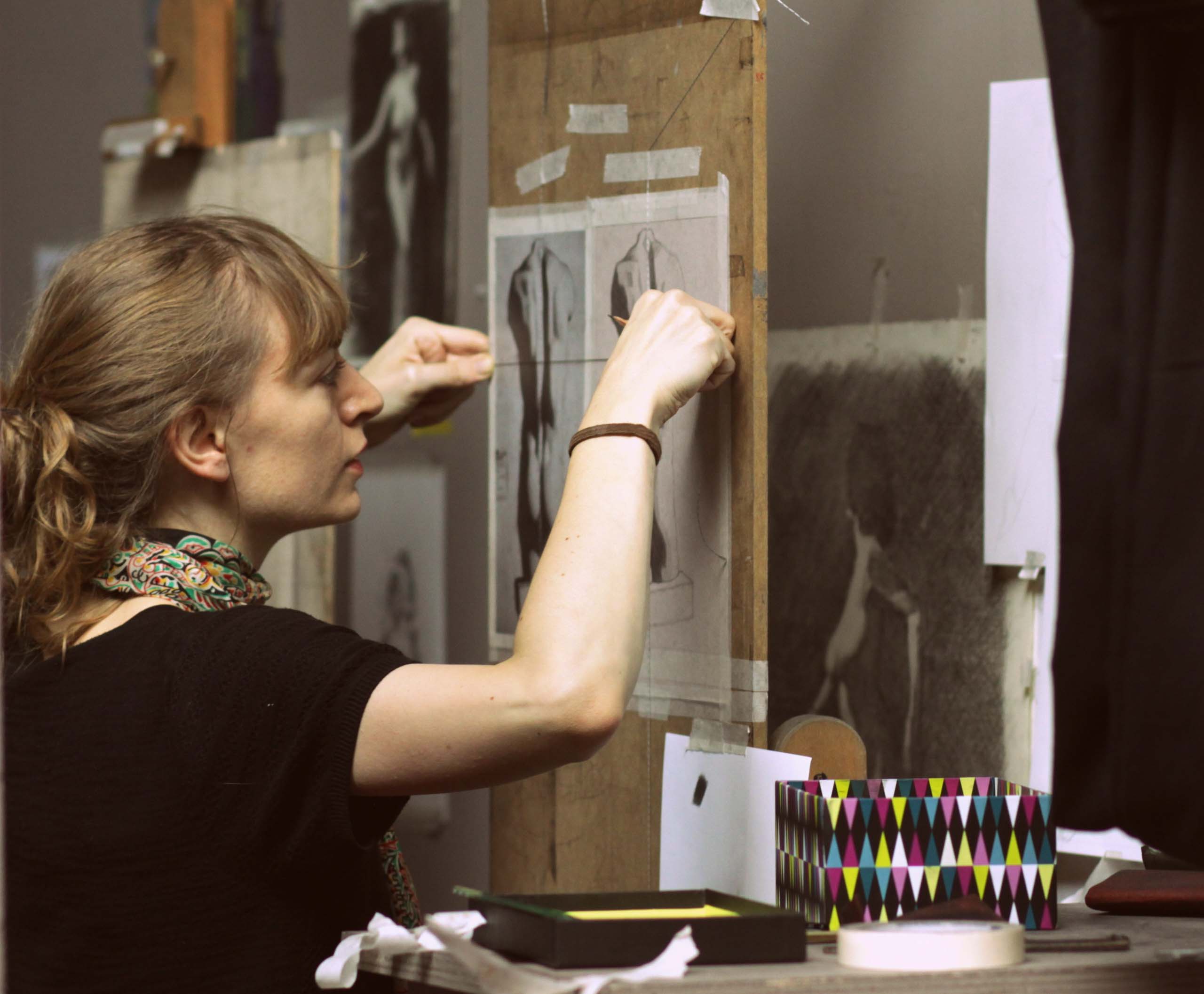
An established set of exercises focuses on outline, proportion, and shadow shape, on a step-by-step progression through the program’s curriculum. The first exercises are designed to strengthen the student’s visual relationship with two-dimensional form to help them confront three-dimensional subjects in life. The simplified forms of the Bargue Drawings allow students to learn the procedure very well, and develop skill in reproducing the outline, blocking out shapes, and refining line quality. They also begin to understand the importance of values in turning form. Students begin to learn how to see their subject, and gain precision through practice over many weeks, as well as skill in handling their materials and tools.
Beginning Cast Drawing
1st year | 7.5 credits
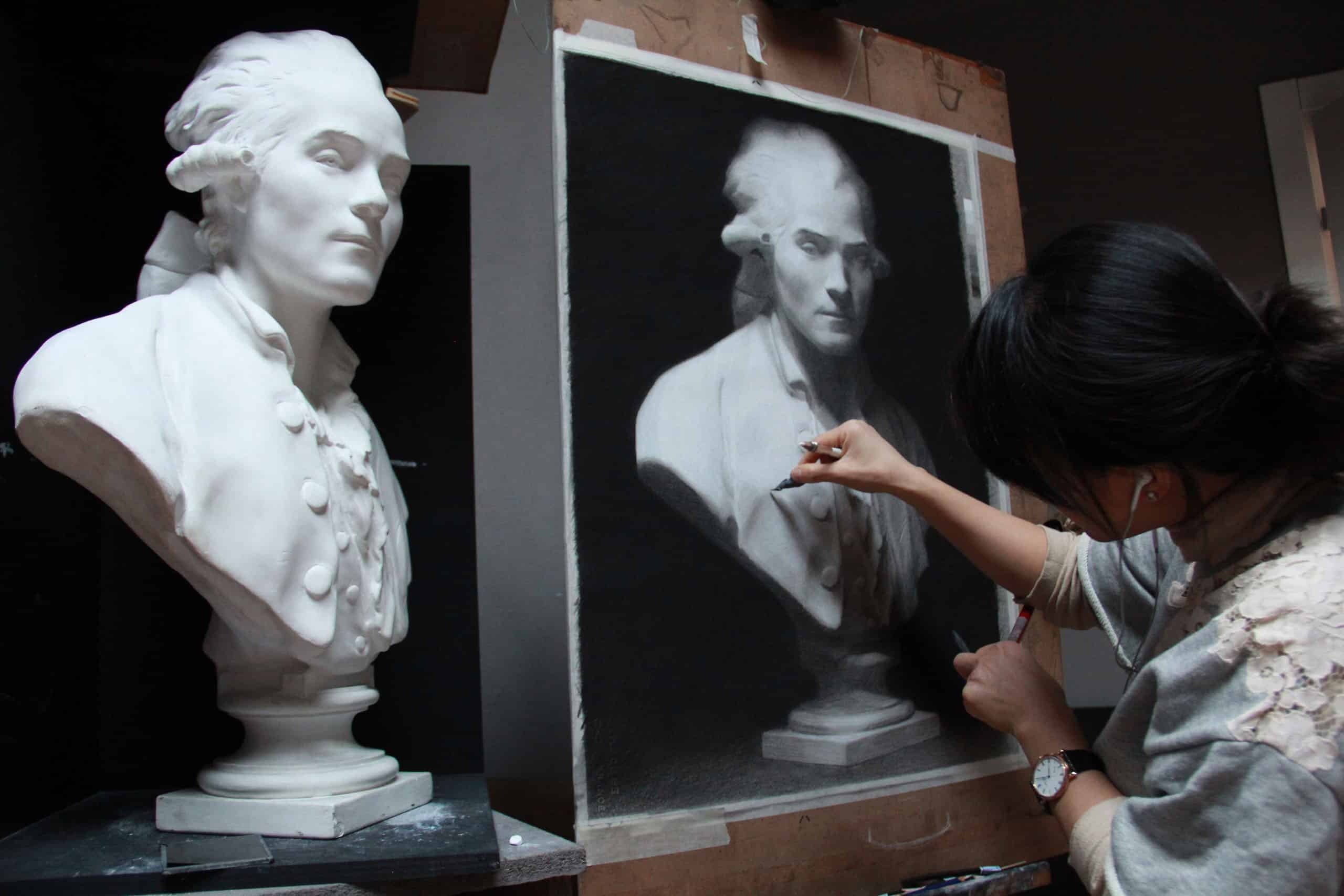
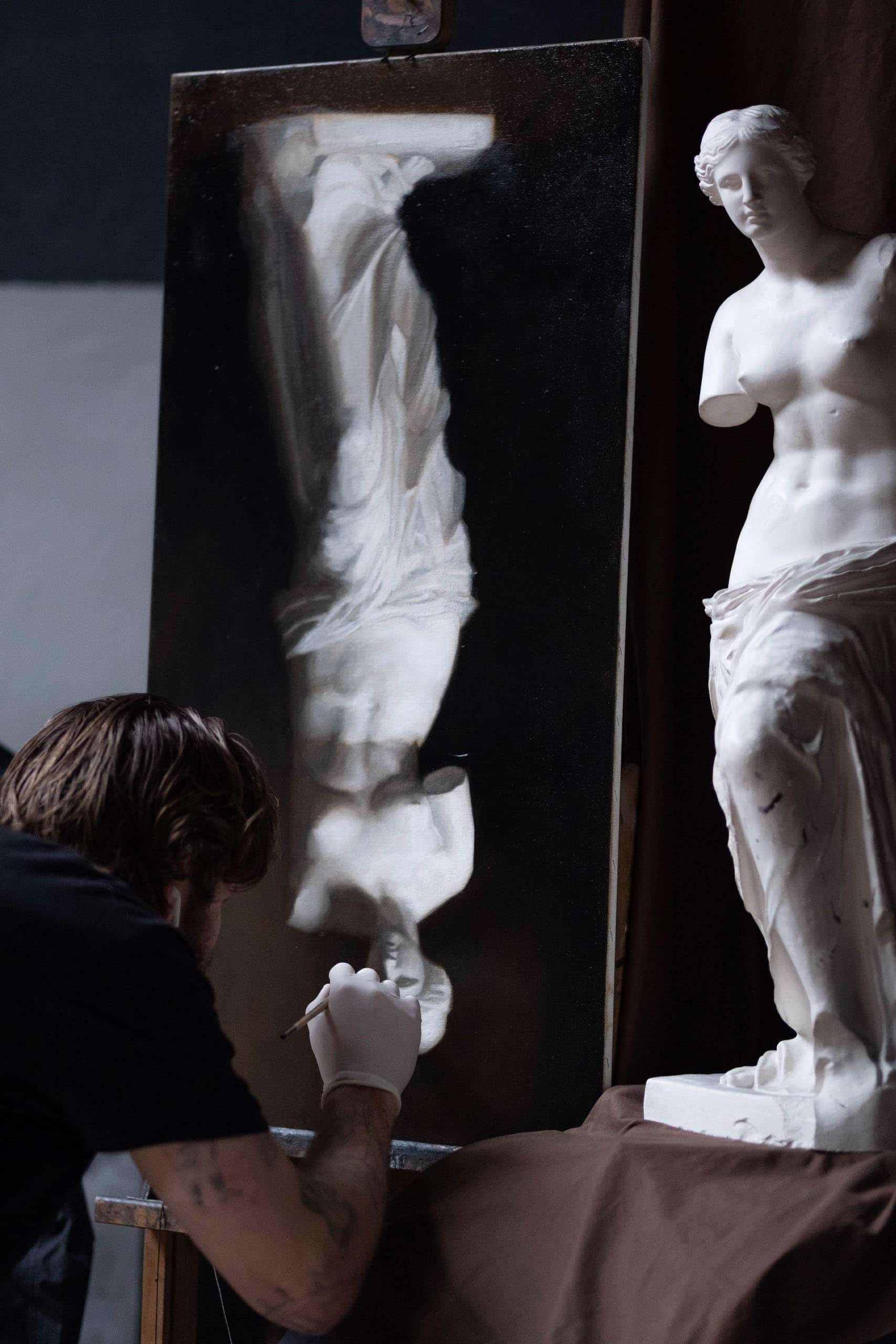
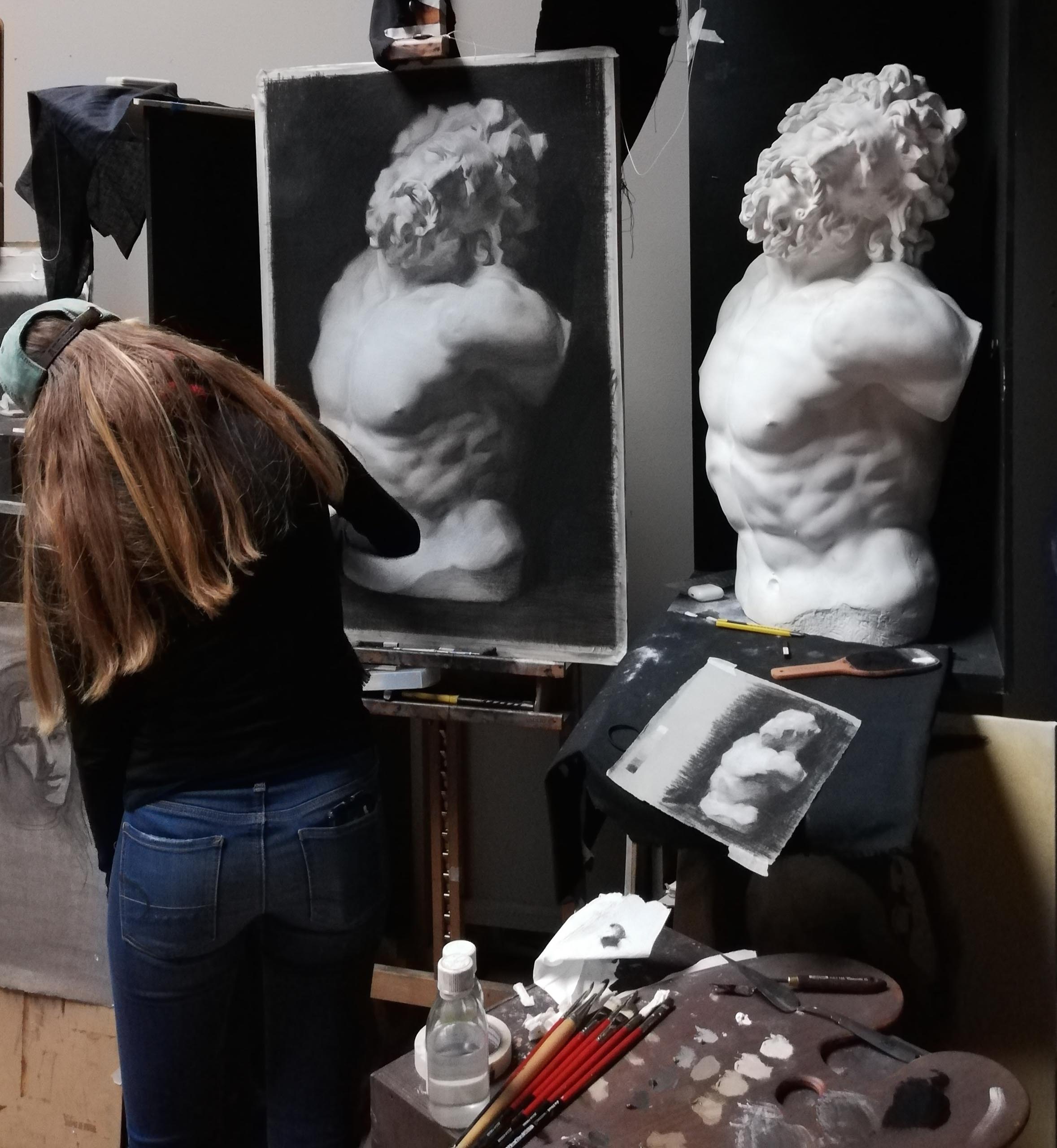
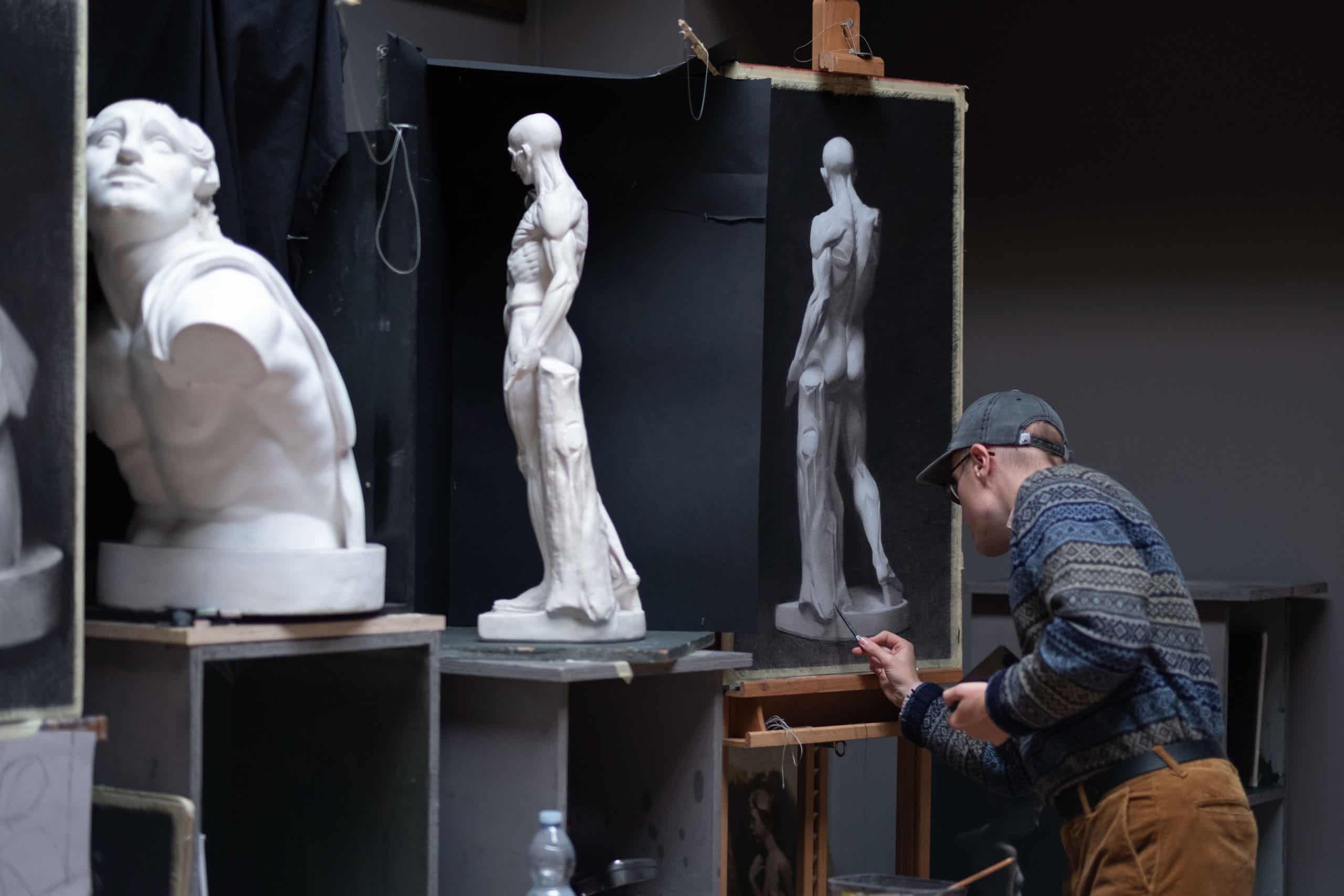
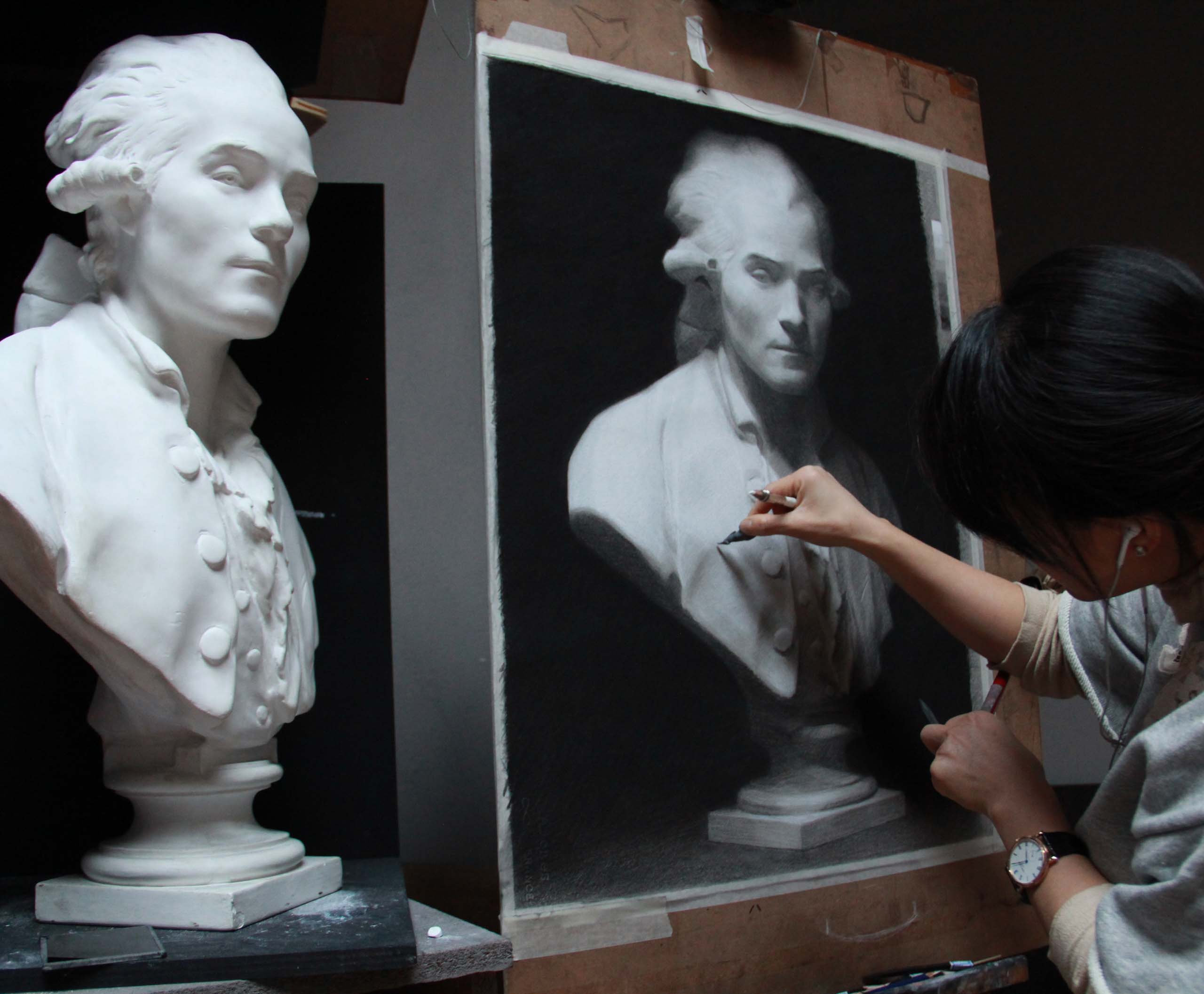
Cast drawing combines the skills acquired from the preceding exercises and sensitizes the student’s eye to the light and values found in nature. The cast is a simplified, monochrome, stationary form, usually reproductions of classical statuary that help the student find similar shapes in nature; measurements, however, are no longer exclusively scientific: the sight-size method of measurement provides the student with a format, but accuracy in cast drawing depends on the eye. In a cast drawing, the instructor looks for accuracy in line, mass, and values.
Beginning Figure Drawing
1st year | 25.5 credits
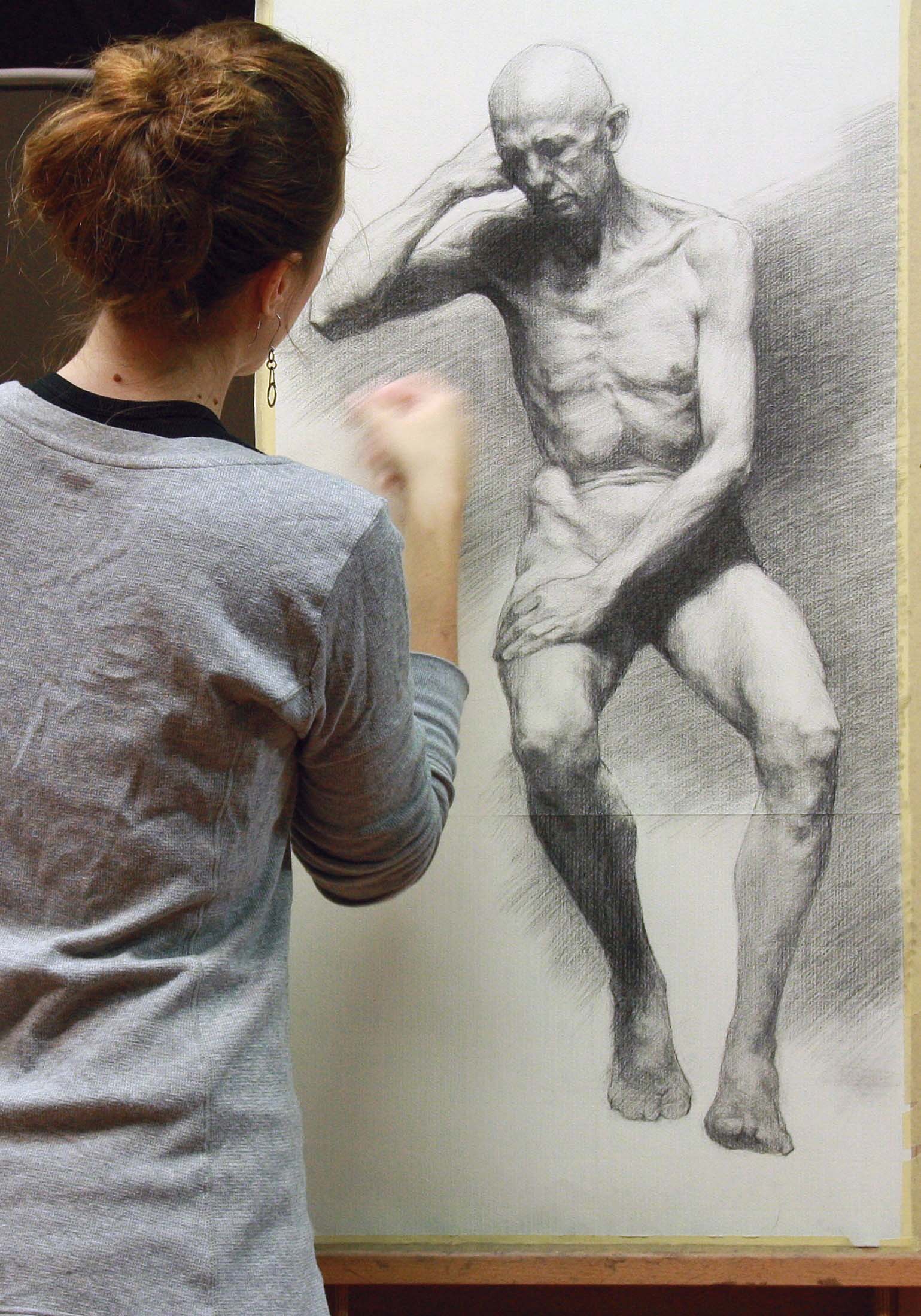
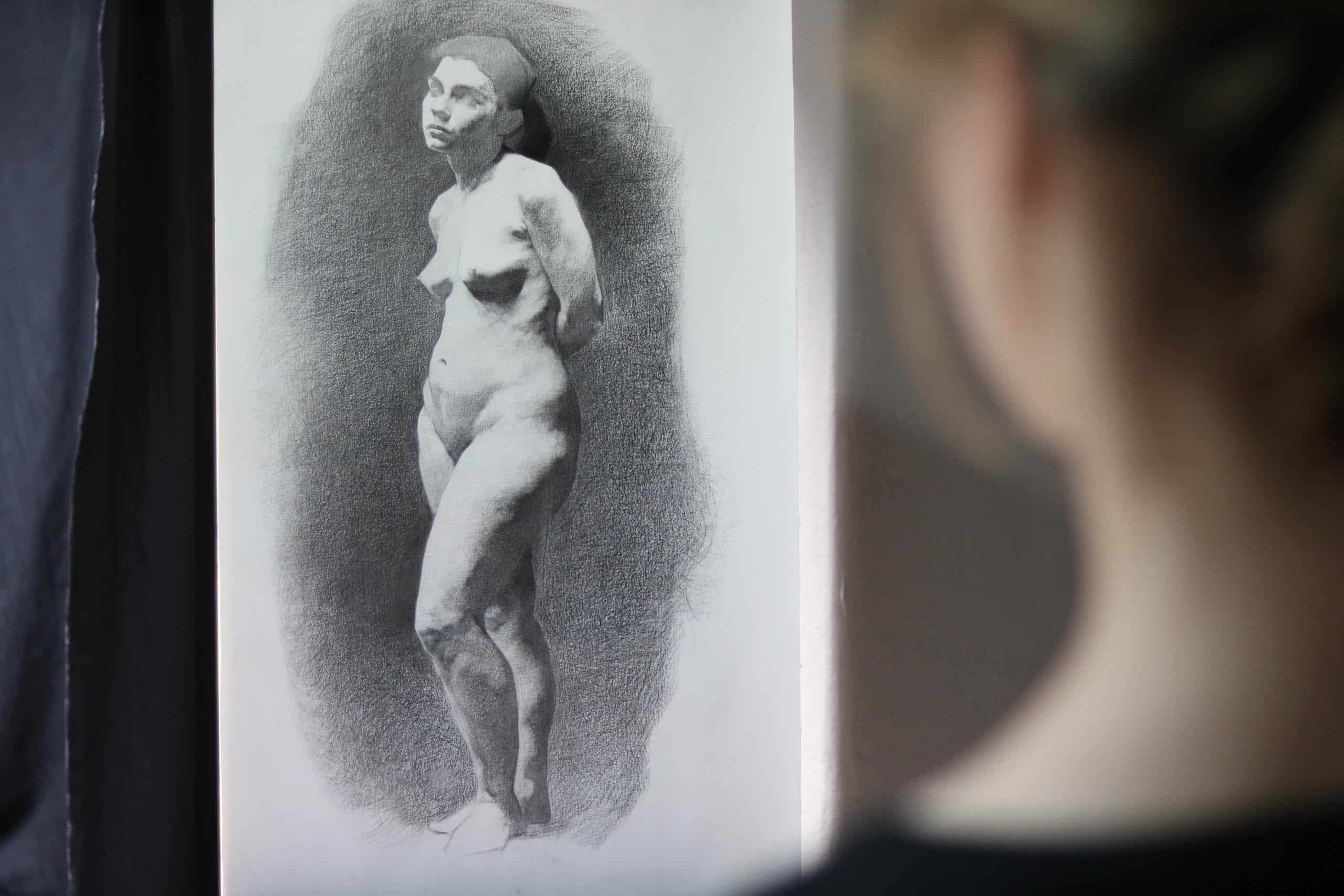
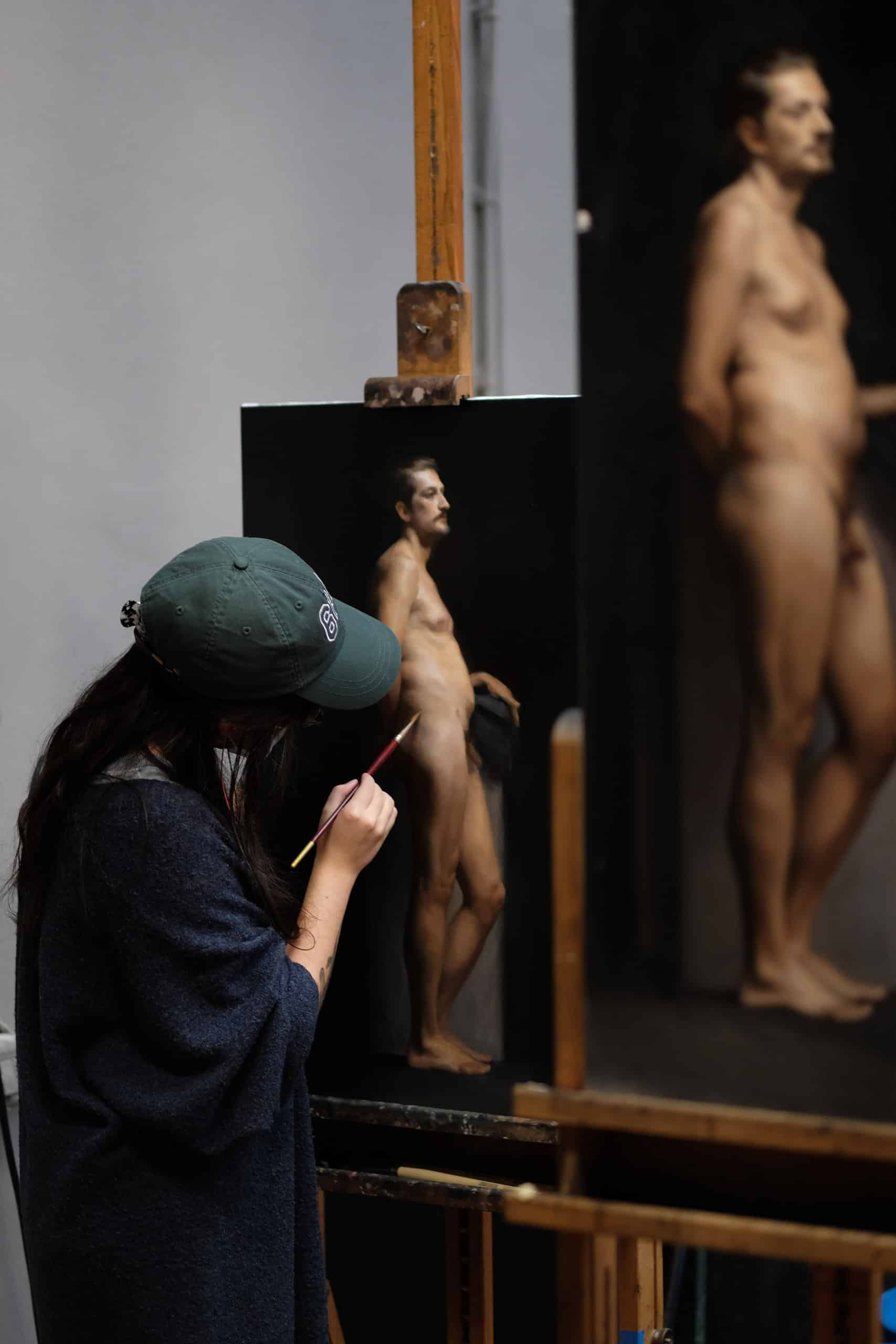
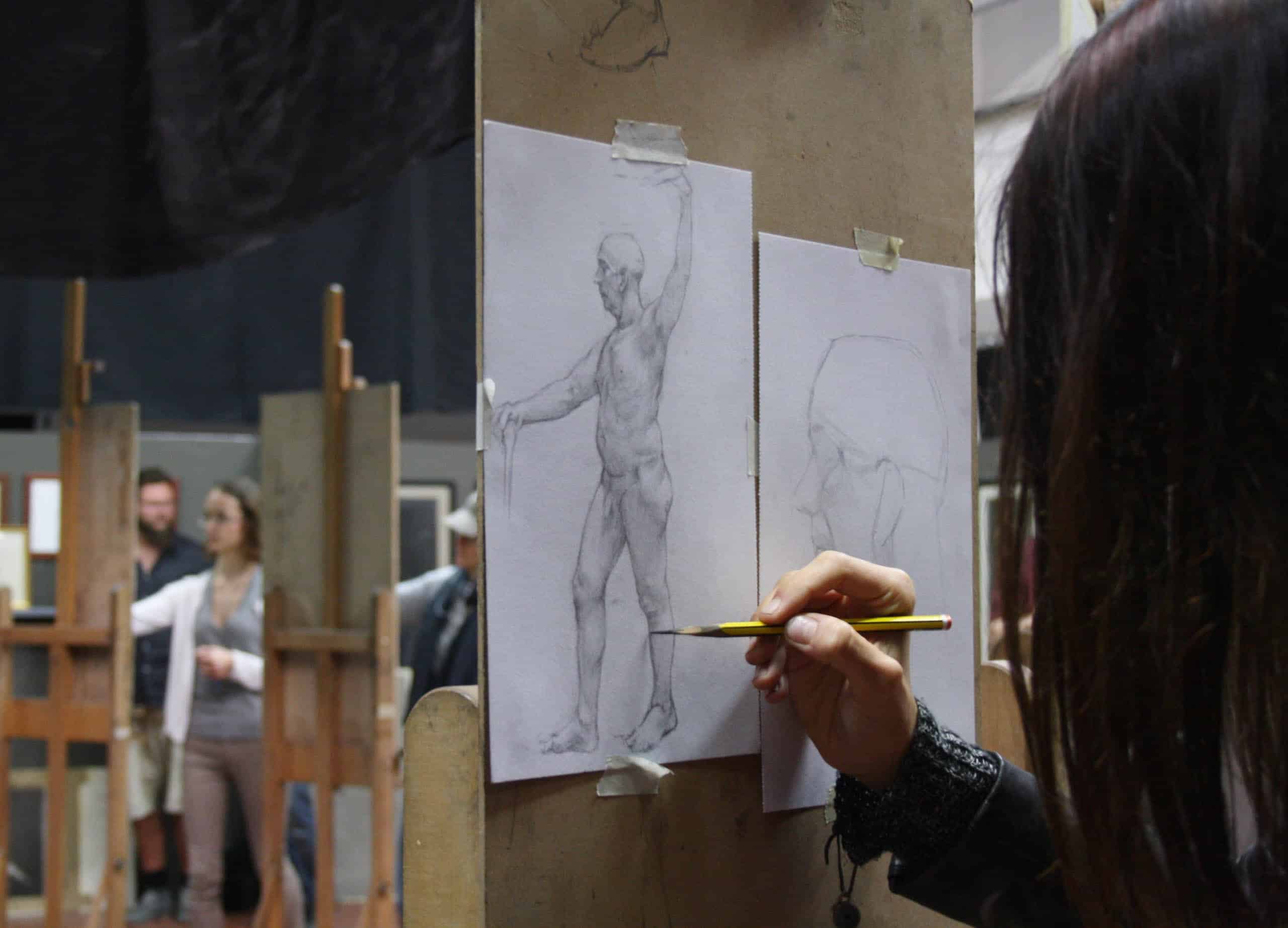
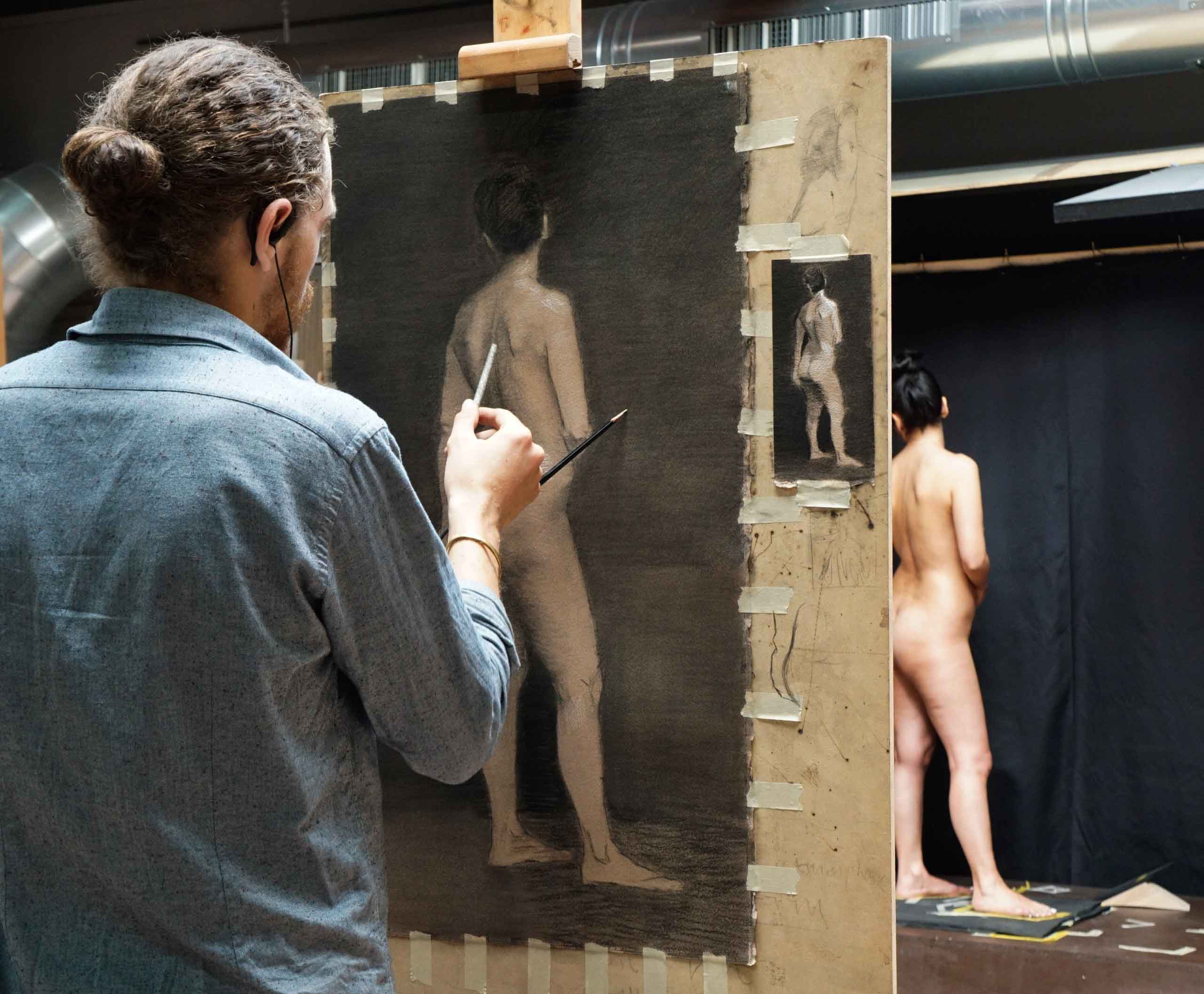
The figure is the center of the Academy’s curriculum. Beginning figure drawing applies the accuracy gained from the cast to representing a living model. The student is taught to keep in mind three principal concerns when looking at the live model: proportion, body type, and gesture. In order to achieve those elements, the student may approach the drawing in two ways: linear, whereby the student draws accurately the outline and shadow line, or mass, achieved through the comparison of light shapes vs. shadow shapes. As the students’ drawing progresses from simple outline/shadow line or mass, they culls from their knowledge of anatomy to give the figure a sense of weight and balance.
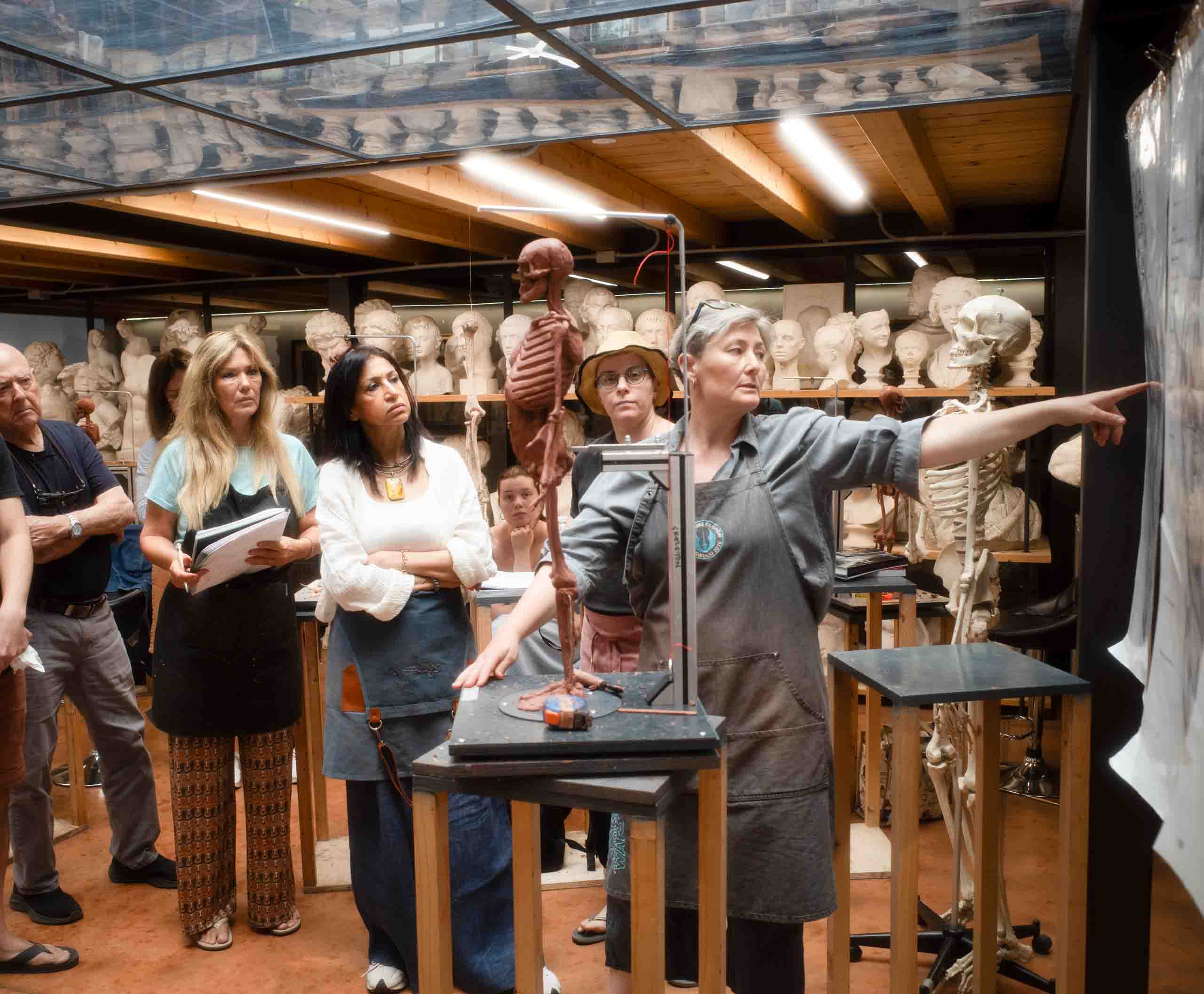
Anatomy
1st year | 3 credits
Weekly lectures begin with a discussion of the skeleton and myology, the study of the muscles, then move to drawing exercises with the model. “The Living Form” is a phrase taken from the 19th century anatomist, Dr. Paul Richer, in his classic text, “Artistic Anatomy”. It describes our goal as draftsmen, painters, and sculptors who study anatomy in order to see the shape and structure of the human form as it exists in life, as opposed to the altered and fragmented forms of the cadaver, or the static nature of charts and diagrams. Richer believed that the key to understanding form is to draw from life regularly, and to complement this visual method of study with a solid intellectual understanding of the structures of the human body.
2nd year
Intermediate Painting
“The instruction is not only technical. Instructors also talk about choices that must be made when working from life. Why one might leave information in or leave it out. It is a thoughtful process. It teaches students to constantly ask questions about why they are making certain choices, what affect that will have on the final impression of the piece, and if that is how they want their work to be interpreted.” – Dana Levin, FAA Alumnus & former Principal Instructor
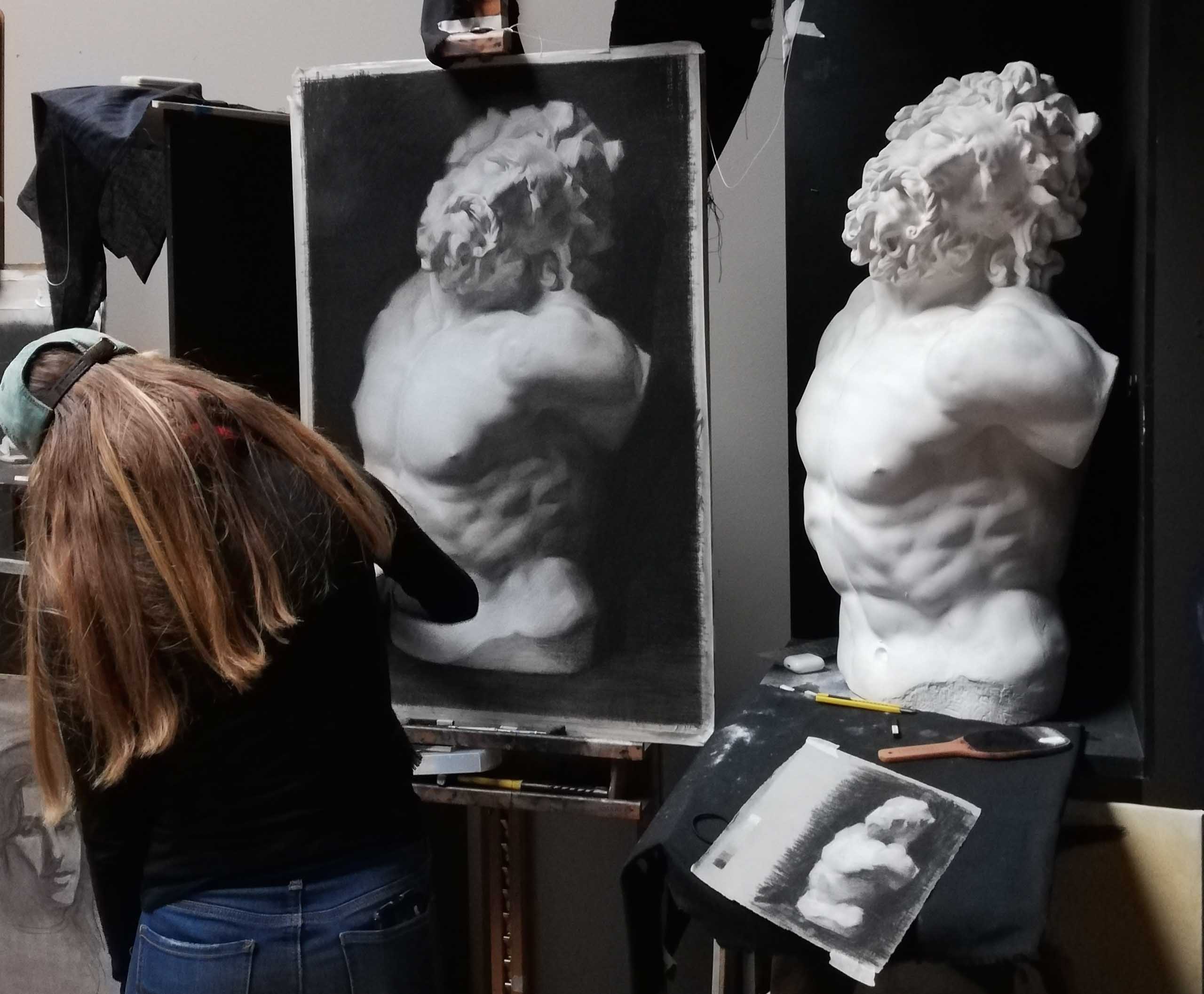
Advanced Cast Drawing
2nd year | 7.5 credits
The student is challenged to see and organize value relationships with more sophistication and strategy. Advanced Cast Drawing in charcoal reinforces the principles presented in Beginning Cast Drawing and introduces the added challenge of toned paper and white chalk. Students are required to copy two plaster casts. The first cast is a mask or simple head, with the purpose of introducing the student to a more complex approach to value relationships presented by the addition of white chalk and toned ground. The level of difficulty of the second cast is considered complex.
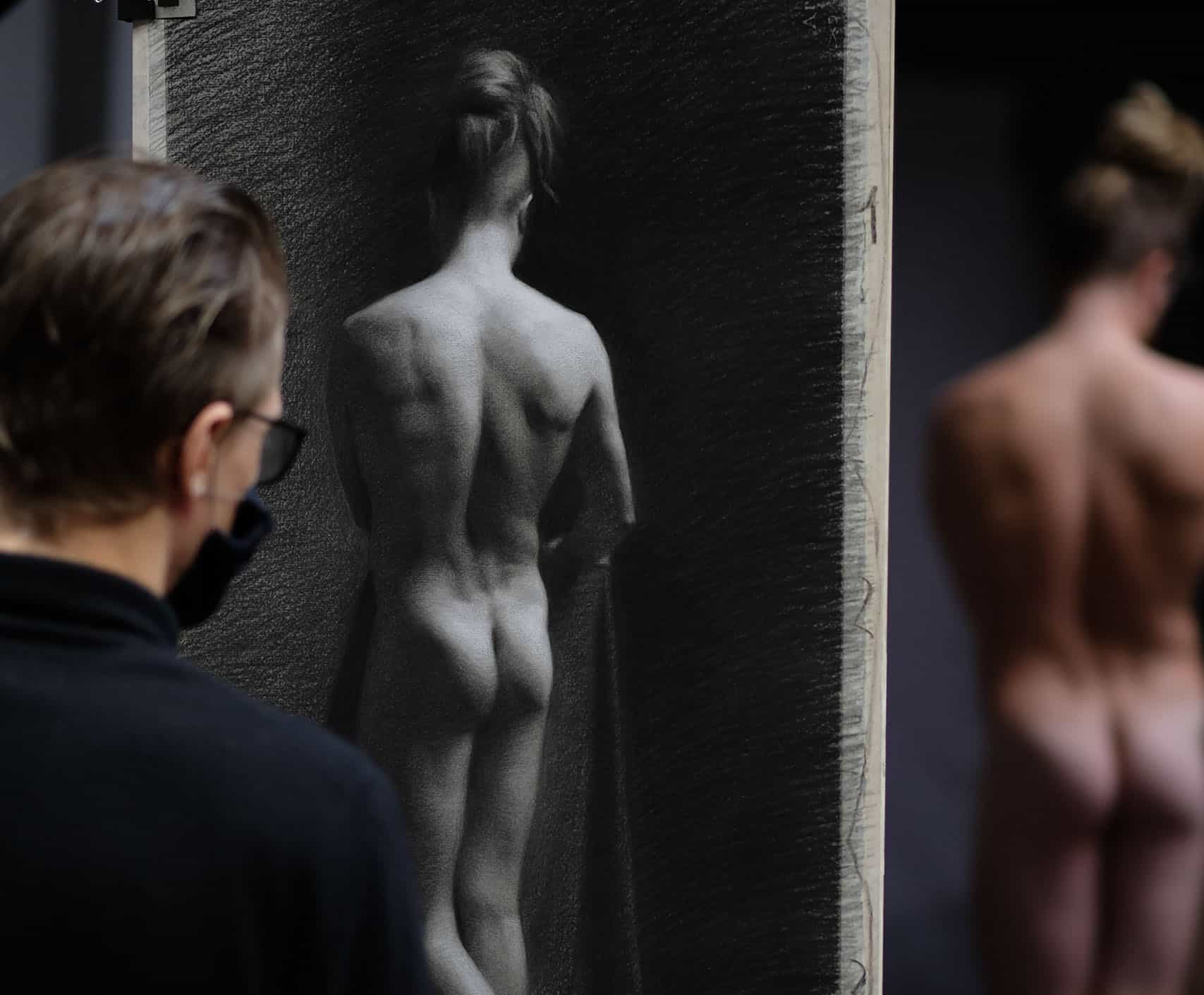
Advanced Figure Drawing
2nd year | 8.5 credits
By decisively organizing and observing value shapes in relationship with anatomical elements, students develop their ability to think as painters. The figure is the center of the Academy’s curriculum, the core of the program. Students work under north facing natural light, drawing from live models. The models return to pose in the same position for the duration of the long pose that may last 4 – 6 weeks, three hours per day. Long-poses are essential to the accomplishment of fully finished drawings.
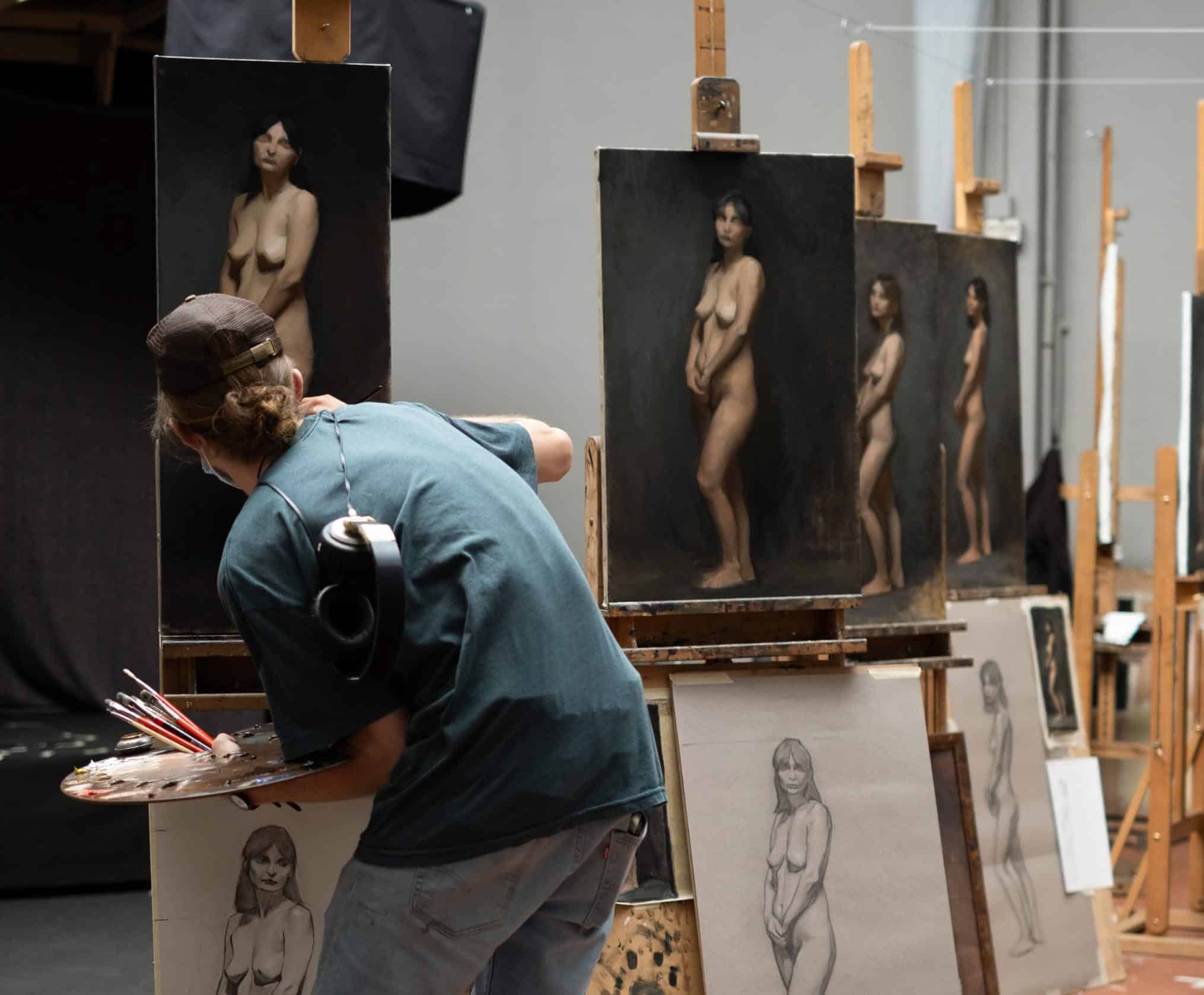
Beginning Figure Painting
2nd year | 17 credits
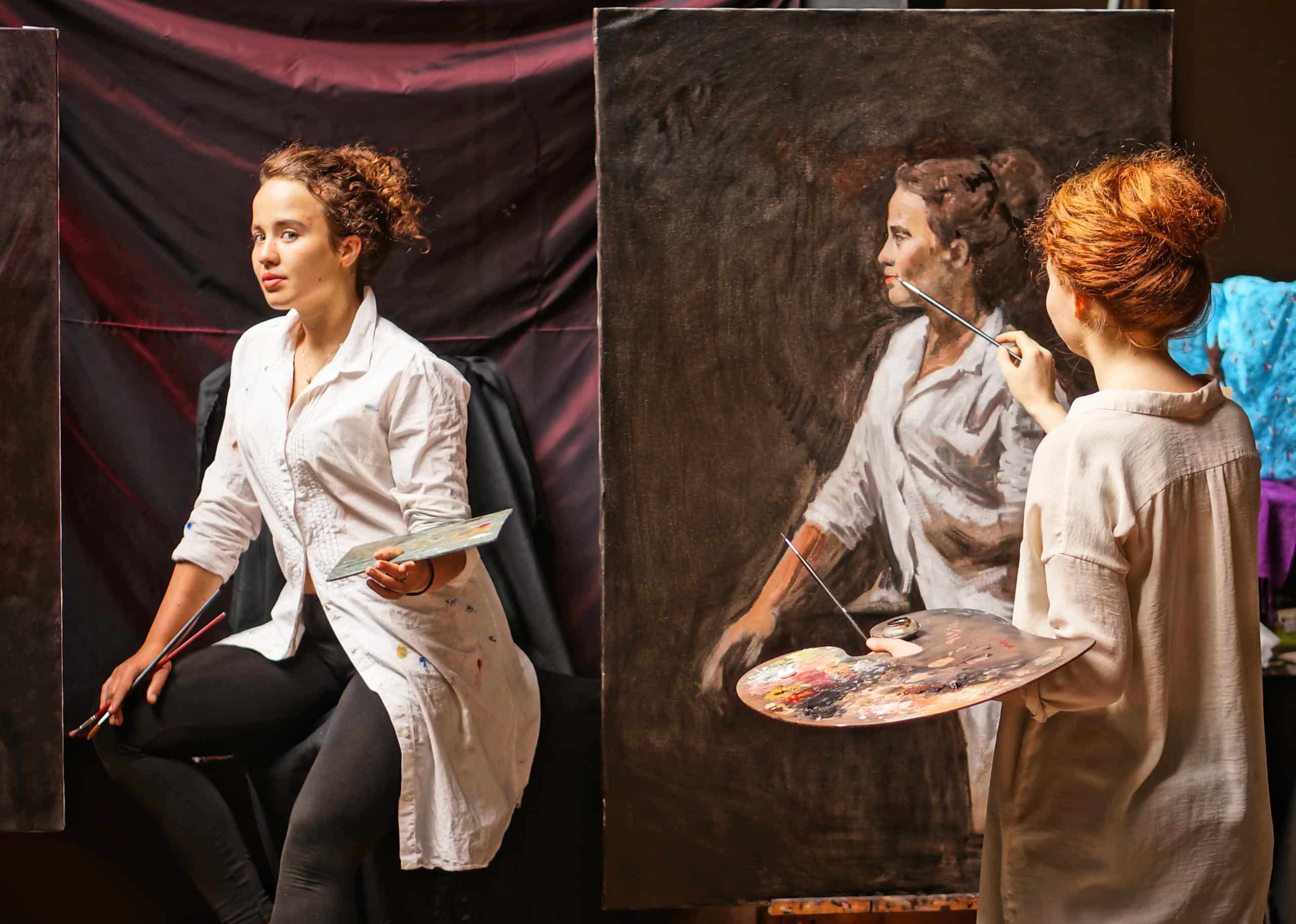
A limited palette serves as a manageable base from which to explore expanding degrees of chromatic complexity. At this level, students concentrate on tonal values, and work in an ordered regimen of grisaille, limited palette and full palette. A successful figure painting uses all of the skills learned in drawing: line, value, gesture and proportion. The student begins to paint the figure in grisaille, using black, raw umber and white on toned canvas. Here the student learns to reproduce the values learned in charcoal drawing in paint.
Beginning Painting
2nd year | 15 credits
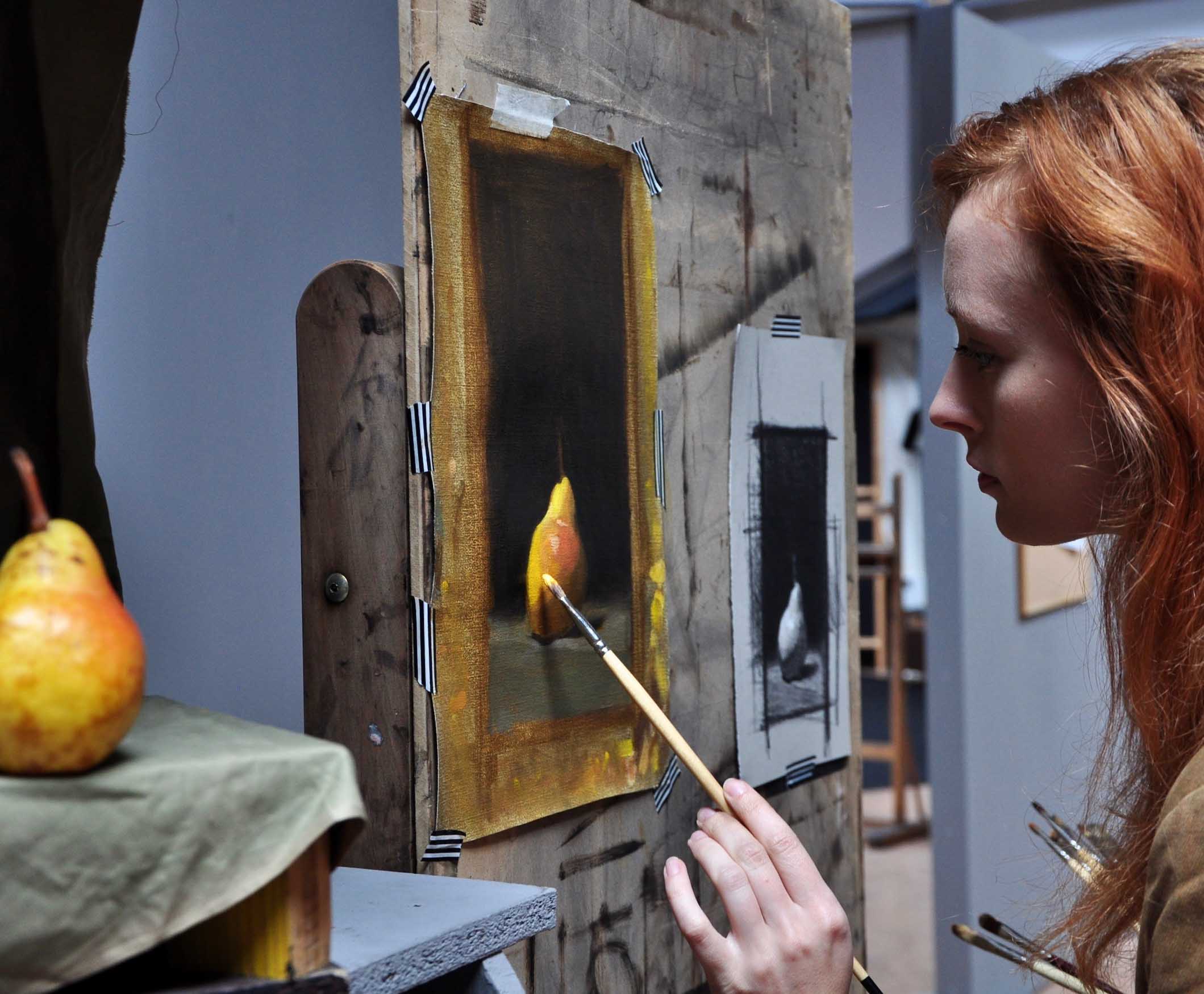
Students attend technical demonstrations and learn to grind their own paint, beginning without the aid of mediums, concentrating on exact mixtures and values. At this level, students concentrate on tonal values and work in an ordered regimen of grisaille and limited palette to eventually paint in full palette. The student begins to paint the plaster cast in grisaille, using black, raw umber, and white on toned canvas. Here the student learns to reproduce the values learned in charcoal drawing in paint. Since the value-key is again an important consideration, simplifying the number of colors helps the student concentrate on a precise mixture for the values.

3nd year
Advanced Painting
“As the program challenges individuals to push their technical ability beyond their perceived capacity, they develop strength of character and the confidence necessary to be a professional painter. This helps to create a state of mind in which they are certain of their choices. Our graduates will never stand in front of a blank canvas and feel lost. They will always be able to return to the method. They will never say how am I going to do this, but rather concentrate on what they want to say, and follow their inspiration.” – Ramiro Sanchez, Director Advanced Painting
Advanced Figure Painting
3rd year | 25.5 credits
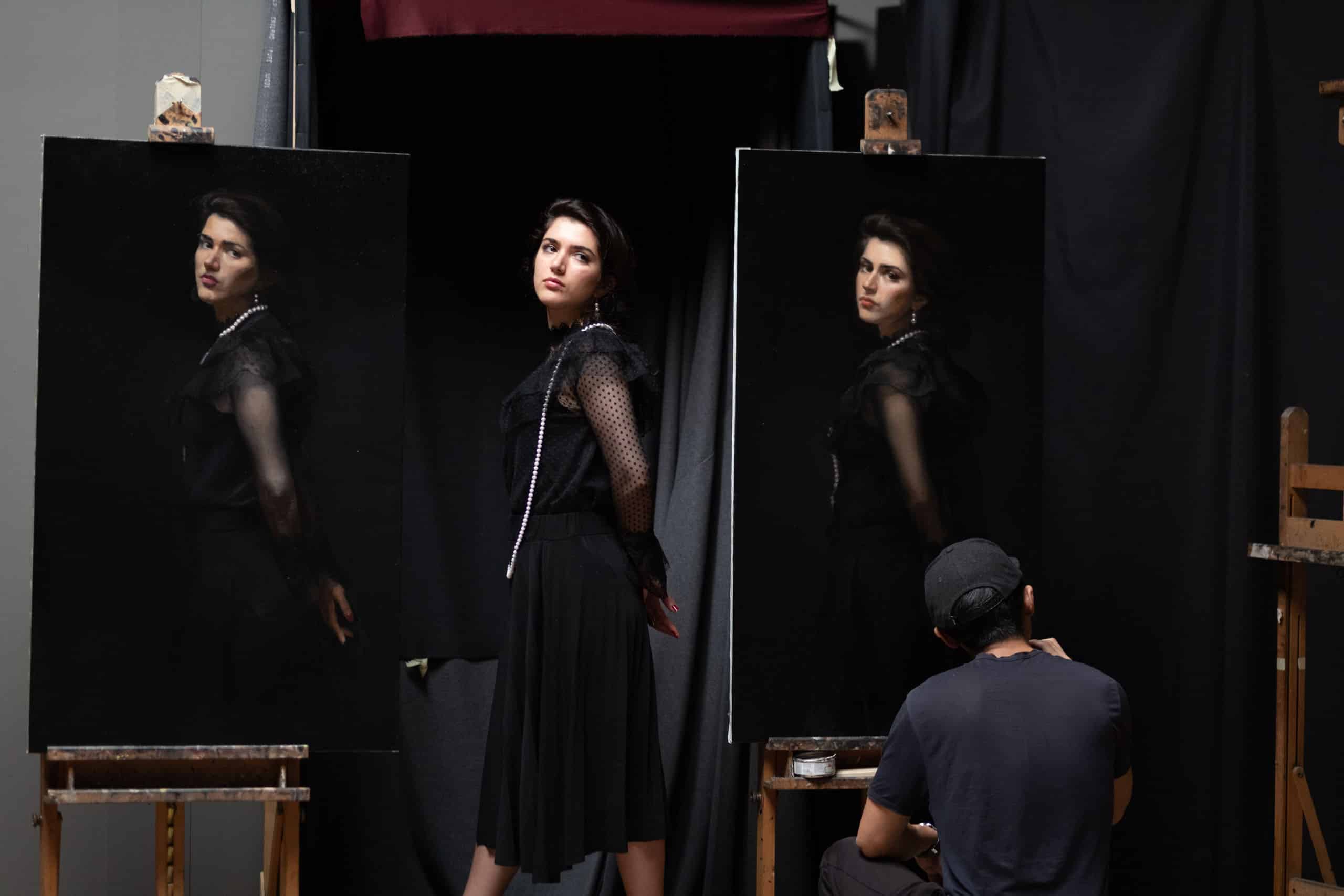
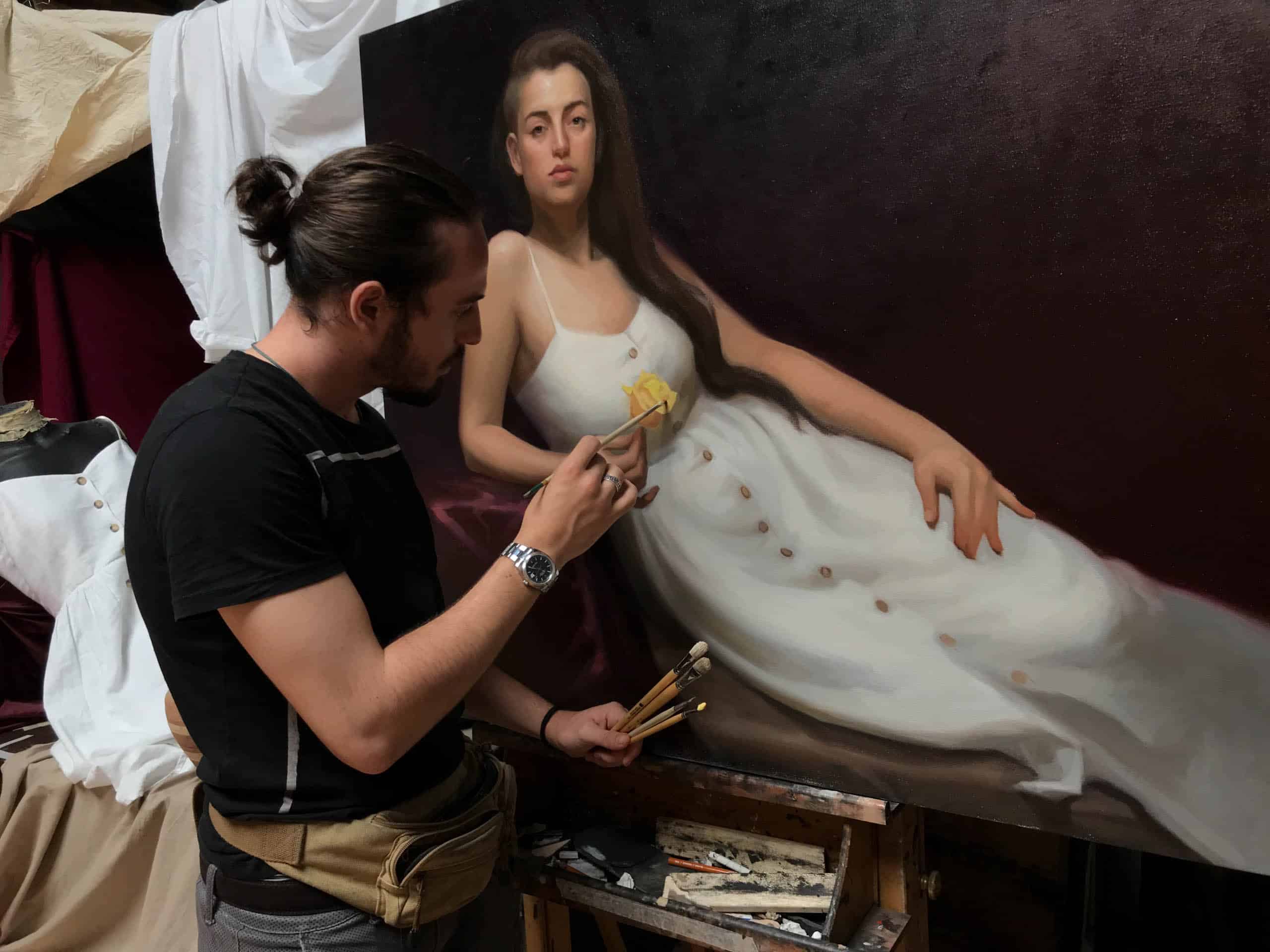
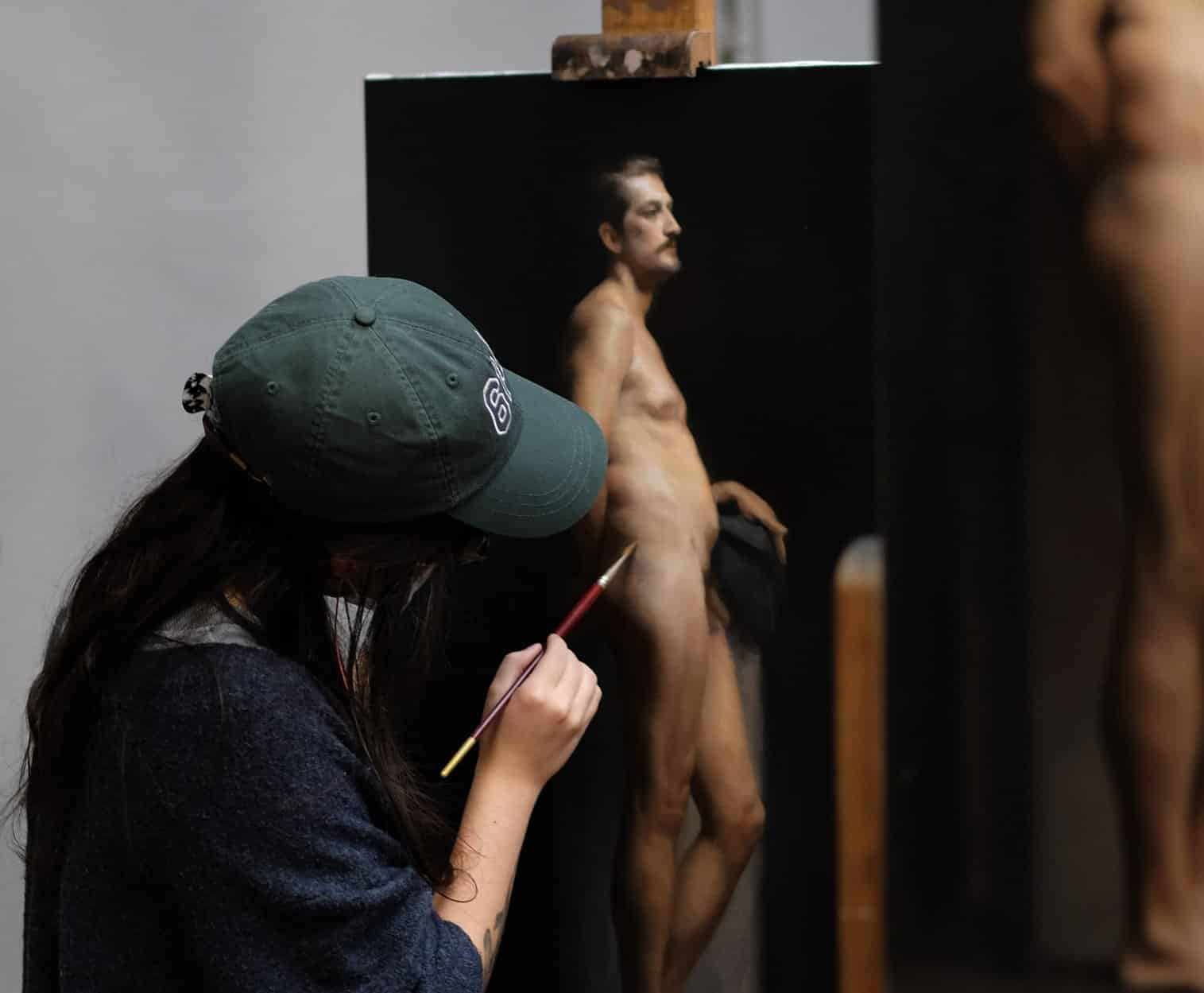
Advanced Figure Painting incorporates line, values, gesture, body type and proportion, and also a convincing sense of reality – anatomy, weight, and flesh.
Students are required to paint in oil 2 successful nude figures in full color palette (they will be painting at least 6 figures during the year).
Still Life and Portraiture
3rd year | 22.5 credits
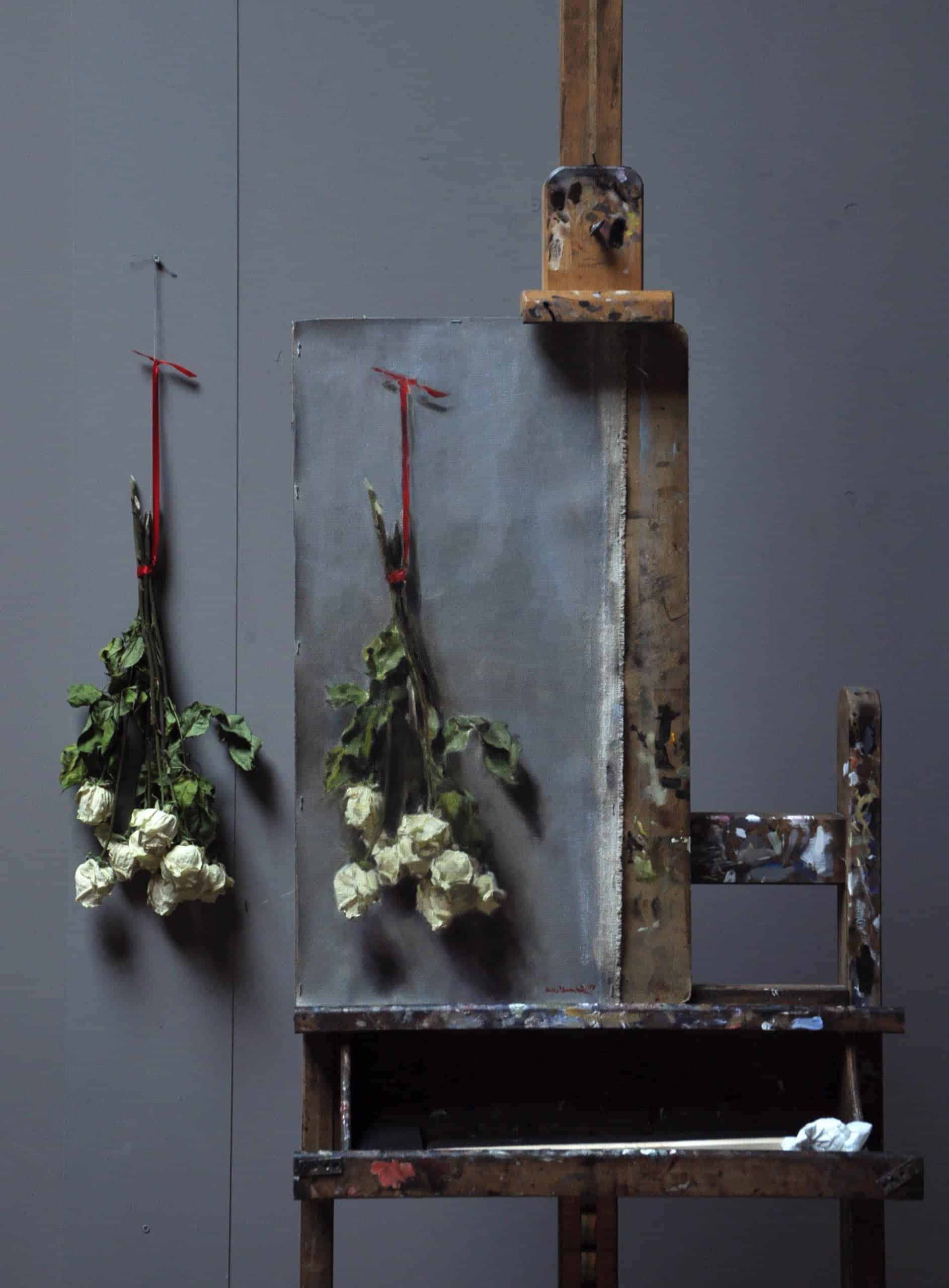
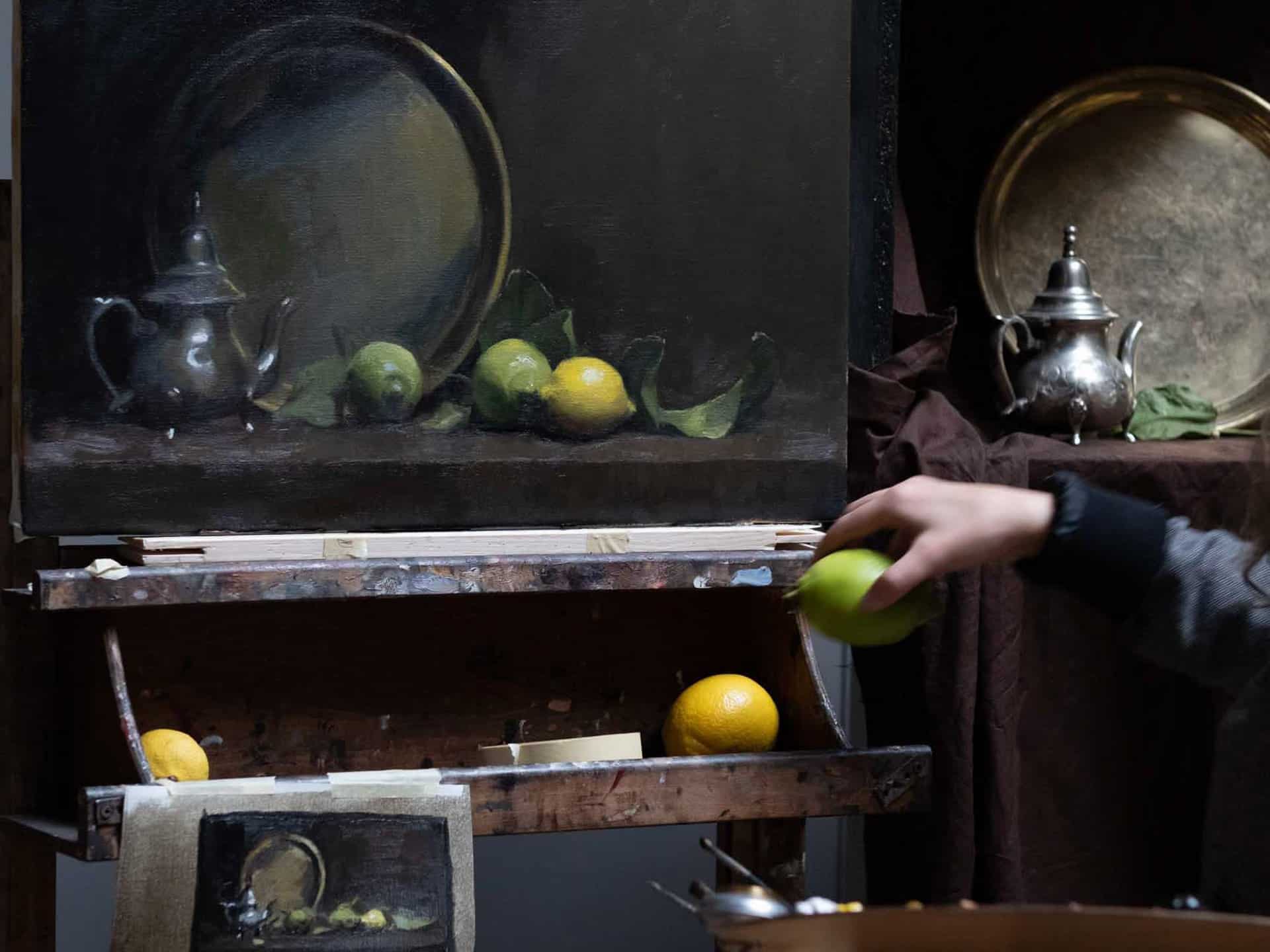
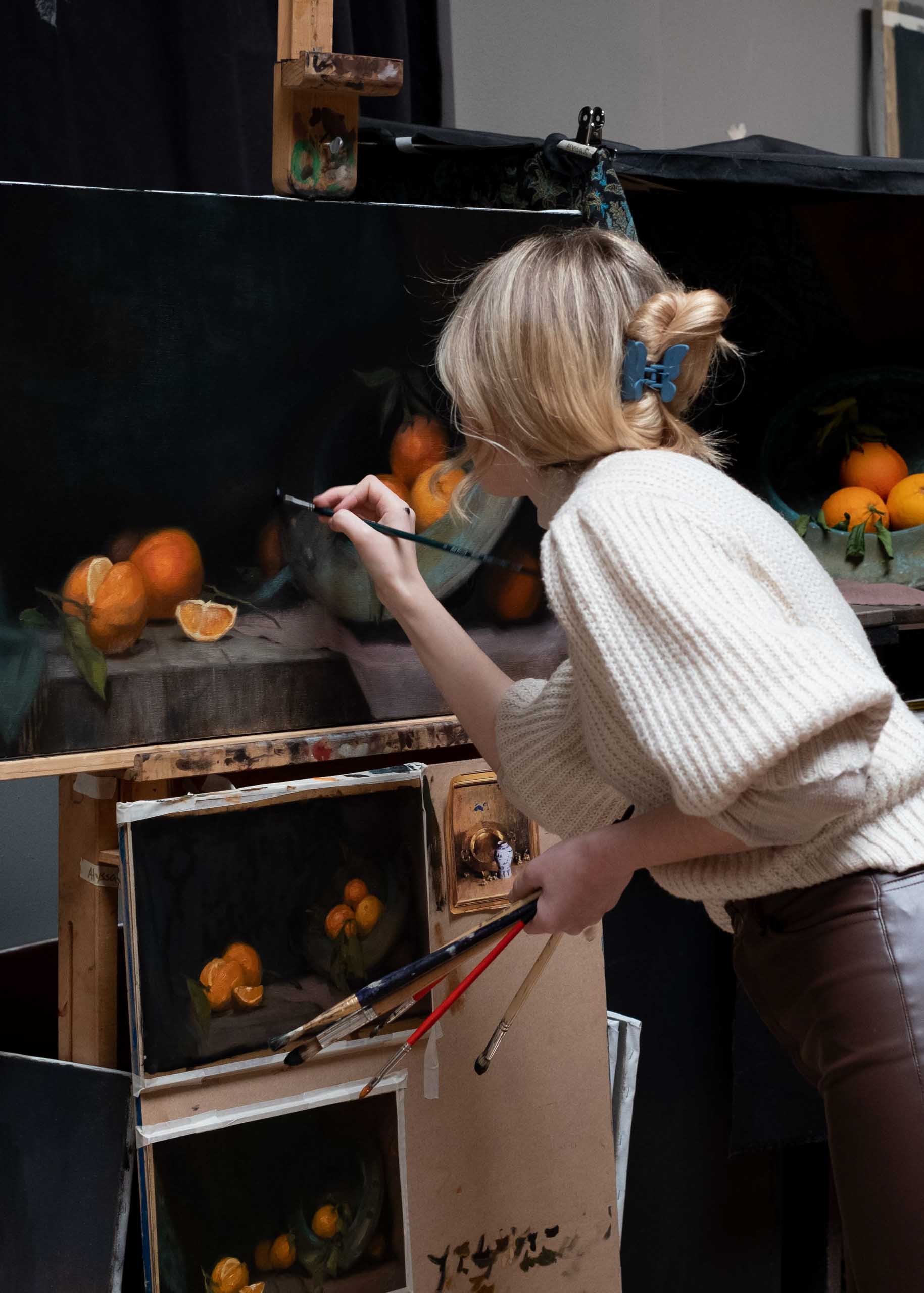
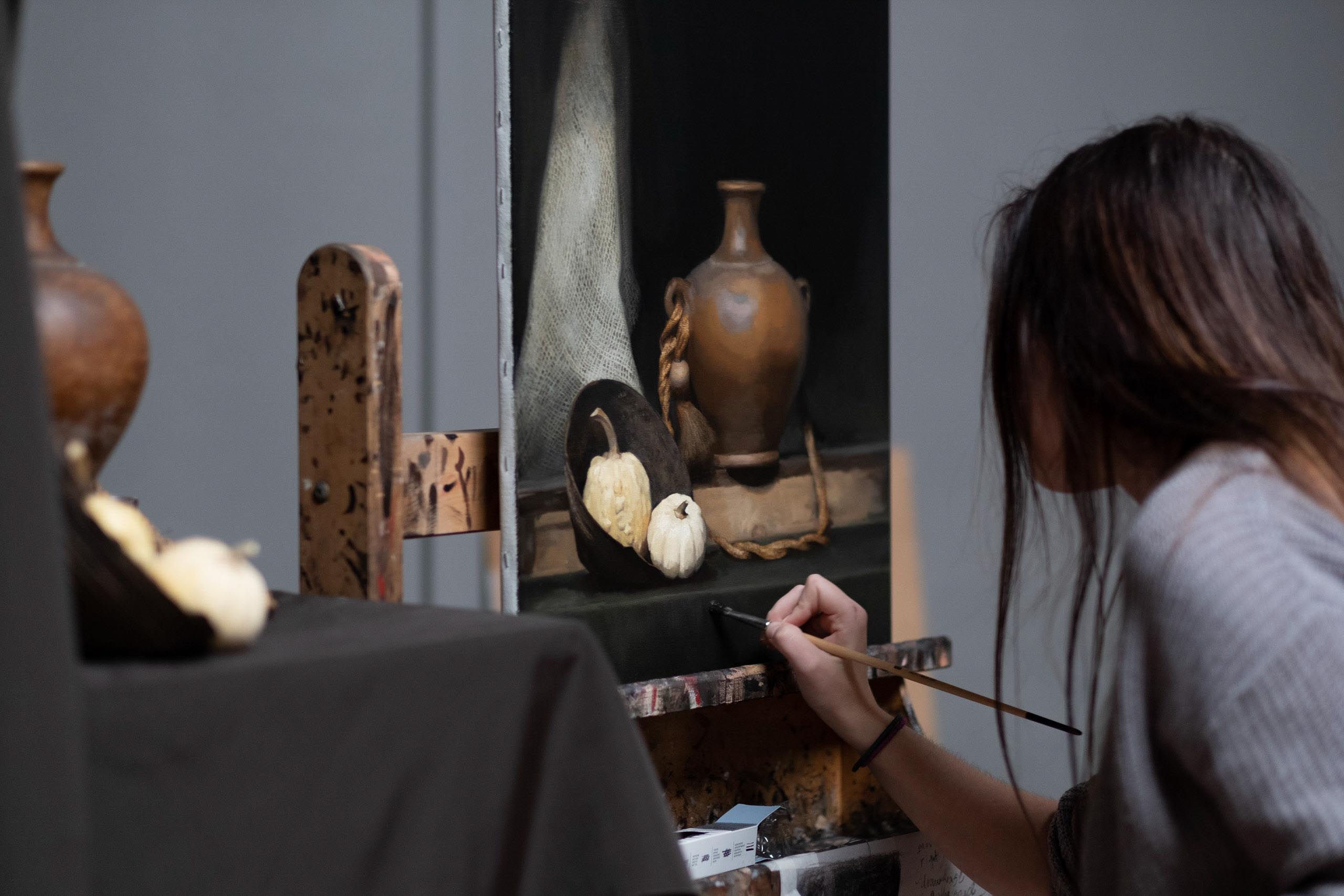
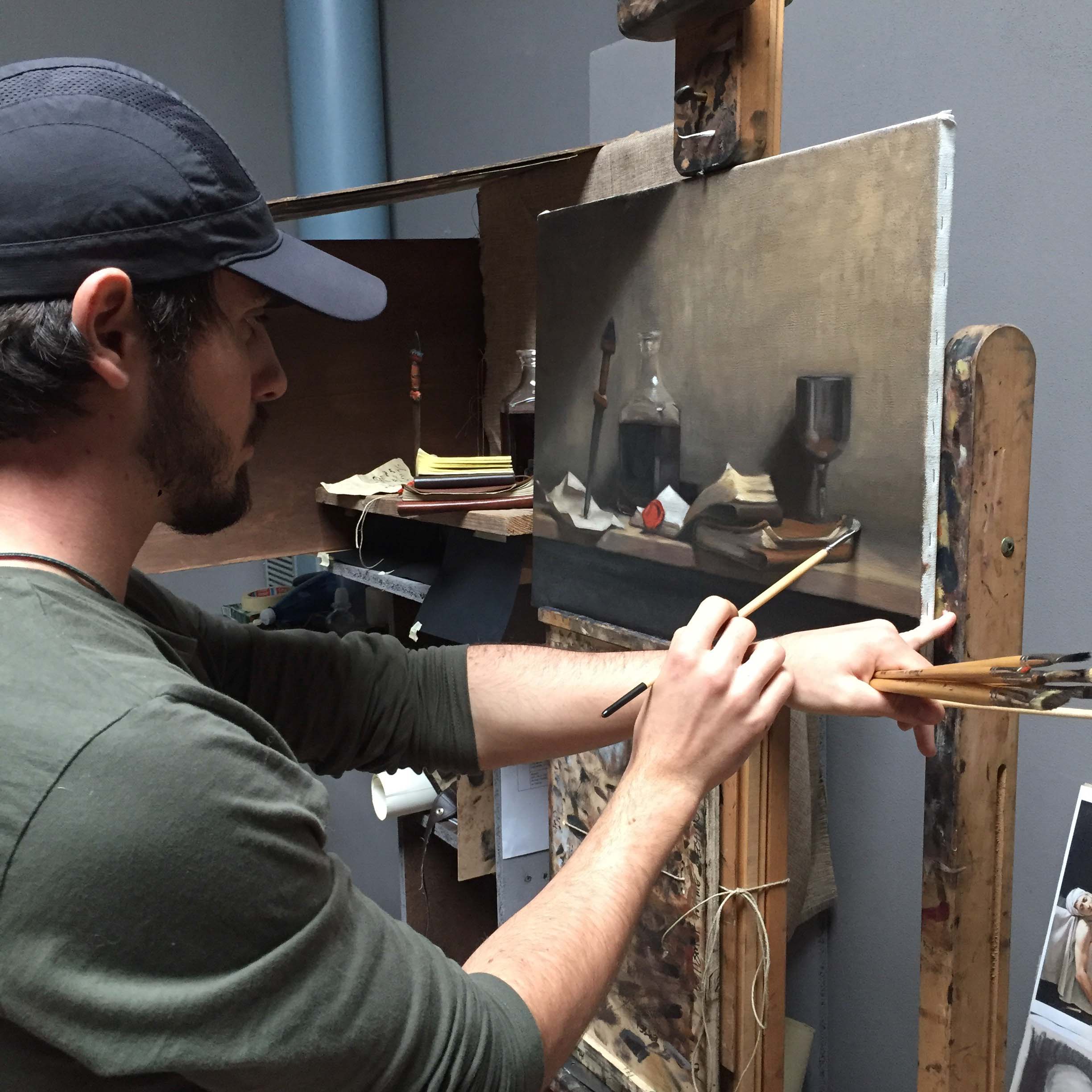
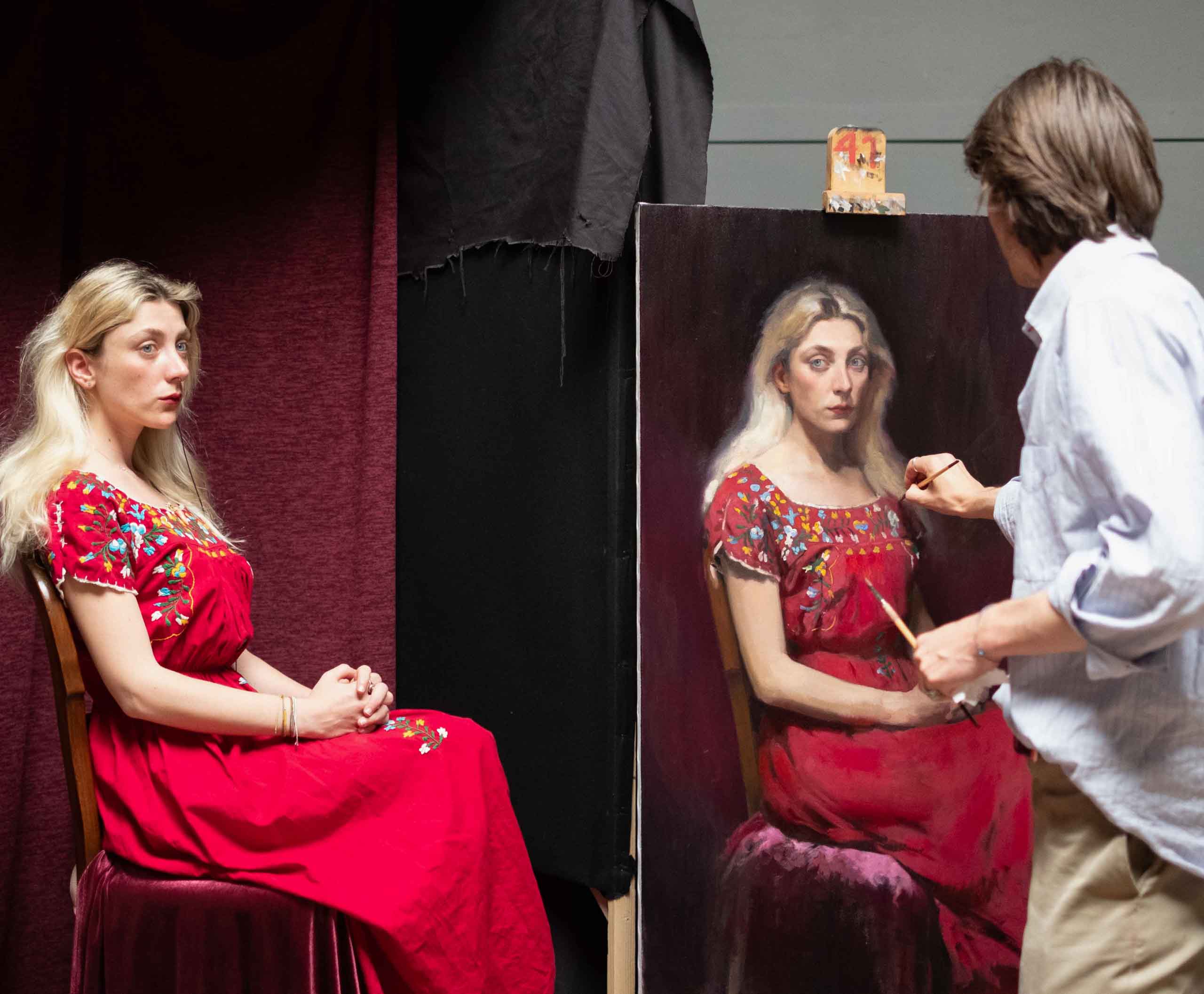
Simple still lifes represent the student’s first opportunity to confront composition, to control the light source, and to create a meaningful expression.
Objects must be chosen in a variety of textures and materials, beginning with three objects and moving to complex compositions. Moving from cast to the still life, the student must overcome difficulties in producing a balanced composition, with regard both to light, dark and color.

Electives