


Foundation in Graphic Arts
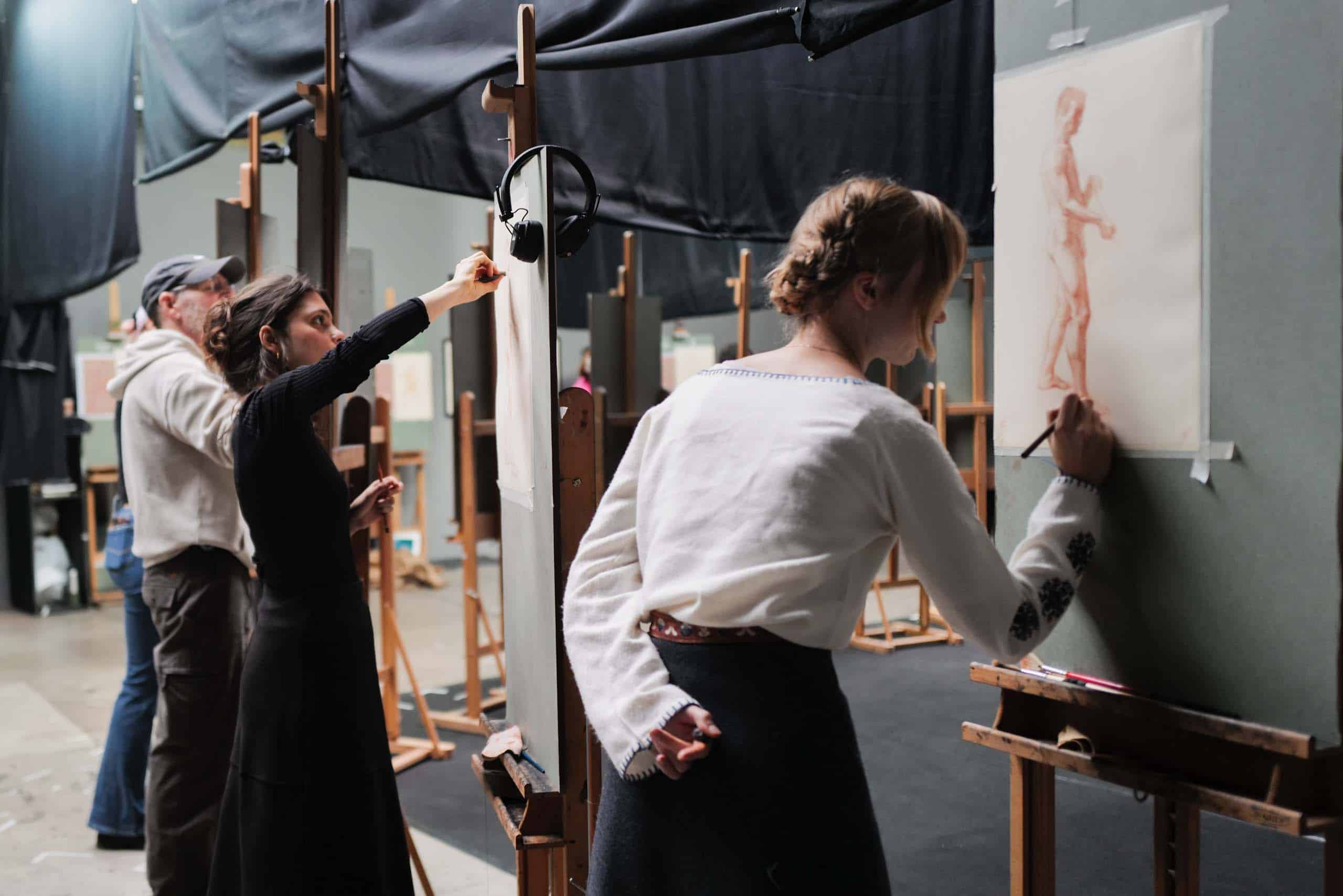
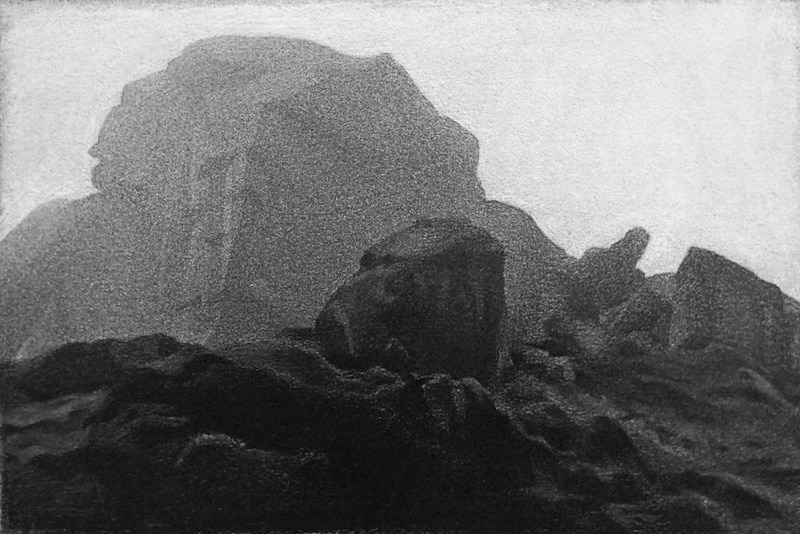
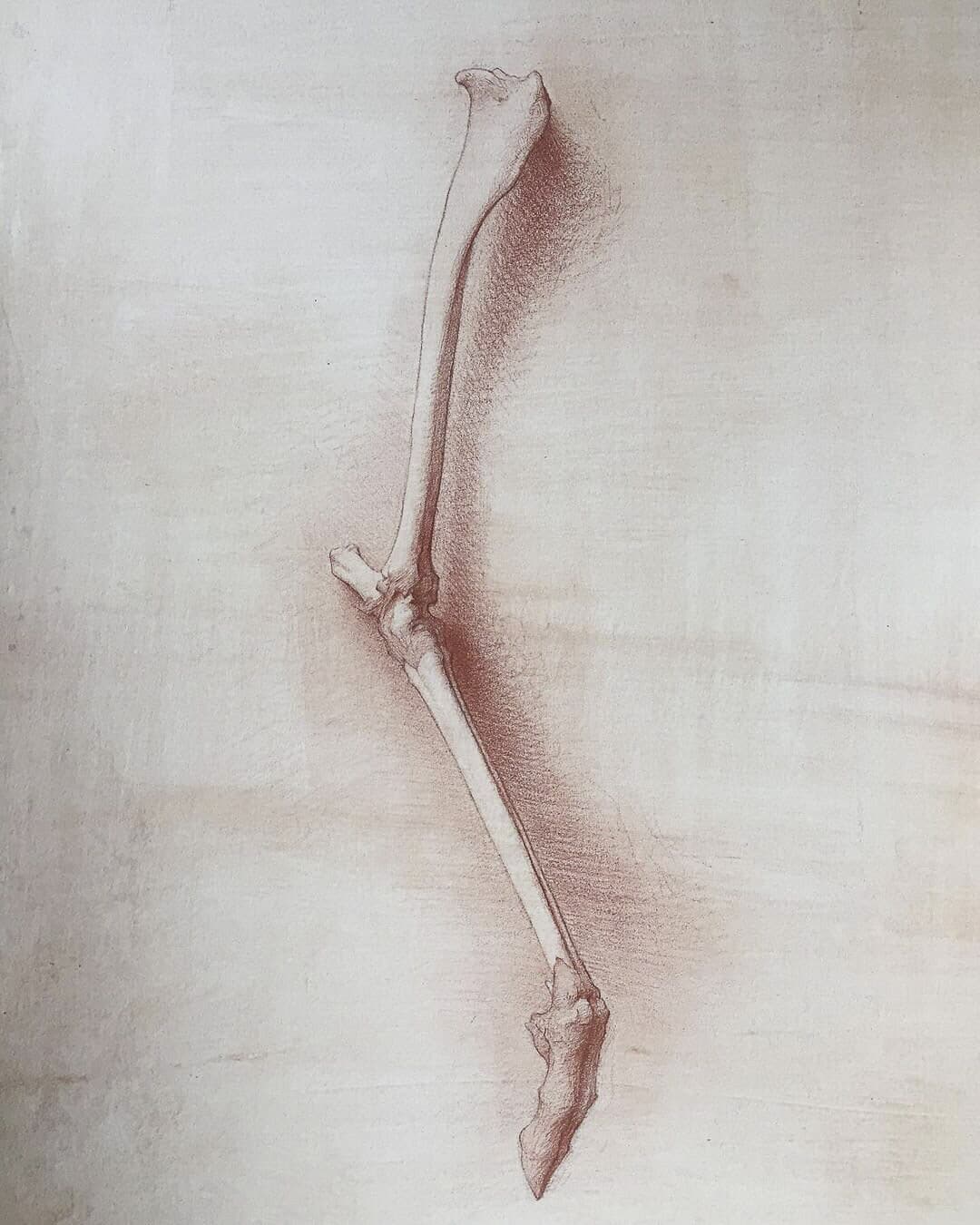
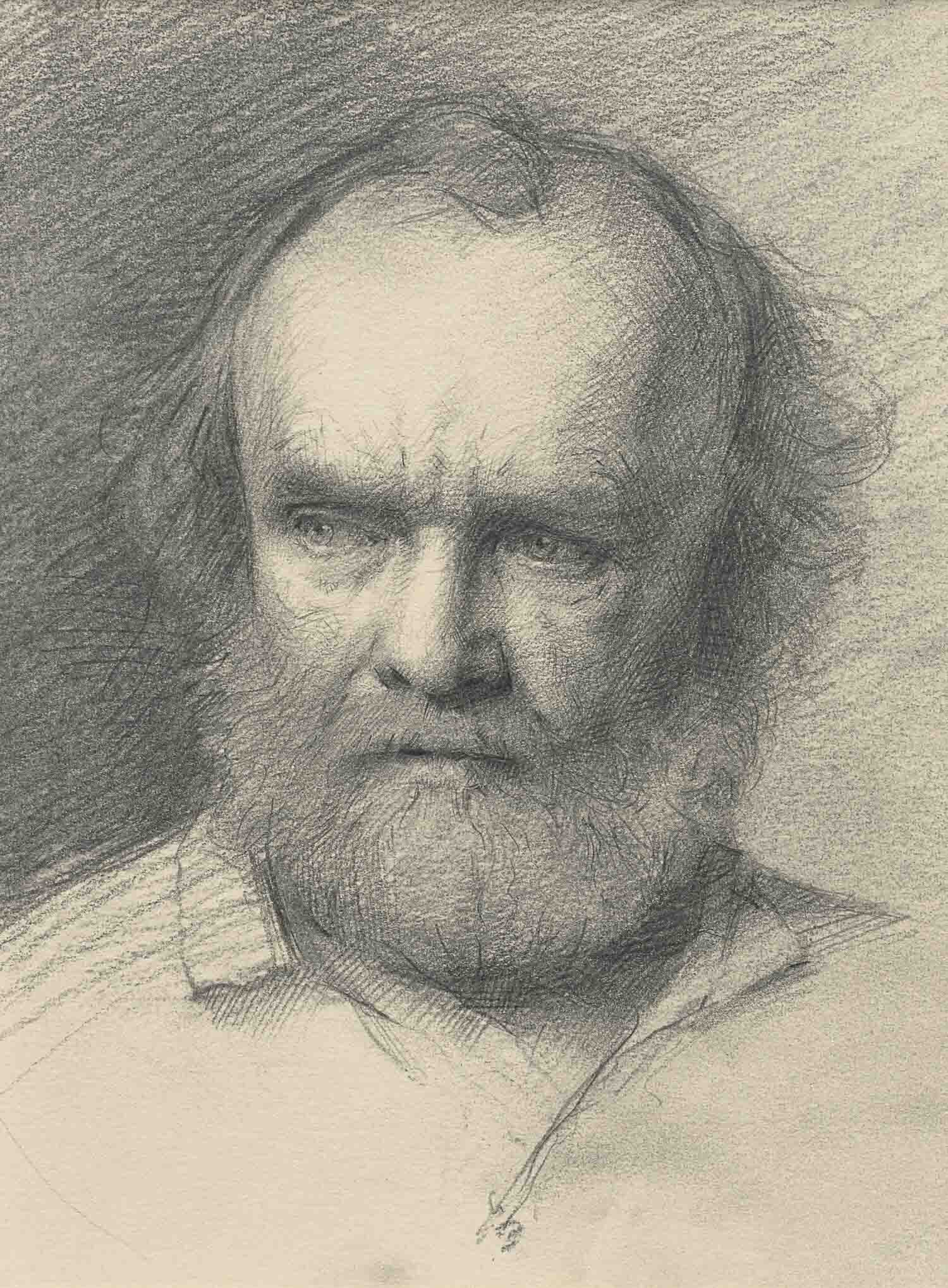
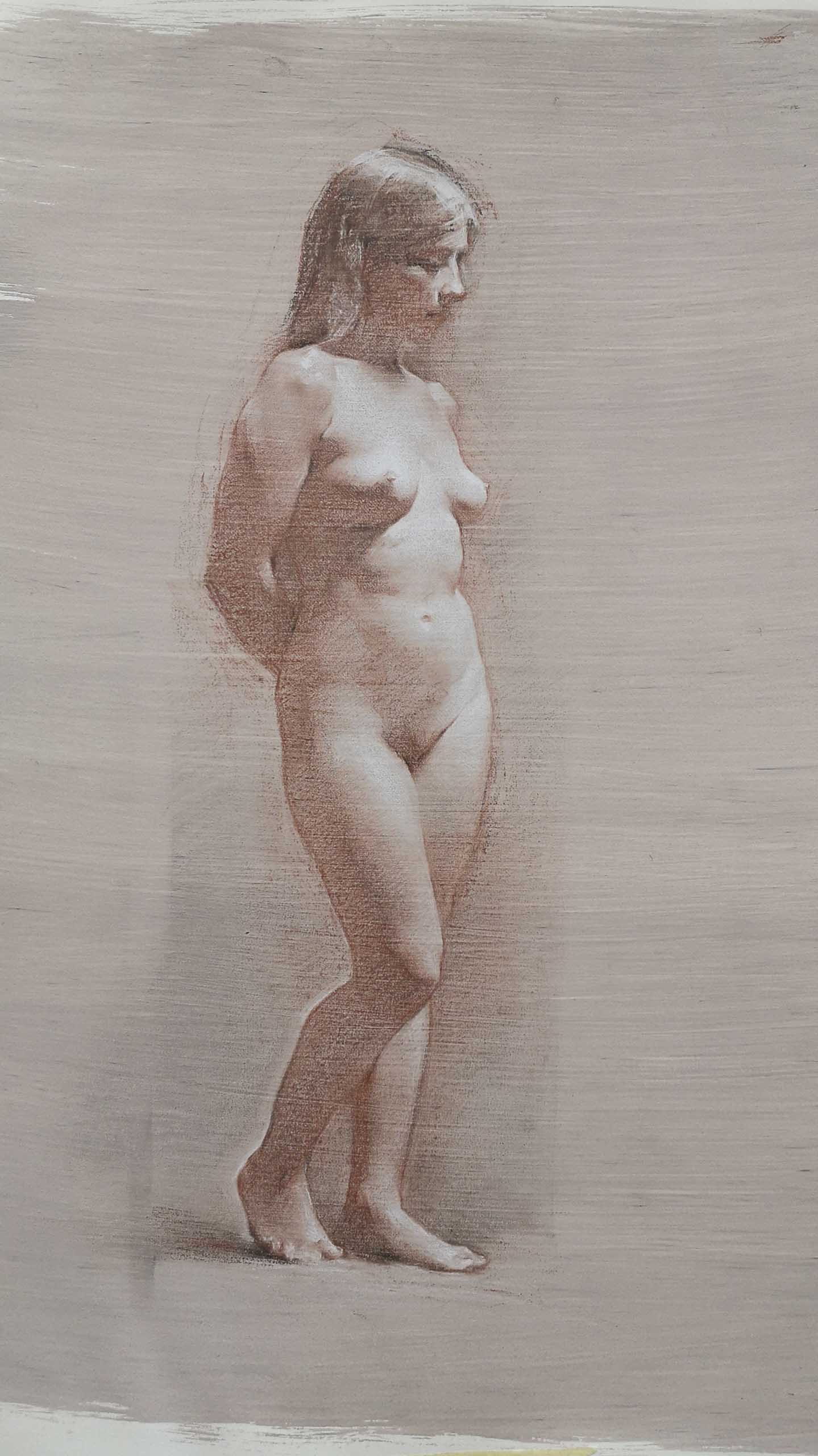
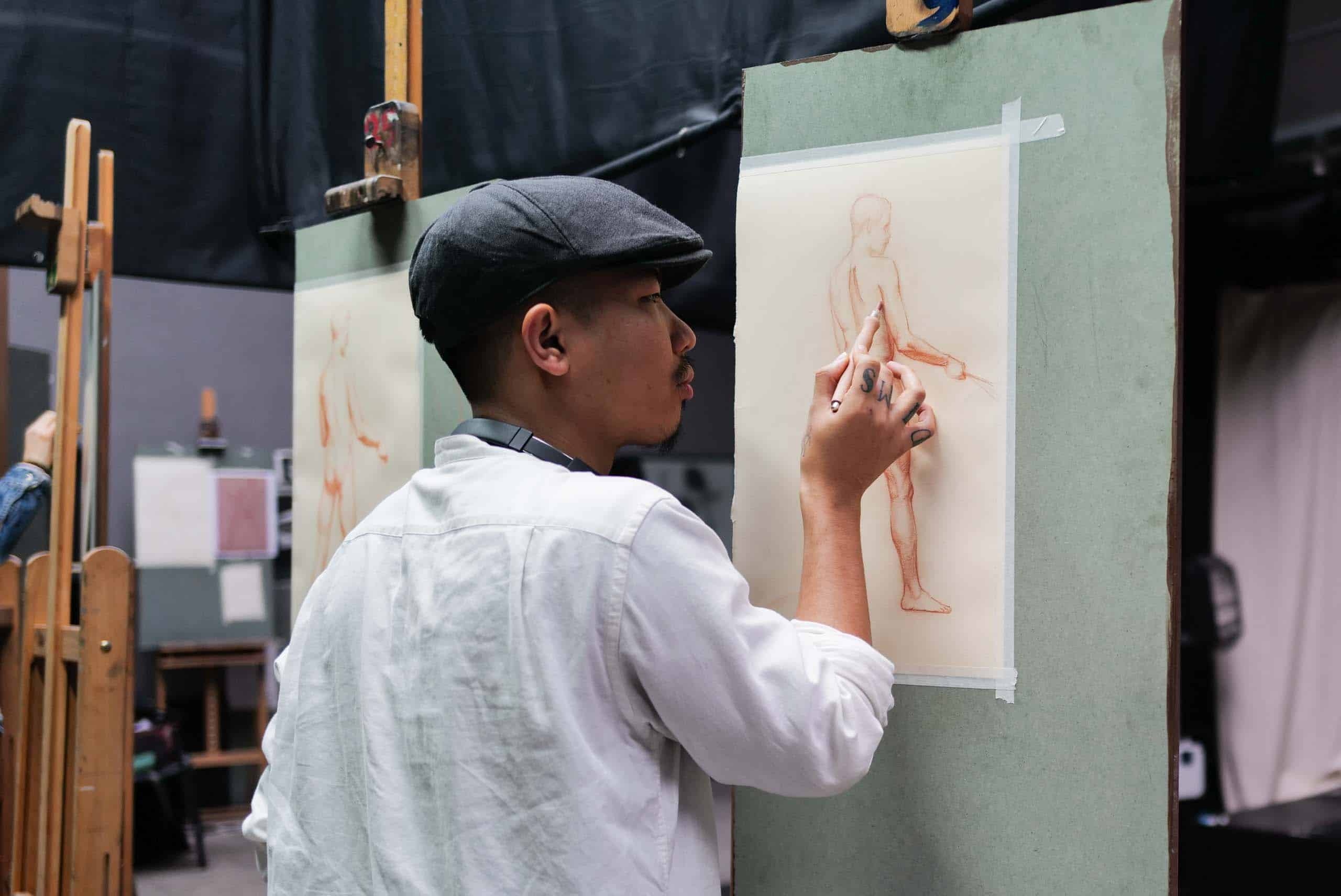
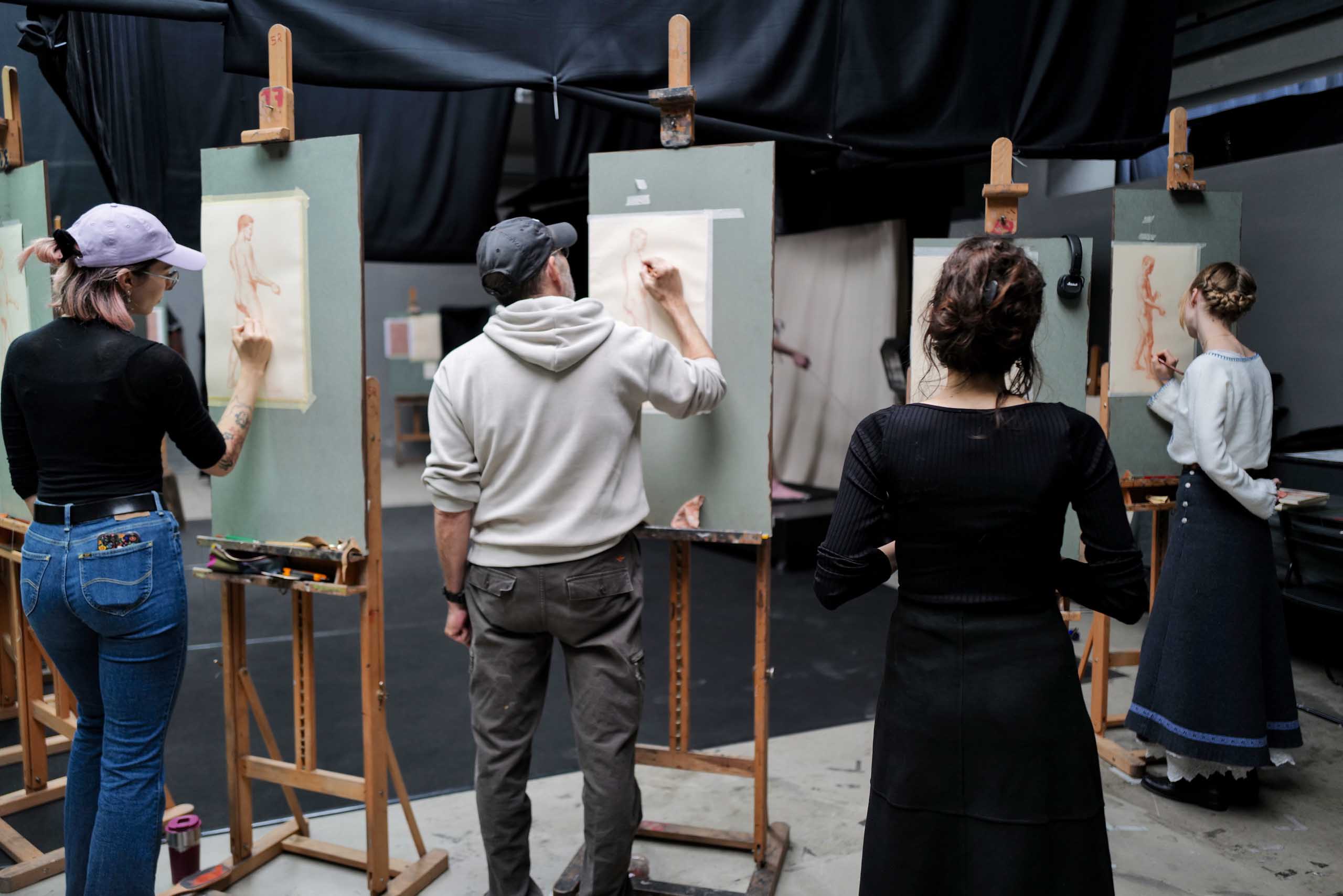
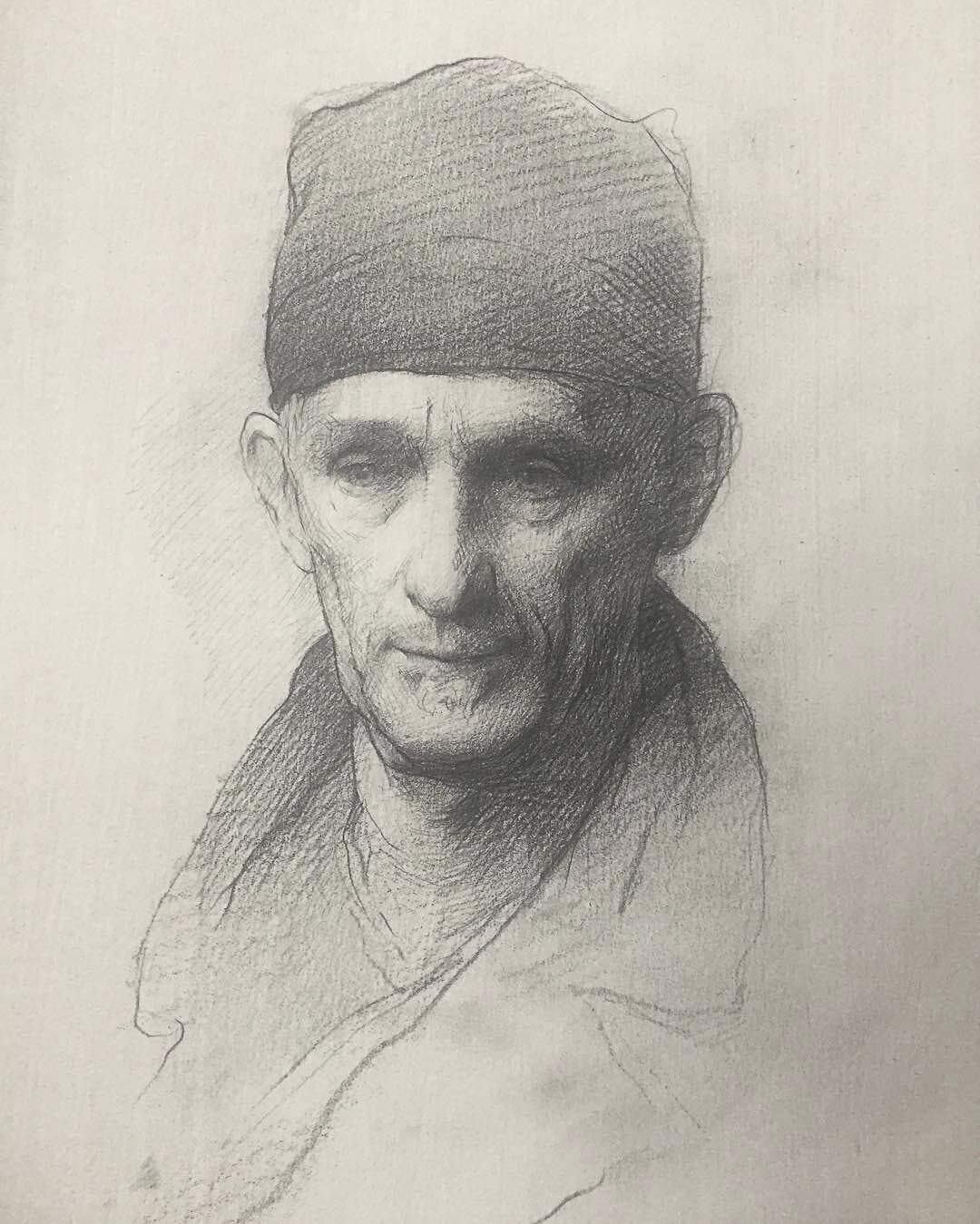
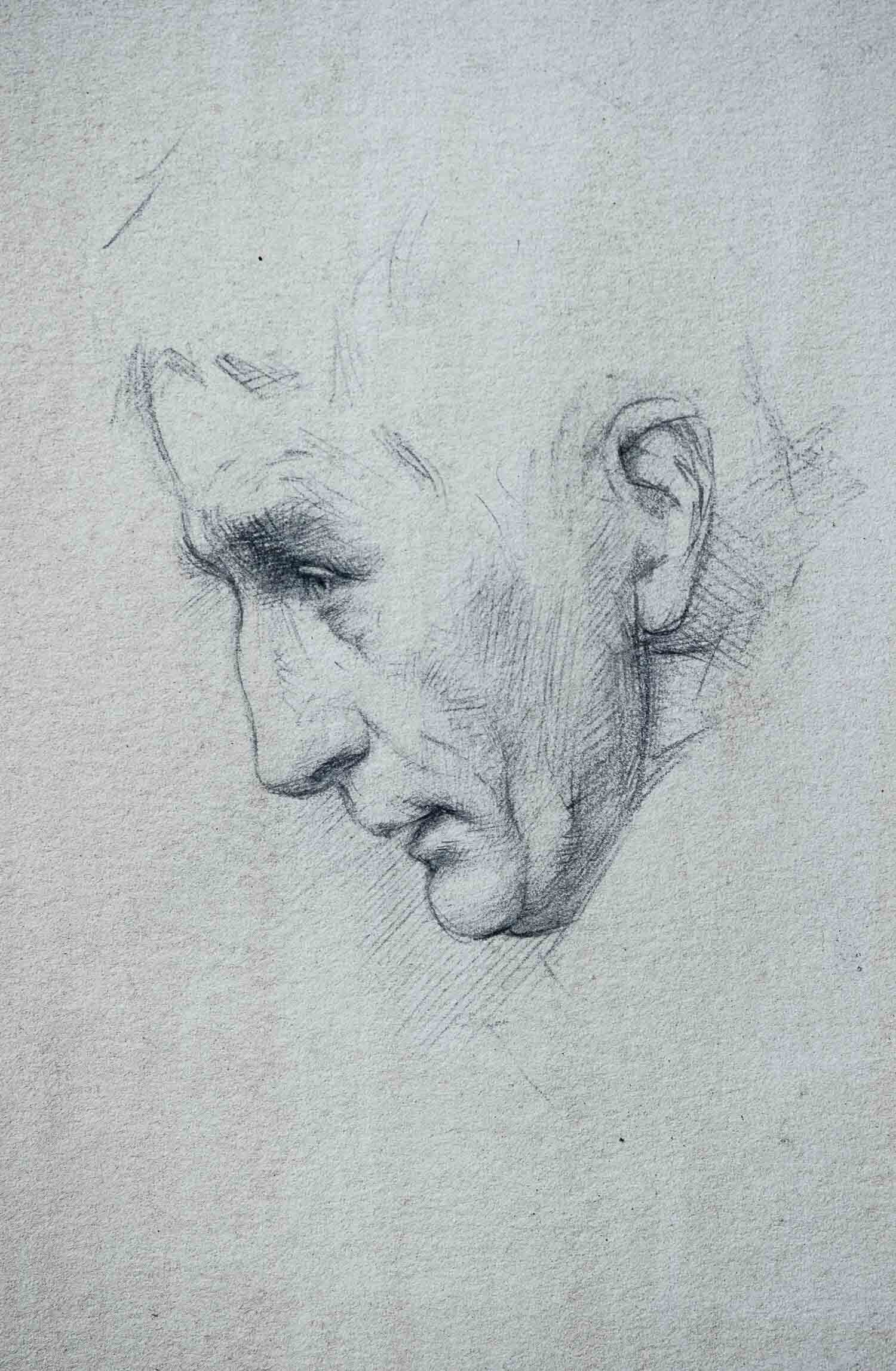
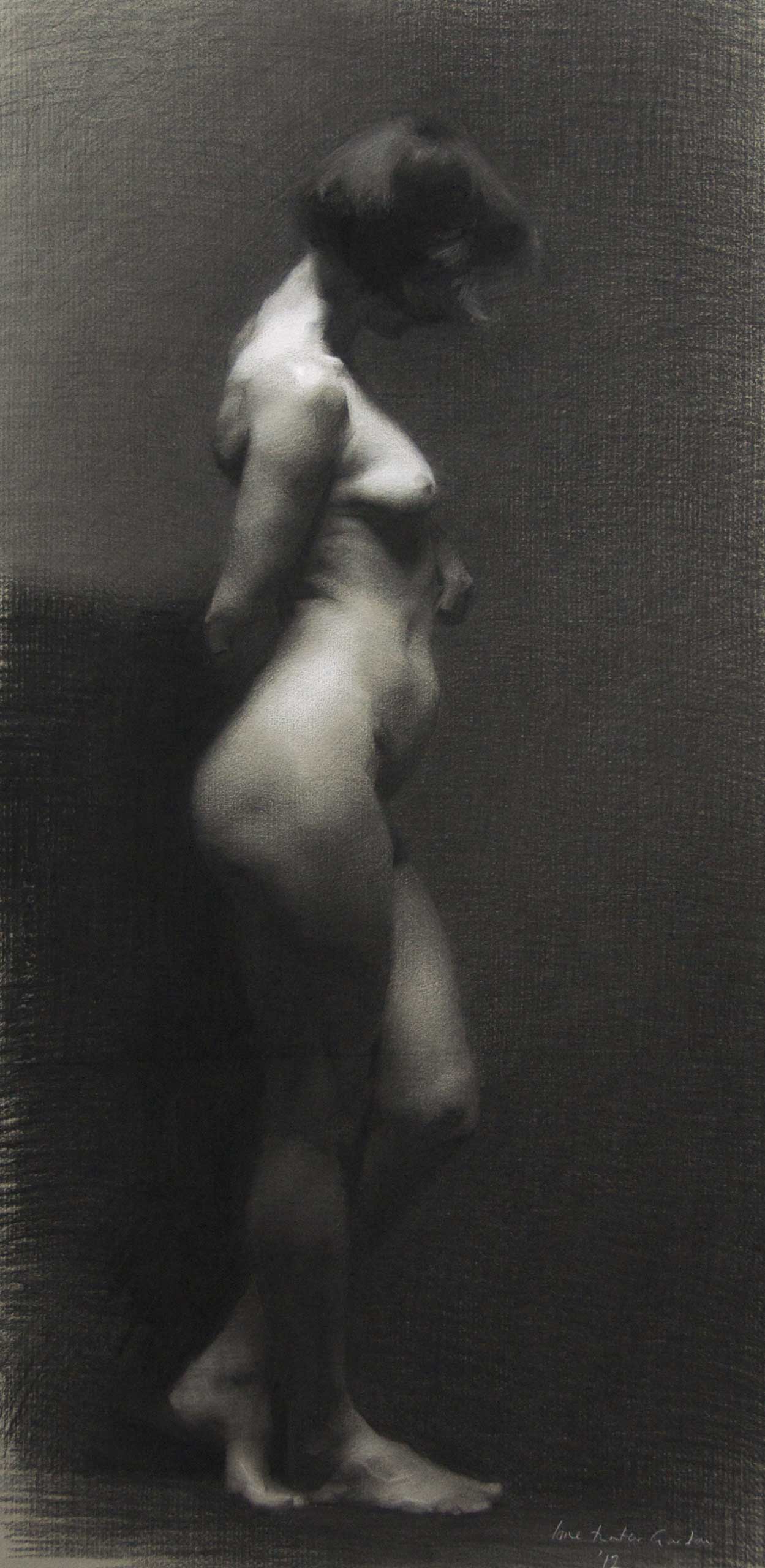
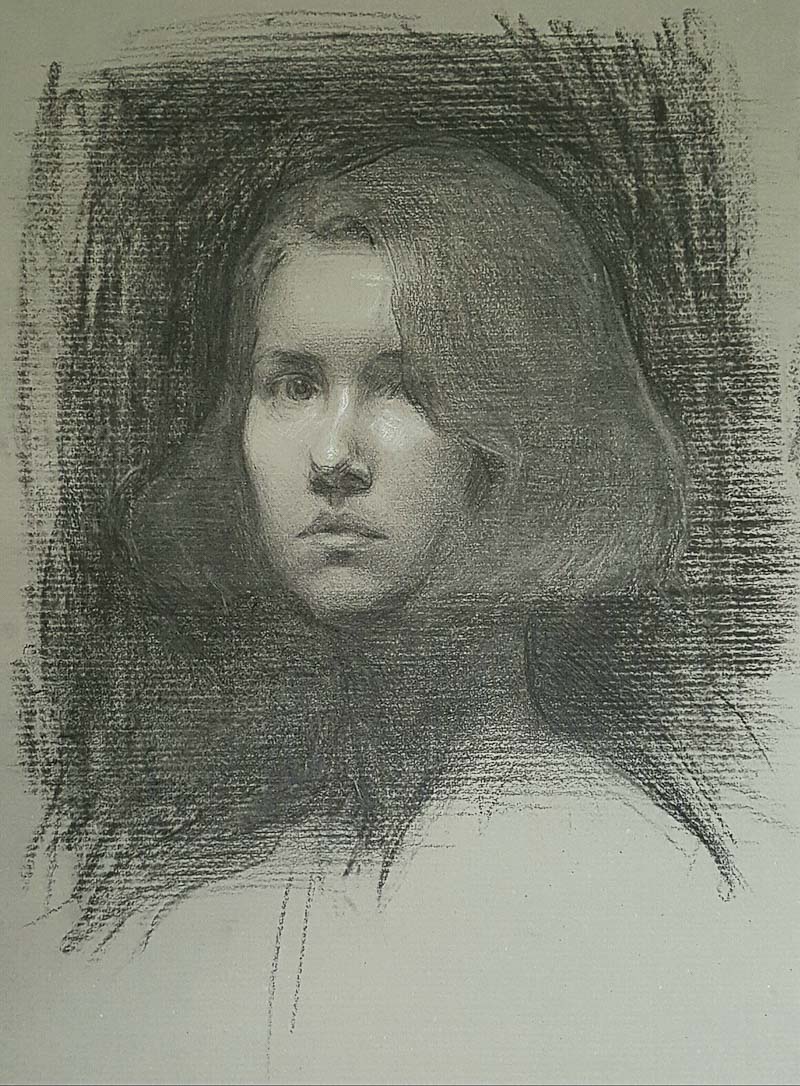
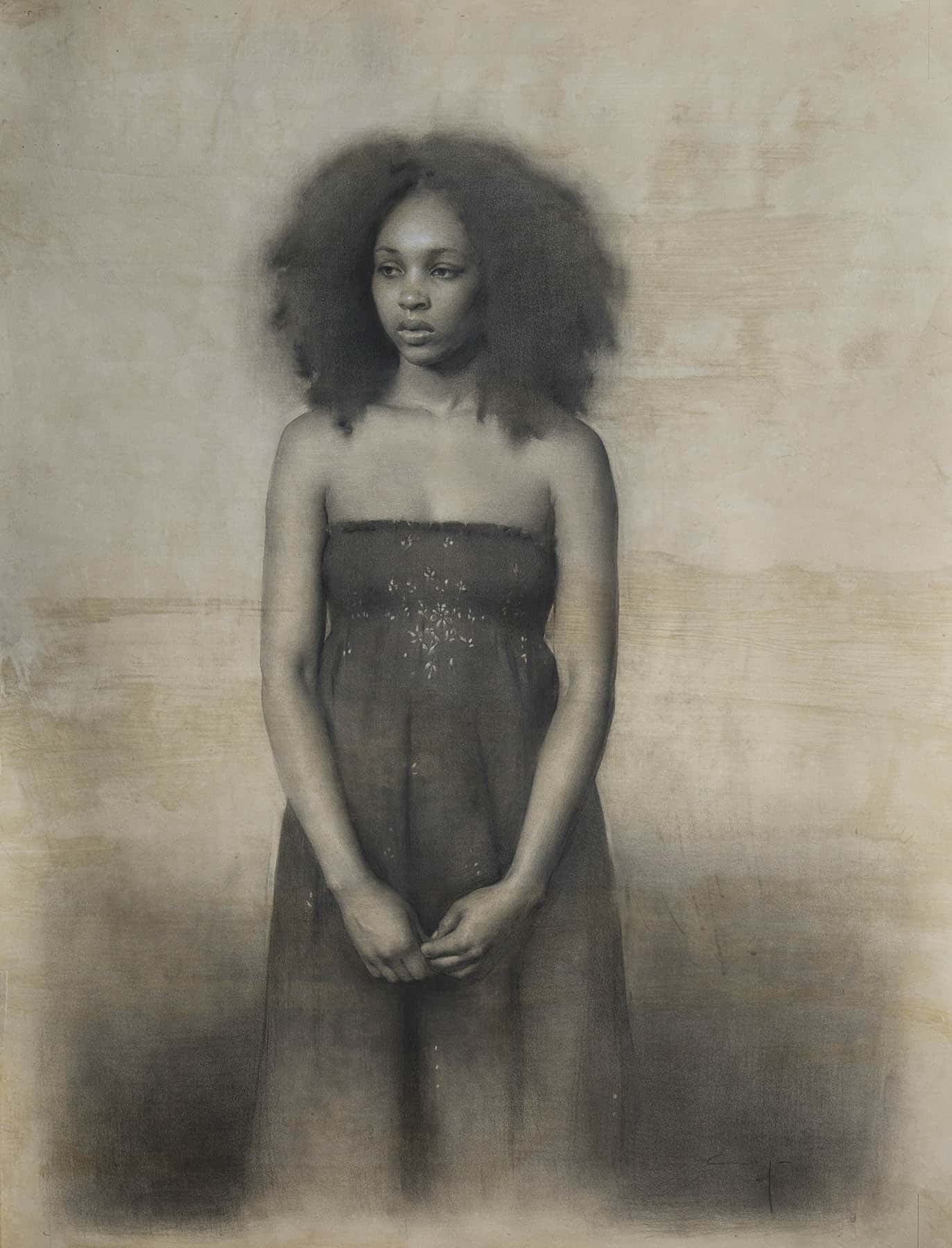
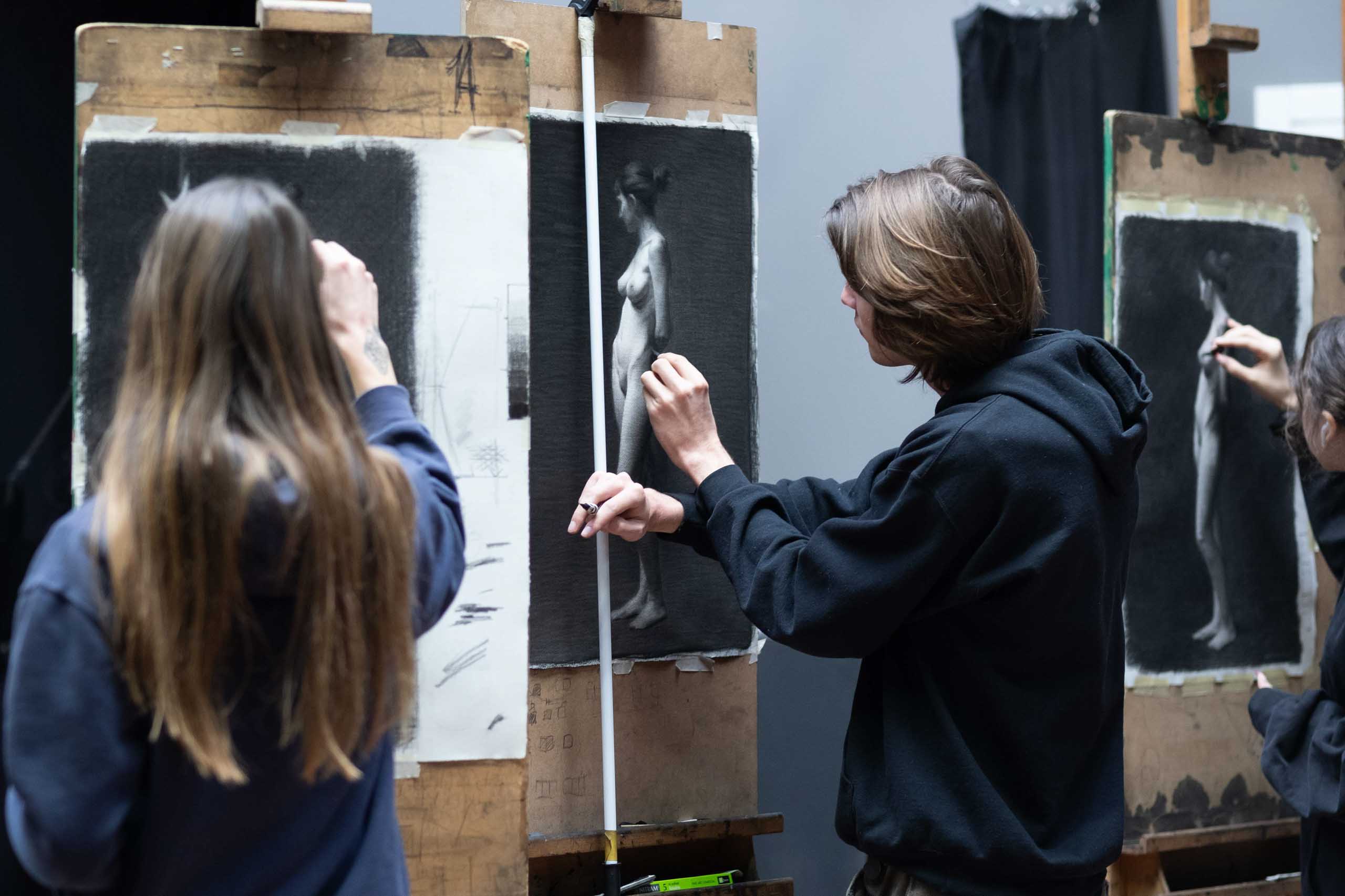
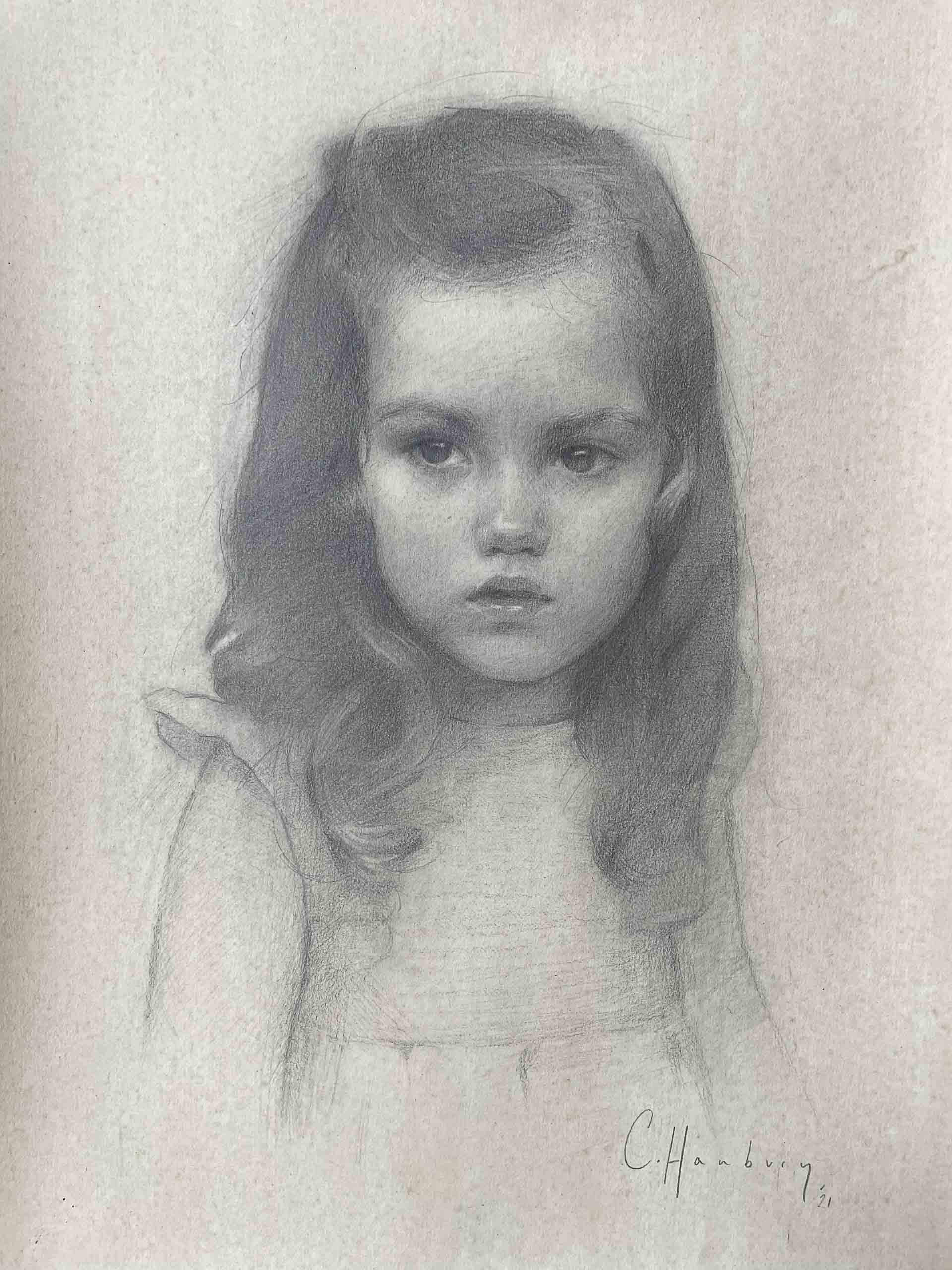
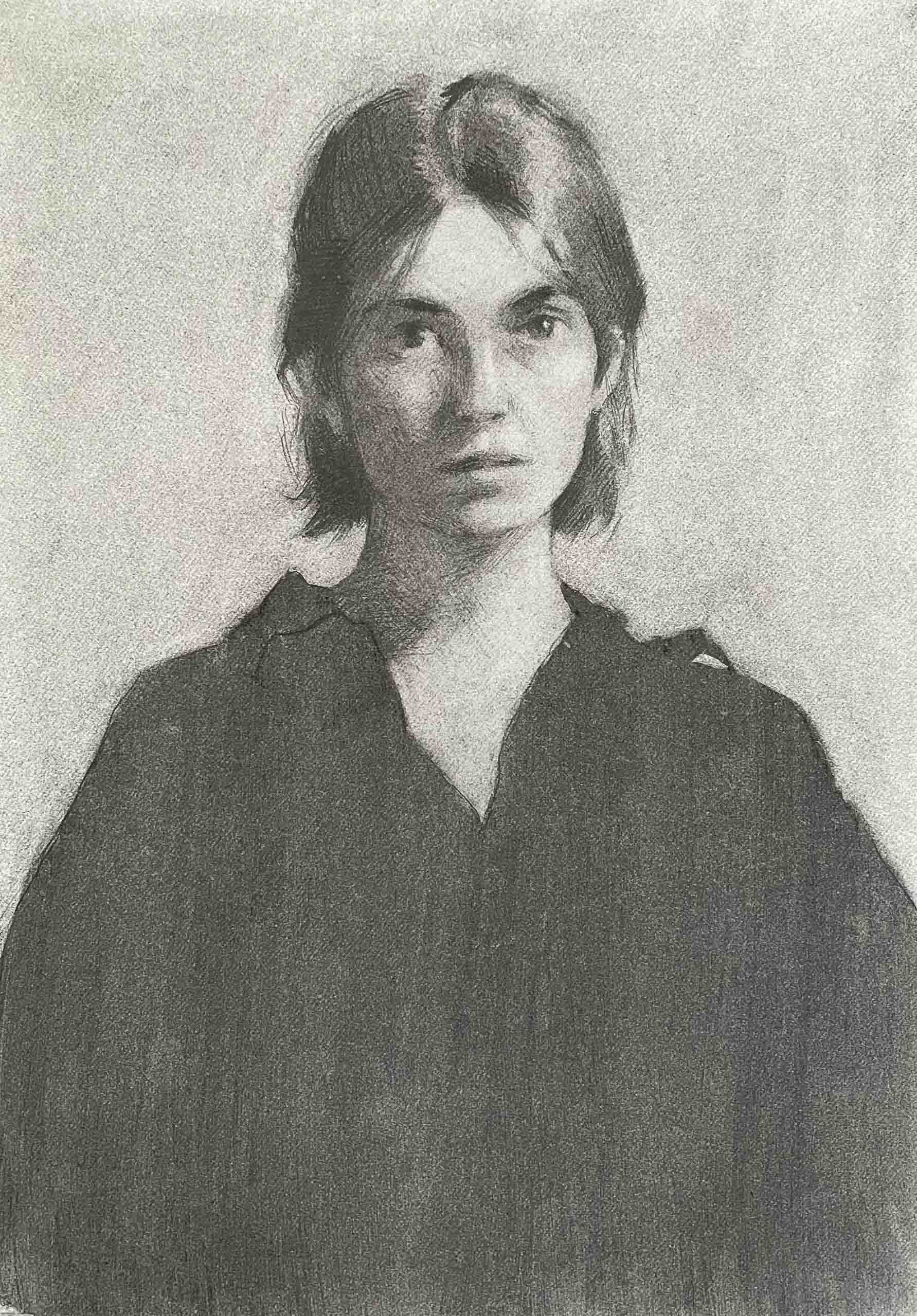
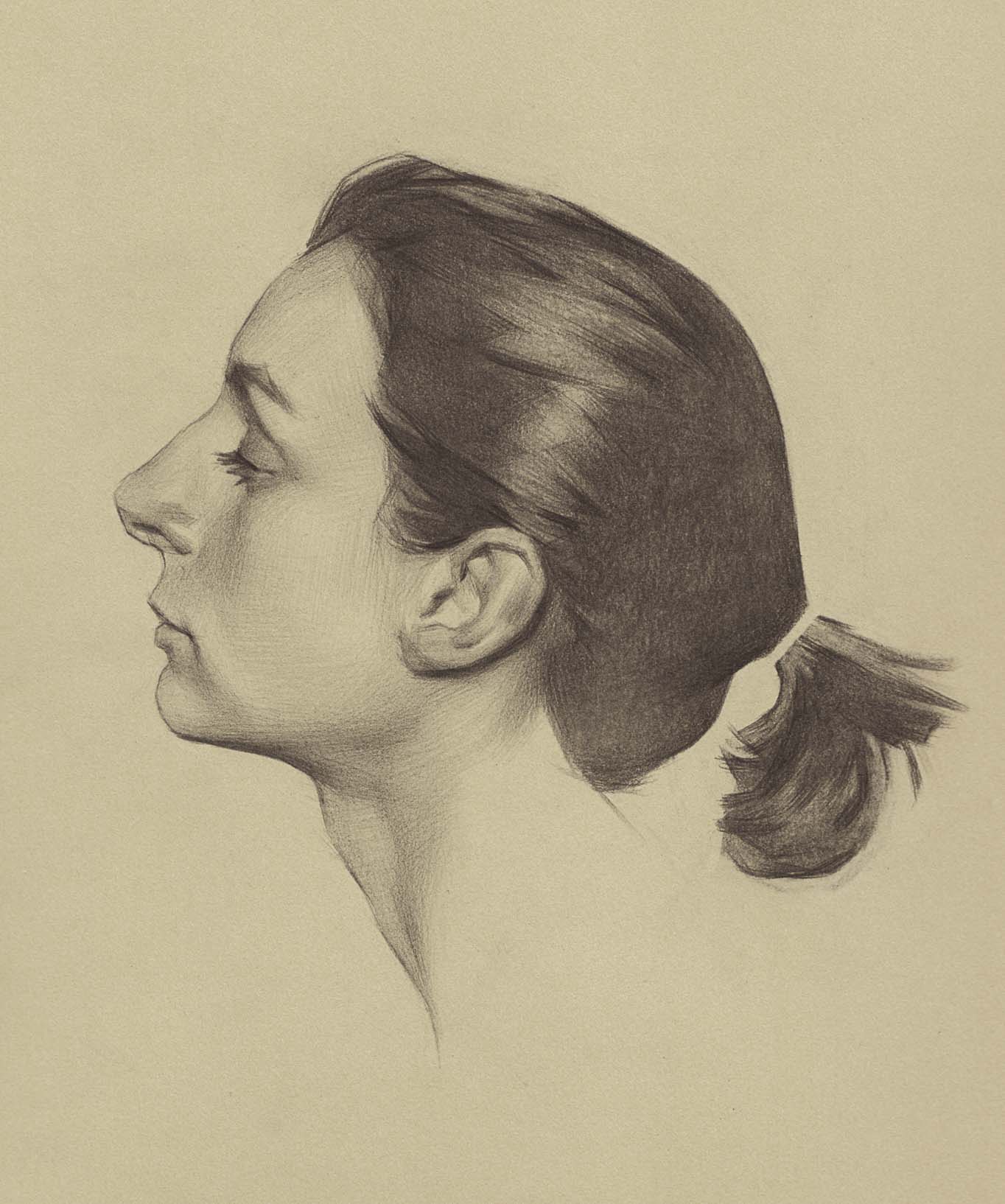
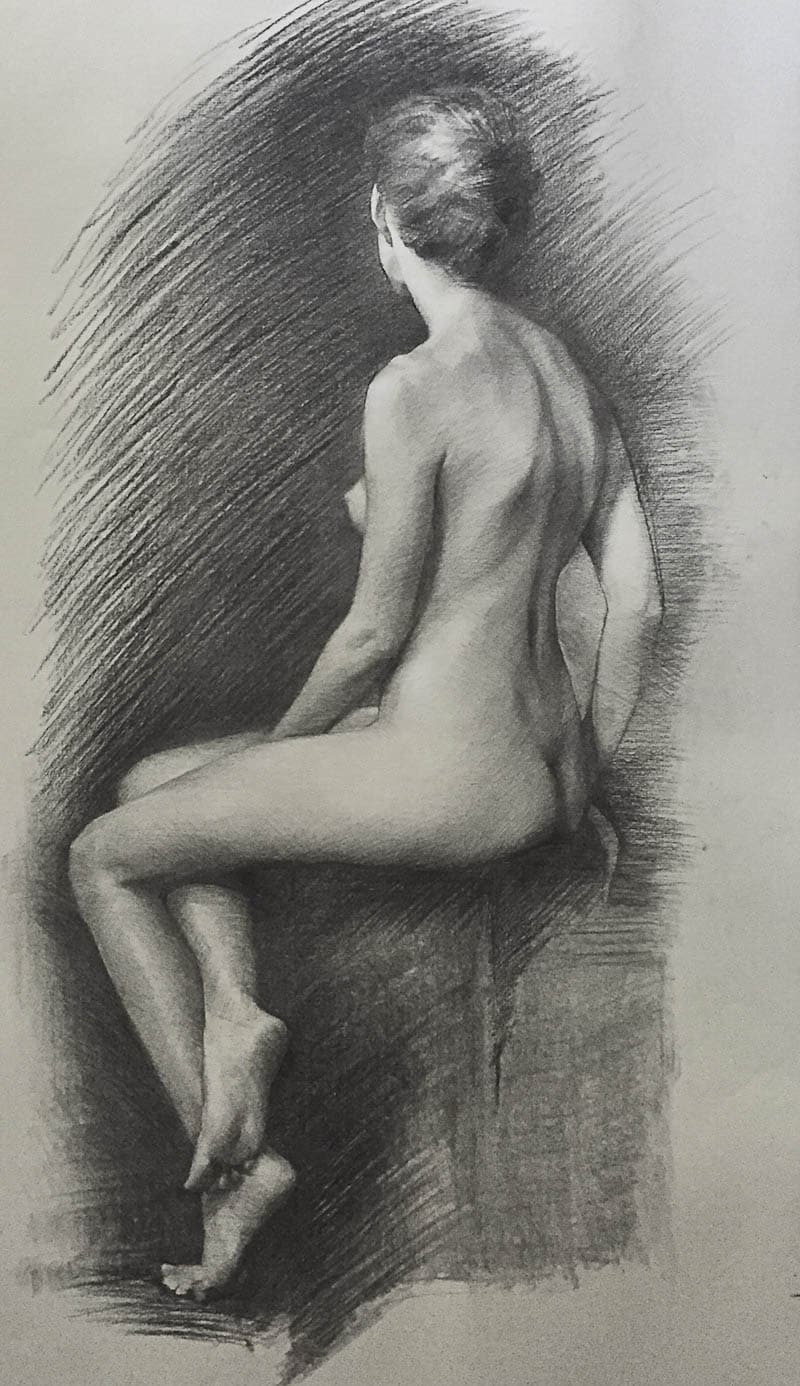
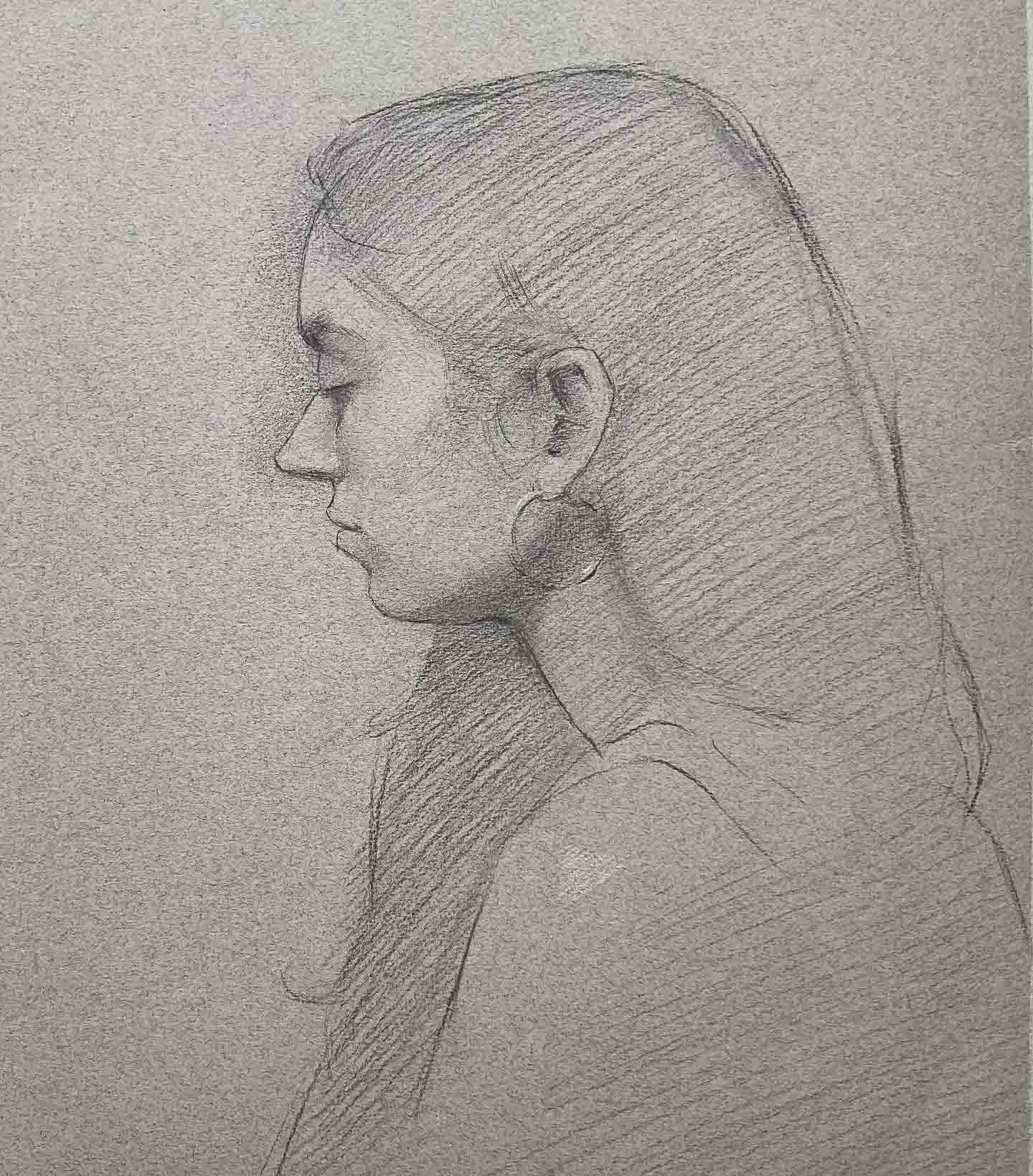
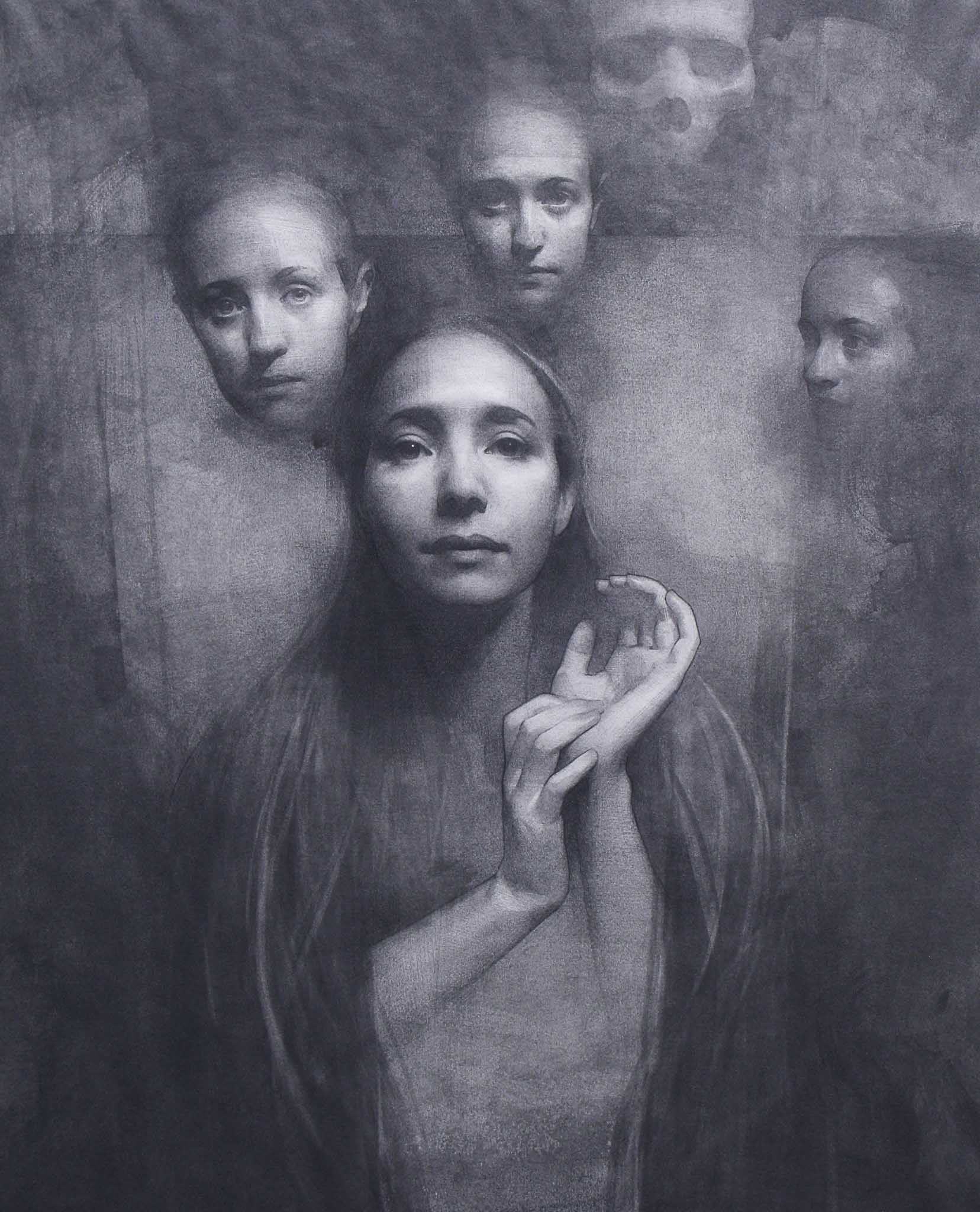
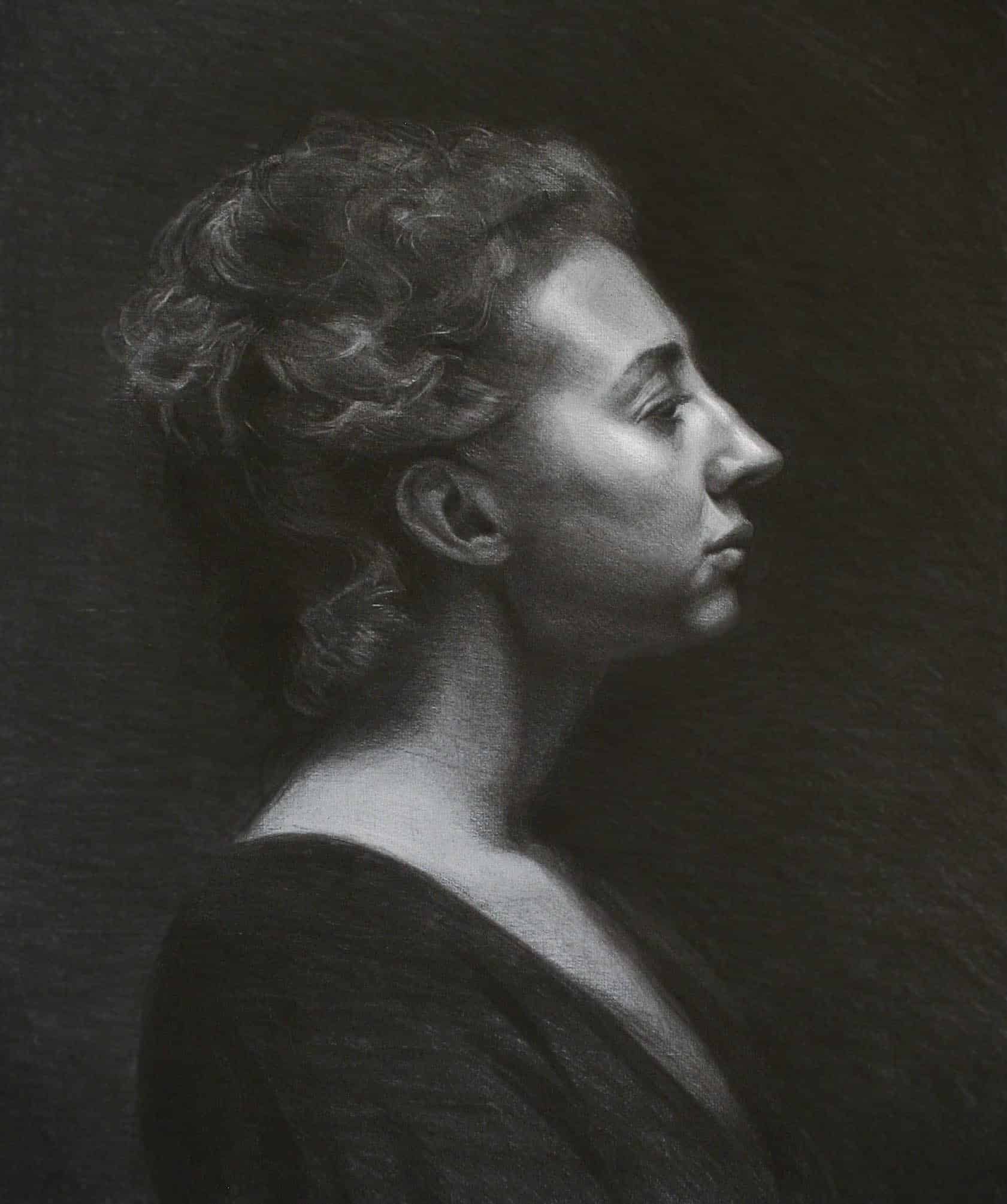
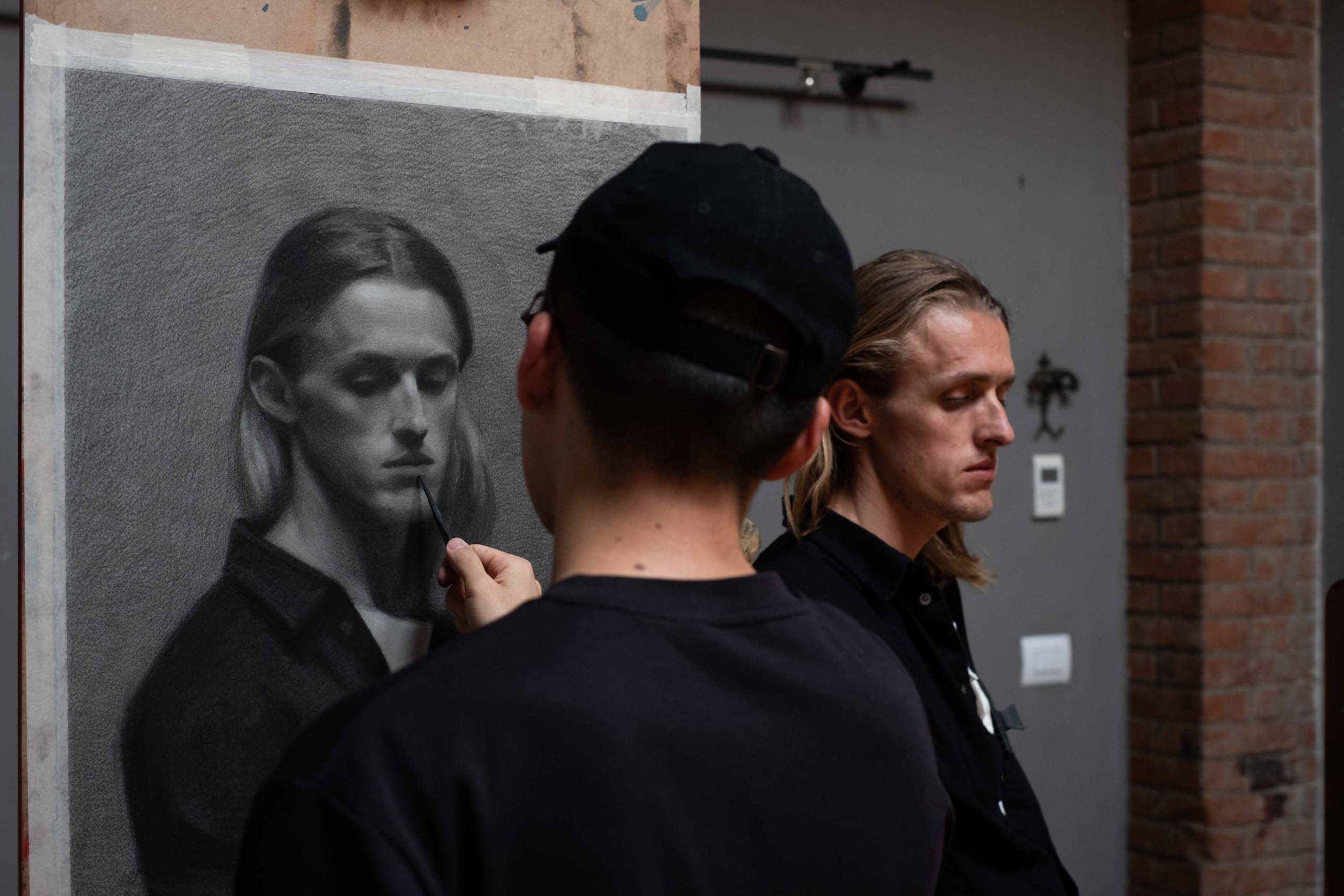
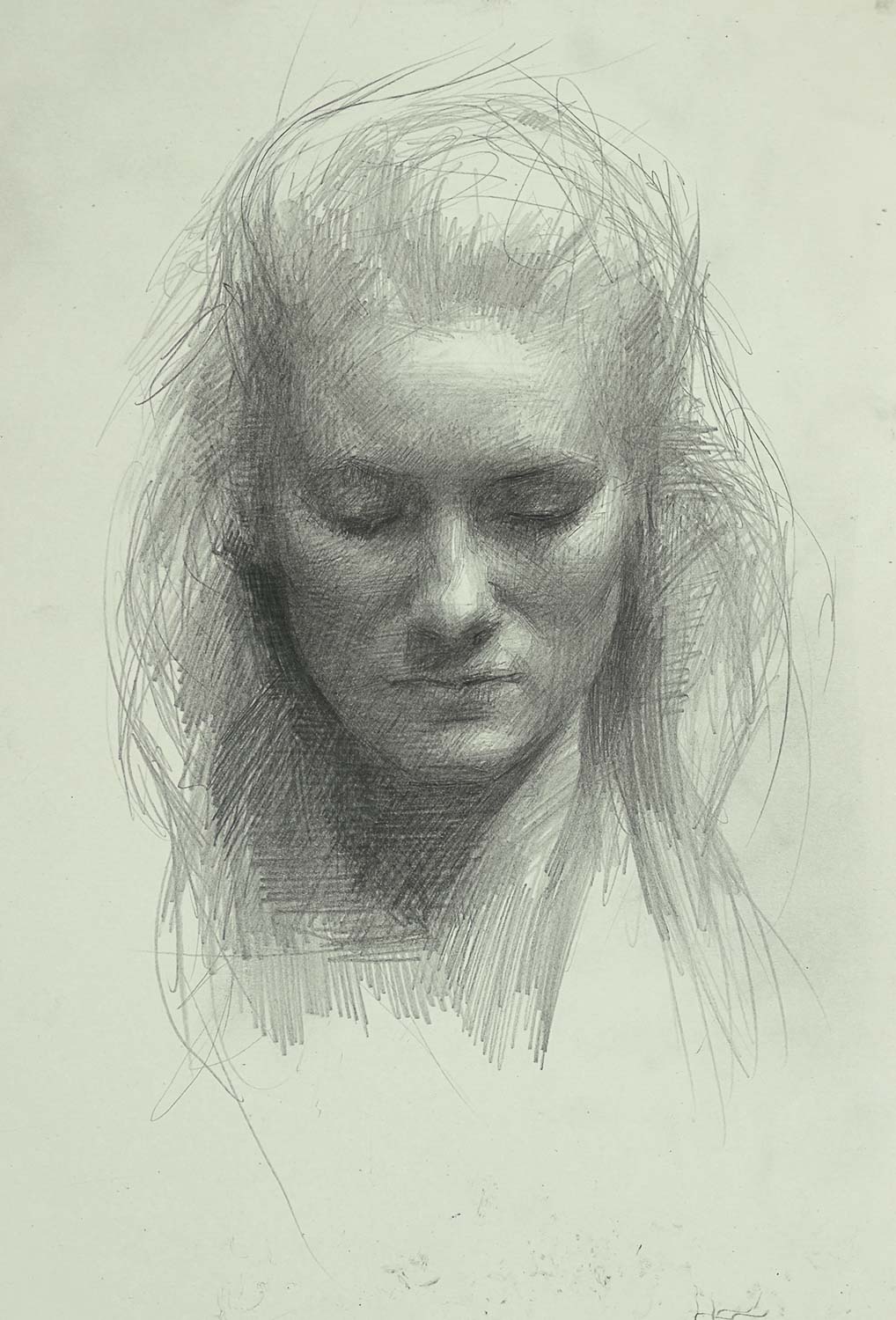
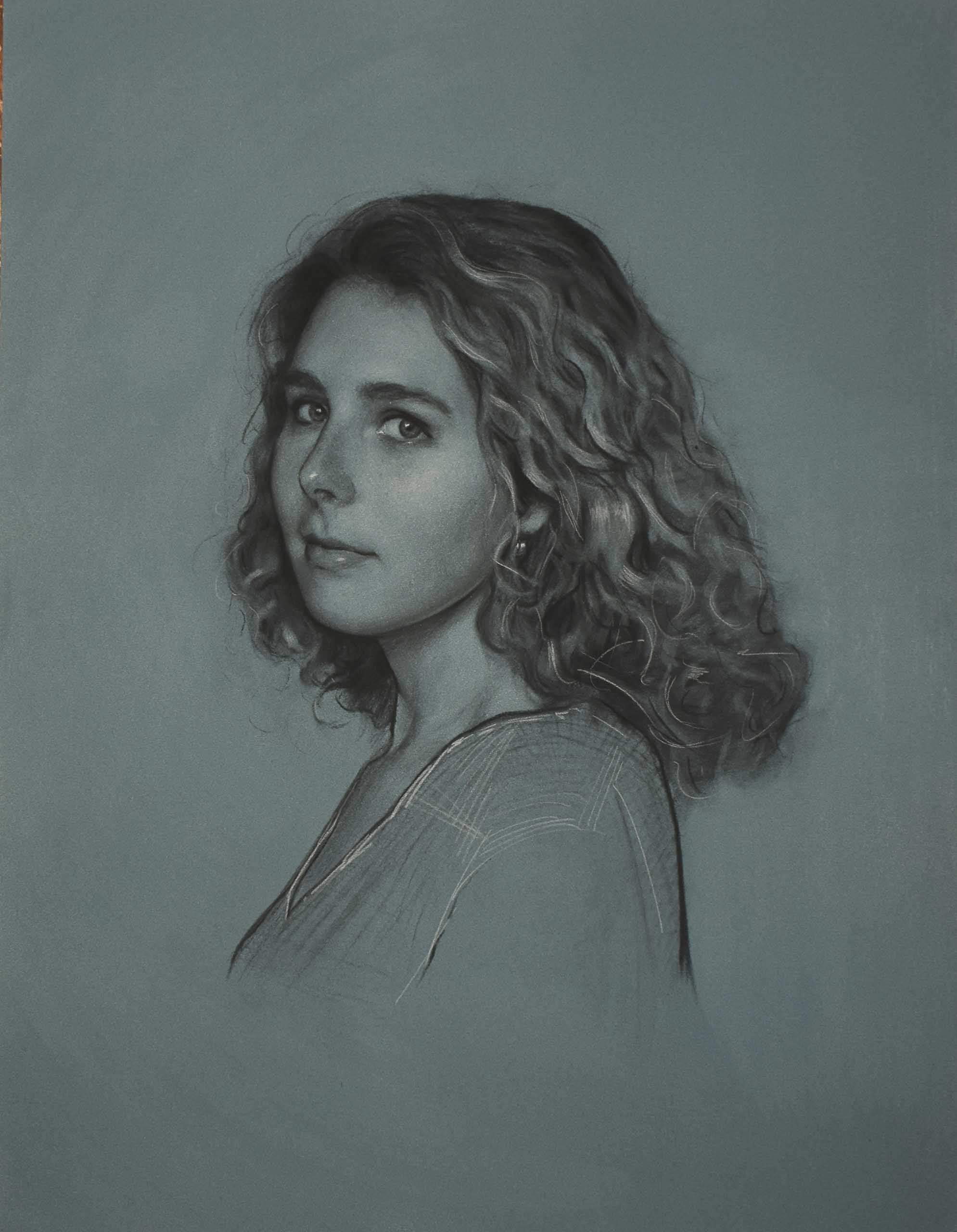
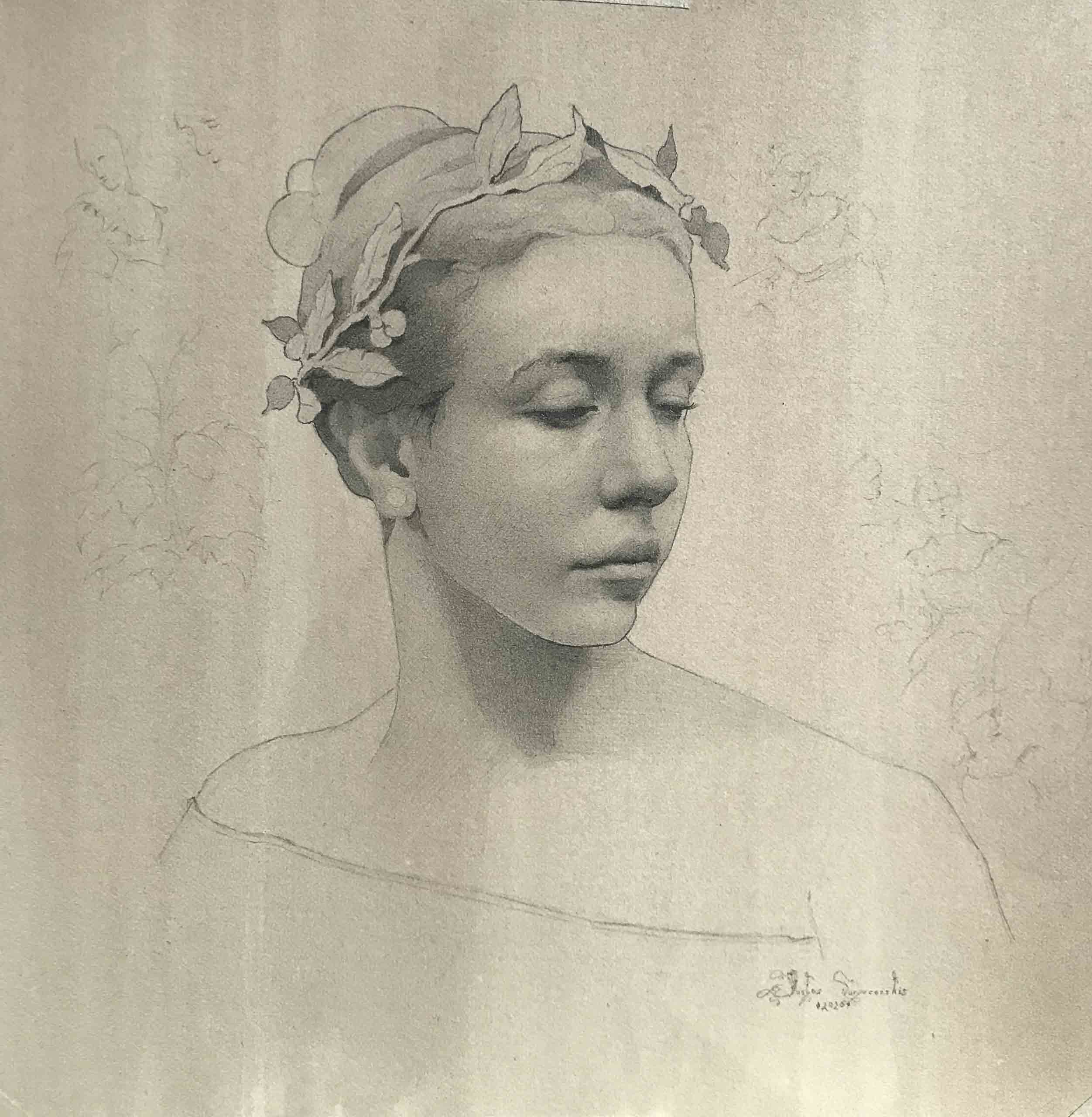
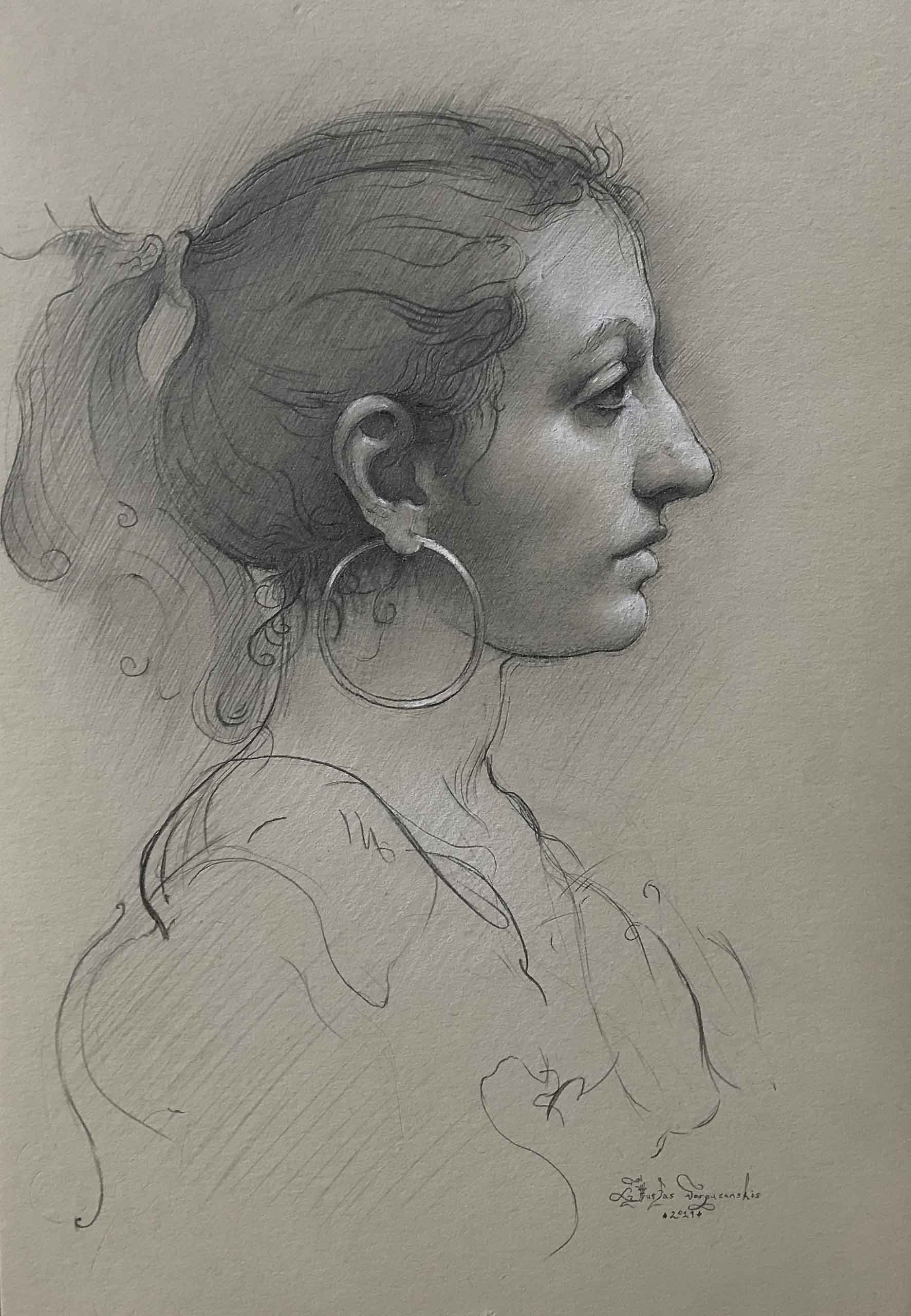
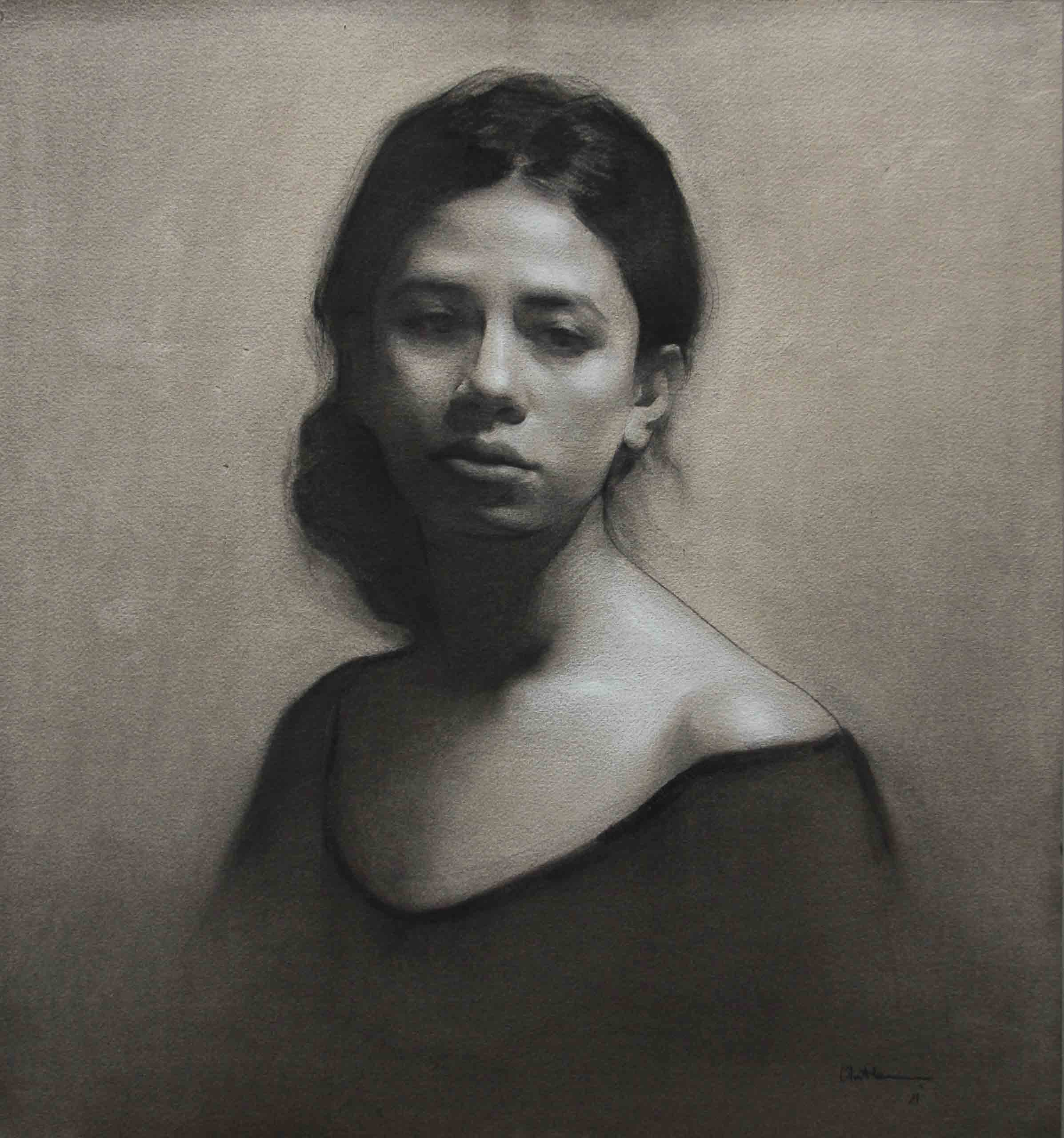
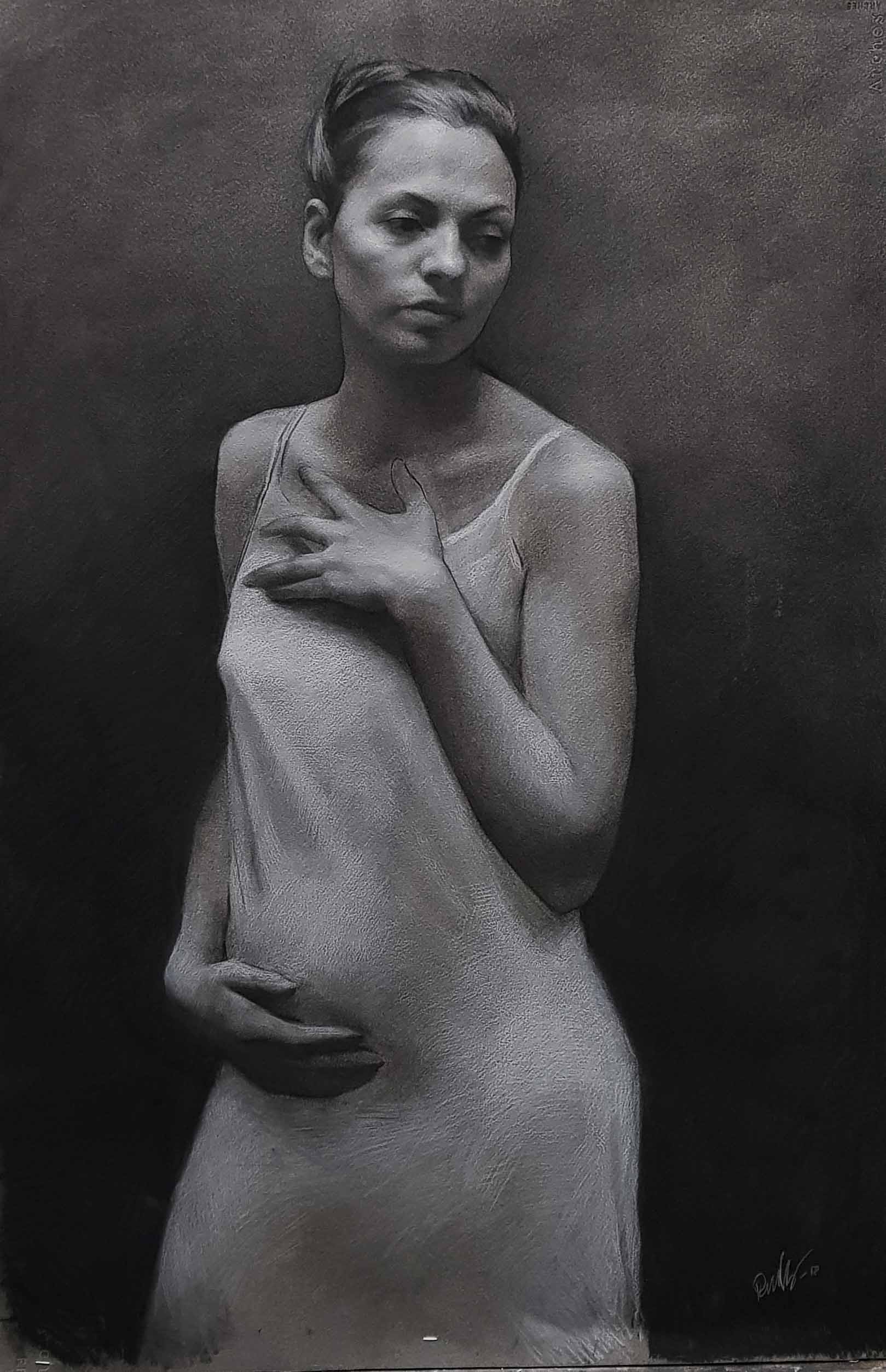
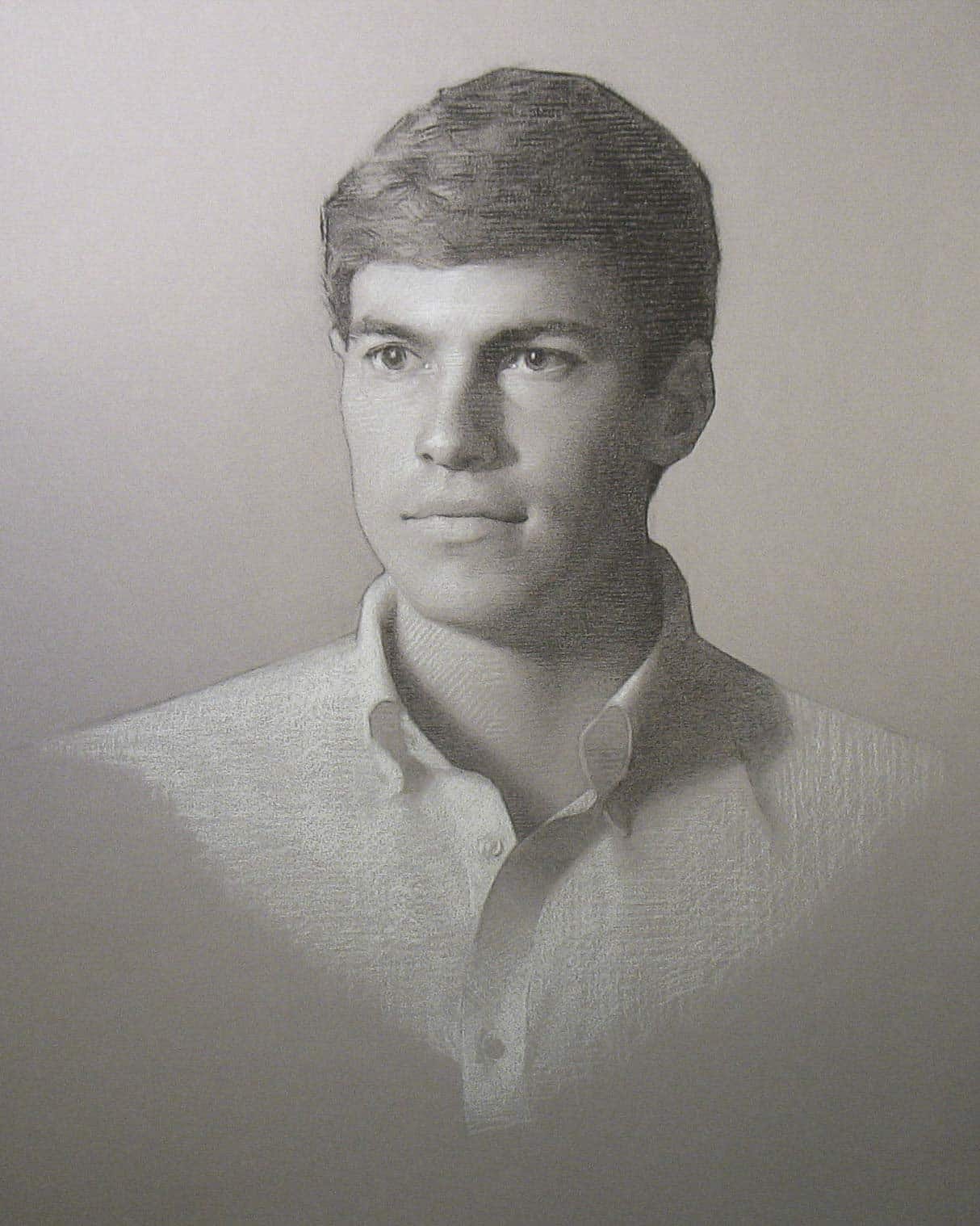
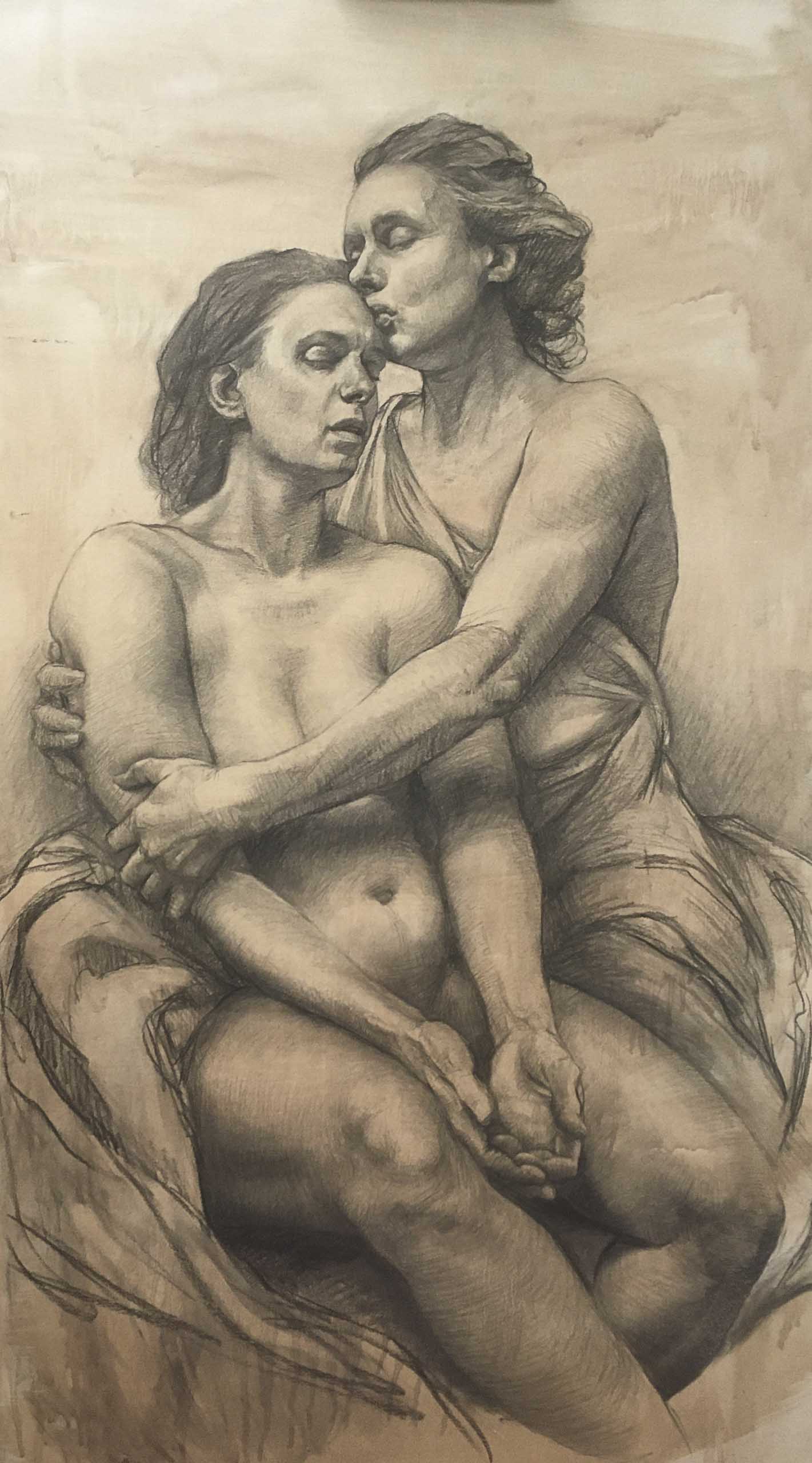
Foundation in Graphic Arts is a 1-year program covering the principles, techniques, and methods of graphic arts. Through skilled techniques and creative exploration, students are guided into a captivating journey of artistic expression. Delving into the beauty of drawing and design, they work daily from the figure, cast and portrait while attending lectures in Anatomy and Art History, shaping their understanding and practice of the craft.
The Foundation in Graphic Arts Program is offered in Florence, Italy.

About
the Program
Foundation in Graphic Arts is a full-time program covering the principles, techniques, and methods of graphic arts.
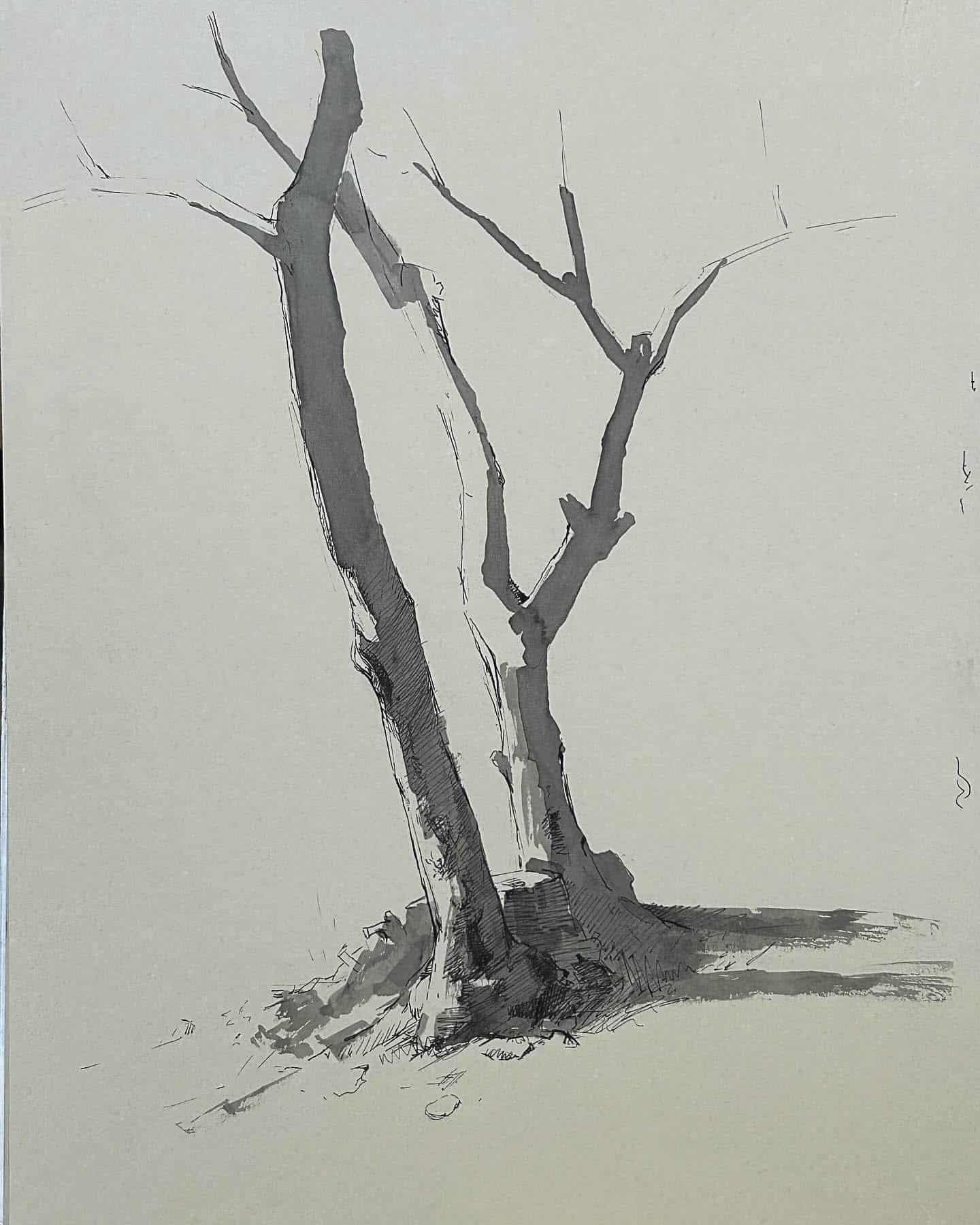
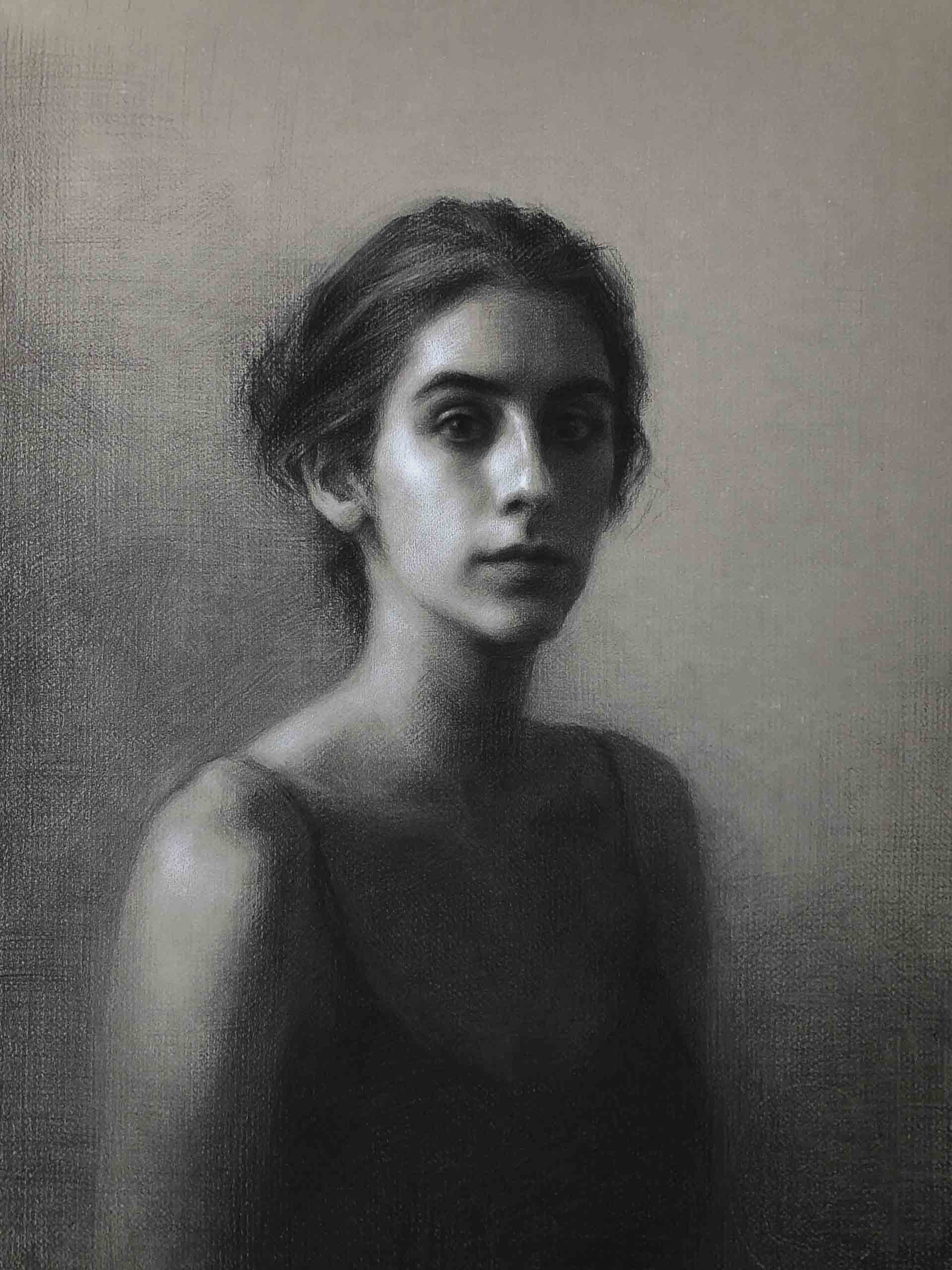
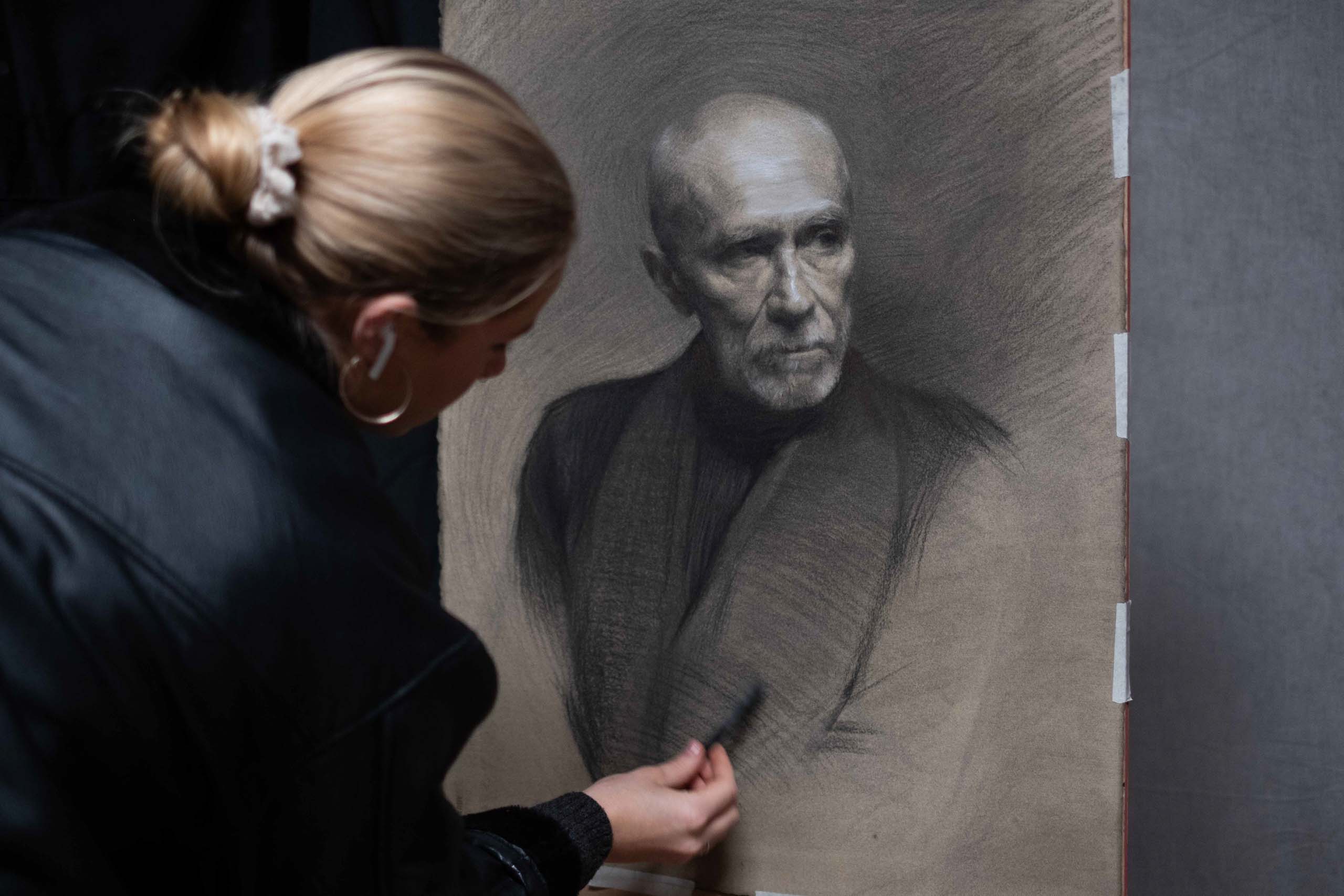
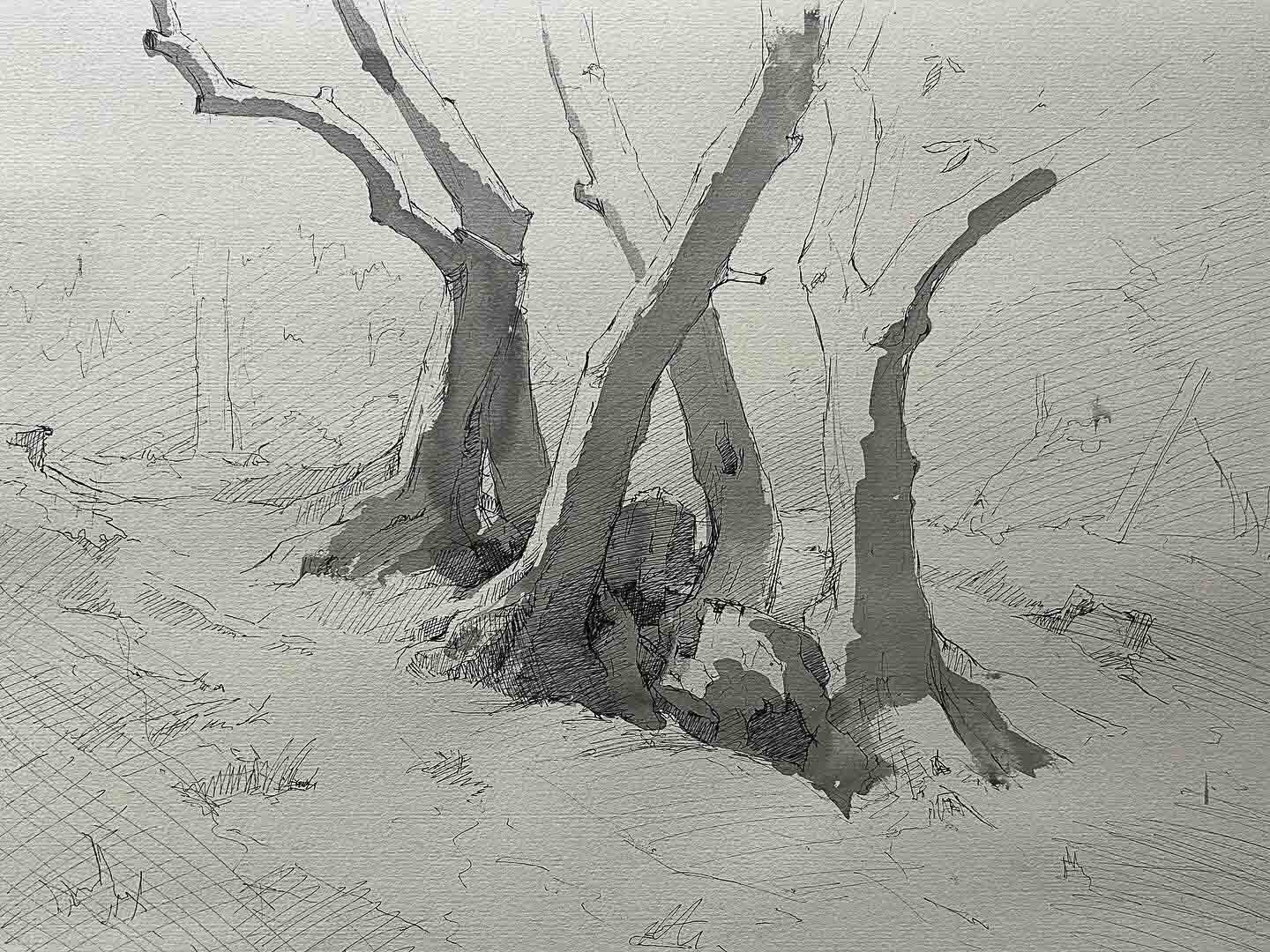
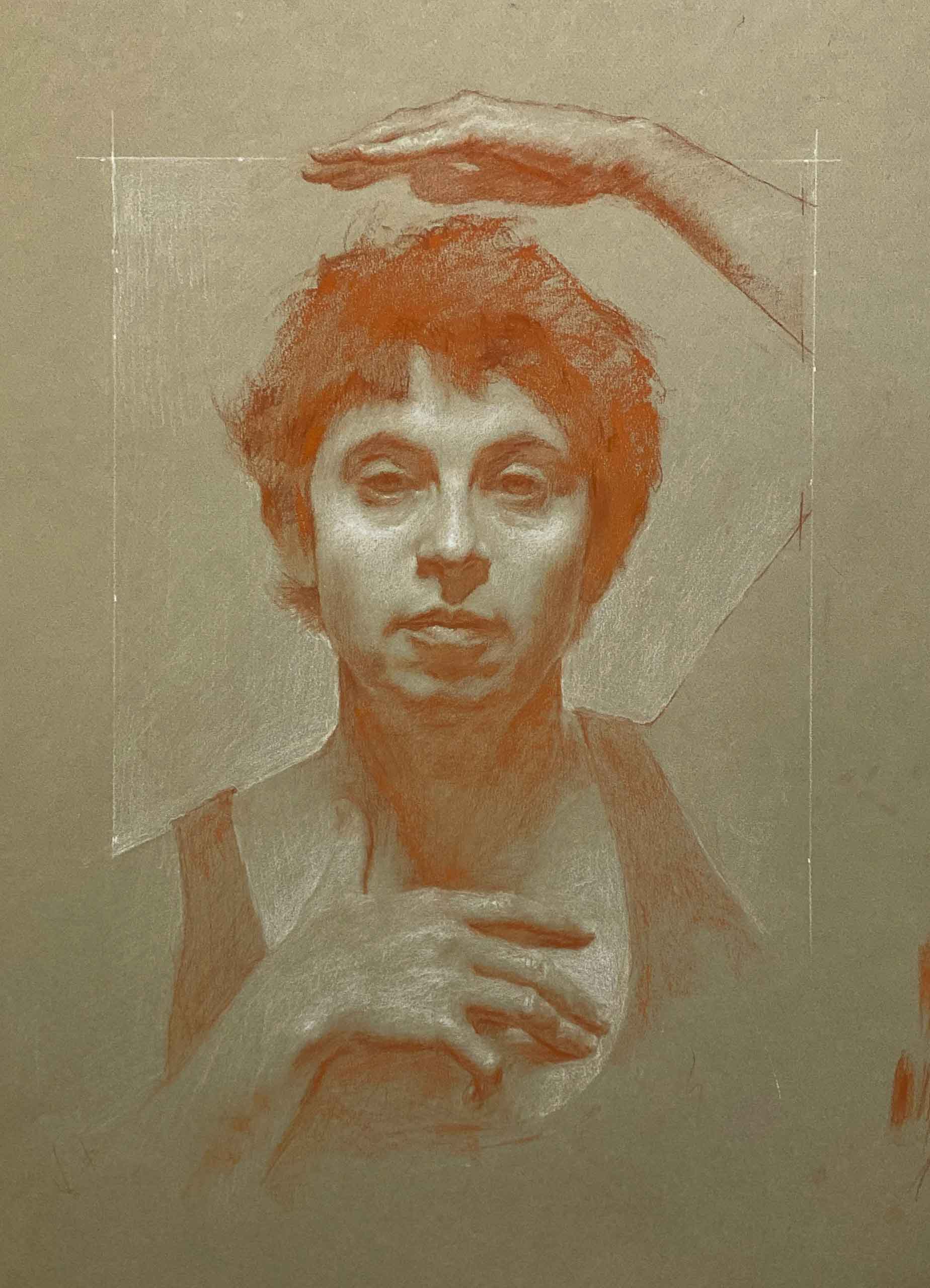
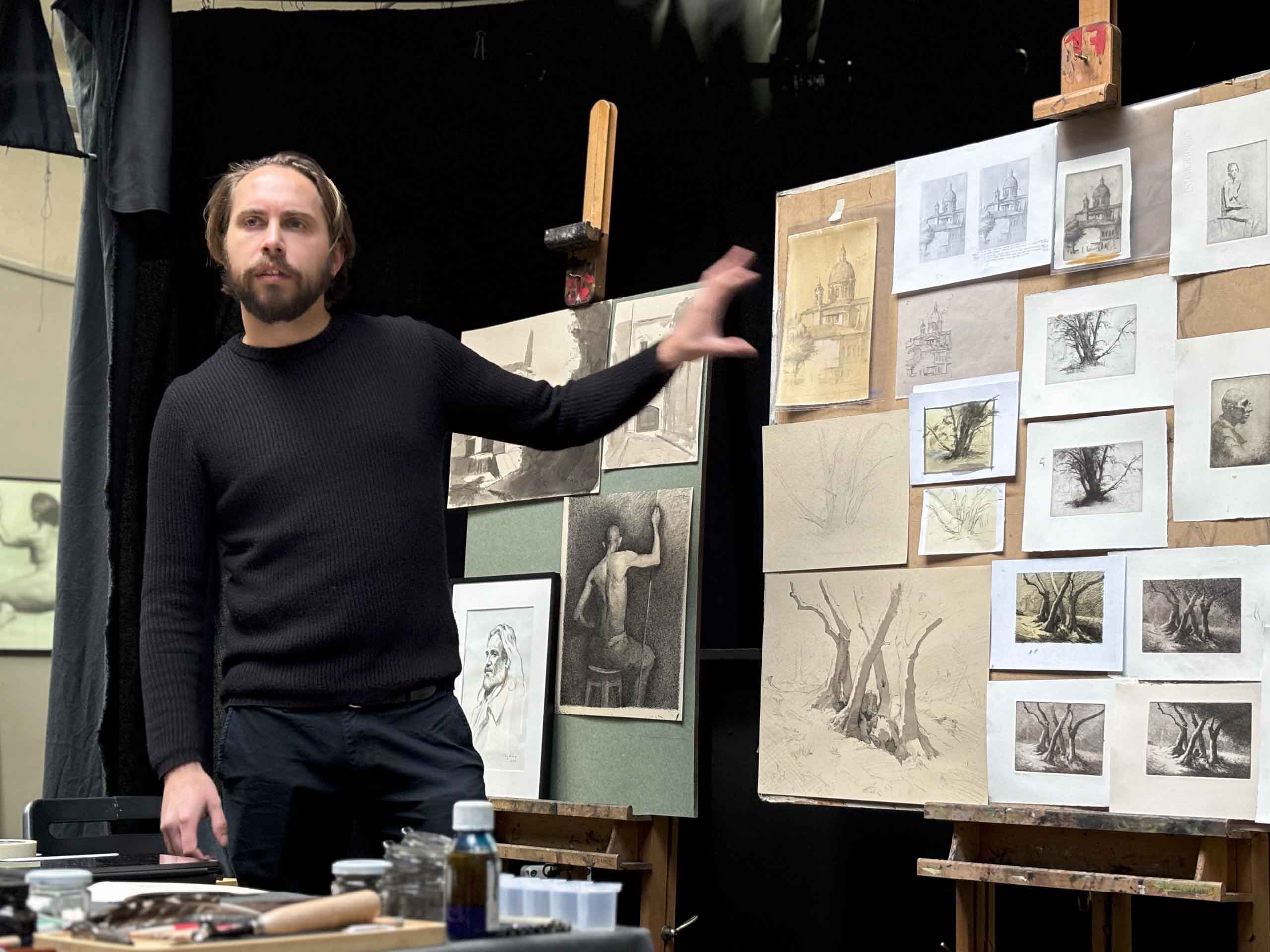
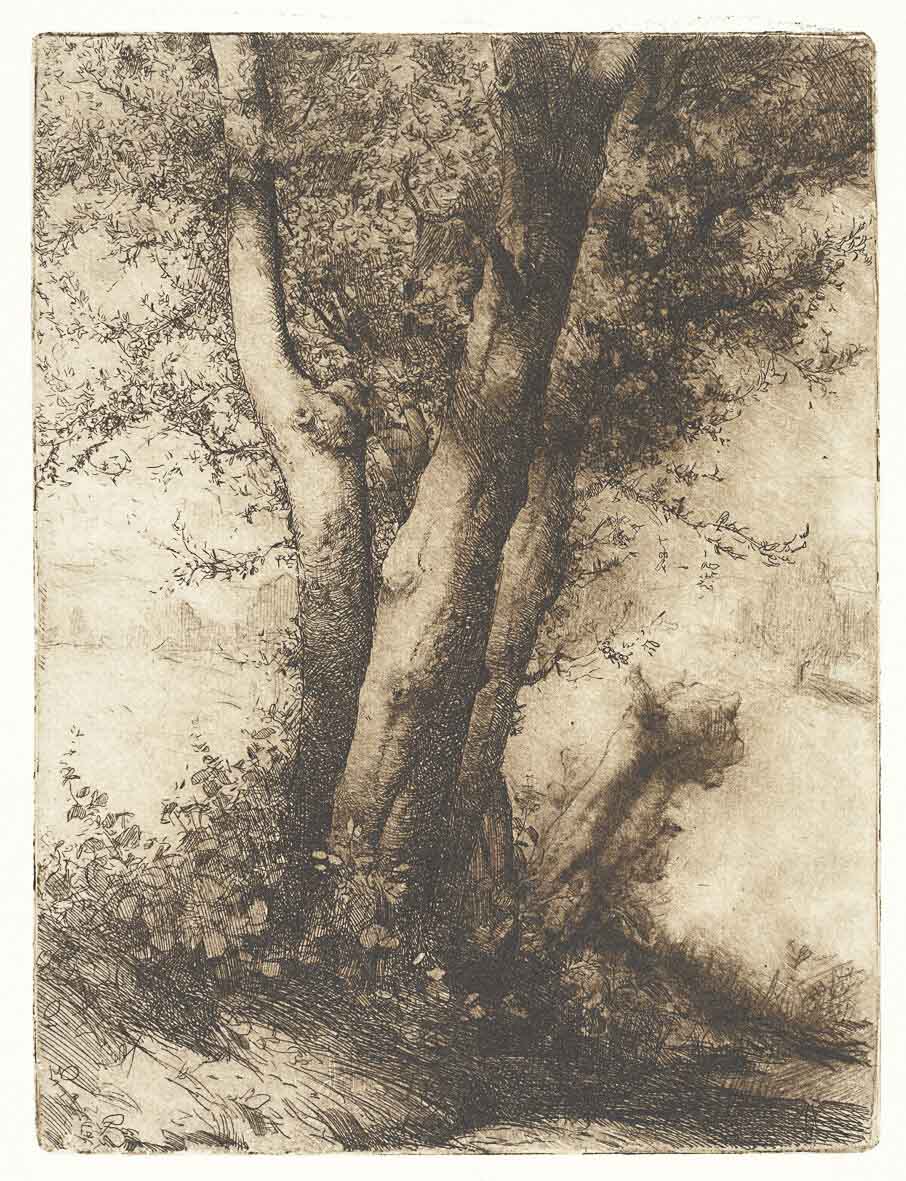
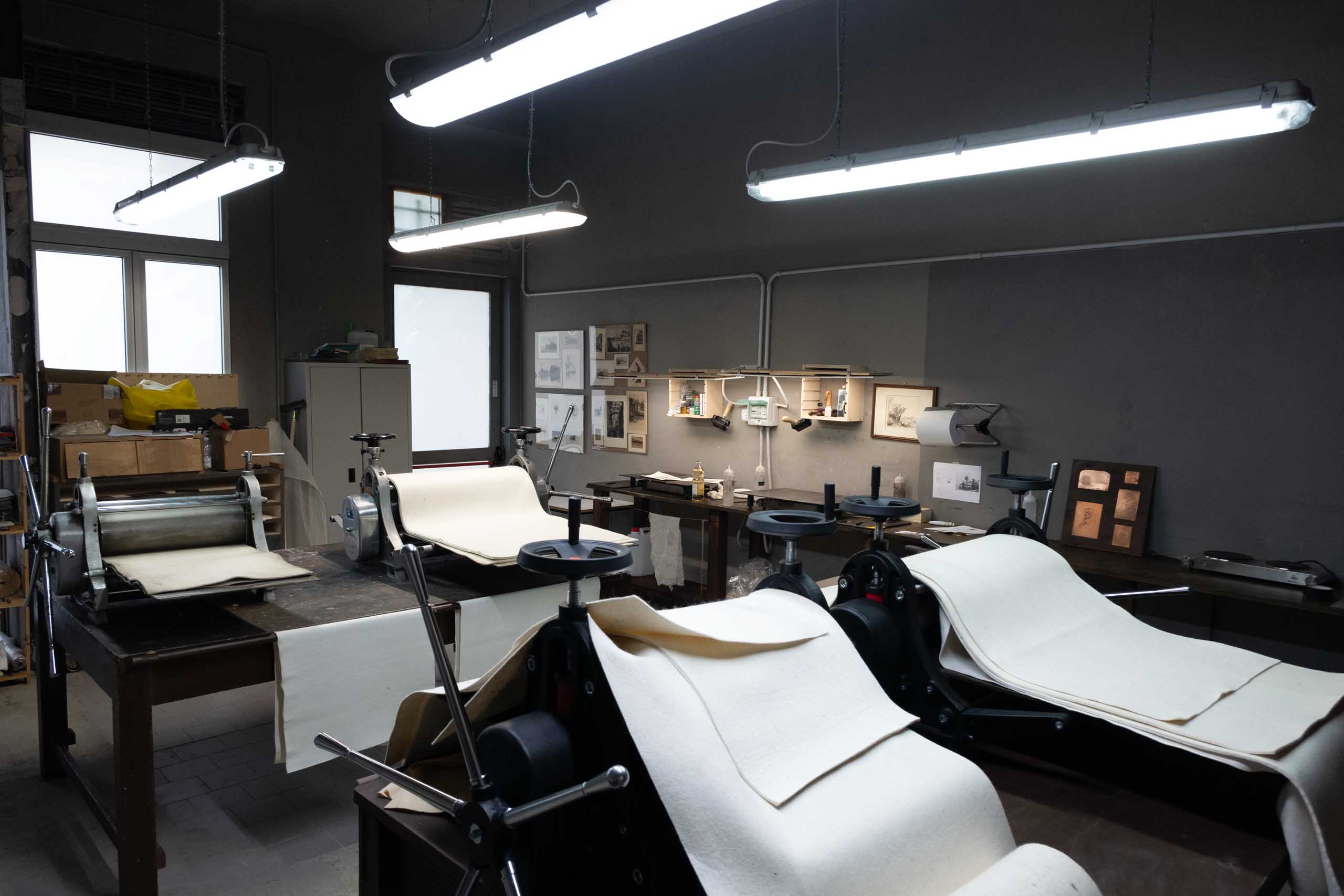
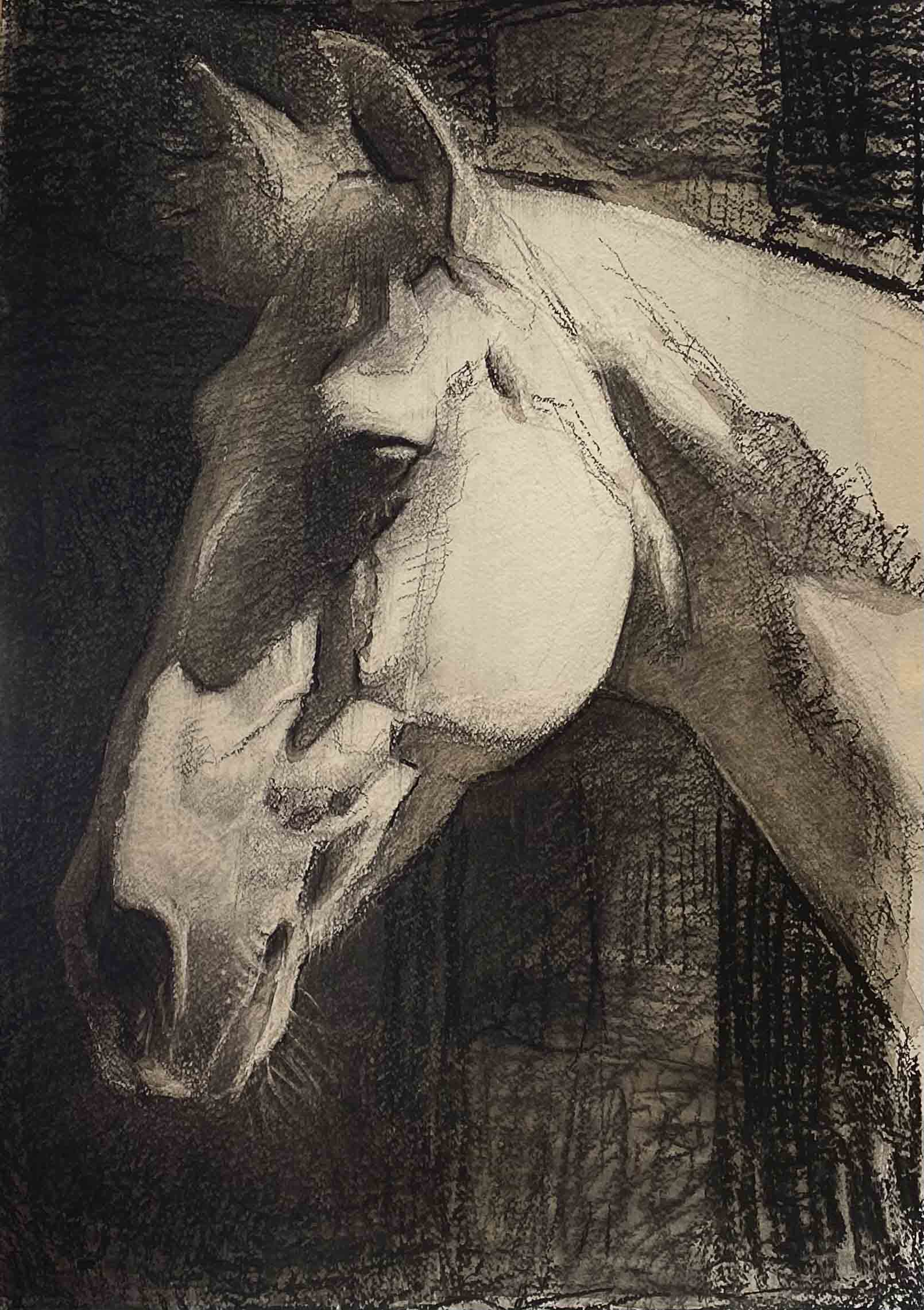
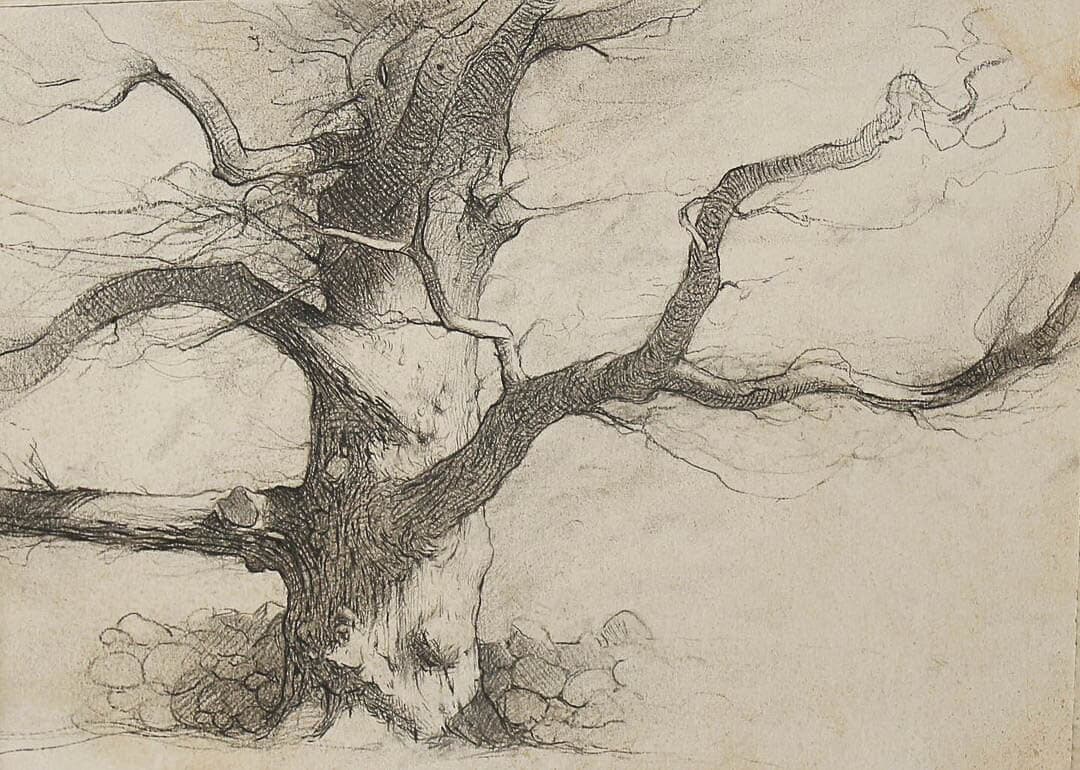
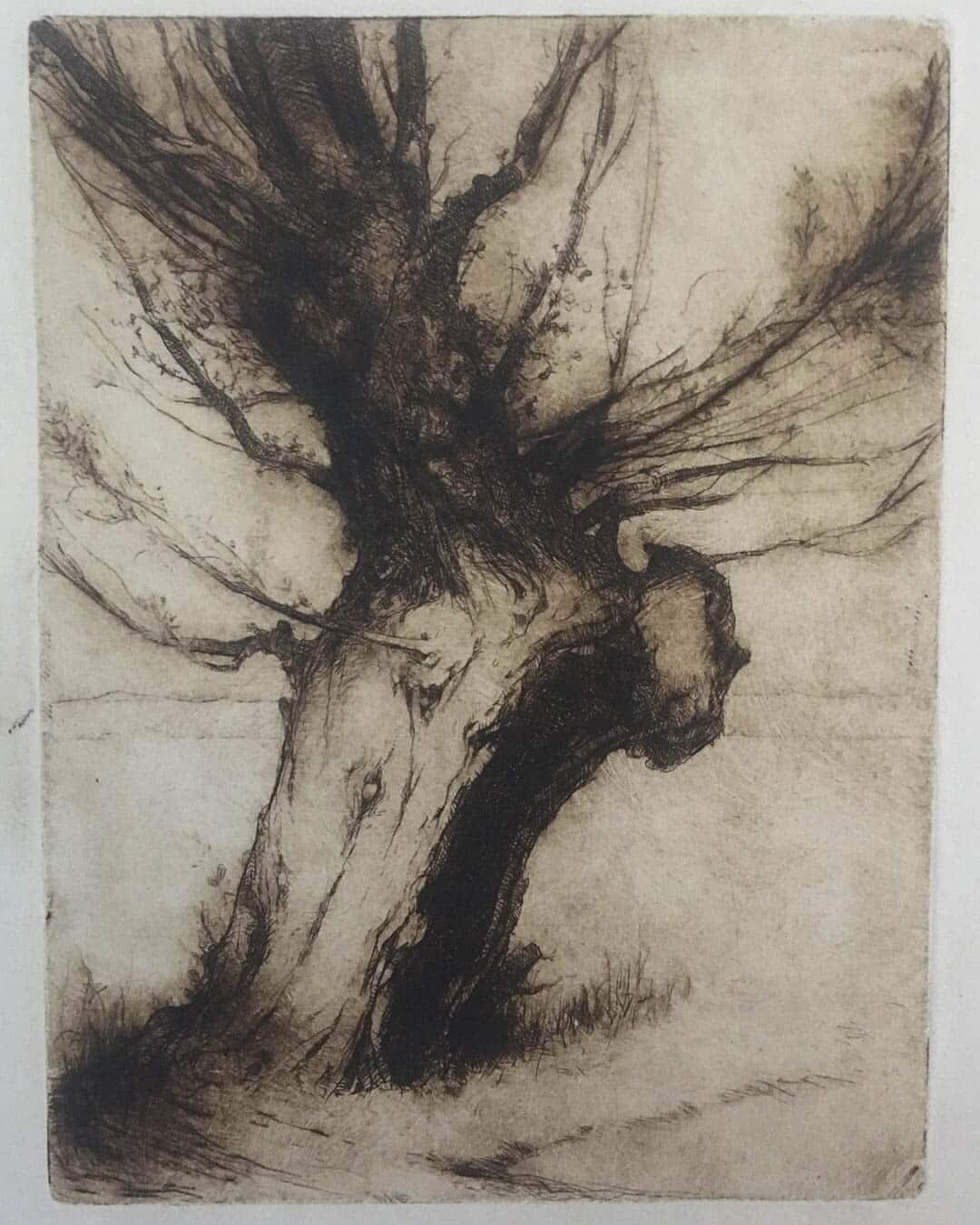
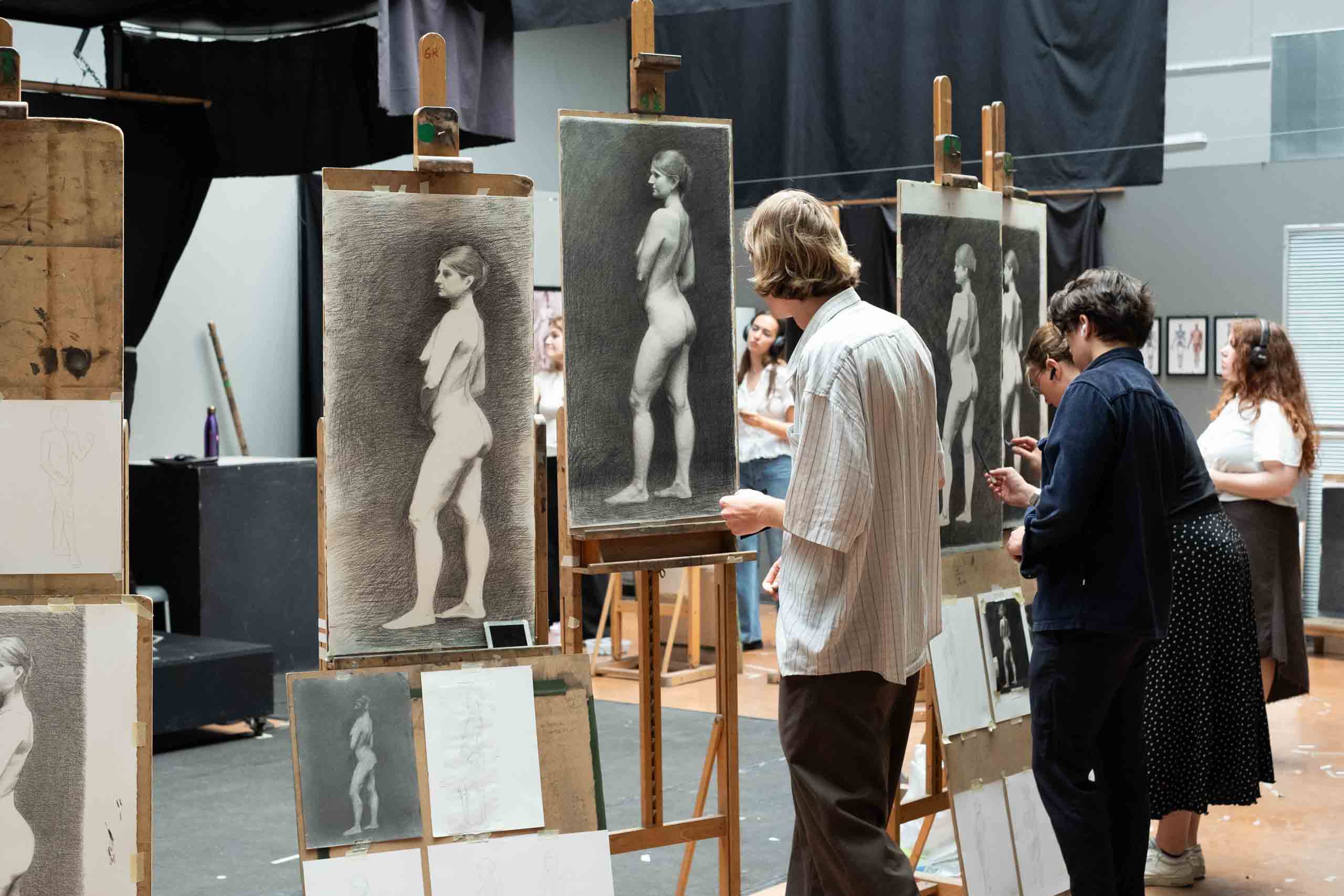
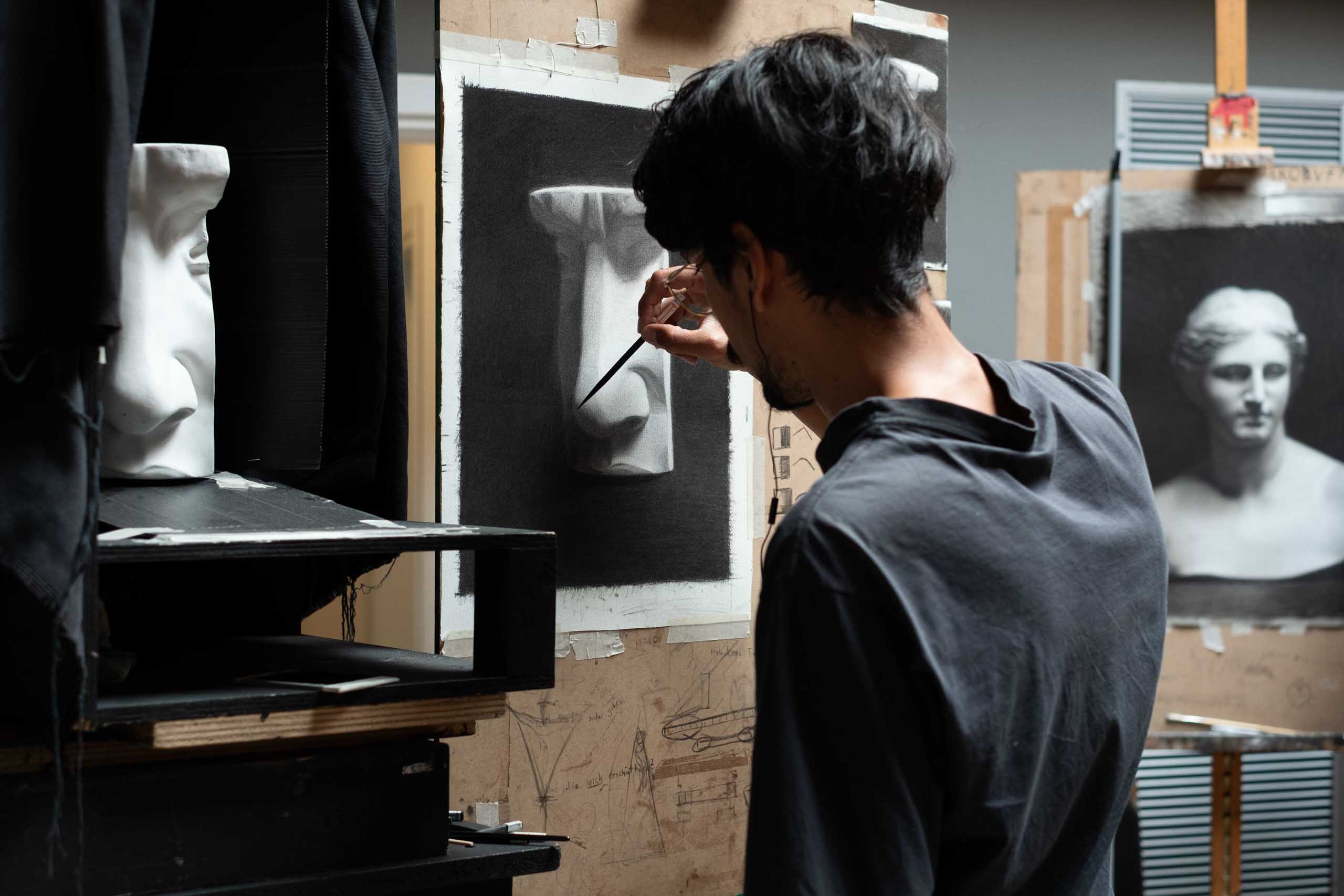
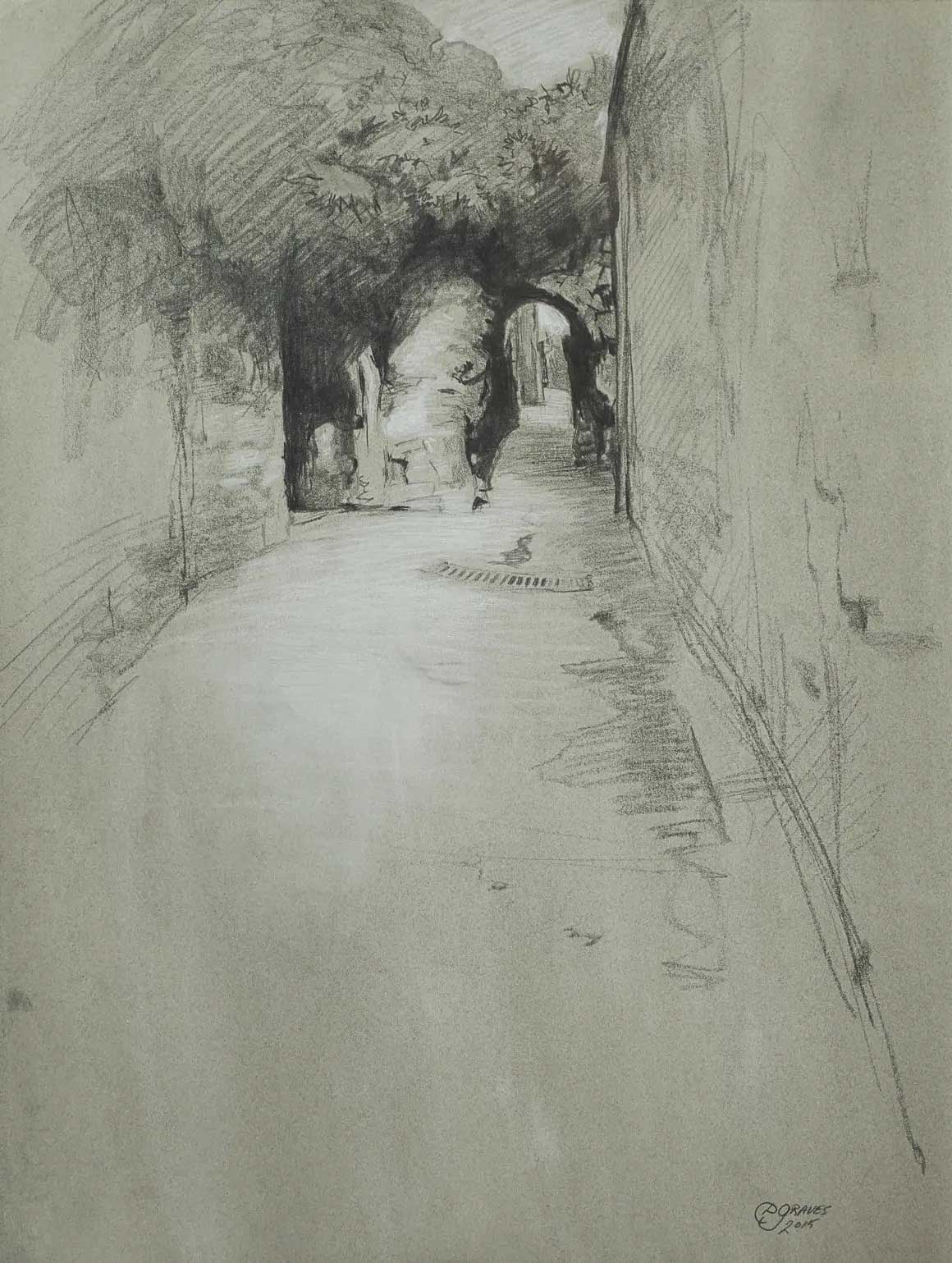
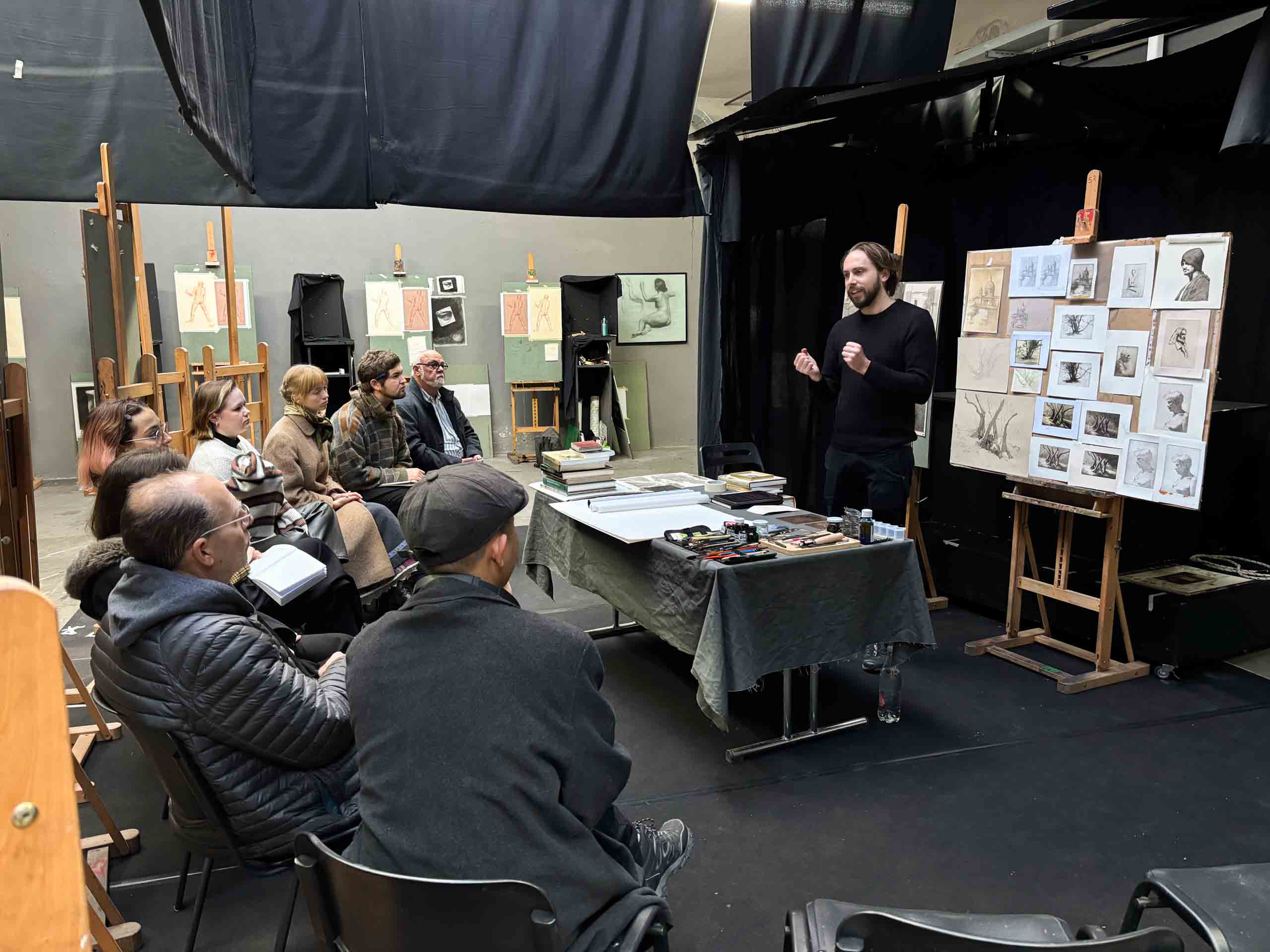
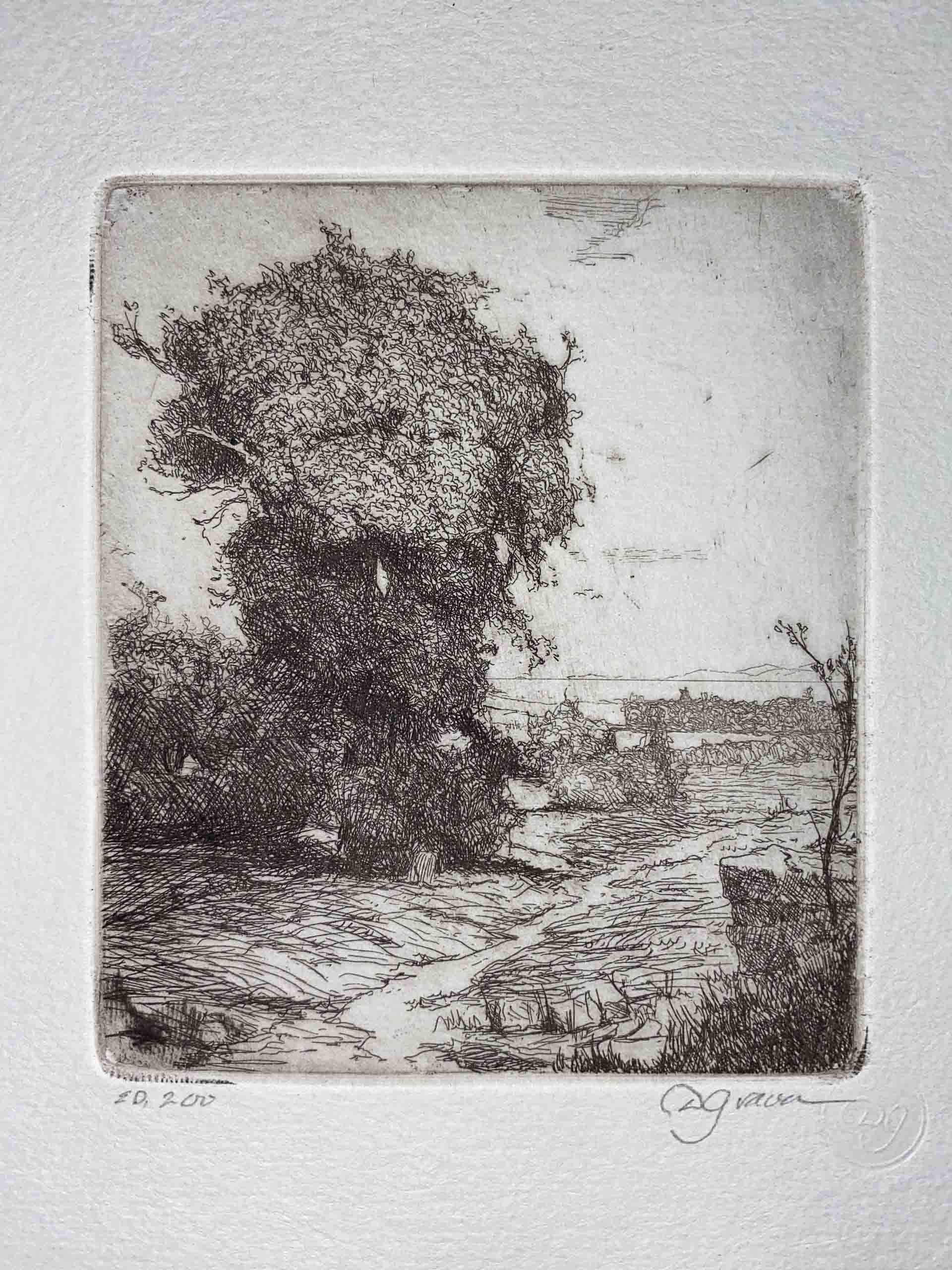
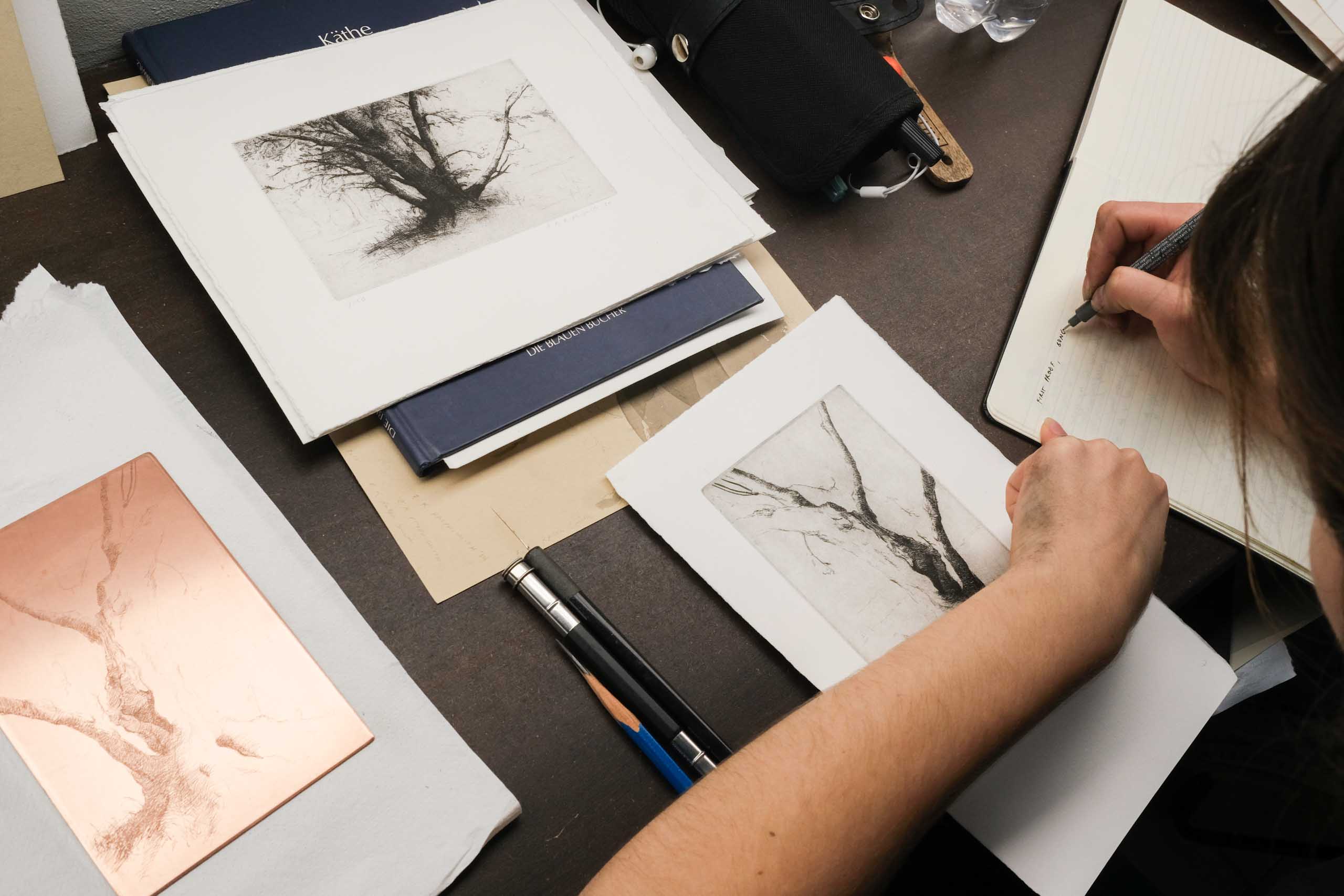
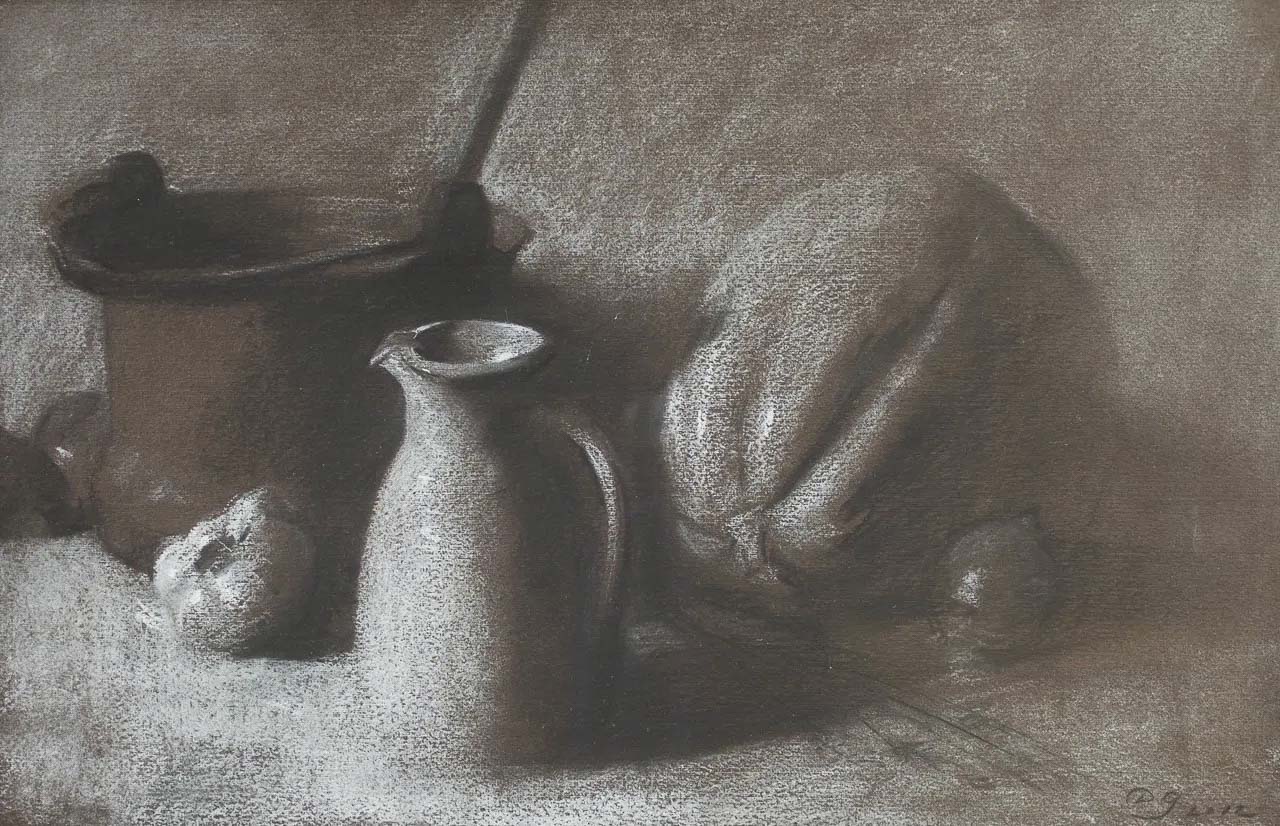
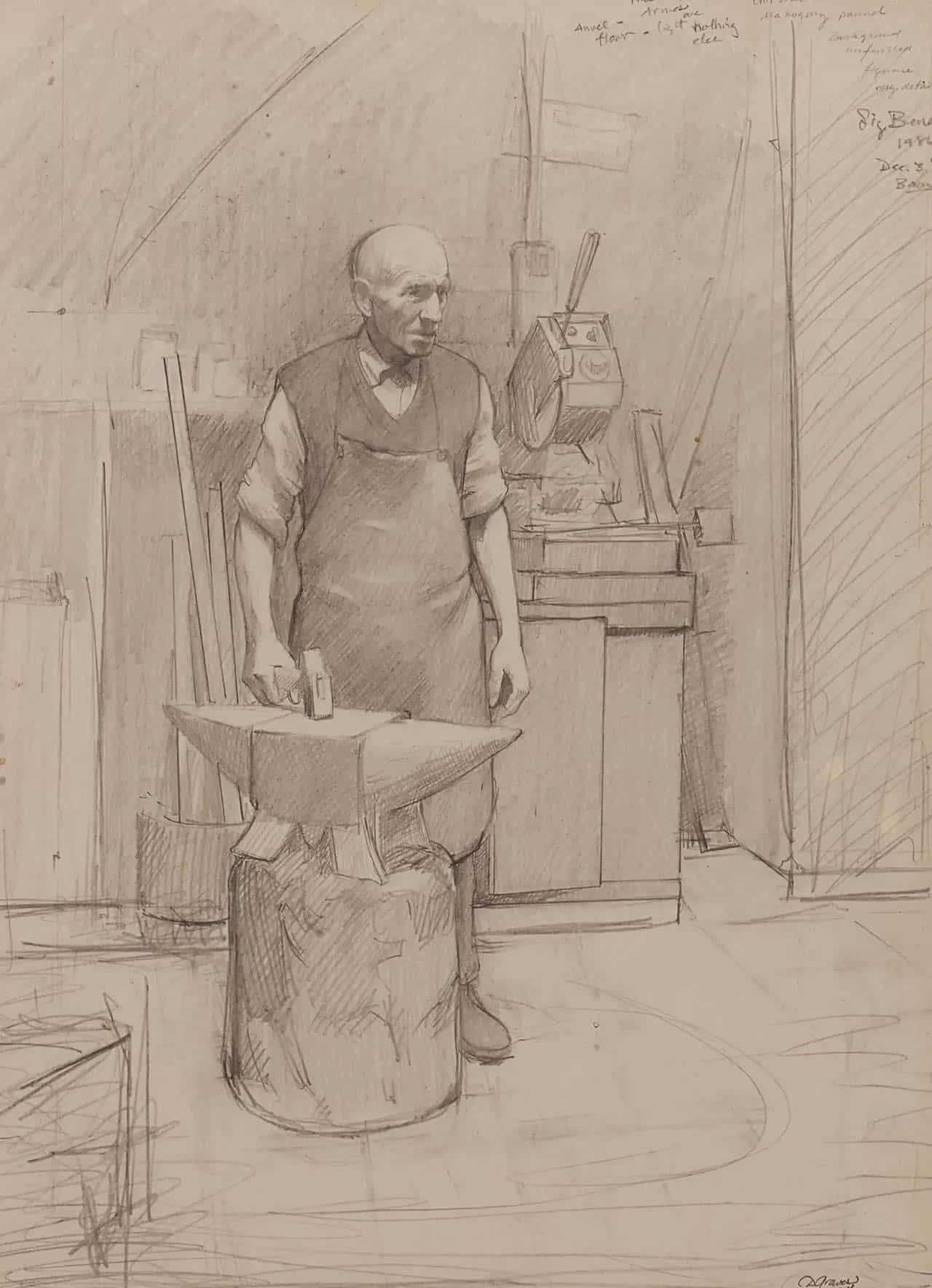
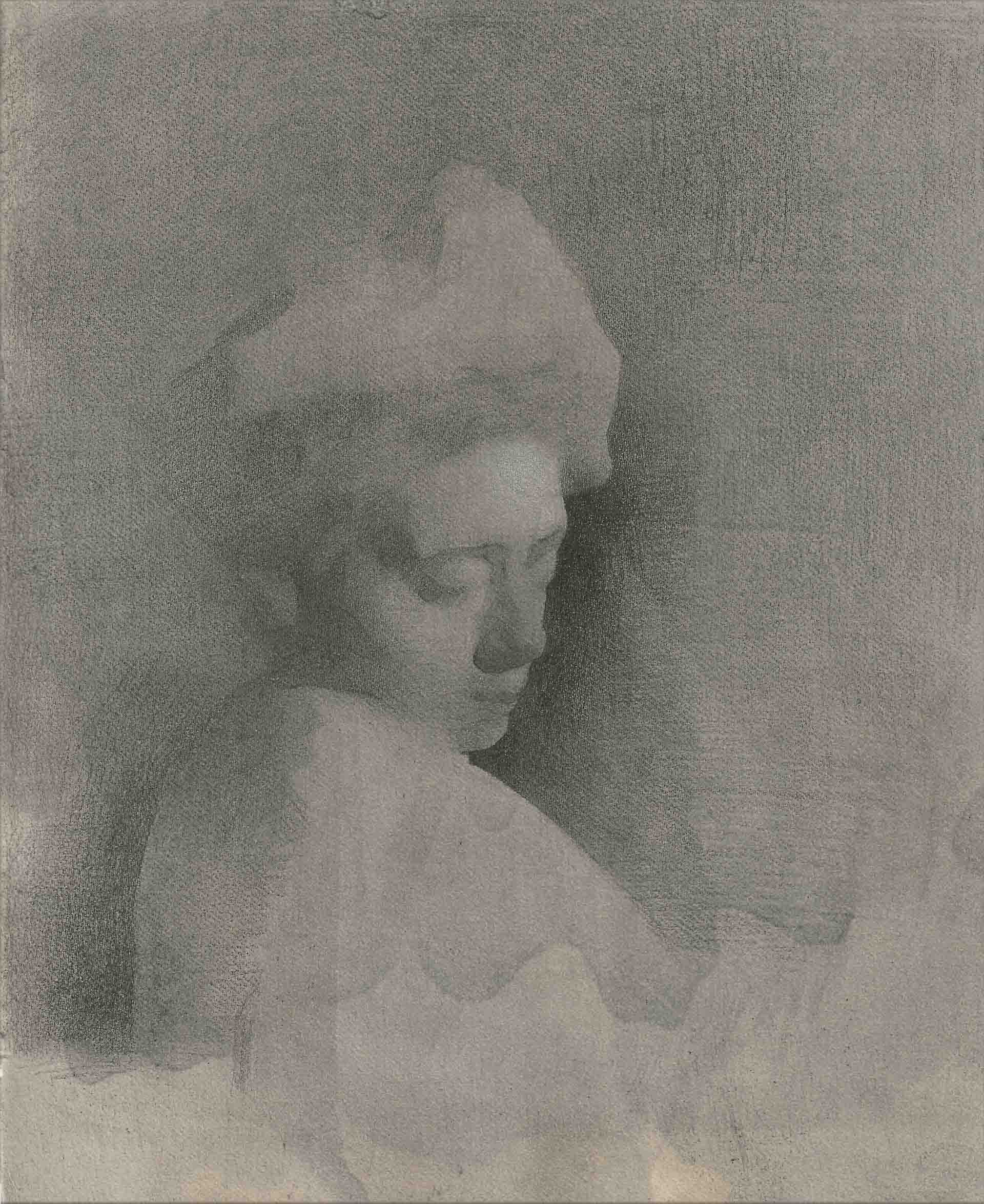
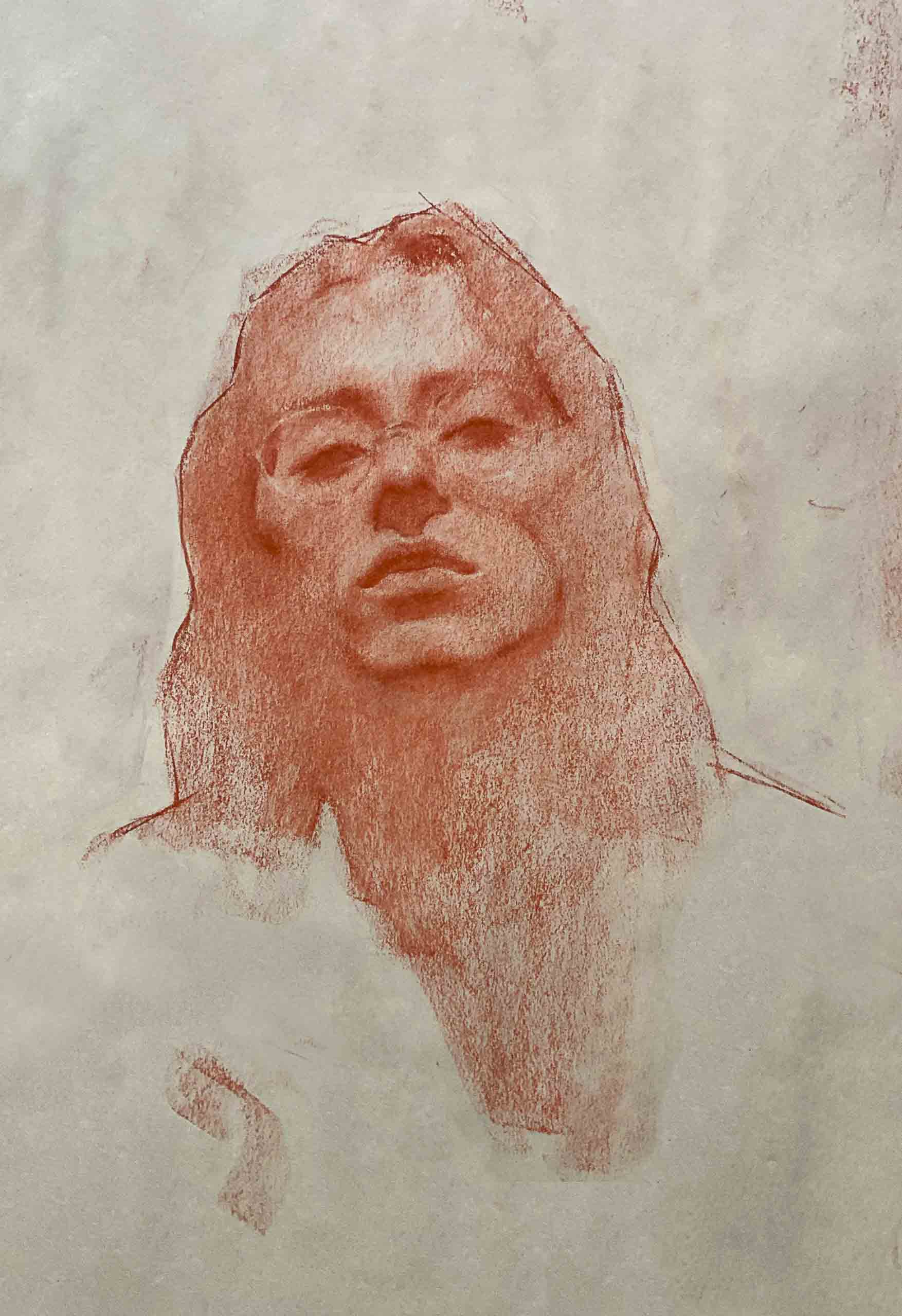
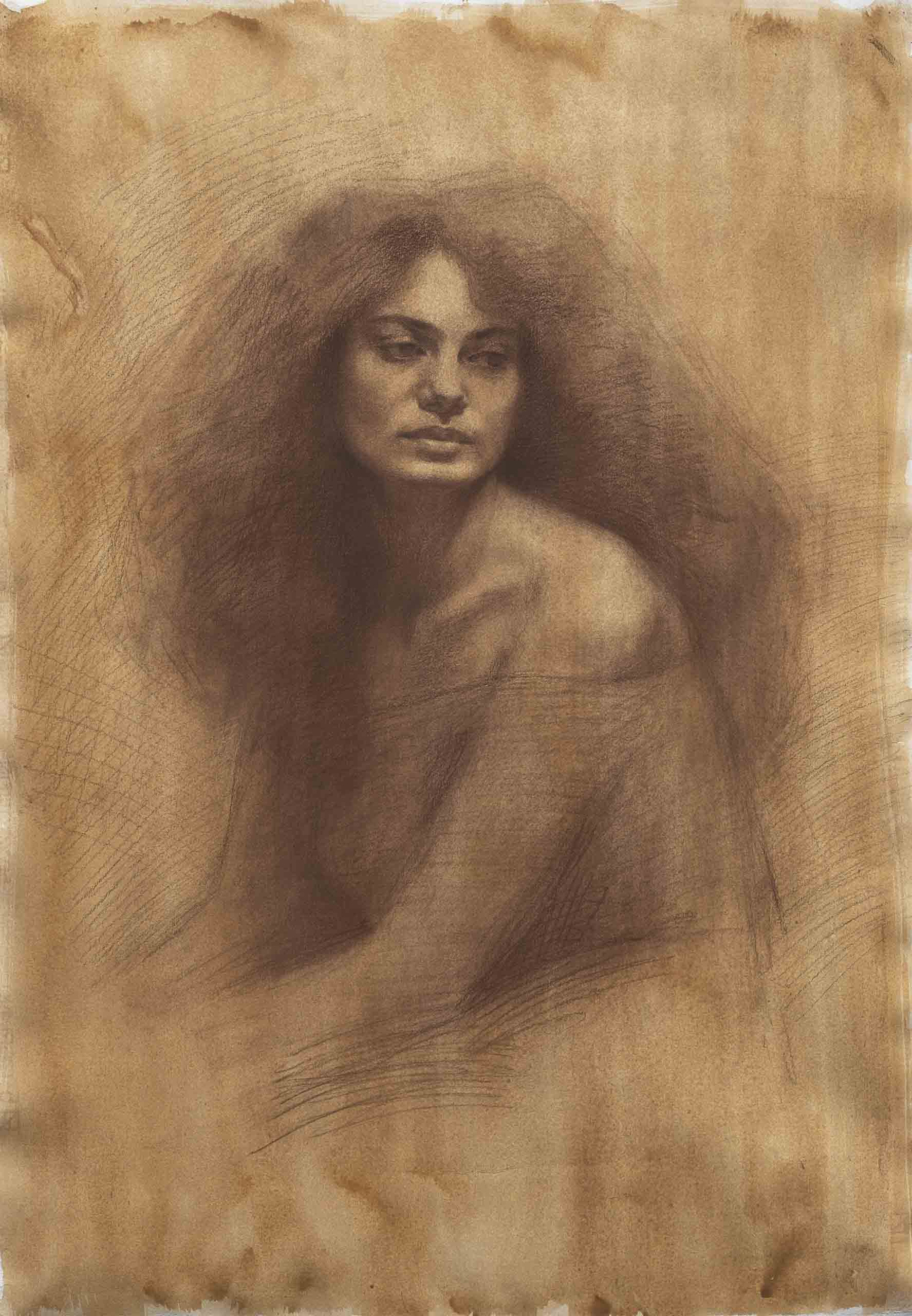
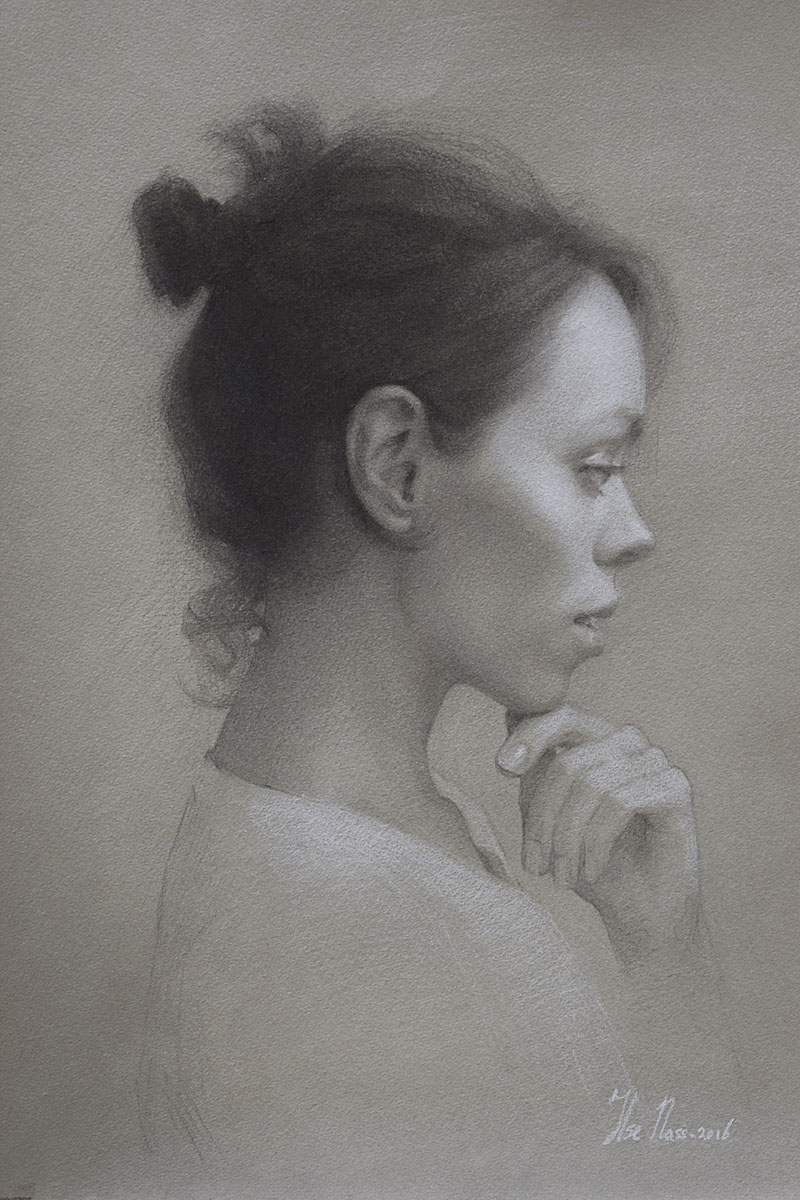
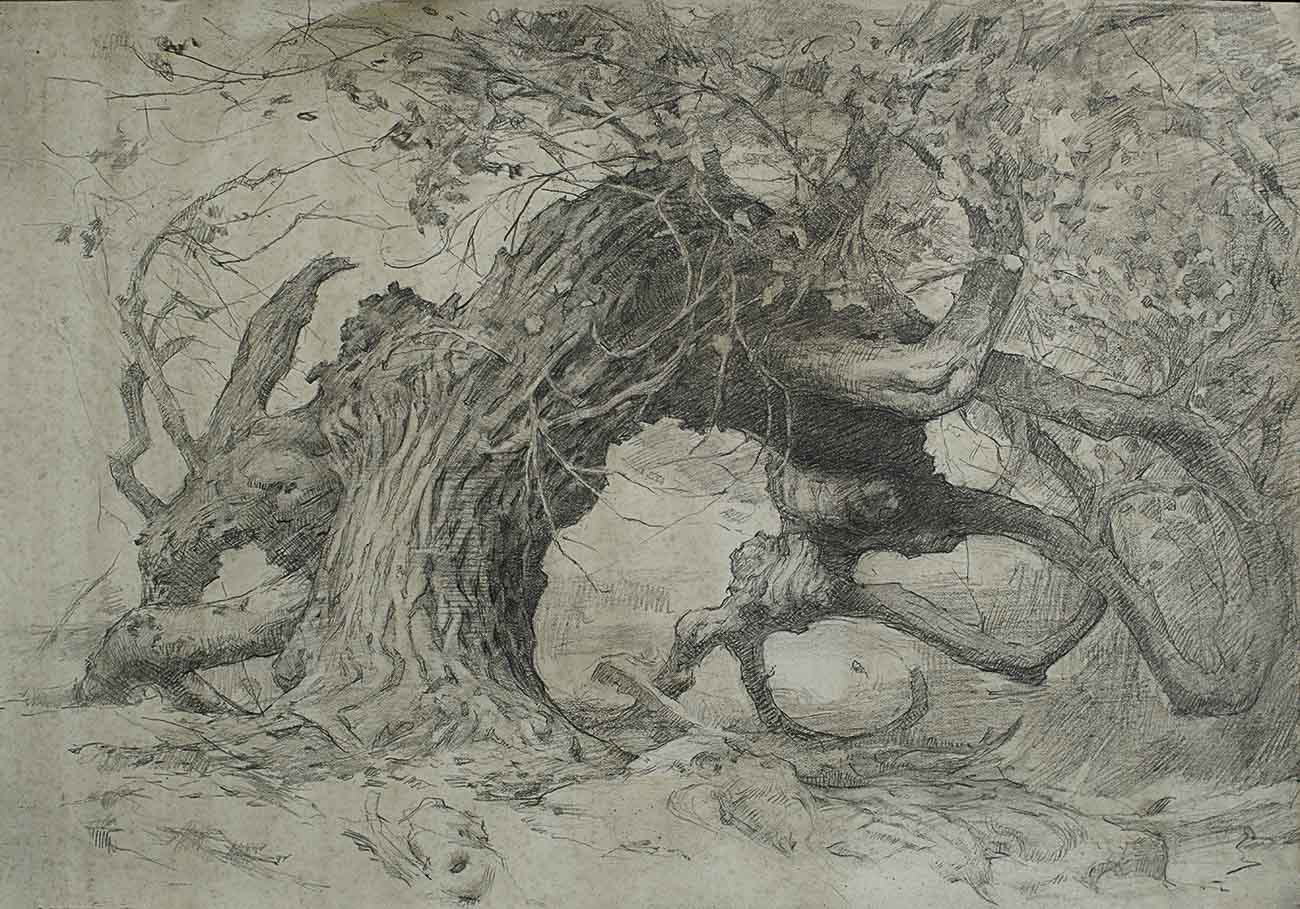
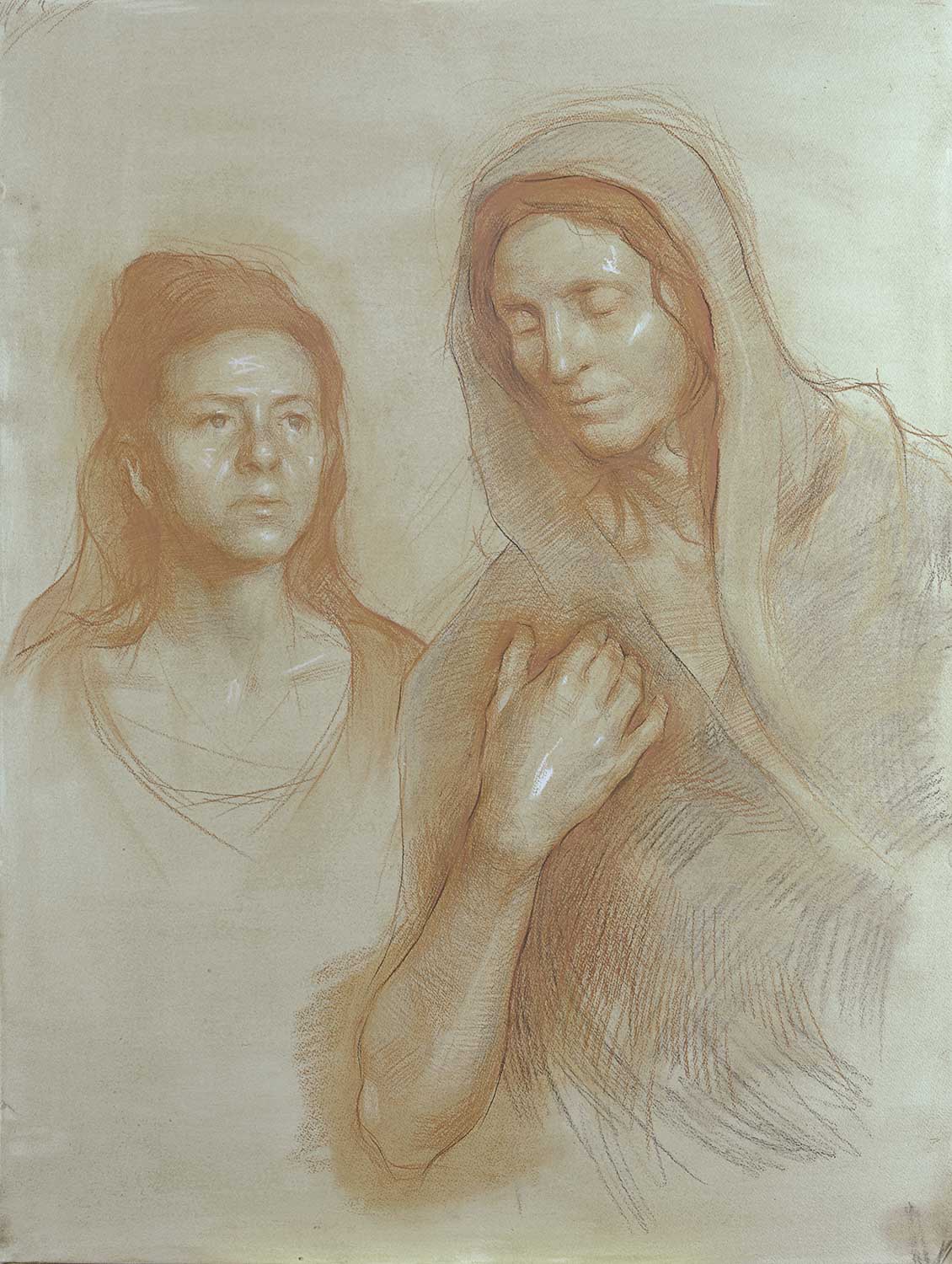
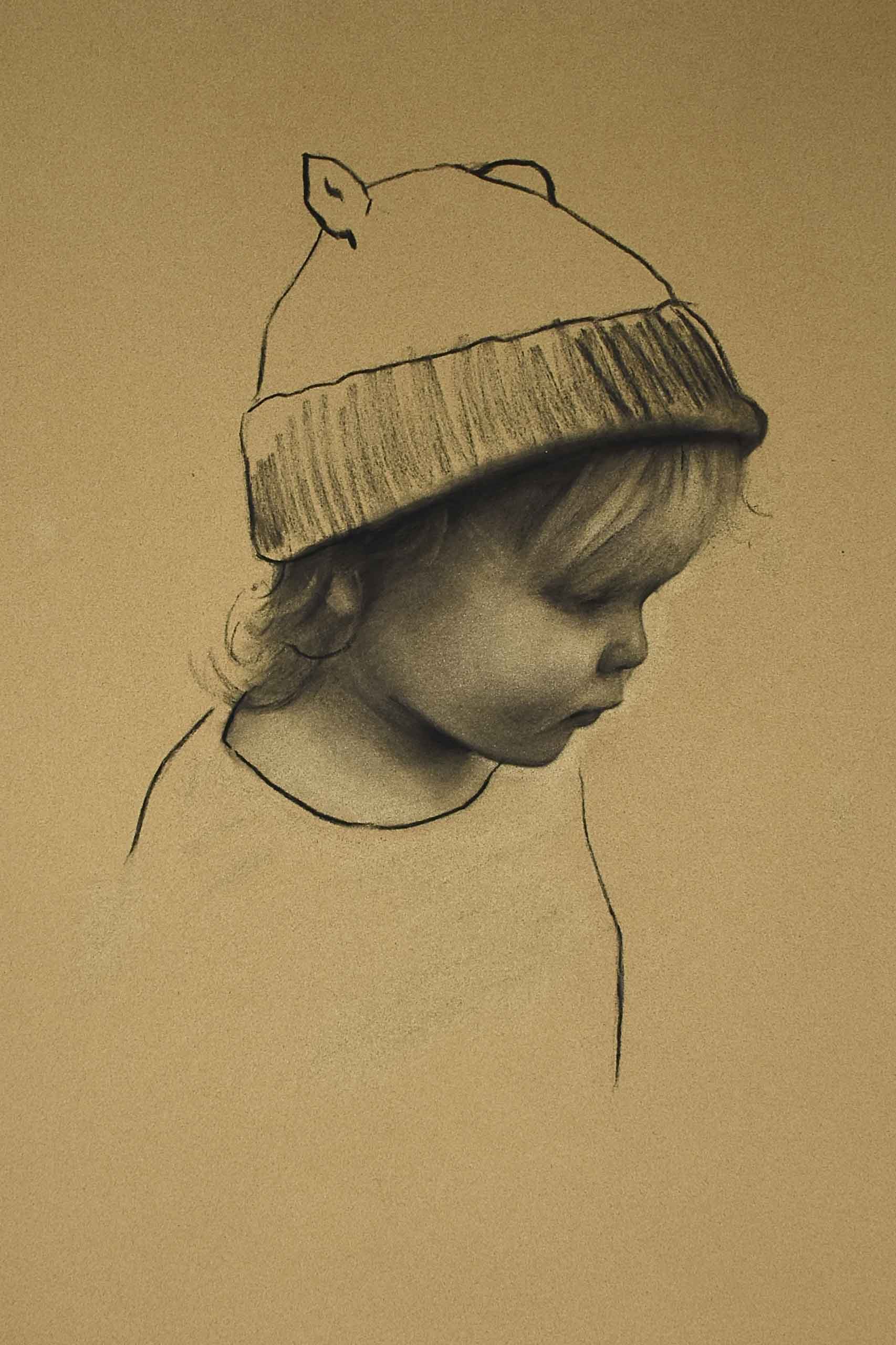
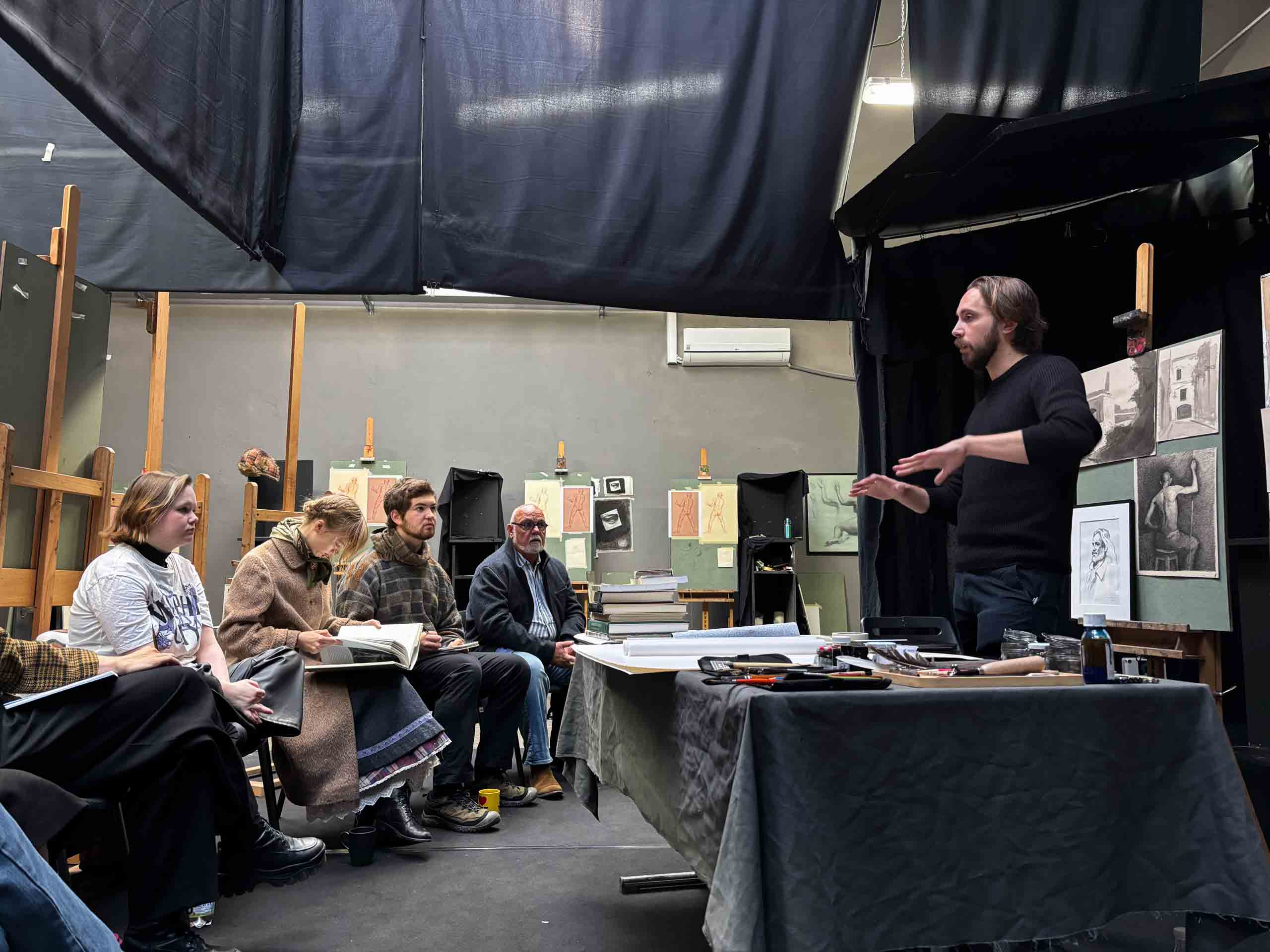
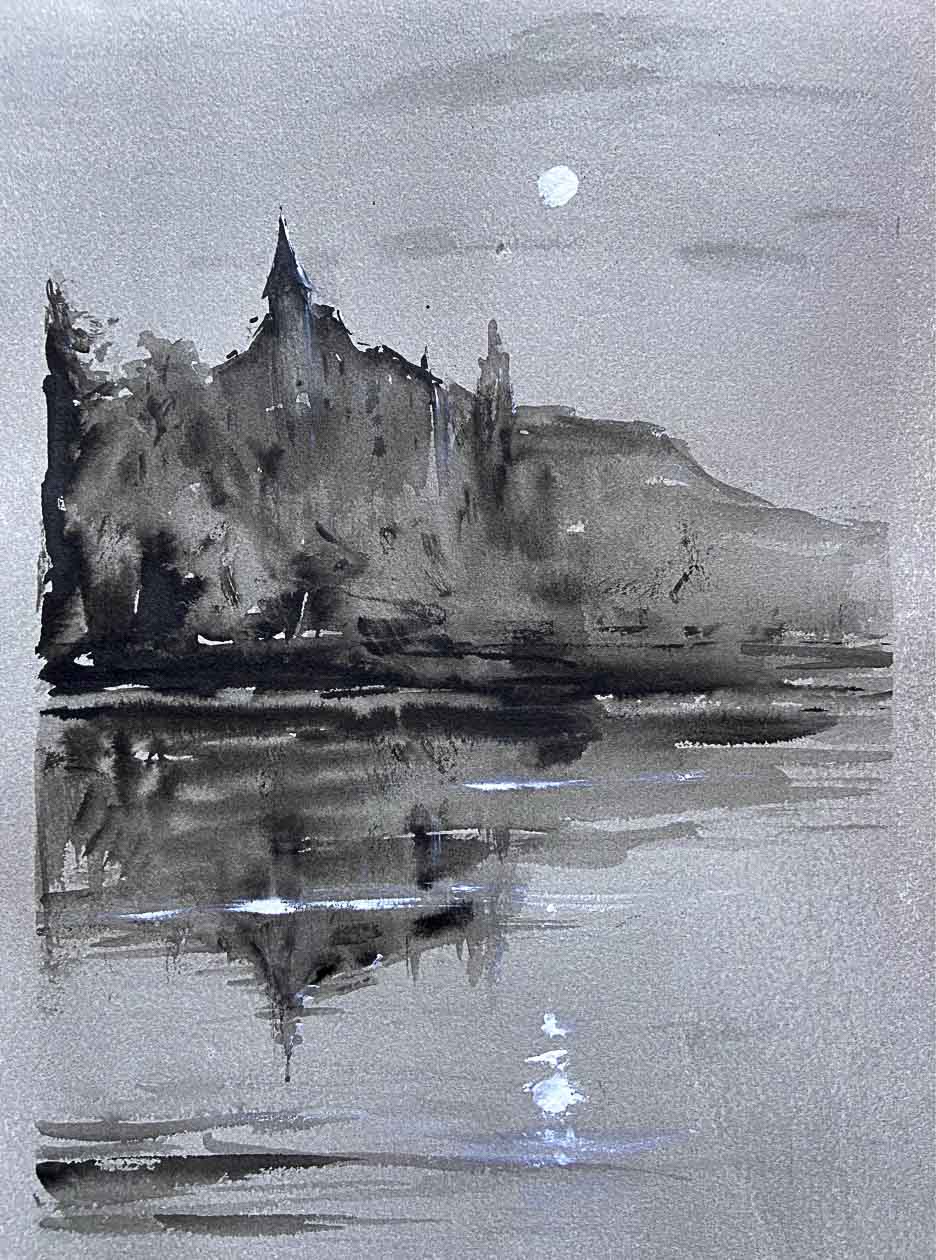
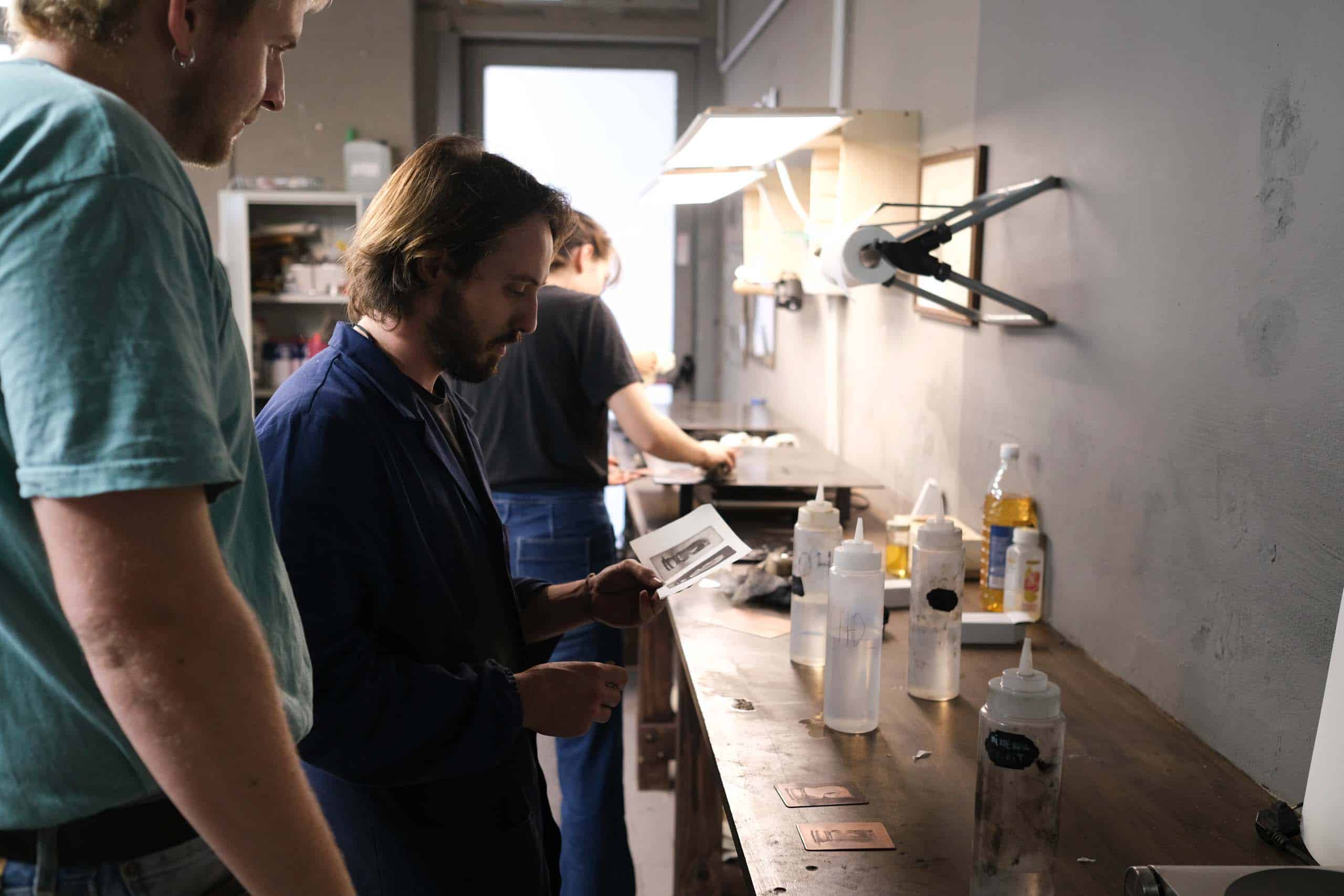
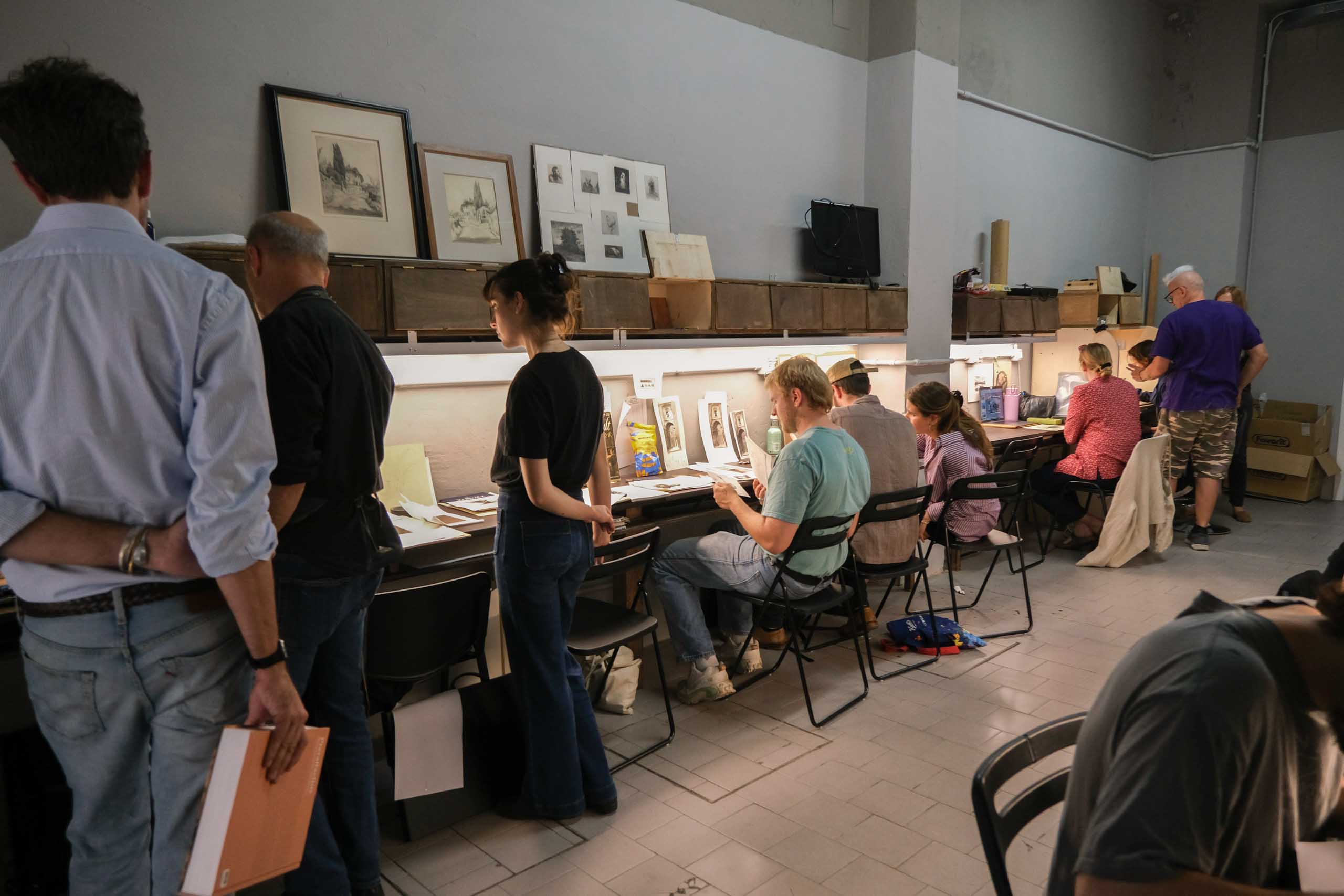
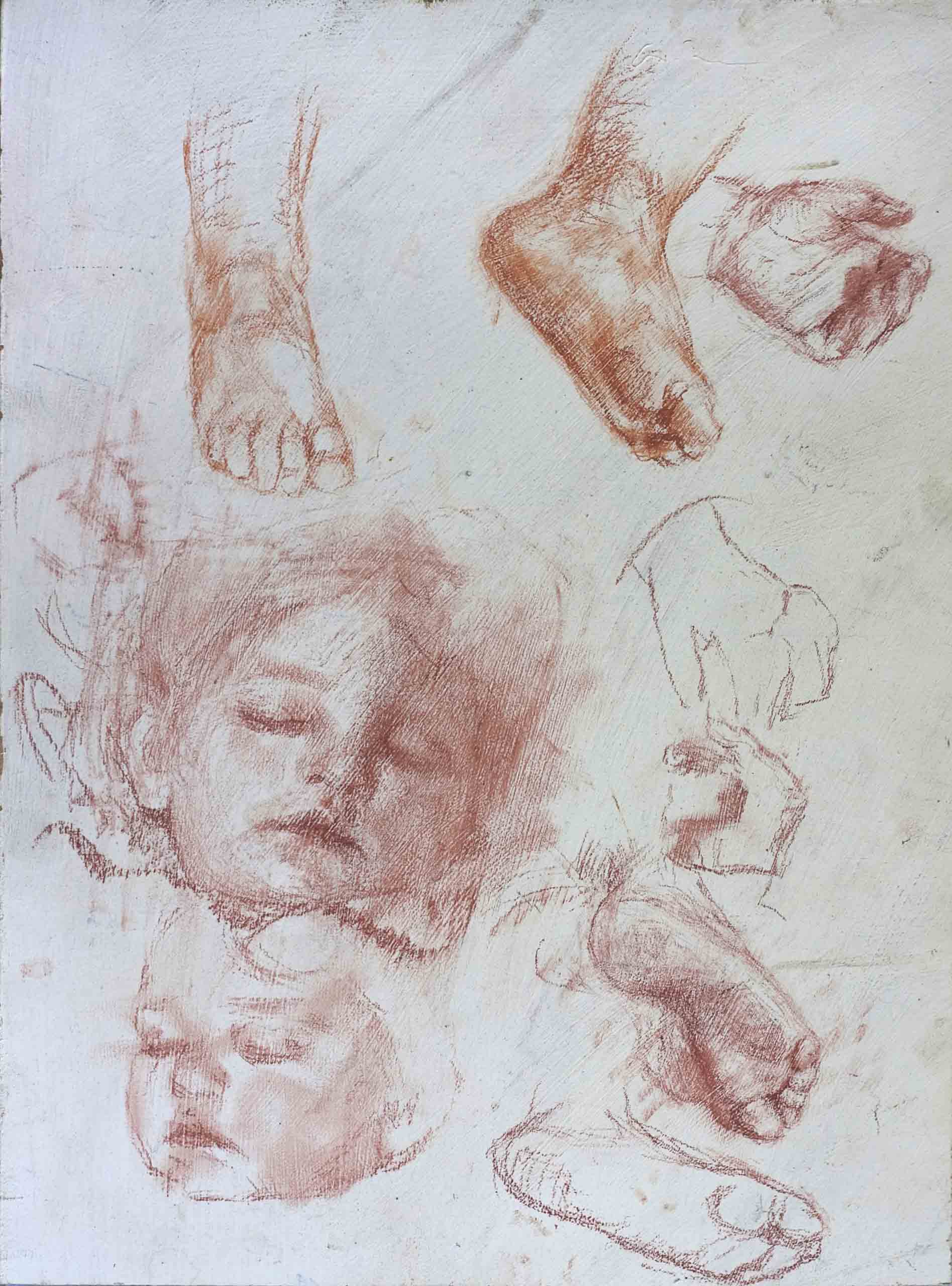
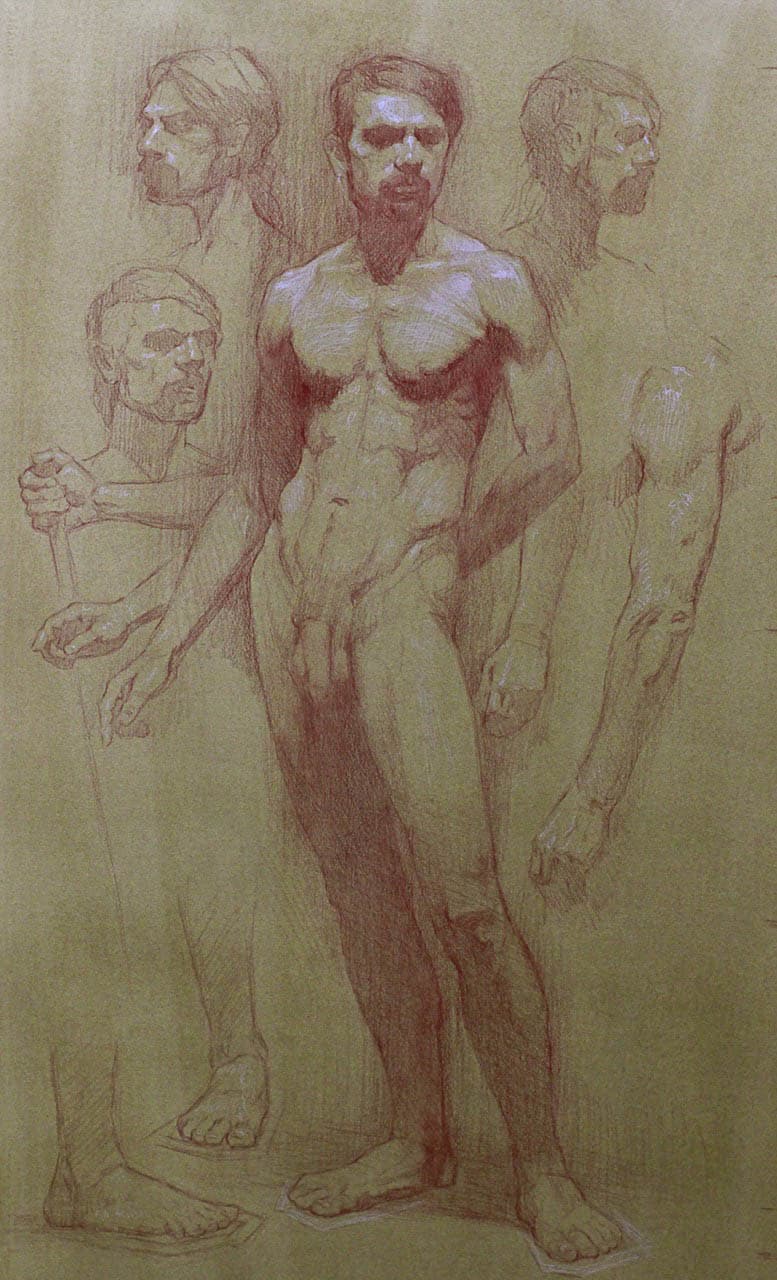
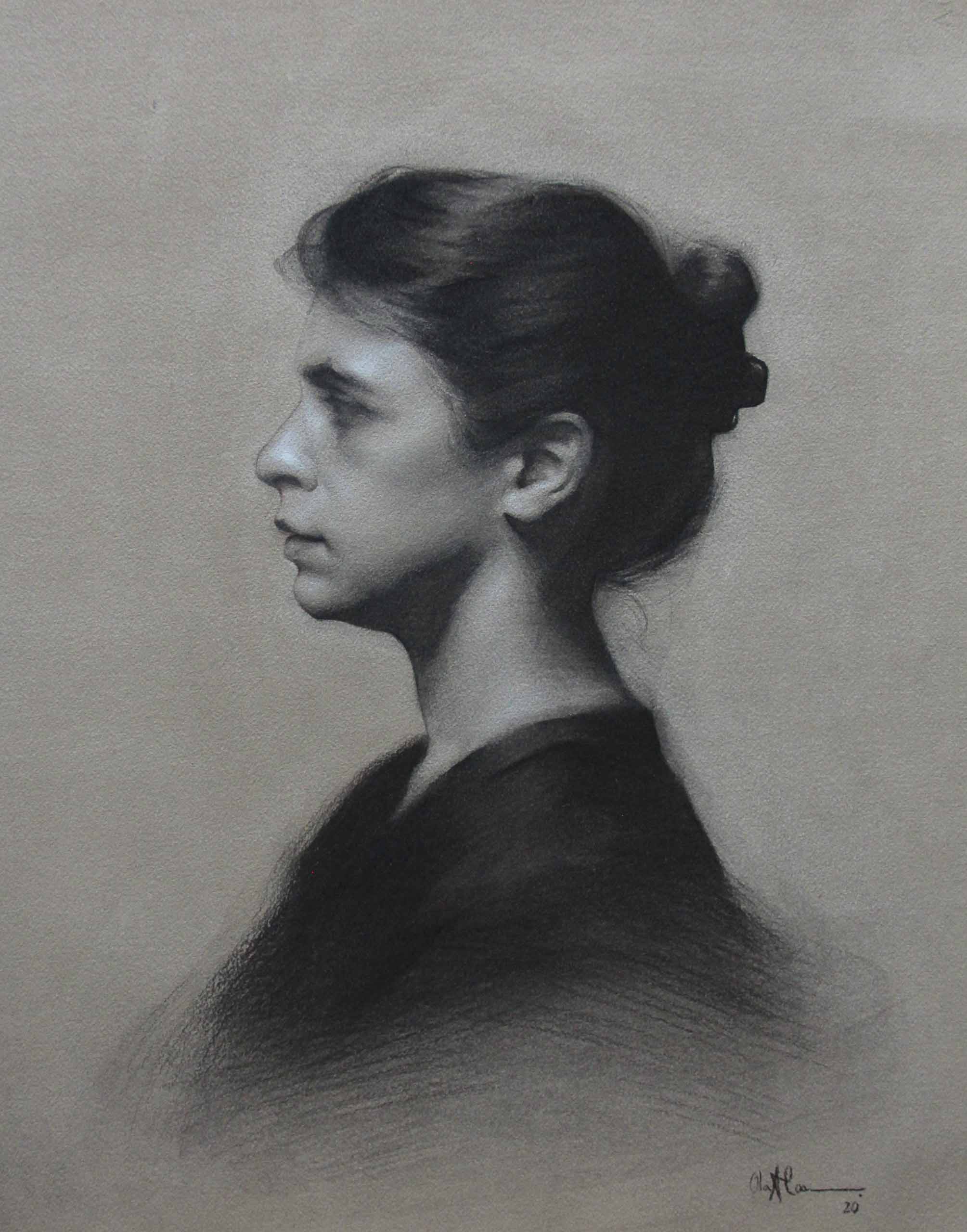
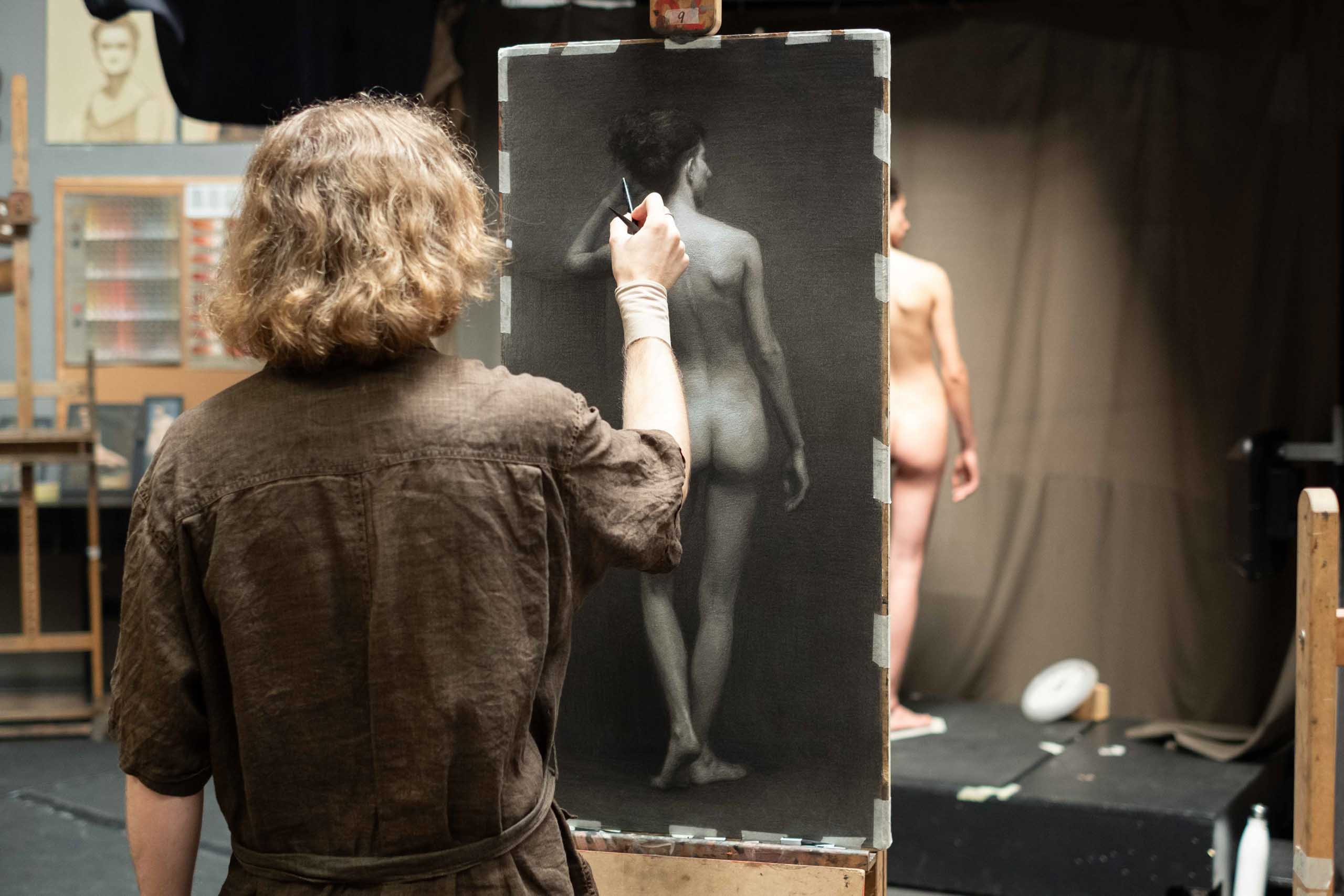
This is a comprehensive 1-year program giving students an in-depth preparation in drawing, as well as etching techniques and materials. Projects are of mixed length to develop core manual and observational skills alongside developing individual intuition. Pencil, charcoal, sanguine, and ink (drawing and printing) are all explored. Classes are predominantly practical and studio based; the course also incorporates seminars, lectures (anatomy and art history) and guided museum visits. This course teaches basic skills and techniques in order to gain visual literacy and hand-eye coordination. The course is taught by FAA Principal Instructors and supervised by the Program Director.
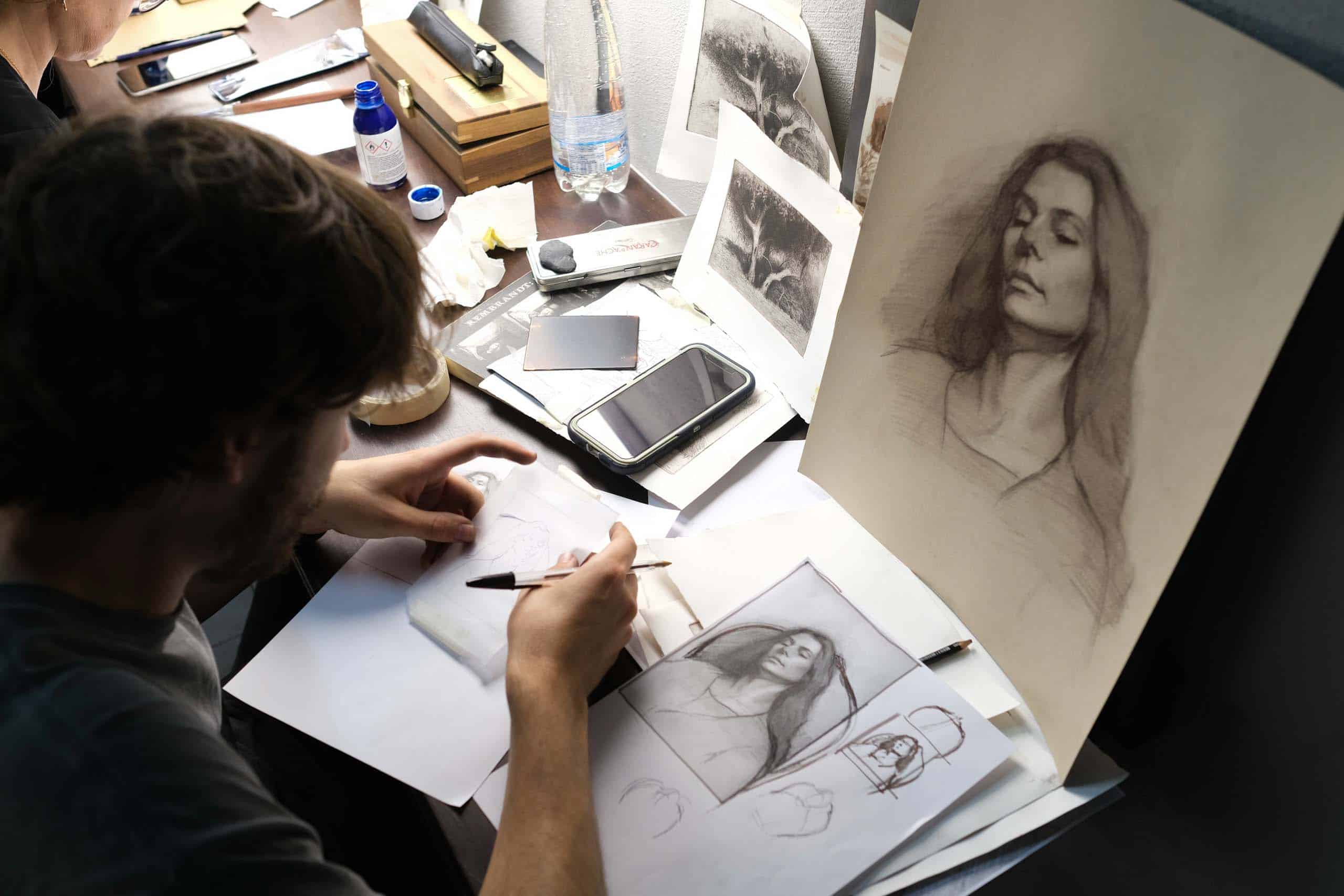
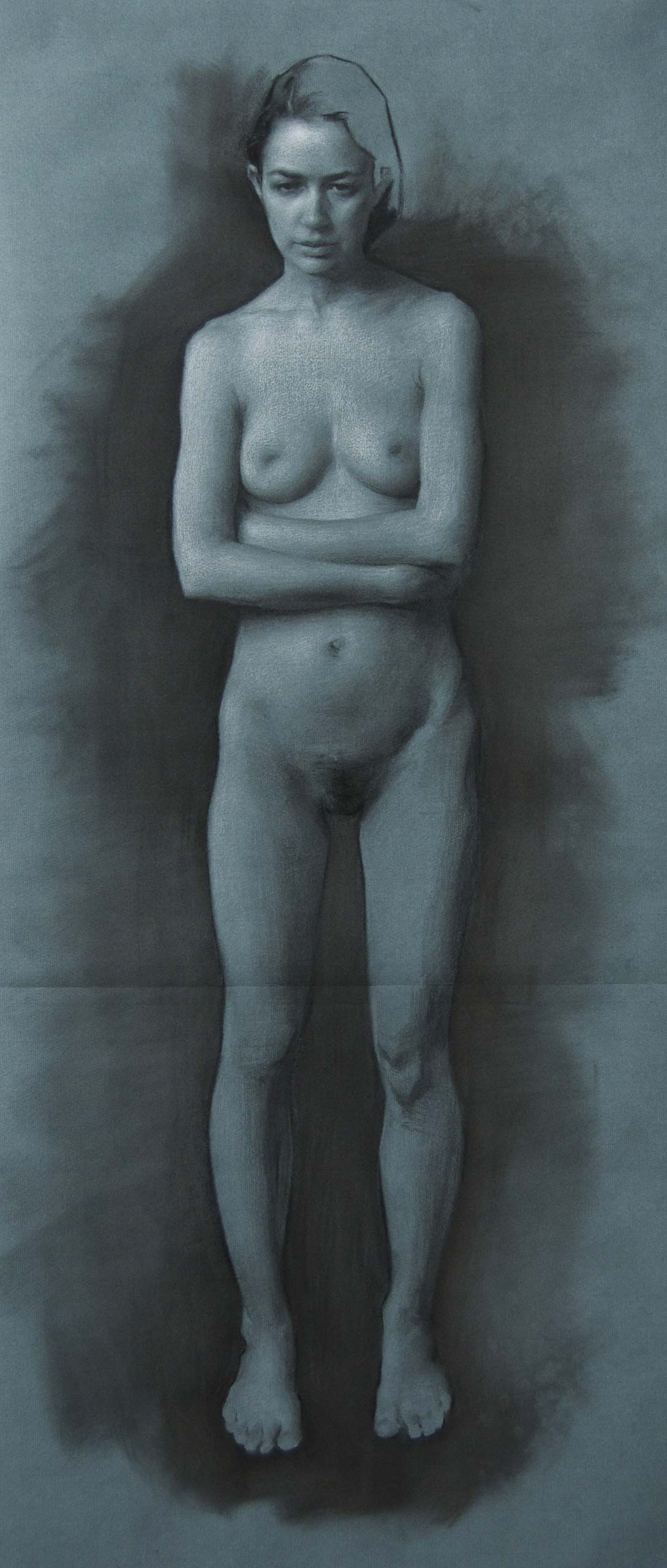
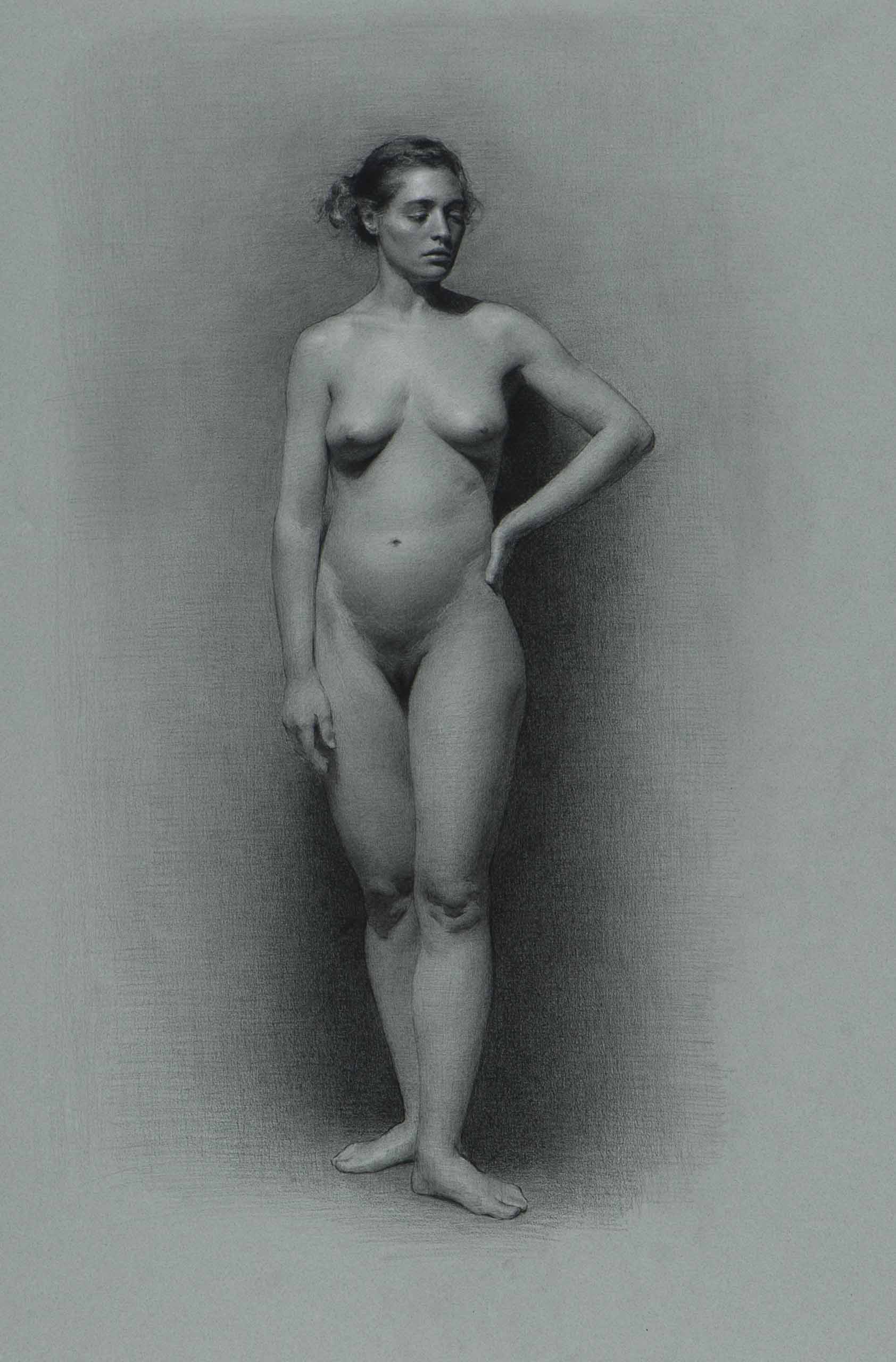
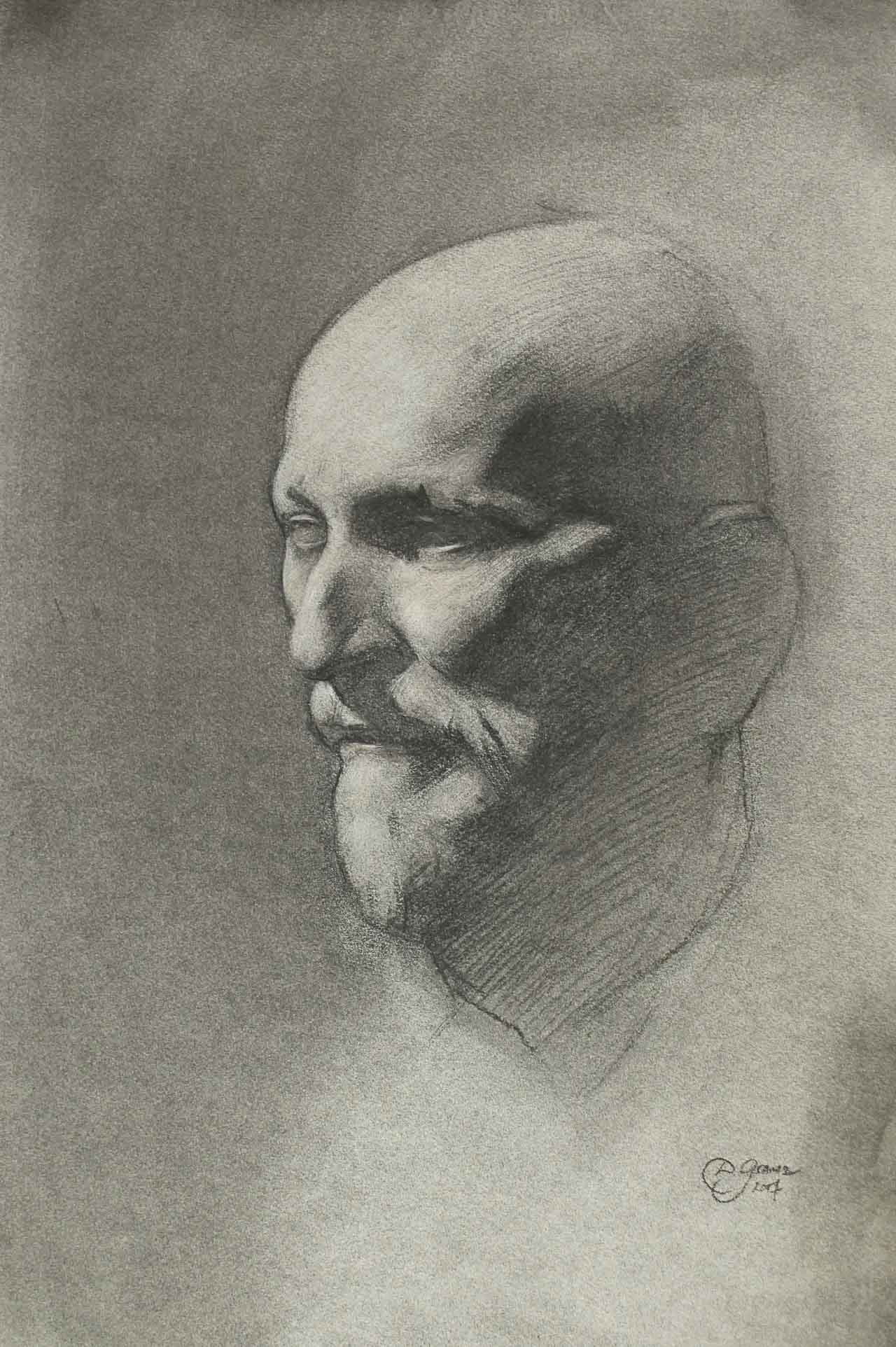
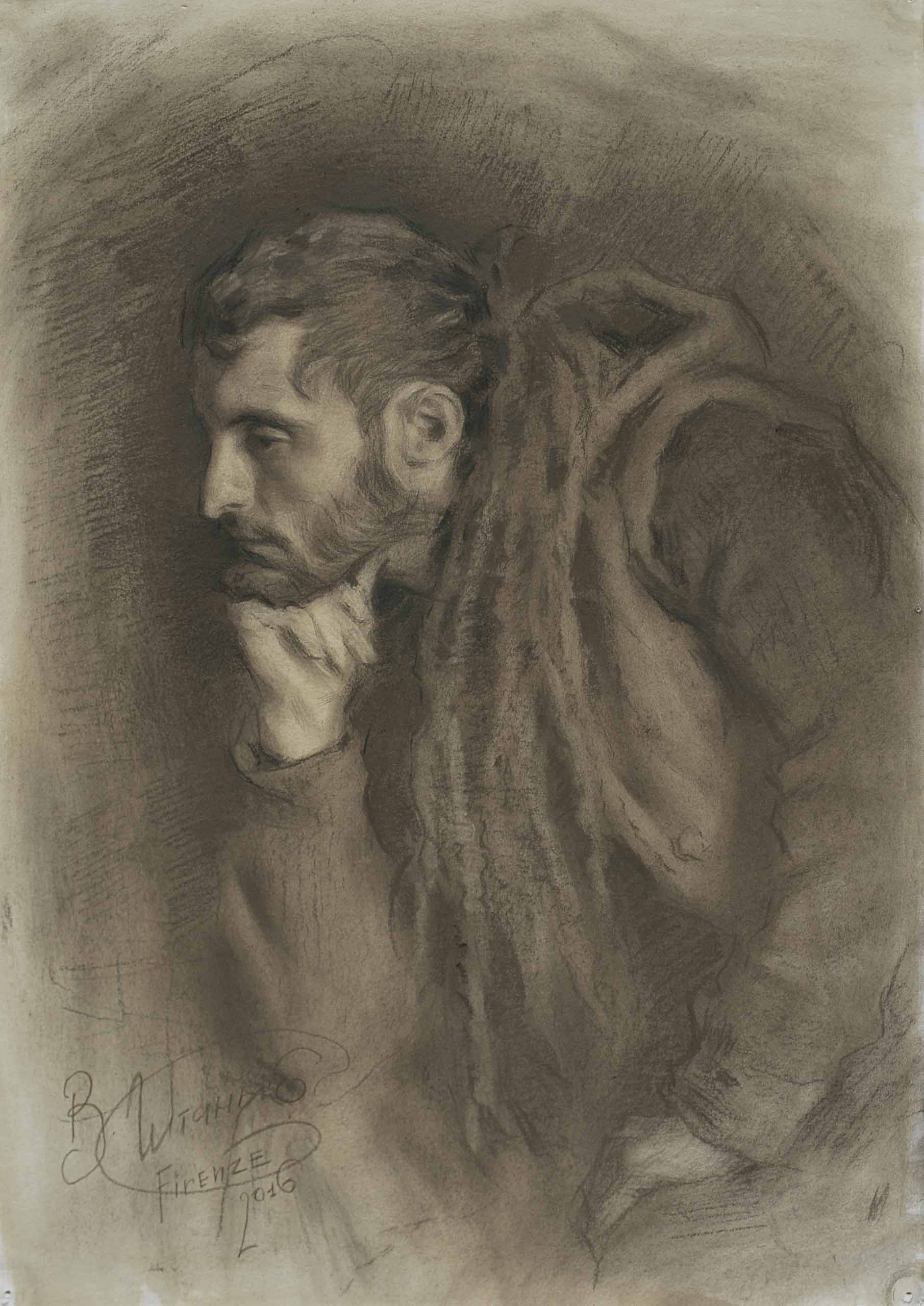
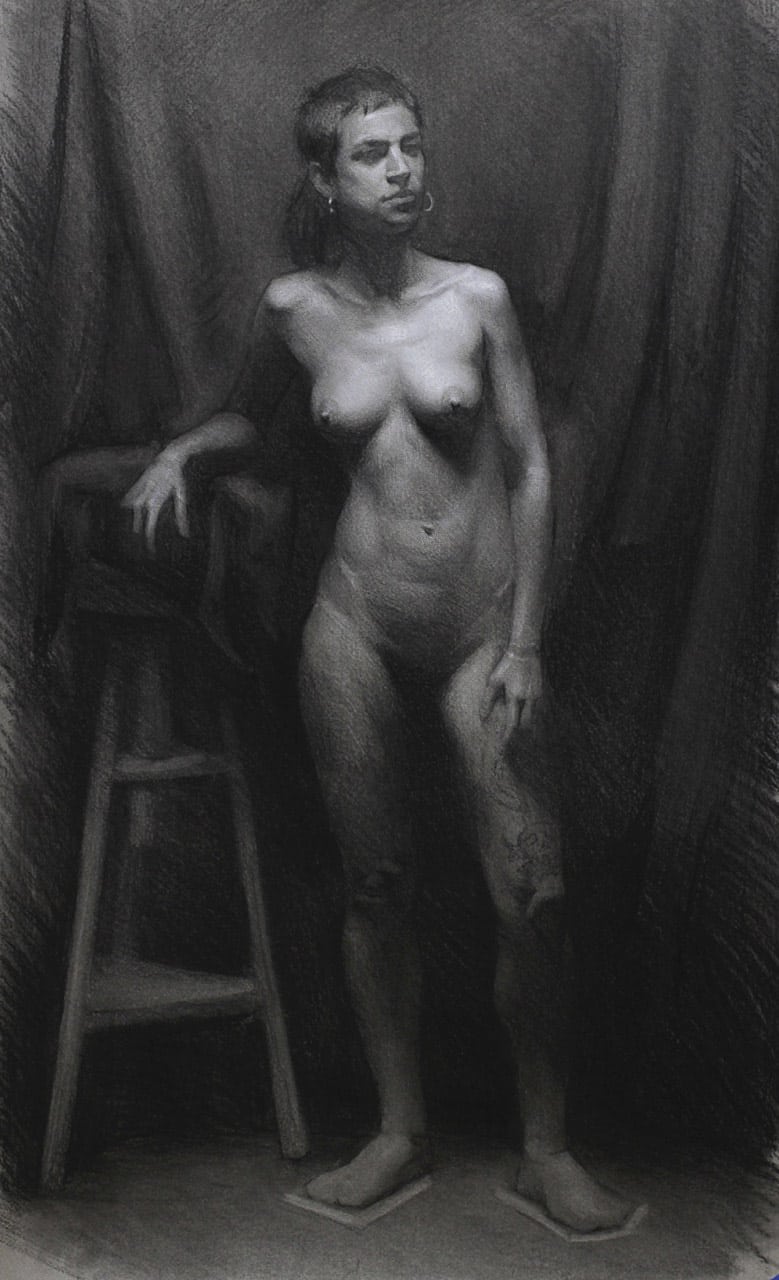
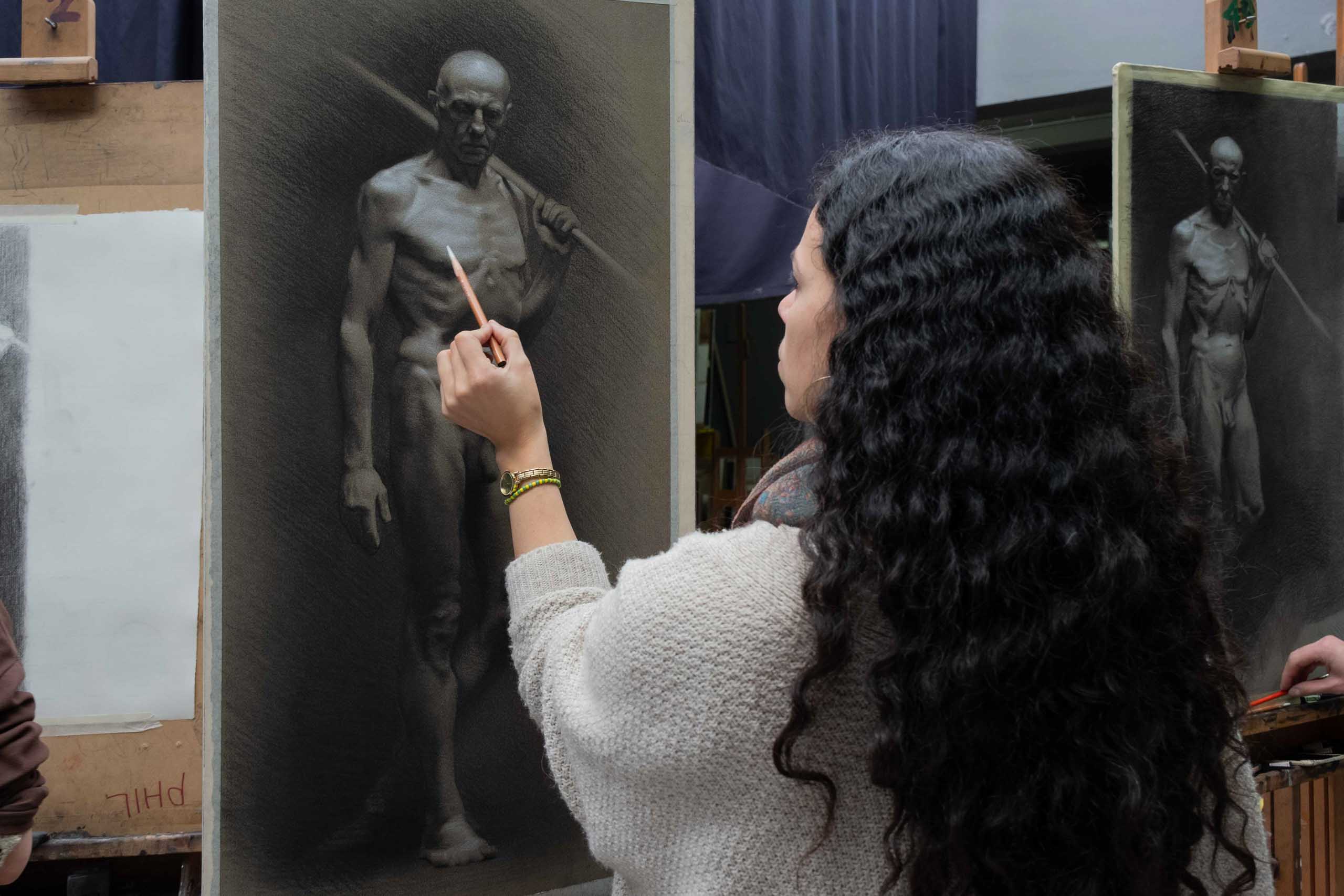
The overall aim of the program is for students to acquire key techniques to support individual artistic development in drawing; a skill considered fundamental to reach excellence in painting, sculpture, or other art forms. Students explore three-dimensional form and confront the human figure (life drawing, portrait, self-portrait) to produce varied works from short sketches, through to fully resolved representations using different media. They are taught to break down the complex task of learning to draw from life into gradual steps through the completion of several projects, and are required to attend an Anatomy course throughout their study to deepen their understanding of the structure of the human form. These weekly anatomy classes are part of the Florence Academy’s accredited curriculum for the 3-year Certificate Programs.
A series of guided visits to museums in Florence allow students to understand the value of the city as an extension of the classroom. They gain an understanding of the role and meaning of disegno as a living characteristic of Florence and learn how to interact with historical works of art to guide and inspire their own practice.
As well as supporting individual artistic development, the course is also suitable as a foundation study program to support further progression at undergraduate level, or more advanced atelier level training.
1-year Program
Graphic Arts
“The most elaborate manual cannot replace the experience in the studio. The concepts can be written down, but the practice of a guided experience matters more. Being in the environment.” – Daniel Graves, Founder
Studio Projects
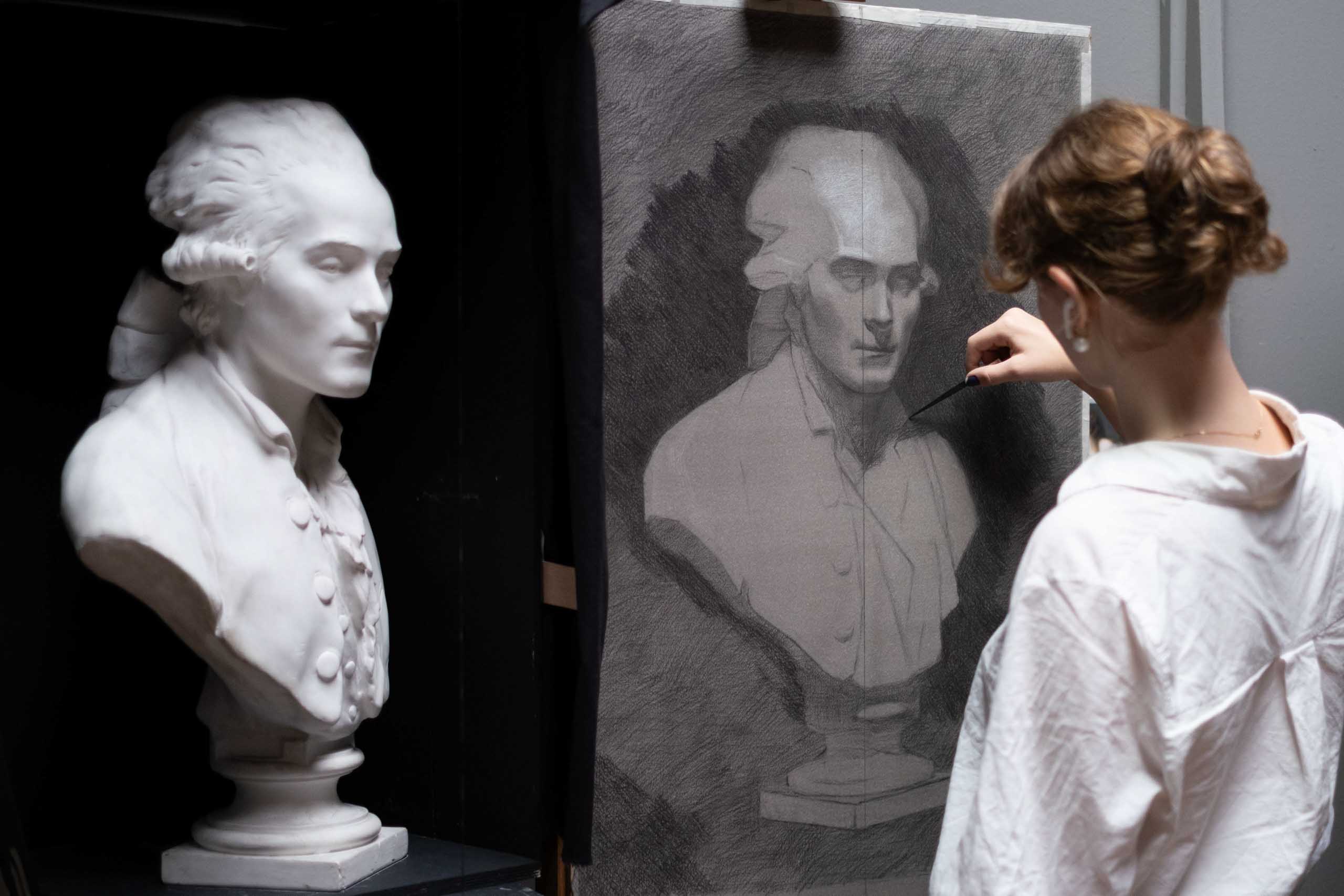
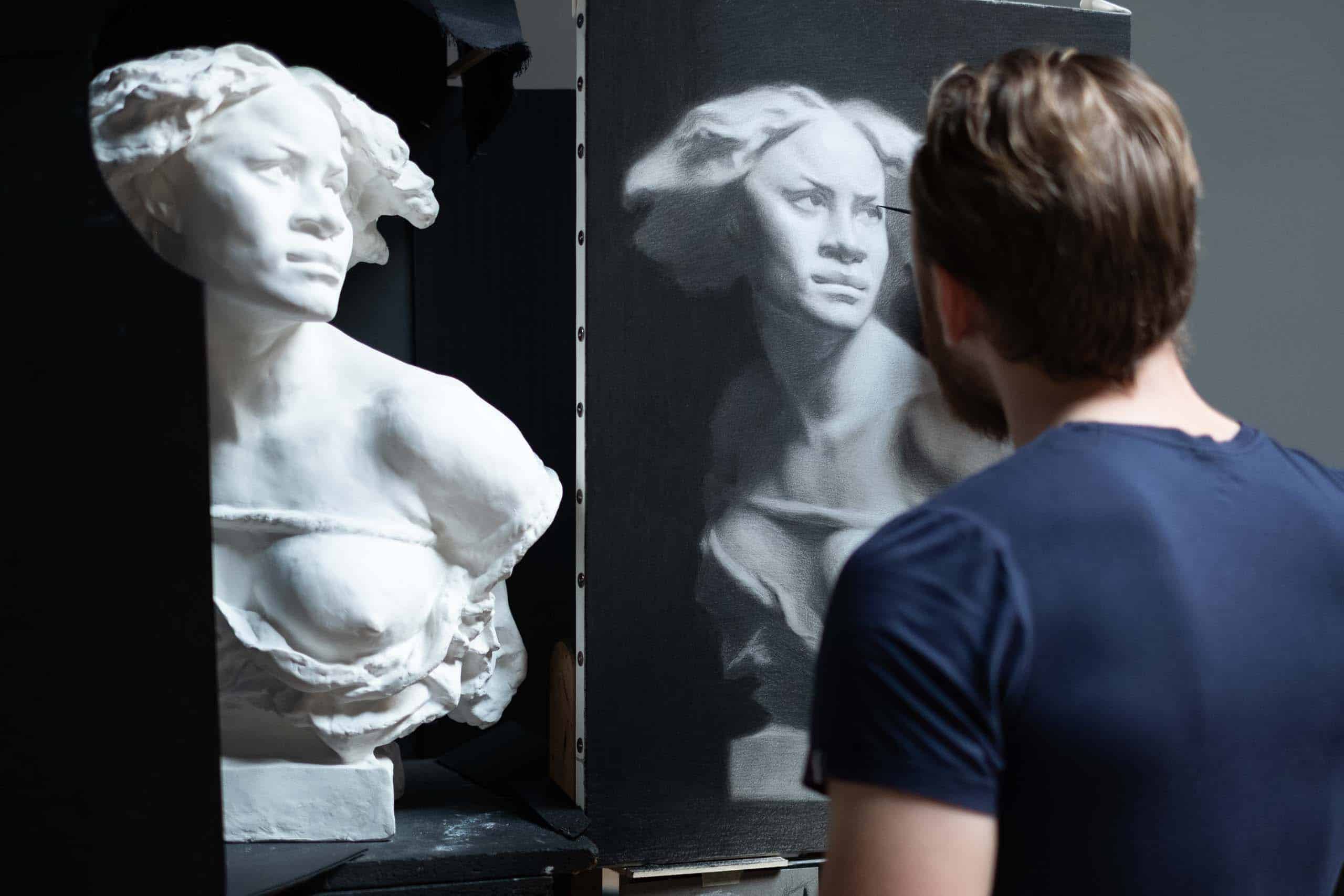
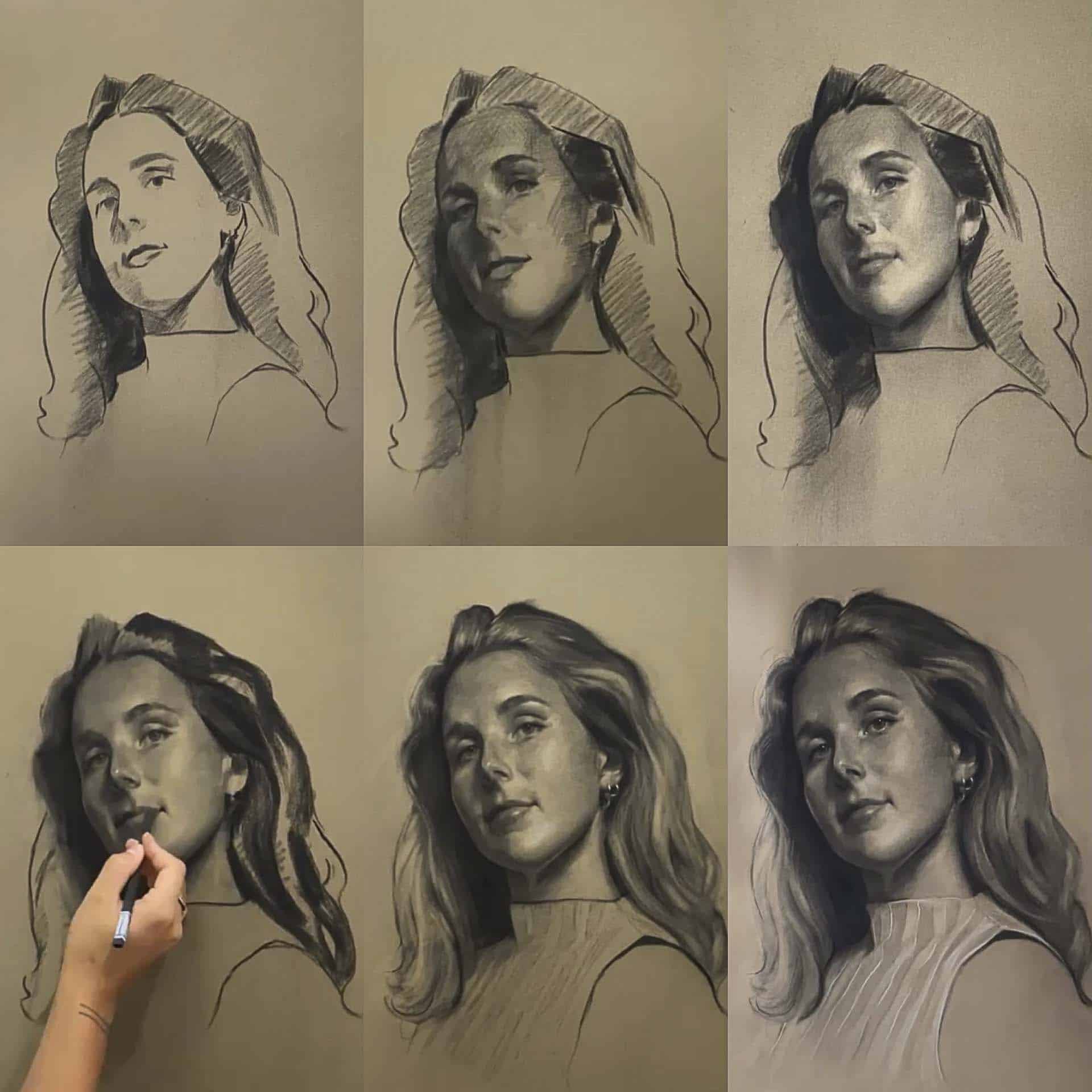
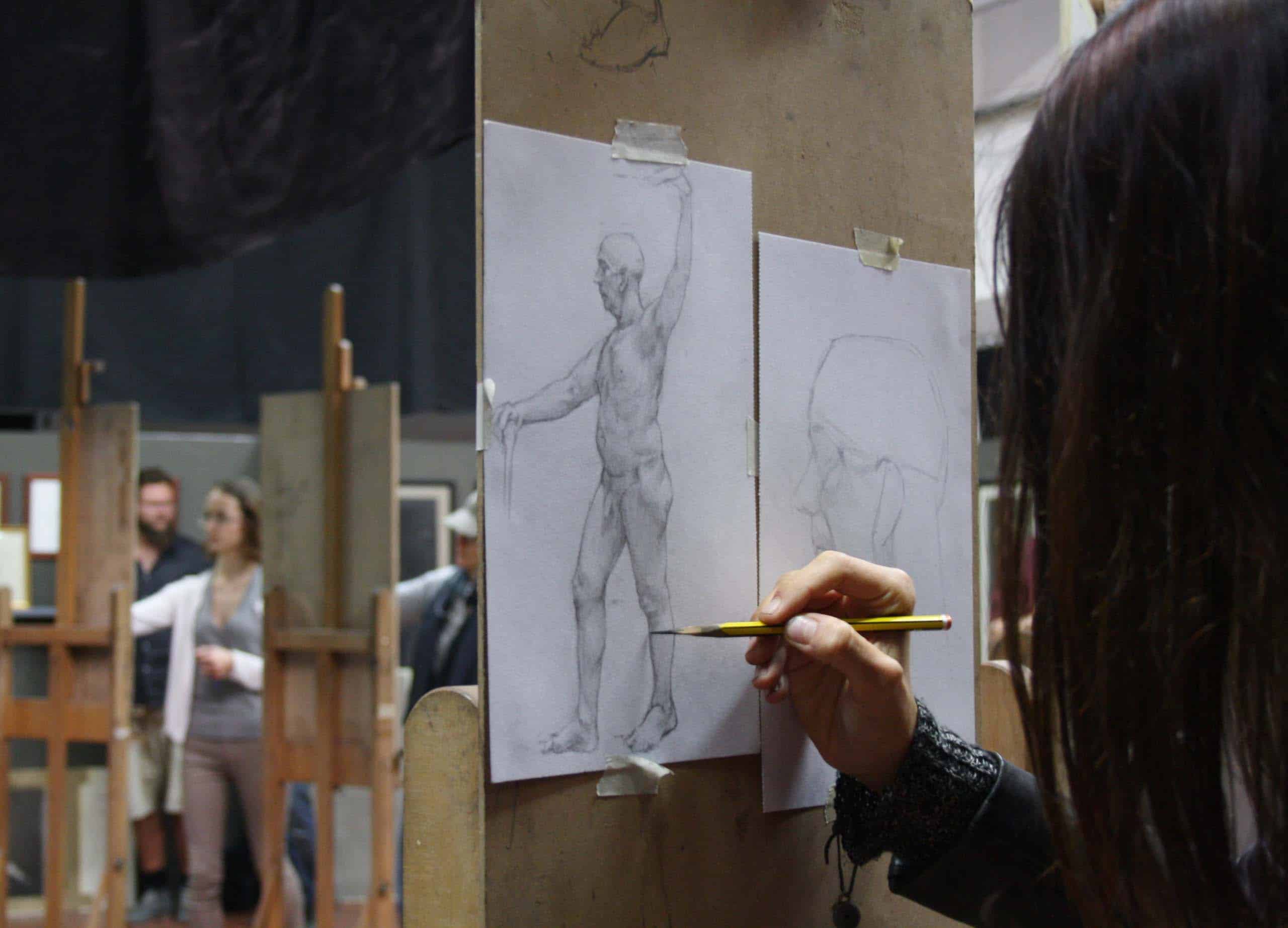
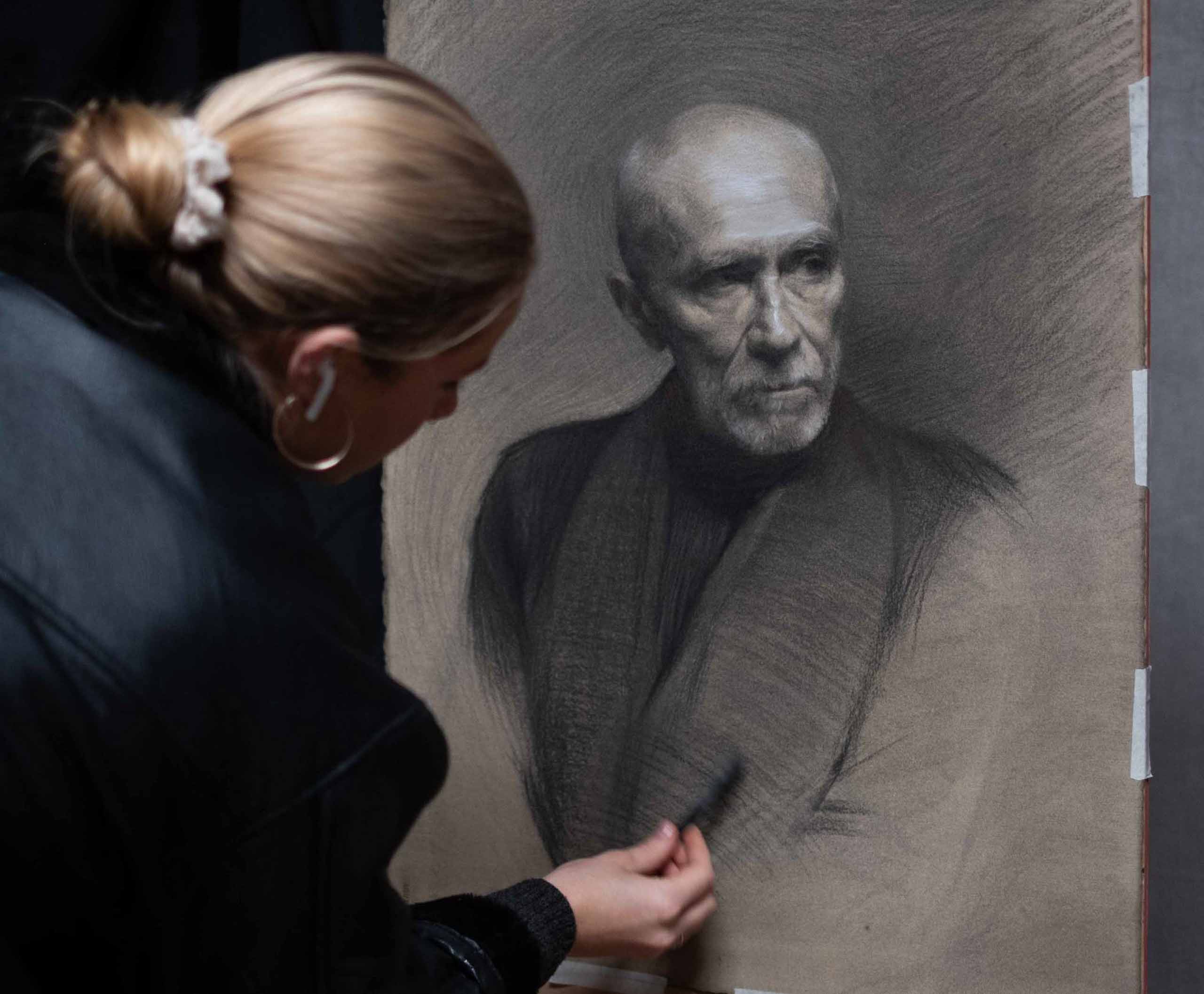
An established set of exercises focuses on outline, proportion, and shadow shape, on a step-by-step progression through the program’s curriculum. Studio exercises are designed to strengthen the student’s visual literacy to help them confront three-dimensional subjects in nature and translate them onto two-dimensional surfaces using a broad range of media.
Students begin by learning about the sight-size method of drawing, clarifying their understanding of the drawing procedure through master copies and life-drawing exercises. They develop skill in reproducing the outline, blocking out shapes, and refining line quality.
Materials & Techniques
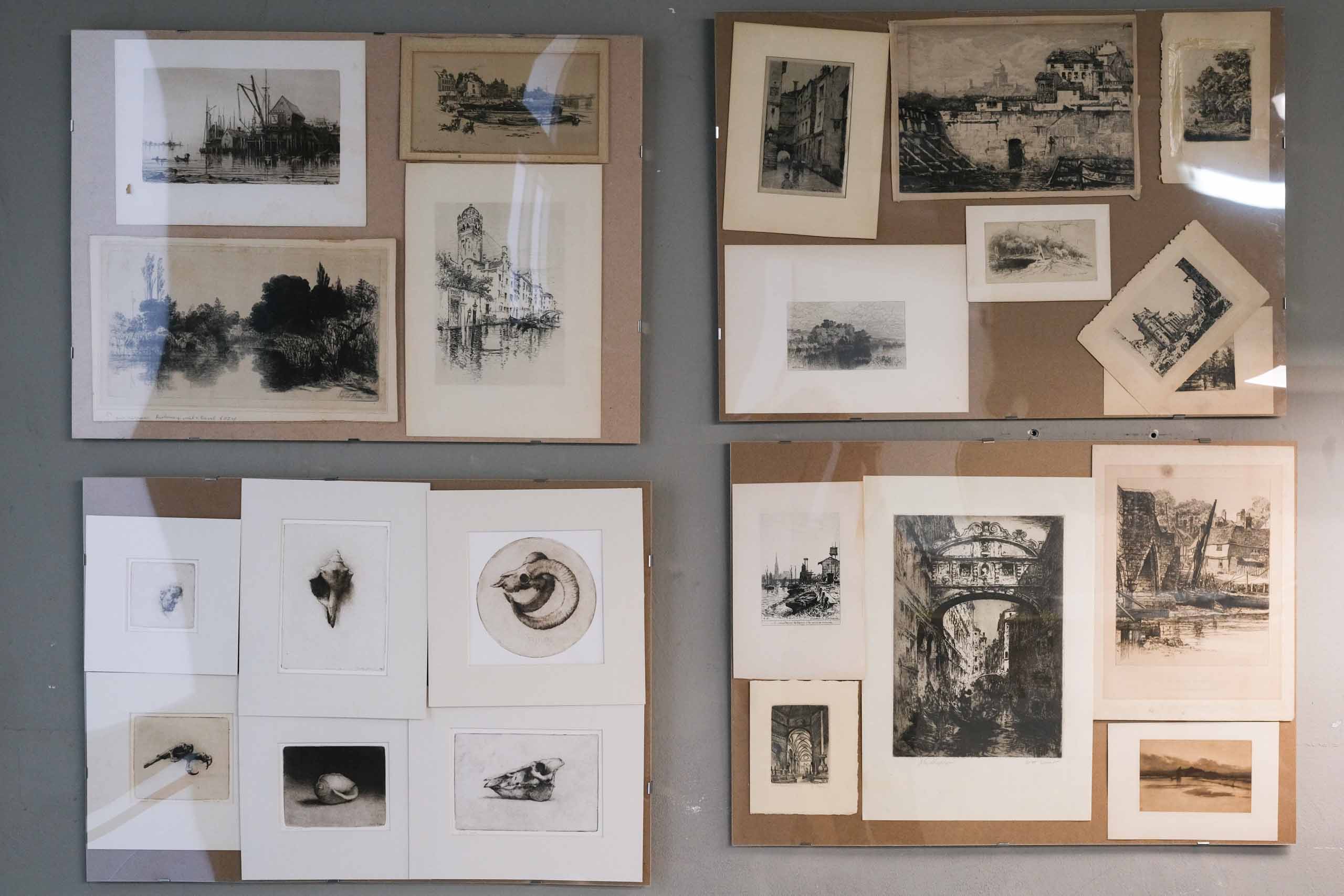
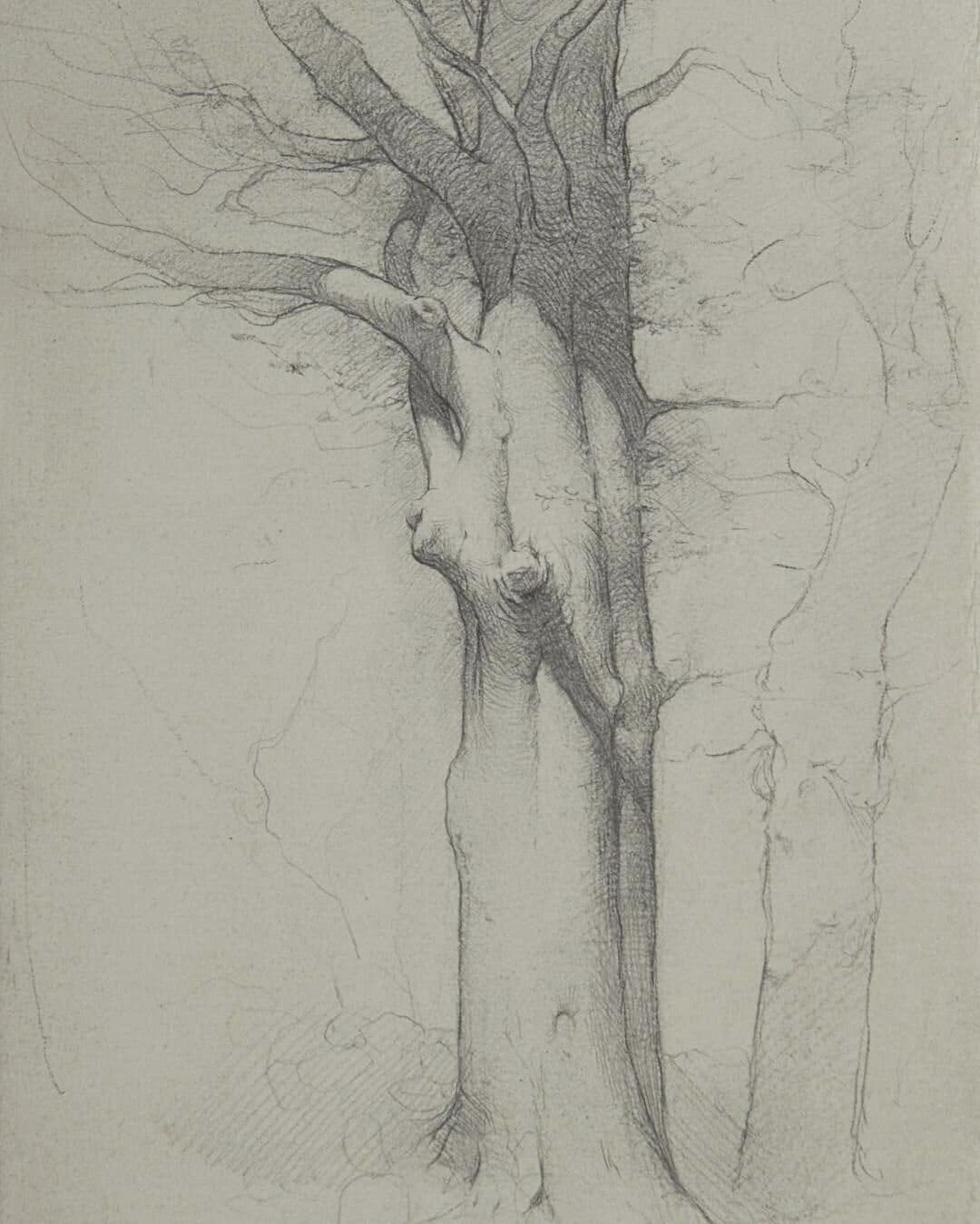
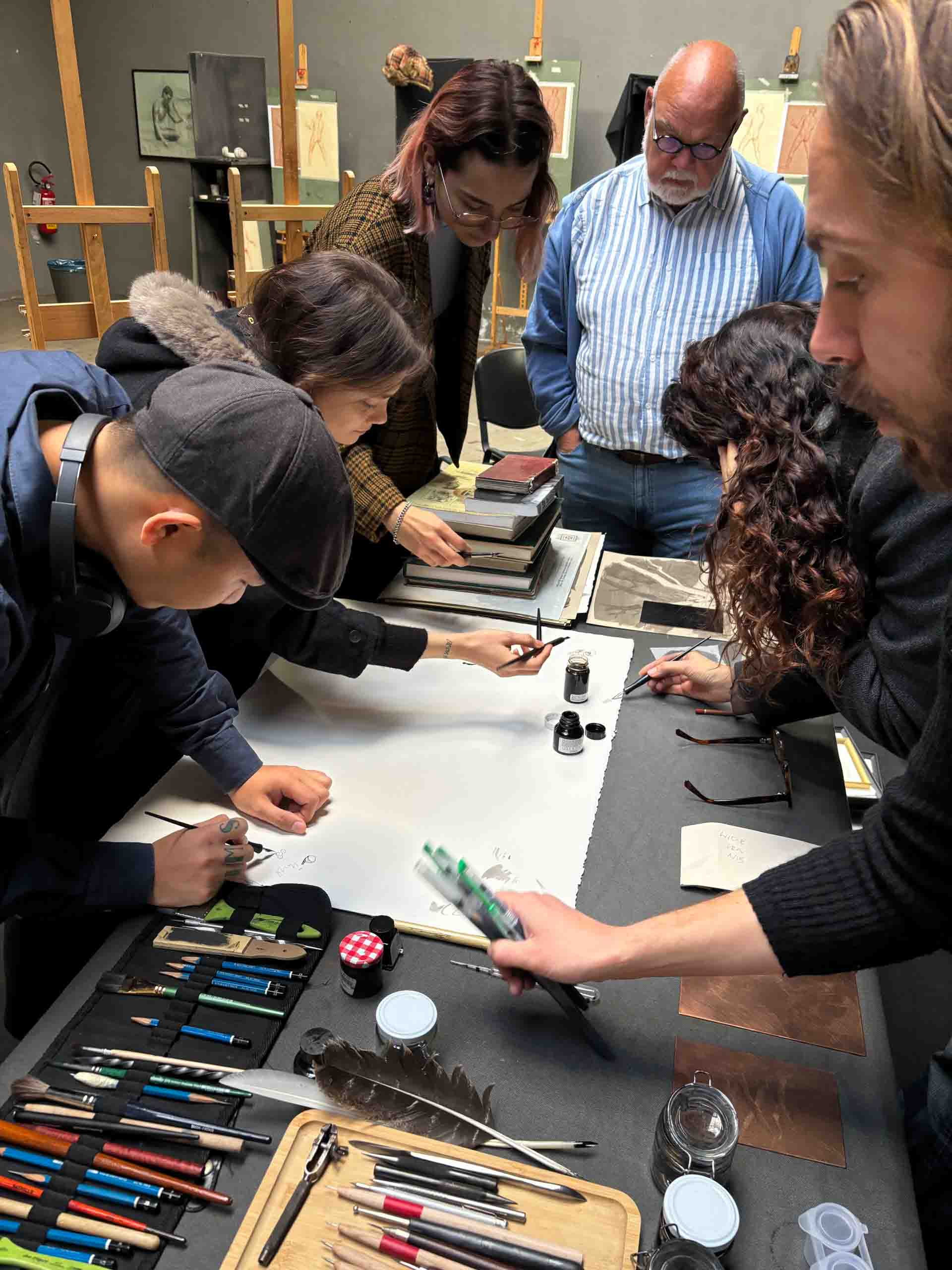
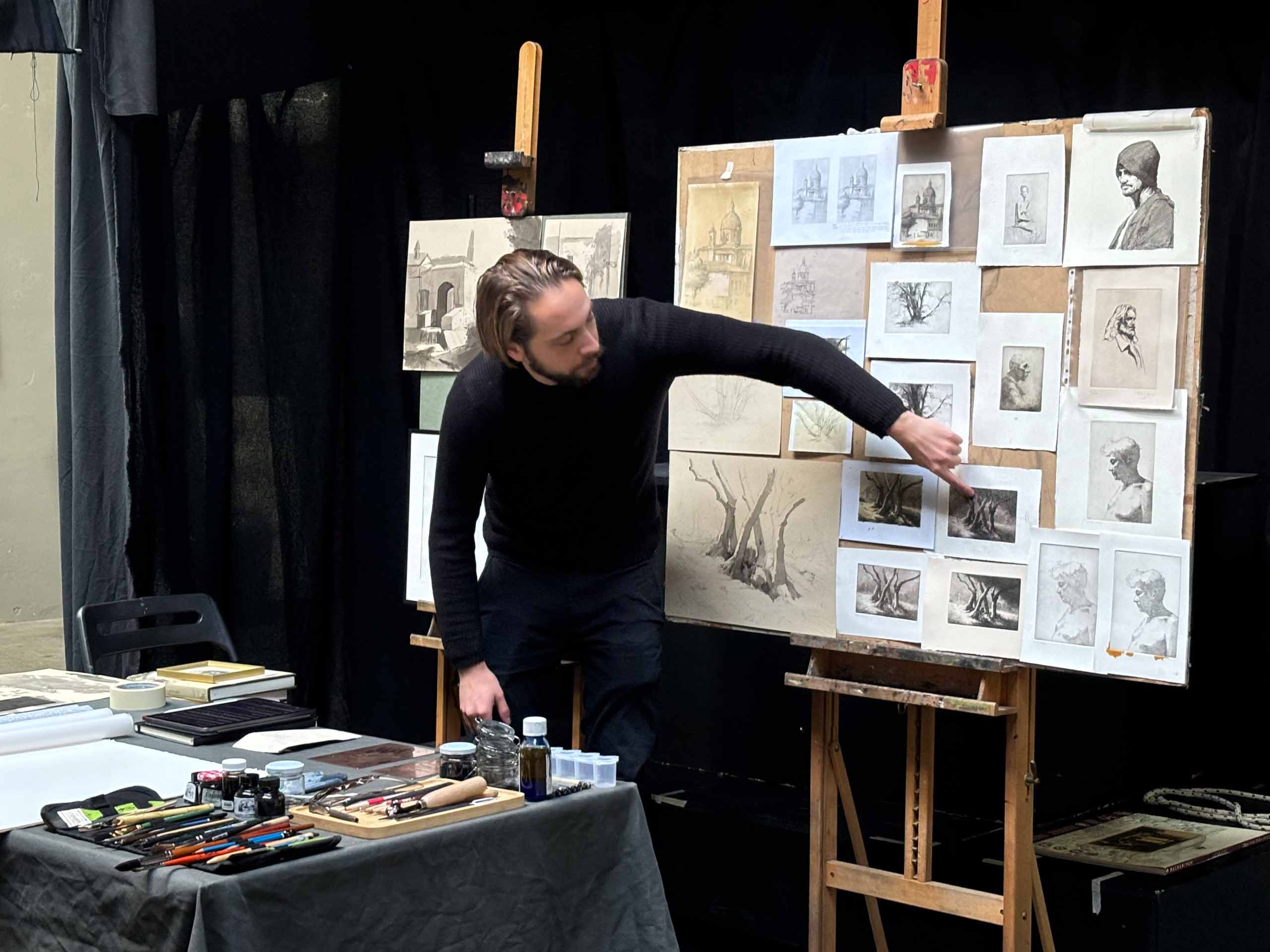
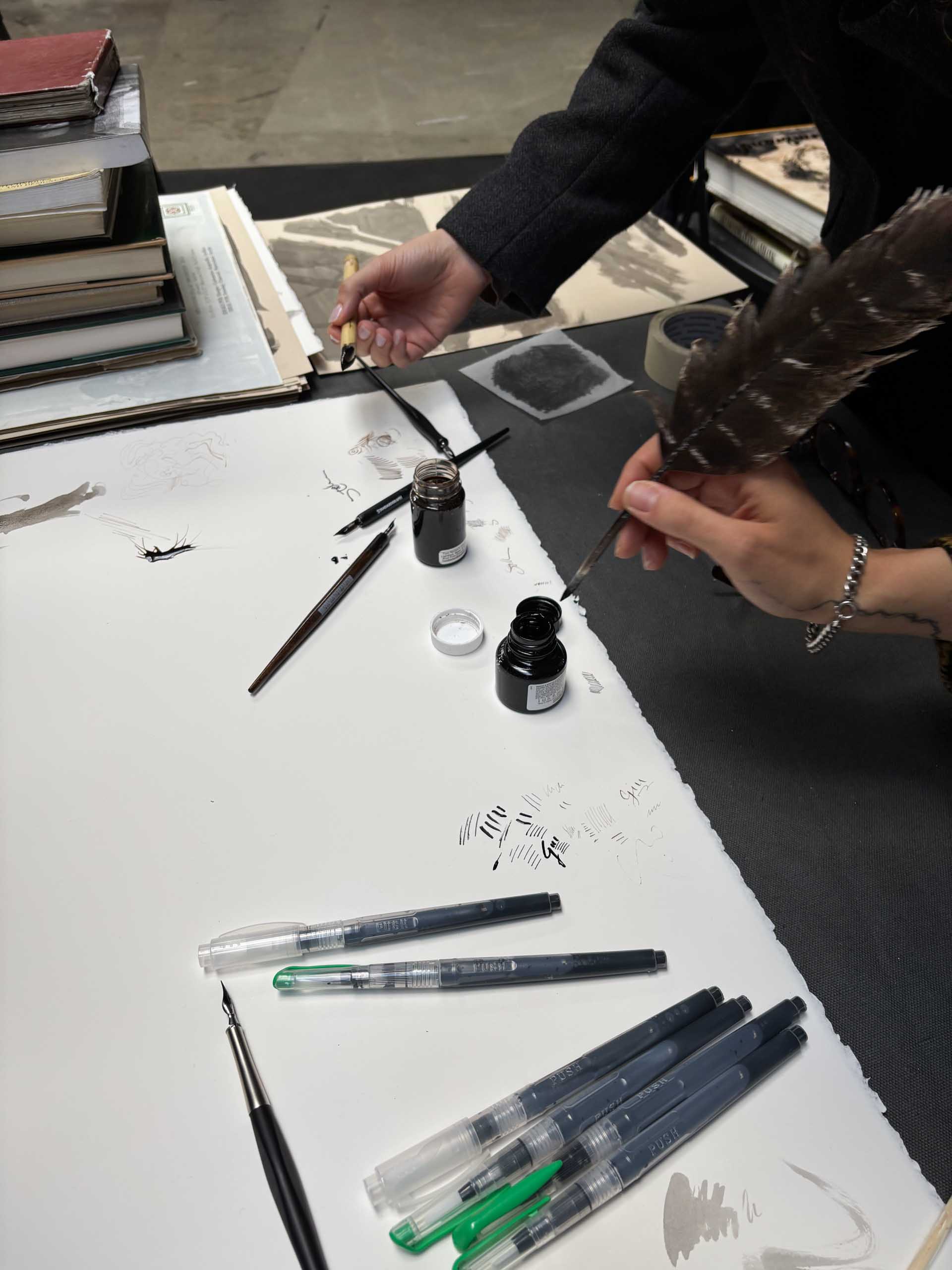
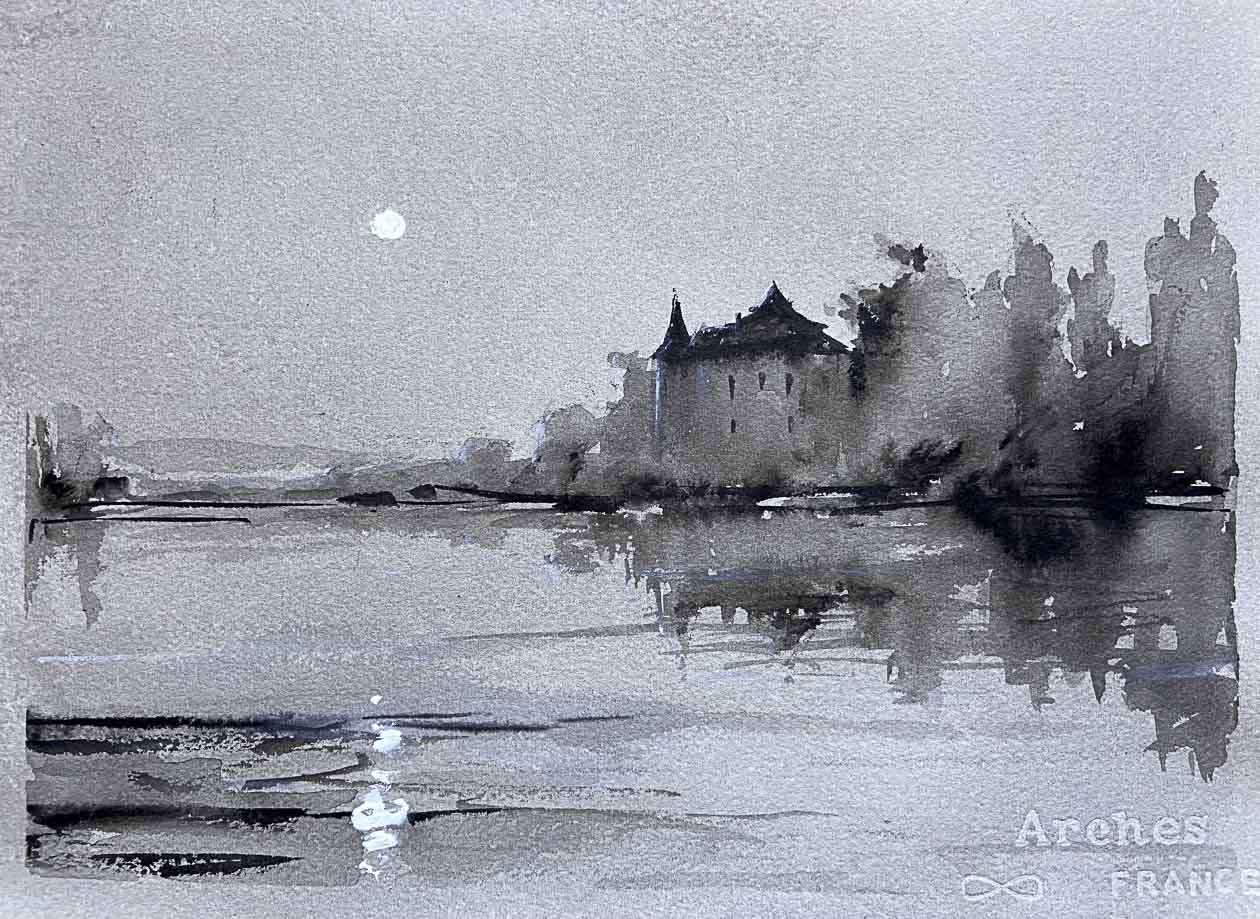
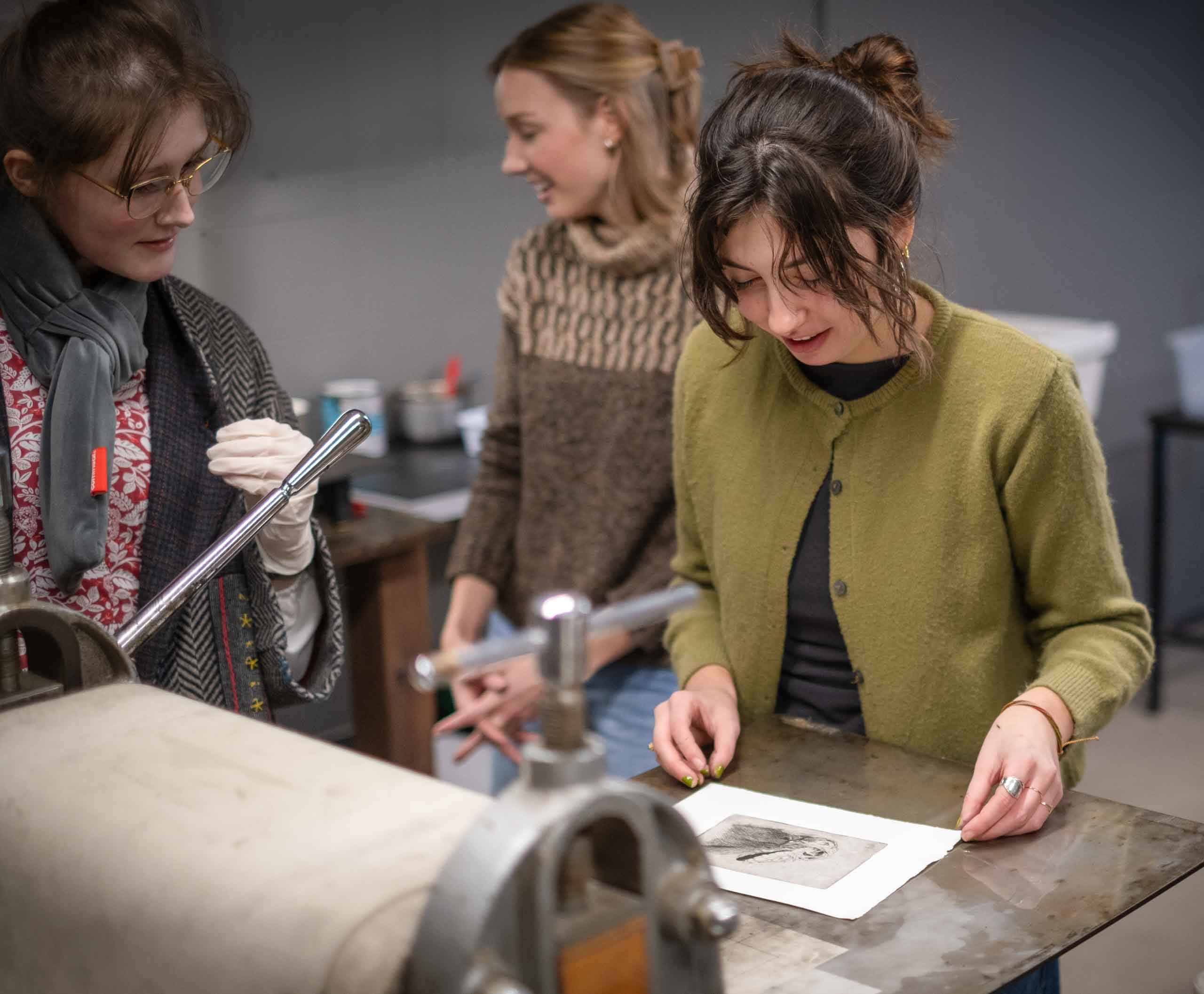
This program is unique in its broad exploration of media and materials. Over the course of the academic year, students work with pencil, charcoal, sanguine, and ink used in both drawing and copper-plate etching, alongside other materials relevant to their projects. Each medium has its own character, shaping not only how it is handled but also the type of subject it best serves. It influences how a subject is described, as well as the pacing, duration, and intention of a work; in turn, the intention of a drawing often determines the medium chosen, whether for a fully developed piece or a preparatory study. While many exercises are structured to address specific concepts or skills, students are also encouraged to experiment independently.
Seminars
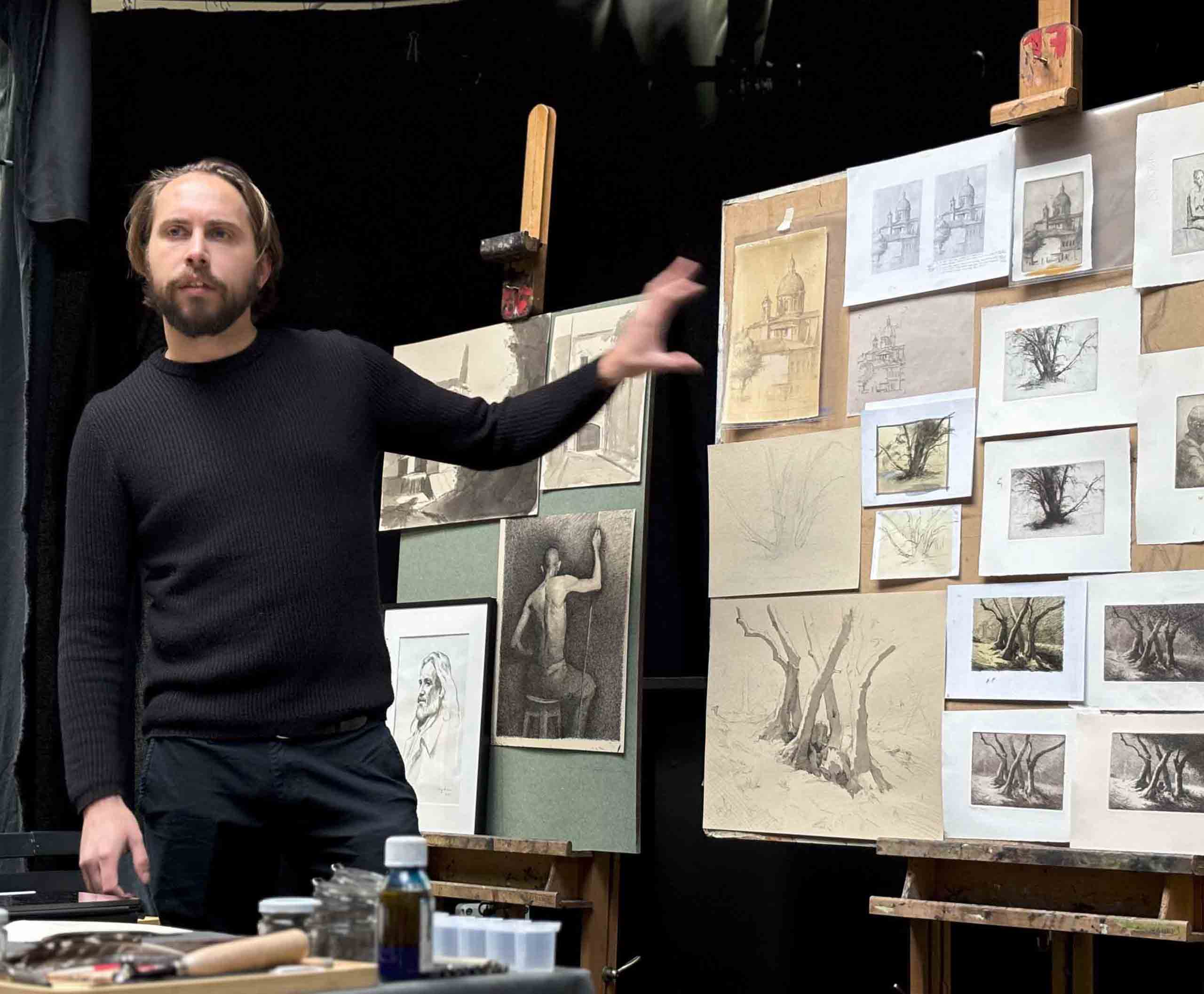
Throughout the academic year, studio projects are taught in combination with a range of seminars designed to help students build a broader and more integrated understanding of drawing fundamentals. These activities are a combination of lectures and practical exercises which encourage students to move beyond the structured studio environment and develop a more independent, personal practice. A key aspect of this work is the cultivation of habits that support long-term artistic growth, such as maintaining a sketchbook as a space for observation, experimentation, and visual thinking.
Art History & Museum Visits
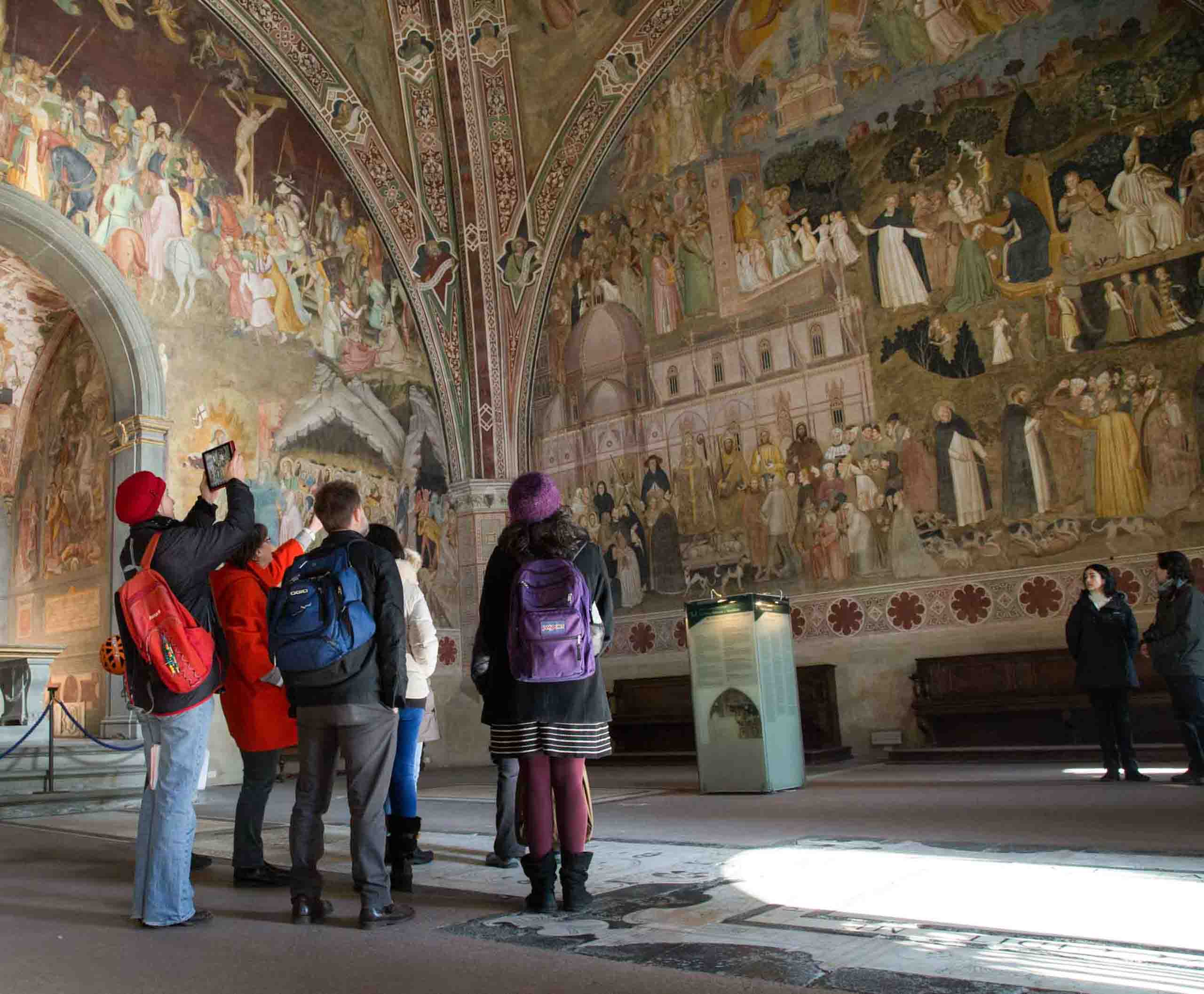
The Foundation in Graphic Arts curriculum includes guided tours of major museums led by its resident Art Historian, with all activities and entrance fees included in the tuition. Museum visits are scheduled on Thursdays, three days per term, followed by independent studio time. Students are also encouraged to participate in the Academy’s Art History lectures throughout the academic year, designed to introduce students to a select group of topics chosen from the vast field of art and art-related subject matter. It uses the resources, knowledge, and inspiration of the FAA student body to create an engaging debate in a supportive and educational atmosphere.
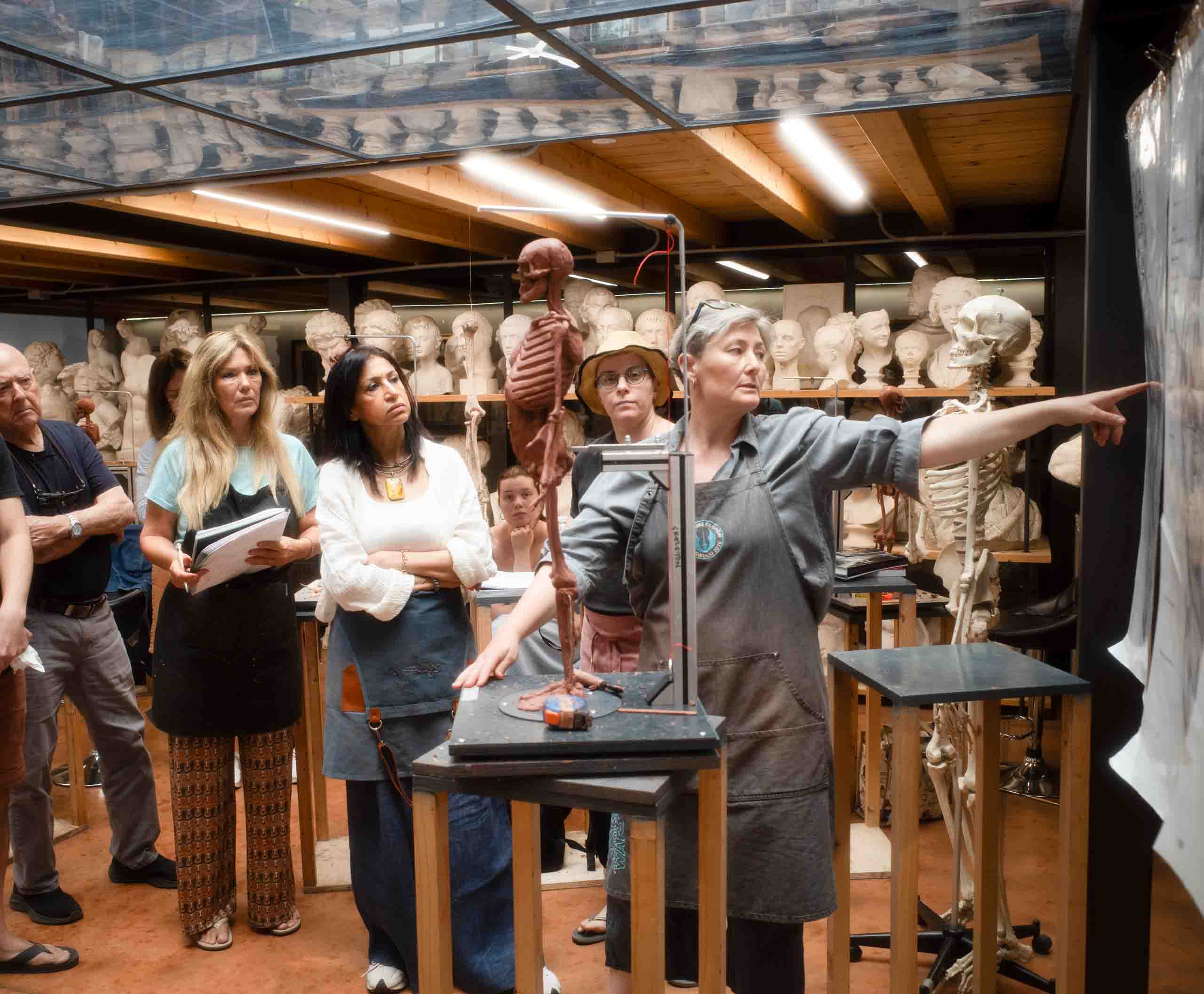
Anatomy
Weekly lectures begin with a discussion of the skeleton and myology, the study of the muscles, then move to drawing exercises with the model. “The Living Form” is a phrase taken from the 19th century anatomist, Dr. Paul Richer, in his classic text, “Artistic Anatomy”. It describes our goal as draftsmen, painters, and sculptors who study anatomy in order to see the shape and structure of the human form as it exists in life, as opposed to the altered and fragmented forms of the cadaver, or the static nature of charts and diagrams. Richer believed that the key to understanding form is to draw from life regularly, and to complement this visual method of study with a solid intellectual understanding of the structures of the human body.