By David Dong, Intermediate Program Student at The Florence Academy of Art
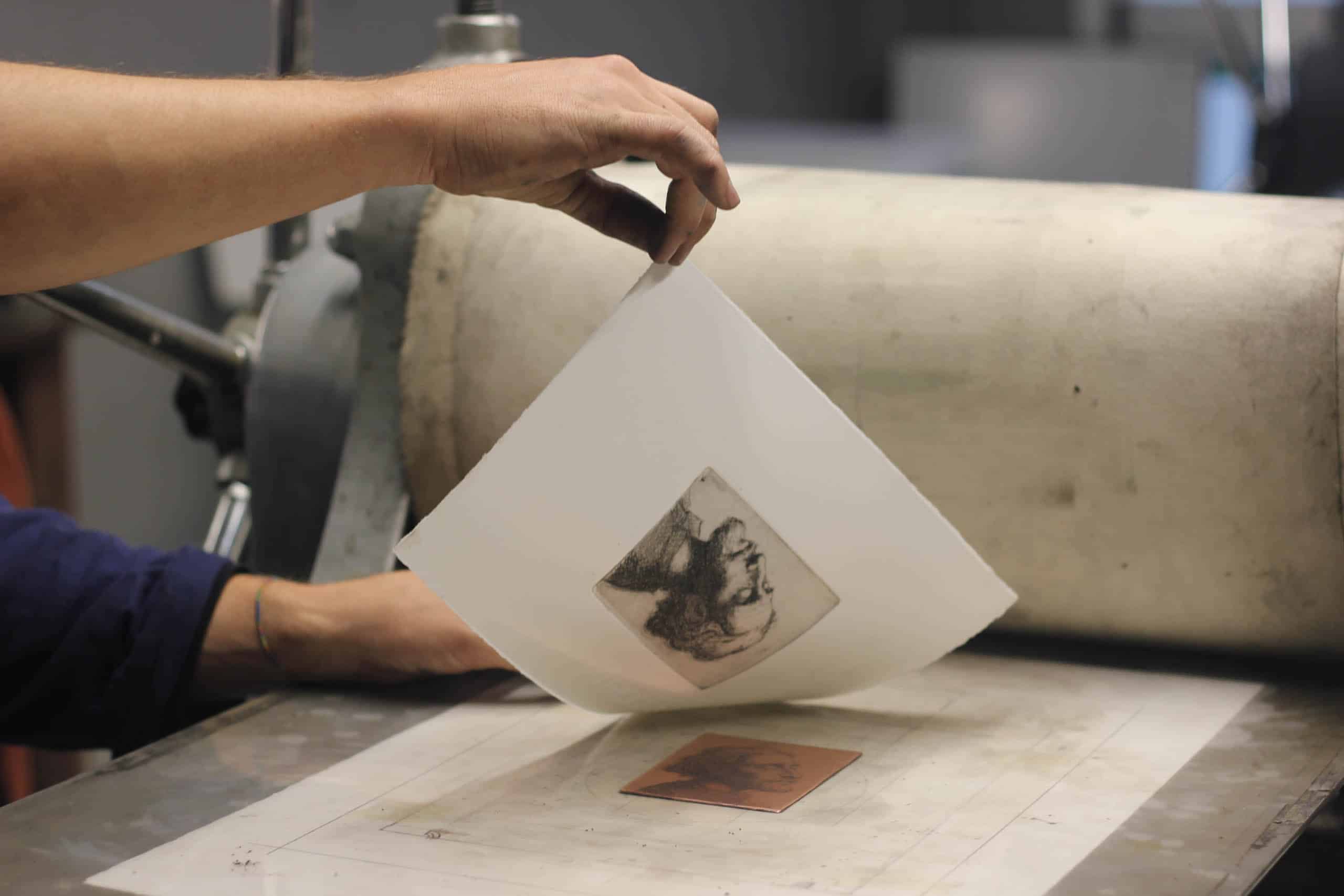
The art of etching is sparking interest at The Florence Academy of Art, where a newly-formed community of printmakers is practicing this centuries-old art form. FAA Founder, Daniel Graves, created this program as a final addition to his legacy at The Florence Academy of Art. Collecting printing presses and donating a portion of his print collection to the new lab at the FAA, Daniel is inspiring a new generation of printmakers, revitalizing a practice that holds great significance in the history of art.
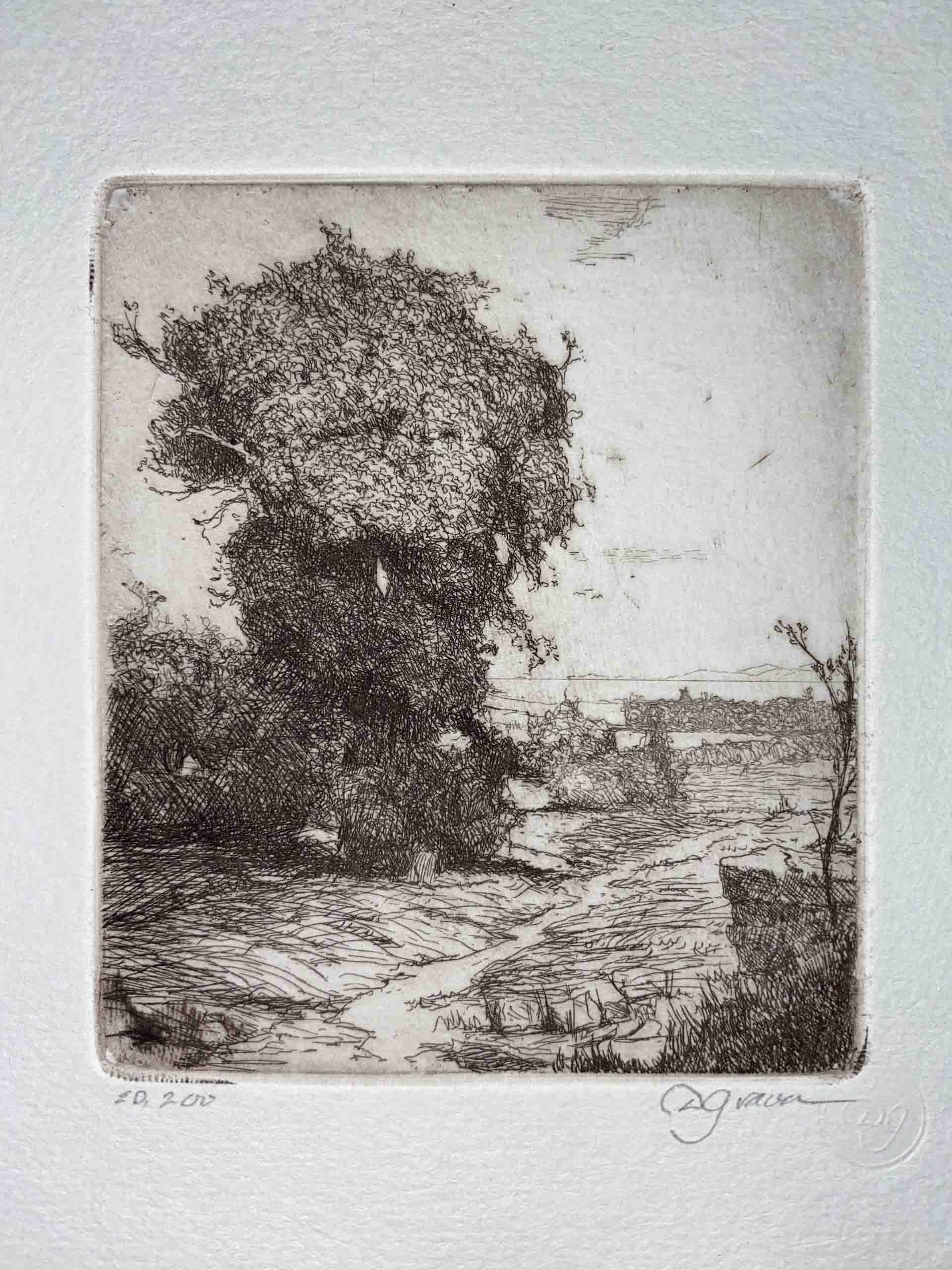
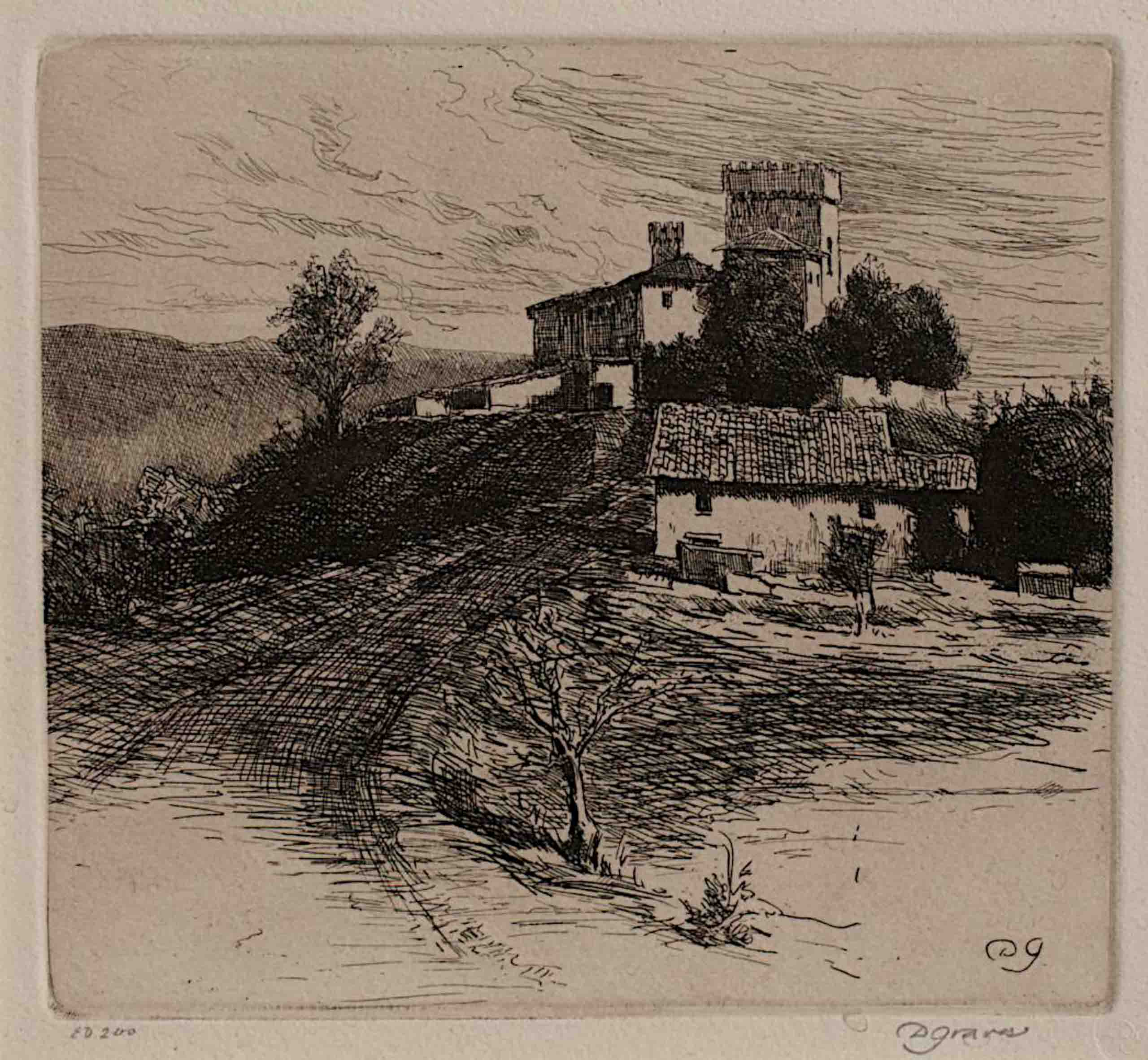
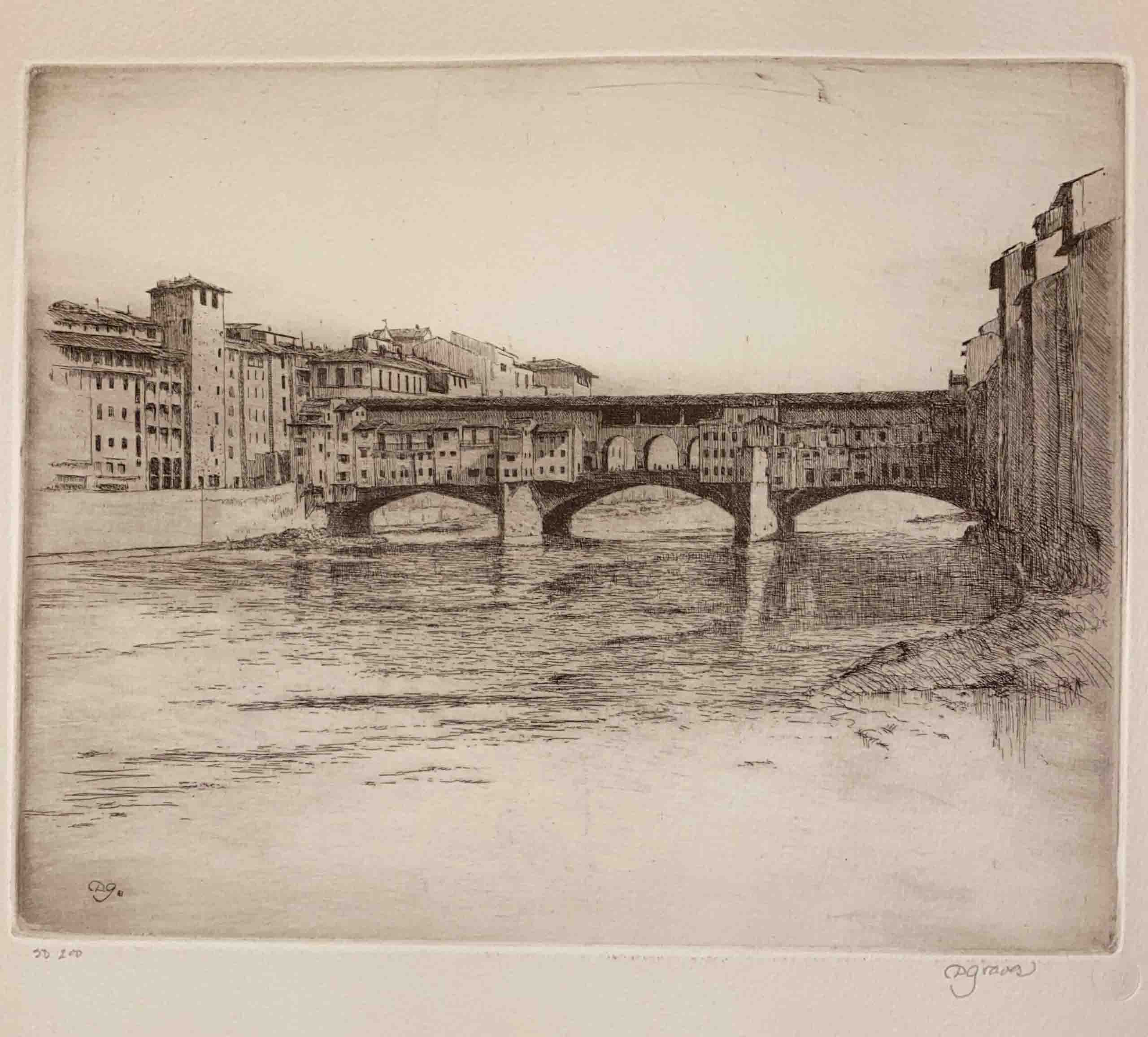
Etchings by FAA Founder and Director of the Etching Program, Daniel Graves
Dating back five centuries, etching was an efficient way of delivering ideas to the public, whether for illustrative or promotional purposes. One can find etchings as floral designs adorning a suit of armour or as illustrations visually conveying the messages of religious texts. Jewellers worked with the versatility of etching and engraving techniques to create intricate patterns, while Renaissance artists appreciated its efficiency in promoting their work to a broader audience. For artists today, printing editions of etchings remains a cost-effective way to build an intimate connection with their viewers. There is no shortage of prints from the old masters, waiting to be adopted into diverse and sociable art collections.
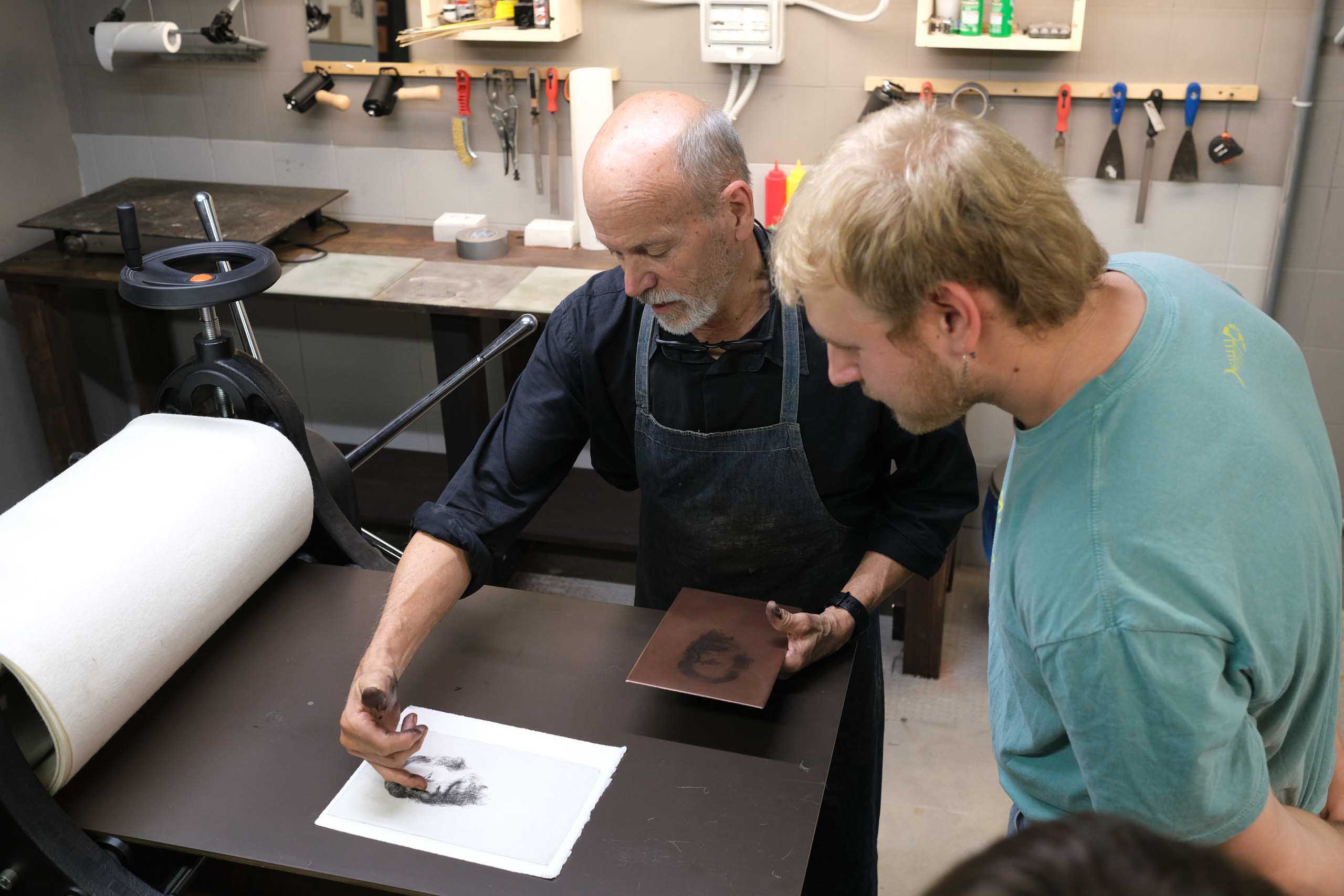
FAA Founder and Director of the Etching Program, Daniel Graves giving a critique to a student in the FAA Etching Lab
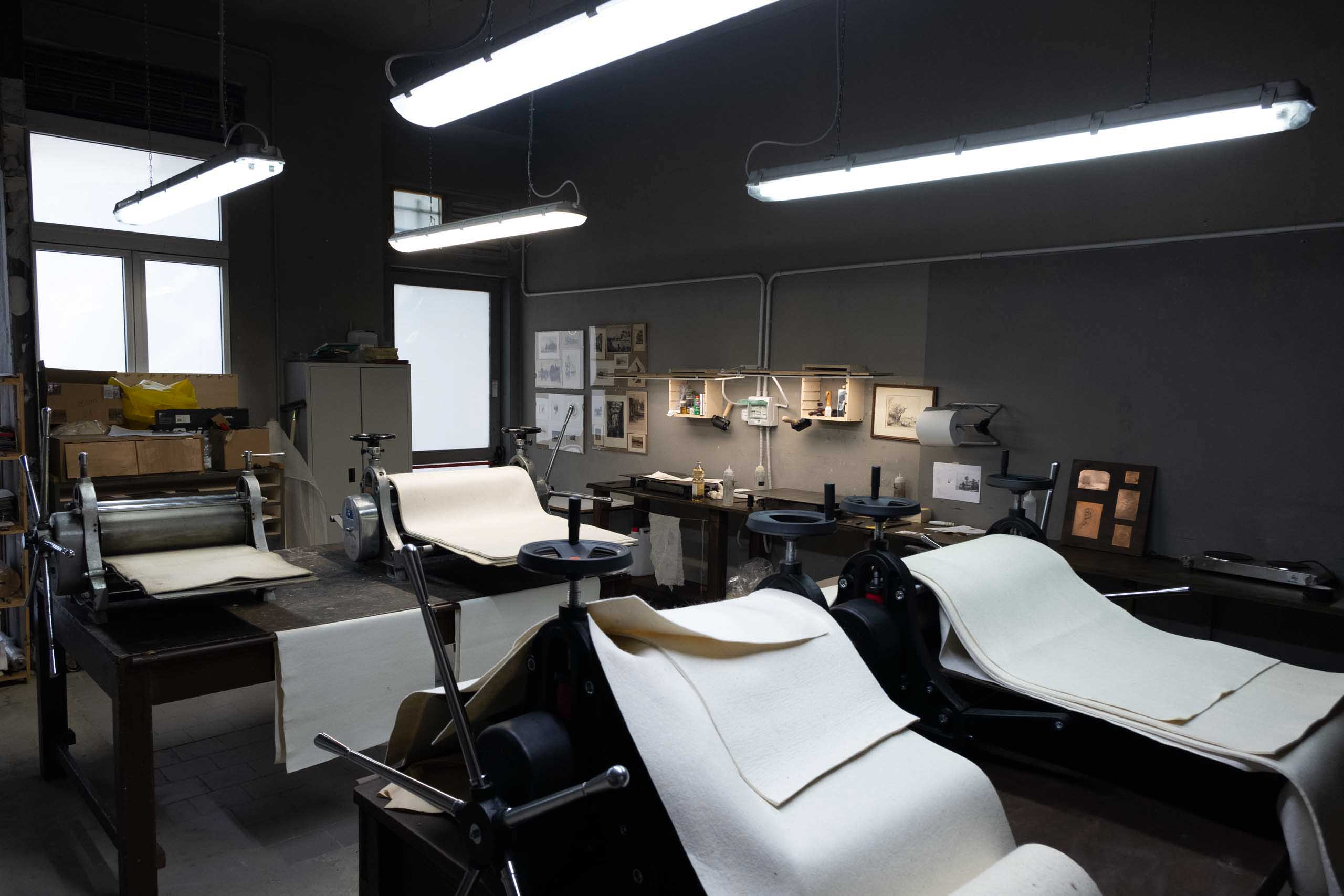
The FAA Etching Lab
Yet, there is always room for more etchings, especially from artists following traditional methods. The etching studio at the FAA provides ample resources for etchers at the academy to practice the same intaglio methods used by the old masters. Starting with a copper plate, the etcher applies a waxy, acid-resistant surface called “ground.” Using a variety of etching needles, the etcher gently scratches away the ground to create an image, exposing lines of copper. The plate is then submerged in a corrosive bath, where the exposed copper is bitten, creating recesses that will hold ink. The longer the copper is exposed to the corrosive, the deeper the recesses become, resulting in darker lines that hold more ink.
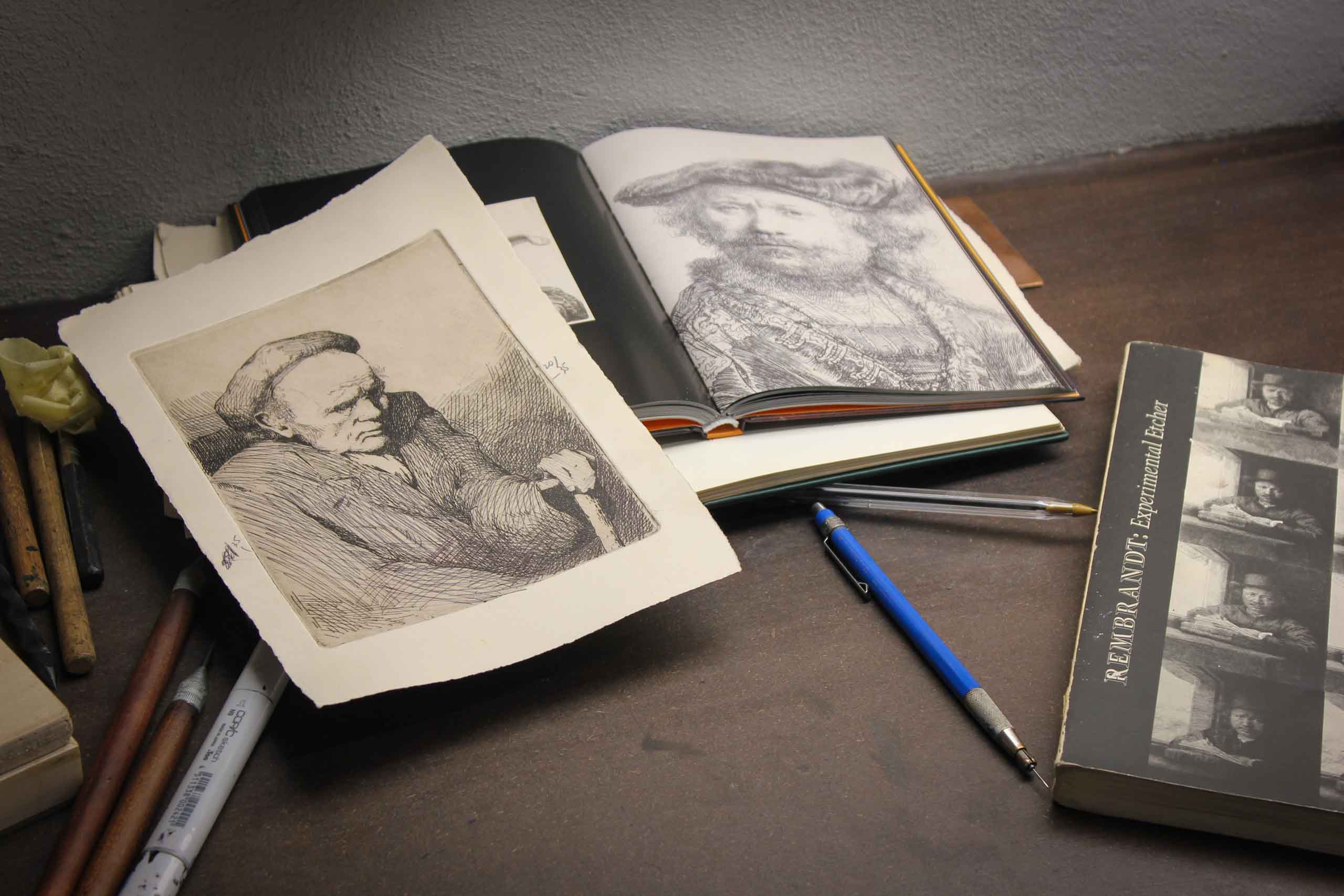
The workspace of a student of the Etching Workshop, studying Rembrandt
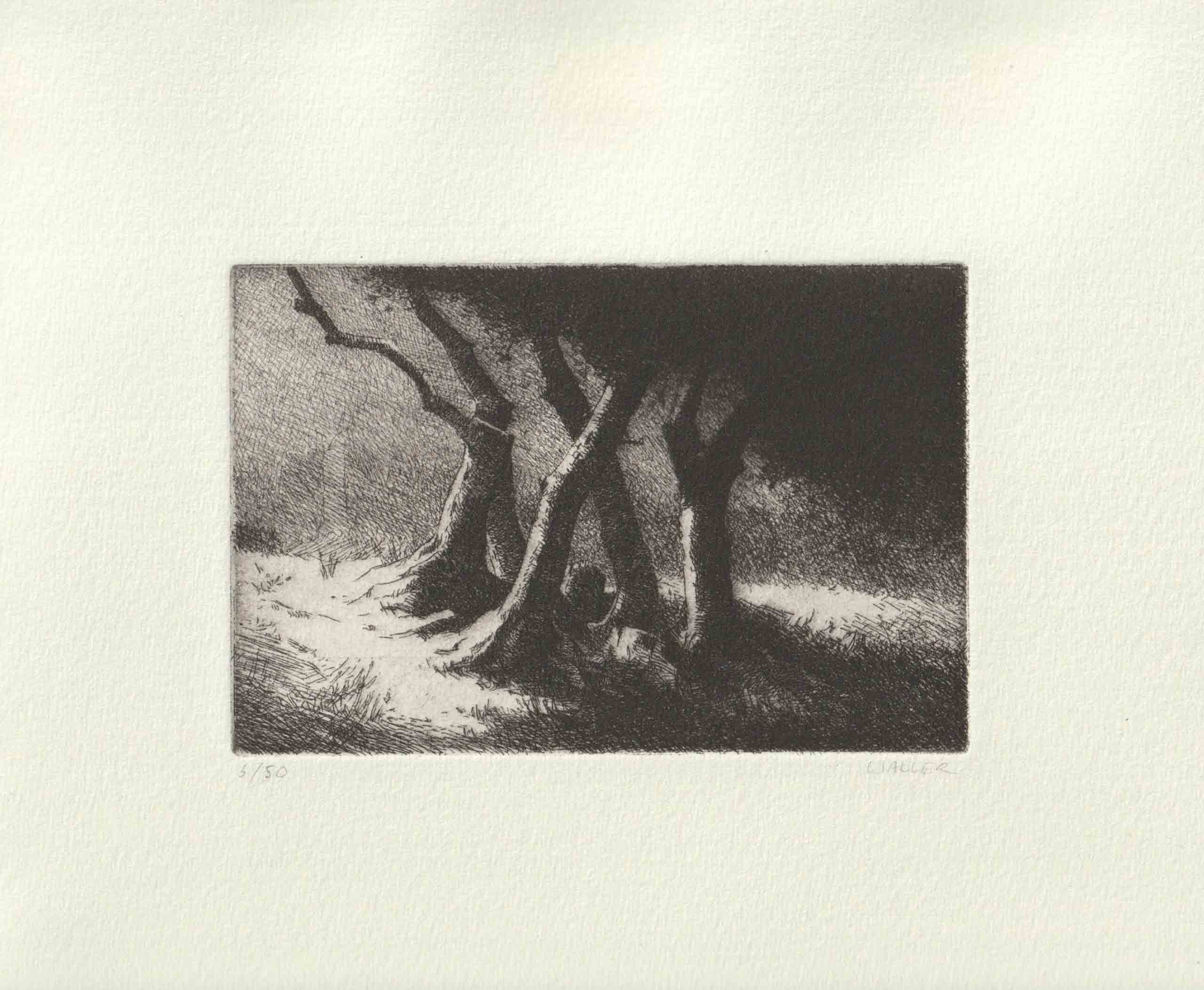
Andrew Waller, Olive Trees, Etching, 14,5 x 10 cm
For an etcher, the line is their only tool—as unforgiving as that sounds. While a visually appealing image can be created by compressing values with charcoal or applying impasto highlights with oil paint, every line in a successful etching must be carefully considered. Imagine etching a wall; how can an etcher imply a solid, flat surface using only the abstract language of lines? Since lines do not exist in nature, translating nature into an image and building form requires the etcher’s full attention before placing each mark, ensuring every line is made with energy and purpose.
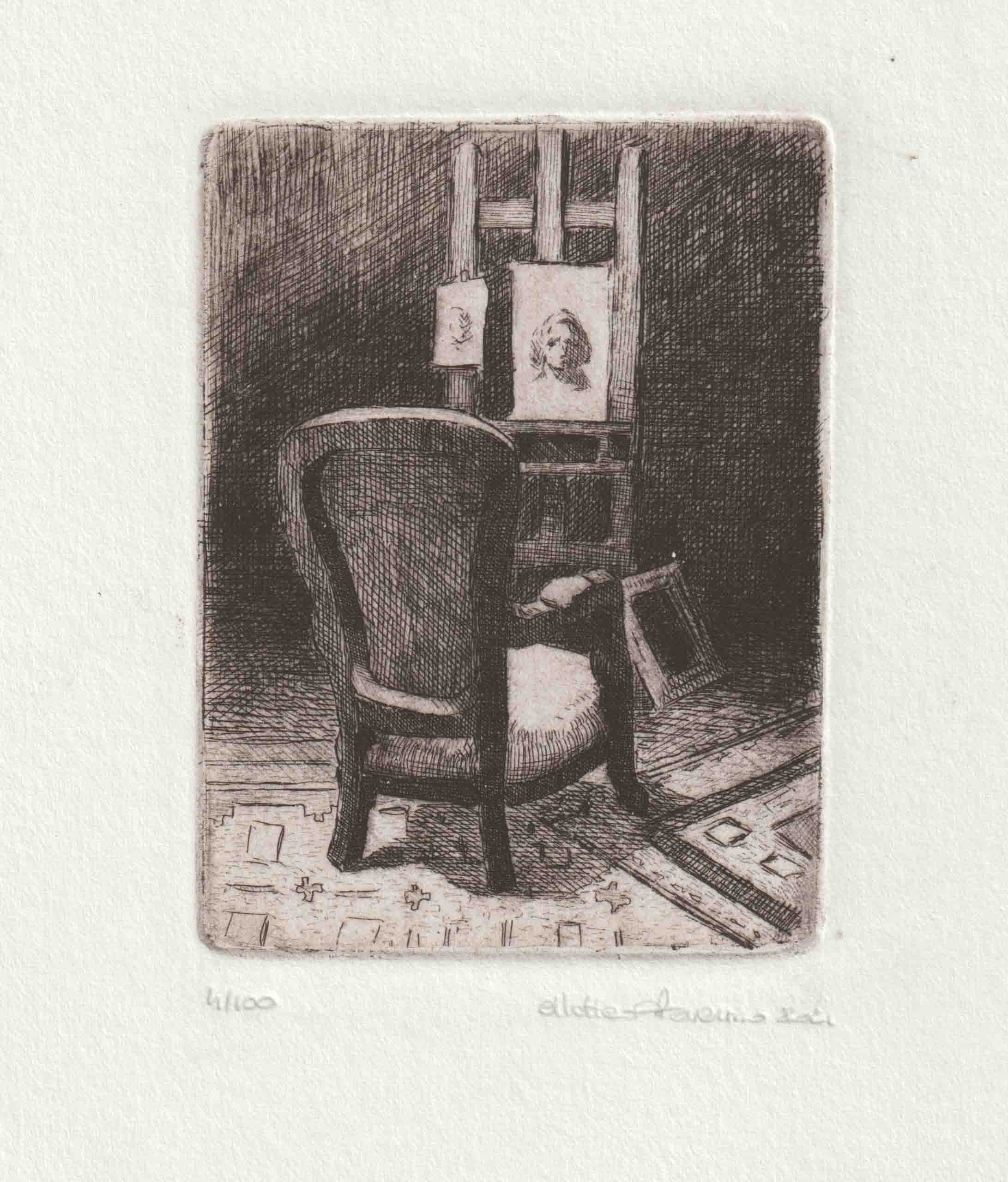
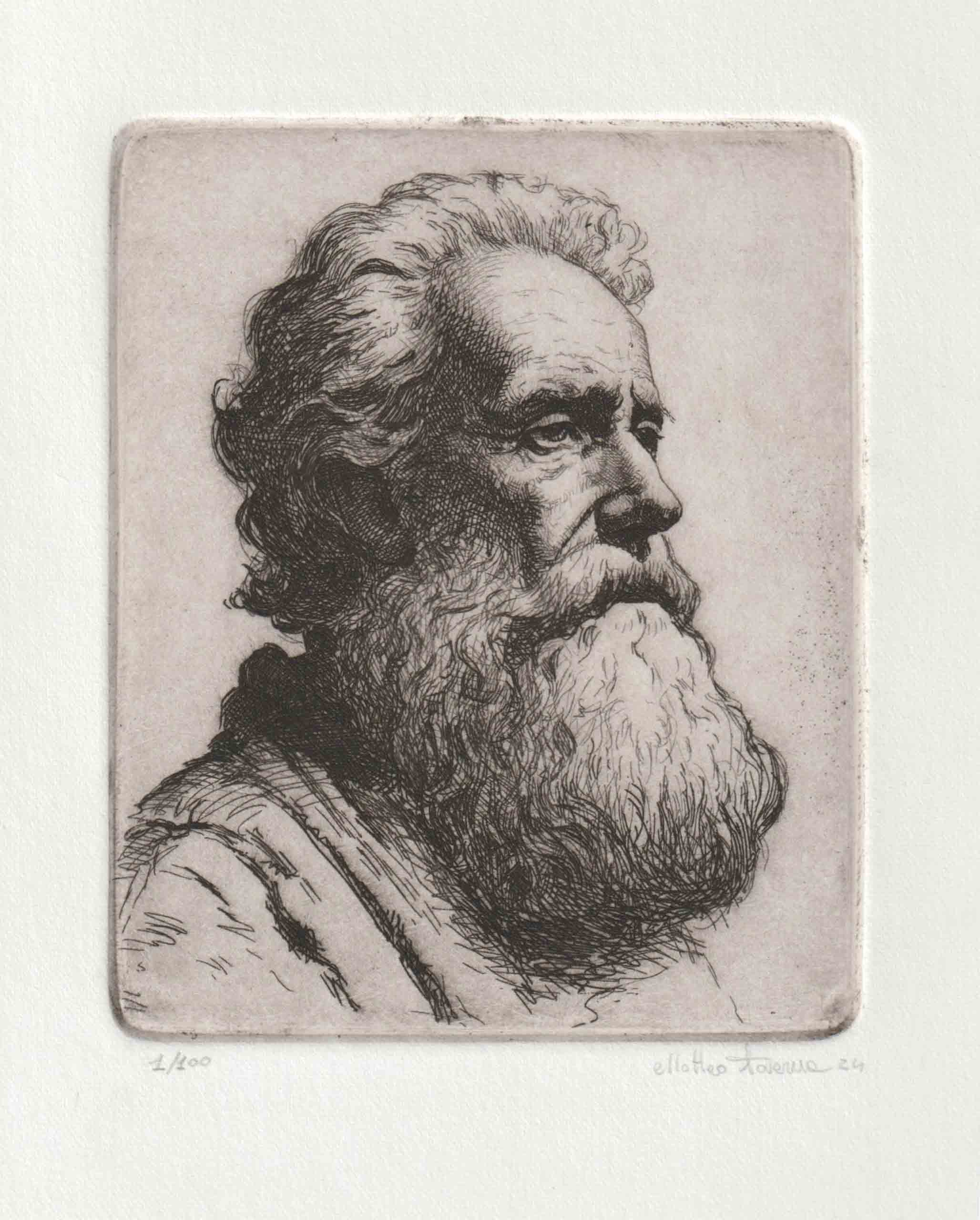
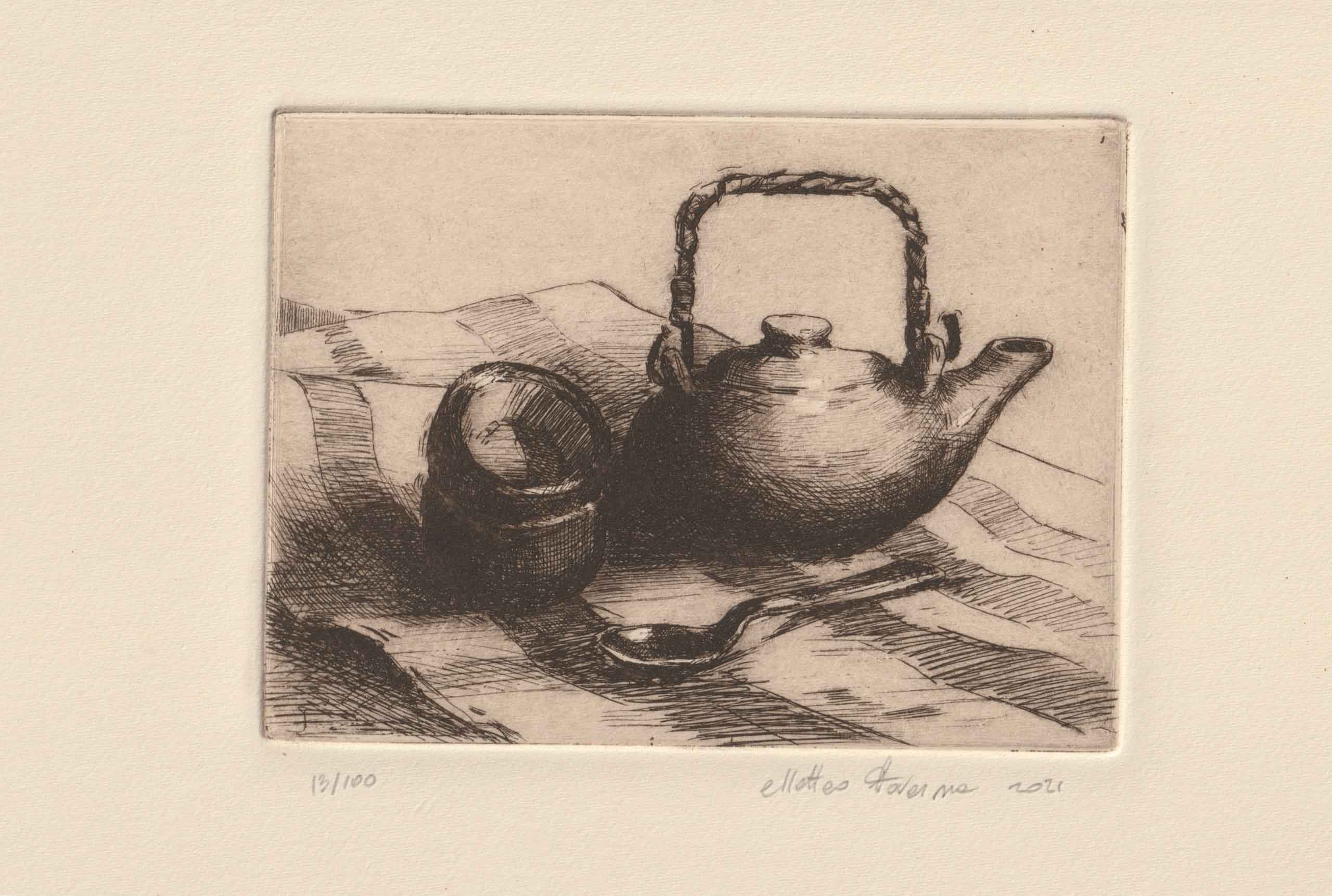
A selection of etchings by FAA Principal Instructor, Matteo Taverna
On its own, the ocean of printmaking is as vast and complex as drawing and painting.
Students in the Drawing and Painting Programs at the FAA can benefit from practicing the thought process behind etching. Etching emphasizes the direct connection between the hand and the mind, requiring a moment of consideration before making any marks on a surface. By working with a focused tool like line, students can expand their artistic vocabulary as they push the potential of this simple language to create three-dimensionality and atmosphere. Great painters such as Rembrandt, Ribera, Zorn, and Fortuny all mastered etching as a complementary practice.
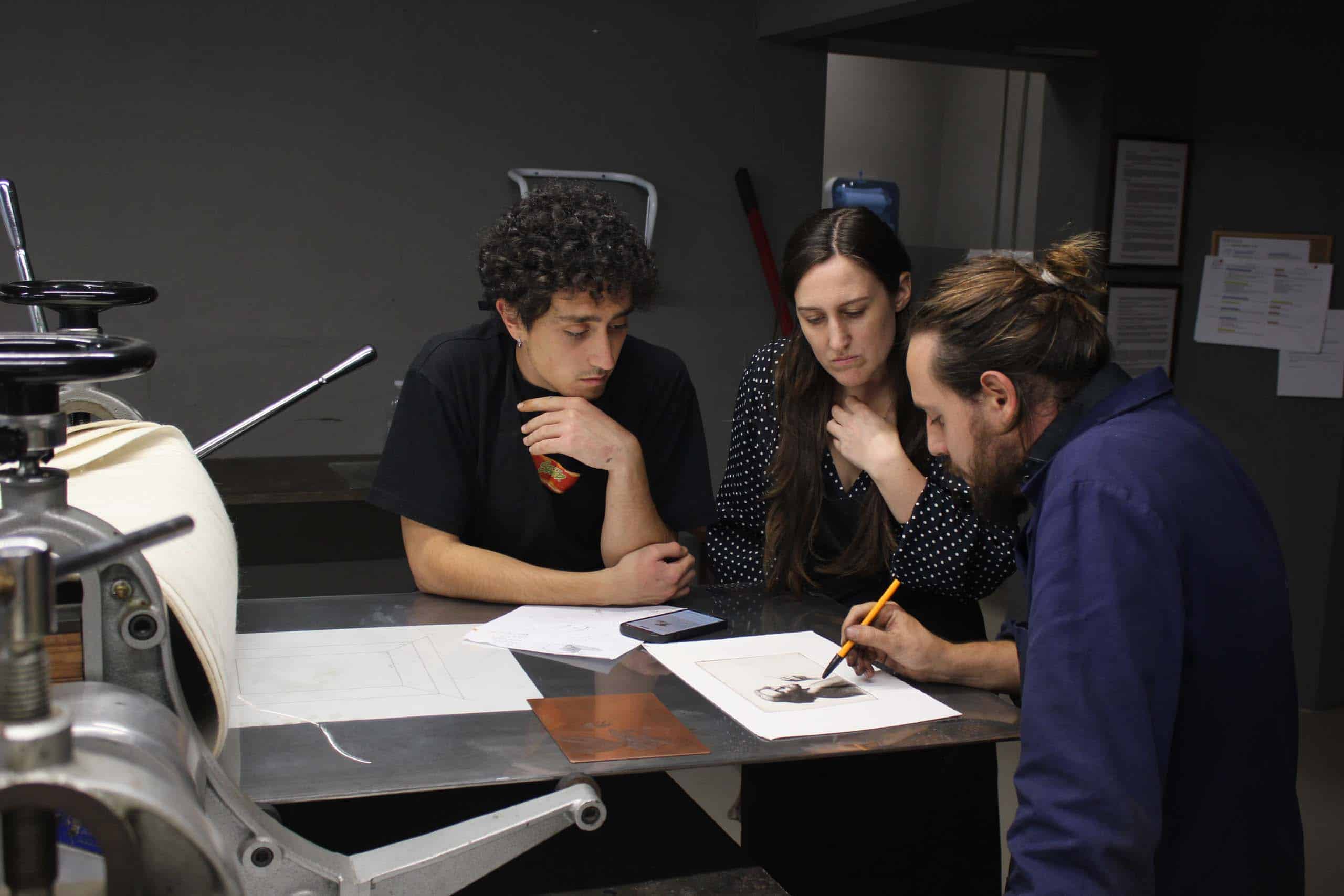
A conversation in the Etching Lab between FAA Principal Instructors Matteo Taverna and Giuseppe de Palma, and FAA Sweden Principal Instructor Stephanie Kullberg
As more and more students study etching at The Florence Academy of Art, this printmaking method is gaining increasing popularity. Following their introductory training, students can access the Etching Lab at the Academy through various afternoon classes. Occasionally, the Academy organizes friendly competitions for the entire FAA etching community, where students, instructors, and alumni can exchange their knowledge. Currently, the FAA offers Etching Workshops in the summer, with the goal of expanding etching and printmaking into a full-time program. With the community’s help, etching will regain its status as an esteemed and versatile art form. For more information, please click here.
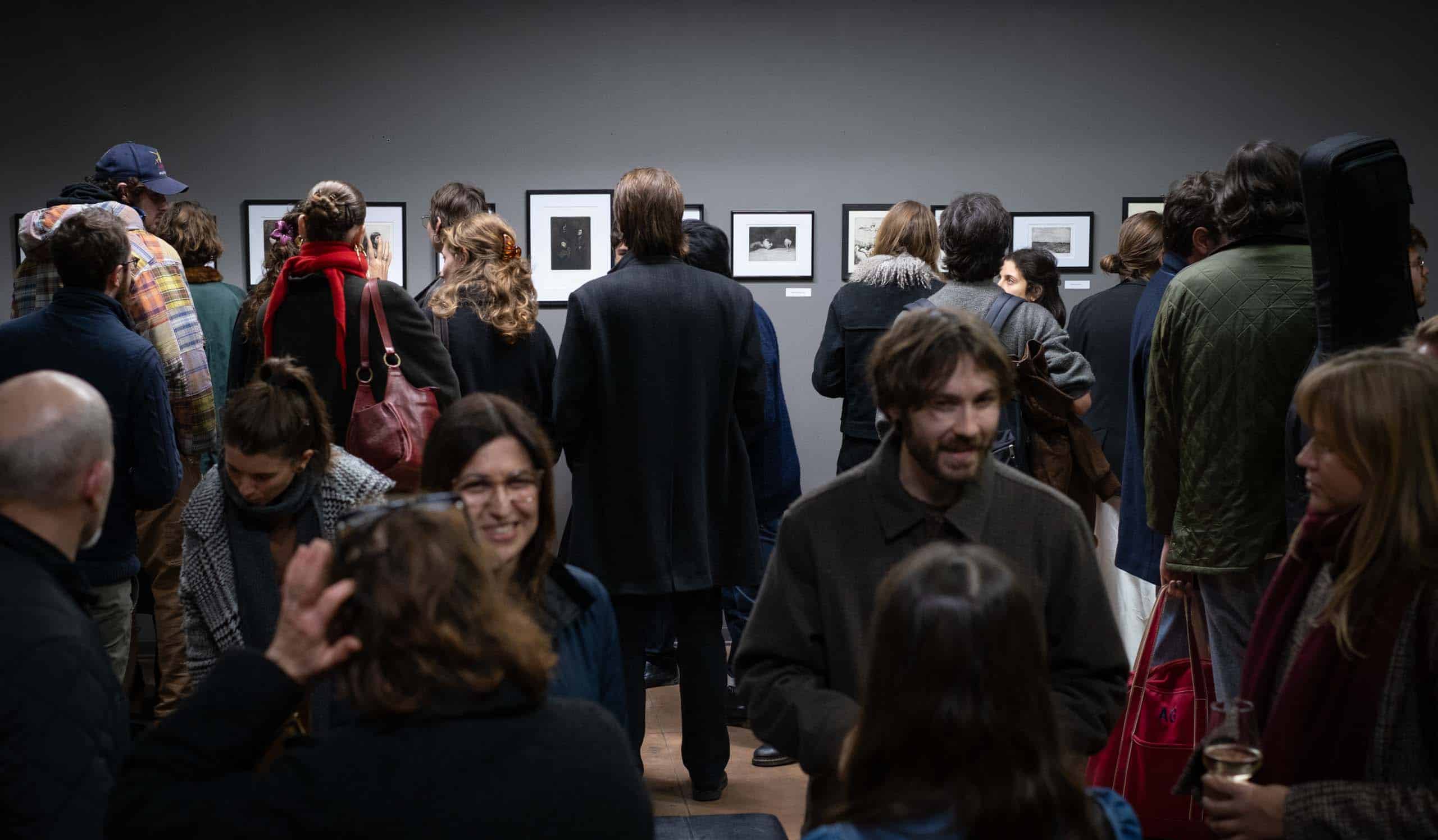
Fall 2025 Etching Exhibition Opening, featuring a new display from the Permanent Collection.
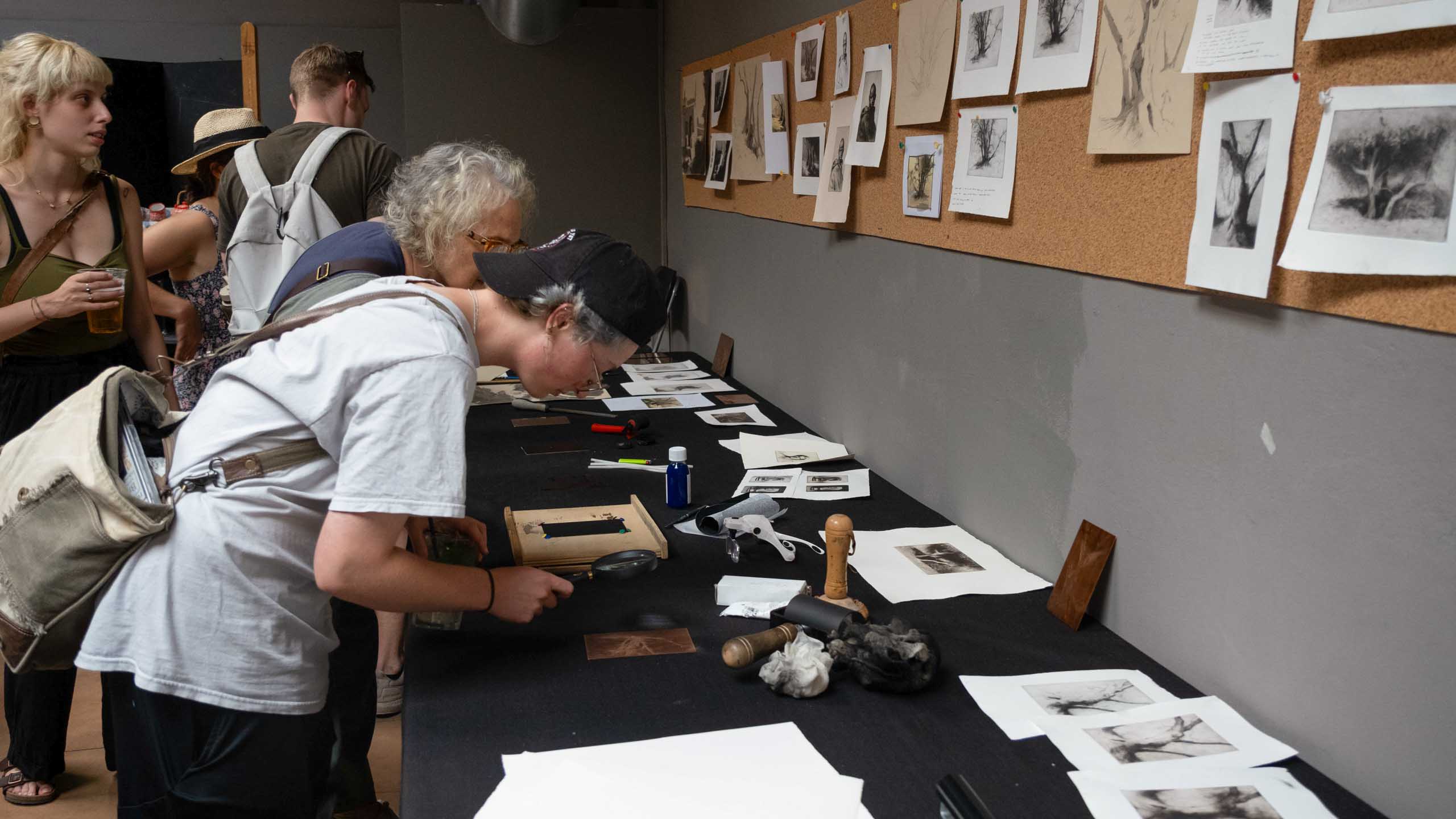
Student Etching Exhibition, showcasing work produced during the 2024 Summer Workshops
A special acknowledgement to FAA Founder Daniel Graves and FAA Principal Instructors Elizabeth Ralph-Smith and Matteo Taverna for their guidance in writing this article.