Master of Fine Arts in Painting
This MFA is centered on your individual artistic intent to produce a single painting or body of work of personal significance. You will have two years to work through the creative process, to ask questions of yourself and your faculty, and to establish an investigative path that informs your final project. It will be our goal to create the conditions necessary for the internal dialogue you must undertake to produce a unique and profoundly significant work of art. Painting of the kind produced by Rembrandt, Titian, and Velázquez is the inspiration behind this MFA Program, and it is with great humility that we set out to help you work towards such enduring greatness.
The MFA in Painting Program is offered in Florence, Italy.
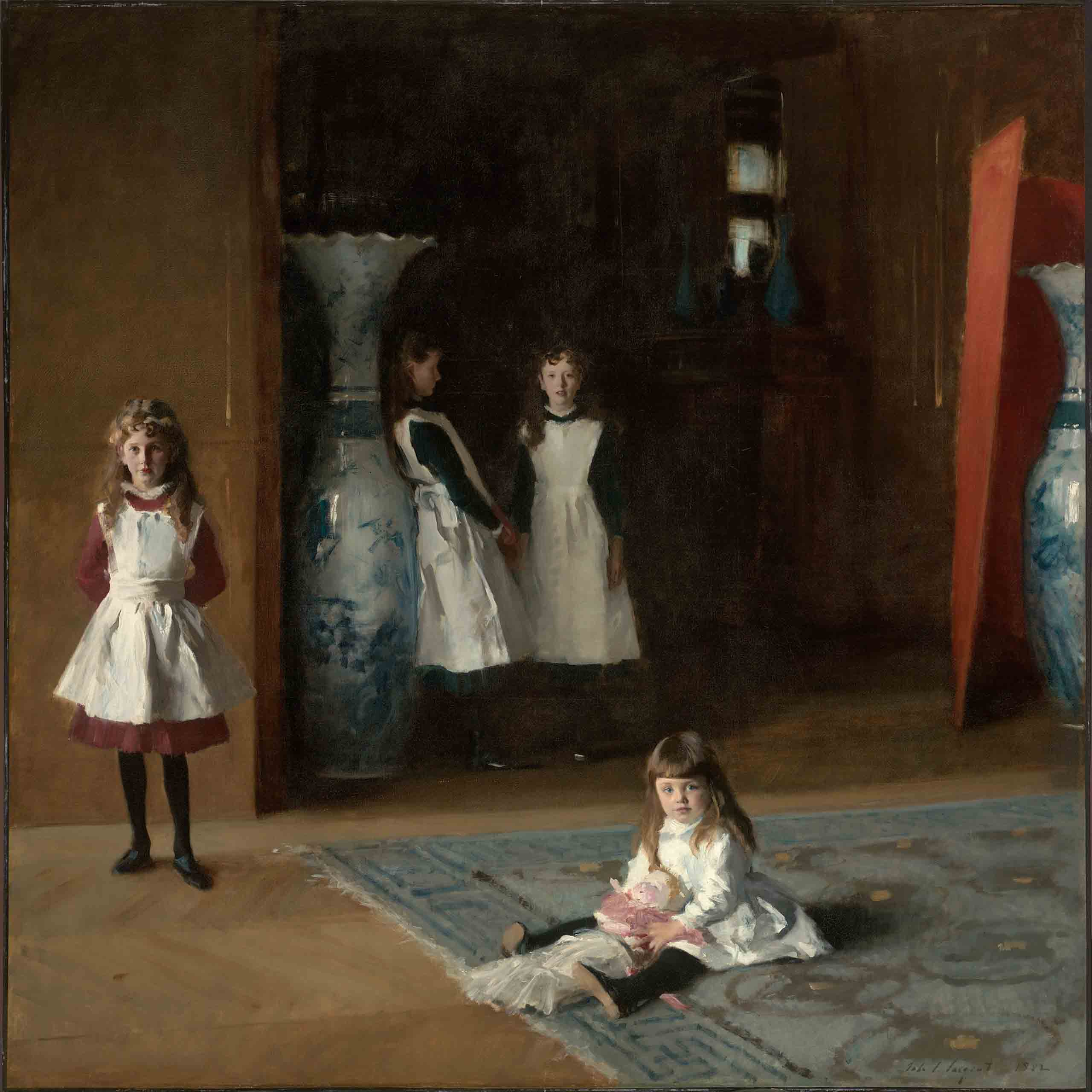
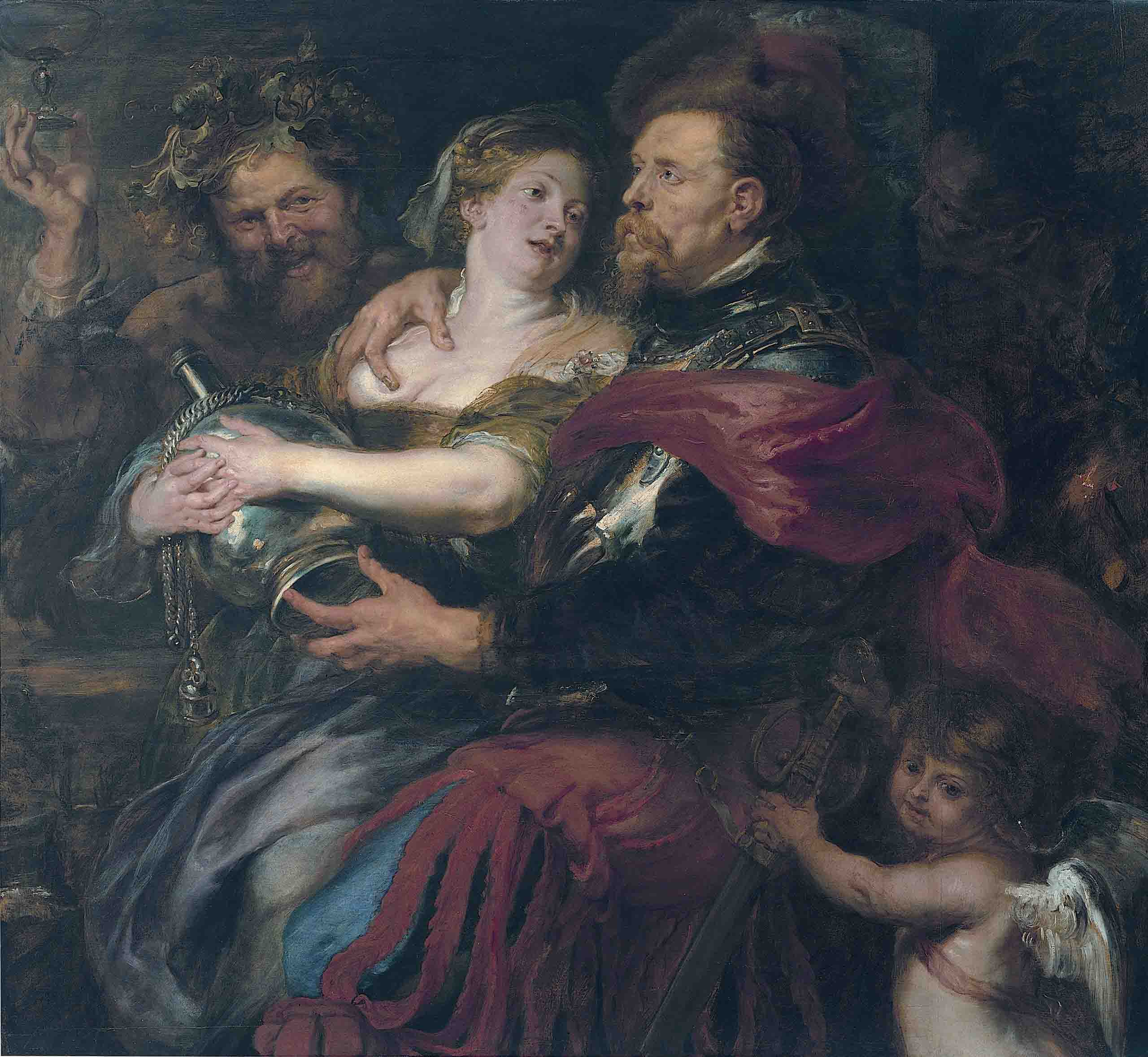
Who inspires the MFA?





PB_062


SONY DSC

PitStop




Screenshot

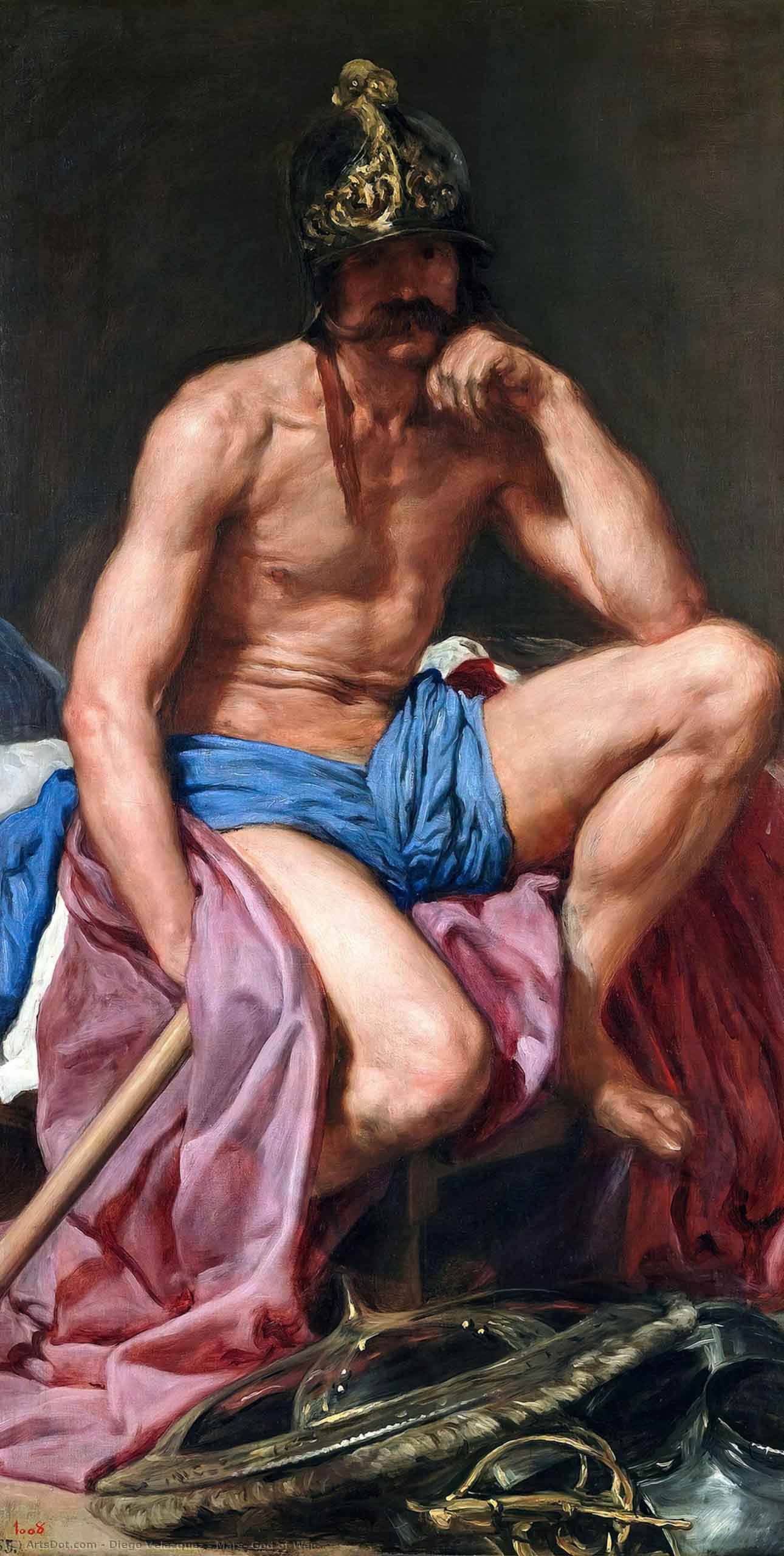

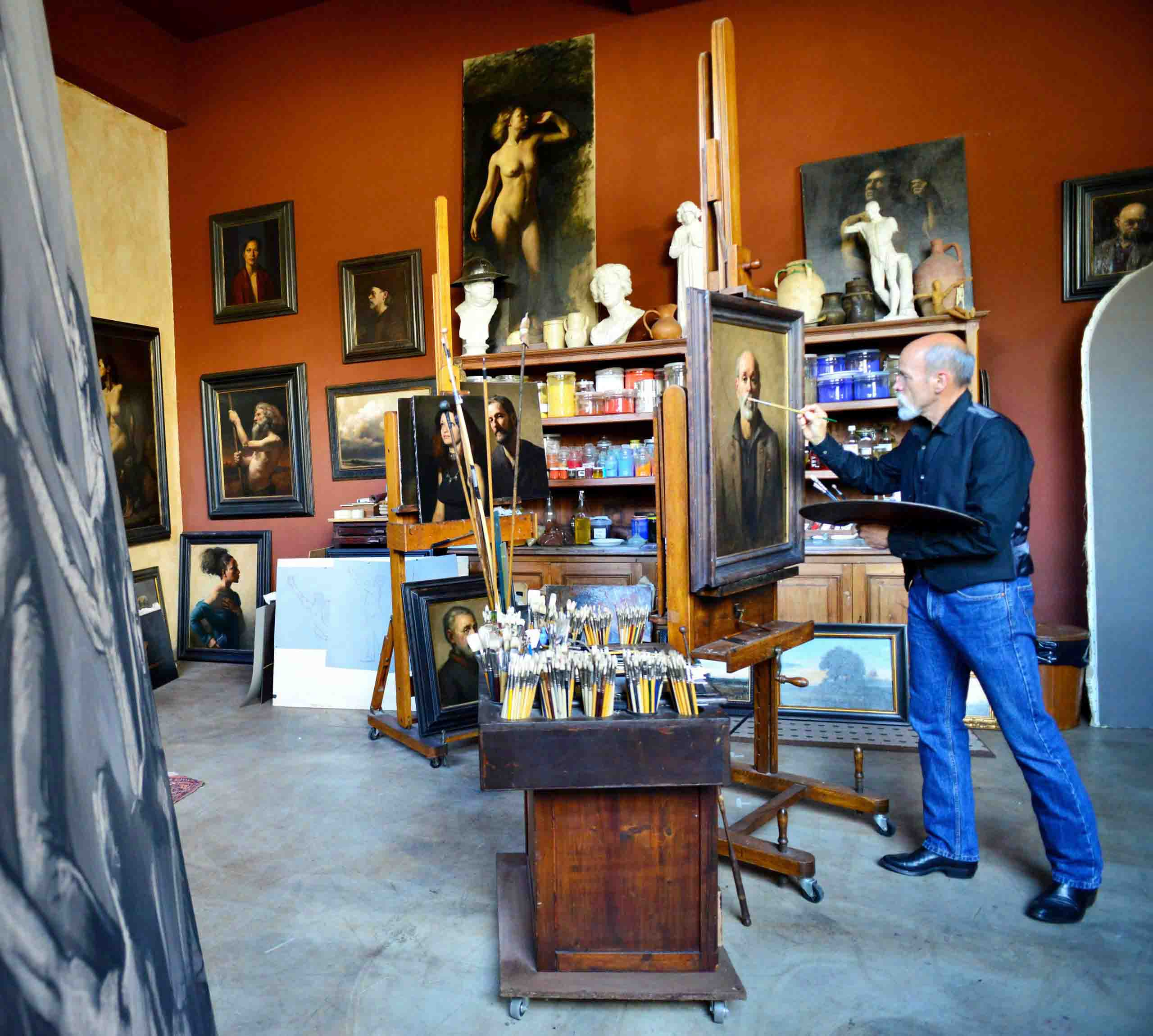
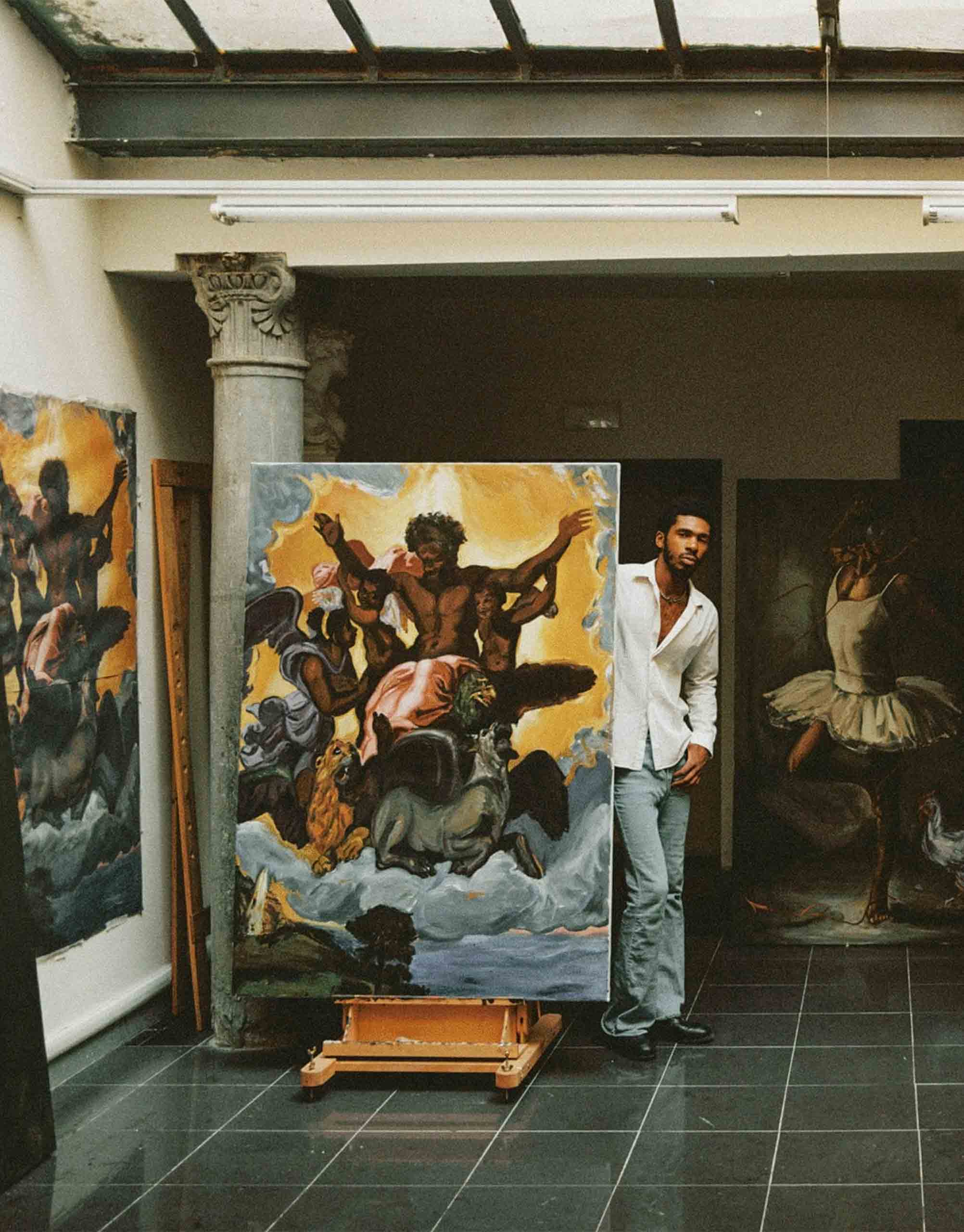
A selection of works by the Great Masters we admire and by Alumni of The Florence Academy of Art
About the
MFA program
The Master of Fine Art in Painting and its focus on figurative representation aims to use art to impact the larger social, cultural and educational world contexts. This ultimate and most noble goal can be accomplished through a determined effort to elevate the dialogue between humans to the highest level possible through art. The MFA does not consider questions of taste, or the relevance of personal ideas, but does seek to produce paintings of exceptional quality, to initiate public interest to see more art like it, to turn away from simplistic, nihilistic and mediocre imagery, and to cultivate a demand for works of lasting significance.
This is a challenge that we believe is unique to our program. We are asking candidates to produce something truly meaningful in the most sublime and humanistic way.
To achieve this, you must live among examples of some of the most virtuous works of art from the past; you must understand, at the deepest possible level, what has allowed them to endure over time and what elevates them to the realm of synesthetic experience. How have the greatest artworks in history avoided becoming mere anecdotes and instead speak to us in a language that is timeless and resonant? We will ask you to turn away from apathy and to use your art to say something significant.
To create this kind of art, that provokes in the viewer a deeply moving experience, is the result of an artistic process that the painter realizes while working directly from their subject from life. It is the active engagement both in a literal (physical) and intellectual sense, between painter and subject, of light over form that, over time, builds the layers of meaning in the final work.
As the Academy’s Founder, Daniel Graves, expresses, “When we stand looking into the eyes of a Rembrandt self-portrait, how much closer can we get to knowing the soul of another marvelous human being? Rembrandt’s hands mixed the paint we see, but what is before us is a blend of his image with ours and that of every human. There is no substitute for this experience. This type of painting speaks to us of beauty, craft, feelings and ideas and its relevance is its enduring ability to move us to the core of our souls.”
The Florence Academy of Art will select candidates who show the promise of composing and creating memorable paintings that combine technical skill, personal style, and conceptual sophistication. We will ask you to transform the great spectrum of everyday human experience into something meaningful.
The Florence Academy of Art’s Master of Fine Art in Painting program will therefore be open to artists for whom the work of art is more than a rote copy of an image or subject but the elaboration of this subject on the deepest level to create a work of universal relevance. As artists, this challenge will remain with you throughout your lifetime.
Project Proposal
The painting can die from just holding onto it too tightly. The idea is to allow it to grow and change while you work on it. To have the freedom to do that, you have to build a working method that allows change as you go through the process. As you mature as an artist, you gain more latitude to continue developing and changing things throughout the process, hopefully making decisions that will impact the painting in a positive way.– Daniel Graves, FAA Founder
Additional Information
The MFA in Painting curriculum will be focused on concepts and topics germane to figurative representational art. Students will be free to pursue the genre of their choice, however only in the oil medium (graphite, charcoal, sanguine, or silverpoint may be used for drawings and studies). Coursework in the studio is tailored to concentrate on formal issues (such as pictorial space, color, and composition), technical issues (such as preparation of materials including hand-grinding pigments, and historical, time-honored techniques), and conceptual issues (such as ideas, process, and narrative). Students may apply these issues to the genres of their choice: figure, still life, landscape, or narrative. Candidates will attend graduate-level studio classes in figure drawing as well as seminars in painting processes, materials, and traditional techniques.
The curriculum also includes a graduate-level liberal arts component focused on historical movements central to figurative representation, including Greek antiquity, the Renaissance, Mannerism, and the Baroque, as well as painting from the 18th, 19th, and 20th centuries. This component comprises two year-long courses: a lecture-based course, The History of Figuration, which examines the human figure in its historical context, and a seminar-based course, Figuration in Practice, that addresses the figure as it relates specifically to MFA candidates’ individual projects. During both years, the curriculum considers philosophical, literary, and aesthetic discourses relevant to the figure in art history.
Art as defined and practiced by Humanists will be given special attention throughout the two-year curriculum with on-site visits to Florence’s principal museums and monuments. Renaissance artists placed the human being at the center of the universe. Today, their master works inspire contemporary painters and sculptors for their ability to transcend time and enter the realm of the viewer’s experience. MFA candidates will look closely at Renaissance painters and sculptors to observe their finely worked surfaces, to understand how the use of texture and polish combined to create the painter’s equivalent of chromatics.
MFA Curriculum
The Florence Academy of Art believes that artists possessing a sound training in technique and education in the humanities are capable of creating works of profound significance and timeless relevance. With this belief, it has designed a curriculum that places at the fore the human figure in art and in relationship to art, as both the artist’s muse and the universal symbol of the human condition.
The MFA curriculum builds upon FAA’s tradition of figurative realism, which includes painting exclusively from life and referencing the classical world and the masters of figurative realism, to inform, support, and challenge the MFA candidate to execute paintings that reach for complexity and depth. To this end, the city of Florence will influence significantly the MFA’s goals.
Each candidate will be expected to absorb and synthesize the information presented in class and during site visits. This combination of scholarly research, studio classes and independent studio practice will lead the candidate to work with greater intellectual depth, emotional range, and technical skill than they had achieved prior to entering the program. Candidates will be expected to work exclusively from life under natural light. For those without prior experience, this will no doubt impact their perception of form altering the typical creative cycle and offering new insights to work and personal research.
At the heart of the MFA curriculum is the candidate’s Proposed Project that they submit as part of the application process and work to complete throughout the two-year program. Upon completion in June of their second year, the Project Proposal becomes the MFA Thesis.
Candidates will be admitted as full-time students and attend in-person six trimesters over two years. A total of 93-quarter units is required for the MFA; of these, 79.5 will be in studio coursework and 13.5 in art/design courses: Anatomy; Materials & Techniques; Printmaking; and Landscape Painting.
Who is this MFA for?
The Florence Academy of Art’s MFA in Painting seeks to attract those artists who have completed their undergraduate training and who have made a serious commitment to the practice of representational painting and to the goal of becoming professional artists and educators. The MFA Faculty will select the best candidates as demonstrated by their technical skill, appropriate level of conceptual ambition, and examples of past performance.
Teaching Opportunities
MFA candidates in their second year may apply for a limited number of Teaching Assistantships to shadow faculty working with students enrolled in the Drawing and Painting Certificate Program and workshops.
After Graduation
Graduates of The Florence Academy of Art’s MFA in Painting will have access to a wide range of opportunities for professional success. Alumni may pursue careers as professional fine artists through gallery representation or commissioned work, as well as positions as university-level educators.
Location
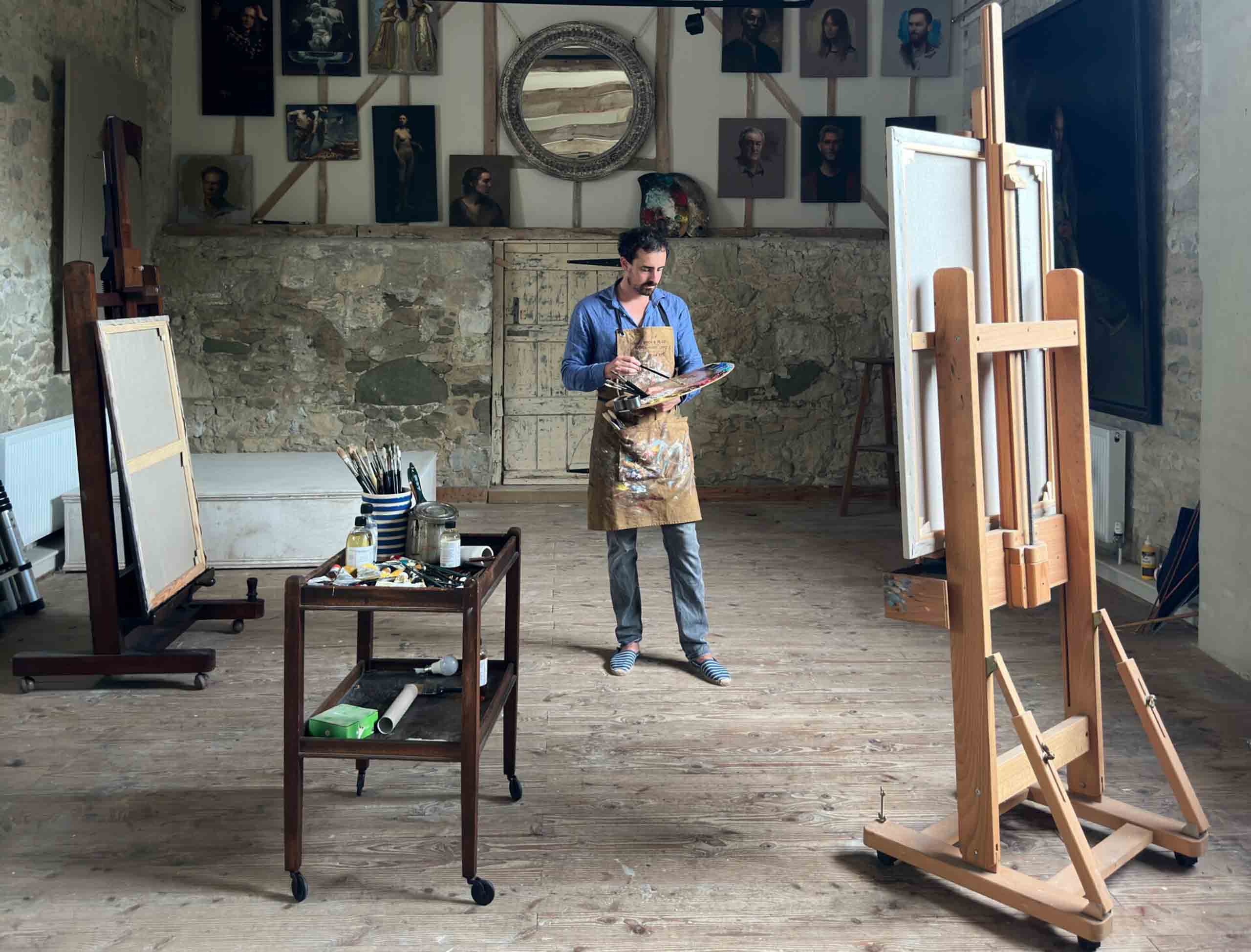
The Master of Fine Arts Program in Painting is located in a dedicated facility east of the city center and a short walk from the Arno River and the monuments of Florence. This specially adapted, naturally lit space will provide each MFA candidate a semi-private or private studio (assignment of the studio space will be based on the dimensions of the candidate’s proposed project). Other courses, elective lectures, and seminars will take place at the FAA’s main campus located nearby.